Customer Retention Automation: Keeping Customers Without Constant Promotions

Understanding Customer Retention Automation

Customer retention automation is best suited for businesses that have established a solid customer base and are looking to deepen engagement without relying on constant discounts or promotions. Companies that prioritize long-term relationships over transactional interactions will find these tools invaluable.

One significant limitation to consider is that automation can sometimes lead to a lack of personal touch. While automated systems can efficiently manage routine communications, they may miss the nuances of customer interactions that require human empathy and understanding. This can result in alienation for some customers who prefer a more personalized approach.

For example, a gym might use customer retention software to send automated reminders for upcoming classes or membership renewals. By segmenting their audience based on attendance patterns, they can tailor messages that encourage members to participate more actively in programs they’ve shown interest in. This targeted approach not only enhances engagement but also fosters a sense of community among members.

Many teams overestimate the effectiveness of automation as a standalone solution. They often assume that simply implementing automated systems will lead to immediate retention improvements without ongoing adjustments and monitoring. In practice, successful retention automation requires continuous evaluation of customer feedback and behavior analytics to refine strategies effectively.

Effective retention automation combines data-driven insights with human oversight for optimal results.

According to research, increasing customer retention rates by just 5% can boost profits by 25% to 95%.

Identifying Customer Behavior Patterns for Automation

Understanding customer behavior is pivotal for effective customer retention automation. Businesses that excel at this typically have a solid grasp on their customers’ preferences, needs, and pain points. This approach is best suited for companies that are already collecting substantial data on customer interactions and are prepared to leverage it strategically.

However, a significant limitation lies in the potential for misinterpretation of data. Companies may mistakenly assume that all trends they observe in customer behavior are actionable or indicative of broader patterns. Relying solely on quantitative data without considering qualitative insights can lead to misguided strategies. The trade-off here is between the efficiency of automated systems and the depth of understanding that can come from direct customer engagement.

For example, a boutique fitness studio might utilize customer feedback automation to collect data on class attendance and satisfaction levels. By analyzing this data, they can identify which classes are underperforming and target specific segments of their clientele with personalized retention email marketing campaigns designed to boost attendance in those classes. This targeted approach not only addresses specific issues but also enhances overall member satisfaction.

A common pitfall teams face is overestimating the effectiveness of segmentation based purely on historical behavior without factoring in evolving preferences or external influences. For instance, a gym might segment members based on past attendance but fail to account for seasonal factors like holidays or local events that could impact engagement levels. This oversight can lead to ineffective retention efforts and missed opportunities for deeper engagement.

Data-driven insights must be supplemented with ongoing qualitative feedback to ensure accurate targeting in retention strategies.

Companies that utilize predictive analytics for retention have seen up to a 20% reduction in churn rates.

Personalization Strategies Powered by Automation

Automation that focuses on personalization is best for businesses aiming to enhance customer experiences without overwhelming staff with repetitive tasks. Fitness studios, for example, can effectively utilize automated customer retention strategies tailored to individual member preferences and behaviors.

However, a crucial limitation is the risk of over-automation. While personalized messaging can increase engagement, too much reliance on automated systems may lead to generic interactions that fail to resonate with customers. This trade-off can dilute the effectiveness of personalization if not managed carefully.

For instance, a fitness center could implement behavior-triggered communication systems that automatically send personalized workout suggestions based on members’ previous class attendance or preferences. If a member frequently attends yoga classes but has shown interest in strength training, the system could automatically recommend strength classes while still acknowledging their yoga practice. This targeted approach not only keeps members engaged but also encourages them to explore new offerings.

Over-automation can lead to generic interactions; striking the right balance is key.

Many teams mistakenly believe that once they set up an automated system for personalization, their work is done. In reality, ongoing monitoring and adjustment are vital. Customer preferences shift over time, and what worked last year may not yield results today. Regularly revisiting and refining automation strategies based on current data and feedback ensures continued relevance.

Personalization powered by automation can improve customer engagement rates significantly, but it requires consistent evaluation to maintain effectiveness.

Leveraging Feedback Loops for Continuous Improvement

Implementing feedback loops is essential for refining customer retention automation strategies. This approach fits best for businesses that are committed to understanding their customers’ evolving needs and preferences, particularly in dynamic environments like fitness studios. By actively seeking customer input and integrating it into their operational strategies, these businesses can enhance customer loyalty without resorting to constant promotions.

A notable limitation of relying solely on feedback loops is that they can introduce analysis paralysis. Companies may become so focused on collecting and analyzing feedback that they fail to act on the insights gained. This delay can frustrate customers who expect swift responses to their concerns or suggestions, potentially leading to disengagement.

For example, a fitness studio might automate the collection of feedback through post-class satisfaction surveys sent via email. By analyzing responses in real time, the studio can quickly identify which classes are resonating with members and which are not. If a particular class consistently receives low scores, they might adjust the schedule or instructor based on this feedback, ensuring that offerings align with member preferences.

Many teams misjudge the effectiveness of automated feedback systems by assuming they can replace direct communication with customers entirely. In practice, while automated systems streamline data collection, they cannot replicate the depth of understanding gained from personal interactions. Customers often value conversations over forms; neglecting this can hinder genuine relationships.

Feedback loops should complement personal engagement, not replace it.

Businesses that effectively integrate customer feedback into their retention strategies report up to a 30% increase in customer satisfaction scores.

Implementing Automated Engagement Campaigns Effectively

Automated engagement campaigns are most effective for businesses that have a clear understanding of their customer base and are ready to leverage technology for meaningful interactions. This approach suits fitness studios that want to enhance member engagement without overwhelming their staff with manual outreach.

However, one significant limitation is the risk of message fatigue. If automated messages are sent too frequently or lack variety, they may be perceived as spam by customers, leading to disengagement. Striking the right balance in frequency and content is essential to maintain interest.

For instance, a fitness studio might implement an automated email campaign that sends workout tips and class schedules tailored to members’ preferences based on their past attendance. By analyzing engagement metrics, the studio can adjust the timing and content of these emails to maximize open rates and participation.

Many teams miscalculate the importance of segmentation in their automation strategies. They often assume that a one-size-fits-all approach will suffice, failing to recognize that different segments of their customer base may respond uniquely to specific types of communication. Effective automation requires granular targeting based on behavior patterns.

Proper segmentation is crucial for the success of automated engagement campaigns; without it, efforts can fall flat.

Studies show that personalized email campaigns can deliver six times higher transaction rates than non-personalized ones.

Designing Multi-Channel Campaigns That Reach Customers Where They Are

Multi-channel campaigns cater to customers across various touchpoints—email, SMS, social media—ensuring your message reaches them where they engage most. This strategy is best for businesses aiming for comprehensive coverage in customer communications.

A major limitation here is the complexity involved in managing multiple channels effectively. Each platform has its nuances and audience behavior; failing to tailor messages accordingly can result in disjointed communication.

Consider a fitness studio using both email and SMS for reminders about classes. If a member prefers SMS but receives an email reminder instead, they might overlook it altogether. Customizing messages based on channel preference improves engagement rates significantly.

An error many teams make is underestimating the resources required for effective multi-channel management. Automation tools can simplify processes but require diligent oversight; neglecting this can lead to inconsistent messaging across channels.

Measuring Success: Key Metrics for Customer Retention Automation

Establishing clear metrics is essential for businesses implementing customer retention automation. This approach is particularly effective for organizations that prioritize data-driven decision-making and aim to refine their retention strategies over time. Companies with a robust customer base and a desire to improve loyalty through targeted engagement will benefit most from this focus on metrics.

A common limitation of relying solely on quantitative metrics is the potential for misinterpretation. Organizations may focus too heavily on surface-level statistics, such as open rates or click-through rates, without understanding the broader context of customer behavior. This narrow focus can lead to misguided strategies that overlook important qualitative factors, such as customer satisfaction and emotional connection.

For example, a fitness studio might track the retention rate improvement strategies by monitoring how many members renew their memberships after receiving automated engagement emails. If they notice a spike in renewals following a targeted campaign featuring personalized workout suggestions, they can infer that their approach resonates well with members. However, if they don’t also gather feedback on member satisfaction post-campaign, they may miss critical insights into why members chose to renew.

Many teams mistakenly assume that merely tracking metrics will yield actionable insights without ongoing analysis. In reality, it is crucial to regularly assess not just the numbers but also the underlying causes behind them. For instance, a high churn rate might indicate problems beyond simple lack of engagement; it could reflect issues with service quality or unmet expectations.

Effective measurement requires combining quantitative data with qualitative insights to paint a complete picture of customer loyalty.

Research indicates that companies using advanced analytics for retention can achieve up to 15% higher customer lifetime value.

Defining KPIs Specific to Automated Retention Efforts

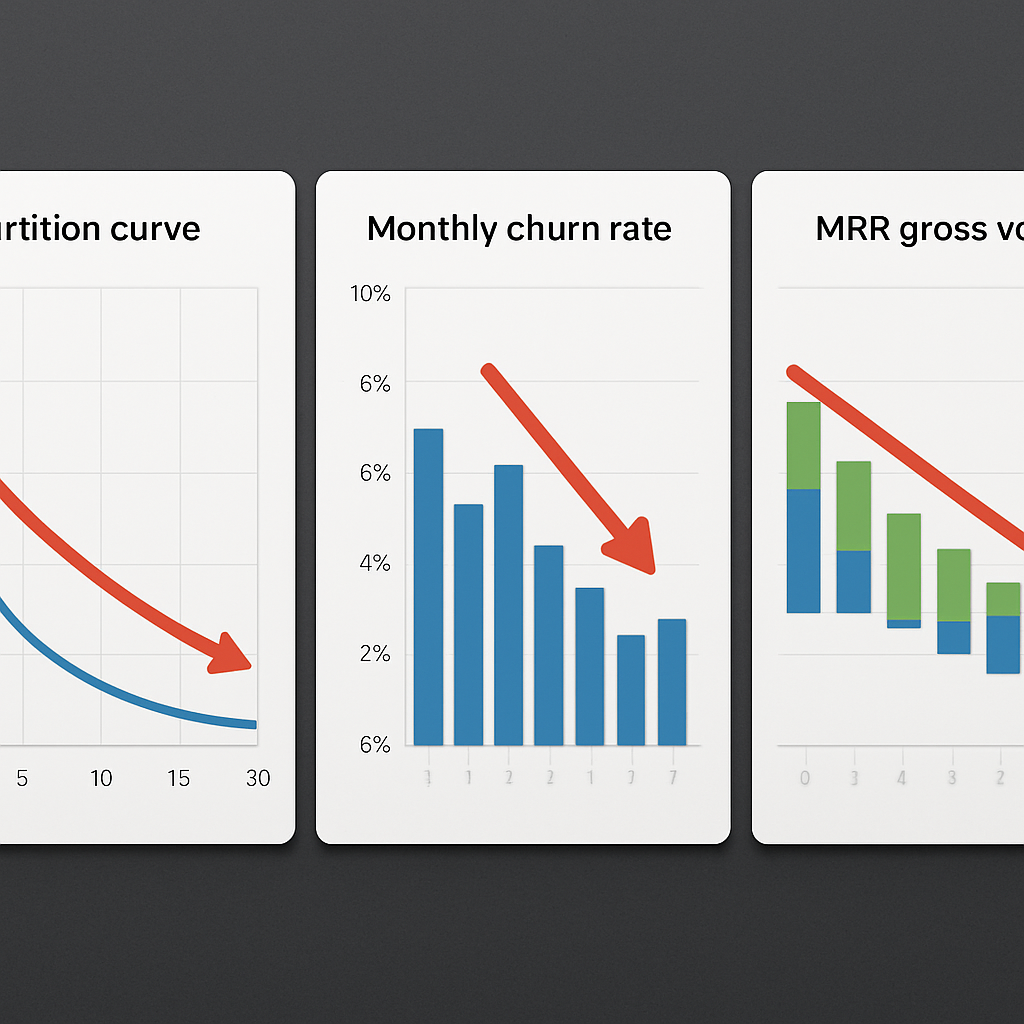
When defining Key Performance Indicators (KPIs) for automated retention efforts, businesses should focus on metrics that directly reflect the effectiveness of their strategies. Metrics like Customer Lifetime Value (CLV), Net Promoter Score (NPS), and churn rate are foundational but should be supplemented with more specific indicators related to automation performance.

For instance, tracking the engagement levels of customers who receive automated messages compared to those who do not can reveal whether your automation efforts are genuinely enhancing interaction or merely maintaining status quo. By analyzing these KPIs over time, organizations can adjust their strategies based on performance trends.

Analyzing Long-Term vs Short-Term Retention Metrics

For example, while short-term metrics like immediate response rates from an automated email campaign provide quick insights into engagement levels, long-term metrics such as year-over-year membership growth reveal deeper trends about customer loyalty and satisfaction over time.

Tools and Dashboards for Real-Time Tracking of Retention Rates

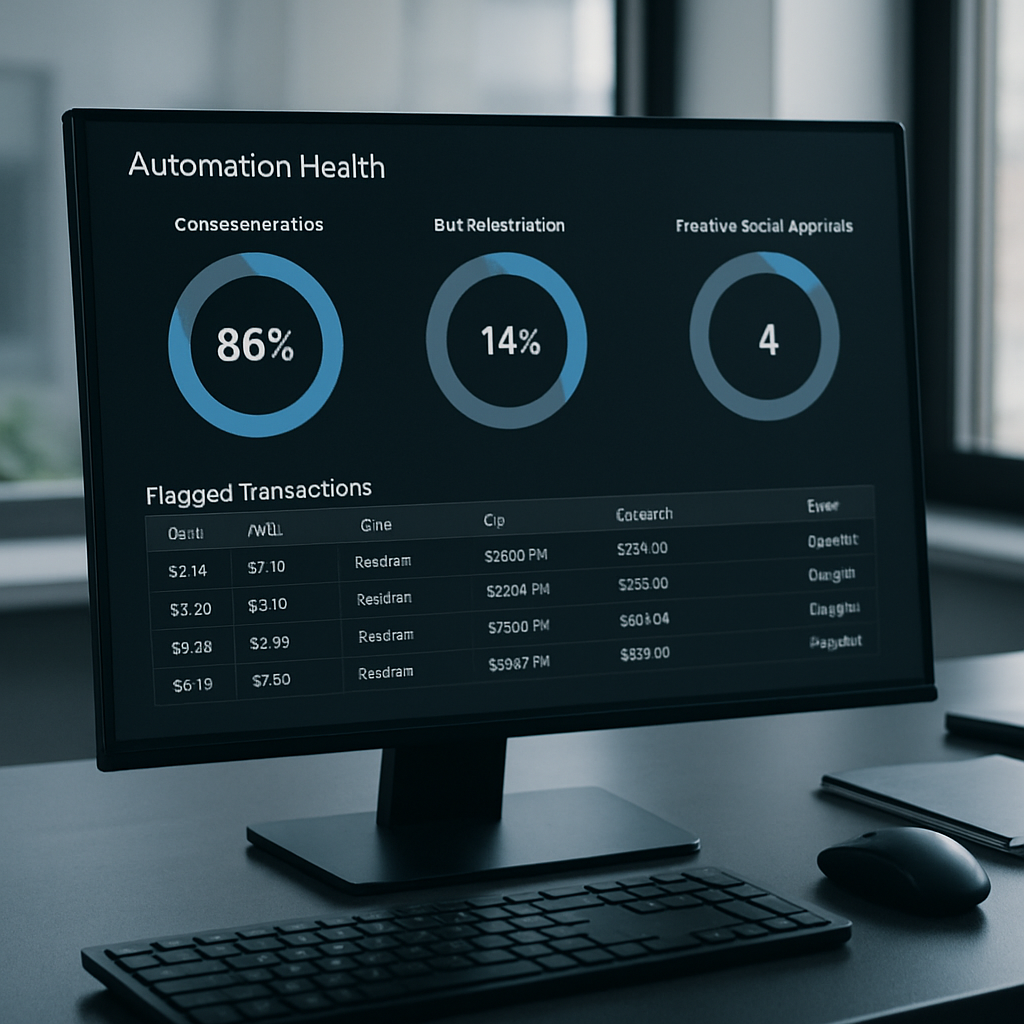
Utilizing advanced tools and dashboards enables businesses to monitor retention rates in real-time effectively. This capability is best suited for organizations ready to invest in technology that integrates various data sources into one cohesive view.

Many companies overlook the importance of user-friendly dashboards that allow easy access to key data points at a glance. A fitness studio might use CRM for retention combined with predictive analytics tools that visualize member behavior patterns over time; this setup allows staff to make informed decisions quickly.

Integrating Customer Retention Automation with Customer Support Systems

Integrating customer retention automation with customer support systems is best for businesses that understand the critical link between customer service and retention. This approach is particularly effective for fitness studios that want to enhance their engagement strategies while ensuring consistent support without overwhelming staff.

A key limitation of this integration is the potential for automated responses to become overly scripted, leading to a disconnect in communication. While automation can streamline many processes, it can also result in generic interactions that fail to address specific customer concerns. This trade-off between efficiency and personalization can alienate customers who seek tailored support.

For instance, a fitness studio might implement a customer relationship management (CRM) system that not only tracks member interactions but also automates follow-up communications after inquiries or support requests. If a member reaches out about a class schedule change, the system could automatically send them an updated schedule along with personalized recommendations based on their previous attendance. This approach enhances the member’s experience while ensuring timely responses.

Many teams misjudge the efficacy of automation by assuming it can completely replace human interaction in support roles. In reality, while automated systems can handle routine inquiries efficiently, complex issues often require nuanced human intervention. Relying solely on automated solutions can lead to frustration for customers who encounter problems outside typical scenarios.

Balancing automation with personal touch is essential for meaningful customer interactions.

Studies indicate that 70% of consumers prefer human interaction over automated responses when dealing with complex issues.

Streamlining Support Interactions Through Automation Tools

Automation tools streamline support interactions by managing routine tasks such as ticketing and FAQs. This method is particularly beneficial for fitness studios facing high volumes of inquiries during peak times, allowing staff to focus on more complex issues.

For example, a studio might deploy an automated ticketing system that categorizes and assigns support requests based on urgency and type, ensuring that pressing issues are prioritized. By using such tools, studios can improve response times significantly and enhance overall customer satisfaction.

Using Chatbots and AI-Driven Solutions in Support Processes

Chatbots powered by AI are becoming integral in customer support processes within retention strategies. They fit best in environments where immediate responses are crucial, like membership inquiries or class schedules.

However, reliance on chatbots poses risks; they may struggle with complex queries or emotional nuances. Misinterpretation of user intent can lead to frustrating experiences.

For instance, a fitness center might use an AI-driven chatbot to handle common questions about class times or membership benefits automatically. Members appreciate quick answers without waiting for human agents; however, when faced with unique concerns—like billing disputes—they often require direct interaction.

While chatbots enhance efficiency, they should complement rather than replace human agents.

Research shows that integrating AI chatbots into service processes can reduce response times by up to 80%.

Balancing Automation With Human Touch in Customer Service

Finding the right balance between automation and personal touch is critical for effective customer service within retention frameworks. This dynamic works best when businesses recognize which interactions benefit most from human involvement.

One common mistake teams make is underestimating the value of personal follow-up after automated interactions. For example, after an automated email confirming class sign-ups or cancellations, a personal outreach from staff members can elevate the experience significantly.

Personal follow-ups post-automation foster stronger relationships and demonstrate genuine care.

Customer retention improves by up to 30% when businesses incorporate personal touches into their automated systems.

Case Studies: Successful Implementations of Retention Automation in Fitness Studios

Fitness studios that have successfully implemented customer retention automation typically share a few key characteristics. They are proactive in their approach, leveraging technology not just for efficiency but as a means to deepen customer relationships. These studios excel in using customer retention software tailored to their specific needs, making them well-equipped to engage members without relying on constant promotions.

Before and after analysis of studios implementing automation strategies

Consider a mid-sized fitness studio that transitioned from traditional retention methods—such as sporadic discount offers—to an automated system that personalized member engagement based on behavior. Prior to implementation, the studio faced high churn rates, with little insight into why members were leaving. After adopting automated solutions for customer feedback and engagement, they saw a significant shift in retention metrics; within six months, member renewals increased by 30% as they began tailoring communications based on individual preferences.

Lessons learned from failed attempts at automation in retention efforts

A different studio aimed to automate its loyalty program but faced challenges due to poor execution. Their automated messages were too generic and often misaligned with members’ actual interests. The realization came too late; members felt disconnected rather than valued, leading to further churn. The lesson was clear: automation without strategic insight can backfire. Teams must ensure that their efforts are based on solid data analysis and continuously refined through real-time feedback.

Best practices derived from industry leaders in fitness engagement

Successful studios implement best practices that revolve around understanding the customer journey thoroughly. They utilize CRM for retention that integrates seamlessly with their automated systems, allowing them to track member interactions effectively. For instance, one leading studio employs gamification techniques in its loyalty program to boost engagement, rewarding members for consistent attendance and participation in challenges. This approach not only enhances motivation but also fosters a community atmosphere.

Automation is not a set-and-forget solution; it requires ongoing evaluation and adjustment.

70% of members report feeling more valued when fitness studios personalize their communication strategies.

Future Trends in Customer Retention Automation

The integration of emerging technologies like AI and machine learning into customer retention automation is reshaping how businesses engage with customers. This trend fits best for companies that are data-driven and willing to invest in sophisticated tools that enhance personalization and predictive capabilities.

However, a significant limitation is the complexity involved in implementing these advanced technologies. Many organizations underestimate the initial setup time and the ongoing maintenance required to keep AI-driven systems effective. Without proper implementation, these tools can lead to misaligned strategies that fail to resonate with customers.

For example, a fitness studio might leverage predictive analytics for retention by analyzing historical member data to forecast which members are at risk of churn. By identifying patterns such as declining attendance or lack of engagement with classes, they can proactively reach out to at-risk members with tailored content or offers aimed at re-engagement.

A common mistake teams make is overestimating the capabilities of AI in understanding human emotions and preferences. While AI can analyze vast amounts of data quickly, it often lacks the nuanced understanding needed for true empathy in customer interactions. Consequently, relying solely on automated responses may alienate customers who seek genuine connections.

Predictions on the Evolution of Consumer Expectations

Consumer expectations are evolving towards greater personalization and immediacy in interactions. Businesses that adapt their customer retention automation strategies accordingly will likely find themselves better positioned for success. This trend is particularly relevant for companies operating in competitive sectors like fitness, where customer loyalty hinges on unique experiences.

Yet, a notable drawback is the risk of creating overly complex customer journeys that confuse rather than engage. As businesses strive for hyper-personalization through automated systems, they may inadvertently overwhelm customers with options or communications that feel invasive. Balancing customization with simplicity will be critical.

Consider a gym utilizing lifecycle marketing automation to send tailored messages based on members activity levels—like reminders for classes they frequently attend or suggestions for new classes based on workout history. However, if too many messages flood their inboxes without clear value, members may disengage instead.’

Many teams misinterpret consumer desires as an invitation to automate every interaction without considering how these changes impact member experience. Effective engagement requires thoughtful design; automated messages must feel relevant rather than robotic.

The Role of Ethical Considerations in Automated Customer Interactions

As customer retention automation becomes more prevalent, ethical considerations are taking center stage. Businesses must navigate issues related to data privacy and consent while ensuring that automated interactions remain respectful and transparent.

A key limitation here is that many companies overlook the importance of building trust through ethical practices. Failing to communicate how customer data is used can lead to skepticism and disengagement from consumers who value transparency.

For instance, a fitness studio might use customer satisfaction surveys but neglect to clearly explain how feedback will shape future offerings or marketing strategies. This oversight can result in members feeling exploited rather than valued.

Teams often underestimate the power of ethical considerations in shaping long-term relationships with customers. Building trust requires more than just compliance; it involves actively demonstrating respect for customer preferences and privacy.

How Fitness Marketing Automation Drives Trials, Check-Ins, and Retention

Understanding the Role of Fitness Marketing Automation

Fitness marketing automation is best suited for fitness businesses seeking to streamline their marketing efforts while maximizing engagement and retention. This approach is particularly effective for multi-location gyms or health clubs with a diverse member base, where personalized communication can significantly enhance member experience.

A notable limitation of fitness marketing automation is the risk of over-automation. While automated messages can save time, they can also lead to a lack of personal touch that members expect from their fitness providers. For instance, an automated email that fails to acknowledge a member’s specific goals or recent activities may come off as generic and disengaging.

In practice, consider a regional gym chain using marketing automation to send tailored workout tips based on members’ previous check-ins and preferences. If a member frequently attends yoga classes but rarely uses strength equipment, the gym’s system can automatically send personalized emails highlighting new yoga classes or related nutrition tips, thereby driving attendance and engagement.

Many teams overestimate the effectiveness of automated campaigns in isolation. They often neglect the importance of integrating these automated efforts with real-time interactions and feedback loops. For example, a gym might automate follow-up messages after a trial period but fail to address any concerns raised by potential members during their visit. This disconnect can lead to missed opportunities for conversion.

Components of Fitness Marketing Automation

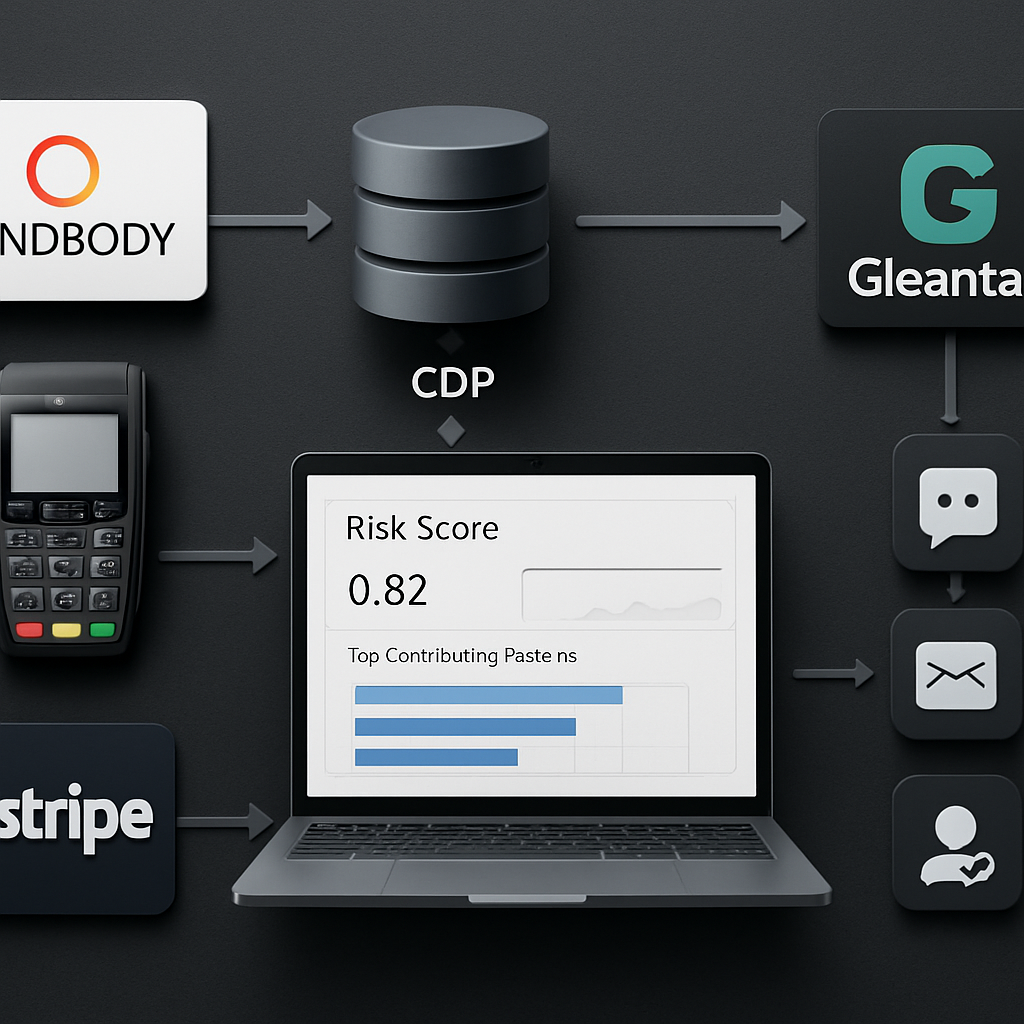
Key components include customer relationship management (CRM) systems, email marketing platforms, and social media scheduling tools. A well-integrated CRM system allows fitness businesses to track member interactions across various touchpoints and tailor communications accordingly.

  • CRM systems for tracking member data and interactions.
  • Email platforms for sending targeted campaigns.
  • Social media tools for scheduling posts and analyzing engagement.

Personalization is critical in fitness marketing automation; generic messages often fail to resonate with members.

According to recent studies, personalized emails have an average open rate of 29%, significantly higher than generic emails.

Leveraging Data Analytics for Targeted Campaigns

Data analytics is crucial for fitness marketing, particularly for businesses focused on maximizing member engagement and retention. The best use of data analytics in this context is for creating targeted marketing campaigns that resonate with specific member segments. This approach is particularly effective for gyms and health clubs that have access to rich demographic and behavioral data.

However, a significant limitation lies in the quality of the data being analyzed. Many fitness businesses underestimate the need for clean, comprehensive data. Poor data quality can lead to misguided segmentation and ineffective campaigns. For instance, if a gym relies on outdated or incomplete member profiles, its targeted messages may miss the mark entirely, resulting in low engagement rates.

In practice, a health club can leverage its membership database to segment users based on their attendance patterns and preferences. For example, members who frequently attend group classes might receive tailored promotions highlighting new classes or instructor-led workshops. Conversely, members who rarely check in could be targeted with re-engagement campaigns offering incentives such as discounted personal training sessions.

A common pitfall is over-relying on historical data without considering real-time changes in member behavior. Teams often assume that past patterns will continue into the future, which can lead to missed opportunities. For example, if a gym only sends out promotions based on last month’s attendance data, it risks overlooking current trends or shifts in member interests that could drive higher engagement.

Utilizing Member Demographics and Behavior Data for Segmentation

Effective segmentation occurs when fitness marketers analyze both demographic information—such as age, gender, and location—and behavioral data like class attendance frequency and preferred workout types. This dual approach allows gyms to craft highly personalized marketing messages that speak directly to individual members’ interests and motivations.

Personalized marketing efforts can lead to an increase in engagement rates by over 30% when executed properly.

For instance, a personal trainer advertising campaign could specifically target younger demographics interested in high-intensity interval training (HIIT) by showcasing success stories from similar age groups or promoting challenges that align with their fitness goals. This not only enhances relevance but also increases the likelihood of trial sign-ups.

Creating Predictive Models to Identify Potential Trial Users

Predictive analytics enables fitness businesses to anticipate which members are likely to convert into trial users based on their interaction history and engagement levels. By analyzing patterns from previous trials—such as frequency of visits leading up to the trial period—gyms can identify potential candidates more accurately.

This method works best when combined with real-time feedback mechanisms that capture current member sentiments. For example, if a gym notices an uptick in inquiries about trial memberships from users who have been engaging with social media content related to weight loss programs, they can quickly tailor their outreach efforts accordingly.

  • ‘Segmenting leads based on their online interactions.
  • ‘Using historical conversion rates from different demographics.
  • Incorporating external trends within the fitness industry.

Automated Lead Generation Strategies in Fitness Marketing

Automated lead generation strategies are essential for fitness marketing, particularly for businesses seeking to efficiently attract and convert potential members. These strategies work best for gyms and health clubs with established online platforms and a clear understanding of their target demographics.

One significant limitation of automated lead generation is the potential for a disconnect between automation and genuine engagement. While automated systems can handle large volumes of leads, they often miss the nuances of personal interaction that can be critical in converting leads to members. For example, an automated response may fail to address specific inquiries from potential members, which can lead to frustration and disengagement.

Consider a fitness studio utilizing lead magnets such as free trial classes or downloadable workout plans tailored to specific demographics. When a user signs up for a free class via the gym’s website, the system automatically sends a confirmation email along with personalized content that aligns with their fitness interests, such as nutrition tips or workout videos relevant to their selected class. This targeted approach not only captures leads but also fosters initial engagement by providing value upfront.

Many teams overestimate the effectiveness of automation without integrating it into a broader marketing strategy. They often implement automated emails or responses but neglect follow-up actions that require human intervention. For instance, after sending an automated welcome email, failing to have staff reach out personally can result in lost opportunities to build relationships and address any immediate questions from new leads.

Implementing Lead Magnets Tailored to Specific Demographics

Lead magnets are powerful tools in fitness marketing that serve as incentives for potential members to provide their contact information. The best results occur when these magnets are designed with specific demographics in mind. For instance, offering specialized programs targeting seniors or young professionals can significantly increase engagement rates among those groups.

However, not all lead magnets will resonate equally across different demographics; this is where precise market research becomes crucial. A common mistake is creating generic offers that fail to capture the unique motivations of each group. For example, a gym might offer free trial sessions without considering whether its target audience prefers group classes or individual training.

Targeted lead magnets can increase conversion rates by over 25% when aligned with member interests.

Using Chatbots for Real-Time Engagement and Lead Qualification

Chatbots have become increasingly prevalent in fitness marketing due to their ability to engage users instantly and qualify leads effectively. They work best when implemented on websites or social media platforms where potential members are likely seeking immediate answers about services offered.

A notable trade-off with chatbots is their limited capacity for nuanced interactions compared to human staff. While they excel at handling straightforward inquiries—such as class schedules or membership pricing—they may struggle with more complex questions regarding personal training options or specific health concerns.

‘In practice, a health club could deploy a chatbot on its website that greets visitors and prompts them with questions about their fitness goals—whether it’s weight loss, muscle gain, or general wellness. Based on user responses, the chatbot could recommend suitable programs or schedule an appointment with a trainer if further assistance is needed.’

Over-reliance on chatbots can create barriers; many teams assume they can fully replace human interaction.

Studies show that chatbots can handle up to 70% of customer inquiries without human intervention.

Optimizing Landing Pages for Conversion Rates on Trial Offers

An optimized landing page is critical for converting visitors into trial users in fitness marketing campaigns. The most effective landing pages clearly articulate the value proposition while minimizing distractions that could deter sign-ups.

However, many fitness businesses overlook key elements necessary for conversion optimization—such as mobile responsiveness and load speed—which are crucial given that over half of digital media time in the U.S. is spent on mobile devices (source: eMarketer). A slow-loading page could result in lost opportunities if potential leads abandon it before completing sign-up.

Enhancing Member Check-Ins Through Automated Reminders

Automated reminders for member check-ins can significantly enhance attendance and engagement in fitness facilities. This approach is particularly effective for gyms with a high volume of members, where personalized communication can encourage regular visits and foster a sense of community.

However, a critical limitation is the potential for message fatigue. If members receive too many reminders, they may start to ignore them or find them intrusive. Striking the right balance in frequency and content is essential to maintain engagement without overwhelming members.

For instance, a fitness studio could implement an automated system that sends SMS reminders two days before a scheduled class, along with personalized tips based on the member’s past attendance. If a member frequently attends spin classes but has shown interest in yoga, the reminder could include information about an upcoming yoga workshop tailored to their interests.

A common misconception is that simply sending reminders will guarantee higher attendance rates. Many teams overestimate the effectiveness of automated messages without considering the context in which they are received. For example, if reminders are sent without any accompanying value—like relevant content or incentives—they may fail to resonate with members.

Designing Automated Check-In Reminders via SMS and Email

The design of automated check-in reminders should focus on personalization and relevance. By utilizing data from CRM systems, fitness businesses can craft messages that speak directly to individual member preferences and goals. This level of customization increases the likelihood that members will engage with the reminder rather than dismiss it.

‘For example, an email reminder could highlight specific classes that align with a member’s previous attendance patterns or fitness goals, such as strength training for someone who often checks into weightlifting sessions. This targeted approach not only increases engagement but also reinforces the gym’s commitment to meeting individual needs.’

  • Utilize member data to send targeted reminders based on past attendance.
  • Incorporate motivational quotes or success stories relevant to individual goals.
  • Adjust timing based on member preferences—some may prefer morning reminders while others respond better in the evening.

‘Incorporating Gamification Elements to Encourage Attendance

Gamification elements can be integrated into automated check-in systems to boost motivation and attendance. By introducing challenges or rewards for consistent check-ins, gyms can create an engaging environment that encourages members to participate more actively.

For instance, a gym might implement a points system where members earn rewards for attending classes regularly or checking in frequently. Automated messages could then remind members of their current points balance and upcoming rewards available for achieving specific milestones—such as attending ten classes in a month.

Gamification not only enhances engagement but also fosters accountability among members.

Studies show that gamified experiences can increase participation rates by up to 30%.

Tracking Engagement Metrics to Refine Reminder Strategies

Tracking engagement metrics is crucial for refining automated reminder strategies. By analyzing open rates, click-through rates, and actual check-in data post-reminder delivery, gyms can assess which messages resonate most effectively with their audience.

Implementing A/B testing can further enhance these efforts; by testing different message formats or timing strategies against each other, fitness businesses gain valuable insights into what drives member behavior most effectively.

  • Monitor response rates for various reminder types (SMS vs email).
  • Analyze trends over time—do certain times of year yield better results?.’
  • Solicit feedback from members about their preferences regarding reminder frequency and content.

Personalized Communication Strategies for Retention

Personalized communication strategies are essential for retaining fitness members, particularly for gyms and health clubs with diverse clientele. This approach is most effective when tailored to individual preferences and behaviors, allowing businesses to engage members meaningfully.

A significant limitation of personalized communication lies in the potential for data overload. Fitness businesses often collect extensive data on member interactions, but without a clear strategy for analysis and application, this information can become unwieldy. For instance, a gym may have access to members’ class attendance history but struggle to translate that into actionable insights that enhance retention.

Consider a fitness center that implements automated follow-up sequences post-trial periods. After a trial membership ends, the system sends personalized emails based on the member’s activity during their trial—highlighting classes they attended frequently or suggesting new offerings aligned with their interests. This targeted approach not only keeps the gym top-of-mind but also demonstrates an understanding of individual preferences, increasing the likelihood of conversion to a full membership.

Many teams overestimate the effectiveness of automation in isolation. They often implement automated messages without integrating them into broader engagement strategies. For example, while an automated follow-up email may remind a member about their trial ending, it may fail to address specific feedback provided during their visits or offer personalized incentives based on their engagement level.

Utilizing Member Feedback Loops for Continuous Improvement

Establishing feedback loops with members is crucial for refining communication strategies and enhancing retention rates. This process works best when gyms actively solicit input from members through surveys or direct outreach after key interactions.

A common pitfall is failing to act on feedback received. Fitness centers might gather insights through surveys but neglect to implement changes based on member suggestions or concerns. For instance, if multiple members express dissatisfaction with class scheduling, ignoring this feedback can lead to increased attrition rates.

  • Regularly conduct surveys post-class or after significant interactions.
  • Utilize feedback data to adjust class offerings and schedules according to member preferences.

Actively responding to member feedback fosters loyalty and trust within the community.

Segmenting Communication Based on Member Activity Levels

Segmenting communication based on activity levels allows fitness businesses to tailor messages effectively. Members who frequently check in may respond better to motivational content and advanced class offerings, while less active members might benefit from re-engagement campaigns designed to spark interest.

‘However, many gyms fail to recognize the importance of dynamic segmentation; they often rely on static categories that do not reflect changing behaviors over time. For example, if a previously active member has stopped attending classes regularly but remains in an active segment due to historical attendance data, they may miss out on targeted re-engagement efforts.’

Integrating Social Proof into Automated Marketing Efforts

Social proof is a powerful driver of conversion in fitness marketing, particularly when integrated into automated campaigns. This approach is most effective for fitness businesses that have an established member base and are looking to leverage existing success stories to attract new members. By showcasing testimonials and success stories, gyms can build trust and credibility with potential clients.

One limitation of this strategy is the risk of inauthenticity. If testimonials or success stories are perceived as exaggerated or fabricated, they can backfire and damage the brand’s reputation. For instance, a gym that shares overly polished success narratives without context may alienate potential members who feel that their own fitness journeys are not adequately represented.

In practice, a health club might automate the collection of member testimonials through post-class surveys. After a member attends a particularly successful session, they receive an automated follow-up email asking for feedback and encouraging them to share their experience. This content can then be featured on social media channels or included in targeted email campaigns to highlight real success stories.

Authenticity matters; ensure that testimonials reflect genuine experiences.

Many teams overestimate the impact of simply collecting testimonials without integrating them into broader marketing narratives. They often fail to connect these endorsements with specific campaigns or promotions, missing opportunities to create cohesive messaging that resonates with target audiences. For example, if a gym runs a promotional campaign highlighting weight loss challenges but does not feature real-life success stories from participants, it may struggle to achieve desired engagement levels.

Showcasing Testimonials and Success Stories Through Automation

‘Automated systems can streamline the process of gathering and sharing testimonials. For instance, after completing a program, members could receive automated requests for feedback that prompt them to share their results. These responses can be automatically curated and displayed on the gym’s website or social media platforms, creating an ongoing cycle of positive reinforcement for both current and prospective members.’

  • Utilize CRM tools to trigger testimonial requests based on member milestones.
  • Incorporate video testimonials for more engaging content.

Encouraging User-Generated Content as Part of Campaigns

User-generated content (UGC) serves as an organic form of social proof that can enhance credibility in fitness marketing efforts. Fitness businesses benefit most when they actively encourage members to share their experiences on social media using specific hashtags or by tagging the gym directly.

However, relying solely on UGC poses challenges; it requires ongoing engagement from members who may not consistently share their experiences online. A common mistake is assuming that simply creating a hashtag will lead to significant participation; without incentives or prompts, engagement may dwindle.

Incentivizing UGC through contests or giveaways can drive participation.

For example, a fitness studio could run a monthly contest where members submit photos of their workouts using a designated hashtag. The studio would then feature these posts on its official channels while offering prizes such as free classes or merchandise for selected entries. This approach not only boosts visibility but also fosters community among members.

Leveraging Referral Programs to Enhance Credibility and Reach

Referral programs act as another layer of social proof in fitness marketing by incentivizing current members to bring in new clients. The best results occur when these programs are easy to understand and offer tangible rewards for both parties involved.

However, poorly structured referral programs can lead to frustration among existing members if they perceive the rewards as insufficient or difficult to attain. For instance, if a gym offers only minimal discounts for referrals without additional incentives like free merchandise or exclusive access to classes, it may struggle with member participation.

Clear communication about referral benefits is crucial for maximizing participation.

Implementing Feedback Mechanisms for Continuous Improvement

Establishing feedback mechanisms is essential for fitness businesses aiming to enhance member experience and retention. This approach fits best when gyms or health clubs actively seek to iterate on their services based on real member input, rather than relying solely on internal assumptions about what members want.

A notable limitation of implementing feedback systems is the potential for survey fatigue among members. Over-surveying can lead to disengagement, where members become apathetic toward giving feedback due to perceived redundancy. If members feel bombarded with requests for their opinions, they may start ignoring these communications altogether.

For example, a mid-sized gym might set up an automated survey system that triggers a request for feedback immediately after a member checks in or attends a class. This survey could ask about their experience, the instructor’s performance, and any suggestions for improvement. The gym can then analyze this data weekly to identify trends and make necessary adjustments, such as altering class schedules or enhancing staff training.

Many fitness centers underestimate the importance of acting on feedback; collecting data without implementing changes can lead to increased member dissatisfaction.

Teams often misjudge the effectiveness of feedback mechanisms by assuming that simply gathering data will lead to improvements. In reality, if actionable insights from surveys are not translated into tangible changes, it can create a disconnect between member expectations and the actual services provided. For instance, if multiple members suggest adding more evening classes but no action is taken, those members might feel unheard and consider leaving the gym.

Setting Up Automated Surveys Post-Check-Ins or Classes

Automated surveys should be concise and targeted to encourage higher completion rates. A fitness studio could implement a two-question survey asking about the overall experience and any immediate suggestions right after check-ins or classes. This method not only captures timely feedback but also minimizes the time commitment from members.

Analyzing Feedback Data to Adjust Marketing Strategies Accordingly

The analysis of collected feedback should focus on identifying patterns that inform marketing strategies. For instance, if surveys indicate that many members value group classes over personal training sessions, marketing efforts should shift towards promoting group activities more prominently in communications and advertisements.

Creating a Culture of Responsiveness Through Regular Updates

To foster trust and engagement among members, fitness businesses should regularly update them on how their feedback has influenced changes within the gym. For example, sending out monthly newsletters that highlight improvements made based on member suggestions can reinforce a culture of responsiveness and transparency.

Future Trends in Fitness Marketing Automation Technology

AI-driven personalization is set to redefine fitness marketing automation, making it best suited for businesses that aim to deliver highly tailored experiences at scale. This technology excels in environments with diverse member profiles, where understanding individual preferences can lead to increased engagement and retention.

However, a significant limitation of AI-driven personalization is the reliance on accurate data. Poor data quality can result in misguided personalization efforts, leading to irrelevant communications that alienate members rather than engage them. For instance, if a gym inaccurately categorizes a member’s interests based on outdated information, the automated messages sent may fail to resonate, reducing overall effectiveness.

In practice, a fitness center might implement AI algorithms that analyze member behavior across various platforms—such as social media interactions and class attendance—to provide customized workout recommendations. If a member consistently engages with content related to strength training but has not attended classes lately, the system could automatically generate personalized emails promoting relevant workshops or challenges, thus driving re-engagement.

‘Many teams overestimate the capabilities of AI-driven systems without recognizing the importance of human oversight. They often assume that once an AI model is trained, it will continue to perform optimally without ongoing adjustments or monitoring. In reality, external factors like seasonal trends or changes in fitness culture can influence member preferences significantly; thus, continuous tuning of AI models is essential for sustained success.

The Role of Virtual Reality in Enhancing Member Experiences

‘Virtual reality (VR) presents an innovative frontier for fitness marketing automation by providing immersive experiences that can enhance member engagement. This technology fits best within health clubs aiming to attract tech-savvy demographics who are drawn to novel workout formats and experiences.

‘A notable limitation of VR technology is its accessibility; not all gyms may have the resources or infrastructure to implement VR solutions effectively. Furthermore, some members may feel overwhelmed by immersive environments or prefer traditional workout settings. Gyms must balance innovation with inclusivity to avoid alienating segments of their membership base.

‘For example, a fitness studio could offer VR cycling classes where members experience virtual rides through scenic landscapes while competing against others globally. Such offerings not only attract new members but also create buzz on social media platforms as participants share their unique experiences online.

‘Many teams misjudge the market demand for VR experiences by assuming that novelty alone will drive participation. While VR can be exciting, it must also deliver genuine value—such as improved workout efficacy or enhanced community interaction—for sustained engagement.

Predictive Analytics as a Tool for Future Trend Forecasting

‘Predictive analytics is becoming increasingly crucial for fitness marketing automation as it allows businesses to forecast trends based on historical data and emerging patterns. This approach works best when coupled with robust data collection methods that ensure accuracy and relevance in predictions.

‘One limitation lies in the potential for overfitting predictive models based on historical data alone; such models may fail to account for shifts in consumer behavior influenced by external factors like economic changes or public health crises. For example, if a gym relies solely on past attendance data without considering recent shifts towards outdoor workouts due to changing public health guidelines, it risks missing critical opportunities for engagement.

‘In practice, a gym could use predictive analytics tools to identify which members are likely to drop off based on their check-in frequency and class preferences over time. By proactively reaching out with personalized retention offers before these members disengage completely—such as discount packages or exclusive access to new classes—the gym can increase its chances of retaining valuable clientele.

Why Consistency Breaks in Multi-Location Fitness Groups

Growth doesn’t stall because teams stop trying. It stalls because systems stop at the CRM.

The problem isn’t leads. It’s execution.

Most multi-location fitness groups are good at generating interest. Where growth actually leaks is what happens after the lead, trial, or first visit.

Across 20, 50, or 200+ locations, we consistently see the same pattern:

  • Corporate marketing drives strong demand
  • Locations follow different processes
  • Follow-up quality varies widely
  • Onboarding experiences drift
  • Retention becomes inconsistent

Same brand. Very different outcomes.

Where consistency breaks

  1. Follow-up depends on discipline, not systems – If reminders rely on staff remembering, performance will always vary by location.
  2. Every location runs its own version of the process – Different scripts, timelines, and habits create uneven results across the network.
  3. CRMs store data – they don’t enforce action – Most CRMs track leads. They don’t ensure consistent engagement actually happens.
  4. Early churn is invisible – The biggest drop-off happens between visit #1 and visit #3 – but few groups have structured journeys to prevent it.

What fast-growing groups do differently

They shift from “people-powered” to “system-powered” growth.

  • Standardized member journeys across all locations
  • Automated follow-ups and onboarding
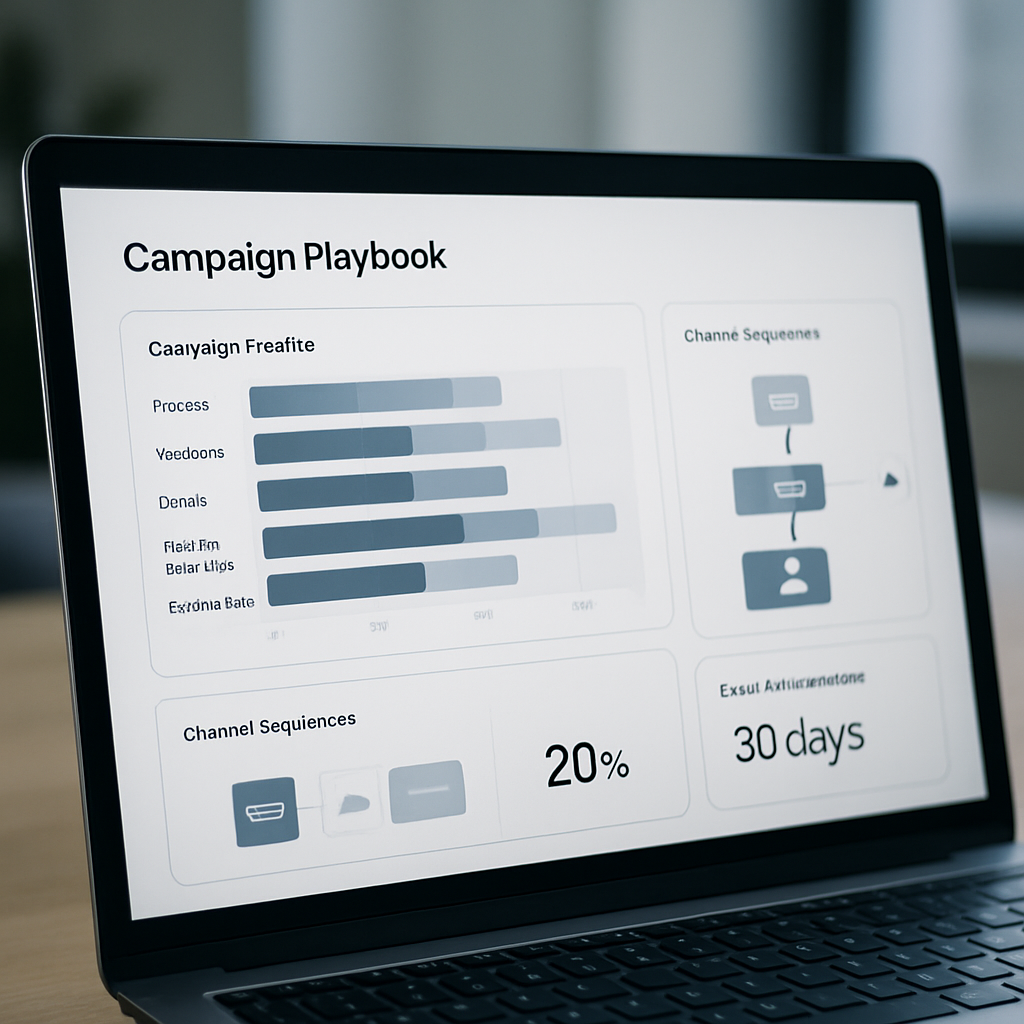
  • One playbook everywhere
  • Execution measured, not just leads
  • Consistency made automatic

Discipline doesn’t scale. Systems do.

The core insight

Growth at scale requires orchestration, not reminders.

Adding more locations magnifies small gaps. A 5% follow-up gap at 10 locations is manageable. The same gap at 100 locations is a revenue problem.

True multi-location growth requires one consistent engine running behind every location.

Questions to ask your own team

  • Do all locations follow the same post-trial process?
  • Are onboarding journeys automated or manual?
  • Is follow-up quality identical across the network?
  • Can you guarantee the same experience everywhere?

If the honest answer is “not really” – you’ve found your biggest growth lever.

Curious what this looks like for your group?

Let’s schedule a live demo with our sales team.

Customer Service Automation: What It Is, Use Cases, Tools & Real Business Impact

Defining Customer Service Automation in the Context of Fitness Studios

Customer service automation in fitness studios is best suited for environments with high member engagement and repetitive inquiries. It excels when studios have a significant volume of member requests that can be standardized, such as scheduling classes, billing inquiries, or membership renewals.

However, a major limitation of customer service automation is the potential loss of personalized interaction. Many fitness studios overestimate the capability of automated systems to handle nuanced member concerns. For instance, while chatbots can efficiently manage scheduling, they may fail to address specific issues related to personal training or unique member circumstances.

A practical example is a fitness studio implementing a chatbot solution for member inquiries. When a member wants to book a class, they can interact with the chatbot via the studio’s app or website. The bot confirms availability and completes the booking process without human intervention. This reduces wait times and frees up staff to focus on more complex issues.

Many teams misjudge how much customer service automation can enhance their operations. They often deploy chatbots expecting them to resolve all queries seamlessly without considering that certain interactions require human empathy and understanding. This oversight can lead to frustration among members when automated responses do not meet their expectations.

Automation should complement human interaction rather than replace it entirely.

Use Cases of Customer Service Automation in Fitness Studios

Fitness studios can leverage customer service automation effectively in several areas, particularly where routine tasks and member interactions are prevalent. The best use cases are those that involve high-frequency, low-complexity interactions, such as onboarding new members, responding to frequently asked questions, and conducting follow-ups post-workout or class.

Automated Member Onboarding Processes and Their Impact on Retention

Automated onboarding processes are essential for fitness studios looking to enhance member retention. By utilizing automated systems, studios can streamline the registration process, provide immediate access to welcome materials, and set up initial appointments for fitness assessments or classes. This approach not only reduces administrative burden but also ensures that new members feel welcomed and informed from day one.

However, a significant limitation is that automation can sometimes overlook the personal touch needed during onboarding. For example, while an automated email might deliver essential information about gym policies and introductory classes, it cannot replicate the warmth of a personal greeting or address specific concerns a new member may have about their fitness journey.

Chatbots for Handling Common Inquiries and Their Effect on Response Time

Chatbots serve as an effective tool for handling common inquiries such as class schedules or membership details. They can provide instantaneous responses to members’ questions at any time of day, significantly improving response times compared to traditional methods that rely on human staff availability.

Despite their advantages, chatbots have limitations in understanding complex queries. For instance, if a member has a specific question about their nutrition plan or needs advice tailored to their unique circumstances, chatbots often fall short. Many studios mistakenly believe that these AI-driven customer service tools can handle all inquiries seamlessly without recognizing the necessity of human intervention for nuanced discussions.

Personalized Communication Through Automated Email Campaigns

Automated email campaigns enable fitness studios to maintain ongoing communication with members based on their preferences and behaviors. By segmenting members into different categories—such as new sign-ups or long-term attendees—studios can send targeted content ranging from workout tips to promotional offers tailored specifically for each group.

While automation allows for timely communication at scale, it risks becoming impersonal if not executed thoughtfully. Over-reliance on automated emails without personalization can lead to disengagement; members may feel like they are just another entry in a database rather than valued individuals within the community.

Balancing automation with personalized touches is crucial in customer service automation.

Evaluating Tools for Customer Service Automation

Selecting the right customer service automation tools requires a strategic approach, particularly for fitness studios that prioritize member engagement. The best tools are those that not only streamline operations but also enhance the member experience. For instance, CRM automation tools that integrate seamlessly with existing management systems can significantly improve efficiency while ensuring personalized interactions.

However, a common limitation is the potential for over-automation. Many studios may deploy multiple automated systems without a cohesive strategy, leading to fragmented experiences for members. For example, if a studio uses different platforms for chat support and email campaigns without proper integration, it can result in inconsistent messaging and confusion among members.

A practical workflow example involves using an AI-powered chatbot alongside a self-service portal. When a member has a billing question, they can first consult the self-service knowledge base for answers. If they require further assistance, the chatbot can escalate their inquiry to human staff while retaining context from previous interactions. This not only improves response times but also ensures that members feel heard and valued.

Many teams mistakenly believe that implementing customer service automation will eliminate the need for human staff entirely. This misconception can lead to under-resourced teams struggling to handle complex inquiries that require empathy and understanding. In practice, automation should enhance human capabilities rather than replace them; studios need to recognize when to involve staff in member interactions.

Automation is most effective when it complements human interaction rather than replaces it.

Criteria for Selecting Customer Service Automation Tools Specific to Fitness Environments

When evaluating customer service automation tools specifically tailored for fitness studios, consider factors such as ease of integration with existing platforms, scalability to accommodate growth, and user-friendliness for both staff and members. Tools should facilitate omnichannel support automation so that members can receive assistance through their preferred communication channels—be it chat, email, or social media.

Best for criteria often include studios with high membership turnover or those experiencing rapid growth. These environments benefit from automated onboarding processes and proactive customer support automation that anticipates member needs before they arise.

Best Fit Tools: Chatbots vs. CRM Systems

Chatbot solutions are ideal for handling routine inquiries and providing immediate responses during off-peak hours when staff may not be available. Conversely, CRM systems are better suited for managing relationships with long-term members by tracking interactions and preferences over time. The choice between these tools depends on specific operational needs; studios focused on immediate response times may prioritize chatbots while those emphasizing relationship management may lean towards robust CRM software.

  • ‘Chatbots excel in handling repetitive tasks like class bookings and FAQs.
  • ‘CRM systems provide valuable insights into member behavior and preferences.

Measuring the Impact of Customer Service Automation on Business Metrics

Customer service automation directly influences several key business metrics, making it crucial for fitness studios to understand its impact. The best-fit scenarios for implementing customer service automation are those where studios face high volumes of repetitive inquiries and need to enhance operational efficiency without sacrificing member experience.

A notable limitation is that while automation can streamline processes and improve response times, it often falls short in delivering the nuanced, empathetic interactions that members may expect. This gap can result in dissatisfaction if members feel their concerns are not adequately addressed due to automated responses.

For example, a fitness studio might implement an automated response system for handling inquiries about class schedules. When a member texts a question about available classes, the system quickly provides an answer based on real-time data. However, if the member has a specific request or needs clarification on class suitability, the automation may not be able to provide the necessary depth of information, leading to frustration.

Many teams miscalculate the extent of customer service automation’s effectiveness. They often assume that automating responses will automatically enhance customer satisfaction without recognizing that some queries require human discretion and empathy. This oversight can lead to increased member turnover when automated systems fail to meet expectations.

Key Performance Indicators (KPIs) to Assess Effectiveness

To effectively measure the impact of customer service automation, studios should focus on specific KPIs such as Net Promoter Score (NPS) and Customer Satisfaction Score (CSAT). These metrics provide insights into how well automated systems are meeting member needs and expectations.

NPS is particularly valuable as it gauges members likelihood to recommend the studio based on their experiences with automated services. A decline in NPS after implementing automation could indicate that members feel less valued or understood.’

CSAT offers immediate feedback on specific interactions with automated systems. If CSAT scores drop after introducing an AI-driven customer support tool, it serves as a clear signal that adjustments are necessary.

  • First Contact Resolution Rate: Measures how often inquiries are resolved during the first interaction with an automated system.
  • Response Time: Tracks how quickly automated systems respond compared to previous manual methods.

Regularly monitoring these KPIs allows studios to make data-driven decisions regarding their customer service strategies.

Case Studies Showcasing Measurable Improvements in Member Engagement and Satisfaction

Several fitness studios have documented significant improvements in member engagement through effective customer service automation implementation. For instance, a mid-sized gym introduced AI chatbots for handling frequently asked questions about membership plans and class schedules. As a result, they observed a 30% increase in member interactions within three months of deployment.

This rise in engagement led directly to improved retention rates; members reported feeling more informed about available services due to quick access via chatbot solutions.

Another case involved a boutique studio utilizing automated email campaigns tailored based on user behavior. By segmenting their audience effectively and sending personalized content—such as workout tips or motivational messages—they experienced a notable increase in class attendance by over 20% within six months.

Long-term Financial Impacts: Cost Savings vs Initial Investment in Automation

When considering customer service automation, fitness studios must weigh initial investments against long-term savings potential. A well-implemented automated help desk can reduce staffing costs significantly over time by decreasing the number of hours required for routine inquiries.

However, upfront costs associated with acquiring technology such as CRM automation tools or chatbot solutions can be substantial. Studios need clear projections indicating how long it will take for these investments to pay off through improved operational efficiency and reduced labor costs.

On average, businesses report saving approximately 30% on customer support costs after integrating effective automation solutions.

Addressing Challenges and Limitations of Automation in Customer Service

Customer service automation works best in high-volume environments where repetitive tasks dominate interactions. Fitness studios with a large membership base can significantly benefit from automated systems that handle routine inquiries, such as class schedules and billing questions. However, the effectiveness of these systems is contingent on understanding their limitations.

A notable limitation of customer service automation is that it often lacks the ability to address complex or nuanced member issues. While automated systems can efficiently manage straightforward requests, they may struggle with inquiries requiring deeper understanding or empathy. This gap can lead to member dissatisfaction if they feel their concerns are inadequately addressed.

For instance, a fitness studio may employ an AI-driven chatbot to answer common questions about membership options. When a prospective member asks about specific training programs tailored to their fitness goals, the chatbot might provide generic responses rather than personalized guidance. As a result, the potential customer may leave without feeling adequately informed or valued.

Common Pitfalls in Implementing Customer Service Automation Strategies

Many fitness studios fall into the trap of over-automating processes without considering the human element necessary for effective customer service. They often implement automated response systems expecting them to resolve all inquiries seamlessly. This misconception can lead to frustration among members when their unique needs aren’t met by an automated system.

Best for scenarios typically involve environments with high-frequency, low-complexity interactions. However, studios need to recognize when complex issues arise that require human intervention. For example, if a member expresses dissatisfaction with their training regimen via an automated system, it’s critical that staff are prepared to step in and provide personalized support.

  • Over-reliance on automation can alienate members who prefer personal interaction.
  • Failure to integrate feedback mechanisms can prevent studios from improving automated responses.

Automation should enhance human capabilities rather than replace them.

Balancing Automation with Human Touch: When to Escalate Issues to Staff

Intelligent automation in customer service must be paired with strategic human involvement. Studios should establish clear protocols for when inquiries should be escalated from automated systems to human staff. This ensures members feel supported throughout their interactions.

Best fit scenarios include situations where initial inquiries are handled by chatbots, but complex issues are flagged for staff follow-up. For example, if a member’s inquiry about class schedules evolves into a discussion about personal training needs, it’s essential for the system to recognize this shift and alert a staff member accordingly.

  • Implementing clear escalation protocols helps maintain member satisfaction.
  • Training staff on how to effectively engage after automation ensures seamless transitions.

Research indicates that 70% of consumers prefer interacting with humans over chatbots when dealing with complex issues.

Many teams underestimate the importance of this balance between automation and personal touch. They assume that once an automated system is in place, human involvement becomes obsolete. In reality, maintaining a responsive and empathetic approach is crucial for fostering strong member relationships.

Managing Member Expectations Around Automated Responses

Expectations management is essential when implementing customer service automation tools in fitness studios. Members should be informed about what they can expect from automated systems and when they might need to engage with human staff.

Best fit practices include setting clear communication guidelines regarding response times and types of inquiries suited for automation versus those requiring human attention.

  • Providing members with FAQs regarding automated services enhances transparency.
  • Regularly updating members on improvements made based on feedback fosters trust.

Transparent communication helps manage expectations effectively.

Many teams miscalculate how much information members need about automated processes; they assume that once implemented, users will intuitively understand how these systems work.

In practice, providing ongoing education regarding how AI-driven customer support operates will enhance user experience and satisfaction while reducing frustration stemming from misunderstandings.

Future Trends in Customer Service Automation for Fitness Studios

The integration of customer service automation in fitness studios is evolving rapidly, driven by emerging technologies and shifting consumer expectations. Best suited for studios aiming to enhance operational efficiency while maintaining member engagement, these trends will redefine how studios interact with their clientele.

Emerging Technologies That Could Shape the Future of Customer Service

Voice assistants and conversational AI are at the forefront of this transformation. These technologies enable members to interact with fitness studios through natural language processing, allowing for more intuitive and engaging experiences. For instance, a member could ask a voice assistant about class schedules or nutrition tips without having to navigate through menus or forms.

However, a key limitation is that while voice technology can enhance user experience, it often requires significant investment in infrastructure and training. Many studios may underestimate the complexity involved in integrating these systems into existing workflows. Without proper implementation, the technology could lead to frustration rather than satisfaction.

A practical application is seen when fitness studios deploy AI-driven virtual assistants that can handle inquiries via voice commands. For example, a member might use a smart speaker at home to check their workout schedule or receive reminders about upcoming classes. This seamless interaction not only saves time but also creates a more personalized experience.

Many teams misjudge the readiness of their members for advanced technologies like voice assistants. They often assume that all members will embrace such innovations without recognizing that some may prefer traditional communication methods. This oversight can alienate segments of the membership base who feel uncomfortable with technology.

Understanding your audience’s readiness for new technology is crucial before implementing advanced automation solutions.

Predicted Shifts in Consumer Behavior Affecting Automation Strategies

Consumers are increasingly favoring personalized experiences over generic interactions. This trend necessitates that fitness studios adapt their customer service automation strategies accordingly. Studios must leverage data analytics and machine learning to tailor interactions based on individual member preferences and behaviors.

However, relying solely on automated systems for personalization can backfire. Many fitness studios overestimate the capability of algorithms to understand human emotions and preferences fully. If members feel they are receiving cookie-cutter responses rather than tailored support, it can lead to disengagement.

A real-world example involves using predictive analytics to identify members at risk of cancellation. By analyzing usage patterns and engagement levels, studios can proactively reach out with personalized offers or support before a member decides to leave. This approach not only improves retention but also strengthens relationships.

The Role of Data Privacy and Security Concerns in Shaping Future Tools

As customer service automation becomes more prevalent in fitness studios, data privacy and security concerns will play an increasingly significant role in shaping future tools. Members are becoming more aware of how their personal information is used and shared, demanding transparency from businesses they engage with.

While automating customer service processes offers efficiency gains, many teams underestimate the complexities associated with ensuring data security compliance. Failure to address these concerns could result in breaches that harm both reputation and trust.

For instance, if a studio implements an automated ticketing system that collects sensitive member information without adequate security measures, it risks exposing itself to cyber threats. Such incidents not only lead to financial penalties but also damage customer loyalty.

Prioritizing data security when implementing automation tools is essential for maintaining trust within your membership base.

Best Practices for Implementing Customer Service Automation Effectively

Implementing customer service automation effectively requires a strategic approach that aligns with the specific needs of fitness studios. Best suited for environments experiencing high volumes of repetitive inquiries, automation can enhance efficiency and member satisfaction when executed correctly. However, the integration process must be phased and well thought out to avoid overwhelming both staff and members.

Steps for a Phased Approach to Integrating Automation into Existing Workflows

A phased integration allows studios to gradually incorporate automated systems without disrupting existing workflows. Start by identifying high-frequency tasks that can be automated, such as class scheduling or membership inquiries. Once those are established, pilot the automation in a controlled environment with a small segment of your member base. This not only helps in refining the technology but also allows for gathering feedback before a full rollout.

However, a significant limitation is that studios often underestimate the time required for proper testing and adjustment phases. Rushing implementation can lead to technical glitches or miscommunication with members, ultimately damaging trust in the automated system.

Training Staff to Work Alongside Automated Systems Efficiently

Training staff to effectively collaborate with automated systems is crucial for success. Employees should understand how these tools function and when to intervene in member interactions. For instance, if an automated help desk handles initial queries but cannot resolve specific issues, staff must be prepared to step in seamlessly.

Many teams misjudge the extent of training necessary; they often assume that basic operational knowledge suffices without recognizing the complexity of member interactions requiring human empathy.

Why Conversational AI Is Replacing Static Forms and Funnels

The Limitations of Static Forms in Customer Engagement

Static forms are increasingly becoming a bottleneck in customer engagement strategies. They often fail to provide the immediacy and interactivity that modern users expect. Best suited for straightforward data collection tasks, static forms struggle when applied to more complex interactions, such as customer inquiries or support requests.

One significant limitation is the friction points encountered during form completion. Users frequently abandon forms due to lengthy fields, unclear instructions, or technical issues. This abandonment not only results in lost leads but also reflects poorly on the brand’s commitment to user experience. For example, a fitness studio that relies heavily on static registration forms may find that potential members drop off after filling out just a few fields, leading to wasted marketing efforts.

Data Collection Inefficiencies

Another critical drawback is the inefficiency in data collection. Static forms often lead to incomplete or inaccurate submissions, which can skew analytics and hinder decision-making processes. For instance, if a gym’s form does not allow for nuanced responses—like preferences for class types or availability—data collected will be overly simplistic and potentially misleading.

Overreliance on static forms is a common pitfall many teams face. They tend to underestimate how much users value dynamic engagement over rigid structures. Many organizations mistakenly believe that once a form is created and deployed, it will function effectively without further optimization or adaptation based on user behavior.

Inability to Adapt to User Behavior

Inability to adapt is another crucial limitation of static forms. Unlike conversational AI systems that can learn from interactions and adjust accordingly, static forms remain unchanged regardless of user feedback or behavior patterns. This rigidity can alienate users who seek personalized experiences tailored to their needs.

For instance, consider a fitness studio using static forms for membership sign-ups. If potential members express interest in specific classes through an online inquiry but cannot indicate this preference on the form, the studio loses an opportunity for targeted follow-up communication tailored to those interests.

Static forms lack flexibility; they cannot evolve based on individual user interactions.

Studies show that users are 70% more likely to complete an interaction when it feels personalized rather than standardized.

Conversational AI as a Dynamic Interaction Tool

Conversational AI excels as a dynamic interaction tool, particularly for businesses that prioritize real-time engagement and personalized user experiences. This technology is best suited for environments where customer inquiries are frequent and varied, such as fitness studios that need to respond swiftly to member questions about classes, schedules, or promotions.

Natural language processing capabilities enhancing user interaction

The core strength of conversational AI lies in its natural language processing (NLP) capabilities. These allow chatbots and virtual assistants to understand user queries with context, making interactions feel more human-like. For instance, an AI-driven chat system can interpret a member’s question about yoga classes not just at face value but can also recognize underlying preferences based on previous interactions. This level of contextual understanding leads to more relevant responses and improved user satisfaction.

Real-time feedback and adaptability during conversations

Conversational AI systems provide real-time feedback that static forms simply cannot match. When users engage in dialogue with an intelligent agent, they receive instant responses tailored to their input. For example, if a potential member expresses interest in evening classes but is unsure of the schedule, the chatbot can immediately provide options or ask clarifying questions to refine the search further. This adaptability not only enhances the user experience but also increases conversion rates by keeping potential members engaged.

Personalization through contextual understanding and memory

Best for scenarios typically involve businesses looking to create ongoing relationships with customers rather than one-off transactions. Conversational AI shines in these contexts by leveraging historical data to deliver personalized interactions. However, this capability comes with trade-offs; maintaining context requires robust data management practices and ongoing training of NLP models to avoid misinterpretations that could frustrate users.

Most teams overestimate their ability to implement conversational AI without significant upfront investment in both technology and training. Many organizations mistakenly believe that simply deploying a chatbot will yield immediate results without considering the need for continuous learning and optimization of AI-driven systems. In practice, poorly designed conversational interfaces can lead to confusion rather than clarity.

Chatbot technology must be continuously refined; otherwise it risks becoming obsolete.

Conversational AI can reduce customer service costs by up to 30%. – https://www.ibm.com/cloud/blog/the-benefits-of-conversational-ai

A practical workflow example involves a fitness studio using a virtual assistant on their website. When a potential member visits the site and types in questions about membership options or class schedules, the system engages them instantly. The assistant not only answers queries but also collects relevant information about the user’s preferences during the conversation, streamlining future interactions by remembering past preferences.

Case Studies: Successful Implementation of Conversational AI

The implementation of conversational AI has yielded significant results in various sectors, particularly in fitness studios aiming to enhance member engagement. These environments often benefit most from AI-driven solutions due to their need for real-time responses and personalized interactions.

Examples from Fitness Studios Leveraging AI for Member Engagement

One notable case is a chain of fitness studios that integrated a chatbot on their website and mobile app. This virtual assistant was programmed to handle inquiries about class schedules, membership options, and even personal training availability. By employing natural language processing capabilities, the chatbot could understand and respond to questions with context, significantly improving user satisfaction. Members reported feeling more connected as their questions were answered instantly without the need for human intervention.

Another example involves a smaller boutique gym that utilized an AI-driven chat system to manage member feedback. The system not only collected insights about class preferences but also used sentiment analysis to gauge overall member satisfaction. This data was invaluable for the management team, allowing them to adjust class offerings based on real-time feedback rather than relying solely on historical data.

Comparative Analysis of Conversion Rates Before and After AI Adoption

A comparative analysis across multiple fitness studios revealed that those implementing conversational AI saw conversion rates increase by up to 40%. Prior to adopting these systems, potential members frequently dropped off during the inquiry phase due to delayed responses or unclear information provided through static forms. Post-implementation, studios reported that the immediate engagement offered by chatbots kept users interested longer and facilitated smoother transitions from inquiry to membership sign-up.

Most teams overestimate how easily they can integrate conversational AI into their existing systems, noted a marketing director at one of the successful studios. They found that while initial results were promising, ongoing optimization was essential for maintaining high engagement levels. Many organizations mistakenly assume that simply deploying a chatbot will yield immediate results without considering the need for continuous learning and adaptation based on user interactions.

User Testimonials Highlighting Improved Experiences with Conversational Interfaces

The response time is incredible, shared a long-time member of a fitness studio using an intelligent agent for customer service inquiries. I can get answers about my class schedule within seconds instead of waiting for an email reply. This sentiment was echoed by many users who appreciated the immediacy and accuracy of responses provided by AI systems compared to traditional methods.

Conversational AI is expected to handle up to 85% of customer interactions without human involvement by the end of this year. – https://www.ibm.com/cloud/blog/the-benefits-of-conversational-ai

User engagement increases significantly when customers receive immediate support through conversational interfaces.

Integrating Conversational AI with Existing Systems

Integrating conversational AI into existing systems can significantly enhance customer engagement, but it requires careful planning and execution. This approach fits best when organizations are already utilizing CRM systems and need to streamline communication while improving user experiences. The ideal scenario involves businesses that have a high volume of customer interactions, such as fitness studios that frequently engage with potential members through inquiries about classes and memberships.

Technical Considerations for Seamless Integration

One of the primary technical considerations is ensuring that the conversational AI system can seamlessly integrate with existing customer relationship management (CRM) tools. This integration allows for real-time data exchange, enabling chatbots to access member information during interactions. For example, a fitness studio might use a virtual assistant that pulls data from their CRM to provide personalized responses based on a user’s previous inquiries or membership status. However, teams often underestimate the complexity involved; integrating AI systems requires robust API development and thorough testing to avoid disruptions in service.

Ensuring Data Privacy and Compliance During Implementation

Another critical aspect is data privacy and compliance. Organizations must ensure that any conversational AI tools adhere to relevant regulations such as GDPR or HIPAA, especially when handling sensitive personal information. Missteps in this area can lead to significant legal repercussions and damage trust with users. For instance, if a fitness studio collects health-related information through its chatbot without proper consent mechanisms in place, it risks violating privacy laws. Therefore, implementing strong data governance practices is essential for maintaining compliance while leveraging AI capabilities.

Training Staff to Work Alongside AI Systems for Optimal Results

‘Training staff effectively is often overlooked but crucial for maximizing the benefits of conversational AI systems. Employees need to understand how these tools function and how they can enhance their roles rather than replace them. For example, customer service representatives at a gym should be trained to interpret data generated by the chatbot and use it to inform their interactions with members. However, many organizations mistakenly assume that once the technology is in place, little additional training is required. This oversight can lead to missed opportunities for leveraging insights from AI systems effectively.

Successful integration of conversational AI relies on addressing technical challenges, ensuring compliance, and training staff adequately.

Organizations that invest in comprehensive training programs see up to a 50% increase in employee satisfaction when working alongside AI technologies.

In practice, consider a fitness studio implementing an automated dialogue system integrated with their membership database. When potential members ask about class schedules via the chatbot on their website, it not only responds instantly but also logs inquiries into the CRM for follow-up by human agents if necessary. This dual approach enhances efficiency while maintaining personalized customer engagement.

Most teams overestimate how quickly they can achieve seamless integration without encountering challenges related to system compatibility or data management issues. They often fail to realize that successful implementation requires ongoing adjustments based on user feedback and interaction patterns.

Measuring the Impact of Conversational AI on Business Metrics

The adoption of conversational AI is redefining how businesses measure success, particularly in terms of engagement and conversion rates. Organizations that implement these technologies often find that traditional metrics fail to capture the nuanced effects of AI-driven interactions. This is particularly true for fitness studios, where customer engagement can be significantly enhanced through real-time dialogue.

Key Performance Indicators Specific to Engagement and Conversion Rates

To accurately assess the impact of conversational AI, businesses should focus on specific key performance indicators (KPIs) such as interaction completion rates, average response time, and user satisfaction scores. For example, a fitness studio might track how many users complete their inquiries or sign up for memberships after interacting with an AI chatbot. These metrics provide a clearer picture of how effectively conversational interfaces facilitate user journeys compared to static forms.

Best for scenarios include businesses that experience high volumes of customer inquiries but struggle with timely responses. For these organizations, measuring the effectiveness of conversational AI in reducing response times and increasing user satisfaction can yield immediate insights into ROI.

However, teams often overlook the importance of setting baseline metrics before implementing conversational AI. Without understanding current performance levels, it becomes challenging to quantify improvements post-implementation. This oversight can lead to inflated expectations regarding the technology’s impact.

Longitudinal Studies Tracking User Retention Post-AI Implementation

Longitudinal studies are essential for understanding the long-term effects of conversational AI on user retention. By analyzing data over extended periods, organizations can identify trends in customer behavior that correlate with their interactions with AI systems. For instance, a fitness studio could compare member retention rates before and after integrating an intelligent agent into their engagement strategy.

Fits best when businesses are prepared to invest time in data collection and analysis over months or even years. This approach allows them to capture fluctuations in member engagement that may occur due to seasonal changes or promotional events.

A limitation here is that longitudinal studies require significant resources. Many teams underestimate the effort involved in maintaining consistent data collection practices and may struggle to analyze complex datasets effectively over time. This can result in incomplete insights that fail to inform strategic decisions.

Analyzing Customer Satisfaction Through Feedback Loops in Conversational Interactions

Customer satisfaction is another critical metric influenced by conversational AI. Establishing feedback loops within chat interactions enables organizations to gather real-time insights into user experiences. For instance, after a conversation concludes, a fitness studio’s chatbot could prompt users for feedback on their interaction quality or overall satisfaction with responses received.

This approach fits best when companies prioritize continuous improvement. Regularly analyzing feedback allows businesses to identify common pain points or areas where users feel underserved by automated responses.

Organizations utilizing feedback loops have reported up to a 25% increase in customer satisfaction scores within three months.

However, many teams misjudge the importance of actively responding to feedback collected from AI interactions. They often assume that simply gathering data suffices; without taking action based on this information, they risk alienating users who expect continuous improvements.

Future Trends in Conversational AI for Customer Engagement

Conversational AI is poised to redefine customer engagement, particularly in environments that demand quick and meaningful interactions. Its effectiveness is best realized in sectors like fitness studios, where immediate responses to inquiries can significantly enhance user satisfaction and retention.

Emerging Technologies Enhancing Conversational Capabilities

Technologies such as voice recognition and advanced natural language processing (NLP) are expanding the scope of conversational AI. Voice-enabled applications are increasingly becoming integral to user interactions, allowing customers to engage with brands through speech rather than text. This shift caters to users who prefer verbal communication, making it essential for businesses to adopt voice command technology alongside traditional chat interfaces.

However, implementing voice recognition systems presents challenges. These technologies require high-quality audio input and robust machine learning algorithms to accurately interpret diverse accents and speech patterns. Many organizations underestimate the complexity involved in training these systems, leading to subpar user experiences when the technology fails to understand commands accurately.

  • Voice command technology enhances accessibility for users with disabilities.
  • Multilingual chatbots are crucial for global brands aiming to reach diverse audiences.

Voice recognition AI can increase user engagement by up to 30% when implemented effectively.

‘Predictions on the Evolution of Customer Expectations in Digital Interactions

As consumers become accustomed to instant gratification through technology, their expectations regarding response times and personalization will escalate. Businesses must prepare for a future where customers expect not just answers but tailored experiences that anticipate their needs based on past interactions.

A significant limitation is that many organizations still rely on outdated customer service models that do not align with these evolving expectations. For example, a fitness studio might still use static FAQs despite knowing that members prefer interactive solutions. This disconnect can frustrate users who seek immediate answers tailored specifically to their previous inquiries.

  1. ‘Customers will increasingly favor brands that provide personalized experiences over generic interactions.
  2. ‘Real-time responsiveness will become a non-negotiable expectation across all digital platforms.

Challenges and Considerations in Adopting Conversational AI

Adopting conversational AI brings significant advantages, but it is not without its challenges. Best suited for organizations with high interaction volumes, such as fitness studios that frequently engage potential members, the implementation of this technology requires a comprehensive strategy to navigate potential pitfalls.

Addressing Potential Biases in AI Responses and Training Data Management

Bias in AI responses can stem from the training data used to develop natural language processing models. If the training datasets are not representative of diverse user demographics or contain inherent biases, the AI may produce skewed or inappropriate responses. This becomes particularly concerning in customer-facing applications where trust and accuracy are paramount.

For instance, a fitness studio utilizing a chatbot that has been trained predominantly on data from urban environments may struggle to provide relevant recommendations to users from rural areas. The consequences of such bias can lead to user frustration and disengagement, ultimately undermining the benefits of deploying conversational AI.

Bias in training data can compromise the effectiveness of conversational AI and alienate users.

Overreliance on technology is a common misconception among teams implementing conversational AI. Many organizations assume that merely integrating an AI solution will automatically enhance customer engagement. However, without ongoing monitoring and refinement of the training data and algorithms, businesses risk maintaining outdated or ineffective responses.

‘Balancing Automation with Human Touch: When to Escalate Interactions

Conversational AI excels in providing immediate responses to routine inquiries; however, there are moments when human intervention is necessary. Best practices dictate that businesses establish clear guidelines for escalation points within conversations. This ensures that complex queries or sensitive issues are addressed by trained personnel rather than relying solely on automated systems.

For example, if a member expresses dissatisfaction with a class experience via chat, it is crucial for the system to recognize this sentiment and escalate the conversation to a human agent who can provide personalized support. Failure to do so risks exacerbating customer dissatisfaction and could lead to negative perceptions of the brand.

Knowing when to transition from automated responses to human interaction is critical for maintaining customer satisfaction.

Overreliance on Technology: Pitfalls to Avoid in Customer Service Strategy

Organizations often underestimate the importance of balancing automation with strategic human involvement. While conversational AI can efficiently manage high volumes of inquiries, it cannot replace the nuanced understanding that human agents bring to complex interactions.

A practical scenario involves a fitness studio utilizing an automated dialogue system for initial inquiries about class schedules or membership options. However, if users encounter technical issues or express specific preferences that require deeper understanding—such as accessibility needs—the system must recognize these moments as opportunities for escalation.

Automated systems should enhance rather than replace human interaction; misjudging this balance can lead to diminished user satisfaction.

Companies that fail to balance automation with human touch risk losing up to 40% of potential customers due to poor experiences.

In conclusion, while conversational AI offers transformative potential for enhancing customer engagement, organizations must carefully consider biases in their training data management practices and establish clear protocols for when human intervention is necessary. Overreliance on technology without adequate oversight leads not only to operational inefficiencies but also risks alienating customers who expect personalized support tailored specifically for their needs.

Conversational Commerce: The Next Frontier for Businesses

Conversational commerce is reshaping how businesses engage with customers, particularly in sectors like fitness where immediate interaction is crucial. This approach fits best for organizations that want to create a seamless purchasing experience directly within chat interfaces. By utilizing conversational AI, businesses can transform traditional sales funnels into dynamic dialogues that cater to user preferences and behaviors.

Shop via chat models transforming traditional sales funnels into dialogues

Shop via chat models enable customers to browse and purchase products directly through messaging platforms. For instance, a fitness studio could implement a chatbot that assists potential members in selecting classes based on their interests and availability. This not only streamlines the decision-making process but also reduces friction typically associated with navigating multiple web pages or forms.

However, one limitation of this model is the potential for overwhelming users with choices if the dialogue management system isn’t effectively designed. Users may become frustrated if they receive too many options at once or if the chatbot fails to understand their preferences accurately. Businesses must ensure that the conversational flow is intuitive and guided, so users feel supported rather than lost.

Social commerce integration with messaging platforms for seamless purchasing

Social commerce leverages popular messaging platforms to facilitate transactions within familiar environments. Fitness studios can capitalize on this by integrating their services into platforms like WhatsApp or Facebook Messenger, allowing users to inquire about memberships or class schedules without leaving their preferred app. This integration enhances convenience and aligns with user habits.

Despite its advantages, businesses may underestimate the complexity involved in maintaining these integrations. Regular updates and monitoring are essential to ensure that chatbots remain functional and relevant within these social ecosystems. Failure to do so can lead to broken links or outdated information being presented, which can damage user trust.

AI-driven recommendations enhancing the shopping experience through conversation

AI-driven recommendations use data from previous interactions to suggest relevant classes or products during conversations. For example, if a user frequently asks about yoga classes, the chatbot can proactively recommend new yoga sessions or related merchandise tailored to those interests. This personalized approach not only improves user engagement but also increases conversion rates by guiding users toward suitable options.

A common misstep teams make is overestimating how much personalization can be achieved without adequate data management practices in place. Without robust mechanisms for collecting and analyzing user data, recommendations may miss the mark entirely, leading to frustration rather than satisfaction. Organizations should prioritize establishing strong data governance frameworks alongside their conversational AI implementations.

Conversational commerce represents a shift toward more interactive buying experiences that prioritize customer engagement over traditional sales tactics.

Businesses utilizing conversational commerce strategies report up to a 30% increase in customer retention rates due to enhanced engagement.

CRM Automation for B2C Brands: What to Automate and What to Leave Human

Identifying Key Customer Touchpoints for Automation

Identifying key customer touchpoints for automation is essential for effective B2C CRM automation. This approach works best for brands with established engagement strategies that want to scale operations without losing personalized interactions.

However, the main challenge in B2C CRM automation is over-automation. When too many touchpoints are automated, experiences can feel impersonal and disconnect customers. Striking the right balance between efficiency and human connection is critical.

Mapping the customer journey stages

Mapping the customer journey involves identifying critical stages such as awareness, consideration, purchase, and post-purchase. For instance, a fitness studio could automate follow-up emails after a trial class to encourage membership sign-ups while ensuring that personalized communication is maintained during onboarding.

Evaluating high-frequency interactions

High-frequency interactions like appointment reminders or promotional offers are prime candidates for automation. Automating these touchpoints can reduce manual workload and enhance consistency in communication. However, teams often misjudge which interactions can be automated without losing the personal touch; not every reminder or offer should be automated.

Prioritizing touchpoints based on customer impact

Prioritizing which touchpoints to automate should be based on their impact on customer experience and retention. For example, automating responses to frequently asked questions can free up staff time for more complex inquiries but should not replace personal engagement in sensitive situations like service complaints.

91% of companies with more than 11 employees now use CRM software. Source: Capterra

Automation is most effective when it enhances human interaction rather than replacing it.

Automating Lead Generation and Nurturing Processes

CRM automation in lead generation and nurturing is best suited for businesses with high volumes of leads, such as e-commerce brands or service providers that rely on consistent follow-up. By automating these processes, businesses can efficiently manage their sales pipelines and ensure timely engagement with potential customers.

A significant limitation of this approach is the potential for automation to create a disconnect between the brand and its leads. Over-reliance on automated systems can lead to generic interactions that fail to resonate with individual customers, ultimately resulting in lower conversion rates. It is crucial to maintain a balance between automated responses and personalized outreach.

Integrating CRM with lead capture tools

Integrating your CRM system with lead capture tools allows for seamless data transfer from initial contact points—like landing pages or social media ads—directly into your CRM. For example, a fitness studio could use a web form on their site to capture information from interested visitors, automatically populating their CRM database. This ensures leads are promptly followed up with relevant information tailored to their interests.

Utilizing automated email sequences for nurturing

Automated email sequences are essential for nurturing leads over time. By setting up predefined workflows based on user behavior, such as signing up for a newsletter or attending an event, businesses can deliver targeted content that guides prospects through the sales funnel. A gym might send a series of emails offering tips on fitness after a new lead signs up for a trial membership, keeping them engaged without requiring constant manual effort.

Segmenting leads for targeted automation

Effective segmentation of leads is critical in maximizing the impact of automation. By categorizing leads based on demographics, behaviors, or interests, brands can tailor their communications more effectively. For instance, a health food store could segment customers who frequently purchase vegan products and send them personalized offers or recipes related to vegan diets. This level of targeting increases the likelihood of conversion compared to generic messaging.

74% of businesses using CRM report improved customer relationships. Source: Capterra

Teams often overestimate the effectiveness of automation in nurturing leads. Many assume that once an automated sequence is set up, it will run flawlessly without further adjustment or monitoring. In reality, continuous evaluation and optimization are necessary to ensure that the content remains relevant and engaging; otherwise, engagement may dwindle over time.

Streamlining Customer Onboarding through Automation

Automating customer onboarding processes is best suited for businesses that aim to enhance efficiency while maintaining a personalized experience. This approach works particularly well for B2C brands with a high volume of new customers, such as subscription services or fitness studios, where timely engagement is critical.

However, a significant limitation of this strategy is the potential for over-automation. Relying too heavily on automated systems can lead to disengagement if customers feel they are merely part of a process rather than valued individuals. Striking the right balance between automation and human interaction is essential to avoid alienating new customers.

Creating automated welcome workflows

Implementing automated welcome workflows can streamline initial interactions with new customers. For instance, a fitness studio could set up an automated email sequence that sends a personalized welcome message along with links to resources like class schedules and introductory offers. This ensures that new members receive immediate value and information tailored to their interests, fostering engagement from the outset.

Utilizing educational content delivery systems

Educational content delivery systems can be integrated into onboarding processes to provide new customers with valuable information at their own pace. A health coaching service might automate the distribution of nutrition guides or workout videos based on customer preferences identified during sign-up. While this approach enhances customer knowledge and engagement, teams often overestimate its effectiveness by assuming all content will be equally engaging without ongoing refinement based on feedback.

Tracking onboarding progress with automated alerts

Automated alerts can be employed to track onboarding progress and notify staff when intervention is necessary. For example, if a new member hasn’t completed their profile or engaged with key resources after two weeks, an automated alert could prompt a team member to reach out personally. This proactive approach helps maintain engagement while ensuring that automation does not replace critical human touchpoints.

47% of polled CRM users said their CRM had a significant impact on customer retention. – Source: Capterra

Effective onboarding automation not only enhances initial customer experiences but also sets the stage for long-term retention.

Most teams fail to optimize their onboarding workflows effectively; they set them up once and neglect ongoing adjustments, leading to declining engagement rates over time. Continuous monitoring and tweaking based on user feedback are crucial for maintaining relevance in automated communications.

Enhancing Customer Support with Automated Solutions

Automating customer support is particularly effective for brands with high volumes of inquiries, such as e-commerce platforms or service providers. It allows these businesses to manage customer interactions more efficiently while maintaining a level of service that meets consumer expectations.

A key limitation of this approach is the risk of losing the human touch in customer interactions. While automation can handle routine inquiries effectively, it may struggle with complex issues that require empathy and nuanced understanding. This can lead to frustrations if customers feel their concerns are not adequately addressed.

Implementing chatbots for initial inquiries

Chatbots serve as an effective first line of defense for handling customer inquiries. For example, a fitness studio could deploy a chatbot on their website to answer common questions about class schedules and membership options. This immediate response capability not only improves customer satisfaction but also frees up staff to focus on more complex issues.

Automating ticket routing based on customer profiles

Automated ticket routing can enhance response times by directing inquiries to the appropriate staff member based on customer profiles. For instance, if a gym member reports an issue with their membership billing, the system can automatically route that ticket to the billing department rather than leaving it in a general queue. This targeted approach minimizes delays and improves resolution rates.

Using analytics to refine support automation strategies

Leveraging analytics in CRM systems helps refine automated support strategies by identifying patterns in customer interactions. A health supplement company could analyze data from chatbot conversations to determine which questions are most frequently asked and adjust their automated responses accordingly. This iterative process enhances the effectiveness of automation over time.

Automation should complement human interaction, not replace it.

70% of consumers prefer chatbots for quick communication with brands. – Source: HubSpot

Most teams overestimate the capabilities of automation tools, often believing they can completely replace human agents for all types of inquiries. In reality, while automation excels at handling repetitive tasks, it cannot replicate the empathy and understanding necessary for resolving nuanced customer issues. It’s critical to establish clear guidelines on when human intervention is required.

Balancing Personalization with Automation in Marketing Campaigns

Effective marketing campaigns require a fine balance between automation and personalization. This approach fits best when brands have a clear understanding of their customer segments and aim to deliver tailored experiences at scale.

However, a significant limitation of over-automating marketing efforts is the potential to dilute brand messaging. Automated messages can come across as impersonal, leading to disengaged customers who feel like just another entry in a database. Brands must ensure that automated communications still reflect their unique voice and values.

Leveraging data-driven insights for personalized content

Utilizing customer data analytics allows brands to create highly personalized content for automated campaigns. For instance, a fitness studio could analyze member activity data to send tailored workout tips or class recommendations based on individual preferences. This targeted approach enhances engagement while allowing for efficient content distribution.

Setting up dynamic content adjustments in campaigns

Dynamic content adjustments enable brands to modify messaging based on real-time customer interactions. For example, an online retailer could implement crm automation that changes email offers based on browsing history or abandoned cart items. This level of customization can significantly increase conversion rates, but teams often underestimate the complexity involved in maintaining these systems effectively.

Analyzing customer feedback to fine-tune automation efforts

Regularly analyzing customer feedback is essential for refining automated marketing efforts. A subscription box service might gather insights from surveys sent after each delivery, using this information to adjust future product selections or communication styles. This iterative process ensures the brand remains aligned with customer expectations, yet many teams mistakenly set their automation processes and forget them, missing opportunities for improvement.

Automation should enhance personalization, not replace it.

75% of consumers expect companies to use new technologies to create better experiences. – Salesforce Research

Determining When Human Interaction is Essential

Human interaction remains a critical component in customer relationship management automation, particularly when dealing with complex issues. This approach is best for brands that prioritize customer satisfaction and loyalty over mere efficiency.

One significant limitation of relying solely on automation is the potential to overlook nuanced customer needs. Automated systems may handle basic inquiries effectively, but they often fail to address intricate problems that require human empathy and understanding, leading to frustrated customers.

For instance, a fitness studio receiving complaints about class availability might automate responses acknowledging the concern but fail to provide personalized solutions or alternative options. In such cases, a human representative should engage with the customer directly to explore viable alternatives and restore trust.

Identifying Complex Customer Issues Requiring Human Touch

Complex issues often involve emotional components or require in-depth knowledge that automated systems cannot replicate. For example, a member experiencing dissatisfaction due to a billing error may need more than an automated apology; they require a tailored response that addresses their specific situation. Teams frequently misjudge the complexity of customer concerns, assuming automation can suffice in most scenarios.

Understanding the Role of Empathy in Customer Relationships

Empathy plays a vital role in building strong customer relationships. When customers feel understood and valued, their loyalty increases significantly. Brands that automate responses without incorporating human empathy risk alienating their audience. A gym could implement an automated follow-up system for feedback but should also ensure staff are available to address any negative experiences personally.

Establishing Guidelines for Escalation Processes

Creating clear guidelines for escalation processes is essential for effective CRM automation. These guidelines should define when an issue must be escalated from an automated response to human intervention based on complexity or emotional weight. For example, if a member’s inquiry about cancellation policies generates repeated complaints through automated channels, it warrants immediate attention from a human representative.

68% of customers leave because they feel ignored. – Source: Salesforce Research

Balancing automation with genuine human interaction is crucial for long-term customer retention.

Evaluating the Impact of CRM Automation on Customer Experience

CRM automation significantly influences customer experience, particularly for brands that prioritize efficiency while maintaining engagement. This approach is best suited for B2C companies with large customer bases, such as retail and e-commerce, where consistent communication can enhance customer satisfaction.

A notable limitation of CRM automation is the risk of diminishing personal connections. Over-automation can lead to generic interactions that fail to resonate with customers, ultimately harming brand loyalty. Brands should remain vigilant about the potential for automation to overshadow genuine human interaction.

For instance, a subscription box service might automate order confirmations and shipping notifications, ensuring customers are kept informed without manual effort. However, if this service fails to provide personalized follow-ups or tailored recommendations based on previous purchases, it may miss opportunities to deepen customer relationships.

Effective CRM automation should enhance the customer experience rather than replace meaningful interactions.

Many teams misjudge the effectiveness of automated messaging in building relationships. They often assume that once an automated system is in place, it will function optimally without ongoing evaluation. In practice, continuous monitoring and refinement are essential to ensure that automated communications remain relevant and engaging.

Measuring engagement metrics both before and after implementing automation provides valuable insights into its impact on customer experience. For example, a fitness studio could track member retention rates pre-automation compared to post-automation after implementing automated reminders for class schedules and promotional offers.

  • Track metrics such as open rates and click-through rates for automated emails.
  • Analyze changes in customer feedback regarding response times and satisfaction.
  • Evaluate churn rates over time in relation to automation implementation.

Companies that prioritize customer experience generate 60% higher profits than their competitors. – Source: Deloitte

Future Trends in CRM Automation for B2C Brands

The future of crm automation is increasingly intertwined with advancements in artificial intelligence and predictive analytics. This trend fits best for B2C brands aiming to enhance customer experiences through tailored interactions while efficiently managing resources.

A notable limitation of this trend is the potential for over-reliance on automated systems, which can lead to a lack of genuine engagement. Brands may mistakenly believe that implementing advanced technologies alone will suffice for customer satisfaction, neglecting the importance of human touchpoints.

Exploring AI Advancements in Customer Interactions

AI-driven tools can analyze customer behavior and preferences, enabling brands to create highly personalized experiences. For instance, a fitness studio could utilize AI to recommend classes based on past attendance and member goals, thereby increasing retention rates. However, many teams overestimate AI’s capabilities; they often assume it can fully replace human insights and empathy in understanding customer needs.

Predictive Analytics and Its Role in Automation Enhancements

Predictive analytics allows brands to anticipate customer behavior and tailor their marketing efforts accordingly. For example, a health supplement retailer might use predictive models to identify which customers are likely to churn and proactively offer them targeted discounts or incentives. The trade-off here is that relying too heavily on data without qualitative insights can lead to missed opportunities for genuine engagement.

Anticipating Shifts in Consumer Expectations Regarding Automation

‘Consumers are increasingly expecting seamless interactions across multiple channels through automation. A gym might implement a multi-channel communication strategy that integrates SMS reminders, email newsletters, and social media updates tailored to individual member preferences. However, many brands misjudge the need for flexibility; they often set rigid automation rules that fail to adapt as consumer expectations evolve.

The integration of AI and predictive analytics into crm automation will redefine how brands engage with customers.

According to Salesforce Research, 76% of consumers expect companies to understand their needs and expectations.

AI-Powered Triggers That Replace Manual Campaigns

Understanding AI Triggers in Customer Engagement

Imagine sending out a marketing email and getting a 20% higher response rate, all thanks to an AI trigger that knows exactly when your customers are most engaged. Sounds like magic, right? But it’s really just the power of AI-driven alerts at work.

AI triggers are the unsung heroes of customer engagement, quietly working behind the scenes to ensure that your messages hit inboxes at just the right moment. Consider a fitness studio with an app that tracks member activity — every time someone books a class or logs a workout, that’s data waiting to be transformed into actionable insights.

The Role of AI Event Triggers

AI event triggers are like having a personal assistant who knows your clients better than they know themselves. These intelligent automation systems analyze user behavior in real-time, allowing you to send personalized messages or offers when they’re most likely to respond. For instance, if a member hasn’t attended a class in two weeks, an automated AI response could be triggered to send them an enticing discount on their next session.

These predictive AI triggers don’t just react; they anticipate needs based on historical data and patterns. If someone frequently attends yoga classes but hasn’t booked one lately, the system can automatically generate a reminder or suggest new classes they might enjoy.

Benefits of Implementing AI-Based Triggers

Utilizing AI-based triggers can significantly enhance customer engagement strategies. Here’s how:

  • Increased personalization: Tailor communications based on user behavior.
  • Timely responses: Engage customers when they’re most active.
  • Enhanced retention: Proactively address disengagement before it happens.
  • Data-driven decisions: Use insights from machine learning triggers to refine strategies.

Studies show that businesses using predictive analytics see up to a 15% increase in customer retention rates.

Common Misconceptions About AI Triggers

Many think implementing these systems is only for tech giants or requires complex coding skills. That’s far from the truth! Modern platforms have made it accessible for fitness studios and small businesses alike. With user-friendly interfaces and support systems, you can set up intelligent event processing without needing a PhD in computer science.

Another misconception is that automated responses lack the personal touch. In reality, when done right, these contextual AI responses can feel incredibly personal — as if you’ve got your finger on the pulse of each client’s needs.

A vibrant infographic illustrating how AI triggers work in customer engagement for fitness studios with graphs showing increased engagement metrics.

As we delve deeper into this digital age, leveraging advanced automation using artificial intelligence triggers isn’t just smart — it’s essential for staying competitive. Think about how you can start integrating these systems into your engagement strategies today.

Types of AI Triggers for Fitness Studios

Picture this: your fitness studio just launched a new class, and within minutes of the announcement, your members are already booking spots. How? It’s all thanks to AI triggers that know exactly when to pounce on opportunities.

AI triggers can be categorized into several types, each designed to address specific engagement scenarios. These intelligent systems leverage data-driven decision making with AI to optimize member interactions and enhance retention.

Behavioral Triggers

Behavioral triggers are like having a personal trainer in your marketing strategy. They analyze member activities — think class attendance, workout logs, or even app engagement — and respond accordingly. For instance, if a member skips their usual spin class for a month, an automated AI response could reach out with a friendly nudge or an exclusive offer to rekindle their interest.

Time-Based Triggers

Time-based triggers operate on schedules that align with your members’ habits. Imagine sending reminders for early morning yoga sessions just as the sun starts to rise. These proactive AI systems ensure that your messages land at the perfect moment — like that motivational quote you need right before hitting the gym.

Event-Driven Triggers

Event-driven sounds fancy, but it’s really about responding to specific actions taken by members. For example, if someone signs up for a nutrition workshop, an intelligent trigger can automatically send them follow-up materials or suggest related classes based on their interests. This kind of contextual AI response not only keeps your members engaged but also enhances their overall experience.

Predictive Triggers

Predictive is where things get exciting! These AI-based triggers use machine learning algorithms to analyze past behaviors and predict future actions. If a member often attends Pilates but hasn’t booked a class in weeks, you could send them tailored suggestions or discounts designed specifically for Pilates enthusiasts. Think of it as having a crystal ball for customer preferences!

Integrating AI Triggers into Existing Campaigns

Imagine you’re a fitness studio owner, and your marketing efforts are like a workout routine — sometimes effective, but often lacking the punch needed to get results. Integrating AI triggers into your existing campaigns can be the game-changer that transforms your approach from mediocre to magnificent.

Studies show that businesses leveraging AI-driven alerts can see up to a 30% increase in engagement rates.

Step 1: Assess Your Current Campaigns

Before diving headfirst into the world of artificial intelligence triggers, take a moment to evaluate your current campaigns. Are there specific touchpoints where customer engagement fizzles out? Maybe your emails are going unopened or members are ghosting after signing up. Identifying these pain points is crucial because it helps you pinpoint where AI automation can swoop in like a superhero.

Step 2: Define Your Goals

What do you want to achieve with AI triggers? Is it boosting class attendance, increasing membership renewals, or perhaps enhancing overall member satisfaction? Setting clear objectives will guide how you implement AI event triggers and measure their success. Think of it as setting fitness goals before hitting the gym — without them, you might just be lifting weights aimlessly.

Step 3: Choose the Right AI Trigger Systems

With your goals in mind, it’s time to select the right AI trigger systems that align with your needs. Look for platforms that offer customizable options so you can tailor intelligent automation with AI specifically for your audience. For example, if you’re focused on reducing churn rates, consider predictive analytics and AI alerts that notify members when they haven’t engaged in a while.

Step 4: Integrate and Test

Integration isn’t just about slapping on new technology; it’s about harmonizing it with your existing processes. Start by implementing one or two types of AI-based triggers — perhaps behavioral and time-based — into your campaigns. Monitor their performance closely and gather data on engagement metrics. This testing phase is crucial; think of it as trial runs before a big competition.

Step 5: Analyze and Optimize

Measuring the Effectiveness of AI Triggers

Imagine pouring your heart and soul into crafting a marketing campaign, only to find out later it didn’t resonate with your audience. Ouch! That’s the kind of pain point that keeps marketers awake at night. But here’s the twist: with AI triggers, measuring effectiveness can be as straightforward as tracking your daily steps.

Let’s break it down. You’re not just throwing spaghetti at the wall and hoping something sticks. AI-driven alerts provide you with real-time data processing that lets you see which triggers are hitting home and which are flopping like a bad dance move at a wedding.

Key Metrics to Track

To truly understand how well your AI-based triggers are performing, focus on these key metrics:

  • Engagement Rates: Are people clicking on the links in your AI notifications? Higher engagement means your messages are resonating.
  • Conversion Rates: Track how many recipients take action after receiving an AI-triggered message. This is where the rubber meets the road.
  • Churn Rates: If you see a decrease in churn rates after implementing predictive AI triggers, you’re onto something good!
  • Response Time: How quickly do customers respond to your automated AI responses? Faster responses often indicate effective communication.

Businesses leveraging intelligent automation with AI can see up to a 40% increase in conversion rates!

A/B Testing Your Triggers

Here’s where things get spicy. A/B testing isn’t just for landing pages; it’s vital for measuring the effectiveness of your AI triggers too! By sending two different versions of an automated message — say one with a discount offer and another with a free trial — you can see which one performs better.

Consider this: You run a promotion for a new class at your fitness studio using two different approaches. Group A receives an email saying, Join us for our new Zumba class! while Group B gets Get fit and have fun — try our new Zumba class FREE this week! By analyzing engagement and conversion rates from both groups, you can pinpoint what messaging strikes the right chord.

A/B testing allows businesses to refine their messaging based on real-time data, ensuring that they’re always improving their approach.

(Re)Evaluating Your Strategy

Once you’ve gathered enough data from these metrics and tests, it’s time to take a step back and reevaluate your strategy. Are there specific times when engagement spikes or dips? Maybe certain types of messages resonate better than others? Use these insights to tweak your campaigns accordingly.

Think of it like adjusting your workout routine based on performance — if squats aren’t giving you results, why keep doing them? Similarly, if certain triggers aren’t converting, it might be time to pivot.

An infographic showcasing key metrics for measuring the effectiveness of AI triggers in customer engagement campaigns, featuring graphs and icons representing engagement rates, conversion rates, churn rates, and response times.

In conclusion, measuring the effectiveness of AI triggers isn’t just about collecting data; it’s about making informed decisions that drive better engagement. So grab those insights like they’re weights at the gym — lift them up and use them to strengthen your strategy!

Personalization Through AI Triggers

Imagine receiving a message that feels like it was crafted just for you — the perfect blend of timing, relevance, and a dash of humor. That’s the magic of AI triggers in action! In fact, studies show that personalized messages can lead to a staggering 6x higher transaction rates. So, if your marketing strategy is still using one-size-fits-all approaches, it’s time for an upgrade.

Let’s take a peek at how fitness studios can harness these intelligent systems. Picture a bustling gym with members who have diverse workout preferences. One member loves high-intensity interval training (HIIT), while another swears by yoga. With AI-driven alerts, you can send targeted promotions based on individual preferences, ensuring that the right message reaches the right person at just the right moment.

The Power of Contextual AI Responses

Context is everything! AI triggers don’t just react; they adapt to real-time data and user behavior. For example, if a member hasn’t booked their favorite spin class in weeks, an adaptive AI trigger could send them an enticing offer or reminder tailored specifically to their past behaviors. This isn’t just automation; it’s smart engagement that feels personal.

Proactive engagement can reduce churn by up to 25%!

Crafting Intelligent Campaigns

To effectively implement these AI-based triggers, start by mapping out your customer journey. Identify key touchpoints where personalized interactions could boost engagement. For instance, after someone completes their first month at your studio, an automated message could celebrate their milestone and offer a discount on their next membership renewal — all triggered seamlessly by their activity.

  • Send birthday greetings with special offers.
  • Remind members about classes they frequently attend.
  • Offer discounts on services related to recent purchases.

Personalized campaigns increase customer loyalty and drive repeat business.

(Re)Evaluating Your Personalization Strategy

(Re)evaluating your personalization strategy is crucial for success. Regularly analyze which AI triggers are performing well and which ones need tweaking. Are members responding positively to birthday discounts? Or are reminders about class attendance falling flat? Use this data to refine your approach continuously.

A visually engaging diagram illustrating how personalization through AI triggers enhances customer engagement in fitness studios, showcasing various personalized communication strategies.

In conclusion, leveraging personalization through AI triggers isn’t just a nice-to-have; it’s essential for building lasting relationships with your members. As you explore ways to integrate these intelligent systems into your campaigns, remember: the goal is not only to keep members coming back but also to make them feel valued every step of the way.

Ethical Considerations in Using AI Triggers

AI triggers can feel like the ultimate marketing cheat code, but wielding that power comes with a hefty dose of responsibility. Just because you can automate a message at the perfect moment doesn’t mean you should — especially when it comes to ethics.

Consider this: a recent survey found that 60% of consumers express concerns about privacy when businesses use AI to personalize communications. That’s not just a statistic; it’s a wake-up call for anyone utilizing AI automation in their campaigns.

The Fine Line of Personalization

Personalization is where the magic happens, but it can quickly turn into an invasion of privacy if not handled correctly. Imagine receiving an email that feels eerily tailored to your recent gym activities, only to realize it’s based on tracking your every move. It’s like having someone watch you through a two-way mirror — unsettling, right?

  • Transparency: Always let your members know how their data is being used.
  • Consent: Ensure that users opt-in for personalized communications.
  • Data Security: Protect user information with robust security measures.

Ethical AI use means respecting your members’ privacy while still engaging them meaningfully.

(Mis)use of Data

With great power comes great responsibility — and nowhere is this truer than in data handling. Using AI-based triggers means dealing with sensitive information about your customers’ behaviors and preferences. Failing to handle this data ethically can lead to breaches of trust and even legal repercussions.

Data-driven decision making with AI should never mean exploiting customer information for profit at their expense. Instead, think about how you can create value through insights without crossing ethical boundaries.

A study by McKinsey shows that companies prioritizing ethical data practices see up to 30% higher customer satisfaction.

Set It and Forget It Isn’t Enough

Set it and forget it might work for your slow cooker, but not for AI trigger systems! These automated responses require ongoing oversight. Regularly evaluate how your triggers are performing and ensure they align with both business goals and ethical standards.

‘Think about it: if your system sends out an automated message based on outdated member preferences or incorrect assumptions, you risk alienating those very clients you’re trying to engage.’ This isn’t just bad marketing; it’s a breach of trust.

Future Trends in AI-Powered Customer Engagement

Imagine a world where your fitness studio’s marketing efforts are so finely tuned that they not only predict customer behavior but also adapt in real-time. That’s not science fiction; it’s the future of AI triggers in customer engagement. As we look ahead, several trends are emerging that will redefine how businesses interact with their customers.

Hyper-Personalization through AI

Gone are the days of sending generic emails to your entire member list. With advancements in machine learning, hyper-personalization will allow fitness studios to craft messages that resonate deeply with individual preferences. For instance, if a member frequently attends spin classes but has recently missed a few sessions, an adaptive AI trigger could send a tailored message: We miss you at Spin! How about a free class this week? This level of personalization is expected to lead to increased retention rates, as members feel valued and understood.

AI-Driven Predictive Analytics

Predictive analytics is set to become a cornerstone of AI-powered customer engagement. Imagine utilizing data from past member interactions to forecast future behaviors. If your analytics show that members who attend yoga classes on Wednesdays tend to renew their memberships at higher rates, you can proactively engage those members with targeted offers or reminders on Tuesdays. This kind of predictive approach not only enhances engagement but also drives revenue by anticipating needs before they arise.

(Re)Defining Customer Journeys

(Re)defining the customer journey will become increasingly dynamic due to real-time data processing capabilities. Instead of mapping out static journeys based on assumptions, studios will leverage real-time data from AI event triggers to create fluid experiences tailored to each member’s journey. For example, if a member shows interest in nutrition workshops through their app activity, an intelligent trigger can seamlessly introduce them to related classes or offer personalized meal plans — all while adapting as their interests evolve.

By 2025, it’s estimated that over 80% of customer interactions will be managed by AI technologies.

The Rise of Autonomous Systems

Autonomous systems powered by AI will take center stage in automating decision-making processes within customer engagement strategies. These systems will analyze vast amounts of data and autonomously execute actions based on predefined rules and learned behaviors without human intervention. Picture this: an autonomous system identifies when a member is at risk of dropping out and automatically sends them personalized incentives or re-engagement campaigns without any manual input required from your team.

Businesses leveraging autonomous systems for customer engagement can expect up to a 50% reduction in churn rates.

(Re)Evaluating Ethical Considerations

As these technologies advance, ethical considerations surrounding data usage and privacy will continue to be paramount. Fitness studios must ensure transparency regarding how they utilize personal data for AI-driven alerts and triggers. Building trust through ethical practices will be crucial as consumers become more aware and concerned about their privacy.

The future is bright for AI triggers in enhancing customer engagement strategies for fitness studios. As you consider how these trends can be applied within your own business model, remember: staying ahead means not just adopting new technologies but also understanding the evolving landscape around them.

Why Timing Beats Messaging in Lifecycle Marketing

Understanding Lifecycle Timing and Its Impact

Ever wonder why some product launches feel like fireworks while others fizzle out faster than a damp sparkler? It all boils down to lifecycle timing. Imagine a fitness studio that launches a new class just as summer hits. While everyone else is sweating it out in the sun, this studio’s timing gives them a competitive edge, attracting those looking to shed winter weight. Timing isn’t just about when you launch; it’s about knowing the perfect moment to engage your audience throughout their journey.

Lifecycle timing isn’t just a buzzword; it’s the secret sauce behind successful lifecycle management. According to research, companies that excel in timing their marketing efforts see up to 30% higher engagement rates. That’s not just a number—it’s potential revenue on the table for those who get it right.

The Product Lifecycle: More Than Just Phases

Think of the product lifecycle as a rollercoaster with its ups and downs—each phase requires different strategies. From introduction through growth and maturity to decline, each stage has its own timing nuances that can make or break your success. For instance, if you’re launching a new fitness app, hitting the market at the start of January can be golden due to New Year resolutions. But if you miss that window, you might as well be shouting into the void.

Timing Strategy: It’s All About Context

Context is king when it comes to effective timing strategies. What worked last year might not work this year. Consider how consumer behavior changes—like how first-time mothers are now waiting longer than ever before to have kids (from an average of 21.4 years in 1970 to 26.3 years in 2014). This shift impacts everything from baby product launches to marketing campaigns targeting parents.

Understanding these shifts can help businesses optimize their lifecycle planning and project scheduling techniques.

Let’s not forget about agile lifecycles. Companies that adopt agile methodologies often find themselves more adaptable when it comes to market timing. This flexibility allows them to adjust their marketing strategies based on real-time data and consumer feedback—a game changer in today’s fast-paced market.

Key takeaway: Mastering lifecycle timing can lead not only to better engagement but also increased revenue opportunities.

Timing is Everything—But What Does That Mean?”

When we say timing is everything, we mean precisely that! Think of it this way: If you’re launching something without considering seasonal trends or current events, you’re playing with fire (and not the good kind). A mid-sized gym introducing an outdoor yoga class in December? Yikes! Instead of attracting new members seeking fresh experiences, they’ll likely see tumbleweeds rolling through their mats.

A vibrant outdoor yoga class taking place during summer with participants enjoying sunny weather and engaging with each other.

The beauty of strategic timing lies in its ability to create urgency and relevance for your audience. When you align your messaging with key moments in your customers’ lives—like launching a family fitness program right before school starts—you’re not just selling; you’re providing solutions at precisely the right moment.

So as you plan your next marketing strategy or product launch timeline, remember: it’s not merely what you say but when you say it that counts. Keep an eye on those lifecycle phases and adjust your strategies accordingly.

The Role of Customer Segmentation in Timing Strategies

Imagine you’re a fitness studio manager preparing to launch a new high-intensity interval training (HIIT) class. You know your audience loves a good sweat session, but without the right timing, your efforts might feel like shouting into a void. Enter customer segmentation—your secret weapon in mastering lifecycle timing.

Customer segmentation allows you to slice and dice your audience into meaningful categories based on demographics, behavior, and preferences. For example, if you have a mix of young professionals and retirees, their motivations for joining a HIIT class will differ vastly. Young professionals might be looking for intense workouts to fit into their busy schedules, while retirees may seek low-impact alternatives. By understanding these segments, you can tailor your marketing strategies accordingly.

Timing Strategies Based on Segmentation

Now that you’ve segmented your audience, it’s time to dive into how timing strategies can align with these groups. Let’s say you’re launching the HIIT class in January—great timing for fitness resolutions! But what about the retirees? They might be more inclined to join once they see others benefiting from the class during the first few weeks of the year. Here’s where lifecycle timing comes into play: engaging different segments at various points can maximize attendance.

  • Send early-bird promotions to young professionals right after New Year’s Day.
  • Follow up with testimonials from enthusiastic participants to encourage retirees after a month.
  • Utilize social proof by showcasing success stories from each segment at different lifecycle stages.

Effective segmentation combined with strategic timing can lead to a significant boost in engagement rates—up to 30% higher!

Lifecycle Planning for Different Segments

One size fits all is an outdated mantra when it comes to marketing strategies. Instead, think of lifecycle planning as tailoring custom suits for each segment. For instance, if you’re launching a family-oriented program just before school starts—when about 61% of young adults aged 16 to 24 are enrolled in school—you’ll want to craft messaging that resonates with parents eager for family activities.

“On the flip side, if you’re targeting college students during exam season, consider offering stress-relief classes that fit their schedules. This means adjusting not just your messaging but also your operational efficiency in lifecycles by aligning resource allocation timing with peak interest periods.

Key takeaway: Customer segmentation empowers businesses to optimize their lifecycle timing strategies effectively—ensuring that messages hit home when they matter most.

As you refine your marketing approach or project scheduling techniques, remember: it’s not just about who you’re talking to; it’s about when you’re saying it and how well you understand their journey.

Behavioral Triggers: The Key to Effective Timing

Ever notice how some ads seem to pop up just when you need them? That’s not magic; it’s the power of behavioral triggers at play. For instance, a fitness studio might send a motivational email about new classes right when potential members are feeling the post-holiday slump. This is lifecycle timing at its finest—hitting the sweet spot when your audience is most receptive.

Understanding these triggers is crucial for effective lifecycle management. A recent study revealed that marketing campaigns aligned with behavioral triggers see a staggering 50% increase in conversion rates. That’s a game-changer for businesses looking to optimize their product launch timeline and overall marketing timing strategies.

Identifying Behavioral Triggers

So, how do you identify these golden opportunities? Start by analyzing customer data and behavior patterns. For example, if you run a fitness studio, track when members typically drop off or express interest in new classes. Is there a spike in inquiries right after New Year’s resolutions? Or perhaps there’s buzz around summer body prep? These insights are gold for your lifecycle planning.

Let’s take the example of a mid-sized gym launching a new yoga class. By examining past attendance data, they might find that interest peaks during the spring months as people gear up for summer activities. Armed with this knowledge, they can time their marketing efforts to coincide with this natural uptick in interest.

  • Analyze customer engagement metrics.
  • Track seasonal trends and events.
  • Monitor social media interactions.
  • Conduct surveys to gauge interest levels.

Aligning Messaging with Behavioral Insights

“Timing isn’t just about when you send an email; it’s about what you say and how it resonates with your audience’s current mindset. If your data shows that members are particularly motivated in January, craft messages that emphasize fresh starts and new beginnings—like offering trial classes or special promotions tailored to New Year resolutions.

“The right message at the right moment can create urgency and drive action—transforming casual browsers into committed participants.

“Consider also using behavioral triggers for follow-ups. If someone signs up for a free trial but doesn’t convert into a full membership within two weeks, send them an email highlighting success stories from other members who took the plunge. This kind of strategic timing can significantly boost conversion rates and enhance customer experience throughout the product development cycle.

“Key takeaway: Mastering behavioral triggers allows businesses to fine-tune their lifecycle timing strategies effectively—ensuring that messages resonate when customers are most likely to engage.

As you refine your approach to lifecycle timing, remember: it’s not just about having great products or services; it’s about understanding when your audience is ready to hear from you—and delivering exactly what they need at that moment.

Integrating Automation for Precision in Timing

Imagine you’re a fitness studio manager juggling multiple tasks: scheduling classes, managing memberships, and crafting marketing emails. Now, throw in the challenge of ensuring each communication hits your audience at the right moment. Sounds overwhelming, right? This is where automation swoops in like a superhero to save the day.

In fact, studies show that businesses using marketing automation see a 451% increase in qualified leads. That’s not just a fancy statistic—it’s a testament to how integrating automation can revolutionize your lifecycle timing!

The Power of Automated Timing

Automated systems can help you engage customers precisely when they’re most likely to respond. For example, if your gym tracks member attendance and notices that many drop off after three months, an automated email reminding them of their goals or offering a special promotion can be sent just before that critical milestone. This not only enhances retention but also reinforces your brand’s commitment to their fitness journey.

  • Use automated reminders for class sign-ups based on past attendance patterns.
  • Send personalized offers triggered by member behavior—like discounts on classes they’ve shown interest in.
  • Create drip campaigns that educate users about new programs aligned with their interests at strategic points in their lifecycle.

Let’s say you run a mid-sized fitness studio planning to launch a new HIIT class. With automation, you could schedule a series of emails leading up to the launch date: first announcing the class, then sharing testimonials from beta testers, and finally sending reminders as the start date approaches. Each message is timed perfectly to build anticipation and engagement.

Aligning Automation with Lifecycle Management

Lifecycle management isn’t just about what you do; it’s also about when you do it. Integrating automation into your lifecycle management strategy means aligning your communications with key lifecycle phases. For instance, during the introduction phase of your product lifecycle—like launching that new HIIT class—you can automate outreach to potential members who have previously expressed interest in high-intensity workouts.

The right timing combined with automated processes can significantly enhance operational efficiency in lifecycles.

Key takeaway: Leveraging automation allows for precise timing in customer engagement, maximizing impact and improving retention rates.

But wait! You might be thinking about the downsides of over-automation—like losing that personal touch. Fear not! The best approach is a hybrid model where automation handles repetitive tasks while leaving room for personal interactions when it matters most.

(Re)Evaluating Your Timing Strategy

As you consider integrating automation into your marketing efforts, take time to evaluate your current timing strategy. Look at past campaigns: Which ones had the highest engagement? What were members saying during those successful moments? Use these insights to inform how you set up automated communications moving forward.

Remember, effective use of automation isn’t about replacing human touch; it’s about enhancing it through strategic timing and meaningful interactions.

Measuring the Effectiveness of Timing Over Messaging

Let’s be real: in the world of lifecycle marketing, timing isn’t just a nice-to-have; it’s the secret sauce that can turn a mediocre campaign into a roaring success. A study by HubSpot revealed that emails sent at optimal times can increase open rates by 20%. That’s not just a small bump; it’s a game-changer!

Consider this scenario: a boutique fitness studio launches an enticing new yoga class aimed at stress relief during the peak of exam season for college students. If they time their promotional emails to hit inboxes right as finals approach, they’re not just selling classes—they’re positioning themselves as a sanctuary amidst chaos. But if they send that email during summer break when students are lounging by the pool, well… let’s just say they might as well be throwing their marketing budget into the ocean.

The Numbers Don’t Lie

To truly measure the effectiveness of timing over messaging, we need to look beyond anecdotal evidence. Here are some key metrics to keep an eye on:

  • Open Rates: Are your emails being opened more often when sent at strategic times?
  • Conversion Rates: How many recipients are taking action after receiving your message?
  • Engagement Metrics: Are users interacting with your content more when it aligns with their needs?
  • Retention Rates: Is there an uptick in member retention following timely communications?

Key Insight: Effective timing can enhance engagement and conversion rates significantly—up to 50% in some cases!

(Re)Assessing Your Timing Strategy

“But how do you know if your timing strategy is on point? It requires continuous monitoring and adjustment. Start by conducting A/B tests on your email campaigns. One group receives messages at optimal times, while another group gets them randomly throughout the day. Analyze which group performs better and refine your approach accordingly.

“Also, don’t overlook customer feedback! Regularly survey your audience to understand when they prefer communication and what drives them to engage. This real-world data is invaluable for fine-tuning your lifecycle timing strategy.

Takeaway: The right timing can make or break your marketing efforts—measure it consistently to optimize results!**

“In conclusion, while messaging is crucial, it’s time we give timing its due recognition in lifecycle marketing. As you strategize your next campaign, remember: being present at the right moment can transform passive viewers into active participants in your brand’s journey.

Adapting Timing Strategies Based on Market Trends

Picture this: a fitness studio launches a new virtual workout program just as the weather turns cold and people are retreating indoors. Sounds like a solid plan, right? But what if I told you that during the same month, a massive influx of competitors also rolled out similar offerings? Suddenly, that carefully calculated timing feels more like a shot in the dark.

Adapting your timing strategies based on market trends isn’t just smart—it’s essential. According to recent data, businesses that adjust their marketing efforts in response to market shifts see an increase in customer engagement by up to 40%. That’s not just numbers; it’s potential members walking through your doors.

Recognizing Market Trends

The first step in adapting your lifecycle timing is recognizing market trends. This means keeping an ear to the ground and being aware of shifts in consumer behavior. For instance, if you notice an uptick in interest for wellness programs during flu season, it might be time to launch that immune-boosting yoga class or nutrition workshop.

  • Monitor social media conversations for emerging trends.
  • Analyze competitor offerings and their success rates.
  • Leverage customer feedback to identify changing preferences.

Adjusting Your Timing Strategy

Once you’ve identified those trends, it’s time to pivot your timing strategy. Let’s say your studio typically launches new classes every quarter. If you spot a growing interest in outdoor fitness as spring approaches, don’t wait until summer—capitalize on that momentum! Launch your outdoor boot camp right at the start of spring when everyone is itching to get outside after hibernating all winter. This proactive approach can set you apart from studios still playing catch-up.

Timing isn’t static; it’s dynamic! Adaptability is key.

(Re)Evaluating Your Strategy Regularly

Market trends are like seasonal weather; they change and evolve. It’s crucial to continuously evaluate your timing strategies based on real-time data and insights. Consider implementing quarterly reviews where you assess what worked and what didn’t. Did your winter class launch coincide with a surge in interest for home workouts due to snowstorms? Or did it flop because everyone was still recovering from holiday indulgence?

  • – Set up regular check-ins with your team to discuss market observations.
  • – Use analytics tools to track engagement metrics related to specific campaigns.
  • – Stay informed about macroeconomic factors that could influence consumer behavior.

Key takeaway: Adapting your lifecycle timing strategies based on market trends can lead to significant boosts in engagement and overall success.

Challenges and Solutions in Implementing Lifecycle Timing

Implementing lifecycle timing can feel like trying to juggle flaming torches while riding a unicycle—difficult and a bit dangerous if you don’t know what you’re doing. A staggering 70% of product launches fail, and often it’s due to poor timing. So, how do you avoid becoming a statistic?

Common Challenges in Lifecycle Timing

First off, let’s talk about the elephant in the room: misalignment between teams. Picture this: your marketing team is ready to roll out an email campaign for a new fitness class, but the development team is still tinkering away on the app—leaving your marketing efforts hanging like a poorly executed yoga pose.

Then there’s the issue of data overload. With so much information available, it’s easy to get paralyzed by analysis. You might find yourself drowning in metrics instead of making clear, strategic decisions. One fitness studio I know spent weeks analyzing data on member engagement, only to realize they hadn’t even considered seasonal trends that could affect attendance.

Crafting Solutions for Effective Lifecycle Timing

To tackle these challenges head-on, start by fostering better communication between teams. Regular cross-departmental meetings can ensure everyone is on the same page regarding project timelines and objectives. For instance, if your marketing team knows when new features will be available, they can time their campaigns accordingly.

Tip: Use project management tools that allow for visibility across teams—think Trello or Asana—to keep everyone aligned and informed.

“Next up: data management! Instead of drowning in metrics, focus on key performance indicators that directly impact your lifecycle timing decisions. For example, track engagement rates during specific periods rather than all year round. This way, you can pinpoint when your audience is most active and tailor your strategies accordingly.

(Re)Evaluating Your Approach

“Once you’ve implemented these strategies, don’t just set it and forget it! Schedule regular reviews of your lifecycle timing strategy to assess what’s working and what isn’t. If attendance drops after launching a new class during a holiday season when people are busy with family gatherings, it might be time to rethink your approach.

Remember: The market evolves quickly; staying flexible with your timing strategies ensures you remain relevant.

Key takeaway: Mastering lifecycle timing isn’t just about getting the launch date right; it’s about seamless collaboration and continuous evaluation of your strategies.

From Campaigns to Conversations: The New CRM Mindset

Understanding Conversational CRM in the Fitness Industry

Imagine you’re a fitness studio owner, juggling client retention, new memberships, and the occasional treadmill that just won’t stop squeaking. Now, add to that the challenge of keeping your communication personalized and engaging. That’s where conversational CRM struts in like a superhero in spandex.

In the fitness industry, where relationships are everything, understanding conversational CRM can be a game-changer. This isn’t just about managing customer relationships; it’s about transforming how you interact with clients through real-time conversations. Studies show that companies using chatbots have experienced up to a 70% reduction in call volume — imagine what that could do for your front desk team! (Source: IBM)

The Power of Real-Time Interaction

Think about it: when a prospective member visits your website or social media page, they’re often looking for instant answers — whether it’s about class schedules, membership options, or what to wear on leg day. With conversational CRM tools like chatbots and AI-driven customer support systems, your fitness studio can provide immediate responses without the wait. This leads to increased engagement and higher chances of conversion.

Personalization Like Never Before

Gone are the days of one-size-fits-all communication. With intelligent CRM systems leveraging natural language processing and machine learning, you can tailor interactions based on individual preferences and behaviors. Imagine sending a personalized message to a client who hasn’t attended their favorite spin class in weeks — Hey! We miss seeing you at Spin X! How about joining us this Thursday for an extra boost? That’s not just good marketing; that’s building relationships.

  • Enhances customer engagement through real-time conversations.
  • Utilizes AI-powered support tools for efficient service.
  • Offers personalized experiences based on user data.

Conversational CRM is not just a tool; it’s an approach that redefines customer interaction by making it more dynamic and responsive.

The Future is Conversational

Omni-channel CRM is more than just a buzzword; it’s essential for modern fitness studios aiming to keep up with consumer expectations. Whether it’s through voice-activated interfaces or interactive messaging platforms, integrating these technologies allows seamless communication across various channels. This means if someone messages you on Instagram at midnight asking about personal training sessions, they receive prompt assistance without needing to wait until morning.

In short, embracing conversational CRM isn’t merely adopting new technology; it’s about rethinking how you connect with clients at every touchpoint. As we move forward into an increasingly digital landscape, studios that prioritize these adaptive customer interactions will thrive while others may struggle to keep pace.

Key Components of a Conversational CRM Strategy

Imagine this: a fitness studio with a bustling front desk, where clients are constantly asking questions about classes, membership options, and the latest smoothie recipe. Now, picture that same studio seamlessly managing all these inquiries without breaking a sweat. That’s the power of a well-crafted conversational CRM strategy — it transforms chaos into harmony.

1. Integrated Communication Platforms

The backbone of any effective conversational CRM is an integrated communication platform. This means connecting various channels — from social media to email and SMS — into one cohesive system. For instance, when a member sends a message on Facebook about class times, your team should be able to respond instantly through the same platform without juggling multiple apps. This not only enhances user experience but also ensures no query slips through the cracks.

2. AI-Driven Support Tools

AI-powered support tools are like having an extra set of hands on deck. Think chatbots that can handle routine inquiries or virtual assistants that provide personalized recommendations based on user data. A mid-sized fitness studio could implement a chatbot CRM to answer FAQs about membership plans during off-hours, allowing real-time customer interaction even when your human staff is off enjoying their post-workout smoothie.

3. Personalized Customer Experiences

Personalization is key in today’s market; nobody wants cookie-cutter responses. With machine learning in CRM systems, you can analyze client behavior and preferences to tailor interactions accordingly. For example, if someone frequently attends yoga classes but hasn’t booked in weeks, send them a gentle nudge: We noticed you haven’t been to yoga lately! How about joining us for a relaxing session this Saturday? This approach not only boosts engagement but also fosters loyalty.

4. Real-Time Customer Interaction

Time is money, they say, and it couldn’t be truer in customer service. Implementing real-time customer interaction tools allows your fitness studio to address inquiries immediately rather than letting them languish in an inbox somewhere. Whether it’s through voice-activated CRM systems or instant messaging features on your website, quick responses can significantly enhance customer satisfaction and retention.

Key Takeaway: A successful conversational CRM strategy hinges on integrating communication platforms, leveraging AI-driven tools for support, personalizing interactions based on user data, and ensuring real-time engagement with clients.

So what’s next? you might ask. Start evaluating your current systems and identify gaps where conversational CRM can plug in seamlessly. Consider how these components can work together to create an engaging environment for your clients — because at the end of the day, happy clients are returning clients!

Building a Culture of Engagement within Fitness Studios

Picture this: a fitness studio buzzing with energy, where members aren’t just clients but a vibrant community. They’re sharing their fitness journeys, celebrating milestones, and even recommending classes to friends. This isn’t just wishful thinking; it’s the result of fostering a culture of engagement through conversational CRM.

Engagement isn’t merely a metric; it’s the lifeblood of your fitness studio. According to recent studies, studios that actively engage their members see up to a 30% increase in retention rates. That’s not just numbers — that’s more smiling faces on the gym floor and fewer awkward silences at the water cooler.

Creating Meaningful Connections

To build a culture of engagement, start with meaningful connections. This means using conversational CRM tools to initiate genuine conversations with your clients. Imagine sending out personalized messages that acknowledge their progress or invite them to community events. Instead of the usual generic emails, how about something like: Hey Sarah! We noticed you’ve been crushing those spin classes lately! How about joining our exclusive member appreciation event next week?

Personalized interactions can turn casual gym-goers into lifelong fitness enthusiasts.

Empowering Staff with Technology

Your staff are the frontline warriors in building this culture. Equip them with AI-driven CRM tools that enable them to access member data in real time. When trainers know individual goals and preferences, they can provide tailored advice and support during workouts. This not only enhances the member experience but also empowers staff to have richer interactions.

  • Provide training on using customer engagement tools effectively.
  • Encourage feedback from staff about client interactions.
  • Foster an environment where staff can share success stories.

Leverage Community Events

Community is often thrown around as a buzzword, but it’s crucial for member retention. Host events that bring members together — think fitness challenges, social nights, or workshops led by local experts. Use conversational marketing strategies via your CRM to keep everyone informed and excited about these events.

For instance, if you’re organizing a yoga retreat weekend, send out engaging content through your social media channels or email lists: Join us for our first-ever Yoga Retreat! Connect with fellow yogis while unwinding in nature! Limited spots available! The goal is to create buzz and make members feel part of something bigger than themselves.

A thriving community within your fitness studio can lead to increased member loyalty and word-of-mouth referrals.

A vibrant group fitness class in action, showcasing diverse participants smiling and enjoying their workout together.

At the end of the day, building a culture of engagement isn’t just about technology; it’s about human connections. Invest time in understanding what motivates your members outside of just lifting weights or burning calories. Ask for their feedback regularly — you might be surprised by what they share!

So what’s next? Take stock of how well your current systems support engagement initiatives. Are you utilizing conversational CRM effectively? Are there gaps where more personalized communication could thrive? By prioritizing these elements, you’ll not only keep clients coming back but also transform your studio into a lively hub where everyone feels valued.

Measuring Success in Conversational CRM Initiatives

Success in conversational CRM isn’t just about implementing the latest chatbot or AI-driven system; it’s about tracking how these tools actually impact your business. A fitness studio recently revamped its customer engagement strategy and saw a staggering 50% increase in member inquiries resolved within the first contact — that’s no small feat! But how do you measure success beyond just numbers?

Key Metrics to Track

Let’s break down some essential metrics that can help you gauge the effectiveness of your conversational CRM initiatives. Each of these metrics provides insight into different aspects of customer engagement and satisfaction.

  • Response Time: Measure how quickly your team or chatbots respond to inquiries. The faster, the better!
  • Resolution Rate: Track the percentage of issues resolved on the first contact. High rates indicate effective communication.
  • Customer Satisfaction Score (CSAT): After interactions, ask clients how satisfied they were with the conversation. This can be a simple thumbs up or down.
  • Engagement Rate: Monitor how often clients interact with your chatbots or AI systems versus traditional methods.
  • Retention Rate: Compare member retention before and after implementing conversational CRM tools.

Real-World Example

Consider a mid-sized fitness studio that adopted an AI-powered support tool for handling membership queries. By tracking their resolution rate, they discovered that 85% of inquiries were resolved within minutes, leading to a noticeable uptick in member satisfaction scores — from an average of 75% to over 90%. This not only improved their retention but also encouraged word-of-mouth referrals as happy members shared their experiences.

Key Takeaway: Regularly assess these metrics to understand what’s working and what needs tweaking in your conversational CRM strategy.

Tools for Measurement

. To effectively measure success, integrate analytics tools that can provide insights into user behavior and engagement levels. Platforms like Google Analytics can track traffic generated from chat interactions, while specialized CRM software often includes built-in reporting features for deeper analysis.

"A dashboard displaying key performance indicators for conversational CRM initiatives, showcasing metrics like response time, resolution rate, and customer satisfaction scores."

Ultimately, measuring success in conversational CRM is not a one-time task; it should be an ongoing process where you continuously adapt based on what the data tells you. As technology evolves and customer expectations shift, so too should your strategies.

Consistent measurement leads to informed decisions that enhance user experience and drive business growth.

So what’s next? Take a close look at your current measurement practices — are they giving you the full picture? Consider investing in tools that provide comprehensive insights into your conversational CRM efforts so you can keep improving and engaging with your clients effectively!

Challenges and Solutions in Adopting Conversational CRM

Adopting conversational CRM can feel like trying to teach a cat to fetch — it’s not impossible, but it sure has its challenges. Many fitness studios eager to embrace this new wave of customer engagement find themselves grappling with a host of hurdles, from technology integration issues to staff training woes.

Common Hurdles in Implementation

First off, let’s talk about the tech. Integrating conversational CRM systems with existing platforms can be like trying to fit a square peg into a round hole. A fitness studio that relies heavily on outdated software might struggle to adopt AI-driven tools seamlessly. According to a survey by Gartner, nearly 60% of organizations face integration challenges when implementing new technologies. This means that while you’re excited about chatbots answering member queries at midnight, your current system might just roll its eyes and refuse to cooperate.

Then there’s the human factor. Staff training is crucial for making conversational CRM work effectively. Imagine your front desk team being handed shiny new AI tools without any training — it’s like giving a toddler a smartphone and expecting them to know how to use it right away! Without proper training on CRM software and customer engagement tools, employees may feel overwhelmed and revert back to old habits.

Solutions That Work

So how do we tackle these challenges? Start with technology: invest in an integrated communication platform that allows smooth transitions between your existing systems and the new conversational tools. Look for CRM solutions that offer robust APIs or plugins specifically designed for fitness studios, ensuring compatibility without massive overhauls.

Training day should become a regular occurrence at your studio. Implement ongoing training sessions that not only introduce staff to the features of the conversational CRM but also highlight best practices for engaging with clients through these channels. Role-playing scenarios can be particularly effective; practice makes perfect after all! For instance, create mock interactions where staff must respond using the chatbot interface or address member inquiries via voice-activated CRM systems.

  • Invest in user-friendly CRM software that integrates well with existing systems.
  • Conduct regular training sessions focusing on practical use cases.
  • Encourage feedback from staff on what works and what doesn’t.
  • Gamify the learning process by rewarding employees for mastering new tools.

The key is not just adopting technology but ensuring everyone knows how to leverage it effectively.

'A fitness studio team engaged in a lively training session about using conversational CRM tools, showcasing enthusiasm and collaboration.'

Navigating through these challenges may seem daunting at first, but remember: every step taken towards adopting conversational CRM is a step towards fostering better relationships with your members. As you refine your approach and empower your team with the right tools and knowledge, you’ll find that seamless customer communication isn’t just possible—it’s transformative.

Future Trends Shaping Conversational CRM in Fitness

In a recent survey, 73% of consumers reported that they prefer interacting with brands through messaging apps rather than traditional channels like email or phone calls. This isn’t just a trend; it’s a seismic shift in how we communicate. For fitness studios, this means adapting to the expectation that clients want immediate, conversational interactions rather than waiting for a response to an email sent yesterday.

The Rise of Conversational AI

Conversational AI is no longer just the stuff of sci-fi movies. Imagine a scenario where your fitness studio employs a chatbot CRM that can not only answer FAQs but also schedule classes based on members’ past attendance and preferences. For instance, if Sarah hasn’t shown up for her favorite yoga class in weeks, the chatbot could initiate a conversation: Hey Sarah! We miss you at Yoga X! How about joining us this Saturday? This proactive approach enhances customer engagement and drives attendance.

Voice-Activated CRM: The Next Frontier

Voice-activated CRM systems are emerging as game-changers in the fitness world. Picture this: a busy gym manager can simply ask their virtual assistant to pull up member stats or send reminders about upcoming events while juggling tasks on the gym floor. This hands-free interaction saves time and allows for more focus on client relationships. As voice recognition technology improves, expect more fitness studios to adopt these smart CRM solutions.

Personalization Powered by Machine Learning

One-size-fits-all marketing is as outdated as dial-up internet. With machine learning integrated into CRM systems, studios can analyze data patterns to deliver hyper-personalized experiences. For example, if data shows that John frequently attends HIIT classes but hasn’t booked any recently, your system can automatically send him an encouraging message: Hey John! Ready to crush some HIIT with us again? We’ve got an awesome session coming up this Thursday! This level of personalization fosters loyalty and keeps clients coming back.

The future of conversational CRM is all about leveraging technology to create meaningful connections with clients.

By integrating advanced technologies like conversational AI and machine learning into your CRM strategy, you’re not just keeping pace with trends; you’re setting yourself up for long-term success in customer engagement.

The Rise of Zero-Party Data in B2C Marketing

Understanding Zero-Party Data: Definition and Characteristics

Let’s get one thing straight: zero-party data is not just another buzzword floating around the marketing ether. In fact, according to recent studies, brands that leverage zero-party data can achieve a staggering 40% increase in customer engagement. This isn’t just a statistic; it’s a call to action for marketers looking to elevate their game.

So, what exactly is zero-party data? Unlike first-party data—which you gather from your users’ interactions with your brand—zero-party data is the information that customers willingly share with you. Think of it as a love letter from your consumers, detailing their preferences, interests, and desires. They’re opening up to you because they trust you to use this information wisely.

Characteristics of Zero-Party Data

The defining trait of zero-party data is its origin: it comes directly from the consumer. This means that it’s collected through explicit interactions such as surveys, preference centers, or loyalty programs where users opt-in to share their insights. This contrasts sharply with third-party data, which often involves questionable tracking practices and raises serious concerns about data privacy.

  • User Consent: Customers give explicit permission for their information to be used.
  • Transparency: Brands communicate how this data will enhance the customer experience.
  • Personalization: The end goal is to tailor marketing efforts based on individual preferences.
  • Engagement: Increases customer loyalty and trust by fostering direct relationships.

Zero-party data isn’t just a nice-to-have; it’s becoming essential in today’s privacy-focused landscape. With regulations like GDPR tightening the screws on how consumer data can be utilized, marketers are finding refuge in this ethical approach to data collection. It aligns perfectly with growing consumer expectations for transparency and respect regarding their personal information.

Zero-party data is the cornerstone of user-centric marketing strategies that prioritize consumer trust and engagement.

Why It Matters

Data-driven marketing has been all the rage for years now, but without consent-driven insights like those provided by zero-party data, marketers are essentially flying blind. Imagine trying to hit a target without knowing where it is—you’d probably miss more than you hit! By leveraging zero-party data effectively, brands can not only improve targeting but also create campaigns that resonate more deeply with their audience.

Brands using zero-party data report higher customer satisfaction rates—upwards of 60%.

The Role of Consumer Trust in Zero-Party Data Collection

Consumer trust isn’t just a nice-to-have; it’s the bedrock upon which successful zero-party data strategies are built. Think of it as the secret sauce that makes your marketing dish palatable. Without it, even the most sophisticated data collection efforts can fall flat.

A recent survey found that 81% of consumers feel they have little control over their personal information, leading to a growing skepticism towards brands. If your business is perceived as untrustworthy, good luck getting anyone to share their preferences with you! This is where zero-party data shines—when customers willingly hand over their insights, it’s a clear sign they trust you.

Building Trust through Transparency

Transparency is the magic word in this equation. When brands openly communicate how they will use consumer data—be it for personalized marketing or enhanced customer experiences—they pave the way for stronger relationships. Imagine a fitness studio that asks members about their workout preferences and then follows up with tailored class recommendations. If members see that their feedback is valued and acted upon, trust builds naturally.

  • Clear Communication: Explain how zero-party data will improve user experience.
  • Respect Privacy: Adhere to privacy regulations like GDPR to show you care.
  • Engage Regularly: Use surveys and feedback loops to keep communication channels open.

The Impact of Trust on Data Collection

Hey, I’ll share my secrets if you promise not to spill them! That’s essentially what consumers are thinking when they consider sharing zero-party data. When they trust a brand, they’re more likely to provide valuable insights that can refine marketing strategies and enhance customer engagement.

But what if I share my info and get spammed? This common fear can be alleviated by implementing robust consent management platforms that ensure users know exactly what they’re opting into. For example, a health food brand could use a simple checkbox during account creation that clearly states how often users will receive personalized offers based on their preferences.

Brands that prioritize consumer trust see up to a 20% increase in customer loyalty programs participation.

Zero-Party Data vs First-Party Data

What’s the difference? It’s simple: first-party data is collected from user interactions while zero-party data comes directly from consumer input. The latter requires an emotional investment from consumers—a leap of faith rooted in trust.

In conclusion, prioritizing consumer trust in zero-party data collection isn’t just smart—it’s essential for creating meaningful connections with your audience. As privacy regulations tighten and skepticism rises, brands must adopt a privacy-first approach that champions transparency and ethical practices. So next time you’re crafting your marketing strategy, remember: without trust, even the best-laid plans can go awry.

Regulatory Landscape Affecting Zero-Party Data Usage

Navigating the regulatory landscape surrounding zero-party data is like walking a tightrope—one misstep, and you risk losing consumer trust or facing hefty fines. With privacy regulations becoming more stringent, brands need to be acutely aware of how they collect, store, and utilize consumer data.

Consider this: a recent report found that nearly 65% of consumers are concerned about how their data is being used. This anxiety isn’t unfounded; laws like GDPR and CCPA have emerged as powerful forces in the realm of data privacy, fundamentally shifting how businesses approach their marketing strategies.

Understanding Key Regulations

GDPR (General Data Protection Regulation) and CCPA (California Consumer Privacy Act) are at the forefront of this regulatory shift. These laws mandate that businesses must obtain explicit consent from consumers before collecting their data—enter zero-party data, which thrives on user consent.

  • GDPR requires clear communication on how consumer data will be used.
  • CCPA grants consumers the right to know what personal information is being collected and shared.
  • Both regulations emphasize the importance of transparency in data practices.

Zero-party data collection aligns seamlessly with privacy regulations by prioritizing user consent and transparency.

The Benefits of Compliance

But wait, you might say. What’s in it for me? Well, complying with these regulations not only helps avoid fines but also builds consumer trust. When brands demonstrate respect for privacy through transparent practices, they foster loyalty and engagement—essential ingredients for effective personalized marketing.

Imagine a fitness studio that encourages members to share their workout preferences through an easy-to-understand survey. By clearly stating how this information will enhance their experience—like personalized class recommendations—they create a win-win situation: compliance with regulations while gaining valuable insights into customer preferences.

Brands that prioritize compliance with privacy regulations report up to a 30% increase in customer engagement due to enhanced trust.

Future Trends in Zero-Party Data Regulation

As we look ahead, expect even more robust regulations to emerge globally. Countries are increasingly adopting stricter privacy laws similar to GDPR. This means brands must stay agile and proactive in adapting their zero-party data strategies to align with these evolving standards.

In summary, understanding the regulatory landscape surrounding zero-party data is crucial for any brand aiming to build solid consumer relationships while staying compliant. As these laws continue to evolve, marketers should focus on incorporating ethical practices into their strategies—after all, a commitment to transparency not only protects your business but also empowers your customers.

Zero-Party Data vs. First-Party Data: A Comparative Analysis

Picture this: you walk into a café where the barista knows your name, your favorite drink, and even remembers that you like it extra hot. That’s the magic of zero-party data in action—direct insights from consumers who feel valued. Now, contrast that with a fast-food joint that only knows you ordered a burger last time. That’s first-party data—useful, but lacking the personal touch.

Defining the Core Differences

At its core, zero-party data is all about direct consumer input. It’s like having a heart-to-heart conversation where customers openly share their preferences and desires. First-party data, on the other hand, is more observational—it’s gathered from interactions like website visits or purchase history without the emotional investment. Both types are valuable, but they serve different purposes in your marketing strategy.

The Emotional Connection

Zero-party data thrives on trust and transparency; it requires consumers to willingly share insights based on their experiences and feelings towards a brand. For instance, a fitness studio might ask members what types of classes they enjoy most through an engaging survey. This not only gathers valuable information but also fosters a sense of community and belonging—critical elements for building customer loyalty.

Conversely, first-party data often feels transactional. While it provides essential metrics about user behavior (like session duration or cart abandonment), it lacks the depth that comes from knowing why customers prefer certain products or services. Think of it like reading someone’s diary versus having a casual chat over coffee.

Data Privacy Implications

In today’s privacy-conscious world, zero-party data shines as a beacon of ethical marketing practices. With GDPR compliance and consumer trust at stake, brands that prioritize user consent can cultivate stronger relationships with their audience. When consumers share their preferences willingly, they’re entering into an agreement built on mutual respect—a refreshing change from the often murky waters of third-party data collection.

[First-party data] isn’t without its challenges either; while it can be collected legally through user interactions, brands must still navigate privacy regulations to ensure they’re not crossing any lines. The key difference? Zero-party data is inherently compliant because it relies on explicit user consent.

[Zero-party data enables brands to build deeper connections with consumers through transparency and trust.]

[The Practical Applications]

Implementing Effective Zero-Party Data Strategies

Think of zero-party data strategies as the secret ingredient in your marketing recipe. When done right, they can elevate your brand’s engagement to new heights. But how do you get started? Here’s a roadmap to help you navigate this exciting territory.

Step 1: Prioritize User Consent

First things first, you need to ensure that users are on board with sharing their information. This isn’t just about asking for data; it’s about creating a culture of consent. Use opt-in forms that clearly explain what data you’re collecting and how it will enhance their experience. For instance, a local gym could prompt members to share their fitness goals through an engaging survey during sign-up, ensuring they know their input will lead to personalized workout recommendations.

Step 2: Create Value-Driven Interactions

Next up, make sure the interactions that gather zero-party data are genuinely valuable to the consumer. This means going beyond generic surveys and crafting experiences that resonate with them. A coffee shop might invite customers to share their favorite drink preferences in exchange for a free beverage on their next visit. This not only collects valuable insights but also fosters goodwill and loyalty.

Step 3: Leverage Technology for Data Collection

Now let’s talk tech! Implementing zero-party data strategies often requires the right tools. Consider using consent management platforms that streamline the process of collecting and managing user preferences while ensuring GDPR compliance. These tools can help automate follow-ups based on user feedback—like sending tailored class schedules based on preferences gathered in previous surveys.

Step 4: Analyze and Act on Insights

Data is only as good as what you do with it. Once you’ve gathered zero-party data, analyze it for actionable insights. For example, if a fitness studio discovers that many members prefer yoga over high-intensity workouts, they should adjust class schedules accordingly or promote yoga-related events more heavily. The goal is to use these insights not just for marketing but also for enhancing overall customer experience.

Step 5: Communicate Changes Transparently

‘Finally, keep your communication lines open! Let consumers know how their feedback is being used. If changes are made based on user input—like introducing new classes or modifying existing ones—send out newsletters or social media updates thanking them for their contributions and highlighting these improvements.

Zero-Party Data Analytics Tools: Enhancing User Experience Optimization

Imagine walking into a store where every product seems tailored just for you. The sales associates know your preferences, your size, and even what you might like next. That’s the magic of zero-party data analytics tools at work—transforming raw consumer insights into a personalized shopping experience that feels almost psychic.

In fact, a recent study revealed that businesses leveraging zero-party data analytics see up to a 50% increase in user satisfaction. This isn’t just fluff; it’s a clear signal that when brands tap into the actual desires of their customers, they hit the sweet spot of engagement and loyalty.

The Power of Zero-Party Data Analytics Tools

So, what makes these tools indispensable in today’s digital marketing landscape? First off, they allow brands to collect and analyze data directly from consumers—information that is freely shared with intent. Think surveys, quizzes, and preference centers where consumers willingly disclose their likes and dislikes. This user-centric approach not only builds trust but also fosters deeper relationships.

  • Enhanced Personalization: Tailor marketing strategies based on specific consumer insights.
  • Increased Engagement: Create targeted campaigns that resonate with individual preferences.
  • Improved Customer Loyalty: Foster long-term relationships through meaningful interactions.

Take a local fitness studio as an example. By using zero-party data analytics tools to gather insights about member preferences—like preferred workout types or class times—they can create tailored schedules that keep members coming back for more. It’s not just about filling classes; it’s about creating experiences that make members feel valued.

Navigating Privacy Concerns with Zero-Party Data

But what about privacy? you might ask. Here’s where zero-party data shines brighter than its first-party counterpart. Since this data is provided with explicit consent from users, it aligns seamlessly with privacy regulations like GDPR and CCPA. Brands can confidently collect and utilize insights without the looming fear of backlash over data misuse.

[Zero-party data analytics tools are not just compliant; they’re built on trust.]

[Moreover], brands can leverage consent management platforms to ensure transparency in how this data will be used. This means consumers know exactly what they’re opting into—no more surprises! For instance, if a skincare brand collects information about skin types through an engaging quiz, it can then offer personalized product recommendations based on those insights while clearly communicating how their input will enhance their experience.

[Key takeaway: Brands using zero-party data analytics tools see significant boosts in customer satisfaction and engagement.]

[Finally], as we step into an era increasingly focused on ethical marketing practices, zero-party data analytics tools represent a future-proof strategy for businesses looking to build direct consumer relationships grounded in transparency and trust.

Future Trends in Digital Marketing Driven by Zero-Party Data Insights

Imagine a world where every marketing message feels like it was crafted just for you. That’s not a fantasy; it’s the future of digital marketing powered by zero-party data. As consumers demand more personalized experiences, brands leveraging insights from zero-party data are set to lead the charge.

According to a recent report, 72% of consumers expect businesses to understand their needs and expectations. This isn’t just wishful thinking—it’s a clear signal that marketers need to adapt or risk being left behind. The shift towards zero-party data is more than just a trend; it’s a fundamental change in how brands engage with their audiences.

The Rise of Personalization

Personalized marketing is no longer optional; it’s essential. Brands that harness zero-party data can create hyper-targeted campaigns that resonate deeply with individual consumers. For instance, a fitness studio might use insights from member surveys to tailor class schedules based on preferences for yoga, spin, or personal training sessions. This level of personalization not only boosts engagement but also enhances customer loyalty.

  • Enhanced customer experience through tailored communications.
  • Higher conversion rates due to targeted offers.
  • Increased customer retention as members feel valued.

Data Privacy as a Competitive Advantage

I want my data back! is becoming the rallying cry of consumers today. With privacy regulations tightening globally, brands that prioritize ethical data use will stand out in the crowded marketplace. Zero-party data allows companies to collect insights while respecting user consent, thus building trust and loyalty.

Privacy-first marketing solutions will become the norm as businesses showcase their commitment to transparency. Imagine a health food brand that clearly communicates how it uses consumer preferences gathered through quizzes and surveys—this not only complies with regulations but also fosters deeper connections with customers.

[Brands prioritizing transparency in data practices can see up to a 30% increase in consumer trust.]

[Innovative Use Cases of Zero-Party Data]

[Think about loyalty programs.] Brands can leverage zero-party data to craft unique rewards based on individual preferences rather than generic offers. For example, a coffee shop could send personalized discounts on customers’ favorite beverages instead of blanket promotions for all menu items.

As we look ahead, embracing these trends will be crucial for businesses aiming to thrive in an increasingly competitive landscape. The future isn’t just about collecting data; it’s about making your customers feel heard and valued through meaningful interactions.