
 Sarah Kim
Identifying Key Customer Touchpoints for Automation
Identifying key customer touchpoints for automation is essential for effective B2C CRM automation. This approach works best for brands with established engagement strategies that want to scale operations without losing personalized interactions.
However, the main challenge in B2C CRM automation is over-automation. When too many touchpoints are automated, experiences can feel impersonal and disconnect customers. Striking the right balance between efficiency and human connection is critical.
Mapping the customer journey stages
Mapping the customer journey involves identifying critical stages such as awareness, consideration, purchase, and post-purchase. For instance, a fitness studio could automate follow-up emails after a trial class to encourage membership sign-ups while ensuring that personalized communication is maintained during onboarding.
Evaluating high-frequency interactions
High-frequency interactions like appointment reminders or promotional offers are prime candidates for automation. Automating these touchpoints can reduce manual workload and enhance consistency in communication. However, teams often misjudge which interactions can be automated without losing the personal touch; not every reminder or offer should be automated.
Prioritizing touchpoints based on customer impact
Prioritizing which touchpoints to automate should be based on their impact on customer experience and retention. For example, automating responses to frequently asked questions can free up staff time for more complex inquiries but should not replace personal engagement in sensitive situations like service complaints.
91% of companies with more than 11 employees now use CRM software. Source: Capterra
Automation is most effective when it enhances human interaction rather than replacing it.
Automating Lead Generation and Nurturing Processes
CRM automation in lead generation and nurturing is best suited for businesses with high volumes of leads, such as e-commerce brands or service providers that rely on consistent follow-up. By automating these processes, businesses can efficiently manage their sales pipelines and ensure timely engagement with potential customers.
A significant limitation of this approach is the potential for automation to create a disconnect between the brand and its leads. Over-reliance on automated systems can lead to generic interactions that fail to resonate with individual customers, ultimately resulting in lower conversion rates. It is crucial to maintain a balance between automated responses and personalized outreach.
Integrating CRM with lead capture tools
Integrating your CRM system with lead capture tools allows for seamless data transfer from initial contact points—like landing pages or social media ads—directly into your CRM. For example, a fitness studio could use a web form on their site to capture information from interested visitors, automatically populating their CRM database. This ensures leads are promptly followed up with relevant information tailored to their interests.
Utilizing automated email sequences for nurturing
Automated email sequences are essential for nurturing leads over time. By setting up predefined workflows based on user behavior, such as signing up for a newsletter or attending an event, businesses can deliver targeted content that guides prospects through the sales funnel. A gym might send a series of emails offering tips on fitness after a new lead signs up for a trial membership, keeping them engaged without requiring constant manual effort.
Segmenting leads for targeted automation
Effective segmentation of leads is critical in maximizing the impact of automation. By categorizing leads based on demographics, behaviors, or interests, brands can tailor their communications more effectively. For instance, a health food store could segment customers who frequently purchase vegan products and send them personalized offers or recipes related to vegan diets. This level of targeting increases the likelihood of conversion compared to generic messaging.
74% of businesses using CRM report improved customer relationships. Source: Capterra
Teams often overestimate the effectiveness of automation in nurturing leads. Many assume that once an automated sequence is set up, it will run flawlessly without further adjustment or monitoring. In reality, continuous evaluation and optimization are necessary to ensure that the content remains relevant and engaging; otherwise, engagement may dwindle over time.
Streamlining Customer Onboarding through Automation
Automating customer onboarding processes is best suited for businesses that aim to enhance efficiency while maintaining a personalized experience. This approach works particularly well for B2C brands with a high volume of new customers, such as subscription services or fitness studios, where timely engagement is critical.
However, a significant limitation of this strategy is the potential for over-automation. Relying too heavily on automated systems can lead to disengagement if customers feel they are merely part of a process rather than valued individuals. Striking the right balance between automation and human interaction is essential to avoid alienating new customers.
Creating automated welcome workflows
Implementing automated welcome workflows can streamline initial interactions with new customers. For instance, a fitness studio could set up an automated email sequence that sends a personalized welcome message along with links to resources like class schedules and introductory offers. This ensures that new members receive immediate value and information tailored to their interests, fostering engagement from the outset.
Utilizing educational content delivery systems
Educational content delivery systems can be integrated into onboarding processes to provide new customers with valuable information at their own pace. A health coaching service might automate the distribution of nutrition guides or workout videos based on customer preferences identified during sign-up. While this approach enhances customer knowledge and engagement, teams often overestimate its effectiveness by assuming all content will be equally engaging without ongoing refinement based on feedback.
Tracking onboarding progress with automated alerts
Automated alerts can be employed to track onboarding progress and notify staff when intervention is necessary. For example, if a new member hasn’t completed their profile or engaged with key resources after two weeks, an automated alert could prompt a team member to reach out personally. This proactive approach helps maintain engagement while ensuring that automation does not replace critical human touchpoints.
47% of polled CRM users said their CRM had a significant impact on customer retention. – Source: Capterra
Effective onboarding automation not only enhances initial customer experiences but also sets the stage for long-term retention.
Most teams fail to optimize their onboarding workflows effectively; they set them up once and neglect ongoing adjustments, leading to declining engagement rates over time. Continuous monitoring and tweaking based on user feedback are crucial for maintaining relevance in automated communications.
Enhancing Customer Support with Automated Solutions
Automating customer support is particularly effective for brands with high volumes of inquiries, such as e-commerce platforms or service providers. It allows these businesses to manage customer interactions more efficiently while maintaining a level of service that meets consumer expectations.
A key limitation of this approach is the risk of losing the human touch in customer interactions. While automation can handle routine inquiries effectively, it may struggle with complex issues that require empathy and nuanced understanding. This can lead to frustrations if customers feel their concerns are not adequately addressed.
Implementing chatbots for initial inquiries
Chatbots serve as an effective first line of defense for handling customer inquiries. For example, a fitness studio could deploy a chatbot on their website to answer common questions about class schedules and membership options. This immediate response capability not only improves customer satisfaction but also frees up staff to focus on more complex issues.
Automating ticket routing based on customer profiles
Automated ticket routing can enhance response times by directing inquiries to the appropriate staff member based on customer profiles. For instance, if a gym member reports an issue with their membership billing, the system can automatically route that ticket to the billing department rather than leaving it in a general queue. This targeted approach minimizes delays and improves resolution rates.
Using analytics to refine support automation strategies
Leveraging analytics in CRM systems helps refine automated support strategies by identifying patterns in customer interactions. A health supplement company could analyze data from chatbot conversations to determine which questions are most frequently asked and adjust their automated responses accordingly. This iterative process enhances the effectiveness of automation over time.
Automation should complement human interaction, not replace it.
70% of consumers prefer chatbots for quick communication with brands. – Source: HubSpot
Most teams overestimate the capabilities of automation tools, often believing they can completely replace human agents for all types of inquiries. In reality, while automation excels at handling repetitive tasks, it cannot replicate the empathy and understanding necessary for resolving nuanced customer issues. It’s critical to establish clear guidelines on when human intervention is required.
Balancing Personalization with Automation in Marketing Campaigns
Effective marketing campaigns require a fine balance between automation and personalization. This approach fits best when brands have a clear understanding of their customer segments and aim to deliver tailored experiences at scale.
However, a significant limitation of over-automating marketing efforts is the potential to dilute brand messaging. Automated messages can come across as impersonal, leading to disengaged customers who feel like just another entry in a database. Brands must ensure that automated communications still reflect their unique voice and values.
Leveraging data-driven insights for personalized content
Utilizing customer data analytics allows brands to create highly personalized content for automated campaigns. For instance, a fitness studio could analyze member activity data to send tailored workout tips or class recommendations based on individual preferences. This targeted approach enhances engagement while allowing for efficient content distribution.
Setting up dynamic content adjustments in campaigns
Dynamic content adjustments enable brands to modify messaging based on real-time customer interactions. For example, an online retailer could implement crm automation that changes email offers based on browsing history or abandoned cart items. This level of customization can significantly increase conversion rates, but teams often underestimate the complexity involved in maintaining these systems effectively.
Analyzing customer feedback to fine-tune automation efforts
Regularly analyzing customer feedback is essential for refining automated marketing efforts. A subscription box service might gather insights from surveys sent after each delivery, using this information to adjust future product selections or communication styles. This iterative process ensures the brand remains aligned with customer expectations, yet many teams mistakenly set their automation processes and forget them, missing opportunities for improvement.
Automation should enhance personalization, not replace it.
75% of consumers expect companies to use new technologies to create better experiences. – Salesforce Research
Determining When Human Interaction is Essential
Human interaction remains a critical component in customer relationship management automation, particularly when dealing with complex issues. This approach is best for brands that prioritize customer satisfaction and loyalty over mere efficiency.
One significant limitation of relying solely on automation is the potential to overlook nuanced customer needs. Automated systems may handle basic inquiries effectively, but they often fail to address intricate problems that require human empathy and understanding, leading to frustrated customers.
For instance, a fitness studio receiving complaints about class availability might automate responses acknowledging the concern but fail to provide personalized solutions or alternative options. In such cases, a human representative should engage with the customer directly to explore viable alternatives and restore trust.
Identifying Complex Customer Issues Requiring Human Touch
Complex issues often involve emotional components or require in-depth knowledge that automated systems cannot replicate. For example, a member experiencing dissatisfaction due to a billing error may need more than an automated apology; they require a tailored response that addresses their specific situation. Teams frequently misjudge the complexity of customer concerns, assuming automation can suffice in most scenarios.
Understanding the Role of Empathy in Customer Relationships
Empathy plays a vital role in building strong customer relationships. When customers feel understood and valued, their loyalty increases significantly. Brands that automate responses without incorporating human empathy risk alienating their audience. A gym could implement an automated follow-up system for feedback but should also ensure staff are available to address any negative experiences personally.
Establishing Guidelines for Escalation Processes
Creating clear guidelines for escalation processes is essential for effective CRM automation. These guidelines should define when an issue must be escalated from an automated response to human intervention based on complexity or emotional weight. For example, if a member’s inquiry about cancellation policies generates repeated complaints through automated channels, it warrants immediate attention from a human representative.
68% of customers leave because they feel ignored. – Source: Salesforce Research
Balancing automation with genuine human interaction is crucial for long-term customer retention.
Evaluating the Impact of CRM Automation on Customer Experience
CRM automation significantly influences customer experience, particularly for brands that prioritize efficiency while maintaining engagement. This approach is best suited for B2C companies with large customer bases, such as retail and e-commerce, where consistent communication can enhance customer satisfaction.
A notable limitation of CRM automation is the risk of diminishing personal connections. Over-automation can lead to generic interactions that fail to resonate with customers, ultimately harming brand loyalty. Brands should remain vigilant about the potential for automation to overshadow genuine human interaction.
For instance, a subscription box service might automate order confirmations and shipping notifications, ensuring customers are kept informed without manual effort. However, if this service fails to provide personalized follow-ups or tailored recommendations based on previous purchases, it may miss opportunities to deepen customer relationships.
Effective CRM automation should enhance the customer experience rather than replace meaningful interactions.
Many teams misjudge the effectiveness of automated messaging in building relationships. They often assume that once an automated system is in place, it will function optimally without ongoing evaluation. In practice, continuous monitoring and refinement are essential to ensure that automated communications remain relevant and engaging.
Measuring engagement metrics both before and after implementing automation provides valuable insights into its impact on customer experience. For example, a fitness studio could track member retention rates pre-automation compared to post-automation after implementing automated reminders for class schedules and promotional offers.
- Track metrics such as open rates and click-through rates for automated emails.
- Analyze changes in customer feedback regarding response times and satisfaction.
- Evaluate churn rates over time in relation to automation implementation.
Companies that prioritize customer experience generate 60% higher profits than their competitors. – Source: Deloitte
Future Trends in CRM Automation for B2C Brands
The future of crm automation is increasingly intertwined with advancements in artificial intelligence and predictive analytics. This trend fits best for B2C brands aiming to enhance customer experiences through tailored interactions while efficiently managing resources.
A notable limitation of this trend is the potential for over-reliance on automated systems, which can lead to a lack of genuine engagement. Brands may mistakenly believe that implementing advanced technologies alone will suffice for customer satisfaction, neglecting the importance of human touchpoints.
Exploring AI Advancements in Customer Interactions
AI-driven tools can analyze customer behavior and preferences, enabling brands to create highly personalized experiences. For instance, a fitness studio could utilize AI to recommend classes based on past attendance and member goals, thereby increasing retention rates. However, many teams overestimate AI’s capabilities; they often assume it can fully replace human insights and empathy in understanding customer needs.
Predictive Analytics and Its Role in Automation Enhancements
Predictive analytics allows brands to anticipate customer behavior and tailor their marketing efforts accordingly. For example, a health supplement retailer might use predictive models to identify which customers are likely to churn and proactively offer them targeted discounts or incentives. The trade-off here is that relying too heavily on data without qualitative insights can lead to missed opportunities for genuine engagement.
Anticipating Shifts in Consumer Expectations Regarding Automation
‘Consumers are increasingly expecting seamless interactions across multiple channels through automation. A gym might implement a multi-channel communication strategy that integrates SMS reminders, email newsletters, and social media updates tailored to individual member preferences. However, many brands misjudge the need for flexibility; they often set rigid automation rules that fail to adapt as consumer expectations evolve.
The integration of AI and predictive analytics into crm automation will redefine how brands engage with customers.
According to Salesforce Research, 76% of consumers expect companies to understand their needs and expectations.

Ready to Run Successful Marketing Campaigns and Grow Your Business?
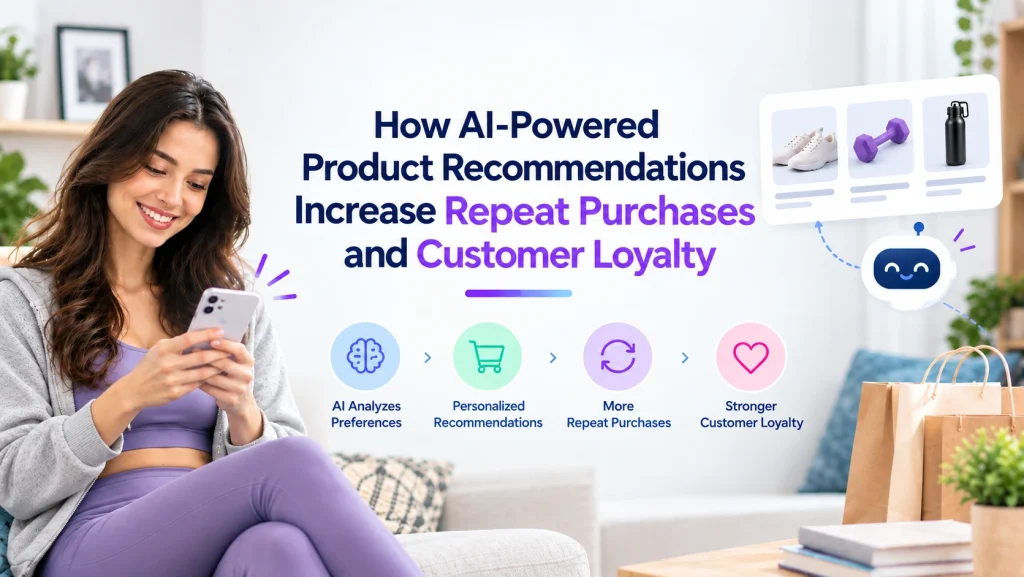
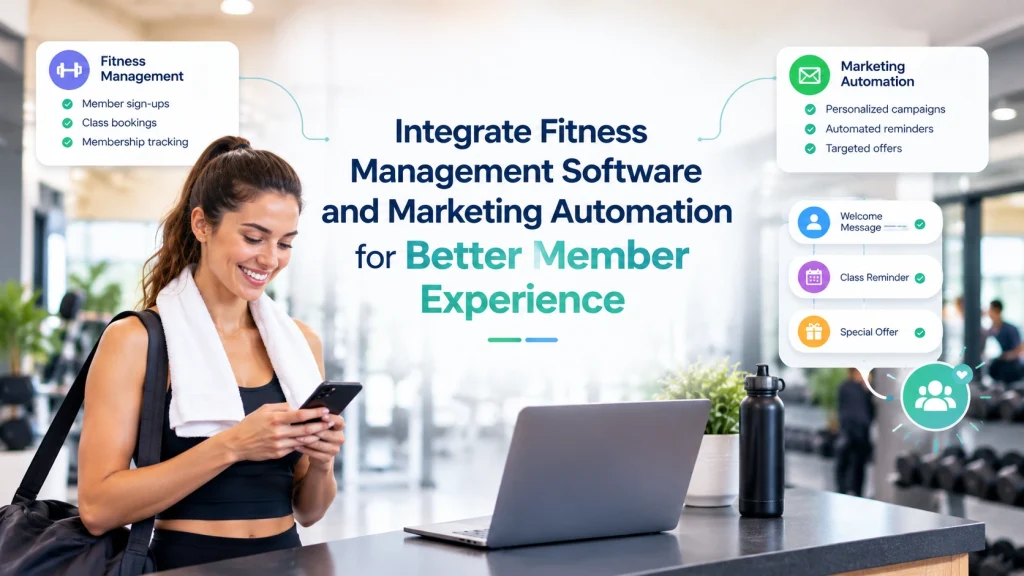
Gleantap helps you unify customer data, track behavior patterns, and automate personalized campaigns, so you can increase repeat purchases and grow your business.
Ready to Run Successful Marketing Campaigns and Grow Your Business?
Gleantap helps you unify customer data, track behavior patterns, and automate personalized campaigns, so you can increase repeat purchases and grow your business.