
 Sarah Kim
Identifying Early Indicators of Customer Attrition
The early signs of customer attrition are often subtle, yet they can provide crucial insights into potential churn before it escalates. Recognizing these indicators is best for businesses that rely on ongoing customer relationships, such as subscription services or membership-based models.
However, one significant limitation is that these indicators can vary widely across different customer segments. A behavior that signals attrition for one group might not apply to another. This variability requires a nuanced approach to analysis, potentially complicating the implementation of retention strategies.
For instance, consider a fitness studio that tracks member attendance and engagement through its app. If a member who typically visits three times a week suddenly drops to once every two weeks, this shift could indicate declining interest or satisfaction. By integrating this data into their customer relationship management (CRM) system, the studio can proactively reach out to understand the change and suggest personalized training options or classes.
Many teams make the mistake of overestimating the significance of one-off behaviors without considering broader patterns over time. A single late payment or missed visit might not indicate imminent defection; however, consistent patterns like declining engagement over several weeks should trigger immediate attention.
Behavioral Shifts in Engagement Metrics
Monitoring engagement metrics is essential in identifying early signs of customer attrition. This includes tracking login frequency, session duration, and feature usage within your service. For example, if users who once engaged with your platform daily start logging in weekly instead, it’s worth investigating why this change occurred.
- Login frequency: A drop can signal disengagement.
- Session duration: Shorter sessions may indicate a lack of value.
- Feature usage: Declining use of core features suggests reduced reliance on the product.
Understanding changes in how customers interact with your service is critical for proactive attrition management.
Diminishing Interaction with Customer Service
Customer service interactions can serve as a barometer for satisfaction levels. If customers who previously reached out for support stop doing so altogether—or worse, only contact you when they have issues—it may indicate they are losing interest or have found alternatives.
Analyzing Customer Feedback for Attrition Signals
Customer feedback is a goldmine for identifying early signals of customer attrition. This approach fits best when businesses actively seek and analyze feedback through structured methods, such as surveys or direct interviews. Companies that prioritize customer satisfaction and engagement will benefit most from this analysis.
However, a significant limitation is that quantitative metrics like Net Promoter Score (NPS) or Customer Satisfaction (CSAT) scores can sometimes provide a misleading picture. A high score may not necessarily translate to loyalty, as customers can be satisfied yet still consider alternatives. This discrepancy can lead teams to overlook underlying issues that contribute to customer defection.
For example, a fitness studio might implement a monthly NPS survey after classes. If the scores trend positively but customer attendance declines, it indicates that satisfaction alone isn’t sufficient for retention. The studio should delve deeper into qualitative feedback to uncover specific pain points affecting member engagement.
Many teams misjudge the value of qualitative feedback, often assuming quantitative scores are sufficient for understanding customer sentiment. They tend to overemphasize NPS and CSAT without considering the rich insights qualitative data can provide, such as comments from open-ended survey questions or direct discussions with members.
Utilizing NPS and CSAT Scores Effectively
While NPS and CSAT scores are important, they should not be viewed in isolation. Instead, they should be part of a broader feedback strategy that includes follow-up questions designed to extract more detailed insights into customer experiences. For instance, asking customers what specifically influenced their score can reveal actionable areas for improvement.
- Integrate follow-up questions in surveys to capture qualitative insights.
- Regularly review trends in NPS and CSAT alongside qualitative feedback.
- Use these metrics as benchmarks but not definitive measures of loyalty.
Important: Don’t rely solely on numerical scores; they need context from qualitative insights.
The Role of Qualitative Feedback in Identifying Pain Points
Qualitative feedback refers to comments and suggestions that customers provide during their interactions with your brand. This type of data is crucial for pinpointing specific issues that may not show up in numerical ratings. For example, if multiple customers mention a lack of variety in classes or difficulty navigating the booking system, these insights can guide actionable changes.
‘Exit interviews for customers who choose not to renew memberships also play an essential role in understanding attrition factors. These conversations often yield candid insights about what drove their decision to leave—whether it’s pricing concerns or dissatisfaction with service quality—which can inform retention strategies moving forward.
- Implement structured exit interviews to gather actionable insights.
- Encourage open-ended responses in surveys for deeper understanding.
- Analyze recurring themes from qualitative data regularly.
Customer retention rates increase by 5%, which can boost profits by up to 95% (Harvard Business Review).
Analyzing Churn-Related Comments and Suggestions
Comments related to churn are often overlooked but are critical indicators of potential attrition trends. By analyzing patterns within these remarks—such as frequent complaints about specific features or services—businesses can proactively address issues before they escalate into widespread dissatisfaction.
For example, if many members express frustration about class scheduling conflicts or inadequate communication regarding changes, addressing these concerns promptly could enhance overall satisfaction and reduce turnover rates significantly.
Identifying trends in churn-related comments allows businesses to act before losing more customers.
- ‘Regularly review churn-related comments for emerging patterns.
- ‘Prioritize addressing common complaints through targeted retention strategies.
- ‘Communicate changes made based on customer feedback back to members.
Impact of Onboarding Experience on Long-Term Retention
An effective onboarding experience is critical for reducing customer attrition. When customers feel welcomed and equipped from the start, they are more likely to remain engaged and loyal over time. This is particularly true for industries with subscription models, where initial interactions can set the tone for the entire customer lifecycle.
However, many businesses underestimate the complexity of onboarding. A common pitfall is assuming that a one-size-fits-all approach will suffice. Different customer segments may require tailored onboarding experiences to ensure they fully understand how to derive value from your product or service.
For example, a fitness studio that offers both group classes and personal training sessions might onboard clients differently based on their preferences. A new member interested in group classes might benefit from an orientation session highlighting class schedules and community engagement opportunities, while a personal training client may need a more personalized approach focusing on goal setting and trainer introductions.
- Clients who receive structured onboarding are 60% more likely to remain active after three months.
- A lack of personalized onboarding can lead to confusion and dissatisfaction, increasing the risk of early attrition.
Prioritizing customer onboarding can significantly enhance retention rates.
Many teams mistakenly believe that once a customer signs up, their job is done. This overlooks the importance of continuous support during the initial phases. Customer success teams should actively monitor engagement metrics during the first few months to identify signs of potential disengagement early on.
Evaluating the Effectiveness of Onboarding Processes
To evaluate onboarding effectiveness, businesses must define clear success metrics such as completion rates of onboarding tasks or user engagement levels post-onboarding. Tracking these metrics helps identify areas needing improvement. For instance, if most users drop off after completing only half of their onboarding tasks, it signals that either the process is too complex or not engaging enough.
In practice, a fitness studio could implement feedback loops immediately after onboarding sessions to gauge client satisfaction and understanding. Simple surveys asking about clarity and usefulness can provide actionable insights into how well clients are adapting to their new memberships.
‘Common Onboarding Pitfalls That Lead to Early Attrition
One major pitfall in onboarding is overwhelming new clients with information too quickly. Bombarding them with details about every feature or service can lead to confusion rather than clarity. Instead, focusing on key features relevant to their immediate needs can foster better understanding and usage.
The Role of Personalization in Preventing Attrition
Personalization is crucial in preventing customer attrition, especially for businesses that thrive on long-term relationships. Tailoring experiences to individual preferences can significantly improve customer retention rates. This approach fits best when companies have robust data collection and analysis systems in place, allowing them to understand their customers deeply.
However, a key limitation is the potential for data fatigue. Customers may become overwhelmed if they receive overly targeted communications or feel like their data is being exploited. This can backfire, leading to increased customer loss rather than retention.
Consider a fitness studio that uses member data to customize class recommendations based on past attendance and preferences. For instance, if a member frequently attends yoga classes but has shown interest in strength training through online interactions, the studio can send personalized invitations to related workshops or classes. This targeted outreach not only enhances the member’s experience but also increases the likelihood of ongoing engagement.
Many teams misjudge the scope of personalization by over-relying on automated systems without human touchpoints. Automation can streamline communications, but it’s essential to balance this with genuine interactions that foster relationships. A personalized email may be effective, but following up with a phone call or an in-person conversation can significantly enhance the connection.
Leveraging Customer Data for Tailored Experiences
Using customer data effectively means not just collecting information but also interpreting it correctly. Businesses must analyze behavior patterns and preferences to create truly tailored experiences. For example, tracking class attendance alongside feedback forms allows studios to identify which sessions resonate most with members and adjust offerings accordingly.
‘Retention strategies should be informed by real-time data analysis rather than relying solely on historical trends. A fitness studio could implement predictive churn modeling techniques that analyze current engagement metrics and flag at-risk members before they disengage completely.
‘How Personalized Communication Can Reduce Dropout Rates
‘Personalized communication is more than just addressing customers by their names; it involves crafting messages based on their unique journeys with your brand. Knowing when a member’s renewal date is approaching allows studios to send timely reminders along with personalized offers tailored to their interests.
‘A common oversight is treating all members similarly during communication efforts. For instance, sending blanket emails about promotions without considering individual past behaviors may lead to lower engagement rates and increased attrition.
Monitoring Subscription and Usage Patterns for Early Warning Signs
Monitoring subscription and usage patterns is essential for spotting early signs of customer attrition. This approach is best suited for businesses that operate on a subscription model or have recurring revenue streams, as these patterns can reveal shifts in customer behavior before they culminate in attrition.
A notable limitation of this method is the potential for misinterpretation of data. For example, a temporary dip in usage might be mistaken for disengagement when it could simply indicate seasonal behavior or external factors unrelated to customer satisfaction. This risk necessitates a careful analysis of data trends over time, rather than drawing conclusions from isolated incidents.
In practice, consider a fitness studio that tracks member attendance through its app. If a member who consistently attends classes three times a week suddenly drops to once every two weeks, it raises a flag. The studio can use this data to reach out proactively, perhaps offering personalized class recommendations or wellness tips based on their previous preferences. This immediate engagement strategy not only demonstrates care but also opens up avenues for feedback and further improvement.
Many teams mistakenly focus solely on overall subscription numbers without diving deeper into individual usage patterns. They often overestimate the implications of minor fluctuations in engagement metrics without recognizing that sustained changes are what truly matter. A single missed class should not trigger alarm bells; however, consistent declines over several weeks should prompt immediate intervention.
Key Metrics to Track for Subscription-Based Models
When monitoring subscription models, certain key metrics stand out as critical indicators of potential churn. These include average session duration, login frequency, and feature adoption rates. For instance, if users are logging in less frequently or spending significantly less time on the platform than before, these shifts could signal disengagement and warrant investigation.
- Average session duration: A reduction may indicate decreasing interest.
- Login frequency: Fewer logins can be an early sign of disengagement.
- Feature adoption rates: Declining use of key features suggests reduced reliance.
[Actionable Insight: Regularly review these metrics to gauge overall user engagement.]
[Consider implementing cohort analysis to identify trends among different user segments—this can help pinpoint specific groups at risk of attrition.] By comparing usage patterns across cohorts defined by their start date or demographic characteristics, businesses can tailor retention strategies more effectively.
[Identifying Drop-Off Points in Usage Analytics]
[Usage analytics should also focus on identifying drop-off points within the user journey.] For example, mapping out where users typically abandon workflows—such as failing to complete onboarding processes or dropping off after initial sessions—can provide valuable insights into friction points within your service.
Creating a Customer Engagement Strategy to Mitigate Attrition
A solid customer engagement strategy is essential for mitigating customer attrition. This approach is best for businesses that have a diverse customer base and rely on ongoing interactions to maintain relationships, such as fitness studios or subscription services. Implementing a multi-channel strategy allows businesses to connect with customers where they are most comfortable, fostering loyalty and reducing churn.
However, a significant limitation of this approach is the resource intensity required to manage multiple channels effectively. Businesses may find it challenging to maintain consistent messaging and high-quality interactions across platforms, which can dilute the overall customer experience if not handled properly.
For instance, a fitness studio might employ email newsletters, social media updates, and in-app notifications to keep members informed about upcoming classes and promotions. By segmenting their audience based on past attendance and preferences, the studio can tailor messages that resonate with specific groups, enhancing engagement and retention.
Many teams misunderstand the complexity involved in managing multi-channel engagement. They often overestimate the effectiveness of automation tools without considering the need for human touchpoints. While automated emails can save time, they should complement—not replace—personal interactions that build trust and loyalty.
Developing Multi-Channel Engagement Approaches
To create an effective multi-channel engagement strategy, businesses should evaluate which platforms their customers use most frequently. For instance, younger demographics may prefer social media interactions while older customers might lean towards email or phone communication. By mapping out customer preferences, businesses can prioritize their efforts where they will have the greatest impact.
[Consider using analytics tools that track engagement across different channels. This data helps identify which platforms drive the most interaction and satisfaction among your audience.]
[Important: Prioritize channels based on where your customers are most active to maximize engagement efforts.]
The Importance of Community-Building Initiatives
[Community-building initiatives play a critical role in fostering long-term relationships with customers.] Engaging clients through events or online forums creates a sense of belonging that can significantly reduce attrition. This approach suits businesses aiming to enhance customer loyalty by nurturing strong community ties.
[However, organizing community events requires substantial investment in terms of time and resources.] Many teams underestimate this aspect, assuming that simply hosting an event will automatically enhance loyalty without considering the logistics involved.
For example, a fitness studio could host monthly challenges that encourage members to participate together while tracking progress through an app. These initiatives not only boost motivation but also foster connections among members—making them less likely to leave simply due to dissatisfaction or disengagement.
- Host regular events that promote member interaction.
- Create online spaces for discussion around fitness goals.
- Utilize social media groups to strengthen community ties.
[Building a strong community can be one of the best defenses against attrition.]
Integrating Feedback Loops into Engagement Strategies
Integrating feedback loops into your engagement strategies allows you to address customer concerns proactively rather than reactively waiting for issues to arise. Continuous feedback mechanisms—such as surveys or suggestion boxes—help identify areas needing improvement before they escalate into reasons for attrition.
Nonetheless, many organizations fail at effectively utilizing feedback due to inadequate follow-up processes. Collecting feedback is only half the battle; acting on it is crucial for demonstrating commitment toward enhancing customer experience.
Utilizing Technology and Tools for Attrition Detection
Leveraging technology is critical for detecting customer attrition early. This approach fits best when businesses can integrate tools that provide real-time insights into customer behavior, enabling proactive measures to retain at-risk clients.
However, a significant limitation is the reliance on data quality. Poor data input or inconsistent tracking can lead to misleading insights, making it difficult to identify genuine attrition signals. Teams must ensure that the systems they use are not only robust but also regularly updated and accurately reflect customer interactions.
Consider a fitness studio using a CRM system to monitor client health scores based on attendance, class engagement, and feedback ratings. By setting thresholds for these metrics, the studio can automatically trigger alerts for members whose scores dip below a certain level. For example, if a member who usually attends three classes per week suddenly drops to one, the system flags this change, prompting staff to reach out with personalized support or incentives.
Many teams misjudge the capabilities of their CRM systems by assuming that simply having them in place guarantees insights into customer behavior. They often overlook the need for ongoing training on how to interpret the data effectively and implement actionable strategies based on findings. Without proper utilization, even the best tools can gather dust instead of driving meaningful retention efforts.
CRM Systems and Their Role in Tracking Customer Health Scores
CRM systems are essential for tracking various metrics that contribute to understanding customer health. These platforms consolidate data from multiple touchpoints—such as interactions with customer service and purchase history—into comprehensive profiles that help businesses identify potential churn risks.
‘For instance, a fitness studio might analyze attendance frequency alongside member feedback scores within its CRM. This analysis allows them to pinpoint members who are disengaging before they decide to leave. A common pitfall is focusing solely on quantitative metrics like attendance numbers while neglecting qualitative feedback from members about their experiences.
- ‘Integrate various data sources into your CRM for a holistic view of customer behavior.
- ‘Regularly update health scores based on recent engagement metrics and feedback.
- ‘Use automated reports to monitor trends over time instead of relying solely on manual checks.
Effective use of CRM systems requires ongoing training and strategic alignment across teams.
‘Implementing Automated Alerts for Potential Attrition Signals
‘Automated alerts serve as an early warning system for potential attrition signals within your customer base. These alerts can be configured within your CRM or other analytics platforms to notify teams when specific thresholds are crossed—such as decreased usage rates or negative feedback trends.
Testing Interventions: Strategies to Re-engage At-Risk Customers
Implementing targeted interventions for at-risk customers is essential for reducing customer attrition. This strategy is best suited for businesses that have established metrics to identify potential churn and can leverage data-driven insights to craft tailored re-engagement initiatives.
However, a notable limitation is that not all interventions will resonate with every customer. Misjudging the preferences or needs of a specific segment can lead to wasted resources and further disengagement. Thus, understanding the nuances of your customer base is critical.
For example, a fitness studio might conduct A/B testing on two different re-engagement email campaigns targeting members who haven’t attended classes in over two weeks. One campaign offers a discount on their next class, while the other highlights new class offerings that align with their past attendance patterns. By analyzing which campaign yields a higher response rate, the studio can refine its approach to maximize re-engagement.
- Use A/B testing to evaluate different re-engagement tactics.
- Monitor customer responses to refine future strategies.
- Utilize segmentation to tailor messages based on behavior.
[Teams often miscalculate the impact of re-engagement offers by assuming that discounts alone will suffice. While financial incentives can be effective, they may not address deeper issues causing disengagement, such as poor service quality or lack of personal connection.]
[Important: Focus on understanding customer motivations rather than just offering discounts.]
A/B Testing Different Re-Engagement Tactics
[A/B testing allows businesses to experiment with various messaging strategies and promotions to determine what resonates most with at-risk customers.] By systematically varying elements such as subject lines, content format, or call-to-action buttons in email campaigns, teams can gain insights into effective engagement techniques.
[For example, if a fitness studio runs an A/B test comparing an email highlighting new yoga classes versus a message promoting a limited-time discount on membership renewal, they can track metrics like open rates and click-through rates. This data reveals which approach better captures interest and encourages action.]
[The goal should be to optimize communication based on direct feedback from customer interactions rather than relying solely on assumptions about what might work.]
[Crafting Targeted Campaigns Based on Attrition Indicators]
- Analyze behavior patterns leading up to attrition.
- Develop communications that directly address these behaviors.
- Focus on creating value propositions aligned with individual interests.
[By utilizing behavioral data effectively, studios can enhance member experiences and significantly mitigate churn risk.]
Evaluating the Effectiveness of Retention Offers and Incentives
Once retention offers are in place, evaluating their effectiveness against defined success metrics is crucial for continued improvement. Businesses should track not only immediate responses but also longer-term engagement trends following these interventions.
For instance, if a fitness studio implements a referral program encouraging current members to bring friends in exchange for rewards, monitoring referral sign-ups alongside retention rates over time helps assess whether this initiative leads to sustained engagement.
- Establish clear metrics for assessing offer performance.
- Consider both short-term spikes in engagement and long-term retention impacts.
- Gather qualitative feedback from participants about their experiences.
[Effective evaluation requires ongoing adjustment; what works today may not resonate tomorrow.]
Building a Company Culture Focused on Customer Retention
A company culture that prioritizes customer retention is essential for reducing customer attrition. This is particularly effective for businesses that rely heavily on long-term relationships, such as fitness studios or subscription services. When every team member understands the importance of retaining customers, it creates a unified approach to customer success.
However, one limitation of fostering this culture is the potential for misalignment among different departments. Teams may have varying priorities or metrics for success, which can create friction and dilute overall efforts toward retention. Without a cohesive strategy, initiatives can become disjointed and less effective.
For instance, consider a fitness studio where front desk staff are trained to recognize signs of disengagement during member interactions. If a member expresses dissatisfaction about class availability, the staff can escalate this concern to management while also offering immediate solutions like alternative classes. This proactive approach enhances the member’s experience and demonstrates that their feedback is valued.
Many organizations overestimate the effectiveness of training alone without integrating it into daily practices. A common misjudgment is assuming that once employees receive training, they will automatically apply what they’ve learned in real-world situations. Continuous reinforcement through regular meetings and shared goals is necessary to ensure that customer retention remains top of mind.
Training Teams to Recognize Signs of Attrition Early
‘Training staff to identify early warning signs of customer attrition fits best when there are clear indicators defined within the organization. For example, if members who typically attend three classes weekly start dropping off to only one or two classes, it should signal potential dissatisfaction.
‘However, relying solely on training can lead to oversights; employees might miss subtler signs due to high workloads or distractions from other tasks. The key is not just training but creating an environment where these observations are encouraged and discussed frequently. Also Regular communication can make this process more effective, especially when teams schedule regular team meetings to discuss customer behavior, share observations, and identify potential issues before they lead to attrition.
Action Point: Encourage open dialogue among staff about customer interactions during team meetings.
- Implement regular check-ins with teams to discuss attrition signs.
- Encourage sharing of experiences related to customer feedback.

Ready to Run Successful Marketing Campaigns and Grow Your Business?
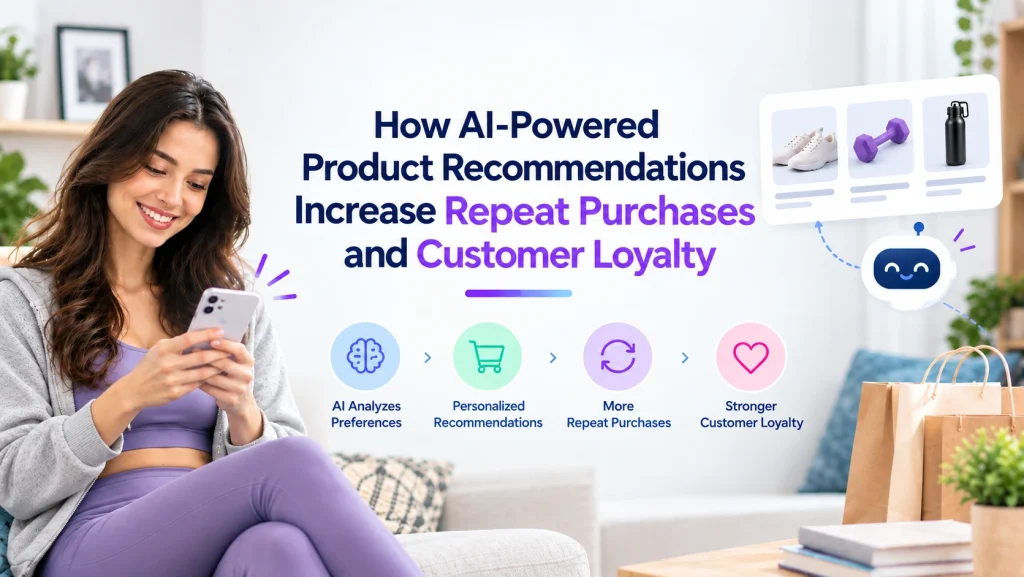
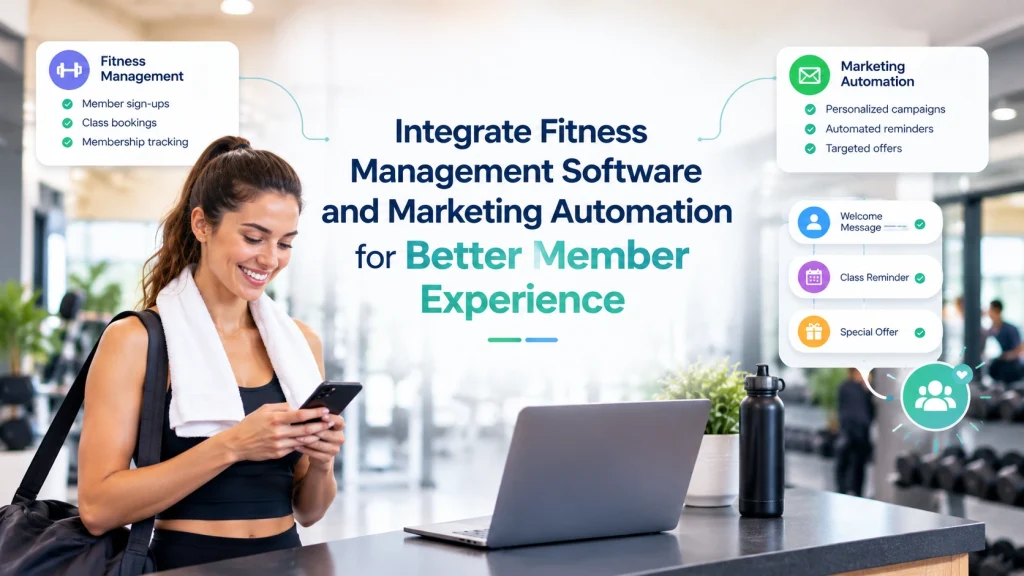
Gleantap helps you unify customer data, track behavior patterns, and automate personalized campaigns, so you can increase repeat purchases and grow your business.
Ready to Run Successful Marketing Campaigns and Grow Your Business?
Gleantap helps you unify customer data, track behavior patterns, and automate personalized campaigns, so you can increase repeat purchases and grow your business.