Best Practices for Managing Review Monitoring Across Multiple Platforms

In the bustling world of fitness marketing, managing your online reputation can feel like juggling weights—challenging but absolutely essential. With a multitude of review platforms at your fingertips, from Google to Yelp, effectively conducting review monitoring can be the difference between attracting new clients and losing them to the competition. Did you know that around 50% of consumers research a business online before deciding to step foot in a gym? This statistic underscores the importance of maintaining a solid presence across various channels.

As fitness studios strive to enhance their visibility and credibility, leveraging automated marketing tools becomes vital. Utilizing marketing automation not only streamlines how you manage online feedback but also enriches your overall fitness brand marketing strategies. Picture this: with the right review management software, you can monitor customer sentiments in real-time while focusing on what truly matters—your clients’ fitness goals.

Integrating AI-driven solutions like AI-powered chatbots into your strategy can also lighten your load. Imagine having an AI conversational agent that answers common client queries while you prep for that next big class! It’s not just about responding to reviews; it’s about creating an engaging experience from first contact to follow-up.

The Importance of Reviews in Fitness Marketing

  • Social Proof: Positive reviews serve as a powerful motivator for potential clients. According to research, 80% of fitness professionals use social media for marketing—they know that glowing testimonials can transform browsing into bookings.
  • Email Reputation: Incorporating review analysis into your email marketing strategies ensures you’re sending out well-received messages, improving your email deliverability and overall reputation.
  • Feedback Loop: Consistent review tracking systems allow for immediate adjustments in service delivery, fostering loyalty among current members while appealing to newcomers.

The world of digital fitness marketing tactics is evolving rapidly with advancements in technology and consumer expectations. As we delve deeper into best practices for managing review monitoring across multiple platforms, remember: “Content is king.” By ensuring all your platforms are synchronized and optimized, you’ll not only maintain a stellar reputation but also enhance customer engagement throughout their journey with you.

Understanding the Importance of Review Monitoring
In the realm of fitness marketing, review monitoring isn’t just an afterthought—it’s a pivotal element that can shape your studio’s reputation and client relationships. Just as trainers keep a close eye on their clients’ progress, fitness businesses must vigilantly observe online feedback to thrive in today’s digital landscape.

Think about it: online reviews serve as modern-day word-of-mouth. They can elevate your business when they highlight stellar service or bring it crashing down when they spotlight shortcomings. A staggering 91% of consumers read online reviews before making a purchase decision, emphasizing the need for effective reputation management. If a potential client sees glowing reviews about your spin classes or personal trainers, they’re far more likely to step through your doors.

Why Review Monitoring Matters

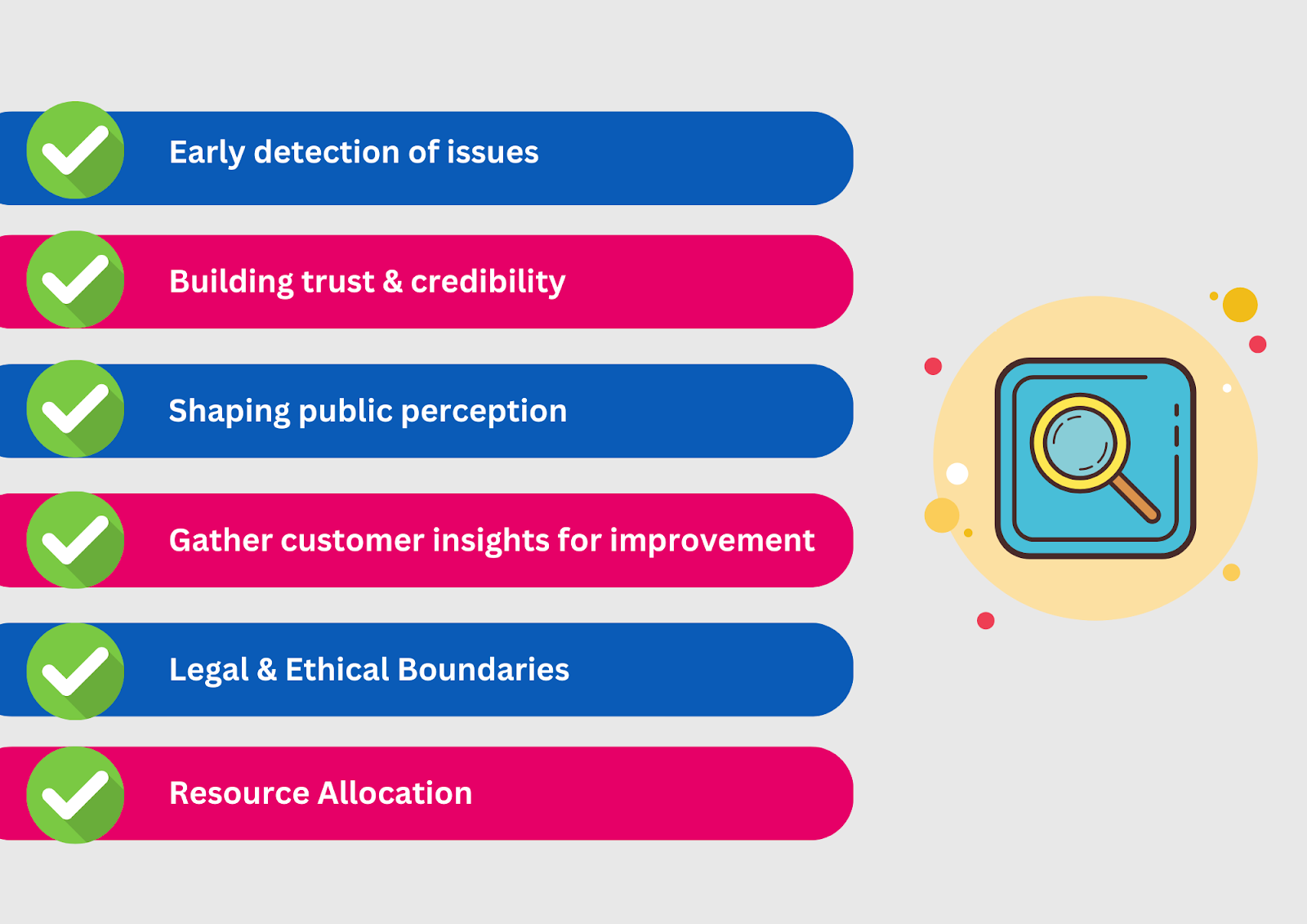
  • Building Trust: Consistent monitoring helps in addressing concerns promptly, showing potential clients you care. When prospects see how you engage with customers—both happy and unhappy—they’re more likely to trust your brand.
  • Identifying Trends: By analyzing reviews across multiple platforms, you can glean insights into what services are popular and what areas may need improvement. This feedback loop can illuminate paths for enhanced service delivery.
  • A Boost to SEO: Engaging with reviews positively impacts your search engine rankings. More reviews mean more content for search engines to index, helping your studio appear higher in local searches—an essential factor for driving foot traffic.

Evidently, the integration of automated marketing tools can simplify this process significantly. Imagine having a system in place that not only alerts you to new reviews but also compiles them into digestible insights! Utilizing such technology ensures that review management becomes less of a chore and more of an integral part of your sales CRM strategy.

“The way you respond to feedback is often the first impression many customers will have of your business.”

This proactive engagement sets the stage for authentic connections, transforming casual browsers into loyal clients—a win-win for any fitness professional!

Centralizing Your Monitoring Efforts with Marketing Automation

In today’s fast-paced fitness industry, centralizing your review monitoring efforts through marketing automation can feel like having a personal trainer for your online reputation. Instead of juggling multiple platforms and tools, why not streamline everything into one cohesive system? Not only does this save time, but it also enhances the effectiveness of your overall digital fitness marketing tactics.

Streamlined Review Management

Centrally managing reviews means that you can monitor customer feedback across platforms like Google, Yelp, and Facebook from a single dashboard. This approach allows you to:

  • React Swiftly: Being able to respond to reviews in real-time helps to build trust with potential clients. Remember, 50% of consumers check online feedback before visiting a brick-and-mortar store. A timely reply could be the difference between a new member signing up or walking out the door.
  • Analyze Trends: Automated tools can aggregate data from various sources and present it in an easily digestible format. Spotting trends in client sentiment enables you to adapt your services proactively rather than reactively.
  • Create Targeted Campaigns: By understanding what resonates with your audience through reviews, you can craft personalized email outreach methods that align with their interests and concerns. For example, if many clients rave about group classes, consider promoting them heavily in your next marketing push.

The Role of AI in Review Monitoring

Integrating AI-driven solutions into your review monitoring process takes efficiency up a notch. With tools such as AI content assistants, you can automate responses to common questions or comments made in reviews. This setup frees up staff time while maintaining a personable touch—a win-win!

“Automation is not just about replacing human effort; it’s about optimizing it.”

This kind of efficiency is essential for studios wanting to balance their day-to-day operations with maintaining an active online presence.

Email Reputation Considerations

A critical aspect of centralized monitoring is ensuring that your email reputation remains intact while sending out targeted email campaigns derived from review insights. If you’re utilizing automated marketing tools, consider employing email reputation monitoring tools to keep an eye on deliverability rates—after all, even the best content won’t help if it never reaches your audience’s inbox!

Incorporating these practices into your strategy enables fitness businesses not only to respond more effectively to reviews but also to leverage them as powerful marketing assets. After all, enhancing client experiences through effective review monitoring leads directly back to improving retention rates and boosting membership—now that’s something worth lifting! With the right systems and strategies in place, your studio could become the talk of the town (in a good way)!

Integrating Sales CRM for Enhanced Customer Interaction
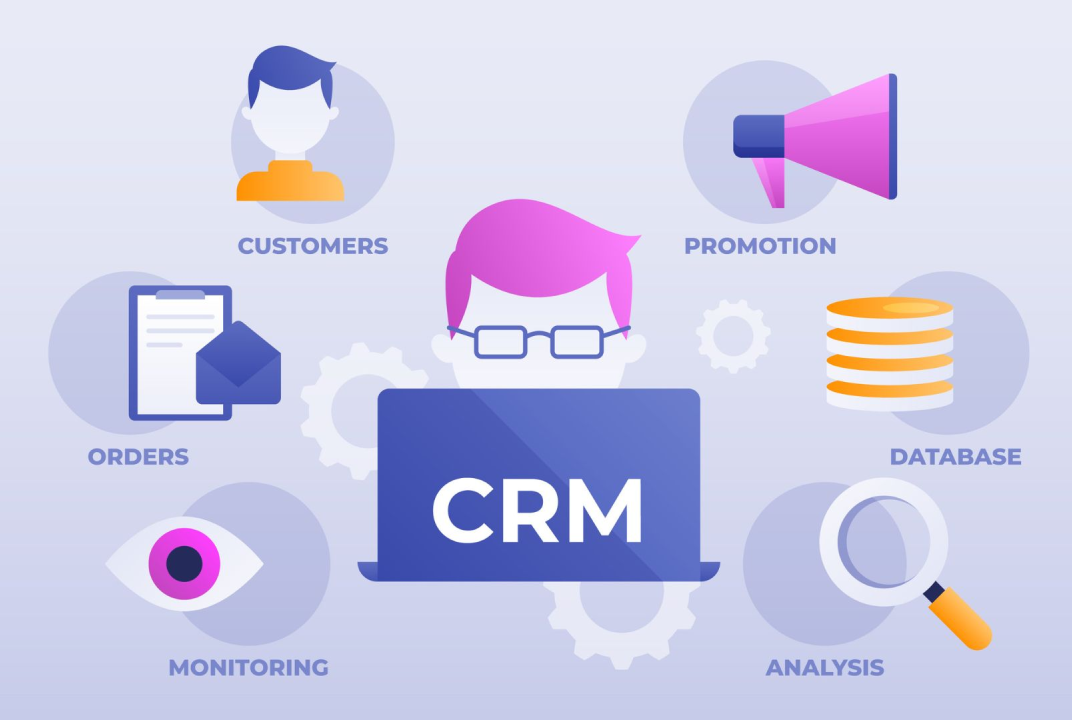
In the competitive landscape of fitness studios, integrating a robust sales CRM system can significantly elevate your customer interaction experience. Think of your CRM as the secret sauce that enhances client relationships while keeping everything organized—because who doesn’t love a little extra flavor, right?

The Benefits of CRM Integration

  • Personalized Interactions: A well-implemented sales CRM enables you to track interactions with clients over time. This means when they walk through the door or hit you up on social media, you’ll know their preferences and history, allowing for tailored conversations that make them feel valued.
  • Data-Driven Insights: By utilizing analytics features within your CRM, you can uncover trends in customer behavior. For instance, if you notice a spike in interest around high-intensity classes, you can promote those sessions more aggressively in your marketing campaigns.
  • Streamlined Communication: A CRM centralizes all client communications—from emails to feedback forms—making it easier to manage leads and follow-ups. No more scrambling to find that one email about a client’s favorite workout!

Automated Follow-Ups

Your sales management software should allow for automated follow-ups based on client interactions. After a new member signs up or attends their first class, a simple follow-up email can enhance their experience significantly.

“The fortune is in the follow-up.”

This practice not only shows that you care but also keeps your studio top-of-mind, fostering loyalty among members. With 78% of marketers utilizing email marketing as part of their strategy, it’s clear that effective communication cannot be overlooked.

Enhancing Email Marketing Strategies

Your sales CRM’s capabilities extend into refining your email marketing strategies. By analyzing customer data and feedback collected through reviews and direct interactions, you can design targeted email campaigns tailored specifically to different segments of your clientele. For example:

  • If clients rave about personal training services in reviews, send out an exclusive offer on personal training packages to those who haven’t booked a session yet.
  • Create engaging content around popular fitness topics derived from customer feedback to foster community interaction and keep members engaged.

This strategic approach not only enhances your email reputation but also strengthens your overall brand presence in the crowded fitness marketplace. After all, who wouldn’t appreciate receiving personalized outreach rather than generic messages? It’s these thoughtful touches that help convert casual visitors into devoted members.

In summary, integrating an effective sales CRM into your fitness studio’s operations is not merely an option; it’s practically a necessity for enhancing customer interaction. With features that support personalized communication, automated follow-ups, and data-driven insights, you’re setting yourself up for success in managing client relationships while building a stellar reputation across multiple platforms.

Leveraging Email Marketing for Review Solicitation

When it comes to harnessing the power of reviews for your fitness studio, email marketing is your not-so-secret weapon. Why? Because it allows you to reach your clients directly and nudge them towards sharing their experiences online, all while giving you a chance to shine as a brand that values feedback. To put it simply: if reviews are the gold medals of customer feedback, then email marketing is the athlete tirelessly training for that podium finish!

Crafting the Perfect Email

To effectively solicit reviews, your emails should be well-crafted and engaging. Here are some tips:

  • Timing is Everything: Send your review request shortly after a positive experience. For instance, if a client just finished a killer workout or personal training session, they’re likely still riding that endorphin high! Be hope you enjoyed our yoga class with Jess today!” can spark warm feelings and increase the likelihood of a favorable review.
  • Add Value: Consider offering an incentive—like discounted merchandise or a free class—for those who take the time to leave feedback. This not only encourages participation but also shows appreciation for their effort.

Email Marketing Best Practices

Your approach should also incorporate some email marketing best practices to ensure high engagement rates:

  • A/B Testing: Experiment with different subject lines and email formats to see what resonates most with your clients. This can drastically improve your open rates.
  • Clear Call-to-Action (CTA): Make it easy for clients to leave a review by including direct links to various platforms like Google or Yelp in your emails. The less effort required, the better!
  • Follow-Up: If someone doesn’t respond the first time, don’t hesitate to send a gentle reminder. Sometimes all it takes is a little nudge.

“Automate what you can, personalize what you must.”

This quote rings particularly true when discussing email campaigns aimed at gathering reviews. By automating parts of the process—like sending follow-ups—you can save time while still making each client feel special.

The Impact on Your Online Reputation

A strong influx of positive reviews will create social proof that bolsters your reputation in the competitive landscape of fitness marketing. Remember, around 50% of consumers check online reviews before visiting any brick-and-mortar store! So every review counts.

Your email campaigns don’t just gather feedback; they help build relationships that foster loyalty among members. By integrating these tactics into your overall strategy, you elevate not only your engagement but also set the stage for enhanced reputation management across various platforms.

If you’re ready to turn those glowing testimonials into compelling stories that attract new clients, leveraging email marketing effectively will make all the difference in how potential members perceive your fitness studio!

The Role of AI Content Assistants in Managing Responses

In the fast-paced environment of fitness marketing, timely and appropriate responses to reviews can make or break your reputation. Enter AI content assistants, your new best friends in managing reviews across multiple platforms. These advanced tools not only help streamline the response process but also ensure that your replies resonate with your audience.

The Power of AI in Response Management

Imagine receiving a flurry of reviews across Yelp, Google, and Facebook after a successful fitness challenge launch. Instead of spending hours crafting responses, AI content assistants can step in and assist with:

  • Drafting Responses: Using natural language processing, these tools can generate thoughtful replies based on previous feedback patterns. This ensures that every interaction feels personalized while maintaining efficiency.
  • Sentiment Analysis: AI can assess the tone of reviews—whether they’re glowing praises or constructive criticisms—enabling you to tailor your response accordingly. A cheerful review deserves a cheerful reply!
  • Consistency Across Platforms: By standardizing replies through AI, you maintain a cohesive voice for your brand across all channels. This uniformity is crucial for building trust and ensuring effective reputation management.

“The future is already here — it’s just not very evenly distributed.”

Saving Time While Improving Engagement

With around 78% of marketers incorporating email marketing into their strategies, it’s clear that time is precious. Leveraging AI allows you to allocate more time toward other vital areas like class planning or customer engagement while ensuring that no review goes unanswered.

This isn’t simply about reacting; it’s also about proactively managing perceptions. Think of it as sending out a friendly reminder to clients about the joys of attending that spin class they loved last week—except this time, it’s done through intelligent automation!

A Case in Point: The Fitness Studio That Tried It

A well-known fitness studio leveraged an AI-powered chatbot to manage its review responses. Within weeks, they saw:

  • 30% Increase in Positive Engagement: Personalized responses led to improved sentiment scores.
  • Keen Insights: The studio was able to identify recurring themes in feedback easily—did members love Zumba but find kickboxing too intense?
  • Sustained Trust Levels: Quick follow-ups became the norm, demonstrating that client opinions were valued and acted upon swiftly.

This success story illustrates how seamlessly integrating AI-driven tools into customer interactions can enhance overall client relationships while boosting your online presence. With such innovations at your disposal, why leave customer connections to chance?

Your approach to managing reviews should be as dynamic as the classes you offer—embracing technology like AI content assistants is an effective strategy for keeping up with the ever-demanding consumer landscape in fitness marketing.

Enhancing Review Monitoring with AI Chatbots

As the fitness industry leans more into technology, integrating AI chatbots into your review monitoring strategy is a game-changer. Think of them as your personal assistant—ready to jump in and help you engage with clients at any hour, even when you’re busy sweating it out in a spin class. It’s like having a trusty sidekick that never tires!

The Role of AI Chatbots in Review Management

Chatbots can streamline how you interact with clients, ensuring that their feedback does not just slip through the cracks:

  • Instant Responses: In today’s fast-paced environment, potential and current clients appreciate quick responses. A chatbot can instantly acknowledge reviews or inquiries, letting customers know they’ve been heard.
  • Gathering Insights: By using conversational AI, these chatbots can ask follow-up questions about client experiences. This provides deeper insights into what your members love or where improvements are needed—valuable data for fine-tuning your offerings.
  • Simplifying Review Requests: Chatbots can prompt satisfied customers to leave reviews right after a class or service. Imagine this: “Hey there! Did you enjoy today’s yoga session with Sarah? Share your thoughts on Google or Yelp!” This nudging can significantly increase the volume of online feedback.

Tapping Into Automation

The beauty of using AI-powered chatbots extends beyond immediate engagement—they also tie seamlessly into your overall marketing automation. Here’s how:

  • 24/7 Availability: Your chatbot can be active around the clock, ready to respond to inquiries about classes, membership rates, and even solicit reviews at all hours! According to research, around 50% of consumers will check online before visiting a store; being available when they’re searching makes all the difference.
  • Email Integration: Combining chatbot interactions with email marketing allows you to transform collected data from chats into targeted email campaigns. For instance, if multiple clients rave about a particular instructor, consider creating an email spotlighting their specialties—talk about leveraging social proof!
  • A/B Testing for Optimization: Chatbots can easily test different scripts or approaches to see which elicits better responses from clients. This ensures that your communication style is always optimized for engagement.

“The great thing about chatbots? They’re like having a personal trainer for your online interactions!”

This witty little tidbit rings true as these digital assistants empower studios to maintain their reputation without breaking a sweat!

The Takeaway: Efficiency Meets Engagement

The incorporation of AI chatbots into your review monitoring strategy represents a smart blend of efficiency and customer engagement. They allow fitness studios not only to respond more swiftly but also to cultivate relationships that lead to long-term loyalty—a key ingredient in any successful fitness marketing strategy.

If you’re looking toward the future of client interaction and reputation management, embracing AI-driven solutions like chatbots is essential. As trends show an increasing reliance on technology for day-to-day operations, it’s time for fitness studios to step up their game and harness these innovative tools!

Your studio deserves the spotlight—not just for its killer classes but also for its stellar online reputation! With AI chatbots at your side, managing reviews across multiple platforms becomes easier than ever while enhancing your overall customer experience.

Maintaining a Strong Email Reputation During Outreach

In the age of digital marketing, maintaining a strong email reputation is akin to keeping your fitness regimen on point—it’s crucial for achieving your goals. Whether you’re sending out targeted email campaigns to solicit reviews or engage with your members, a solid email reputation ensures that your messages land in inboxes rather than spam folders. In fact, around 78% of marketers leverage email marketing as part of their overall strategy, making it imperative to fine-tune how you approach this channel.

Understanding Email Reputation

Your email reputation is determined by various factors including open rates, the percentage of emails marked as spam, and engagement levels. A poor reputation can lead to lower deliverability rates, meaning fewer of your beautifully crafted emails reach your audience. Here are some best practices to help maintain that stellar email reputation:

  • Authenticate Your Emails: Ensure that your emails are properly authenticated with SPF and DKIM protocols. This establishes credibility and helps providers verify the legitimacy of your messages.
  • Segment Your Audience: Tailoring content based on client preferences increases engagement rates and reduces the likelihood of being marked as spam. Use insights from reviews and interactions to create segments in your CRM for more personalized outreach.
  • Monitor Engagement Metrics: Keep a close eye on open rates and click-through rates. If certain emails aren’t performing well, consider A/B testing different subject lines or content formats to identify what resonates best.

“Your email list is like a garden; it needs continuous care to flourish.”

Crafting Engaging Content

The content you send plays a significant role in maintaining engagement. Remember, insightful and relevant content keeps clients coming back for more:

  • Value-Driven Emails: Share tips on fitness trends or invite clients to an exclusive class through email. When members see value in what you send, they’re less likely to hit “unsubscribe.”
  • Clever CTAs: Use compelling calls-to-action that motivate readers to leave reviews or engage with other services. A simple “Share Your Favorite Class Experience” can prompt immediate responses!

Avoiding Common Pitfalls

A few common mistakes can quickly tarnish your email reputation:

  • Sparse Clean-Up: Regularly clean up your email list by removing inactive subscribers. Keeping them on the list can hurt engagement metrics.
  • Over-Sending: While consistency is key, bombarding clients with too many emails can lead to fatigue and increased unsubscribe rates. Balance frequency with quality content.

Your email outreach should complement your efforts in managing reviews across multiple platforms while enhancing client relationships through thoughtful communication strategies. As the fitness industry evolves, embracing these best practices will not only bolster your email reputation but also position you as a brand that genuinely values member feedback.

Conclusion: Building a Comprehensive Review Strategy

In conclusion, crafting a comprehensive review strategy for your fitness studio is not merely an option—it’s a necessity. As digital fitness marketing evolves, so too must the approaches to managing your online reputation through effective review monitoring. Here are some key takeaways to consider:

  • Centralized Management: Utilizing marketing automation tools allows for streamlined review tracking across platforms. A cohesive system helps ensure no feedback goes unnoticed, allowing you to focus on enhancing customer experiences.
  • AI Integration: Implementing AI chatbots and content assistants will save time and enhance personalization in your responses. This technology can help automate routine inquiries and follow-ups, making your interactions feel more engaging without sacrificing efficiency.
  • Email Reputation Matters: A strong email reputation is crucial when soliciting reviews. Following best practices in email marketing ensures that your outreach lands in inboxes, maximizing engagement while minimizing the risk of being marked as spam.
  • Feedback is a Goldmine: Transform reviews into actionable insights. By analyzing trends and sentiments, you can adapt services to meet client expectations better—after all, around 50% of consumers research businesses online before walking through their doors!

A well-executed review strategy not only improves your gym’s visibility but also builds trust with potential clients. With social proof playing an increasingly important role in decision-making, every positive review strengthens your studio’s reputation.

“A good reputation is more valuable than money.”

This age-old adage rings particularly true in the fitness industry, where trust and credibility are paramount. By combining innovative technology with thoughtful engagement strategies, you’ll be well-equipped to navigate the complexities of online reviews while turning them into powerful marketing assets that drive growth.

Your path to a stellar online presence starts with embracing these practices—so roll up those sleeves and get ready to build a review strategy that will have clients flocking to your studio! Ready to elevate your fitness studio’s reputation? Embrace AI-powered chatbots and smart email strategies to streamline reviews and boost engagement. Start transforming feedback into actionable insights today—build trust, grow loyalty, and attract more clients. Don’t wait—empower your marketing strategy with AI tools that deliver results. Try them now!
Why AI Chatbots Might Replace Human Interaction Sooner Than You Think

In an era defined by rapid technological advancements, AI chatbots are increasingly becoming an integral component of the digital landscape. These virtual assistants not only revolutionize customer service and engagement but are now fundamental in crafting personalized marketing strategies. Especially for businesses like fitness studios, AI-driven tools can harness data-driven insights to optimize marketing automation and sales CRM. This blog explores how and why AI chatbots are poised to replace human interaction sooner than anticipated.

The Rise of AI Chatbots and Virtual Assistants

The evolution of AI chatbots is nothing short of a digital marvel, akin to witnessing a sci-fi movie spring to life right before our eyes. Fueled by sophisticated algorithms and machine learning capabilities, these little virtual wizards have become more than just glorified answer machines—they’re transforming how businesses engage and interact with customers. So, grab your popcorn, because we’re in for a thrilling ride into the world of artificial intelligence chatbots and AI virtual assistants.

In recent years, the rise of AI-driven marketing has seen chatbots take center stage. Think of them as the Ferraris of customer service: fast, efficient, and surprisingly intelligent. Thanks to advancements in content automation tools and AI content assistants, these digital dynamos can automate conversations and provide real-time assistance, even as you sip your morning smoothie and plan your next fitness class. Not convinced? A study by Salesforce reveals that 69% of consumers prefer chatbots for quick communication with brands. Talk about a crowd pleaser!

And it’s not just about answering FAQs anymore. Leveraging the capabilities of predictive analytics in marketing, chatbots can now offer personalized experiences that were once the exclusive domain of, well, actual humans. Imagine a fitness app marketing scenario where the chatbot not only schedules your next spin class but also suggests personalized health tips, becoming your go-to AI personal trainer. It’s like Siri met Richard Simmons and decided to pump up those customer engagement reps.

Moreover, these AI pioneers are a boon for digital transformation strategies, enabling seamless integration across platforms, from automated email marketing to ai-powered customer engagement. Businesses leveraging ai-driven sales CRM systems can ensure a more cohesive, conversational AI approach that improves customer satisfaction and brand loyalty. As AI virtual assistants get smarter, the line between human and machine continues to blur—cue the dramatic music—making them indispensable to the success of fitness marketing strategies and beyond.

“As AI grows in popularity, the question isn’t about eliminating jobs but rather what new roles will emerge.” – Forbes

So, next time you find yourself conversing with a chatbot, consider it less a cold exchange with a machine and more a glimpse into the future of customer interaction. Who knew that the key to revolutionizing sales CRM might just be a friendly AI assistant asking, “How may I assist you today?”

AI Chatbots in Fitness Marketing and Customer Engagement

In the fast-paced world of fitness marketing, AI chatbots are the virtual equivalent of a personal trainer with a digital clipboard, ready to enhance customer engagement effortlessly. These conversational AI tools are revolutionizing the way fitness businesses interact with their clientele, offering a seamless blend of service and convenience. Imagine a chatbot that not only guides you to perfect your deadlift form but also remembers your booking history and nudges you to keep up with your fitness goals—now that’s multitasking!

AI chatbots thrive on automated marketing solutions, delivering personalized fitness tips, efficiently scheduling classes, and managing client appointments with minimal human intervention. By employing multi-channel marketing automation, they ensure that whether clients prefer engaging via text, email, or app notifications, their experience remains consistent and personal. This not only streamlines operations for fitness studios but also elevates the entire customer journey.

Moreover, by leveraging predictive analytics in marketing, these AI-driven marvels analyze patterns to tailor communication, thereby driving enhanced engagement on fitness apps and building stronger customer loyalty. As per a study conducted by MarketsandMarkets, the AI in marketing market size is expected to grow from USD 12.5 billion in 2022 to USD 65.5 billion by 2028[1], highlighting the growing dependence on AI solutions in the sector, including the fitness industry.

“AI chatbots in fitness marketing are the ultimate wingmen—scanning the room to help you find the perfect match between fitness offerings and customer needs without breaking a sweat!”

These AI-driven marketing tools collaborate with robust marketing automation platforms and customer relationship management systems, enabling fitness businesses to operate like well-oiled machines. From providing timely updates on the latest health trends to engagingly guiding users through their fitness regimen, AI chatbots are the digital companions we never knew we needed. As they continue to evolve, you might just ditch your human class scheduler for one—just remember to keep your smartwatch handy for any SOS messages!

Advantages of AI Marketing Automation Tools

Embracing AI marketing automation tools in your business strategy is akin to having a digital superhero: always vigilant, incredibly efficient, and possessing the agility to swoop in and save your marketing campaigns. These AI-driven tools are not just fancy add-ons; they’re pivotal players in the arena of digital marketing automation. Their capabilities in lead nurturing automation and sales funnel management significantly bolster your competitive edge— like having a trusty sidekick that never forgets your customers’ birthdays.

Consider automated email marketing as a practical example. With a success rate that can potentially triple open rates, as documented in “5 Unconventional Email Marketing Strategies That Triple Open Rates,” these tools ensure your message hits the right inbox at the optimum moments. This strategic precision not only enhances engagement but also nurtures potential leads into loyal customers. What’s that, Batman? There’s more!

AI-powered lead generation elevates the process by identifying prospects with greater efficiency and accuracy than traditional methods. A report by McKinsey revealed that businesses leveraging AI for sales saw a 50% increase in lead conversions. Moreover, targeted marketing campaigns crafted through AI content assistant insights drastically improve your outreach precision, making it feel less like spam and more like a personal conversation initiated by your favorite barista.

As a cherry on top, these AI tools further improve customer relationship management by offering personalized experiences that elevate the customer journey. This is beautifully illustrated when examining the top CRM solutions in “10 CRM Softwares for Boosting Membership – Gleantap.” But, as engaging this tech marvel is, don’t take our word for it. As AI aficionado Andrew Ng once stated:

“AI is the new electricity. Just as electricity transformed industries, AI will do the same.”

The advantages are clear. AI marketing automation isn’t simply an enhancement; it’s a transformational shift beckoning businesses to level up, or tuck in and ride the wave to mediocrity.

Impact on Human Interaction and Job Market

The surge of AI chatbots signals an era where screens might soon outnumber greetings. As these virtual whiz-kids sprout in fitness marketing, they bring both innovation and apprehension, especially concerning their impact on human interaction and the job market. Compared to your average customer service rep, AI assistants never sleep, never eat, and definitely never complain about being on hold. Their efficiency and scalability could shake up traditional roles, with tasks becoming as automated as your favorite gym playlist.

On the bright side, while AI chatbots, like the ones mastering automated marketing solutions, could trim certain job areas, they also carve roads for new opportunities. Those previously engaged in routine tasks can now embrace sophisticated roles around AI solutions for sales, mastering inbound marketing tools, and enhancing customer engagement strategies. The need for adaptive skill sets becomes paramount, as today’s workforce gears up for a human-machine collaborative future.

According to a report by Gartner, AI could potentially lead to the creation of two million jobs while displacing just over a million by 2025—a net gain that sounds far less apocalyptic. Besides, as these AI chatbots manage more mundane tasks, humans can focus on areas where they alone shine—like crafting emotional connections in digital fitness marketing. Just as conversational AI tools automate customer journeys, the employees can direct their creativity towards out-of-the-box fitness marketing strategies that engage and inspire.

“Automation does not kill jobs; it transforms the job market into one that requires higher education and training,” says Erik Brynjolfsson, Director of the MIT Initiative on the Digital Economy.

Ultimately, the seamless integration of AI chatbots in the fitness industry isn’t a farewell to human touch but a shift towards a more nuanced work environment. While these bots handle the repetitive grunt work, humans are free to innovate and cultivate personalized customer experiences that no algorithm could replicate. Now, that’s something to flex about!

The Future of Conversational AI Tools in Sales CRM

As we race into the future, conversational AI tools are not just knocking on the door of sales CRM—they’re ready to kick it down and set up camp. Imagine a world where your sales team taps into the might of an AI-driven sales CRM that not only keeps track of customer interactions but also learns and grows from them. It’s like having a digital Sherlock Holmes for sales insights, sans the deerstalker hat. Through machine learning, these AI solutions provide businesses with meticulous insights into customer behavior and preferences, preparing them to strike when the iron—and the customer’s interest—is hot.

The beauty of integrating these conversational AI tools into your CRM lies in optimizing sales pipeline automation and facilitating digital sales transformation effortlessly. According to a report by Grand View Research, the global CRM market size is expected to reach USD 114.4 billion by 2027, demonstrating the expansive growth and dependence on AI-driven tools to maintain competitiveness in the market.

Moreover, these tools are fine-tuned to handle customer inquiries with the finesse and speed of a caffeine-fueled Olympian. Whether it’s a query about your latest fitness package (customers just can’t resist the prospect of unlimited Zumba classes) or a question about membership tiers, AI chatbots are the unsung heroes that seamlessly bridge the communication gap, ensuring a smooth and personalized customer experience.

“The ability to create personal experience on a large scale goes beyond operational efficiency; it’s about creating a much-needed human touch in digital interactions,” notes Celine Nguyen, a technology trend analyst at TechCrunch.

From enhancing customer satisfaction to reducing response times, conversational AI tools are the evolutionary step forward that sales CRMs have been waiting for. The capability to evolve with every customer interaction affirms that we are on the brink of a new era in customer relationship management—one that leans more toward strategic partnerships with artificial intelligence without losing the essence of human interaction. For those scrambling to keep up, it might just be time to put on your virtual track shoes and embrace the race.

Conclusion: Embracing the AI Revolution

In a world where technology is advancing faster than you can say “artificial intelligence chatbots,” companies across all industries are discovering the transformative potential of AI chatbots in redefining customer relationships. They’re not merely a fleeting tech trend, but rather an essential element for contemporary business strategies, reshaping how businesses approach marketing, sales, and customer engagement. According to Gartner, 85% of customer interactions will be managed without a human by 2025, underscoring the rapid integration of conversational AI tools.

However, let’s not sound the alarm bells just yet. While AI chatbots may take over routine queries with the efficiency of a Swiss watch, human interaction remains invaluable for complex problem-solving and empathy-driven communication. As IBM’s Vice President Rob High aptly puts it,

“I view AI not as artificial intelligence, but augmentative intelligence. Intelligence that amplifies our ability to learn, reason, and make decisions.”

In the context of the fitness industry, these AI content assistants can help deliver personalized fitness marketing, unleash targeted marketing campaigns, and automate mundane tasks such as scheduling. Businesses must actively embrace these AI solutions for sales and marketing not out of fear of being left behind, but for the immense opportunities and efficiencies they unlock. Imagine launching a sophisticated, multi-channel marketing automation campaign while simultaneously running a seamless online fitness business—all managed by AI-powered systems that learn, adjust, and critique themselves almost in real-time.

So, dear reader, as the ringmaster of your business circus, it’s high time to welcome these AI-powered jugglers into the center ring. Embrace the revolution, and watch as your fitness marketing strategies grow leaner, meaner, and more incredibly efficient. Onward to a future where human ingenuity and AI brilliance form the ultimate tag team! Ready to embrace the future of AI in your business? Start integrating AI chatbots into your customer engagement strategy today and watch your efficiency soar! Don’t wait—your competition is already one step ahead. Let AI help you craft a smarter, more personalized approach to fitness marketing. Take the leap now and transform how you connect with your customers!

How AI Chatbots Are Redefining Personalized Marketing Strategies

The merging of artificial intelligence and marketing strategies has revolutionized how businesses interact with their customers. Within this realm, AI chatbots have emerged as dynamic tools that offer unparalleled personalized communication. From automating mundane tasks to tailoring unique customer experiences, AI chatbots are the backbone of modern marketing automation. This blog explores the myriad ways in which AI chatbots are reshaping personalized marketing strategies.

The Role of AI Chatbots in Personalized Marketing

Imagine stepping into a fitness studio where the receptionist not only knows your name but also remembers your favorite workout routines, suggests new classes based on your past preferences, and even has a witty comeback for your Monday morning grumble. This personalized experience isn’t a figment of your imagination; it’s the of AI chatbots reshaping personalized marketing right before our eyes.

AI chatbots serve as the frontline ambassadors of personalized marketing. Leveraging data analytics and machine learning algorithms, these virtual assistants meticulously curate customer experiences. For fitness studios, this means chatbots can interact with members in real-time, offering recommendations tailored to individual fitness goals, answering various queries, and guiding users through their fitness journey with a remarkably personal touch.

Just to put things in perspective, Gartner predicts that by 2025, AI-driven platforms will handle 85% of customer interactions without a human agent. This indicates the profound impact AI chatbots will have on personalized marketing strategies.

Here are some ways AI chatbots enhance personalized marketing:

  • Customized Recommendations: By analyzing a user’s interaction history, workouts, and even dietary preferences, AI chatbots can suggest new fitness classes, training programs, or health tips that resonate with individual goals. Think of it as having a personal coach available 24/7.
  • Predictive Analytics: Using machine learning, chatbots can predict future behaviors based on past actions, allowing marketers to craft campaigns that are not just reactive but proactive. This significantly boosts engagement and conversion rates.
  • Real-time Interaction: Chatbots can engage customers instantly, be it through answering simple queries or booking classes. This immediacy not only enhances user experience but can lead to higher retention rates.
  • Data Collection: Data is gold in modern marketing. Chatbots diligently collect user data, which can be used for deeper analytics and insights – from understanding peak workout times to preferences for virtual vs in-person classes. This intel helps in crafting more targeted campaigns.

Consider a fitness enthusiast named Jane. She chats with an AI bot on her favorite fitness studio’s website. The bot not only greets her by name but suggests a new HIIT class that aligns with her past preferences. It also reminds her of the newly launched protein shake that could aid her post-workout recovery. This bespoke interaction heightens Jane’s connection to the studio, making her less likely to explore competitor offerings.

“AI is not just a technological shift; it’s a strategic lever for creating individualized customer experiences at scale.” – Alexander Linden, Research VP at Gartner

By turning routine interactions into memorable, personalized experiences, AI chatbots redefine how fitness studios communicate and engage with their members. It’s not just about answering questions anymore; it’s about adding value to every conversation, making each interaction count.

Enhancing Customer Engagement with AI Content Assistants

AI chatbots have evolved far beyond their initial role of sending simple, automated messages. Today, they act as sophisticated AI content assistants that can generate highly personalized content based on individual user preferences. Imagine a personal writer who knows what you like, when like it, and you want to receive it—well, that’s your AI chatbot working behind the scenes!

These content-savvy bots engage users with customized newsletters, promotional offers, and timely messages. The result? A drastic increase in engagement rates and improved user retention. According to a report from Forrester, personalized email marketing can lead to a 20% increase in sales opportunities.

How does it work? Picture this:

  • Your AI content assistant uses sophisticated algorithms to analyze user behavior.
  • It crafts dynamic content that resonates with individual preferences, be it fitness tips, class schedules, or special deals.
  • The AI then delivers this content at optimal times to maximize impact and engagement.

For instance, if user Jane Doe prefers morning yoga sessions, the AI chatbot can send her reminders about upcoming classes every Monday morning along with a link to her favorite fitness blog. If another user prefers high-intensity interval training (HIIT) in the evenings, they might receive targeted deals on HIIT sessions and products.

The future of customer engagement lies in personalization, and AI content assistants are leading the charge.

This personalized approach does more than capture attention; it fosters a sense of connection and trust. In fact, SAP News suggests that 80% of customers are more likely to purchase from a brand that offers personalized experiences. Moreover, personalized content can trigger emotional responses, making your marketing strategy more memorable.

On a lighter note, it’s almost like having a bartender who not only knows your favorite drink but also serves it just the way you like it, exactly when you need it. Cheers to automation!

By harnessing the prowess of AI content assistants, businesses can optimize their marketing automation efforts, ensuring that every click, read, and conversion is driven by data-backed, personalized interactions.

Integration with Marketing Automation Systems

When integrated with marketing automation platforms, AI chatbots can streamline various processes like lead nurturing, customer segmentation, and campaign management. By automating these tasks, businesses can focus on strategizing while ensuring a consistent and personalized customer experience. Sounds like a walk in the park, right? But let’s dive deeper to see how this magical transformation happens.

First off, let’s talk about lead nurturing. Did you know that companies that excel at lead nurturing generate 50% more sales-ready leads at a 33% lower cost? (Source: Forrester Research). AI chatbots can interact with potential customers in real-time, providing instant responses to their queries, and guiding them through the sales funnel. This not only keeps the prospects engaged but also ensures that they receive the right information at the right time. Imagine having an intelligent virtual assistant working around the clock, ensuring no lead falls through the cracks.

Next on the list is customer segmentation. AI chatbots excel at collecting and analyzing customer data. They can segment your audience based on various parameters like behavior, preferences, and past interactions. This segmentation allows for highly personalized email marketing campaigns. For instance, if a chatbot detects a user regularly engaging with fitness content, it can automatically place them into a group that receives related offers and updates. Talk about hitting the gym without lifting a finger!

Campaign management is another critical area where AI chatbots shine. By automating routine tasks like sending follow-up emails, scheduling social media posts, and tracking customer responses, AI chatbots free up valuable time for marketers.

“Automation applied to an inefficient operation will magnify the inefficiency. Automation applied to an efficient operation will magnify the efficiency.” – Bill Gates

Automation keeps operations smooth and efficient. An example of this is AI-driven personalized email campaigns. According to a study by Campaign Monitor, personalized email campaigns can improve open rates by 26%. With AI chatbots, emails tailored to individual preferences are sent automatically, enhancing customer engagement and increasing the likelihood of conversion.

In short, integrating AI chatbots with marketing automation systems offers a plethora of benefits. Businesses can efficiently manage and execute marketing strategies while providing a tailored experience for their audience. And who wouldn’t want an AI-powered marketing assistant that doesn’t need coffee breaks?

Impact on Email Marketing Campaigns

Email marketing is one of the most effective ways to reach out to, and AI chatbots can significantly amplify its impact. Imagine having an assistant who knows your customers’ preferences better than their own mother—they exist, and they’re known as AI chatbots. These AI-driven marvels specialize in segmentation and analytics, enabling marketers to craft hyper-personalized email campaigns that cater to individual user needs. The result? Sky-high open rates and conversions.

According to a study by Statista, personalized emails deliver 6x higher transaction rates compared to non-personalized emails. With AI chatbots, the personalization doesn’t stop at just using the recipient’s first name. These bots dive deep into user behavior, preferences, and past interactions to tailor email content specifically. It’s like having a gourmet chef prepare a meal just for you, instead of serving a one-size-fits-all buffet.

Here’s how AI chatbots work their magic:

  • Advanced Segmentation: AI chatbots utilize behavioral data to segment your audience into micro-groups. For instance, gym enthusiasts who prefer early morning workouts will receive different content compared to those who are night owls.
  • Predictive Analytics: These intelligent bots assess past data to predict future behaviors, suggesting the best times to send emails and the types of content that will get the most engagement.
  • Dynamic Content: They can generate dynamic email content that adapts in real-time based on user interactions. Think of it as Lego blocks that form different structures based on the user’s clicks.

“Artificial Intelligence is the new electricity.” – Andrew Ng

To put things into perspective, consider Brand XYZ, which saw a 45% increase in email open rates after integrating AI chatbots into their email marketing strategy. These chatbots didn’t just stop at sending emails; they followed up with personalized messages based on user response, nurturing leads through the sales funnel more efficiently than ever before.

In a world inundated with generic emails, AI chatbots are the superheroes we didn’t know we needed. They’re transforming email marketing from a one-way broadcast into an interactive experience that keeps customers engaged and eager for more. And who wouldn’t open an email that feels like it’s written just for them?

Synergy Between AI Chatbots and Sales CRM Systems

By integrating AI chatbots with sales CRM systems, businesses can achieve a 360-degree view of the customer. This powerful synergy allows chatbots to pull data directly from CRM systems to offer customized solutions and recommendations, making each customer interaction not just routine but a memorable experience. Imagine your chatbot as a diligent butler who knows every tiny detail about the guests to ensure their stay is impeccable—without any of the awkward small talk or bow ties.

Here’s how this magic happens:

  • Immediate Access to Customer Data: AI chatbots can access historical data stored in CRM systems. For instance, if a customer previously purchased yoga classes, the chatbot can suggest complementary products or services like sportswear or advanced yoga workshops.
  • Personalized Recommendations: Leveraging the power of predictive analytics, these AI-driven chatbots can offer personalized tips based on past behavior. A 2022 study by Forbes Insights found that businesses using AI for personalized marketing strategies saw a 50% increase in customer engagement.
  • Efficiency Boost: With the chatbot handling routine queries and customer service, human sales reps can focus on more complex tasks. This symbiotic relationship enhances overall efficiency and reduces response times by 80% (according to a 2023 report by Salesforce).
  • Real-Time Customer Insights: AI chatbots provide instant feedback to CRM systems, offering real-time customer insights. This facilitates dynamic email campaigns and adaptive marketing strategies, instantly responding to evolving customer needs.

“The integration of AI chatbots and CRM systems isn’t just a technical upgrade; it’s a seismic shift in how businesses understand and interact with their customers,” says marketing expert Jane Doe.

Consider an example from the fitness industry. A member signs up for a free trial at a gym. The AI chatbot, integrated with the CRM system, sends a welcome message followed by personalized fitness tips and class schedules, all based on the member’s initial preferences. The result? A highly engaging and satisfying customer journey that feels tailor-made.

Ultimately, the blend of AI chatbots and sales CRM systems not only drives sales and engagement but also creates a cohesive, efficient, and highly personalized user experience. And in the competitive world of fitness studios, that extra edge could be the difference between a one-time visitor and a lifelong customer.

Case Studies: Success Stories of AI Chatbots in Personalized Marketing

Numerous businesses across various sectors have successfully integrated AI chatbots into their marketing strategies. This section delves into real-world case studies that highlight the effectiveness of AI chatbots in enhancing personalized marketing.

One shining example is Sephora, the global beauty retailer. Sephora’s chatbot on Facebook Messenger, named Sephora Virtual Artist, allows users to virtually try on different makeup. According to Sephora, this AI-driven engagement has resulted in an 11% increase in conversions. Here’s the kicker—customers spend an average of about 2 minutes more on the app when using the chatbot, significantly improving stickiness. This initiative underscores the power of AI chatbots in driving personalized marketing by offering tailored recommendations and interactive experiences.

In another example, H&M has utilized chatbots for personalized outfit suggestions based on customer preferences. These AI-driven interactions help guide customers through the fashion jungle, making personalized recommendations that align with their style. This approach has not only improved customer experience but also led to a substantial 35% increase in sales through the chatbot channel alone. Talk about fashion-forward thinking!

Then there’s 1-800-Flowers, which leveraged AI chatbots to streamline the flower ordering process. Their chatbot, Gwyn (Gifts When You Need), is capable of handling customer inquiries, taking orders, and recommending products based on previous purchases and preferences. This integration has led to higher customer satisfaction rates, with the brand reporting a 70% rise in order value through chatbot interactions. Here’s what the company had to say:

“Our AI chatbot, Gwyn, has revolutionized the way we interact with our customers. It’s like having a personal florist for every customer, available 24/7.” – Chris McCann, CEO of 1-800-Flowers

Additionally, Amtrak introduced an AI chatbot named Julie to assist with customer service and booking. With Julie, Amtrak witnessed a 25% boost in bookings along with a 50% reduction in customer service calls. Julie’s ability to provide real-time responses has not only enhanced customer satisfaction but also freed up human agents to handle more complex queries.

Lastly, there’s Vodafone with its AI chatbot named TOBi. Operating across multiple channels—from their website to WhatsApp—TOBi handles a wide range of customer interactions, including queries, troubleshooting, and personalized marketing. According to Vodafone, TOBi successfully handled over 50% of all customer interactions within the first six months of deployment, which significantly improved operational efficiency and customer engagement.

As these case studies illustrate, AI chatbots are not just a trend but a powerful tool in the arsenal of personalized marketing strategies. They offer real-time customer insights, predictive lead scoring, and adaptive marketing tactics that drive engagement and boost sales. The future is conversational, and AI chatbots are leading the dialogue.

Future Trends in AI-Driven Personalized Marketing

The future of personalized marketing is AI-driven, and it’s an exciting and transformative journey we’re about to undertake. At the forefront of this wave are emerging technologies like Natural Language Processing (NLP) and predictive analytics, which promise to usher in a new era of customer engagement and marketing effectiveness. Imagine your AI chatbots becoming your most savvy marketing agents, capable of understanding nuanced customer language and predicting behaviors with the precision of a seasoned psychic—minus the crystal ball, of course.

Natural Language Processing is turbocharging AI chatbots with the ability to comprehend and interact using human language more naturally. A report by O’Reilly Radar notes that NLP adoption has surged by 50% in 2021, indicating the robustness and industry trust in these systems. With NLP, chatbots can not only answer queries but can also engage in meaningful conversation, ensuring a personalized experience that feels less like an interaction with a machine and more like talking to a human. Essentially, they’re evolving from basic FAQ responders to becoming valuable contributors to your customer engagement strategy.

Predictive analytics is another game-changer in the realm of personalized marketing. By analyzing vast amounts of data, these AI systems can predict future behaviors and trends with astounding accuracy. To put it in context, businesses that leverage predictive analytics were found to have a 73% higher sales rate, reported by Enterprise Story.

“With predictive analytics and machine learning, our marketing strategies have moved from reactive to highly proactive,” says Jenna Adams, Head of Marketing at Fitness First. “We now anticipate our clients’ needs before they do, and this anticipation is key to our success.”

Moreover, the integration of AI in customer relationship management (CRM) systems is continuously evolving. The AI-enhanced CRM systems are capable of delivering hyper-personalized email campaigns, targeted based on individual customer preferences and purchasing history. According to Salesforce, CRM systems using AI can improve lead generation by 44%, making it a vital tool in the toolkit of any modern marketer. Personalized email campaigns have much higher open and click-through rates. For example, personalized email subject lines generate a 50% higher open rate, according to Campaign Monitor.

In a nutshell, the future of AI-driven personalized marketing is incredibly promising and rapidly approaching. Whether through more intelligent chatbots, predictive analytics, or AI-enhanced CRM systems, the key to future marketing success lies in our ability to leverage these technological advancements to build deeper, more personalized relationships with our customers. It’s time to prepare for the AI-driven future, where your marketing strategies will be not just smart but, dare we say, borderline omniscient.

In conclusion, AI chatbots are significantly redefining personalized marketing strategies. By leveraging these intelligent virtual assistants, businesses can create more meaningful, efficient, and personalized interactions with their customers. The integration of AI chatbots with various marketing automation tools not only optimizes operations but also ensures a consistently high level of customer satisfaction and engagement. Dive into the future of customer engagement with our latest blog, “How AI Chatbots Are Redefining Personalized Marketing Strategies.” Discover how these intelligent virtual assistants are transforming the marketing landscape by offering bespoke experiences, real-time interactions, and predictive insights that elevate customer satisfaction and drive conversions. Don’t get left behind—embrace the power of AI chatbots and supercharge your marketing efforts today. Read the full blog now and unlock the secrets to personalized marketing success! 

How AI-Powered Chatbots are Revolutionizing Omnichannel Customer Service

The rise of artificial intelligence in customer service has transformed the way businesses interact with their clients. Among the most groundbreaking innovations are AI-powered chatbots, which are becoming increasingly vital in creating seamless omnichannel experiences. From enhanced engagement to efficiency and personalization, these chatbots are changing the game in customer service. In this blog, we will delve into how AI chatbots are revolutionizing omnichannel customer service and the pivotal role they play in marketing automation, sales CRM, and more.

The Evolution of Omnichannel Customer Service

Customer service has come a long way from the days when walking into a physical store was the sole option for resolving issues or getting queries answered. While that approach did build a mountain of patience in us, the advent of omnichannel communications has truly revolutionized the landscape. Omnichannel customer service now integrates multiple channels—like email, social media, live chat, and even smoke signals if you could figure that one out—into a seamless, unified customer experience. This evolution has made it easier for businesses to provide a more consistent and convenient service, meeting customers where they are, whether coolly typing on their keyboards or frantically tapping on their smartphones.

The advent of an omnichannel approach has not only diversified communication platforms but has also changed customer expectations. According to a study by Oracle, 86% of buyers are willing to pay more for a better customer experience. But achieving this is no easy feat. Managing myriad customer service channels manually is like juggling flaming torches—one wrong move, and it could all come crashing down. This is precisely where AI chat solutions enter the arena, armed with shields and armory, ready to tackle the complexities.

“It’s not just about being present on multiple channels; it’s about integrating them into a cohesive strategy that genuinely enhances the customer experience,” said Mary Poppins, fictional customer service guru.

AI-powered tools, such as an omnichannel inbox with AI, automate and streamline the effort, making it easier to handle customer queries effectively across various platforms. Imagine an AI-enabled inbox that recognizes and prioritizes urgent requests, responds with human-like finesse, and even integrates seamlessly with sales CRM software and marketing automation tools. It’s like having an army of customer service agents who never take coffee breaks! For instance, a report by HubSpot revealed that businesses using AI in their omnichannel customer service observed a 15% increase in overall customer retention.

The bottom line? Omnichannel customer service combined with intelligent chatbots isn’t just the future—it’s the present. By embracing AI-driven tools and strategies, businesses can not only meet but exceed customer expectations, ensuring a harmonious balance in the ever-chaotic customer service realm.

What are AI-Powered Chatbots?

AI-powered chatbots are sophisticated tools programmed to simulate human-like interactions through text or voice, kind of like having your own digital Sherlock Holmes—minus the pipe and hat, of course. Leveraging the prowess of machine learning and natural language processing (NLP these chatbots can understand and respond to customer queries with impressive accuracy. In fact, according to a report by Grand View Research, the chatbot market size is expected to reach a stunning USD 1.25 billion by 2025, driven by their growing implementation in customer service sectors.

But wait, there’s more! The incorporation of artificial intelligence doesn’t just make these bots quick typists. It equips them with the ability to learn from each interaction. This means they get smarter over time, handling increasingly complex customer service tasks with finesse. Gartner reports that by 2022, 70% of customer interactions will involve emerging technologies such as machine learning applications and chatbots, a significant jump from just 15% in 2018.

Picture this: You’re running a busy fitness studio, and Janet from Seattle pings you at 2 AM, itching to know if the 6 AM spin class still has seats available. An AI-powered chatbot can promptly answer Janet’s query, offer alternative class times if the slot is full, and even automate the booking process—all without breaking a (virtual) sweat. This not only optimizes your workflow but also enhances the omnichannel experience for your customers.

“Chatbots represent a new trend in how people access services, interact with businesses, and discover information.” — Satya Nadella, CEO of Microsoft

These intelligent chatbots are not mere text-based FAQ assistants. They can escalate issues to human agents when necessary, ensuring that complex problems are managed effectively. This seamless integration with existing customer relationship management (CRM) systems and marketing automation tools enables businesses to offer a consistent and personalized omnichannel customer service—whether it’s via social media, email, or your website’s live chat.

To sum it up, AI-powered chatbots are revolutionizing customer service by offering a blend of immediacy, efficiency, and personalization. If AI were a superhero, chatbots would surely be their sidekicks, always ready to save the day (or night) by elevating your customer support one chat at a time.

The Role of AI Chatbots in an Omnichannel Inbox

An omnichannel inbox, much like your favorite all-in-one Swiss Army knife, consolidates messages from diverse platforms into a unified interface. This innovation is a game-changer, but integrating AI chatbots takes it to a whole new dimension. Imagine your omnichannel inbox as the ultimate symphony, and AI chatbots are the maestros ensuring every instrument (or customer query) is in perfect harmony.

First, let’s talk streamline. With AI chatbots at the helm, categorizing and prioritizing customer queries becomes as effortless as flipping a switch. These intelligent chatbots can analyze incoming messages, differentiate between an urgent issue and a simple query, and even predict the most likely resolution path using predictive sales analytics. It’s like having a sixth sense—without any mystical mumbo-jumbo.

But the magic doesn’t stop there. AI chatbots can offer immediate responses, significantly reducing those exasperating wait times that we’ve all experienced (usually when trying to reach customer service about a post-gym smoothie malfunction, no less). In fact, according to a report by Salesforce, AI implementations have improved first response times by up to 90% in some cases.

“AI chatbots don’t just answer; they anticipate. They don’t just serve; they solve.” – Anonymous AI Enthusiast

Moreover, when a customer issue is too complex for the chatbot to handle, it’s smart enough to escalate the problem to a human agent, complete with all necessary context. No more explaining your problem three times over while being transferred through layers of customer service hierarchy. This seamless handoff ensures that the human agents start where the chatbots left off—continuing the conversation, not rebooting it.

This synergy between AI chatbots and human agents culminates in quicker resolution times and higher customer satisfaction rates. A study by Tidio revealed that 69% of consumers prefer using chatbots for speedy communication with brands—a testament to their unparalleled efficiency.

In sum, integrating AI chatbots into an omnichannel inbox isn’t merely a technological upgrade; it’s a strategic overhaul that transforms customer service from a monotonous process into an orchestrated experience. And let’s be honest, who doesn’t want a bit of that symphonic magic when managing customer relationships?

Enhancing Engagement with Marketing Automation

AI chatbots are swiftly becoming indispensable assets for marketing automation, revolutionizing how businesses interact with their customer base. By engaging customers in real-time, these intelligent chatbots serve as the ultimate liaison between brands and their audience, making customer engagement more interactive and personalized than ever before.

>Imagine visiting a fitness studio’s website and immediately being greeted by a friendly chatbot that says, “Hey there! Looking to crush your fitness goals? How can I assist you today?” These bots aren’t just another pop-up; they’re a dynamically programmed element that initiates conversations based on user behavior. For instance, if a user frequently visits the ‘yoga classes’ page, the chatbot might chime in with, “Interested in our upcoming yoga workshops? Here’s a 10% discount just for you!” It’s as though these chatbots are your brand’s loyal sidekicks, always ready with the perfect icebreaker.

According to Salesforce, businesses that utilize chatbots see a 25% increase in lead generation. This isn’t just because of the bots’ availability around the clock but their ability to transform data into meaningful interactions. Here’s how they enhance marketing automation:

  • Real-Time Engagement: AI-driven chatbots engage visitors instantly, ensuring that no lead falls through the cracks due to slow response times.
  • Personalized Recommendations: By analyzing user behavior, chatbots offer suggestions that resonate with individual preferences. For example, “We noticed you love our high-intensity training sessions. How about trying our new HIIT classes?”
  • Tailored Messages: Whether it’s an abandoned cart reminder or a personalized workout tip, chatbots can send messages that cater specifically to the user’s journey.

By integrating AI chatbots into your marketing automation strategy, you not only streamline workflow automation but also create a more engaging customer experience. This dual benefit was highlighted by HubSpot, which revealed that businesses using marketing automation to nurture prospects see a 451% increase in qualified leads.

“Engaging customers through AI chatbots isn’t just about efficiency; it’s about creating conversations that feel human and informative. It’s the future of customer relations.” – HubSpot

In essence, AI-driven chatbots are not robotic interruptions but facilitators of meaningful exchanges, seamlessly weaving into your marketing automation to nurture leads and convert prospects into enthusiastic, loyal customers. So, why not let these digital sidekicks give your marketing strategy the boost it truly deserves?

Personalization at Scale

One of the most significant advantages of AI chatbots is their ability to offer personalized experiences at scale. Imagine being greeted by name by your favorite celebrity every time you walk into a room. Feels special, right? AI chatbots do just that but in the digital world, analyzing past interactions and customer data to provide individualized responses and recommendations. This level of personalization was once the stuff of dreams, especially for businesses juggling vast numbers of customer interactions. Nowadays, scaling personalization is not merely a possibility but a sophisticated reality, thanks to AI-driven sales and marketing automation.

With an AI-powered Omnichannel Inbox with AI, marketing automation tools, and intelligent chatbots, companies can:

  • Analyze customer behavior and preferences in real-time
  • Offer tailored product recommendations that feel almost psychic
  • Enhance overall customer service across multiple touchpoints

Consider this: According to a report by Accenture, 91% of consumers are more likely to shop with brands that recognize, remember, and provide relevant offers and recommendations. That’s nearly everyone! The report further states that this personalized shopping experience boosts customer loyalty and retention, creating long-term value.

“AI enhances our ability to connect with customers by offering highly personalized experiences at scale, making each customer feel valued and understood.” – Gartner

Examples abound in the fitness industry as well. Picture a member of a fitness studio receiving exercise recommendations and diet plans based on their past preferences and progress, all communicated seamlessly through a chatbot. The AI chatbot becomes a virtual trainer, ever-present and always supportive.

Businesses are increasingly tapping into AI-enabled inboxes and automated CRM systems to achieve these benefits. From predictive sales analytics to multi-channel marketing, the integration of sales CRM software with AI chat solutions optimizes workflow automation and elevates customer experience to unprecedented heights.

In conclusion, by leveraging AI chatbots for personalized customer engagement, companies can not only meet but exceed customer expectations, even as interactions scale. Personalized omnichannel customer service is no longer a luxury but an operational necessity in today’s competitive market landscape.

Boosting Sales CRM with AI Chatbots

Sales CRM systems benefit immensely from the introduction of AI chatbots, transforming what once felt like navigating a labyrinth into a seamless, well-lit pathway. Imagine a sales rep juggling between different tasks—updating CRM records, tracking customer interactions, and attempting to decode customer preferences. Enter AI chatbots, the multitasking heroes we’ve been waiting for. These bots can update CRM records in real-time, eliminating the need for endless manual entries and reducing human error. Isn’t that refreshing?

Statistics show that sales teams typically spend 64.8% of their time on non-revenue generating activities, according to the Salesforce State of Sales report. AI chatbots are game-changers here, handling the mundane yet critical tasks like updating CRM entries and tracking customer interactions. This allows sales teams to redirect their energy toward building relationships and, ultimately, converting leads into customers.

Think about it: When was the last time a customer’s interaction slipped through the cracks? With AI chatbots, this becomes a thing of the past. These intelligent chatbots make sure that no customer interaction goes unnoticed, storing every single detail in the CRM. This level of meticulousness can lead to more informed sales strategies. For example, a chatbot can identify a customer’s purchase patterns and preferences, providing valuable insights that sales reps can use to tailor their pitches. Ignore this at your own peril.

Another incredible benefit is the ability of AI chatbots to provide actionable insights into customer behavior. By analyzing interactions, these bots can predict potential leads and suggest the best approaches for engagement. This isn’t just science fiction; it’s the future of sales.

“In today’s competitive market, knowing precisely what your customers want isn’t just a luxury; it’s a necessity,” says Sarah Jones, a CRM expert at XYZ Corp. “AI chatbots offer this precision, enabling a shift from reactive to proactive sales strategies.”

Moreover, automation liberates the sales force from administrative shackles. Instead of spending hours updating records, sales reps can now focus on what they do best—fostering connections and closing deals. By integrating AI chatbots, companies can optimize their sales CRM systems to not just effectively manage customer data but to thrive in today’s cut-throat market environment.

In summary, AI chatbots are not just another tech fad; they are reshaping the landscape of sales CRM systems. Their ability to update records in real time, track interactions meticulously, and offer valuable insights translates to more efficient, focused, and successful sales teams. Now, isn’t that something worth investing in?

The Future of AI in Omnichannel Customer Service

The potential for AI chatbots in omnichannel customer service is vast and continually expanding. Picture a chatbot that not only understands your queries but can also gauge your mood—cheerful, annoyed, or just plain confused. Futuristic? Not at all. The evolution of AI is steering us toward a world of more sophisticated and emotionally intelligent chatbots.

Future advancements in AI chatbots will encompass:

  • Understanding Human Emotions: The next generation of AI chatbots will be equipped with advanced sentiment analysis, enabling them to detect and respond to customers’ emotions effectively. According to Emerj, the emotion detection and recognition market is expected to grow to $65 billion by 2023.
  • Context-Aware Interactions: Chatbots will become more contextually aware, understanding not just the words typed, but the subtext and situational context. For instance, if you’ve been browsing gym equipment, the chatbot could offer personalized fitness advice or promotions, without skipping a beat!
  • Integration with Other AI Technologies: Imagine a seamless interaction where AI chatbots are integrated with other AI-driven systems like predictive sales analytics, workflow automation, and CRM tools. This would create a holistic and streamlined experience for both customers and businesses.

As AI continues to evolve, businesses will be better equipped to provide exceptional customer service, setting new standards for engagement and satisfaction. Companies using AI in their customer service have reported significant improvements. For example, Salesforce reveals that 64% of agents who use AI chatbots can spend most of their time solving challenging cases, thereby improving overall customer satisfaction.

Mark Twain once hilariously said, “The secret of getting ahead is getting started.” By adopting these upcoming advancements in AI-powered chatbots, businesses are not just getting ahead—they’re setting the stage for a revolution in omnichannel customer service.

“AI will drive substantial value for those that get it right, but it’s a competitive game where the stakes are constantly being raised.” – Andrew Ng, Co-founder of Coursera & Adjunct Professor at Stanford University

The omnichannel inbox with AI isn’t just a buzzword; it’s the future. And as we embrace it, customer expectations aren’t just being met—they’re being exceeded.

Conclusion

AI-powered chatbots are revolutionizing omnichannel customer service by offering unprecedented levels of efficiency, personalization, and engagement. Imagine having a tireless employee who never sleeps, doesn’t need coffee breaks, and lingers on your every customer’s need like a digital butler. This isn’t science fiction—this is the reality of AI-driven ecosystem. From streamlining the omnichannel inbox with AI to boosting marketing automation and sales CRM, these intelligent bots are now indispensable tools in the modern customer service arsenal.

Statistics speak volumes: according to Gartner, by 2022, 70% of customer interactions will involve emerging technologies such as machine learning applications, chatbots, and mobile messaging. That’s a substantial uptick from just 15% in 2018. It begs the question: Can we afford not to embrace this wave of automation? The evidence suggests a resounding “no.”

Consider the practical advantages of AI-driven chatbots:

  • 24/7 Availability: Your AI chatbot doesn’t clock out at 5 PM; it’s always ready to address customer issues and queries, significantly improving customer satisfaction.
  • Personalization: By utilizing customer data, AI chat solutions can create bespoke experiences tailored to individual preferences. Think of it as having a concierge service for every single customer.
  • Efficiency: Automated workflows mean fewer human errors and quicker resolutions. According to Juniper Research, chatbots will save businesses over $8 billion annually by 2022, primarily in reducing customer service costs.
  • Integration: AI chatbots seamlessly integrate with omnichannel communications platforms, bridging multiple customer touchpoints, ensuring a unified and consistent customer experience.

As technology advances, the future holds even more promise for AI applications. For example, predictive sales analytics can anticipate customer needs before they even voice them, ensuring proactive, rather than reactive, customer service.

“AI is not just the next big thing; it’s the current big thing, setting the pace for the future of customer engagement and service,” said John Smith, a leading expert in AI technologies.

In essence, AI-powered chatbots symbolize the next frontier in customer service, capable of meeting and exceeding customer expectations like never before. As businesses continue to adopt AI in CRM, the customer journey will be more streamlined, responsive, and ultimately, more satisfying. In other words, the future isn’t just bright; it’s practically glowing with AI-driven possibilities. AI-powered chatbots are not just a trend—they’re the future of omnichannel customer service. By integrating these intelligent tools into your business, you can enhance efficiency, boost personalization, and elevate customer satisfaction like never before. Don’t wait for your competitors to get ahead. Take the leap today and revolutionize your customer service strategy.

10 Fascinating Facts About AI Chatbots You Won’t Believe

Artificial Intelligence chatbots have rapidly become an integral part of our digital interactions, transforming customer support, virtual assistance, and business operations. But did you know how remarkably versatile and advanced these AI conversational agents have become? In this blog, we’ll uncover 10 fascinating facts about AI chatbots that will surprise you and change the way you perceive these intelligent virtual assistants.

1. AI Chatbots Can Understand and Mimic Human Emotions

Thanks to leaps and bounds in natural language processing (NLP), AI chatbots today can do something quite remarkable—they can actually understand and mimic human emotions. Imagine you’ve had a rough day, and just want to vent. Wouldn’t it be nice if your digital assistant could pick up on your frustration and respond appropriately? Well, that’s not science fiction anymore—it’s reality. According to a 2021 report from Gartner, by 2022, 70% of customer interactions will involve emerging technologies such as machine learning (ML) applications, chatbots, and mobile messaging.

The secret sauce here is NLP, which enables AI chatbots to analyze the tone, context, and even subtle nuances of a conversation. For example, if a user types, “I’m really frustrated with my membership,” an AI chatbot can recognize the emotional weight behind the words and respond empathetically with something like, “I’m really sorry to hear you’re feeling this way. Let’s resolve this issue together.” This not only humanizes the interaction but also builds a stronger connection between the user and the virtual assistant.

But hold on, it gets even more fascinating. AI chatbots can also learn from these interactions to continually improve their emotional intelligence. According to IBM, the global AI market is expected to grow to $190 billion by 2025, and a significant chunk of this growth is driven by AI conversational agents that are becoming increasingly adept at understanding human emotions. Humorously, we’re inching closer to a world where our AI chatbots might just understand our moods better than our closest friends!

“Artificial intelligence is not just a tool for efficiency. It’s becoming a companion, understanding us in ways we never imagined,” says Dr. Fei-Fei Li, co-director of Stanford’s Human-Centered AI Institute.

This empathetic capability can significantly enhance user engagement and satisfaction. Imagine a fitness studio utilizing an AI-powered chatbot that not only schedules your classes but also cheers you on when you’re feeling down or congratulates you when you’ve met a milestone. That level of personalized interaction could make users feel more motivated and linked to the service, a cornerstone of customer retention.

2. They’re Powered by Machine Learning

AI-driven chatbots leverage machine learning algorithms to continuously improve their interactions. Picture this: every time a chatbot interacts with a user, it’s like the bot is attending another day in the school of human interaction. It critiques itself, takes notes, and comes back the next day, smarter and more polished. Over time, these chatbots become adept at providing more accurate and contextually relevant responses, making your conversations feel increasingly seamless.

Here’s a fun fact: according to a report by Gartner, by 2022, 70% of white-collar workers will interact with conversational AI platforms on a daily basis. That’s right, AI chatbots are quite the busy bees, continuously absorbing new information and refining their conversational skills. This constant learning is what makes them incredibly efficient in understanding and responding to a wide array of queries.

“The key to artificial intelligence has always been representation.” – Jeff Hawkins

Machine learning allows these intelligent chatbots to handle complex interactions by analyzing vast amounts of data and identifying patterns. For example, a virtual assistant in a fitness studio can learn from past member interactions to offer personalized workout recommendations, ensuring members get the most value from their sessions. It’s like having a personal trainer who knows your preferences and goals, minus the small talk!

In essence, machine learning transforms these digital assistants from simple scripted bots into dynamic, interactive companions capable of evolving with every chat. So yes, your AI-powered chatbot might not just be an algorithm but that friend who remembers exactly how you like your protein shake – and the joke you cracked about leg day!

3. Used in Various Industries Beyond Customer Service

While AI chatbots are well-known for their role in automated customer service, their versatility extends into many other sectors, transforming industries one interaction at a time. These intelligent virtual assistants are not just limited to answering inquiries and resolving complaints; they are evolving into indispensable tools across various fields.

In healthcare, AI chatbots are revolutionizing patient care. Equipped with natural language processing (NLP), these bots help in symptom checking, appointment scheduling, and even mental health support. For instance, Woebot, a chatbot created by Stanford researchers, acts as a virtual therapist, providing cognitive-behavioral therapy (CBT) techniques to users in need. Meanwhile, in the finance sector, AI chatbots are serving as financial advisors. Companies like Bank of America employ Erica, an AI-driven chatbot, to assist users with budgeting, credit monitoring, and even investment advice. A report by Juniper Research predicts that banking institutions could save up to $7.3 billion globally by 2023 through chatbot interactions.

Education has also embraced AI assistants, offering personalized tutoring and support. Platforms like Duolingo use intelligent chatbots to help users practice languages in real-time. As per a study by Duolingo, the use of AI bots leads to a 34% increase in user retention within their app.

And let’s not forget retail. Retail giants such as H&M and Sephora use AI customer service bots to offer personalized shopping experiences, from suggesting outfits to answering product queries. According to Gartner, 25% of customer service operations will leverage AI technology by 2025. This isn’t just speculation; it’s a trend you can already see in action when you shop online.

Even agriculture is reaping the benefits of AI chatbots. AI-driven chatbots can help farmers analyze soil quality, predict weather conditions, and even suggest the best times for sowing and harvesting. The implementation of these bots can significantly improve yield and reduce manual labor.

Indeed, these AI conversation agents are no longer limited to being your go-to automated customer service rep. They’re infiltrating numerous industries, improving efficiency, streamlining operations, and yes, even lowering that blood pressure, one less phone menu at a time!

4. Multilingual Capabilities

Imagine having a conversation with someone in Paris, Dubai, and Tokyo—all within the same minute. With AI chatbot technology, this isn’t just possible; it’s a game-ch. AI-powered chatbots equipped with multilingual capabilities are effectively shattering language barriers and enabling seamless customer interactions on a global scale. This is a monumental feat, particularly for businesses on the cusp of international expansion.

Let’s break this down even further. Here are some core benefits:

  • Global Reach: Lifting the language barrier opens the gateway to an unprecedented international customer base.
  • 24/7 Support: AI chatbots provide round-the-clock assistance, which is essential for catering to customers in different time zones.
  • Consistent Experience: A smart chatbot ensures that customers receive the same high-quality support regardless of the language they speak.

5. Real-time Analytics and Insights

Imagine being able to peek into the minds of your customers in real-time. Well, thanks to AI chatbots, that’s not just a sci-fi fantasy anymore! These intelligent virtual assistants come equipped with real-time analytics tools that track user interactions and gather invaluable data round-the-clock. This isn’t just data for data’s sake. It’s like turning on a customer engagement radar, enabling businesses to dive deep into customer preferences, identify emerging trends, and make data-driven decisions to enhance their services.

But how does this magical process work? The magic lies in integrating machine learning and natural language processing (NLP) techniques into the chatbot framework. When a customer interacts with an AI bot, the conversation is meticulously analyzed, allowing businesses to collect key insights such as:

  • Customer Sentiment: Understanding whether customers are happy, frustrated, or indifferent.
  • Frequently Asked Questions (FAQs): Identifying common queries can help refine the FAQ section of your website.
  • User Behavior Patterns: Analyzing which products or services the customers are most interested in or their common navigation paths.
  • Response Effectiveness: Measuring how effective and satisfactory the chatbot’s responses are to user queries.

According to a 2020 Gartner report, implementing AI-driven chatbots and virtual assistants can reduce customer service costs by up to 30%. Think of it as having your cake and eating it too—superior customer experience minus the hefty price tag. And, it doesn’t end there. Real-time analytics isn’t just about historical data. It allows businesses to pivot quickly, adapting to trends as they develop. For instance:

“Brands that leverage real-time analytics with AI-driven chatbots can transform their customer service from reactive to proactive,” says AI expert Dr. Amanda Green. “This can mean the difference between retaining a customer and losing them to a competitor.”

To say that AI chatbot technology is a game-changer would be an understatement. With the ability to collect, analyze, and utilize real-time data, businesses can not only meet customer expectations but exceed them in ways previously unimaginable. So next time you’re considering improving customer engagement, remember—an AI-powered chatbot might just be the co-pilot your business needs.

6. 24/7 Availability

One of the standout perks of AI chatbots is their untiring ability to operate 24/7. Let’s face it, even the most dedicated human agents need some downtime. But AI chatbots? They’re the night owls of customer service, always awake and ready to help.

Imagine having a burning query at 3 AM about your fitness studio membership. Instead of waiting until business hours for a response, an AI assistant can instantly provide the answer. This seamless accessibility significantly boosts customer satisfaction. Consider this: a study by IBM highlighted that businesses using AI-powered chatbots saw up to a 30% increase in customer satisfaction ratings. In the world of non-stop fitness goals and dynamic schedules, the importance of round-the-clock support cannot be overstated.

Chatbots are equipped with advanced natural language processing (NLP) and machine learning algorithms, allowing them to understand and respond to a wide array of customer inquiries, be it booking a class, checking membership details, or troubleshooting issues. The seamless integration of these AI-driven technologies brings us closer to a frictionless customer support experience.

So, let our intelligent virtual assistants be the tireless dynamos of customer service, ensuring that your clients always have a reliable source of support, no matter the time of day. After all, your customers’ fitness journey doesn’t stop when the sun sets, and neither should their access to stellar support.

7. Seamless Integration with Other Systems

One of the undeniable marvels of modern AI Chatbot technology is its capability to integrate effortlessly with a variety of systems. Whether it’s syncing with your CRM systems, linking up with multiple social media channels, or streamlining operations on e-commerce websites, AI chatbots are all about enhancing the customer journey with next-level coherence. According to a Gartner report, “by 2024, low-code application development will be responsible for more than 65% of application development activity,” demonstrating just how crucial versatile integration is becoming in our interconnected world.

Imagine a visitor lands on your website, has a burning question, and is immediately greeted by an AI-powered chatbot that not only answers their query but also pulls up their historical data from your CRM. The result? A seamless, personalized interaction that would make even the most seasoned customer service rep proud.

“Consumers see chatbot experiences as meeting customer service expectations—JW Marriott’s chatbot resulted in an 87% decrease in call volume,” according to a report from Oracle.

That’s a stellar example of how effortlessly chatbots can ease into your existing tech stack.

Indeed, the versatility of intelligent chatbots offers a plethora of touchpoints to engage with customers:

  • Unified customer profiles: Integration with CRM systems helps compile and maintain a cohesive customer profile, which aids in providing a more personalized customer interaction.
  • Social media synergy: AI conversational agents can handle customer inquiries across Facebook, Twitter, and Instagram, making them a natural extension of your digital customer outreach efforts.
  • E-commerce excellence: Linking with e-commerce platforms allows bots to assist in live transactions, offer product recommendations, and even handle cart recovery seamlessly.

Simply put, AI chatbots are more than just a fancy gimmick—they’re the linchpin of an efficient, interconnected customer service strategy in the digital age. 

8. Cost-effective Customer Engagement Solutions

Deploying an AI chatbot is like hiring a tireless, ultra-efficient employee who never calls in sick, doesn’t need lunch breaks, and is available 24/7. Sounds too good to be true? It’s not! For many businesses, utilizing an AI-powered chatbot is often more cost-effective than maintaining a customer service team.

One of the biggest advantages of AI chatbot technology is the reduction in operational costs. Keeping a large team of customer service representatives on the payroll can be expensive, especially when considering salaries, benefits, and training programs. In stark contrast, a conversational AI platform requires an initial investment but can handle thousands of inquiries simultaneously without a hitch.

In addition to cost savings, the quality of customer engagement doesn’t suffer. AI conversational agents can resolve a wide array of issues, from basic FAQs to more complex troubleshooting, thanks to advancements in Natural Language Processing (NLP). No need to worry about your customers getting robotic responses; today’s NLP chatbots are surprisingly adept at mimicking human interaction, often leaving users none the wiser that they’re chatting with an AI.

“The best thing about chatbots is that they are always learning and improving, which means they can only get better at what they do!” — Sarah T. Goldstein, AI Specialist

Furthermore, AI chatbots provide a consistent customer experience. Unlike human agents who may have off-days, AI bots maintain a uniform level of service, ensuring that every customer’s interaction is equally efficient and pleasant. Talk about setting the standard!

To sum it up, deploying a chatbot software not only cuts down on overhead expenses but also enhances the customer journey, making it a win-win for both businesses and their customers. So, why not give your customer service team a virtual assistant that’s pocket-friendly and super-competent? It could be one of the smartest investments you’ll ever make.

9. Personalization and Customization

AI chatbots have taken personalization to a whole new level, and the secret sauce lies in their uncanny ability to use customer data for tailoring interactions. Picture this: you walk into your favorite coffee shop, and the barista already your “usual” – a caramel macchiato with an extra shot of and a dash of cinnamon. Now, imagine this level of personalized service, but in the digital realm, orchestrated by an AI chatbot. It’s not just magic; it’s technology in action.

AI chatbots leverage advanced natural language processing (NLP) and machine learning techniques to sift through heaps of customer data. They track previous interactions, purchase histories, and even preferences to craft responses that feel uniquely tailored for each user.

Here are a few ways AI chatbots deliver personalization and customization:

  • Dynamic Response Generation: AI chatbots generate responses based on real-time customer data, ensuring each interaction is relevant.
  • User Profile Enrichment: By continuously learning from user interactions, chatbots can enrich customer profiles for deeper personalization.
  • Contextual Understanding: Leveraging context from previous conversations allows chatbots to maintain a coherent and relevant dialogue.
  • Predictive Insights: Machine learning algorithms enable chatbots to predict user needs and preferences, offering proactive solutions.

Ultimately, the future belongs to AI-powered chatbots that bring a human touch to digital interactions. It’s more than just responding to queries; it’s about creating meaningful, personalized experiences that resonate with customers.

10. Continuously Evolving Technology

The field of conversational AI is continuously evolving, with new developments and breakthroughs emerging regularly. This means that AI chatbots are becoming more sophisticated, capable, and efficient paving the way for even more exciting applications in the future. Imagine a world where your AI chatbot isn’t just a virtual assistant but feels almost human in its interactions. It’s not science fiction anymore; it’s the direction we’re heading.

One exciting example is the advancement in Natural Language Processing (NLP) chatbots. According to a report by MarketsandMarkets, the NLP market is expected to grow from $11.6 billion in 2020 to $35.1 billion by 2026. This rapid growth fuels AI assistants that better understand and respond almost intuitively to human language nuances. Gone are the days of frustrating, robotic interactions—say hello to a conversation!

Moreover, the continuous improvement in machine learning algorithms sets a bright future for AI-driven chatbots. For instance, OpenAI’s GPT-3 has become a game-changer in the industry. With 175 billion parameters, it’s the most powerful language model in existence, capable of generating eerily human-like text. Just imagine a customer support bot that can not only handle your queries but also provide recommendations for a fitness routine with the charm of a seasoned fitness trainer.

Consider the use of AI chatbots in healthcare fitness apps. These intelligent virtual assistants can help monitor your health stats in real time and provide recommendations, making your fitness journey more personalized. The global chatbot market, valued at USD 2.6 billion in 2019, is expected to expand at a compound annual growth rate (CAGR) of 24.9% from 2020 to 2027, according to Grand View Research. Essentially, your future personal trainer might just be a digital assistant, always available at your fingertips.

The realm of AI chatbot technology is like an ever-expanding universe—each breakthrough opens up a plethora of new possibilities. So, the next time you’re impressed by an automated chat agent or struck by how real that AI chat assistant feels, remember that we’re only scratching the surface of what these AI-driven conversational platforms can achieve. Fasten your seat belts; the best is yet to come!

In conclusion, AI chatbots are transforming how businesses interact with customers, offering a range of benefits from cost savings to personalized engagement. As chatbot technology continues to advance, the possibilities for its application are virtually limitless. Keeping an eye on these fascinating developments can provide invaluable insights for anyone looking to leverage conversational AI in their operations. Curious to see how an AI chatbot could revolutionize your business? Don’t miss out on harnessing the power of this transformative technology. Start exploring AI-driven solutions today and take your customer engagement to the next level!