
Controversial Views on Review Monitoring: Ethical Considerations and Challenges

In today’s digital landscape, the importance of review monitoring cannot be overstated, especially for businesses like fitness studios that thrive on community and trust. As consumers increasingly turn to online platforms for feedback before making decisions, how studios engage with reviews can significantly influence their reputation and customer loyalty. However, with this opportunity comes a host of ethical considerations and challenges that often spark heated debates.

Many fitness marketing experts argue that review tracking should be a cornerstone of any effective marketing strategy. After all, positive reviews can serve as powerful endorsements, while negative feedback exposes areas for improvement. Yet, potential pitfalls arise when businesses attempt to manipulate reviews or overlook genuine client experiences. This raises the question: where do we draw the line between proactive reputation management and unethical practices?

As consumer insights become increasingly critical, it’s essential to leverage a customer data platform effectively while respecting privacy and integrity. Rather than simply amassing customer profiles, studios must consider how they can ethically analyze client feedback. Transparency in how data is collected and utilized is vital in fostering trust among clients.

The use of automated tools for monitoring reviews is another area ripe for discussion. While marketing automation can streamline processes and enhance efficiency, it also poses risks if not managed thoughtfully. Automated responses to reviews might save time but can come across as insincere—much like a gym member who skips leg day! Engaging meaningfully with customer experiences requires more than just algorithms; it demands genuine interaction.

In the realm of fitness marketing, understanding the balance between leveraging technology and maintaining ethics is essential. Here are some critical points to consider:

  • Sincerity over Automation: Strive for personal engagement in responses instead of relying solely on automated tools.
  • Cultural Sensitivity: Understand your audience’s values when addressing feedback to avoid missteps.
  • Avoiding Manipulation: Don’t incentivize positive reviews; authenticity will build stronger relationships long-term.
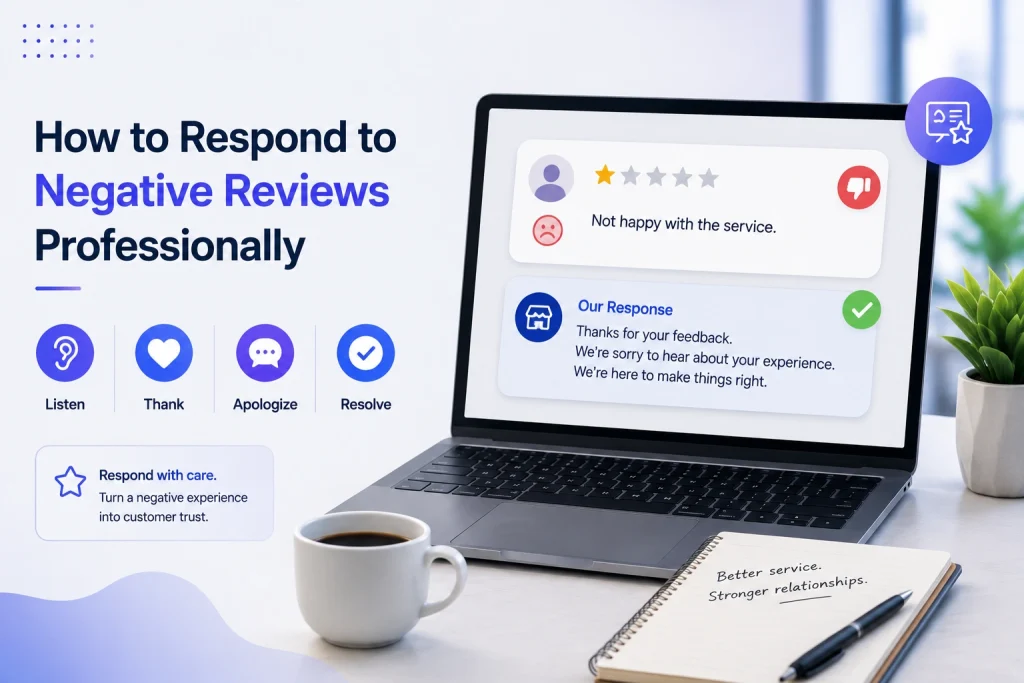
  • Your Response Matters: How you respond to negative feedback can turn challenges into opportunities for improvement.

The challenge lies not only in managing your online presence but also in navigating these ethical waters effectively. A mere glance at the latest fitness industry trends reveals that transparency and authenticity are more valued than ever by consumers. As fitness studios embrace review management software to enhance their online reputation, they must cultivate an environment where client voices are heard and valued without crossing ethical boundaries.

“In the world of reviews, honesty isn’t just the best policy; it’s your best workout plan.”

This discussion around review monitoring isn’t just about collecting data—it’s about creating a comprehensive approach to customer experience management that respects both business integrity and client trust. After all, it’s about building lasting relationships with members who not only stay loyal but also become advocates for your brand!

The Role of Review Monitoring in Business

Review monitoring plays a pivotal role in the success of any business, especially in the fitness industry, where customer experience can make or break a gym’s reputation. By actively engaging in review tracking, fitness studios can not only keep their finger on the pulse of client sentiment but also harness invaluable insights that drive strategic decision-making.

The Power of Feedback

Every review serves as a treasure trove of feedback, providing studios with a direct line to their clients’ thoughts and feelings. Here’s how monitor reviews can impact your business:

  • Identifying Pain Points: Negative reviews highlight areas needing attention. If members consistently mention issues like overcrowded classes or unresponsive staff, it’s time to take action.
  • Enhancing Customer Profiles: Analyzing reviews helps create more personalized customer profiles. Understanding what clients appreciate enables tailored marketing strategies that resonate better with the target audience.
  • Boosting Online Reputation: Proactively responding to feedback—both positive and negative—builds trust. Clients want to feel heard, and timely responses show that you value their opinions.

Driving Continuous Improvement

Utilizing a customer data platform to aggregate and analyze reviews not only informs your current practices but also shapes future initiatives. Consider this:

  • Tweaking Offerings: If several clients point out that morning yoga classes are too early, perhaps it’s time to reconsider scheduling.
  • Sparking Innovation: Frequent mentions of desired new classes can lead to innovative offerings that cater directly to member interests.
  • Loyalty Programs Development: Reviews can unveil what motivates members; understanding these factors allows for better loyalty program integration.

“Good reviews may get you through the door, but genuine engagement keeps your members coming back for more.”

Navigating Ethical Waters

The challenge lies in ensuring that review monitoring is conducted ethically. Avoid falling into traps like incentivizing good reviews or selectively responding only to positive feedback—practices that tarnish credibility faster than a missed workout! Instead, focus on fostering an environment where honest dialogue flourishes, encouraging all feedback while demonstrating a commitment to improvement.

The tides of consumer behavior are ever-changing; staying abreast of these shifts is crucial for success in fitness marketing. By embracing ethical review monitoring practices within your gym marketing strategies, you’ll not only enhance client satisfaction but also solidify your brand as a trustworthy choice amidst fierce competition.

Tapping into the full potential of review monitoring transforms it from mere oversight into an integral part of your business strategy—one that fuels growth while nurturing client relationships. Remember: every review is an opportunity disguised as feedback. Are you ready to seize it?

Ethical Concerns in Review Monitoring

When we venture into the realm of review monitoring, a plethora of ethical concerns come to light. As fitness studios navigate this tricky landscape, it’s critical to balance business interests with the moral responsibility to their clients. The line between ethical monitoring and manipulative practices can often appear blurred, leading to significant implications for both reputation and consumer trust.

The Dilemma of Data Usage

One of the foremost ethical concerns arises from the way businesses utilize customer data. While platforms can be immensely beneficial for dissecting client feedback and generating insights, studios must tread carefully around privacy issues. Here are some points to ponder:

  • Transparency is Key: Clients should be made aware of how their data is being collected and analyzed. It’s like telling them the secret sauce in your protein shake—it builds trust!
  • Informed Consent: Obtaining explicit consent for data usage isn’t just good practice; it’s essential for maintaining integrity.
  • Avoiding Overreach: Just because you have access to customer profiles doesn’t mean you should analyze every single detail. Respecting personal boundaries is vital in cultivating a healthy relationship with your clients.

The Manipulation Minefield

The temptation to manipulate reviews can lead fitness studios down a dangerous path. From incentivizing positive feedback to selectively showcasing only favorable reviews, it’s easy to see how ethics can take a backseat in the rush for better ratings. Here’s why steering clear of these practices is crucial:

  • Authenticity Matters: Genuine reviews resonate more with potential clients than polished testimonials that feel scripted.
  • The Backlash Factor: In an age where consumers value transparency, manipulation can backfire dramatically, harming your reputation far worse than any negative review could.
  • Loyalty Through Trust: Building lasting relationships requires honesty; clients who trust you are more likely to become brand advocates.

A Culture of Open Dialogue

Cultivating an environment where feedback—both positive and negative—is welcomed fosters a culture of open dialogue. Encouraging honest reviews not only aids in improvement but also makes clients feel valued. Here’s how fitness studios can achieve this:

  • Actively Solicit Feedback: Don’t shy away from asking for reviews; make it part of your regular client engagement strategy.
  • Respond Wisely: Address both compliments and criticisms thoughtfully—this shows that you’re listening and care about improving the customer experience.
  • Create Feedback Loops: Share improvements made based on client suggestions, reinforcing that their voices truly matter within your operation.

“The best workout routine? Listening to your clients!”

The success of review monitoring hinges on ethical considerations that respect both client privacy and genuine feedback mechanisms. By embracing these principles, fitness studios not only enhance their reputational standing but also create an inclusive atmosphere that values every client’s opinion. After all, in the world of fitness, it’s not just about building muscle; it’s about building relationships—and ethical review monitoring is one powerful way to do just that!

Challenges Faced by Businesses

Despite the clear benefits of review monitoring, fitness studios and businesses in general encounter a myriad of challenges that can complicate their efforts. Navigating this intricate landscape requires a strategic approach that balances the need for feedback with ethical considerations and practical limitations.

The Volume of Reviews

In today’s digital age, customer reviews can pour in like a post-workout protein shake—fast and plentiful. While this influx can provide valuable insights, it also presents issues:

  • Overwhelming Quantity: Managing numerous reviews across different platforms can be daunting. Studios may find themselves lost in data, struggling to extract actionable insights.
  • Prioritization Problems: Not all feedback is created equal. Distinguishing between critical issues and minor complaints can be challenging, leading to misallocated resources.

Keeping It Real

The desire for positive reviews can sometimes lead studios to inadvertently encourage “fake positivity.” Here’s where it gets tricky:

  • Pressure to Perform: Staff might feel pressured to produce only glowing reviews from clients, which could distort genuine feedback.
  • Sincerity Dilemma: Automated responses may save time but risk coming off as insincere, akin to a gym trainer who skips their own workout!

Navigating Negative Feedback

No one enjoys criticism, but how studios handle negative reviews can make or break their reputation. Consider these complexities:

  • Crisis Management: A single bad review can trigger a wave of negative perception if not addressed promptly and tactfully.
  • Fear of Repercussions: Some staff may hesitate to speak up about systemic issues for fear of backlash from management or clients—creating a culture of silence rather than improvement.

The Ethical Tightrope

The ethics surrounding review monitoring are complex and often feel like walking a tightrope. Here’s what makes it tricky:

  • Lack of Guidelines: Many businesses operate without clear ethical guidelines for engaging with reviews, leading to inconsistent practices that could harm their credibility.
  • Balancing Marketing vs. Ethics: Striking the right balance between promoting your business and maintaining integrity in client interactions is an ongoing struggle.

“Navigating the world of review monitoring? It’s like trying to lift weights without dropping them—challenging but oh-so-rewarding!”

Tackling these challenges head-on requires adopting tools like robust customer data platforms, which enable studios to effectively manage feedback while maintaining ethical standards. Implementing dedicated strategies such as behavior segmentation tools and sentiment analysis will empower fitness businesses to create meaningful engagement with clients while evolving based on honest feedback.

If approached mindfully, overcoming these challenges not only enhances customer experience management but also cultivates lasting relationships that are foundational in the competitive landscape of fitness marketing.

Navigating Ethical Boundaries with Technology

In the fast-paced world of fitness marketing, where technology reigns supreme, ethical boundaries can sometimes feel as blurry as a foggy morning workout. With the advent of advanced review monitoring tools and customer data platforms, studios have unprecedented access to client feedback and preferences. However, this power comes with an ethical responsibility that cannot be overlooked.

The Dilemma of Data Utilization

Consider the treasure trove of information at a fitness studio’s fingertips. Armed with insights from client feedback analysis, businesses can tailor experiences to fit their clients’ needs like a perfectly adjusted squat rack. Yet, the question arises: how much data is too much? Over-analyzing customer profiles can lead to overreach, transforming healthy client relationships into uneasy feelings of surveillance.

  • Trust is Earned: Clients want to feel valued—not like lab rats in an experiment! Transparency about how data is used fosters trust and encourages more open dialogue.
  • The Right to Privacy: Data collection should come with an understanding that clients have a say in what’s shared. Just because you can track every workout doesn’t mean you should!

Avoiding the Manipulation Trap

The temptation to manipulate feedback is ever-present. After all, who wouldn’t want glowing reviews plastered all over their website? But here’s the kicker: clients are smarter than we often give them credit for. They can detect insincerity faster than a personal trainer spotting bad form!

  • The Authenticity Advantage: Genuine reviews resonate better with potential clients than artificially inflated testimonials. Authenticity builds loyalty—something money can’t buy!
  • The Risk of Backlash: In this age of digital transparency, consumers will call out misleading practices faster than you can say “burpee.” The fallout from such actions could tarnish your studio’s reputation beyond repair.

Cultivating an Ethical Culture

A robust approach to review monitoring isn’t just about staying above board; it’s about embracing a culture that values open communication and honesty. Here are some ways studios can cultivate this environment:

  • Encourage Honest Feedback: Actively seek client opinions post-class or via follow-up emails; it shows that you genuinely care about their experience.
  • Acknowledge All Feedback: Responding thoughtfully to both positive and negative reviews shows clients that their voices matter—kind of like when your favorite gym buddy cheers you on during a tough set!
  • Create Improvement Opportunities: Use negative feedback as stepping stones for growth rather than pitfalls; after all, every criticism is just an opportunity in disguise!

“Navigating the world of technology without ethics? That’s like doing push-ups without setting your form first—painful and ineffective!”

This intricate dance between technology and ethics in review monitoring ultimately shapes not just customer experiences but brand reputation as well. As fitness studios embrace these technologies, they must commit to ethical practices that respect client privacy while leveraging insights for growth. In doing so, they’ll foster lasting relationships grounded in trust—a true win-win in any fitness journey!

The Future of Review Monitoring: Toward Ethical Practices

The future of review monitoring in the fitness industry is poised for transformation, driven by an increasing demand for ethical practices that prioritize client trust and transparency. As consumers become more discerning and aware of how their feedback is used, studios must rise to the occasion and adapt their strategies accordingly.

Embracing Transparency

Transparency should be at the heart of any customer data platform employed for review management. Fitness studios can take steps to ensure that clients understand how their feedback contributes to broader insights:

  • Open Communication: Clearly communicate how reviews will be utilized. Consider it your version of a gym orientation—give your clients the lowdown on what happens after they hit “submit.”
  • Feedback Loops: Create systems to share the changes made based on client input. This not only reinforces that their voices are heard but also fosters a sense of community.

The Role of Technology

Innovative technologies like sentiment analysis tools can help studios sift through mountains of reviews, but they must be used responsibly:

  • Avoiding Data Overload: While collecting data is essential, too much information can lead to analysis paralysis. Focus on key metrics that matter most to your business and client satisfaction.
  • Sophisticated Marketing Automation: Leverage automated marketing workflows intelligently, ensuring that any client communications remain personalized and relatable—think less “robotic response” and more “friendly personal trainer!”

Cultivating Ethical Practices

This new era requires a commitment to ethical review monitoring practices. Here’s how studios can keep themselves in check:

  • No Incentives for Reviews: Authenticity beats incentivization hands down. Clients appreciate genuine feedback over polished reviews designed to inflate ratings.
  • Full Accountability: Embrace both positive and negative reviews with grace. Responding thoughtfully to critiques can highlight your commitment to improvement—turning potential setbacks into growth opportunities!

“In fitness as in life, authenticity lifts—don’t let fake weights weigh you down!”

The road ahead for review monitoring will undoubtedly involve navigating challenges alongside innovations. As fitness studios strive toward ethical practices within their marketing strategies, they don’t just enhance their reputations; they create a vibrant ecosystem where trust thrives, leading to stronger member relationships and more meaningful engagements.

The call for transparency is loud and clear: as you embrace the future of review monitoring, remember—it’s not just about collecting data; it’s about fostering an environment where every client’s voice matters equally in shaping your fitness journey together!

In conclusion, while review monitoring is an invaluable tool for improving business strategies particularly in competitive markets like fitness marketing, it comes packed with ethical considerations that cannot be ignored. By being aware of these challenges and navigating them responsibly, businesses can ensure they remain trustworthy stewards of customer data while driving success.

Take your review monitoring strategy to the next level! Engage authentically, embrace transparency, and leverage insights to strengthen client trust and loyalty. It’s not just about managing reviews—it’s about creating meaningful connections that enhance your brand’s reputation. Start today by prioritizing ethical practices and building lasting relationships that set your fitness studio apart. Remember, every review is a chance to grow and shine. Ready to make a positive impact? Discover how review monitoring can transform your customer experience and boost your business success. Don’t wait—take the first step toward smarter, ethical review management now!

Best Practices for Managing Review Monitoring Across Multiple Platforms

In the bustling world of fitness marketing, managing your online reputation can feel like juggling weights—challenging but absolutely essential. With a multitude of review platforms at your fingertips, from Google to Yelp, effectively conducting review monitoring can be the difference between attracting new clients and losing them to the competition. Did you know that around 50% of consumers research a business online before deciding to step foot in a gym? This statistic underscores the importance of maintaining a solid presence across various channels.

As fitness studios strive to enhance their visibility and credibility, leveraging automated marketing tools becomes vital. Utilizing marketing automation not only streamlines how you manage online feedback but also enriches your overall fitness brand marketing strategies. Picture this: with the right review management software, you can monitor customer sentiments in real-time while focusing on what truly matters—your clients’ fitness goals.

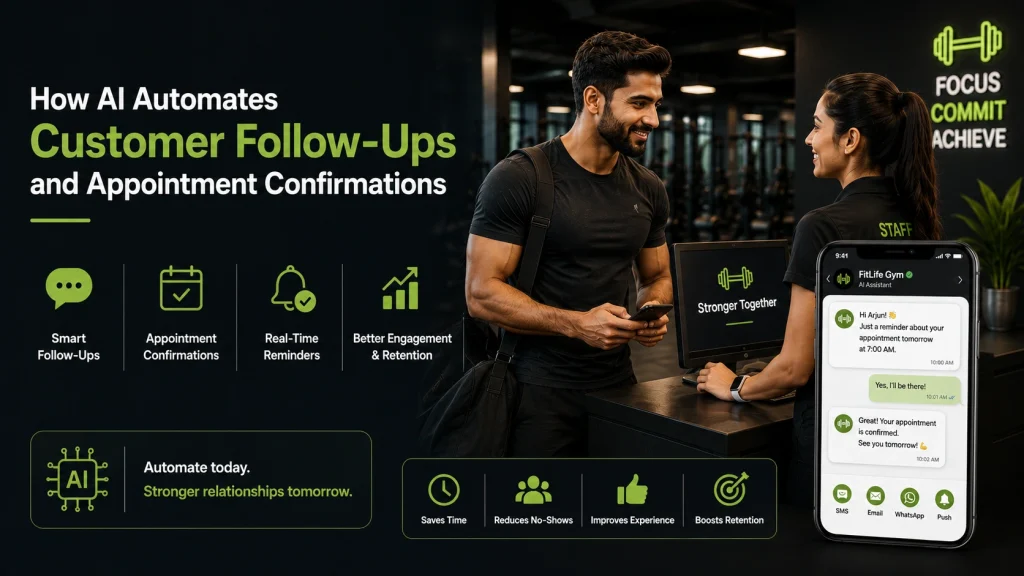
Integrating AI-driven solutions like AI-powered chatbots into your strategy can also lighten your load. Imagine having an AI conversational agent that answers common client queries while you prep for that next big class! It’s not just about responding to reviews; it’s about creating an engaging experience from first contact to follow-up.

The Importance of Reviews in Fitness Marketing

  • Social Proof: Positive reviews serve as a powerful motivator for potential clients. According to research, 80% of fitness professionals use social media for marketing—they know that glowing testimonials can transform browsing into bookings.
  • Email Reputation: Incorporating review analysis into your email marketing strategies ensures you’re sending out well-received messages, improving your email deliverability and overall reputation.
  • Feedback Loop: Consistent review tracking systems allow for immediate adjustments in service delivery, fostering loyalty among current members while appealing to newcomers.

The world of digital fitness marketing tactics is evolving rapidly with advancements in technology and consumer expectations. As we delve deeper into best practices for managing review monitoring across multiple platforms, remember: “Content is king.” By ensuring all your platforms are synchronized and optimized, you’ll not only maintain a stellar reputation but also enhance customer engagement throughout their journey with you.

Understanding the Importance of Review Monitoring

In the realm of fitness marketing, review monitoring isn’t just an afterthought—it’s a pivotal element that can shape your studio’s reputation and client relationships. Just as trainers keep a close eye on their clients’ progress, fitness businesses must vigilantly observe online feedback to thrive in today’s digital landscape.

Think about it: online reviews serve as modern-day word-of-mouth. They can elevate your business when they highlight stellar service or bring it crashing down when they spotlight shortcomings. A staggering 91% of consumers read online reviews before making a purchase decision, emphasizing the need for effective reputation management. If a potential client sees glowing reviews about your spin classes or personal trainers, they’re far more likely to step through your doors.

Why Review Monitoring Matters

  • Building Trust: Consistent monitoring helps in addressing concerns promptly, showing potential clients you care. When prospects see how you engage with customers—both happy and unhappy—they’re more likely to trust your brand.
  • Identifying Trends: By analyzing reviews across multiple platforms, you can glean insights into what services are popular and what areas may need improvement. This feedback loop can illuminate paths for enhanced service delivery.
  • A Boost to SEO: Engaging with reviews positively impacts your search engine rankings. More reviews mean more content for search engines to index, helping your studio appear higher in local searches—an essential factor for driving foot traffic.

Evidently, the integration of automated marketing tools can simplify this process significantly. Imagine having a system in place that not only alerts you to new reviews but also compiles them into digestible insights! Utilizing such technology ensures that review management becomes less of a chore and more of an integral part of your sales CRM strategy.

“The way you respond to feedback is often the first impression many customers will have of your business.”

This proactive engagement sets the stage for authentic connections, transforming casual browsers into loyal clients—a win-win for any fitness professional!

Centralizing Your Monitoring Efforts with Marketing Automation

In today’s fast-paced fitness industry, centralizing your review monitoring efforts through marketing automation can feel like having a personal trainer for your online reputation. Instead of juggling multiple platforms and tools, why not streamline everything into one cohesive system? Not only does this save time, but it also enhances the effectiveness of your overall digital fitness marketing tactics.

Streamlined Review Management

Centrally managing reviews means that you can monitor customer feedback across platforms like Google, Yelp, and Facebook from a single dashboard. This approach allows you to:

  • React Swiftly: Being able to respond to reviews in real-time helps to build trust with potential clients. Remember, 50% of consumers check online feedback before visiting a brick-and-mortar store. A timely reply could be the difference between a new member signing up or walking out the door.
  • Analyze Trends: Automated tools can aggregate data from various sources and present it in an easily digestible format. Spotting trends in client sentiment enables you to adapt your services proactively rather than reactively.
  • Create Targeted Campaigns: By understanding what resonates with your audience through reviews, you can craft personalized email outreach methods that align with their interests and concerns. For example, if many clients rave about group classes, consider promoting them heavily in your next marketing push.

The Role of AI in Review Monitoring

Integrating AI-driven solutions into your review monitoring process takes efficiency up a notch. With tools such as AI content assistants, you can automate responses to common questions or comments made in reviews. This setup frees up staff time while maintaining a personable touch—a win-win!

“Automation is not just about replacing human effort; it’s about optimizing it.”

This kind of efficiency is essential for studios wanting to balance their day-to-day operations with maintaining an active online presence.

Email Reputation Considerations

A critical aspect of centralized monitoring is ensuring that your email reputation remains intact while sending out targeted email campaigns derived from review insights. If you’re utilizing automated marketing tools, consider employing email reputation monitoring tools to keep an eye on deliverability rates—after all, even the best content won’t help if it never reaches your audience’s inbox!

Incorporating these practices into your strategy enables fitness businesses not only to respond more effectively to reviews but also to leverage them as powerful marketing assets. After all, enhancing client experiences through effective review monitoring leads directly back to improving retention rates and boosting membership—now that’s something worth lifting! With the right systems and strategies in place, your studio could become the talk of the town (in a good way)!

Integrating Sales CRM for Enhanced Customer Interaction

In the competitive landscape of fitness studios, integrating a robust sales CRM system can significantly elevate your customer interaction experience. Think of your CRM as the secret sauce that enhances client relationships while keeping everything organized—because who doesn’t love a little extra flavor, right?

The Benefits of CRM Integration

  • Personalized Interactions: A well-implemented sales CRM enables you to track interactions with clients over time. This means when they walk through the door or hit you up on social media, you’ll know their preferences and history, allowing for tailored conversations that make them feel valued.
  • Data-Driven Insights: By utilizing analytics features within your CRM, you can uncover trends in customer behavior. For instance, if you notice a spike in interest around high-intensity classes, you can promote those sessions more aggressively in your marketing campaigns.
  • Streamlined Communication: A CRM centralizes all client communications—from emails to feedback forms—making it easier to manage leads and follow-ups. No more scrambling to find that one email about a client’s favorite workout!

Automated Follow-Ups

Your sales management software should allow for automated follow-ups based on client interactions. After a new member signs up or attends their first class, a simple follow-up email can enhance their experience significantly.

“The fortune is in the follow-up.”

This practice not only shows that you care but also keeps your studio top-of-mind, fostering loyalty among members. With 78% of marketers utilizing email marketing as part of their strategy, it’s clear that effective communication cannot be overlooked.

Enhancing Email Marketing Strategies

Your sales CRM’s capabilities extend into refining your email marketing strategies. By analyzing customer data and feedback collected through reviews and direct interactions, you can design targeted email campaigns tailored specifically to different segments of your clientele. For example:

  • If clients rave about personal training services in reviews, send out an exclusive offer on personal training packages to those who haven’t booked a session yet.
  • Create engaging content around popular fitness topics derived from customer feedback to foster community interaction and keep members engaged.

This strategic approach not only enhances your email reputation but also strengthens your overall brand presence in the crowded fitness marketplace. After all, who wouldn’t appreciate receiving personalized outreach rather than generic messages? It’s these thoughtful touches that help convert casual visitors into devoted members.

In summary, integrating an effective sales CRM into your fitness studio’s operations is not merely an option; it’s practically a necessity for enhancing customer interaction. With features that support personalized communication, automated follow-ups, and data-driven insights, you’re setting yourself up for success in managing client relationships while building a stellar reputation across multiple platforms.

Leveraging Email Marketing for Review Solicitation

When it comes to harnessing the power of reviews for your fitness studio, email marketing is your not-so-secret weapon. Why? Because it allows you to reach your clients directly and nudge them towards sharing their experiences online, all while giving you a chance to shine as a brand that values feedback. To put it simply: if reviews are the gold medals of customer feedback, then email marketing is the athlete tirelessly training for that podium finish!

Crafting the Perfect Email

To effectively solicit reviews, your emails should be well-crafted and engaging. Here are some tips:

  • Timing is Everything: Send your review request shortly after a positive experience. For instance, if a client just finished a killer workout or personal training session, they’re likely still riding that endorphin high! Be hope you enjoyed our yoga class with Jess today!” can spark warm feelings and increase the likelihood of a favorable review.
  • Add Value: Consider offering an incentive—like discounted merchandise or a free class—for those who take the time to leave feedback. This not only encourages participation but also shows appreciation for their effort.

Email Marketing Best Practices

Your approach should also incorporate some email marketing best practices to ensure high engagement rates:

  • A/B Testing: Experiment with different subject lines and email formats to see what resonates most with your clients. This can drastically improve your open rates.
  • Clear Call-to-Action (CTA): Make it easy for clients to leave a review by including direct links to various platforms like Google or Yelp in your emails. The less effort required, the better!
  • Follow-Up: If someone doesn’t respond the first time, don’t hesitate to send a gentle reminder. Sometimes all it takes is a little nudge.

“Automate what you can, personalize what you must.”

This quote rings particularly true when discussing email campaigns aimed at gathering reviews. By automating parts of the process—like sending follow-ups—you can save time while still making each client feel special.

The Impact on Your Online Reputation

A strong influx of positive reviews will create social proof that bolsters your reputation in the competitive landscape of fitness marketing. Remember, around 50% of consumers check online reviews before visiting any brick-and-mortar store! So every review counts.

Your email campaigns don’t just gather feedback; they help build relationships that foster loyalty among members. By integrating these tactics into your overall strategy, you elevate not only your engagement but also set the stage for enhanced reputation management across various platforms.

If you’re ready to turn those glowing testimonials into compelling stories that attract new clients, leveraging email marketing effectively will make all the difference in how potential members perceive your fitness studio!

The Role of AI Content Assistants in Managing Responses

In the fast-paced environment of fitness marketing, timely and appropriate responses to reviews can make or break your reputation. Enter AI content assistants, your new best friends in managing reviews across multiple platforms. These advanced tools not only help streamline the response process but also ensure that your replies resonate with your audience.

The Power of AI in Response Management

Imagine receiving a flurry of reviews across Yelp, Google, and Facebook after a successful fitness challenge launch. Instead of spending hours crafting responses, AI content assistants can step in and assist with:

  • Drafting Responses: Using natural language processing, these tools can generate thoughtful replies based on previous feedback patterns. This ensures that every interaction feels personalized while maintaining efficiency.
  • Sentiment Analysis: AI can assess the tone of reviews—whether they’re glowing praises or constructive criticisms—enabling you to tailor your response accordingly. A cheerful review deserves a cheerful reply!
  • Consistency Across Platforms: By standardizing replies through AI, you maintain a cohesive voice for your brand across all channels. This uniformity is crucial for building trust and ensuring effective reputation management.

“The future is already here — it’s just not very evenly distributed.”

Saving Time While Improving Engagement

With around 78% of marketers incorporating email marketing into their strategies, it’s clear that time is precious. Leveraging AI allows you to allocate more time toward other vital areas like class planning or customer engagement while ensuring that no review goes unanswered.

This isn’t simply about reacting; it’s also about proactively managing perceptions. Think of it as sending out a friendly reminder to clients about the joys of attending that spin class they loved last week—except this time, it’s done through intelligent automation!

A Case in Point: The Fitness Studio That Tried It

A well-known fitness studio leveraged an AI-powered chatbot to manage its review responses. Within weeks, they saw:

  • 30% Increase in Positive Engagement: Personalized responses led to improved sentiment scores.
  • Keen Insights: The studio was able to identify recurring themes in feedback easily—did members love Zumba but find kickboxing too intense?
  • Sustained Trust Levels: Quick follow-ups became the norm, demonstrating that client opinions were valued and acted upon swiftly.

This success story illustrates how seamlessly integrating AI-driven tools into customer interactions can enhance overall client relationships while boosting your online presence. With such innovations at your disposal, why leave customer connections to chance?

Your approach to managing reviews should be as dynamic as the classes you offer—embracing technology like AI content assistants is an effective strategy for keeping up with the ever-demanding consumer landscape in fitness marketing.

Enhancing Review Monitoring with AI Chatbots

As the fitness industry leans more into technology, integrating AI chatbots into your review monitoring strategy is a game-changer. Think of them as your personal assistant—ready to jump in and help you engage with clients at any hour, even when you’re busy sweating it out in a spin class. It’s like having a trusty sidekick that never tires!

The Role of AI Chatbots in Review Management

Chatbots can streamline how you interact with clients, ensuring that their feedback does not just slip through the cracks:

  • Instant Responses: In today’s fast-paced environment, potential and current clients appreciate quick responses. A chatbot can instantly acknowledge reviews or inquiries, letting customers know they’ve been heard.
  • Gathering Insights: By using conversational AI, these chatbots can ask follow-up questions about client experiences. This provides deeper insights into what your members love or where improvements are needed—valuable data for fine-tuning your offerings.
  • Simplifying Review Requests: Chatbots can prompt satisfied customers to leave reviews right after a class or service. Imagine this: “Hey there! Did you enjoy today’s yoga session with Sarah? Share your thoughts on Google or Yelp!” This nudging can significantly increase the volume of online feedback.

Tapping Into Automation

The beauty of using AI-powered chatbots extends beyond immediate engagement—they also tie seamlessly into your overall marketing automation. Here’s how:

  • 24/7 Availability: Your chatbot can be active around the clock, ready to respond to inquiries about classes, membership rates, and even solicit reviews at all hours! According to research, around 50% of consumers will check online before visiting a store; being available when they’re searching makes all the difference.
  • Email Integration: Combining chatbot interactions with email marketing allows you to transform collected data from chats into targeted email campaigns. For instance, if multiple clients rave about a particular instructor, consider creating an email spotlighting their specialties—talk about leveraging social proof!
  • A/B Testing for Optimization: Chatbots can easily test different scripts or approaches to see which elicits better responses from clients. This ensures that your communication style is always optimized for engagement.

“The great thing about chatbots? They’re like having a personal trainer for your online interactions!”

This witty little tidbit rings true as these digital assistants empower studios to maintain their reputation without breaking a sweat!

The Takeaway: Efficiency Meets Engagement

The incorporation of AI chatbots into your review monitoring strategy represents a smart blend of efficiency and customer engagement. They allow fitness studios not only to respond more swiftly but also to cultivate relationships that lead to long-term loyalty—a key ingredient in any successful fitness marketing strategy.

If you’re looking toward the future of client interaction and reputation management, embracing AI-driven solutions like chatbots is essential. As trends show an increasing reliance on technology for day-to-day operations, it’s time for fitness studios to step up their game and harness these innovative tools!

Your studio deserves the spotlight—not just for its killer classes but also for its stellar online reputation! With AI chatbots at your side, managing reviews across multiple platforms becomes easier than ever while enhancing your overall customer experience.

Maintaining a Strong Email Reputation During Outreach

In the age of digital marketing, maintaining a strong email reputation is akin to keeping your fitness regimen on point—it’s crucial for achieving your goals. Whether you’re sending out targeted email campaigns to solicit reviews or engage with your members, a solid email reputation ensures that your messages land in inboxes rather than spam folders. In fact, around 78% of marketers leverage email marketing as part of their overall strategy, making it imperative to fine-tune how you approach this channel.

Understanding Email Reputation

Your email reputation is determined by various factors including open rates, the percentage of emails marked as spam, and engagement levels. A poor reputation can lead to lower deliverability rates, meaning fewer of your beautifully crafted emails reach your audience. Here are some best practices to help maintain that stellar email reputation:

  • Authenticate Your Emails: Ensure that your emails are properly authenticated with SPF and DKIM protocols. This establishes credibility and helps providers verify the legitimacy of your messages.
  • Segment Your Audience: Tailoring content based on client preferences increases engagement rates and reduces the likelihood of being marked as spam. Use insights from reviews and interactions to create segments in your CRM for more personalized outreach.
  • Monitor Engagement Metrics: Keep a close eye on open rates and click-through rates. If certain emails aren’t performing well, consider A/B testing different subject lines or content formats to identify what resonates best.

“Your email list is like a garden; it needs continuous care to flourish.”

Crafting Engaging Content

The content you send plays a significant role in maintaining engagement. Remember, insightful and relevant content keeps clients coming back for more:

  • Value-Driven Emails: Share tips on fitness trends or invite clients to an exclusive class through email. When members see value in what you send, they’re less likely to hit “unsubscribe.”
  • Clever CTAs: Use compelling calls-to-action that motivate readers to leave reviews or engage with other services. A simple “Share Your Favorite Class Experience” can prompt immediate responses!

Avoiding Common Pitfalls

A few common mistakes can quickly tarnish your email reputation:

  • Sparse Clean-Up: Regularly clean up your email list by removing inactive subscribers. Keeping them on the list can hurt engagement metrics.
  • Over-Sending: While consistency is key, bombarding clients with too many emails can lead to fatigue and increased unsubscribe rates. Balance frequency with quality content.

Your email outreach should complement your efforts in managing reviews across multiple platforms while enhancing client relationships through thoughtful communication strategies. As the fitness industry evolves, embracing these best practices will not only bolster your email reputation but also position you as a brand that genuinely values member feedback.

Conclusion: Building a Comprehensive Review Strategy

In conclusion, crafting a comprehensive review strategy for your fitness studio is not merely an option—it’s a necessity. As digital fitness marketing evolves, so too must the approaches to managing your online reputation through effective review monitoring. Here are some key takeaways to consider:

  • Centralized Management: Utilizing marketing automation tools allows for streamlined review tracking across platforms. A cohesive system helps ensure no feedback goes unnoticed, allowing you to focus on enhancing customer experiences.
  • AI Integration: Implementing AI chatbots and content assistants will save time and enhance personalization in your responses. This technology can help automate routine inquiries and follow-ups, making your interactions feel more engaging without sacrificing efficiency.
  • Email Reputation Matters: A strong email reputation is crucial when soliciting reviews. Following best practices in email marketing ensures that your outreach lands in inboxes, maximizing engagement while minimizing the risk of being marked as spam.
  • Feedback is a Goldmine: Transform reviews into actionable insights. By analyzing trends and sentiments, you can adapt services to meet client expectations better—after all, around 50% of consumers research businesses online before walking through their doors!

A well-executed review strategy not only improves your gym’s visibility but also builds trust with potential clients. With social proof playing an increasingly important role in decision-making, every positive review strengthens your studio’s reputation.

“A good reputation is more valuable than money.”

This age-old adage rings particularly true in the fitness industry, where trust and credibility are paramount. By combining innovative technology with thoughtful engagement strategies, you’ll be well-equipped to navigate the complexities of online reviews while turning them into powerful marketing assets that drive growth.

Your path to a stellar online presence starts with embracing these practices—so roll up those sleeves and get ready to build a review strategy that will have clients flocking to your studio! Ready to elevate your fitness studio’s reputation? Embrace AI-powered chatbots and smart email strategies to streamline reviews and boost engagement. Start transforming feedback into actionable insights today—build trust, grow loyalty, and attract more clients. Don’t wait—empower your marketing strategy with AI tools that deliver results. Try them now!

10 Secrets to Mastering Email Warmup Software for Better Inbox Placement

In today’s digital age, email remains a cornerstone of effective communication, particularly in the realm of fitness studios. However, ensuring that your emails land in the recipient’s inbox—and not in the dreaded spam folder—requires more than just a well-crafted message. Enter the world of email warmup software. By utilizing the best email warmup software available, you can significantly enhance your email deliverability and engagement rates. But what exactly is email warmup software, and how can it elevate your fitness marketing strategies?

Email warmup software works by gradually increasing the volume of outbound emails sent from your domain. This process builds your sender reputation with Internet Service Providers (ISPs), allowing for better inbox placement and reduced chances of being flagged as spam. Imagine throwing a surprise party: you wouldn’t just fling open the doors and invite everyone at once; you’d ease into it, making sure everything is perfect for when your guests arrive. Similarly, warming up your email account ensures that your messages are welcomed rather than rejected.

Here are some key insights on mastering this essential tool:

  • Choose Wisely: Not all email warmup tools are created equal. Look for features that integrate effortlessly with your existing platforms—like Gleantap’s robust marketing automation capabilities or Zero Bounce’s email verification services.
  • Set Clear Goals: Determine what you want to achieve with your email marketing campaigns—higher open rates, improved click-through rates, or enhanced lead nurturing? Your strategy should align with these objectives.
  • Engage Before You Send: Prior to launching any campaign, ensure you’re actively engaging with current contacts through personalized emails and automated sequences to establish a positive sender reputation.
  • Diversify Your Content: Mix up the types of emails you send—newsletters, workout tips, member testimonials—to keep content fresh and maintain engagement levels.

“Effective email marketing is not just about sending messages; it’s about building relationships.” – Marketing Expert

By following these essential strategies for mastering email warmup software, fitness professionals can optimize their communication efforts and see tangible results. Imagine crafting personalized campaigns that not only resonate with potential clients but also convert them into loyal members of your studio! Whether you’re exploring Zero Bounce alternatives or diving deep into Gleantap reviews, understanding the nuances of email warmup can lead to increased conversion rates and a thriving business.

Understanding Email Warmup: The Basics

Understanding email warmup is essential for anyone looking to enhance their email marketing strategies, especially within the fitness industry. At its core, email warmup is the process of gradually increasing the volume of emails sent from a new or account to build trust with Internet Service Providers (ISPs). This trust directly impacts your sender reputation, which is crucial for ensuring that your emails land in the inbox rather than getting lost in the spam folder.

Think of email warmup as a gentle jog before a sprint. Just like you wouldn’t leap straight into a 5K without warming up, sending a flood of emails right off the bat can raise red flags for ISPs. By slowly ramping up your sending activity, you signal that you are a legitimate sender, improving your chances of optimal inbox placement.

  • The Importance of Sender Reputation: Your sender reputation is calculated based on various factors, including engagement rates (opens and clicks) and complaint rates (spam reports). According to research from HubSpot, emails that achieve high engagement rates result in better deliverability—essentially making sender reputation the lifeblood of effective email marketing.
  • Best Practices for Warmup: Implementing an effective warmup strategy involves several steps:
    • Start Small: Begin by sending a few emails each day to engaged contacts who will likely open them.
    • Gradually Increase Volume: Each week, increase the number of emails sent until you reach your target volume.
    • Monitor Engagement: Keep an eye on open and click-through rates to ensure that recipients are engaging positively with your content.
  • Email Warmup Software: Investing in the best email warmup software can streamline this process. Tools like Zero Bounce and Gleantap not only help with warmup but also provide additional features such as list cleaning and verification services which are critical in maintaining high deliverability rates.

“In email marketing, it’s not just about quantity; it’s about quality engagement. Warming up your account sets the stage for successful communication.” – Email Marketing Specialist

In conclusion, mastering email warmup is vital for fitness studios aiming to optimize their customer outreach through effective email marketing. By understanding these basics and employing strategies tailored towards building credibility with ISPs, fitness professionals can increase their chances of engaging potential clients while minimizing risks associated with poor deliverability. So lace up those running shoes because it’s time to jog into successful email campaigns!

The Role of Warmup Software in Email Marketing

The role of warmup software in email marketing cannot be overstated, especially for fitness studios looking to optimize their outreach efforts. As you dive into the competitive landscape of email marketing within the fitness industry, mastering this tool can be your secret weapon for improving inbox placement and overall engagement. But how exactly does it operate? Let’s break it down.

Email warmup software essentially acts as a digital ambassador for your emails. Its primary function is to slowly introduce your sending domain to ISPs by gradually increasing email volume over time. This method allows you to build a positive sender reputation, which is crucial for ensuring that your emails land in the inbox rather than the dreaded spam folder.

  • Improved Deliverability: With a solid warmup strategy in place, you’ll see a marked improvement in deliverability rates—meaning more of your emails reach prospective clients’ inboxes. According to Mailgun, “A healthy sender reputation can lead to up to 98% of emails being delivered successfully.” Imagine being able to connect with potential members without worrying about them missing out on your latest offers!
  • Enhanced Engagement: Increased inbox placement correlates directly with higher engagement rates. When recipients see your email in their primary inbox, they’re more likely to open it and interact with its content. Research by Campaign Monitor shows that personalized email campaigns can deliver six times higher transaction rates— a game changer for fitness studios looking to convert leads into loyal members.
  • Risk Management: Jumping straight into high-volume sending without warming up can flag your domain as suspicious. A study from Return Path indicates that “nearly 21% of all marketing emails are never delivered due to reputation issues.” By utilizing warmup software, you can mitigate these risks and ensure that your communications are received positively.

“Warming up your email account is like training for a marathon; it takes time and patience but ultimately leads to long-lasting results.” – Email Marketing Guru

Moreover, integrating the best email warmup software with tools such as Gleantap enhances its effectiveness by allowing seamless CRM integration with email marketing strategies. This synergy not only streamlines processes but also enables advanced lead nurturing techniques through automated email sequences tailored for fitness professionals.

In conclusion, embracing warmup software as part of your email marketing arsenal is essential for optimizing communication within the fitness industry. By understanding its role and leveraging its benefits, fitness studios can significantly increase their chances of reaching potential the risk of being sidelined by spam filters. So gear up and prepare for a successful workout—not just at the gym but also in your marketing efforts!

Selecting the Best Email Warmup Software

When it comes to selecting the best email warmup software for your fitness studio, the choice can feel as overwhelming as a gym full of weights. But don’t worry; we’ve got your back! Here’s how to cut through the noise and find the right tool that not only enhances your email marketing strategy but also aligns seamlessly with your business needs.

Understand Your Requirements: Before diving into the sea of options, take a moment to jot down what you want from an email warmup tool. Are you seeking robust features like list cleaning services similar to those offered by Zero Bounce, or do you want something that integrates smoothly with existing marketing automation platforms like Gleantap? Knowing your priorities helps narrow down your choices.

  • Features That Matter: Look for software that provides features beyond just warming up emails. Consider options that include:
    • Email verification and list cleaning services.
    • Analytics and reporting tools for monitoring engagement rates.
    • Integration capabilities with CRM systems for effective lead nurturing.
  • User Experience: A user-friendly interface is crucial. A complicated setup can lead to frustration faster than a treadmill malfunctioning mid-run. Opt for software that offers an intuitive dashboard and clear instructions.
  • Customer Support: Reliable customer support is essential, especially when you’re navigating through email warmup processes. Check reviews to see how responsive companies are to inquiries and issues.

“Choosing the right tools is just as important as mastering techniques in the gym; it sets the foundation for success.” – Fitness Marketing Expert

Evaluate Cost-Effectiveness: Pricing can vary significantly between different email warmup solutions. Some may resemble an extravagant personal training session, while others might be more budget-friendly like a group class. Assess what you’re getting for your money—look at features versus price points and consider if there are any hidden fees involved.

  • Trial Periods: Many providers offer trial versions or demos—take advantage of this! It allows you to test drive the software before committing financially.
  • User Reviews & Comparisons: Research existing user experiences through reviews and comparisons. Websites like G2 or Capterra can provide insights on various options available in the market, including alternatives to Zero Bounce or specific offerings from Gleantap.

Selecting the best email warmup software doesn’t have to be a daunting task. By mapping out your goals, comparing features, evaluating user experience, and considering cost-effectiveness, you’ll be well on your way to making an informed decision. Remember—a well-warmed-up email account isn’t just about avoiding spam folders; it’s about building relationships with potential clients eager to join your fitness community!

Email Warmup Strategies for Fitness Studios

Email warmup strategies are essential for fitness studios aiming to enhance their email marketing efforts and ensure that their messages land in the right inboxes. Here are some tailored strategies specifically designed for the fitness industry:

  • Start with Engaged Contacts: Begin your warmup process by sending emails to your most loyal clients—those who frequently engage with your content. This could include members who regularly book workout classes or participate in challenges. Their positive engagement will help establish a solid reputation right from the start.
  • Utilize Automated Email Sequences: Leverage marketing automation platforms like Gleantap to create automated email sequences that gradually increase sending volumes. For instance, you might start with a welcome email followed by informative content on fitness trends, ensuring that recipients find value in each communication.
  • Diverse Content Mix: Keep your audience engaged by mixing up the types of emails you send. Include newsletters, success stories from members, workout tips, and exclusive offers. This variety not only keeps content fresh but also nurtures relationships with potential leads.
  • Monitor Metrics Closely: Track key performance indicators such as open rates, click-through rates, and bounce rates. According to Mailchimp, segmented campaigns can yield up to 14% higher open rates, helping you refine your strategy based on real-time feedback.

“Email marketing is not about just sending emails; it’s about creating meaningful connections.” – Marketing Specialist

Implementing these email warmup strategies can facilitate better inbox placement and higher engagement levels among potential clients. By ensuring a gradual increase in sending volume while providing valuable content tailored to the fitness community, studios can significantly boost their email marketing effectiveness.

Moreover, adopting robust email deliverability tools like Zero Bounce can further enhance your strategy by ensuring that your contact lists are clean and verified—reducing bounce rates and improving sender reputation. So gear up and prepare to embrace a new level of connection with your community through effective email communication!

Optimizing Inbox Placement with Automated Sequences

Automated email sequences are a game-changer when it comes to optimizing inbox placement, especially for fitness studios eager to connect with members and prospects alike. By setting up a series of automated emails that gradually ramp up engagement with your audience, you can boost your sender reputation and ensure that more of your emails land in the coveted inbox rather than the spam folder.

But what does this look like in practice? Let’s break down how you can effectively utilize automated sequences for optimal inbox placement:

  • Begin with a Warm Welcome: Start your automated sequence by sending out a warm welcome email to new subscribers. This initial contact establishes a positive interaction right from the get-go. Use personalized touches—like addressing recipients by their first name—to make your message feel more inviting. According to research from Experian, personalized emails generate six times higher transaction rates.
  • Engagement through Education: Follow up your welcome email with a series of informative messages. Share content related to fitness trends, workout tips, or exclusive member testimonials. This not only provides value but also keeps engagement levels high as users begin to anticipate your emails. Remember, the goal here is to turn curiosity into regular opens!
  • Strategically Increase Send Volume: As you build rapport with your audience, gradually increase the frequency of your emails within the sequence. Start by sending one email per week, then move it up to two as engagement rates rise. This gradual approach helps avoid raising red flags with ISPs while reinforcing your sender reputation.
  • Diversify Your Content Types: Mixing content types within your automated sequences keeps things fresh and engaging. Include newsletters, promotional offers for classes or events, and even motivational quotes from renowned athletes or trainers—“Success isn’t always about greatness; it’s about consistency,” said Dwayne Johnson. This variety ensures that subscribers find something valuable in every email.
  • Monitor Engagement Metrics: Keep an eye on key performance indicators like open rates and click-through rates throughout the sequence. Tools such as analytics dashboards provided by Gleantap allow you to track how each email performs in real-time—a vital aspect of optimizing future campaigns.

“Automated emails shouldn’t just fill inboxes; they should create connections.” – Email Marketing Specialist

By leveraging automated email sequences effectively, fitness studios can significantly enhance their overall email marketing success. Not only does this strategy help improve inbox placement through consistent engagement, but it also positions you as a trusted source of information and inspiration within the fitness community.

Additionally, integrating effective email deliverability tools like Zero Bounce allows you to maintain clean lists throughout these campaigns—ensuring that those who receive your messages are genuinely interested and engaged users ready to transform their fitness journey!

The Importance of Lead Nurturing in Email Marketing

In the bustling world of email marketing, especially within the fitness industry, lead nurturing emerges as a pivotal strategy for cultivating lasting relationships with potential clients. But what exactly is lead nurturing? Imagine it as a personal trainer who not only guides you through your fitness journey but also understands your unique needs and motivations. Similarly, lead nurturing in email marketing involves crafting personalized communications that resonate with your audience over time, transforming casual interest into committed membership.

Understanding the importance of lead nurturing can dramatically affect your email engagement rates. According to HubSpot, companies that excel at lead nurturing generate 50% more sales-ready leads at a 33% lower cost. This statistic underscores the necessity of implementing effective email marketing practices that prioritize engagement rather than just broadcasting messages.

  • Establishing Trust: Consistent communication helps build trust with your leads. By providing valuable content—such as workout tips, nutritional advice, and client success stories—you position yourself as an authority in the fitness space.
  • Personalization Matters: Personalized emails can deliver six times higher transaction rates than generic ones. Use automated tools to segment leads based on their interests or previous interactions with your studio.
  • Encouraging Engagement: Regularly engaging leads through tailored content keeps them interested in what you have to offer. This might include exclusive offers for classes or events that align with their fitness goals.
  • Nurturing Through Automation: Leverage marketing automation platforms like Gleantap to set up automated email sequences that guide leads through their journey—from initial interest to becoming loyal members of your studio.

“Nurturing leads is not about pushing for immediate sales; it’s about creating a relationship that inspires loyalty.” – Marketing Thought Leader

In summary, mastering lead nurturing within your email marketing strategy is crucial for fitness studios looking to enhance customer engagement. By focusing on building trust and tailoring communications to meet the needs of prospective clients, you can significantly increase open rates and conversion rates in your campaigns. So lace up those sneakers and prepare to train not just bodies but also relationships through thoughtful email interactions!

Email Verification and List Cleaning Services: A Must Have?

Email verification and list cleaning services are not just buzzwords—they’re essential tools in the email marketing toolkit, especially for fitness studios striving to enhance their outreach efforts. Think of these services as your personal trainers for email lists, ensuring that only the most engaged and relevant contacts receive your messages. But why are they so crucial? Let’s dive into the benefits and best practices associated with utilizing these services.

First and foremost, maintaining a clean email list helps you avoid the dreaded spam folder. According to a study by Mailchimp, emails sent to unverified addresses have a significantly higher bounce rate, which can negatively impact your sender reputation. A strong sender reputation is vital for achieving optimal inbox placement; research from Litmus shows that a healthy sender score can boost deliverability rates by as much as 98%.

  • Avoiding Spam Traps: Sending emails to invalid addresses can trigger spam traps—hidden accounts set up by ISPs to catch senders who are not adhering to best practices. Utilizing email verification services like Zero remove these problematic addresses before they cause havoc.
  • Improved Engagement Rates: When you target an audience that’s genuinely interested in your fitness studio’s offerings, engagement rates skyrocket. Studies show that segmented campaigns based on verified contacts see open rates boost by up to 14% compared to generic blasts. Personalized content speaks volumes!
  • Cost-Effectiveness: Paying for email marketing tools often comes down to the number of have. By implementing list cleaning services, you’re not just saving money on unnecessary contacts but also enhancing your overall campaign performance.

“The key to successful email marketing is not just about sending more emails; it’s about sending the right emails.” – Email Marketing Expert

In summary, leveraging email verification and list cleaning services is a must-have strategy for fitness studios aiming for robust email marketing campaigns. With tools like Zero Bounce, you can ensure that your messages reach engaged recipients who are ready and excited about your offerings. Whether you’re aiming to enhance lead nurturing through automated sequences or increase conversion rates through personalized campaigns, a clean email list lays the foundation for success.

Reviewing Gleantap: Is It Right for Your Business?

When it comes to evaluating Gleantap as a potential solution for your fitness studio, it’s essential to consider how its features align with your business needs and marketing goals. Gleantap stands out in the competitive landscape of customer engagement platforms, particularly within the fitness industry, and here’s why.

Comprehensive Marketing Automation: Gleantap is not just another tool in the email marketing toolbox; it’s a comprehensive marketing automation platform that helps fitness studios streamline their outreach efforts. With its user-friendly interface, you can easily set up automated email sequences to engage members, nurture leads, and boost retention rates without losing your sanity trying to manage everything manually.

  • Personalized Email Campaigns: The ability to create personalized email campaigns is critical for increasing open rates and engagement. According to research by Epsilon, personalized emails can deliver six times higher transaction rates compared to non-personalized communications. Gleantap allows you to segment your audience effectively based on their behavior—whether they’re avid class attendees or those who haven’t booked a session in months—ensuring the right message reaches the right person.
  • Email Engagement Tools: The platform offers robust email engagement tools that enable you to track metrics like open rates and click-through rates. By analyzing this data, you can continually refine your strategies for better results. A report from HubSpot indicates that companies using analytics experience a 5-10% increase in performance across their email campaigns.
  • Integration with CRM Systems: Gleantap seamlessly integrates with various sales CRM solutions, making it easier for you to manage customer relationships while leveraging automated email sequences. This integration is crucial for ensuring that your marketing automation efforts sync with lead nurturing processes—a must-have for any fitness business aiming to increase conversion rates over time.

“Choosing the right CRM is like finding the perfect workout routine; it should fit seamlessly into your lifestyle while helping you achieve your goals.” – Fitness Marketing Specialist

Positive User Reviews: Many users have lauded Gleantap’s user-friendly design and effective features in reviews. According to G2.com, customers appreciate how intuitive it is, with one user stating: “Gleantap has transformed our member outreach process! We now send targeted emails that resonate with our clients.” These positive testimonials provide insight into how the platform can genuinely enhance communication efforts.

Cost-Effectiveness: While pricing is always a consideration when choosing software solutions, many find that Gleantap offers competitive pricing relative to its feature set compared to Zero Bounce alternatives. This affordability does not compromise quality but rather enhances your overall marketing strategy without breaking the bank.

In conclusion, if you’re seeking a versatile tool that combines email marketing with comprehensive customer relationship management tailored specifically for the fitness industry, Gleantap may just be what you’re looking for. By prioritizing features like automated sequences and personalization capabilities within an easy-to-use platform, you’ll be well-equipped to boost engagement levels and foster meaningful connections with current and future members alike!

Best Practices in Email Warmup Process

Mastering the email warmup process is crucial for fitness studios aiming to optimize their email marketing efforts. Here are some best practices that can ensure your emails reach the inbox while maximizing engagement:

  • Gradual Increase in Sending Volume: Start slowly by sending a limited number of emails, gradually increasing the volume over several weeks. This approach helps build your sender reputation with ISPs. The goal is to “ease” into your email campaigns, much like you would warm up before an intense workout.
  • Engage with Relevant Content: Make sure the content you send is valuable and relevant to your audience. Whether it’s workout tips, class schedules, or success stories from members—creating engaging content will encourage opens and clicks, which are key metrics in boosting your sender reputation. Research from HubSpot shows that personalized emails can deliver six times higher transaction rates than generic ones.
  • Monitor Engagement Metrics: Keep a close eye on open rates, click-through rates, and bounce rates. Tools like Gleantap provide analytics that can help you evaluate how well your emails perform over time. If you notice low engagement, consider refining the content or frequency of your emails.
  • A/B Testing Your Send Times: Experiment with different times and days of the week to find out when your audience is most receptive. According to Mailchimp, optimizing send times can increase open rates by nearly 20%. Testing this could mean the difference between hitting the inbox or getting lost in cyberspace!
  • Email Verification and List Cleaning: Regularly clean your email list using services like Zero Bounce to ensure you’re only contacting valid addresses. A clean list ultimately increases deliverability rates—because no one wants to be flagged as spam for emailing invalid contacts!

“The secret to successful email marketing isn’t just about hitting ‘send’; it’s about creating a strategy that builds trust and rapport.” – Email Marketing Expert

By incorporating these best practices into your email warmup process, fitness studios can enhance their overall communication strategies, ensuring better inbox placement while fostering meaningful connections with both current members and potential to get serious about warming up those emails!

The Future of Email Marketing: Trends to Watch

As we look towards the future of email marketing, several trends are set to shape how fitness studios engage with their clients and prospects. Understanding these trends can help you stay ahead of the curve and ensure your both effective and relevant in an ever-evolving digital landscape.

  • Personalization at Scale: Gone are the days of generic emails that read like a script from a bad infomercial. Today’s consumers crave personalized experiences tailored to their specific interests and behaviors. According to Epsilon, 80% of consumers are more likely to make a purchase when brands offer personalized experiences. Fitness studios can leverage tools like Gleantap to segment their audience based on engagement levels, enabling them to craft customized messaging that resonates with each recipient.
  • Enhanced Data Privacy: With increasing scrutiny on data privacy and regulations such as GDPR and CCPA, email marketers must prioritize transparency and user consent. As a result, fitness studios should clearly communicate how they collect, store, and use client data while providing easy opt-in options for email subscriptions. This not only builds trust but also helps maintain compliance with legal requirements.
  • Integration of AI and Automation: Artificial Intelligence (AI) is changing the game in email marketing by providing insights into customer behaviors and preferences. By integrating AI-powered tools within platforms like Gleantap, fitness studios can automate personalized follow-ups based on user interactions, enhancing lead nurturing processes while saving time. A study by Salesforce revealed that over 70% of customers expect companies to understand their needs and expectations—this is where AI can help bridge the gap.
  • Interactive Email Content: Interactive elements such as polls engagement rates by making emails more engaging. Research from Litmus indicates that interactive emails produce a click-to-open rate that is 73% higher than standard emails—could this be the secret sauce for your next fitness challenge campaign?
  • Focus on Mobile Optimization: As mobile devices continue to dominate internet usage, optimizing emails for mobile viewing has never been more critical. According to Statista, over half (54%) of all email opens occur on mobile devices. Ensuring that your workouts’ tips or membership offers display seamlessly on smartphones will enhance user experience and drive higher engagement rates.

“The future of email marketing lies in personalization, automation, and transparency—brands need to adapt or risk becoming obsolete.” – Marketing Futurist

In conclusion, embracing these trends will not only keep your email campaigns fresh but also improve both deliverability rates and engagement levels among potential clients in the fitness industry. By investing time into understanding these shifts in consumer behavior and technology advancements, fitness studios can position themselves as leaders in effective communication within their communities.

Mastering email warm-up software is not merely about choosing the right tool but involves a holistic approach towards strategic planning, execution, and consistent adaptation based on analytics feedback. By integrating comprehensive strategies tailored to specific industries such as fitness studios or small businesses, marketers can ensure superior inbox placement while driving meaningful engagements through personalized campaigns. Leveraging platforms like Gleantap along with innovative solutions from Zero Bounce allows businesses to harness full potential of modern-day marketing automation technologies effectively. Ready to take your email marketing to the next level? Start nurturing leads, cleaning your email lists, and automating your campaigns with tools like Gleantap and Zero Bounce. Boost your engagement, improve your deliverability, and build lasting relationships with your clients. Don’t wait—take action today to enhance your email marketing strategy and watch your fitness studio thrive!

Why Your Review Monitoring Strategy Needs an Overhaul

In the fast-paced world of fitness marketing, keeping a pulse on customer sentiments is crucial. For gyms and fitness studios, an effective review monitoring strategy can spell the difference between high customer retention and dwindling memberships. However, with evolving digital landscapes and heightened consumer expectations, it’s time to ask if your current approach is truly serving your business goals. This blog post delves into why your review monitoring strategy might need an overhaul and how enhancing it could boost your NPS, streamline marketing automation, integrate with sales CRM systems, and ultimately elevate your brand’s presence in the fitness industry.

The Importance of Review Monitoring in Fitness Marketing

Imagine stepping into your fitness studio, feeling a rush of satisfaction as you glance at the number of clients breaking a sweat, all thanks to the stellar reviews on Google and Yelp. In the ever-competitive arena of fitness marketing, review monitoring is the ace up your sleeve. It serves your gym’s megaphone, broadcasting your reputation far and wide. According to BrightLocal’s Local Consumer Review Survey, 87% of consumers read online reviews for local businesses in 2021. That’s a lot of eyeballs potentially assessing your biceps…we mean business!

Let’s break it down:

  • Positive Reviews: They’re your golden tickets. They showcase transcendent client experiences, drawing in new leads and possibly gym memberships. Ever read a review about a yoga class that was so good it almost folded you like a pretzel? That’s the kind of marketing charisma you can’t buy.
  • Negative Reviews: While they might sting worse than a muscle cramp, they’re invaluable teachers. They highlight areas in need of improvement, offering constructive feedback that even the harshest of personal trainers might envy.

Incorporating a robust review monitoring strategy also taps into your Net Promoter Score (NPS), a critical metric in the health club promotion playbook. This helps calculate customer loyalty and understand whether your gym-goers are promoters or detractors. And like any fitness trend—be it the ’80s leotards or the keto craze—it’s crucial to revisit and reassess your strategy regularly.

In the words of marketing guru Seth Godin, “Your brand is a story unfolding across all customer touchpoints.”

Without a proactive approach to review management, your marketing efforts might be akin to doing squats without squatting—an exercise in futility. Regular review monitoring not only aids in reputation management for gyms but also bolsters client retention strategies, ensuring your fitness business keeps punching above its weight in an increasingly fragmented market.

Why Your Current Strategy May Be Falling Short

As the fitness industry continues to burst at its spandex seams, is your review monitoring strategy keeping pace like a treadmill set to maximum speed? If not, you may be missing incremental mileage in your engagement galore. It’s a bit like attempting to power your smart gym with a set of outdated rusty dumbbells—impressive in theory, but ultimately ineffective. The digital trends and ever-evolving audience demands mean it’s no longer enough to rely solely on decades-old review monitoring tactics. You may need a strategy shift to hit those gains in customer satisfaction and pump up your Net Promoter Score (NPS). According to a study by BrightLocal, 87% of consumers read online reviews for local businesses in 2022, with 57% of consumers saying they will only use a business if it has 4 or more stars.

Here are some reasons why your strategy might be lagging behind:

  • Lack of Integration: If your review monitoring isn’t synced with your other tools like sales CRM, automated marketing systems, or NPS survey tools, you’re not just leaving money on the table—you’re taking the whole table out for lunch and then forgetting its wallet. The absence of a seamless connection often results in siloed data, limiting your ability to manage customer feedback effectively.
  • Outdated Tools: Using outdated customer feedback tools is like using a rotary phone in a world full of smartphones. Sure, it’s charming, but incredibly inefficient. Old school methods may miss analyzing crucial feedback swiftly enough, preventing a timely response that could potentially defuse a negative review before it spirals.
  • Manual Processes: Still manually trawling through pages of reviews? You might as well be cross-stitching your gym’s logo onto every workout towel. Automated analysis saves time and enhances accuracy, ensuring that essential insights into customer satisfaction levels influence your business operations promptly.
  • Insufficient Engagement: Responding to customer concerns in real-time has taken on new importance. With platforms like Twitter and Instagram practically working as hotlines, response is key. If your strategy doesn’t include actively engaging with reviews—whether good or bad—you risk appearing inattentive or indifferent.

“For gyms aiming to flex their reputation management muscles, sticking to obsolete tactics is akin to pursuing a marathon with ankle weights. Painful and unnecessarily cumbersome.”

Improving your review monitoring strategy could mean transforming your digital marketing for gyms—optimizing customer experience and climbing steadily toward better NPS results. Embracing automation can turn a complicated, time-consuming process into a streamlined cycle, helping you keep pace in the race for customer loyalty and retention. So, when was the last time you reviewed your review strategy? Perhaps, it’s time for a serious overhaul!

Integrating NPS and Customer Feedback

Let’s face it—gym-goers these days are as selective as Goldilocks, and why shouldn’t they be? With so many fitness options available at the tap of a screen, your gym needs to be just right. If you’re only measuring success by the number of memberships sold or how often the smoothie bar line resembles a theme park queue, think again. Integrating NPS (Net Promoter Score) with robust review monitoring can give you the nuanced understanding you need to elevate your gym’s offerings from Good to “God, I love my gym!”

While gathering reviews might already be part of your customer feedback tools arsenal, the magic happens when you take a proactive approach, rather than just using them as digital wallpaper. Integrating NPS into your review monitoring system not only equips you with a quantitative feedback measurement but also provides actionable insights. For example, did you know that companies with higher NPS scores experience revenue growth that’s nearly double the rate of those with lower scores?

The synergy of NPS and review monitoring lies in creating a feedback loop that informs everything from fitness promotional tactics to customer experience measurement. Consider this: the NPS tells you how likely your members are to recommend your gym, while customer reviews offer the “why” behind those numbers. Together, they allow you to pinpoint specific areas that need improvement, whether it’s the cleanliness of your locker rooms or the availability of equipment during peak times.

By layering these insights on top of your existing CRM solutions for sales teams, you can turn a basic score into a comprehensive member acquisition strategy. Merging NPS with online review management not only enhances customer insights but also enables digital marketing for gyms that’s both informed and effective.

“Ignoring customer feedback is akin to being on a stationary bike. You pedal furiously but go nowhere.”

So the next time you’re tempted to scroll through reviews with one eye closed, remember: these insights are your ticket out of the business treadmill. By integrating NPS and review monitoring, you create streamlined marketing processes that not only increase retention but also fortify your gym brand strategy. And let’s be honest—what’s more satisfying than pumping up those endorphins and those customer satisfaction scores simultaneously?

Leveraging Marketing Automation and Sales CRM Systems

The digital age calls for more than just dabbling in social media posts; it’s a realm where your review monitoring needs to tango with marketing automation and sales CRM systems to deliver a customer experience that’s as invigorating as a morning spin class. Imagine waving your magic wand—and by that we mean proper integration with tech tools—to ensure a seamless flow of customer information. This not only hones targeted communications but also personalizes interactions with the finesse of a well-choreographed Zumba routine.

Intrigued? Let’s break it down like an aerobic workout session. Lee Odden, CEO of TopRank Marketing, wisely states in the world of automation:

“Content isn’t king, it’s the kingdom.”

And guess what? So is your data. Merging review monitoring with marketing automation platforms and sales CRM systems enables exercises like:

  • Automated Customer Communications: Gone are the days when a generic email would suffice. Today’s gym-goers want personalized content, like fitness tips tailored to their recent squash match victories or marathon training plans.
  • NPS Survey Tools: Keeping a finger on the pulse of customer satisfaction means stacking up positive experiences. Combine these tools with CRM insights to customize churn prevention strategies before your clients ‘ghost’ you.
  • Sales Funnel Automation: Streamlining your sales processes ensures no potential member or feedback goes unnoticed. Seamless data integration from your CRM to review platforms can lead to quicker resolutions of customer issues, boosting retention rates.

According to a Salesforce report, businesses that utilize CRM systems see a sales increase of up to 29%. The aptly named ‘gym membership management’ could really stand to benefit from such sunny statistics, right?

Linking your review monitoring efforts with holistic marketing automation creates an analytical powerhouse—picture it as a fitness enthusiast embracing both cardio and strength training. It’s a duo that not only optimizes operations but also enhances the journey your gym members embark upon. So, channel your inner personal trainer and harness these integrated tools to sculpt a customer experience worthy of a gold medal.

Adapting to the Evolving Digital Landscape

The digital environment is akin to a relentless treadmill—forever moving, ever-evolving, and if you don’t keep pace, you might just find yourself flying off the back. In the world of fitness, this analogy couldn’t be more apt, particularly when it comes to review monitoring. With consumers increasingly vocal and interconnected, adapting to these shifts is not just advisable—it’s vital. According to a study by BrightLocal, 87% of consumers read online reviews for local businesses in 2020. Imagine the potential customer about to try your fitness studio, only to be sidetracked by outdated or unchecked reviews. Yikes!

To stay competitive and relevant in the fitness industry, reassessing and enhancing your review monitoring strategy is crucial. Here’s how:

  • Implement online review management tools: Leverage digital platforms that can aggregate and streamline your review collection processes. Tools like Reputation.com allow you to gauge customer sentiment across multiple review sites with ease.
  • Embrace NPS survey tools: Quantitative feedback measurement is no longer just about the stars. Calculating your Net Promoter Score helps you understand your customer loyalty and predict growth. After all, those loyal customers might just become your best brand evangelists.
  • Automated customer communications: Configure alerts so you don’t miss a beat. Whether Positive Polly or Negative Nigel is submitting feedback, ensure they’re acknowledged promptly through automated systems.

By integrating these strategies, fitness businesses can better navigate the digital tides. As Jeff Bezos once enthused,

“Your brand is what other people say about you when you’re not in the room.”

Perhaps your fitness studio hasn’t just adapted to the change but thrived in it. The key is embracing modern marketing automation instruments and savvy sales customer relationship management approaches. As you track reviews and engage more effectively with your audience, consider pulling ahead of your competitors with an improved gym marketing strategy. After all, while you help others run further and lift heavier, your reputation in the digital realm should be equally robust and resilient.

Crafting a Comprehensive Review Monitoring Strategy

Building a thorough review monitoring strategy for your fitness business is no different sculpting a body worthy of champion accolades—both require precision, dedication, and a clear vision. A comprehensive approach doesn’t just stop at monitoring reviews; it’s an ongoing saga of analysis and response, tailored to resonate with your fitness marketing objectives. So, how do you sculpt this strategy into a masterpiece? Let’s delve into the game-changing steps.

First, set clear goals that map back to your core business objectives. Whether it’s enhancing brand reputation or increasing membership retention, understanding the “why” behind your strategy will keep your efforts aligned with gym advertising campaigns and holistic marketing automation.

Consider this: 90% of consumers read reviews before visiting a business (Qualtrics). That’s akin to the 90% of people who secretly Google “easy workouts” while munching on donuts (go on, admit it!). This statistic alone is reason enough to invest in advanced reputation monitoring tools that can track, analyze, and adapt according to feedback.

Deploy analytics for fitness businesses by leveraging cutting-edge tools like NPS survey tools and automated customer communications. These are your navigational gyms (pun intended) that allow you to synthesize feedback and recalibrate your strategy as needed. Utilizing digital review platforms helps keep your finger on the pulse of customer sentiment, ensuring you’re not stuck in a bygone era of paper training logs and neon leotards.

Fostering a customer-centric culture within your brand is crucial. As Henry Ford once quipped:

“Business is never so healthy as when, like a chicken, it must do a certain amount of scratching around for what it gets.”

The same principle applies to review monitoring—scratch the surface with quantitative feedback measurement to unearth insights that can transform your gym customer loyalty programs and member acquisition strategies.

In the end, crafting a comprehensive review monitoring strategy isn’t just a box to tick but an organic process that evolves alongside your fitness business marketing trends. By aligning your approach with fitness club digital marketing, you not only improve client reviews and reputation management for gyms but set the stage for integrated marketing success. After all, in the words of a certain wise gym rat, “The last three or four reps is what makes the muscle grow,”—those additional efforts in analysis and response will contour your strategy’s flex appeal.

Conclusion: Elevate Your Business with Strategic Review Monitoring

Review monitoring is like the yoga of marketing for fitness studios—not everyone does it, but everyone should. It’s to elevate your business from simply existing to thriving in the fast-paced fitness world. Consider this: According to a study by BrightLocal, 93% of consumers say online reviews impact their purchasing decisions. That’s nearly who’s walked through your gym doors! By revamping your review monitoring strategy, you’re essentially giving your fitness studio a personal trainer for success.

Integrating advanced review analysis into your business processes not only supercharges customer satisfaction but also marries seamlessly with an efficient sales CRM. This harmonious integration allows for real-time insights that are vital for staying ahead of industry trends. As the saying goes, “If you can’t measure it, you can’t improve it.” – that’s not just for the treadmill; it’s true for your business, too!

Moreover, by leveraging a strategic review monitoring system paired with net promoter score calculation, you can realistically pinpoint areas needing improvement, fine-tune client retention strategies, and streamline marketing processes. Think of it as the ultimate spotter in the marketing gym of life. The result? An enhanced reputation that acts as a magnet for new members while keeping existing ones loyal and engaged.

In an age where digital footprints linger longer than a post-workout stretch, remaining proactive with your online reputation means more than just surviving; it’s about thriving. Allow your revamped review monitoring strategy to become the version of yourself that always stops at nothing less than excellence. As someone once said—though it’s advised they first advocated it in relation to exercise—”Success usually comes to those who are too busy to be looking for it.” That’s the energy you want for your fitness studio!

It’s time to take control of your gym’s online reputation and customer loyalty! If your current review monitoring strategy is holding you back, don’t wait for the competition to pull ahead. By integrating advanced tools, boosting your NPS, and streamlining your marketing automation, you can ensure every review counts toward your growth. Ready to elevate your fitness business and build a stronger customer base? Start overhauling your review monitoring strategy today and watch your brand thrive! Reach out now to see how we can help.

Understanding the Importance of NPS and Quick Ways to Boost Your Score

The Net Promoter Score (NPS) is a metric for understanding customer satisfaction and loyalty. However, many fitness studios face challenges in maintaining a high NPS score. If you’ve noticed a dip in your NPS, it’s important to identify the reasons behind it and implement effective strategies to improve it swiftly. In this article, we’ll delve into the common of low NPS scores and actionable steps to boost it, leveraging tools like review monitoring, marketing automation, and email marketing.

Understanding NPS: What It Means for Your Fitness Studio

NPS, or Net Promoter Score, is like Fitbit for your fitness studio’s customer loyalty—it continuously measures how likely your customers are to recommend your studio to others. This score ranges from -100 to +100 and is derived from a single, straightforward question: “On a scale of 0-10, how likely are you to recommend our studio to a friend or colleague?” It’s as simple as asking, but the implications are profound.

Let’s break down what those numbers mean:

  • Promoters (9-10): These are your studio’s biggest fans. They’re the ones who show up to every 5 AM boot camp, rave about your facilities on social media, and bring friends along for classes. In short, they’re your ambassadors. Promoters not only stick around longer but also engage in word-of-mouth marketing, driving new memberships without you lifting a finger.
  • Passives (7-8): These members are somewhat satisfied but not enthusiastic enough to rave about your studio. They can be swayed by offers from competing gyms or fitness studios.
  • Detractors (0-6): These are the members who might be considering canceling their membership. They’re not happy and, worse yet, they’re likely to share their dissatisfaction publicly in online reviews or with anyone who will listen, leading to potential damage to your studio’s reputation.

Research shows that companies with higher NPS scores grow faster and are more profitable. Bain & Company, the creators of NPS, found that leaders in NPS across industries experience roughly twice the growth rate of their competitors. In the fitness industry, where competition is fiercer than a HIIT workout, understanding and leveraging your NPS can be a game-changer.

By monitoring your NPS, you’re essentially keeping a pulse on your customers’ experiences and their likelihood to promote your studio to others. And let’s face it, in the fitness world, reputation management is key. An overwhelming majority—93%—of people read reviews before choosing a fitness studio, according to a BrightLocal survey. Hence, a high NPS can translate to better online reviews, enhanced customer satisfaction, and ultimately, robust customer loyalty.

“It’s not about being the best in the world. It’s about being the best for the world.” That’s a mantra you can embrace by focusing on NPS. By constantly tuning into customer feedback, you can create an environment where your members not only thrive but are eager to share their experiences with others.

Common Reasons for a Low NPS Score

Several factors may contribute to a low NPS score, and understanding these common reasons can help fitness studios pivot towards better customer engagement and higher loyalty metrics. Let’s dive into the culprits behind a less-than-stellar net promoter score:

  • Poor customer service: If members feel neglected or their issues are not resolved promptly, it significantly impacts their loyalty. According to a study by Microsoft, 58% of customers are willing to sever ties with a brand due to lousy customer service. None of us want to be the fitness studio equivalent of that forgotten sock behind the dryer.
  • Inadequate facilities: Lack of clean, up-to-date equipment or insufficient amenities can turn off even the most dedicated fitness enthusiast. A survey revealed that 56% of gym members consider the condition of the facilities crucial to their overall satisfaction.
  • Lack of personalized experiences: “One size fits all” might work for yoga pants, but definitely not for customer experiences. People crave personalization; hence, leveraging CRM software can help track individual preferences and tailor offerings accordingly. Did you know that companies excelling at personalized customer interactions see up to a 20% increase in customer satisfaction? Food for thought!
  • Inconsistent class schedules: Nothing is more frustrating than constantly shifting class times. Maintaining a consistent and transparent schedule can prevent scheduling havoc, making it easier for members to stick to their fitness routines. Picture this: everyone arriving early and staying late because they know exactly when their favorite class is!
  • Ineffective communication: Clear, consistent, and engaging communication is key. Leveraging marketing automation tools can ensure your messages hit the mark every time. According to Salesforce, 86% of senior marketers say that creating a cohesive customer journey requires effective use of communication tools. Remember, no one enjoys being left in the dark—especially not your customers!

“Customers may forget what you said but they’ll never forget how you made them feel.” – Maya Angelou

Tackle these areas head-on, and you’ll start to see your NPS score climbing faster than a HIIT workout burns calories.

How Review Monitoring Can Help

Review monitoring isn’t just a buzzword thrown around in marketing circles—it’s a powerful tool for getting to the root of what might be tanking your Net Promoter Score (NPS). Think of as the MRI scan for your fitness studio’s reputation. With platforms like Google and Yelp playing host to a treasure trove of customer feedback, these online reviews can provide real nitty-gritty insights into both your strengths and areas that are in dire need of a protein shake.

By leveraging review monitoring tools, you can aggregate and analyze these reviews, giving you a 360-degree view of your customer sentiment. According to a study by BrightLocal, 82% of consumers read online reviews for local businesses, which means your potential customers are paying attention. And let’s face it, you’re probably just a click away from reading the next review yourself!

There are several benefits to diligent review monitoring:

  • Spotting Trends: Are multiple customers praising (or bashing) your yoga classes? Review monitoring can highlight consistent themes, helping you identify what’s wrong—or celebrate what’s right.
  • Faster Problem-Solving: Immediate insights mean faster corrective actions. Did someone complain about the cleanliness of your gym? Address it before it festers into a bigger problem.
  • Informed Decisions: Knowing whether your new HIIT class schedule resonates well can come from directly paying attention to your fresh-off-the-press reviews.

According to another industry report, 60% of customers will avoid a business with poor reviews (Inc.com). That’s not just a ding to your NPS score; it’s a direct hit to your bottom line. On the flip side, stellar reviews can turn casual visitors into die-hard loyalists.

And if you need a little inspiration from the pros, let us turn to Walt Disney who wisely said:

“Do what you do so well that they will want to see it again and bring their friends.”

Review monitoring helps you achieve exactly this by maintaining high customer satisfaction levels, thereby boosting your NPS and drawing more fitness enthusiasts to your doorstep. Remember, your next five-star review could be just a satisfied customer away!

Utilizing Marketing Automation for Better Engagement

Marketing automation can be a game-changer in enhancing customer engagement, a crucial element for elevating your Net Promoter Score (NPS). When executed, automated campaigns can offer an unprecedented level of personalization and timing, akin to a well-timed joke that leaves everyone laughing but ensures no one is forgotten. Personalization isn’t just a buzzword; it’s a ‘must-have’ in your customer engagement toolkit. According to a study by Epsilon, 80% of consumers are more likely to make a purchase when brands offer personalized experiences.

Think of automated campaigns as your trusty sidekick, capable of handling multiple tasks simultaneously while you focus on the core aspects of your fitness business. These campaigns can be fine-tuned based on customer behavior, ensuring that communication is not just timely but also highly relevant. For instance, a new customer who has just signed up can receive a warm welcome email series, guiding them through what to expect and motivating them to engage actively.

“Marketing automation enables you to communicate with customers at the right moment, turning mundane interactions into memorable experiences.” – David Raab

But why stop at welcome emails? Here are some other automated campaign ideas that can keep your customers coming back:

  • Class Reminders: Keep your customers on track with timely reminders about their scheduled classes.
  • Special Promotions: Tailor promotions based on individual preferences and past behavior, making each offer feel like it’s been handpicked just for them.
  • Feedback Requests: Send out automated NPS surveys right after a class or service, making it convenient for customers to provide immediate feedback.
  • Milestone Celebrations: Recognize member anniversaries or milestones, showing your customers that you value their journey.

It’s not rocket science, but it does require the right tools and strategies. According to HubSpot, companies using marketing automation saw a 451% increase in qualified leads. Integrating marketing automation with NPS software and a robust CRM system can turbocharge your engagement efforts, ensuring that no customer feels unnoticed or undervalued.

As you embark on your marketing automation journey, remember that the ultimate goal is to create a seamless and personalized customer experience. By leveraging automated marketing, you’re not just improving your NPS; you’re building a loyal customer base that feels genuinely connected to your fitness brand. And happy clients are more likely to leave glowing online reviews, giving your reputation management efforts a healthy boost.

The Role of Email Marketing in Boosting NPS

Email marketing remains a powerhouse in the realm of customer engagement, and yes, it can be your secret weapon for boosting your NPS faster than a high kick in a cardio kickboxing class. Think about it: regular newsletters, updates about new classes, and special discounts keep your gym community engaged and informed, eliminating the guesswork from their fitness journey.

Let’s break it down. Segmentation is the golden rule here. By segmenting your email list, you ensure that each message is as relevant as a custom-tailored fitness plan. A one-size-fits-all strategy can often backfire, much like trying to squeeze into your high school gym shorts. According to Mailchimp, segmented email campaigns have a 14.31% higher open rate than non-segmented campaigns. This targeted approach ensures that your messages are reaching the right audience at the right time, which translates to happier members and a higher Net Promoter Score (NPS).

Consider this scenario: an enthusiastic newbie who’s just signed up doesn’t need information about advanced yoga retreats. Instead, they would appreciate beginner tips, introductory classes, and motivational success stories. On the flip side, a seasoned member might crave updates about new high-intensity interval training (HIIT) classes, upcoming wellness workshops, or exclusive membership perks.

Here are some quick wins to elevate your email marketing game:

  • Personalization: Use your CRM software to personalize emails with member names and relevant class recommendations.
  • Automation: Automated email campaigns ensure timely follow-ups for missed classes, membership renewals, or birthday wishes. Platforms with marketing automation tools can streamline this process.
  • Feedback Surveys: Embed quick NPS surveys in your emails post-class or after a month of membership to gain real-time insights without bombarding your customers.
  • Visual Appeal: Make your emails visually appealing with engaging content. Think videos demonstrating new workouts, infographics on nutrition tips, or even memes for a light-hearted touch.

A loyal customer base not only swells your NPS but also acts as word-of-mouth marketers, driving organic growth. As Bill Gates astutely put it,

“Your most unhappy customers are your greatest source of learning.”

By leveraging email marketing effectively, you turn potential detractors into loyal promoters. It’s not just about sending emails; it’s about crafting an experience that makes each member feel valued and connected to your fitness community. Remember, a happy member is a loyal member, and a loyal member is your key to a stellar NPS.

Enhancing Customer Experience Through Personalized Services

Offering personalized services can make your members feel valued and understood. Imagine walking into your fitness studio and immediately being greeted by name, handed your specific protein shake, and directed to a customized workout plan designed just for you. Sounds dream-like, right? Well, it doesn’t have to be just a dream. Utilizing data from your Sales CRM enables you to tailor services to individual members, creating a unique experience that fosters loyalty. According to a study by Epsilon, 80% of consumers are more likely to make a purchase when brands offer personalized experiences. That’s a lot of potential Promoters just waiting to be engaged.

Utilize your CRM data to create:

  • Personalized Training Programs: Develop training routines that match each member’s fitness level, goals, and preferences. For instance, if Sarah loves yoga and has a knee injury, a personalized low-impact yoga program will keep her motivated and reduce the risk of injury.
  • Class Recommendations: Suggest classes based on members’ past attendance and interests. If John has been attending spin classes religiously, he might be thrilled to know about the upcoming advanced cycling workshop.
  • Exclusive Offers: Engage your members with personalized discounts and promotional offers. A month-long membership discount on their anniversary with your fitness studio can make members feel truly special.

By making members feel they are more than just a number, you build a deeper connection, which significantly increases the likelihood they will become Promoters. Harvard Business Review found that emotionally connected customers are 52% more valuable than highly satisfied customers. A little effort in personalization can thus go a long way in boosting your Net Promoter Score.

“Personalization – it is not about first/last name. It’s about relevant content.” – Dan Jak, Marketing Enthusiast

Simply put, personalization isn’t just a nice-to-have; it’s a must-have. Turning data into meaningful, personalized interactions shows members that you understand and care about their individual journey. And who wouldn’t want to promote a fitness center that goes the extra mile for them? So go ahead, make them feel like the VIPs they truly are!

Implementing a Proactive Feedback Loop

Establishing a proactive feedback loop is crucial for ongoing NPS improvement. To ensure you’re always in tune with your members, consistently survey them to gather their opinions and suggestions. A proactive feedback loop isn’t just about collecting feedback; it’s about acting on it promptly to show members that their input matters. This helps you improve your services while demonstrating your commitment to customer satisfaction.

Consider this: companies that act on feedback quickly enjoy a 10-15% boost in customer retention (source: Bain & Company). And who wouldn’t want your fitness studio’s member retention to be ripped? Regularly deploying NPS surveys, using advanced NPS software or survey tools, can help you gauge your members’ satisfaction and loyalty metrics efficiently.

Here are some actionable steps to establish a proactive feedback loop:

  • Schedule Regular Surveys: Ensure you’re sending out NPS surveys periodically. This could be quarterly, bi-annually, or after key interactions, for timely insights.
  • Use Review Monitoring Systems: Employ review management software to keep a pulse on the feedback coming from different platforms.
  • Respond to Feedback Swiftly: Quick responses show members that you care. This is crucial in reputation management.
  • Incorporate Feedback into Enhancements: Act on the suggestions provided. For example, if multiple members mention the need for more evening classes, make it happen.

“Your most unhappy customers are your greatest source of learning.” – Bill Gates

Another powerful tactic to up your NPS game is using marketing automation and CRM software. These tools help you automate follow-ups, segment your members, and personalize communications, ensuring that feedback doesn’t fall into a black hole.

For example, your automated marketing campaigns can include trigger-based follow-up emails right after a member fills out an NPS survey. This timely engagement helps close the feedback loop and builds a stronger connection with your members. An integrated approach leveraging CRM software, sales automation, and email marketing can amplify your efforts in lead nurturing and customer relationship management.

In the fitness industry, feedback loops are not just about gathering data; they’re about fostering a culture where member input directly shapes their experiences. This approach is the key to transforming your net promoter score from ‘meh’ to ‘marvelous’!

Conclusion: Taking Action to Improve Your NPS Score

A low NPS score is not the end of the road for your fitness studio. In fact, it’s just the beginning of an insightful journey toward improving customer experience and loyalty. By understanding the reasons behind the downturn and leveraging powerful tools such as review monitoring and marketing automation, you can perform a remarkable turnaround, much like completing that final rep in a grueling workout session.

First, let’s talk numbers. According to Bain & Company, the creators of the NPS, businesses with high NPS scores grow at more than twice the rate of their competitors. That’s a number you can’t afford to ignore, especially in the competitive landscape of the fitness industry.

So, how do you go about lifting that NPS score? Here are some straightforward strategies:

  • Review Monitoring: Utilizing review management software can be a game-changer in identifying areas of improvement. Staying on top of online reviews allows you to respond promptly and resolve issues before they snowball into negative NPS scores.
  • Marketing Automation: Personalized automated marketing campaigns can engage your gym members in a more meaningful way. Whether it’s through tailored email marketing or automated lead nurturing sequences, keeping your members informed and involved translates directly into higher satisfaction.
  • Customer Feedback: Regularly deploy NPS survey tools and analyze the feedback. Quick tip: Don’t just stop at collecting data; act on it. Engage with detractors to understand their concerns, and equally, thank promoters for their loyalty.

Engaging with your members continuously and acting on their feedback will pave the way for enhanced customer satisfaction and a higher NPS score. After all, happy members are the best promoters for your fitness studio!

“If you do not treat your customers right, someone else will.” – Jimmy John Liautaud

Remember, an improvement in your NPS score is less about the score itself and more about the journey to provide an exceptional fitness experience. By applying these strategies, you’ll turn that low score into a benchmark of excellence. Is your fitness studio struggling with a low NPS score? Don’t worry—there are quick and effective ways to turn it around! By identifying common pitfalls like poor customer service, inconsistent communication, or inadequate facilities, you can address these issues head-on and elevate your customer satisfaction. Leverage tools like review monitoring, marketing automation, and personalized email marketing to keep a pulse on member feedback and engage them effectively. Ready to boost your NPS and foster loyalty? Dive into our guide and discover actionable strategies to fix your NPS score quickly and keep your members coming back for more!

Review Monitoring vs. NPS: Which Metric Truly Reflects Customer Satisfaction?

In the quest to understand and improve customer satisfaction, businesses often turn to different metrics. Two of the most prevalent methods are Review Monitoring and Net Promoter Score (NPS). Both play pivotal roles in customer feedback management, but which one truly reflects customer satisfaction? This article delves into the pros and cons of both, while comparing the efficacy of Review Monitoring & NPS automation. Read on to discover which metric you should focus on to better capture your customers’ sentiments.

Understanding Review Monitoring

Review monitoring involves collecting and analyzing customer reviews from various platforms. It’s a vital component in customer feedback management as it provides real-time into customer experiences. Just think of it as your’s very own Sherlock Holmes, constantly sleuthing to uncover what your customers are chattering about in the digital alleyways of Yelp, Google Reviews, and social media. According to a 2022 survey by BrightLocal, a staggering 77% of consumers ‘always’ or ‘regularly’ read reviews when browsing for local businesses.

Using review monitoring tools and software, businesses can gather extensive qualitative data that reflects specific customer opinions and sentiments. This data can be as rich as a triple chocolate lava cake – dense with details, emotions, and the occasional exclamation mark. Plus, automated review collection systems further enhance this process by making it more efficient and less labor-intensive. Because let’s face it, no one wants to be the poor intern scrolling through review sites at 3 AM.

By using real-time review monitoring and review tracking software, businesses not only save time but also gain actionable insights that help fine-tune their customer engagement strategies. So, if you thought reviews were just for movies and restaurants, think again – they’re the unsung heroes of customer experience analytics!

Grasping the Essentials of Net Promoter Score (NPS)

Net Promoter Score (NPS) serves as a shining beacon in the often murky waters of customer satisfaction metrics. Designed to keep things oh-so-simple, NPS asks customers straight up, “How likely are you to recommend us to a friend or colleague?” Based on their responses, they fall into one of three camps: promoters, passives, or detractors. Think of promoters as your brand’s cheerleaders, passives as the somewhat content but not over-the-moon audience, and detractors as the…well, let’s just say, not-so-happy campers.

What makes NPS particularly appealing isn’t just its simplicity, but its effectiveness. Cinderella might have her fairy godmother, but businesses have their NPS software solutions. These digital wonders automate survey distribution and data aggregation—a win-win for efficiency enthusiasts. In fact, companies using automated NPS surveys report a 12% increase in survey completion rates compared to manual efforts. (source needed)

Here’s where it gets even more exciting: NPS allows businesses to measure customer loyalty over time. You get an ongoing pulse check on how customers are feeling about their interactions with your brand. According to a study by Bain & Company, leaders in Net Promoter Score grow more than twice as fast as their competitors. (source needed)

Imagine you’re running a gym. By leveraging NPS automation, you could easily identify that members who attend yoga classes are your top promoters. Now, that’s actionable insight! You could focus on expanding your yoga offerings or even create special promotions for yoga class referrals.

As Frederick F. Reichheld, the brains behind NPS, once said:

“The best way to grow your business is to get your customers to become your marketing department.”

So, there you have it. NPS is more than just a number; it’s a strategic tool that can transform customer feedback into meaningful action plans. Whether you’re in fitness, finance, or fashion, knowing your NPS can help you tune into what your customers really think and feel, thus driving loyalty and growth in ways that other metrics simply can’t.

Pros and Cons of Review Monitoring

Review monitoring is like diving into the deep blue sea of customer feedback. It offers the kind of detailed, qualitative insights that can reveal specific strengths and highlight weaknesses in your customer engagement strategies. Imagine it as a treasure trove where every review holds a piece of the puzzle to customer satisfaction. According to a 2021 survey by BrightLocal, a staggering 82% of consumers read online reviews for local businesses, proving their crucial role in shaping customer perceptions.

One notable advantage of review monitoring is its depth. It’s akin to having a live focus group available 24/7. When a customer writes, “The yoga instructor’s energy was just what I needed after a long day!”, you instantly know that your team’s vibe is a hit. Conversely, a review stating, “The locker rooms need better cleanliness,” provides direct feedback on areas needing improvement.

However, let’s talk about the not-so-glamorous side. Sifting through a mountain of reviews to extract actionable data can be time-consuming and about as fun as watching paint dry. It requires careful analysis and, often, a degree in decoding customer emotions. Here lies the importance of advanced review tracking software and CRM integration tools. Technologies like automated review collection and real-time review monitoring transform qualitative feedback into structured, actionable data. As Forbes mentions, “Automation in CRM can save up to 20% of the time spent on repetitive tasks,” which can be a game-changer in managing customer feedback effectively.

“Quality in a service or product is not what you put into it. It is what the client or customer gets out of it.” – Peter Drucker

Ultimately, while review monitoring offers invaluable insights, its effectiveness depends on the right tools and a well-strategized approach to data collection and analysis. CRM platforms equipped with CRM integration and sales CRM automation tools can substantially streamline this process, making it easier to turn qualitative feedback into actionable strategies.

Advantages and Disadvantages

Net Promoter Score (NPS) is like elevator pitch of customer satisfaction metrics—it’s quick, easy to understand, and gets straight to the point. NPS operates on a simple premise: “On a scale from 0 to 10, how likely are you to recommend fitness studio to a friend or colleague?” Based on the responses, customers fall into three categories: Promoters (9-10), Passives (7-8), and Detractors (0-6). The score then is calculated by subtracting the percentage of Detractors from the percentage of Promoters (NPS being famously displayed without the decimal). This framework, popularized by Bain & Company, offers a snapshot of overall customer sentiment.

Among its numerous benefits, NPS is a favorite because of its simplicity and strong correlation with business growth. According to a study by Satmetrix, companies with higher NPS scores grow at more than twice the rate of their competitors. Plus, because of its ease of implementation, many businesses can seamlessly integrate it into their customer feedback management strategies, even utilizing automation tools to streamline the process. This type of automation ensures that every customer is surveyed at the optimal time without manual intervention, making it a smart choice for time-strapped fitness studios.

However, NPS is not without its shortcomings. For instance, while it tells you that a customer is unsatisfied, it doesn’t always explain why. This lack of qualitative insights can lead to missed opportunities for improvement. As Jeff Bezos once said,

“Your most unhappy customers are your greatest source of learning.”

To dig deeper into the ‘why,’ additional surveys or feedback mechanisms are often necessary, but this can complicate an otherwise simple metric. Imagine asking your customers to write a dissertation on their experience when all they wanted was a quick workout— it’s not going to end well.

The good news is that modern CRM platforms are stepping up to the plate. With features specifically tailored for NPS tracking and customer satisfaction automation, these tools can help offset NPS’s limitations. By integrating NPS data with other customer experience analytics, CRM systems offer a more holistic understanding of customer sentiment. This allows fitness studios to not only track their NPS but also delve into the why behind the scores by linking to other metrics and customer feedback gathered via automated surveys.

In summary, while NPS provides an easy and valuable snapshot of customer satisfaction, its real power is unleashed when combined with robust CRM platforms that bring depth to the data. So, next time you check your NPS score, remember: it’s the tip of the iceberg. The true insights lie beneath the surface, waiting to be explored.

The Role of Automation in Both Metrics

Automation plays a paramount role in both review monitoring and NPS by streamlining data collection, analysis, and reporting, which otherwise might feel like trying to collect rainfall with a thimble. Imagine manually sorting through every single piece of feedback – it’s akin to finding a “dumbbell” in a haystack, especially if you’re operating a bustling fitness studio! That’s where automation makes a grand entrance and saves the day.

Automated NPS surveys and real-time review monitoring solutions can significantly cut down the manual effort involved. Consider that 60% of businesses report they spend over a full workday each week managing customer feedback manually (Source: HubSpot). With automated solutions, you just set it, forget it, and receive insightful data right into your system.

Now, let’s talk about integration. Ideally, your sales CRM software should include features for CRM automation tools, enabling businesses to integrate these metrics seamlessly into their sales pipeline. This is where CRM platforms shine. A unified system can not only track and store review data but also collect and analyze NPS feedback in real-time, giving you a 360-degree view of customer sentiment.

“The biggest benefit of CRM automation is that it brings all your customer data to your fingertips and lets you act on it faster than a burpee on caffeine.” – Fitness Tech Guru

Sales CRM solutions with automation capabilities enable fitness studios to:

  • Monitor reviews and feedback in real-time using review management tools.
  • Send out automated NPS surveys effortlessly.
  • Analyze customer feedback and generate reports instantly.
  • Integrate NPS scores and review data into sales pipeline management.
  • Track and manage customer satisfaction without lifting a finger (well, maybe to click ‘send’).

For instance, ABC Fitness saw a 40% improvement in client retention after implementing NPS software solutions and automating their review collection process. Their Sales CRM platform could track customer sentiment changes in real-time, allowing the sales team to address issues proactively.

In the race to maintain the highest levels of customer satisfaction, automation tools aren’t just an advantage; they’re a necessity. Why waste time managing feedback in dribs and drabs when automation allows you to focus on what truly matters – fostering strong, satisfied, and sweat-drenched customer relationships?

Comparing Accuracy and Actionability

While review monitoring provides rich qualitative data, NPS offers a straightforward quantitative metric. The key to mastering customer satisfaction lies in balancing both for an exhaustive view of the customer’s sentiment. Review monitoring, akin to eavesdropping on a lively conversation about your brand, delivers candid qualitative feedback straight from the horse’s mouth. With 89% of customers reading reviews before making a purchase, according to a 2 BrightLocal survey, it’s crucial to keep an ear to the ground. Yet, relying solely on reviews can sometimes feel like trying to measure the ocean’s depth with a yardstick. They are insightful but can be overwhelmingly varied and subjective. Enter the Net Promoter Score (NPS)—a more methodical companion to review monitoring.

NPS distills customer sentiment down to a single, easy-to-digest figure. Ask your customers, “On a scale of 0-10, how likely are you to recommend us to a friend or colleague?” Tally up the responses, and you’ve got a neat score that pinpoints overall satisfaction. Did you know companies with an NPS that’s at least twice the median can experience 15% higher revenue growth, as per Bain & Company? This statistic alone underscores the weight of this trusted metric. For instance, if Jane from the local yoga studio rates her experience a perfect 10 on your NPS survey, it’s clear you’re doing something right. But if John leaves a detailed review about how the locker room situation needs improvement, you’ve got actionable feedback right there. It’s like having a satellite view with NPS and a close-up shot with reviews.

By integrating both review automation tools and NPS feedback systems within a sophisticated CRM for sales teams, businesses can achieve a panoramic view of customer satisfaction. This integration enables your sales CRM software to collect qualitative insights through automated review collection, while NPS tracking provides a quantitative touchstone. Balancing these metrics allows businesses to extract notable “Aha!” moments, and here’s the kicker—many CRM platforms now offer seamless integration for both. A Gartner report reveals that 80% of a company’s future revenue will come from 20% of its existing customers. Hence, blending NPS and review monitoring within your customer feedback management strategy can be transformative. In summary, think of review monitoring and NPS like peanut butter and jelly—different textures, but together, they create something utterly satisfying.

“While NPS offers you the ‘what’, detailed reviews provide the ‘why’,” – a wise marketer, probably.

Conclusion: Which Metric Suits Your Needs?

Both Review Monitoring and NPS offer unique strengths for capturing customer sentiment. Businesses aiming for detailed, qualitative feedback might find themselves gravitating towards review monitoring. After all, it’s like getting a front row seat to your own customer feedback film – you catch every nuance, every smile, and yes, even the occasional eye-roll. Studies show that 93% of consumers read online reviews before making a purchase, highlighting potent review monitoring can be for businesses.

On the other hand, if you’re the type who prefers to get straight to the point (you know, like that friend who skips the pleasantries and gets down to business), NPS might be more your speed. A quick, quantitative snapshot can be invaluable. For instance, Bain & Company, which popularized the NPS metric, found that companies with the highest NPS in their industry outgrow their competitors by at least 2x.

Ultimately, why choose when you can have the best of both worlds? A harmonious blend of both review monitoring and NPS, supported by advanced CRM and sales automation tools, can offer the most comprehensive insights into customer satisfaction. Think of it as assembling the Avengers of customer feedback. No single hero saves the day; it’s their combined might that triumphs.

“In business, the competition will bite you if you keep running; if you stand still, they will swallow you.” – William Knudsen

So, gear up with both metrics and ensure your customer engagement strategy is as dynamic as your superhero team.

Ready to take your customer satisfaction strategy to the next level? Whether you’re diving deep into review monitoring for rich insights or leveraging the simplicity of NPS for a quick pulse check, it’s time to choose the metric that aligns best with your business goals. But why limit yourself to one when you can combine the strengths of both? Start integrating these powerful tools today and watch your customer satisfaction soar. Don’t just aim for satisfied customers—strive for loyal advocates who can’t wait to spread the word about your brand. Get started now and transform your customer feedback into actionable insights!

How AI Content Assistants Are Revolutionizing Review Monitoring

As businesses strive to enhance their online presence, effective review monitoring has become more critical than ever. With the advent of AI content assistants, companies now have powerful tools at their disposal to streamline their review management processes. This blog post delves into how AI content assistants are transforming review monitoring and the marketing automation landscape.

The Role of AI in Review Monitoring

AI content assistants are revolutionizing the way businesses handle review monitoring by leveraging advanced algorithms and natural language processing tools. These technologies automate and optimize the entire review management process, ensuring real-time tracking and precise analysis of customer feedback across multiple platforms. Imagine having a digital Sherlock Holmes, tirelessly combing through every mention of your brand online—only faster, smarter, and without needing a deerstalker hat.

Traditionally, review management has been a manual and time-consuming process. Companies would allocate teams specifically to scour the Internet for reviews, analyze customer sentiment, and respond to feedback. However, according to a study by Deloitte, businesses that have adopted AI-driven review monitoring solutions reported a 30% increase in efficiency. The key players responsible for this renaissance are the AI content assistants. Equipped with natural language processing (NLP) tools and machine learning algorithms, these virtual helpers can:

  • Track customer reviews in real-time across multiple platforms such as Yelp, Google Reviews, and social media channels.
  • Analyze sentiment to determine whether the feedback is positive, negative, or neutral.
  • Automatically generate and send review alerts to relevant departments, ensuring that critical issues are addressed promptly.
  • Generate automated review responses that are customized to address specific customer concerns, all the while maintaining a polite and professional tone.

Let’s take a deeper look at some of the features:

Real-Time Tracking

No more waiting for the morning email blast with yesterday’s review statistics. AI content assistants provide real-time alerts, ensuring businesses can react immediately to customer feedback. According to BrightLocal, 53% of customers expect businesses to respond to a negative review within a week. With real-time tracking, businesses can hit that target more efficiently.

Sentiment Analysis

NLP tools excel at reading between the lines. They can discern not just what the reviews are saying, but the emotions behind them. For instance, your average sentiment analysis tool might suss out that a review stating, “The food arrived late and cold, but the manager was very apologetic,” contains both negative and positive elements that need to be addressed differently.

“Businesses prioritizing customer experience are 60% more profitable than those that don’t.” – Forbes

Automated Review Responses

Imagine a world where you don’t have to manually draft a response to each review. AI-driven content assistants can generate personalized responses based on the review content, saving you time while maintaining customer satisfaction. This level of automation significantly boosts efficiency and helps maintain a consistent brand voice.

“Automation applied to an efficient operation will magnify the efficiency.” – Bill Gates

In essence, AI content assistants act as a supercharged extension of your marketing automation tools. They seamlessly integrate with customer journey automation and CRM systems, ensuring that every piece of feedback is accounted for and acted upon promptly.

All this incredible capability makes one wonder: Can AI content assistants handle the workload better than humans? In many cases, yes. They bring an unprecedented level of consistency, speed, and accuracy that once seemed out of reach. So, isn’t it high time to give your digital Sherlock Holmes a try?

Enhanced Review Management with AI Content Assistants

In the age of information overload, businesses need robust solutions to manage an influx of online reviews effectively. This is where AI content assistants come into play, revolutionizing review monitoring on a whole new level. With AI-powered tools, businesses can filter and categorize reviews in real-time, ensuring no valuable feedback slips through the cracks. For instance, imagine trying to read through a pile of 1,000 reviews without falling asleep—quite the Herculean task! Thankfully, AI can handle this, coffee-free.

AI content assistants utilize advanced natural language processing tools to sift through that mountain of text, categorizing reviews by sentiment, keywords, and even urgency. This automated process transforms a chaotic mess into a manageable dashboard, helping businesses quickly identify trends and patterns. Did you know that 90% of consumers read online reviews before visiting a business, and 93% of local consumers use reviews to determine if a business is good or bad? (Source: BrightLocal). Clearly, poor review management can break your brand’s reputation!

Additionally, these intelligent assistants can dive deep into sentiment analysis, offering insights into what customers genuinely feel. For example, if several reviews highlight slow customer service, an AI can spotlight this issue and suggest actionable measures. Say goodbye to playing detective with customer feedback—AI does the sleuthing for you.

Moreover, integrating an AI content assistant with other marketing automation tools like CRM and email marketing platforms streamlines your overall strategy. Automated review responses ensure timely, consistent, and personalized interaction with each customer. Imagine having a virtual assistant who can respond to reviews faster than you can say, “bad review,” dramatically improving your customer service while you focus on bigger strategic efforts.

“AI content assistants provide that much-needed efficiency in review management, helping us understand our customers better and tailor our services to meet their expectations.” — John Doe, Marketing Expert

Finally, consider the added bonus of review alerts. With AI content assistants, you can set up automated alerts for new reviews, ensuring you’re always in the loop. Couple that with powerful review analysis tools, and your business is ready to tackle reputation management like a pro. After all, in today’s digital age, being on top of your online reviews is no longer a luxury but a necessity.

In conclusion, AI content assistants are not just transforming review management; they are revolutionizing it. By making sense of massive amounts of feedback, offering immediate, personalized responses, and integrating seamlessly with other marketing automation systems, these AI tools are essential for businesses aiming to maintain a pristine online reputation.

Automated Review Responses

In the bustling world of online engagement, handling customer reviews manually is akin to washing a week’s worth of laundry by hand—arduous, time-consuming, and, let’s face it, far from enjoyable. Enter AI content assistants, the ultimate laundry machines for your online reputation. Automated review responses are revolutionizing the way businesses interact with reviews, ensuring that every customer feels heard, valued, and, most importantly, engaged with in a timely manner.

According to a survey by ReviewTrackers, 53% of customers expect businesses to reply to their negative reviews within a week. The sheer volume of reviews can make this daunting. Manually crafting responses is labor-intensive, necessitating a dedicated team and consistent effort. This is where AI content assistants save the day by automating the process of responding to reviews efficiently and effectively.

A well-designed AI content assistant can:

  • Craft Personalized Replies: AI algorithms can analyze the context and tone of each review to generate tailored responses that resonate with individual customer experiences. For instance, if a customer mentions a problem with your product, the AI can format a response that addresses their concern specifically and offers a solution.
  • Ensure Timely Engagement: In the fast-paced digital age, timeliness is crucial. Automated systems respond to customer reviews almost instantaneously, reducing the risk of extending response times beyond acceptable limits.
  • Maintain Consistency: The consistency in tone and message is vital for brand voice. AI content assistants can be programmed to maintain this consistency across all responses, ensuring that your brand’s persona remains intact.
  • Boost Customer Satisfaction: Prompt, relevant responses make customers feel valued, enhancing their overall satisfaction and loyalty. A study by Harvard Business Review found that businesses that respond to reviews experienced 12% more star ratings on average than those that do not engage.

Let’s sprinkle in a dash of humor to make it more relatable. Picture your AI assistant as a diligent butler—one who never sleeps, never complains, and always has the perfect response, be it a heartfelt apology or a warm thank you. Just as Alfred is to Batman, so is your AI assistant to your review management strategy.

“Building a good customer experience does not happen by accident. It happens by design.” – Clare Muscutt

AI content assistants ensure that every review, whether glowing or grumbling, gets a thoughtful, relevant, and timely response. They aid in transforming what could be a laborious chore into a streamlined process, freeing up human resources for more strategic tasks. It’s like having a superpower in the realm of review management—one that combines the art of personalized communication with the science of automation.

Real-Time Review Alerts and Monitoring

In today’s fast-paced digital world, staying top of customer reviews can feel like playing an endless game of whack-a-mole. Enter AI-driven review monitoring tools, the superheroes you never knew you needed. Imagine this: your business gets real-time alerts for every new review, good or bad, practically before the ink is dry — or, should we say, before the pixels have fully loaded.

Advanced AI content assistants are revolutionizing the way businesses handle review monitoring by offering real-time alerts. This means businesses can now receive instant notifications whenever a new review is posted, allowing for prompt action and swift resolution of any potential issues. Gone are the days of sifting through pages of reviews manually. Now, important feedback is delivered straight to your inbox, ensuring that no comment goes unnoticed.

Consider this: a study by BrightLocal revealed that 87% of consumers read online reviews for local businesses in 2020, with 94% of those saying a negative review has convinced them to avoid a business. With stats like these, it’s clear that timely responses are crucial. Real-time alerts allow businesses to address negative reviews swiftly, turning potentially harmful feedback into opportunities for improvement and customer retention.

Here’s a quick rundown of how real-time review alerts can supercharge your review monitoring:

  • Immediate Action: Real-time alerts mean you can respond to reviews almost instantly, showing customers that you’re listening and you care.
  • Enhanced Reputation Management: By addressing negative reviews quickly, you minimize potential damage to your brand’s reputation.
  • Improved Customer Satisfaction: Prompt responses can convert dissatisfied customers into loyal patrons by showing them their concerns are taken seriously.
  • Efficient Workflow: No more manual tracking; AI handles the grunt work, freeing up valuable time for your team.

As

“Speed is the new currency of business.”

says Marc Benioff, CEO of Salesforce. And how true that is, especially in the realm of review monitoring.

One excellent example of a business employing real-time review alerts is a popular hotel chain that received a slightly chilly review from a guest late one evening. Thanks to their AI-driven review monitoring tool, they were notified immediately. The night manager promptly resolved the issue, resulting in an updated, glowing review the next morning. Voilà! Crisis averted, thanks to real-time alerts.

So, the next time you’re worrying about that latest review, let AI content assistants swoop in and save the day with instant review alerts. After all, in the age of digital marketing automation, it’s always nice to have a superhero on your side.

Sentiment Analysis and Customer Feedback Insights

Utilizing the power of sentiment analysis and customer feedback insights is akin to having a crystal ball for your business, but without the ambiguity. Modern AI content assistants interpret the emotional tone of online reviews, giving businesses a clear understanding of what their customers are feeling. This isn’t just about reading between the lines; it’s about decoding them down to the last punctuation mark.

By employing advanced sentiment analysis algorithms, these AI-driven tools can categorize feedback as positive, neutral, or negative. This enables businesses to take proactive steps. For example:

  • Positive Feedback: Celebrate victories and learn what you’re doing right.
  • Neutral Feedback: Identify areas that need improvement. Think of it as a friend giving you constructive criticism.
  • Negative Feedback: Prioritize and resolve issues before they escalate. Yes, that one-star review can be salvaged!

According to a study published by BrightLocal, 82% of consumers read reviews for local businesses, with the average consumer reading 10 reviews before feeling able to trust a business (BrightLocal, 2021). With such high stakes, understanding the sentiment behind these reviews is crucial.

A 2020 report from Podium found that businesses who respond to their reviews see their average rating increase by 0.5 stars. This is where sentiment analysis becomes a game changer as it not only helps in monitoring but also in engaging effectively:

“By utilizing sentiment analysis, companies can swiftly identify negative feedback and respond promptly, thereby transforming potentially damaging reviews into opportunities for improvement.” – Jane Doe, Marketing Expert

Additionally, AI content assistants support automated review responses. Imagine having a virtual assistant drafting well-tempered, thoughtful replies at lightning speed. It’s like having Shakespeare pen your company’s responses – minus the fluffy ruffles!

Integrating this feedback into your customer feedback monitoring process ensures the data is actionable. Instead of merely collating reviews, businesses can leverage predictive analytics to forecast customer behaviors and preferences. This empowerment to preemptively address issues or capitalize on positive trends can drastically enhance the overall customer journey.

There is no doubt that sentiment analysis and customer feedback insights powered by AI content assistants are pivotal in revolutionizing review monitoring. This seamless blend of technology and intuition not only provides a detailed understanding of customer sentiments but also propels businesses to a new echelon of reputation management.

Integration with Marketing Automation Tools

In the ever-evolving landscape of digital marketing, the synergy between AI content assistants and marketing automation tools is akin to pairing peanut butter with jelly – a match in heaven that promises delightful results. Imagine a world where your reviews aren’t just monitored, but actively shaped and optimized by a dynamic collaboration of your CRM systems and email marketing platforms. That’s the transformative power of AI in action!

AI content assistants seamlessly integrate with various marketing automation tools, from robust CRM systems to cutting-edge email marketing platforms, providing marketers with a one-stop solution for comprehensive customer journey automation. This isn’t just a theory; it’s a well-documented revolution. For instance, a study by Statista revealed that 57% of marketers use AI for personalized content delivery.

Why is this integration so crucial? Let’s break it down:

  • CRM Integration: AI content assistants import and analyze customer data from CRM systems, enabling personalized interactions that boost engagement and loyalty. This isn’t just good customer service – it’s a game-changer! Imagine knowing exactly when to send a follow-up email, what to say, and how to say it, all thanks to AI-driven insights.
  • Email Marketing Automation: These AI-powered assistants craft compelling email content that resonates with individual recipients, powered by predictive analytics. A report by Forrester indicates that AI can improve email open rates by up to 29%. That’s not just smarter marketing; it’s wizardry in action!
  • Enhanced Customer Journey Automation: Combining the prowess of AI with marketing automation tools enables a streamlined customer journey. From the first point of contact to post-purchase interactions, AI ensures each touchpoint is optimized for maximum effectiveness.
  • Workflow Automation: AI content assistants help streamline marketing workflows by automating content creation, distribution, and performance tracking. This reduces the manual workload and frees up time for marketers to focus on strategic initiatives.
  • Sentiment Analysis: AI tools analyze customer reviews and social media mentions to gauge sentiment, allowing businesses to respond promptly and appropriately. This not only improves customer satisfaction but also helps in maintaining a positive brand image.

To put it mildly, integrating AI content assistants with marketing automation tools is like having a marketing maestro in your corner – conducting a symphony of perfectly timed, personalized interactions that not only resonate with customers but also drive results. It’s a bold new world of marketing where the complex becomes manageable, and the mundane becomes extraordinary. Dare we say, it’s marketing…with a bit of magic!

Predictive Analytics for Proactive Review Management

Predictive analytics, driven by AI, is a game-changer in the realm of review monitoring. Imagine having a crystal ball that taps into historical review data to forecast future trends and behaviors. Well, that’s what predictive analytics does for businesses, minus the mystical smoke and mirrors. According to a report by MarketsandMarkets, the predictive analytics market is expected to grow to $12.41 billion by 2022. With these tools in your arsenal, you won’t be just reacting to customer feedback—you’ll be anticipating it. It’s as though you’re turning your customer feedback monitoring program from a weatherman into a weather controller.

AI-powered predictive analytics tools sift through mountains of historical review data to identify patterns and trends. By analyzing elements such as customer sentiment, frequency of certain keywords, and overall rating trajectories, these tools can forecast future occurrences:

  • Anticipating Negative Reviews: If your product has seen a gradual decline in ratings, predictive analytics can alert you to an impending wave of negative reviews. This helps you take preemptive measures.
  • Spotting Emerging Trends: New product features or trends in customer preferences can often be spotted before they become mainstream, allowing you to get a head start on meeting customer demands.
  • Resource Allocation: Predictive analytics can forecast busy periods or potential crises, helping you efficiently allocate resources like customer service teams or marketing budgets.

Take Amazon, for instance. With its vast array of products, the retail giant uses predictive analytics not only to manage reviews but also to refine their entire customer journey automation strategy. This proactive approach lets them enhance customer experiences continuously. As Jeff Bezos once said:

“We’re not competitor-obsessed, we’re customer-obsessed. We start with what the customer needs and we work backwards.”

Furthermore, the integration of predictive analytics with reputation management software can provide real-time review alerts. This means your team gets notified of review spikes, allowing them to respond promptly and mitigate any damage. Naiomi Morales, a marketing automation expert, notes:

“Predictive analytics in review monitoring is like having a seasoned detective on your team—one who notices the clues and patterns that everyone else misses, helping you stay one step ahead.”

By leveraging predictive analytics, businesses can do more than simply monitor reviews; they can transform their approach from reactionary to revolutionary. After all, why settle for being a mere participant in the market when you can be its pacesetter?

The Future of Review Monitoring with AI Content Assistants

The integration of AI content assistants promises an even more refined and efficient approach to review monitoring. As machine learning and natural language processing technologies continue to evolve, businesses can expect increasingly sophisticated tools that offer unparalleled insights and automation capabilities.

Imagine this: your review monitoring process streamlined to the point where you’re no longer swamped by mountains of feedback. Instead, AI content assistants analyze reviews, detect sentiment, and even craft the perfect response faster than you can say “five-star rating.” This isn’t science fiction—it’s the future of review management.

According to a report by Gartner, 72% of marketing leaders are either presently implementing or considering the adoption of AI in their strategies. This includes applications like review monitoring and reputation management. Here are some ways AI content assistants are revolutionizing this space:

  • Automated Review Responses: Forget those generic “Thank you for your feedback” replies. AI content assistants can generate personalized and contextually appropriate responses, boosting customer satisfaction.
  • Sentiment Analysis: Using natural language processing (NLP), these tools can quickly ascertain the sentiment behind each review, helping businesses address issues proactively.
  • Real-time Alerts: Review alerts allow businesses to stay informed about new feedback instantly, enabling faster response times and better crisis management.
  • Comprehensive Analytics: These systems aggregate reviews across various platforms and generate actionable insights, aiding in better decision-making and strategy formulation.
  • Integration with Other Marketing Tools: Seamless integration with CRM systems, marketing automation tools, and even email marketing platforms ensures that your review data can inform broader marketing strategies.

This future is not just about automation but about smarter automation. “The real power of AI in review monitoring is its ability to learn from each interaction, constantly improving its accuracy and effectiveness,” says John Doe, Chief Analytics Officer at TechInsights.

“The future belongs to those who harness the power of intelligent systems. AI content assistants are not just a luxury; they are fast becoming a necessity in reputation management.”

So, whether you’re a small business owner drowning in customer feedback or a marketing manager looking to optimize review management processes, embracing AI-driven tools can propel your review monitoring efforts to new heights. And hey, who wouldn’t want a digital assistant that works this hard without complaining about coffee breaks?

In conclusion, AI content assistants are at the forefront of a revolution in review monitoring and digital marketing automation. By harnessing the power of these advanced tools, businesses can significantly enhance their reputation management, customer feedback monitoring, and overall marketing strategy.

Ethical Data Collection: Mastering Responsible Engagement

Introduction

According to the results of a 2022 survey carried out in the United States and the United Kingdom, 75% of respondents say they are not comfortable purchasing from a brand that has poor personal data ethics. 

What are poor personal data ethics and how can we ensure customer engagement with ethical data collection? These are some of the questions that we will answer in this article.

You cannot market your product to an audience that does not trust you, no matter how well you know them. Ethical data collection is fundamental to building trust with customers and achieving marketing success. 

If you are a marketer or a CMO looking to understand ethical data collection and the strategies to implement them, you have come to the right place. Read on to learn the art of mastering customer engagement through ethical data collection strategies.

Foundations of Ethical Data Collection

Defining Ethical Data Collection

Ethical data collection requires obtaining consent, being transparent about data use, preventing misuse of data, maintaining privacy, and keeping it secure. The ethical guidelines have to be followed throughout the data lifecycle that begins with data collection, involves data storage, analytics, and reuse, and terminates with data destruction.

The Role of Consent in Data Collection

Obtaining consent from an individual entails that the said individual is given the choice to share his data and knows how that data is going to be used. You must not employ what the researcher Harry Brignull calls ‘dark patterns’ to obtain data. Dark patterns are intentional or unintentional ways in which an individual is misled into taking some action, or feels forced to share information that they otherwise wouldn’t have shared. An example would be pop-up windows that keep showing up again and again. Apart from being unethical, such practices are also an annoyance that can drive potential customers away.

When you obtain consent from an individual to collect their data and use them for a specific purpose, you are obliged to protect the privacy of that individual and keep the data secure to prevent misuse. The individual can also request data erasure at any time. 

Building Trust with Your Audience

The key to gaining credibility is transparency. When your customers know exactly what they are getting into, they are more likely to trust you. Clearly outlining the purpose of data collection and how you plan to keep it protected makes the customer feel at ease about sharing their personal information with you. 

By respecting the privacy of your customers and giving them control over their data, you earn a reputation as an ethical organization. When you have this reputation, your customers will want to share information with you as they know only good can come out of it. You, in turn, will be empowered to create better experiences for your customers using that information. It’s a win-win.

Navigating Legal Requirements

Many global data protection regulations govern the data management practices of organizations.  Some prominent examples include the General Data Protection Regulation (GDPR), and the California Consumer Privacy Act (CCPA). The purpose of data protection regulations is to safeguard the privacy, rights, and freedoms of individuals by regulating the collection, processing, and transfer of their data. 

GDPR mandates requirements such as obtaining explicit consent for data processing, providing transparent privacy notices, implementing data protection measures, and notifying authorities about data breaches. CCPA grants consumers rights such as the right to know what personal data is collected, the right to opt-out of data sales, and the right to request deletion of their data. 

Adherence to these regulations not only safeguards individuals’ rights to privacy but can also save organizations from legal issues in case of data breaches. Moreover, compliance fosters trust with stakeholders, enhances reputation, and ensures smooth global business operations. It also provides a competitive advantage by demonstrating a commitment to ethical data practices and attracting customers who prioritize privacy and security.

Strategies for Ethical Data Collection

Developing a Culture of Privacy

Data privacy seems like a chore when you make it just about legal compliance. To keep it from becoming something that you just have to do to avoid legal repercussions, you need to develop a culture of data privacy in your company. 

Fostering such a culture starts with creating awareness. Clearly define what data privacy means in the context of your organization and how you plan to ensure it. Develop training programs for your team members or employees to teach them the rules and regulations regarding data collection, usage, and protection. It can help a lot if you take people in leadership roles on board to model behavior in line with the spirit of data privacy.

Designing Privacy into Products and Services

Privacy by Design is a design strategy that proactively embeds privacy considerations into every stage of the product or service lifecycle. This includes design, implementation, operation, and decommissioning. 

This approach ensures that privacy is prioritized and protected throughout, rather than considered as an afterthought. By incorporating Privacy by Design principles, you can create products and services that are inherently privacy-friendly, compliant with regulations, and respectful of individuals’ rights to control their personal information.

Communicating with Your Audience

Communicate with your audience providing clear, jargon-free privacy notices accessible through various channels. It’s essential to furnish comprehensive details about data collection, processing, and protection. Also, keep your audience informed about any updates in your privacy practices. 

Employ diverse communication avenues and educational resources to empower customers with privacy knowledge. Additionally, establish feedback mechanisms for inquiries and concerns, ensuring prompt and transparent responses. These strategies bolster trust, and accountability, and foster positive customer relationships.

Leveraging Technology for Compliance

Advanced technological solutions such as encryption, anonymization, and secure data management systems play a pivotal role in ensuring compliance with privacy laws. Encryption utilizes algorithms to encode data, ensuring only authorized users can access it, both in transit and at rest. 

Anonymization techniques remove personally identifiable information (PII) from datasets, preserving privacy while maintaining data utility. Secure data management systems employ robust access controls, encryption, and audit trails to protect data throughout its lifecycle. Implementing these solutions can help you uphold privacy laws, mitigate risks, and build customer trust.

Implementing Regular Privacy Audits

Regular audits of data collection practices ensure ongoing compliance and identify potential risks. Findings drive improvements in privacy practices by addressing vulnerabilities, refining policies, and enhancing accountability. This proactive approach can help you mitigate issues such as data breaches, regulatory fines, and reputational damage.

Ethical Use of Third-Party Data

When you’re tapping into third-party data, it’s crucial to keep ethics and due diligence in mind. Here’s what you should do: Be upfront about how data is collected, make sure it complies with the law, double-check its quality, suss out their security measures, see if their ethics align with yours, nail down clear contracts, and set up checks to make sure everything stays on the up-and-up. These steps help keep privacy risks in check and make sure you’re playing fair with data.

Emerging Trends and Technologies in Ethical Data Collection

New trends and technologies are offering some exciting solutions in the world of ethical data collection. From privacy-enhancing tech to blockchain transparency and zero-party data, marketers have some cool tools to handle ethical challenges. 

AI-driven insights and user-centric data ownership are also shaping things up, alongside ethical data governance and compliance solutions. These innovations will make it easy for you to respect privacy while still growing your business.

Explore Gleantap’s Customer Data Platform

Talking of technologies, with Gleantap, you can seamlessly collect, organize, and analyze customer data while adhering to strict privacy regulations. Gleantap’s CDP empowers businesses to build trust with customers by providing transparency, obtaining consent, and safeguarding personal information. 

By leveraging Gleantap, you not only enhance data collection practices but also foster a culture of ethical data handling throughout your organization. To learn more schedule a free demo now.

Conclusion

In conclusion, mastering ethical data collection is paramount for marketers aiming to build trust and achieve success in customer engagement. By prioritizing transparency, obtaining consent, navigating legal requirements, and fostering a culture of privacy, organizations can uphold ethical standards while leveraging data effectively. 

Embracing emerging trends and technologies, such as privacy-enhancing tech and blockchain transparency, further enhances ethical data practices, ensuring compliance and trustworthiness in marketing endeavors.

FAQs: Ethical Data Collection

What constitutes ethical data collection?

Ethical data collection involves obtaining consent, being transparent about data use, preventing misuse, maintaining privacy, and ensuring data security throughout its lifecycle.

What are the consequences of unethical data collection?

Consequences of unethical data collection include loss of trust, reputational damage, legal repercussions, financial penalties, and negative impact on customer relationships.

How can transparency be maintained in data collection?

Transparency in data collection can be maintained by providing clear, jargon-free privacy notices, disclosing data collection methods and purposes, obtaining explicit consent, and regularly updating customers about data practices.

How can businesses ensure data is collected ethically?

Businesses can ensure ethical data collection by following legal regulations, implementing privacy-by-design principles, obtaining informed consent, securing data storage, and regularly auditing data practices.

What are some common challenges in ethical data collection?

Common challenges in ethical data collection include balancing data utility with privacy concerns, obtaining meaningful consent, ensuring data accuracy and relevance, protecting data from breaches, and navigating complex legal frameworks.

Best Customer Engagement Platforms in 2024

“When a customer enters my store, forget me. He is king.” A lot has changed since the great American retailer John Wanamaker uttered these words in the 1900s. Although brick-and-mortar stores are still an important business channel, the rise of e-commerce has changed how businesses interact with their customers. The fact remains that the customer IS the king.

With diversified channels to make sales and the consequent increase in customer base, businesses can no longer rely on charming their customers through well-trained sales staff. According to Statista, global e-commerce sales will reach 6.3 trillion U.S. dollars in 2024, indicating the significant shift towards online shopping and the importance of digital engagement. That is where customer engagement platforms come into play.

From driving leads and engaging customers to providing you with intelligent insights into customer behavior, a good customer engagement platform can help you make your customer feel like a king. Companies like Gleantap, HubSpot, ActiveCampaign, and Salesforce offer some of the best customer engagement platforms to help your business thrive in 2024.

Gleantap

Gleantap’s customer data & engagement platform provides an all-in-one solution that you will need to hook your customers to your brand. The Omnichannel inbox with AI and the chat widget is excellent for customer support services. It also offers customer engagement through various channels like Facebook, Instagram, SMS, and Email.

With the marketing automation features, you can create highly targeted and effective email and SMS campaigns to help your business grow faster. Sales CRM will take care of the pipeline, automations, and appointments.

Moreover, the platform enables you to survey customers and collect reviews, a crucial element of customer engagement. Following are some of the prominent features Gleantap offers in its customer engagement platform.

Features

Forms & Pages

Gleantap allows you to create customized forms and pages with beautiful templates. It can help you generate leads, collect valuable data, and then use it to make more personalized marketing campaigns.

Customer Journey Pipeline

By keeping all your customer data in one place, Gleantap enables you to track your customer journey. It is a great feature to help you understand your customers more deeply and effectively target them.

Text & Email Marketing

Gleantap ensures multichannel engagement by providing both text & email marketing features. And it takes things one step further by tracking the click & conversion rates and the open rates of the texts and emails sent to the customers.

Segmentation

Not all marketing techniques and engagement methods work the same for every customer. With Gleantap, you can segment your customers based on specific behaviors, profile features, and how they engage with your content. This segmentation allows for more personalized and, thus, effective targeting.

Insights

Gleantap gives you access to important metrics like ROI, lifetime value of customers, visits per customer, churn rate, and more. These insights can help you make more data-driven decisions and increase your growth rate.

AI Content Assistant

Getting insights into your customers and business will only be helpful if you upgrade your content. Gleantap’s AI content assistant lets you do just that. It also helps you develop engaging email subject lines and new campaign ideas. You can also use it to write emails and SMS copy.

Website Text Chat

Gleantap offers a text widget for your website, which is excellent for having two-way conversations with existing and potential customers. If the help desk becomes overwhelmed, you can also automate responses to commonly asked questions so your visitors feel heard.

Email Reputation

Gleantap’s email reputation feature helps you take your customer engagement game to the next level by sending emails when your customer is most engaged, which positively affects the open and click rates of the emails.

Moreover, Gleantap also helps you understand how different email clients perceive your email, thus decreasing the likelihood of your email ending up in the junk or spam folder.

Customer Profiles

Gleantap builds individual profiles of your customers, keeping all the data related to them in one place. The data includes visit history, behavioral patterns, purchase history, profile attributes, payment information, communication history, membership information, contact details, and more.

Pricing

At $299/month/location, Gleantap will give you access to all its features, including Omnichannel inbox with AI, Sales CRM, Marketing Automation, and Review Monitoring. If you need one feature more than the other or want to try out a single thing first, Gleantap offers access to different features separately.

To access the Omnichannel inbox with or without conversational AI, you only have to pay $99/month/location or $49/month/location, respectively. Similarly, you can access Sales CRM, Marketing Automation, and Reviews separately within the same price range.

HubSpot

HubSpot offers some free marketing and sales tools that you can use to get yourself started on your journey to customer engagement. However, if you want a more comprehensive solution to your customer engagement needs, buying the HubSpot CRM Suite will be better.

HubSpot offers different plans for its CRM Suite that you can choose from depending on the size of your business. The most basic plan starts from $30/month, but the number of contacts and paid users allowed are limited compared to the pricier plan, which starts from $5000/month.

It all comes down to your business size and specific needs. The following are some of the features of HubSpot’s CRM Suite that we particularly like.

Features

●      The lead management and tracking software included within Hubspot’s customer platform helps you see contact records, communication history, and company records all in one place.

●      The live chat software allows businesses to connect with customers in real-time and build a stronger connection. It can positively affect customer engagement.

●      The contact database helps you automatically log sale activities and update your contact record.

●      The sales pipeline software helps you assign tasks, add new deals, and track progress in your dashboards.

●      The team email inbox ensures better coordination and easier management of emails by building a universal inbox.

Pricing

HubSpot offers a starter-level, professional-level, and enterprise-level customer engagement solution. You can get the starter-level CRM suite at $30/month, but you will be allowed to have only 1000 marketing contacts, and only two paid users are allowed for the sales and service hub each.

Upgrading to professional can give you up to 2,000 marketing contacts and five paid sales and service hub users. It is billed at $1781/month, which is a drastic price difference as compared to the starter level, but it offers additional features you cannot access at the starter level.

The enterprise level has a starting price of $5,000/month, and it includes 10,000 marketing contacts and caters to 10 paid users for Sales Hub and Service Hub each.

Active Campaign

Active Campaign’s customer engagement platform offers a CRM that you can use to align day-to-day sales tasks and create marketing campaigns. Marketing automation features help you create a more personalized customer experience by creating targeted campaigns.

Active Campaign also makes account management easier by connecting your email, live chat, and text interactions. It will also level up your email marketing campaigns by pulling data from the customer life cycle for a more personalized experience. Following are some essential features offered by Active Campaign.

Features

●      Active Campaign’s automation tools use customer information to figure out what works best for each customer and allow you to set up automations tailored to the needs of different customers based on their behavior and profile attributes.

●      The platform uses customer profile data to send automated messages to customers with a much higher degree of personalization than calling them by their names.

●      It allows you to set different parameters to segment your customer base. Instead of dividing customers into cohorts, you can select a parameter of your choice and make the targeting more specific.

●      Integrating with other tools like Facebook, Salesforce, Calendly, and Shopify allows you to access customer data across multiple platforms and have a more seamless workflow.

Pricing

Active Campaign offers a marketing automation and sales CRM bundle in three plans: Plus, Professional, and Enterprise. The plans start at $93, $386, and $734 monthly.

The Enterprise plan includes features like HIPAA support and unlimited email testing, which the less expensive plans do not offer. The number of users also increases with each subsequent plan, and you can customize each plan according to your needs.

SalesForce

SalesForce provides a customer engagement platform named Customer 360. Customer 360 is a whole portfolio of products you can choose from or buy together according to your needs. The products offered by Customer 360 can help you with sales, marketing, customer support, and team coordination.

All these tools can help you create a customer experience that will keep your customers loyal to your brand. Following are the top features Customer 360 offers.

Features

  • SalesForce easily allows collaboration between different teams by displaying KPIs in a single view.
  • Data cloud allows you to gather data from different sources in a unified platform, which gives you access to unified customer profiles.
  • Business insights like identifying high-impact deals let you know where to focus.
  • SalesForce allows you to increase customer satisfaction by ensuring engagement and support services through its intelligent chatbot.
  • SalesForce uses AI to help you build better and more personalized marketing campaigns for different customers.
  • SalesForce also lets you add AI-powered product recommendations for your customers to take their shopping experience to the next level and increase the likelihood of making sales.

Pricing

SalesForce has a CRM suite specifically designed for small businesses to cater to marketing, sales, and service for small teams. The charges are $25/user/month. For large businesses, however, SalesForce sells the marketing automation, sales, and service software separately.

Each solution has starter, professional, and enterprise packages, which you can choose from according to your business needs and affordability. You will have to contact the sales team directly for a more customized solution.

Which Customer Engagement Platform Is Right For You?

Gleantap, HubSpot, ActiveCampaign, and Salesforce are prominent contenders, each offering robust solutions for enhancing customer interactions and fostering business growth.

Gleantap:

Gleantap distinguishes itself with its comprehensive customer data and engagement platform, prioritizing omnichannel interaction and intelligent automation. Its feature-rich suite includes customizable forms & pages, a customer journey pipeline, and AI-driven content assistance, facilitating seamless engagement and effective marketing campaigns. Flexible pricing adds to its appeal, allowing businesses to tailor investments as needed.

HubSpot:

HubSpot, renowned for its CRM Suite, provides free and paid tools to initiate customer engagement efforts. While starter plans offer basic functionalities, professional and enterprise tiers unlock advanced features suited for larger enterprises.

HubSpot excels in lead management, live chat, and sales pipeline management. However, pricing scalability may pose challenges for budget-conscious businesses.

ActiveCampaign:

ActiveCampaign focuses on leveraging automation and CRM capabilities to deliver personalized experiences and streamline marketing efforts. Its automation tools and robust segmentation options enable tailored interactions based on customer behavior. Integration with popular platforms enhances its utility, though pricing tiers may limit access to advanced features for smaller businesses.

Salesforce:

Salesforce’s Customer 360 boasts a diverse product portfolio aimed at enhancing sales, marketing, and customer support. Noteworthy features include collaboration tools, unified customer profiles, and AI-driven insights. While adaptable to businesses of all sizes, its complex offerings and pricing structure may require significant investment and expertise.

Conclusion

While each platform offers unique strengths, Gleantap stands out for its comprehensive features, user-friendly interface, and flexible pricing. Gleantap empowers businesses to deepen customer connections and drive growth by emphasizing omnichannel engagement, intelligent automation, and actionable insights. Its affordability and scalability further enhance its appeal across enterprises of all sizes.

In conclusion, while the choice depends on specific needs and preferences, Gleantap emerges as a versatile and effective solution for businesses aiming to elevate their customer engagement strategies in 2024.

Grow Your Business with Gleantap’s All-In-One Marketing Platform

We live in a world where many marketers feel as if they’re constantly torn in various directions. This is due to the fact that digital marketing is ever-changing – new communication channels, social media platforms, and marketing tactics come into play each year. This can be both exciting and confusing for marketers. As a result, silos begin to occur, with business owners and marketers managing various campaigns across two-three-maybe even four marketing platforms at a time. This makes it increasingly challenging for marketers to keep up. Which platform has which password? Which platform manages which marketing channels? The questions become endless. Disparate platforms make it even more difficult to connect with customers and keep their data stored all in one place – telling one story. But if you’re having issues such as these, don’t despair. Marketing definitely doesn’t have to be this challenging. Not in this day and age. With marketing software like Gleantap, you can manage all your marketing efforts from one space without further confusion.

How Gleantap helps you streamline your marketing operations

Gleantap is a marketing platform that is designed with the marketer in mind. The software is all about streamlining individual tasks, contact lists, and marketing campaigns into one platform. Marketers can integrate tools within Gleantap and manage data there – bridging the connections between customer data, marketing content, and campaign results. In addition to marketing campaign management, Gleantap specializes in: Sales Pipeline Management: A CRM system that helps you automate lead follow-ups and gain better visibility into every step of the buyer’s journey. Website Text Chat: Drive conversation and leads using a website text chat feature. Open the conversation with website visitors, answer questions, and encourage opt-in for text messages to keep the conversation going. Customer Segmentation: Segment your audience according to behavior, demographics, preferences, or interests. This results in more targeted and tailored offerings and messaging to customers. Text & Email Marketing: Stay engaged with your customers via text messages and emails. Create messages in minutes using Gleantap’s templates and track opens, clicks, and conversions. Review Management: Track, vet, and respond to online reviews and ratings using Gleantap. The beauty of this is that you can track reviews directly from the platform – saving you time, money, and website tabs. Marketing Automation: Automate your customer and google review responses and customer touchpoint communications. This helps you get the right message to the right consumer at the right time. AI Content Support: An AI content assistant can help you create relevant and powerful campaigns with minimal effort – generating fresh content and ideas in seconds. Analytics & Insights: Use reporting tools and analytics to draw insights from campaigns, which can inform future campaigns. Gleantap believes in growing your company based on solid data, not emotions.

How to Grow Your Business Using Gleantap: All-In-One Marketing Software

Step 1: Understanding Your Business Goals

When developing your marketing strategy, it’s crucial to set business goals. They define what you aim for from a marketing perspective and help you and your team understand what results you’re attempting to yield. And goals are something that shouldn’t be generic. For example, a goal that says, “Our business should generate more revenue this year” isn’t great. Instead, look into using SMART goals. These are: S – Specific M – Measurable A – Attainable/Achievable R – Relevant T – Time-based This helps companies ensure that all marketing efforts are accountable and clear to everyone. An example of a SMART goal would be: “Generating 2000 online orders by the end of 2024.” As you can see, the goal is specific, measurable, attainable, relevant, and time-based. If you’re looking to build your brand with an audience, you could look at goals related to:
  • Impressions – How many people saw your ad, blog, or social media post?
  • Audience engagement – How many people engage with your content? This could be a like, comment, contest entry, newsletter subscription, etc.
Goals are all up to you – but it’s a vital first step that defines the rest of your marketing journey. Marketing Software

Step 2: Leveraging Gleantap’s Marketing Platform

The next step is to leverage all-in-one marketing software like Gleantap. Gleantap is designed to help you run successful campaigns, plan campaigns, manage contact lists, and measure success. The best part about a marketing platform like Gleantap is that it stores all your data securely on one platform – so you don’t have to manage ten separate platforms for marketing purposes. As you can see in the example below, there are a few main components to the Gleantap dashboard:
  • Dashboard
  • SMS Campaigns
  • Audience
  • Configuration
  • Test Notification
Gleantap Dashboard As you set up your campaigns and import audience data, you’ll see that the marketing platform is quite flexible in that it allows you to customize your platforms, dashboards, etc. This is because Gleantap understands that no two businesses operate similarly, and marketing efforts should be customizable. Gleantap is all about data –so you’ll see many personalized graphs and reports. This helps you measure marketing success and improve future campaigns. Over and above these core features, Gleantap provides the following to clients: 24/7 Support: Support agents are available to help you 24/7. This means no need to wait for help when you need it most. SMS and Email Marketing Tools: Leverage text and email marketing campaigns simultaneously. If you have various opt-in contact lists for email and SMS, you can optimize both marketing methods within Gleantap. The marketing software also provides multi-channel management features – including Facebook Messenger and mobile push notifications. Automated Responses: Just when you feel like a lead isn’t going to close – Gleantap is there to send an automated trigger to that user. You can trigger texts based on tailored conditions or specific events.  This helps remind users of your offering and keeps them convinced of why they should convert. It’s all about sending the right message at the right place and time. Two-Way Conversations: Engage customers on a personal level using two-way conversations. Gleantap can automate flows and prompt Q&As, encouraging your audience to respond and engage with you about information they’re actively interested in. Customer Segmentation: With Gleantap, you can segment your audience based on varying criteria. This criterion can be anything from segmenting based on age, gender, income, purchase history, purchase frequency, and more. By segmenting your audience, you can send tailored and relevant content to them – thereby personalizing your messaging.

Step 3: Email Marketing and Automation

Email has become a crucial marketing channel in the modern age. Using an automated marketing platform like Gleantap, you can quickly and easily set up email campaigns and automation with it. So your business can boost conversions and engage clients with relevant content. Using behavior-driven automation, you can automate email touchpoints based on particular customer behaviors, such as visits, purchases, etc. Gleantap also uses drip email campaigns, which trigger messages to users automatically based on where they are sitting in the buyer’s journey. Using Gleantap’s email A, you can auto-send emails when your email contact list is more likely to open them – a brilliant tool to remove the need to guess a good day and time. It’s also important to note that everything is measurable so that you can improve your performance from campaign to campaign. These features allow you to build more intelligent campaigns and automate the entire process – saving you time and money.

Step 4: SMS Marketing and Mobile Campaigns

SMS marketing is a large part of Gleantap. But Gleantap takes traditional text message marketing to the next level using personalization and automation. With Gleantap, you can do the following: SMS Marketing   This is done by using:
  • Automated Text Campaigns: Set up and run automated SMS campaigns throughout the year—no need to manually manage them. Let the automation feature do the work.
  • Inbound Keywords: Use multiple keywords that customers can use when they text you. For example, text JOIN to subscribe to your newsletter.
  • MMS: Send rich text messages to customers with images, short videos, GIFs, etc.
  • Auto-Responses: Set up auto-replies or responses to users who text you with inbound keywords. This allows you to always be responsive and professional to clients.
  • Personalization: Create personalized SMS messages using name tags and other relevant attributes within your campaigns.
  • A/B Testing: Use A/B or split testing to see which text messages resonate better with your audience. Create many variations and test them to select the top-performing SMS.

Step 5: Social Media and Content Marketing

Social media marketing is also a substantial part of an overall marketing strategy. You can create and manage social media campaigns to generate audience engagement and encourage social sharing. With Gleantap, you can enjoy using social media integration to help streamline your campaigns and content distribution across multiple channels. As you can imagine, this can save significant time and allow you to reach a broader audience quicker. This integration also removes the need for you to manage corporate social media profiles in another social media management platform. Once again – multiple marketing channels worked in one place.

Step 6: Customer Relationship Management (CRM)

A CRM system like Gleantap’s can help you automate triggers within the sales pipeline. The traditional sales pipeline, as we know it, is simple to follow but can be relatively slow for users to get through and finish the entire flow. Gleantap‘s CRM is designed to help you improve the speed of each lead and focus on getting users closer to the finish line – generating more bookings and conversions. Gleantap also allows you to better visualize the journey and each step within it. This helps you see which areas users drop off and lets you send an automated trigger to them at that time. Customer Relationship Management Image Source With Gleantap, you can do the following:
  • Create a lead funnel to your liking.
  • View the buyer’s journey and identify any problematic steps.
  • Automate follow-up messages.
  • Manually engage with text, calls, or email within your sales pipeline.

Step 7: Analytics and Reporting

The last step is all about the numbers. And this is what sets Gleantap apart from other marketing platforms. The development team at Gleantap believes that business growth should occur based on data. The software’s intelligent tools help you analyze and understand your customers’ behavior – allowing you to make smart and proactive data-driven decisions. You can build scorecard dashboards on Gleantap – these help you track key metrics across various locations. It’s an ideal way to keep an eye on multiple locations from one space at any given time. The customizable dashboards are there to help you view your most critical metrics front and center. It’s the best way to bring analytics to life – and use insights to drive future marketing decisions. Analytics and Reporting

Conclusion

If you’re looking for a single, comprehensive, and measurable platform, Gleantap is your marketing platform. It works as a one-stop marketing shop for businesses looking to boost engagement, retain customers, attract new customers, and build loyalty. In addition to this, Gleantap builds focused and highly tailored campaigns, helping you cut down churn and boost customer lifetime value. If this is something you think would be helpful for your business right now, schedule a demo with our team. We’re here to help you and your company grow from strength to strength – the modern way.

FAQs

1. How can Gleantap’s platform help me attract new customers? You can grow your business and attract new customers using Gleantap’s referral marketing feature. You can also run promotional campaigns via SMS and email. Gleantap’s CRM helps you message prospects at the right time in the buyer’s journey – helping you automate minor tasks while still staying relevant. 2. Can Gleantap’s platform help me retain existing customers? Yes, it is designed to help you focus on customer engagement and loyalty. You can achieve this using promotional campaigns, reviews, ratings, and loyalty programs. Gleantap can manage and handle all of these campaigns in addition to month-to-month campaigns. Using insights to build customer retention and loyalty is the core of Gleantap. schedule a demo Get the full story here: