
5 Best Review Management Software To Boost Your Reputation

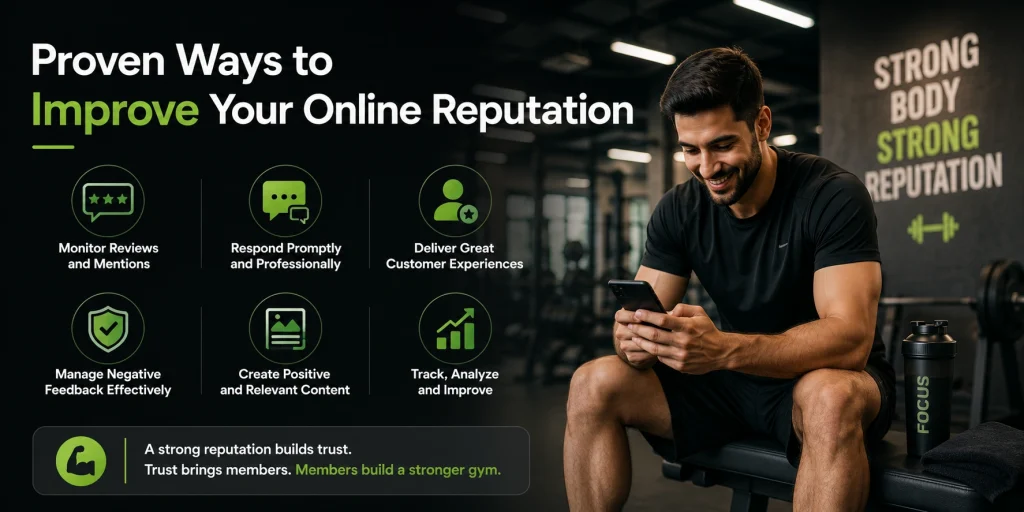
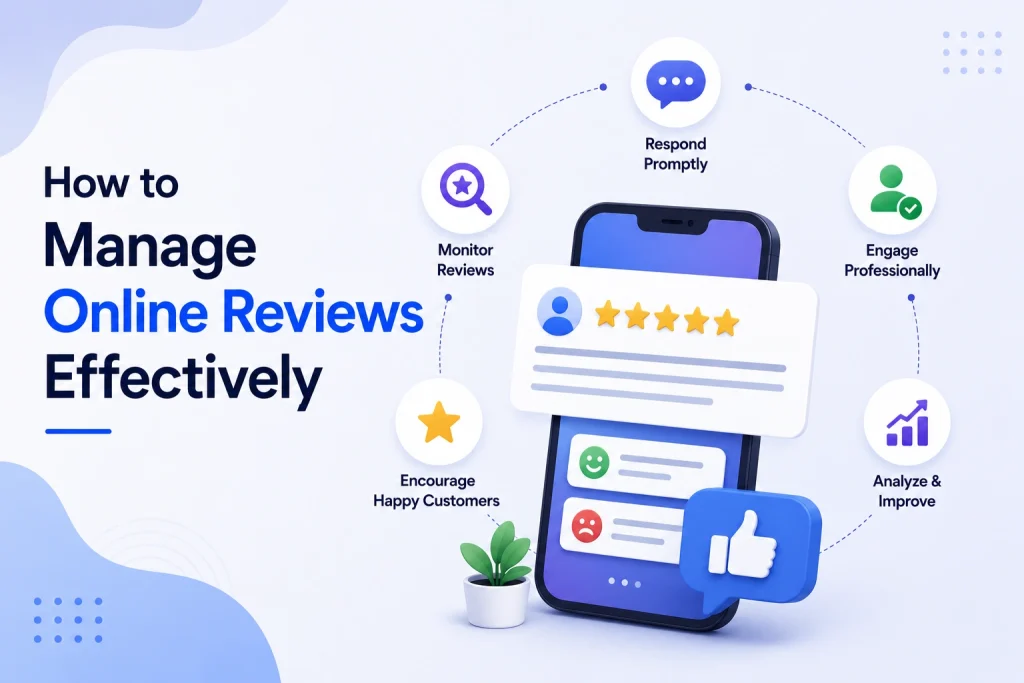
In today’s world of constant connectivity, the general populace is eager to share their experiences with the numerous brands and businesses they encounter daily. With so many options at their fingertips, reviews can often be the deciding factor in where consumers take their business, and, more often than not, that deciding factor can be a single bad review.  For businesses, managing this online reputation is essential to brand success; but having the time to scroll through and respond to hundreds of reviews is just unrealistic. A review management tool can automate the process and allow you to protect your online reputation without spending hours to do it. In a study done by Search Engine Land, 88% of consumers trust product reviews just as much as personal recommendations. This becomes even more significant when you consider that customers acquired through personal recommendations have a 37% higher retention rate than other customers.  When it comes to your business, this can mean a significant boost in sales and brand loyalty. Whether they’re simply counting stars or doing a deep dive into the comments, a customer’s first impression of a business often takes place on a review platform–making sure that first impression is positive could be the life and death difference to your brand. 

5 Review Management software for 2023

There are a few important things to consider when choosing the right review management software for your business:
  • Usability
  • Integration
  • Cost
A software that comes at a low cost and has a full range of features is great, but if it does not integrate well with the tools you’re used to using, it’s going to be useless. Here, we’ve analyzed some of the most comprehensive reputation managers on the market.  These softwares span a range of specializations from social media concentrations to customer experience software. Here are a the top 5 review management softwares that we’ve found to be most effective for businesses across the board: 

1. Gleantap

Price: $99/ month Platforms supported: Web-based GleantapGleantap is a customer retention software that works to help businesses boost loyalty and keep customers involved through SMS, push notifications, and email campaigns. Gleantap was created for businesses in the fitness and wellness industry, but has begun to evolve across a variety of vertices including retail stores and restaurants–a testament to its flexibility across platforms.  When it comes to review management, one of Gleantap’s most powerful attributes is its multi-channel orchestrations and flexible integration model. When it comes to reputation management, Gleantap offers a centralized inbox that allows you to send messages back and forth via email, text, or website chat-to-text widgets. The inbox can integrate seamlessly across channels and provides an audit trail of touch-points for users to keep track of client history and patterns.  Adaptive segmentation features allows users to group customers based on attributes and events allowing the creation of highly specified target groups. Gleantap’s multiple touch point model is highly effective in helping businesses stay on top of reviews. The software has user profile generation capabilities and can help brands more effectively and accurately manage, track, and respond to customer reviews.  This feature can be paired with insights and data reports to help businesses cut away convoluted metrics. From here, users are able to preemptively identify client concerns, identify consumer trends, and curate highly personalized review responses to generate more impactful sales experience for customers. 

Key Features: 

  • Email Open Intelligence
  • Multi-channel engagement platforms
  • Centralized inbox and customizable workflows
  • Highly integral
  • Analytics and insights with geolocation capabilities
  • Link tracking and user targeting for SMS marketing optimization
  • User profiles and contact management tools

2. PromoRepublic

Price: $49/ month (small business) , $79/ month (agency) Platforms supported: Web-based, Iphone, Android PromoRepublic PromoRepublic is a social media marketing platform that offers brand management and content distribution workflow software to give you control over every detail of social media marketing. The user-friendly platform offers a customizable workspace and includes features such as auto-posting, Listing management, and content performance analytics software.  The brand offers a reputation management solution that includes review generation and management software. Built-in alerts and notifications help keep businesses up-to-date on reviews and campaign management. A comprehensive activities dashboard allows businesses to then collect and analyze review and content performance analytics. PromoRepublic gives users the capability to track brand mentions, collect insights, and create highly customizable review monitoring workflows that allow marketing teams to understand strong points and areas for improvement. While not touting quite as many partners as some of the other softwares, PromoRepublic still allows users to track customer feedback from 130 websites from a single dashboard. This dashboard allows users to see review history, respond to new reviews, and analyze the success of review generation campaigns.  Where PromoRepublic really shines is its geolocation metrics that allow teams to review volume and distribution across locations. For small businesses and enterprises alike, this can be indicative of where reputation management might be more essential than others.  It’s also worth mentioning that PromoRepublic also offers a white label reputation management software so that users are able to manage their reviews without sacrificing brand integrity. 

Key Features

  • Social post boosting
  • Graphics editor
  • Content and campaign workflows
  • Review management and generation
  • Review and content analytics
  • Social media review integration
  • White Label mobile apps

3. Birdeye

Price: $299/ month Platforms supported: Web-based, IOS, Android Birdeye Birdeye is a reputation and customer experience platform that serves everyone from small businesses to enterprises. They offer services such as listings, multi-channel integration, referral campaigns, and review management software. Insights and Natural Language Processing technology helps businesses to evaluate their ranking through a competitive review analysis and real time insights.   Birdseye’s reputation management software success is bolstered by their comprehensive data collection software. This software helps businesses to better manage, respond, and analyze reviews and includes features such as customer surveys, benchmarking, and issue ticketing. This is made easier by Birdseye’s capability to function as a mobile app across both IOS and Android, allowing businesses to stay up-to-date anywhere, at any time.  Overall, the software offers a bottom-up solution to customer support by making it easy for customers to leave reviews across a variety of platforms. With the capacity to integrate into 200+ popular platforms such as Google, Facebook, and Tripadvisor, Birdseye’s goal is to help companies generate a robust and streamline user experience simply from the act of leaving a review.  Part of their review generation tactic includes a text interface that prompts consumers to leave star ratings and reviews at key points in the user experience. The app offers an integrated experience that allows users to leave reviews across any platform from google to instagram. These reviews all become housed in an centralized inbox where businesses are able to respond quickly, answer questions, and interact with their user audience.

Key Features

  • Messaging: text, video chat, calls
  • Review notifications
  • Centralized Inbox
  • Review sharing
  • Real-time web chat with chatbot capabilities
  • Customer sentiment analysis 
  • Geolocated and comparative performance analysis

4. Yext

Price: $16-$76/ month depending on tier Platforms Supported: Web Based Yext is a cloud-based software that monitors and responds to customer feedback and reviews. Designed for all types of businesses, Yext offers a flexible customer feedback experience across businesses from big corporations to small startups.  Yext’s answer platform collects and organizes content into easy-to-read data points and then uses those data points to help support consumer needs. The software allows teams to build an Answer Platform from which they can review and tailor the company’s digital helpline experience.  Yext When it comes to review management, Yext’s software provides the tools to monitor, generate, analyze, and respond to reviews. A centralized response platform helps users to keep track of responses and reviews from 3rd party sites such as Google, Yelp, and Tripadvisor.  Their review response platform can come in an easy-to-use App Directory to allow users to respond to reviews via text-like interface. Template response generations allow users to set up auto responses to reviews with minimal content. Finally, intelligent review responses allow businesses to set up quick response text assets that use keywords and underlying sentiment analysis to develop personalized, on-brand responses.   Yext also implements a Review Generation strategy that includes Review invitations with specific URLs, Collects review generation metrics, and provides an integrated directory of review partners that can provide contact information and mail services.

Key Features:

  • Review generation
  • Review management workflow
  • Intelligent responding
  • Custom URLs
  • Smart troubleshooting with content recommendation
  • Multi-platform listings and integration 
  • Analytics and insights

5. Reputology

Price: $180-$20,000/ per month based on capacity Platforms: Web Based Reputology Reputology is a review monitoring and management platform that helps businesses analyze and build an online reputation marketing. Their model offers semantic analysis across a variety of platforms, allowing the company to adapt to the needs of a variety of businesses across a variety of verticals.  Reputology’s software leverages around-the-clock monitoring of review platforms both large and small. Their digital monitoring system encompasses platforms such as Google, Facebook, local search directories, and even extends into employee review websites such as Glassdoor. Geolocating capabilities allow larger enterprises with multiple locations to implement location specific review monitoring to better troubleshoot local problems.  Automated response and centralized feedback platforms make it easy for users to quickly respond to customers and identify overarching consumer sentiments. Reputology offers reporting and analytics to allow businesses to gauge performance. An easy-to-use workflow allows businesses the flexibility to build a user-specific interface so as to better fit the unique needs of the company. This customizable workspace also provides companies with the capacity to track team dynamics and follow-up efficiency within the company. Reputology also allows users to assign identifiable issues to the proper team members so as to deliver the best possible customer service.  Reputologies review management software operates completely under a White Label and is capable of integrating across a wide variety of platforms. Review stream and social sharing allow companies to go beyond one-on-one engagement and tout their good businesses across social media. 

Key Features:

  • Highly integrative
  • Unlimited review sites
  • Email Review Request Campaigns
  • White Label
  • Review stream/ Social sharing
  • Insights and Analytics
  • Customizable and flexible interface
With a plethora of options to overwhelm potential customers, having a solid online reputation is the difference between thriving and dying within the crowded consumer marketplace. On top of that, being sure that those positive ratings span across multiple search engines is imperative for any business that is serious about growth.  Consider these statistics: 
  • 60% of consumers say that negative reviews had an impact on which businesses they chose to engage in. 
  • 49% of consumers needed at least a four-star rating before choosing a business
  • Americans are more likely to tell people about poor experiences than good ones. 
The key takeaways from these statistics should be that consumers rely on reviews. For businesses this can be both a dream and a nightmare. On the one hand, reviews provide social proof and, when they are well managed, reviews can be nearly as effective at generating new business and a referral campaign.  On top of this, reviews are a bottomless source of feedback. Stockpiling and analyzing the insight that customers provide is a powerful way to improve your business, build marketing strategies, and make your customers feel heard.  On the other hand, fielding bad reviews, maintaining consistent client engagement, and establishing a review generation program can become an overwhelming task even for the most competent marketing teams.  With only 24 hours in a day, it would be nearly impossible to respond to every bad review and thank every good one. That’s why choosing the correct reputation management software for your brand is imperative. Review management software can save you time, money, and lost business.  As with all good business plans, choosing a review software that shares a similar workflow and aligns with your brand is essential. Additionally, consider your customers. If you’ve found email to be the most effective, choose a software that prioritizes email. If your consumers spend most of their time on instagram, opt for a software that integrates easily with social media. Choose the technology that not only empowers you, but also your customers–after all, that’s why we created Gleantap.  Review management can be difficult, but finding a software that is perfect for you doesn’t have to be. Browse our comprehensive list of review management solutions and see how we go beyond the basics to meet you right where you need us.   We know that helping you choose the best review management plan is essential to not only your brand, but ours as well. Don’t hesitate to reach out or request a demo to show how our simple, fast, and personalized experience can change the way you do business. Start free trial Get the full story here:

Google Review Management Software Concepts For Small to Medium Businesses

In today’s world, a great product or service is just not enough. It may sound harsh, but in 2022 consumers are looking for much more than a great product. They seek to build relationships with brands and share their reviews of positive (and sometimes negative) experiences with companies. The rise of online reviews and social media channels has bolstered this behavior. Consumers are now seeing online reviews as an extremely powerful tool. For instance, did you know that 86% of people say they would pay more for services from a business with higher reviews and ratings? It’s absolutely incredible to see just how much reviews mean to audiences around the world. And if you take time to think about it, we all look for platforms where we can view reviews of a business before investing in them. It’s the reason why platforms like Etsy, Amazon, and Yelp have done so well. Real reviews from real customers are what everyone wants to see – images, stories, videos, and more. So, as a business owner, how do you get your online reviews up and running? Moreover, how do you encourage positively engaged clients to share their experiences online for other prospective customers to see? Luckily for you, some advanced review management software for small and medium businesses are available today. Not only will they manage your reviews system, but they’ll also automate the entire process for you – leaving time for you to get along with the more in-depth tasks of your business. Let’s look at a few ways in which reviews software can help your company.

3 Reasons to Invest in a Review Management Platform

1. It saves you time

This is the most common reason small business owners invest in reviews software. Time is a valuable asset when you, as a business owner, handle many of the operations yourself. Review management platforms can help you save more than a bit of time. And while managing your online reviews, the software is also maintaining a positive brand image for your company. Review management software can send review requests, monitor and collect ratings and reviews from various review sites, and manage your customer feedback in one space. It can also be handy when monitoring conversations on social media channels. The time saving comes with the platform collecting data and automating it for you. So, all you have to do is analyze the data that the software has presented to you.

2. It helps you rank higher in search engines like Google

Half of a small or medium business’s challenge is to rank high enough on Google so that their website is found. And you are already aware that consumers are looking on Yelp, Google, and Facebook for information before making a purchase. So, search engine optimization is crucial to your success. But the good news is that Google has many products and services itself. These help you gain rapport and rank higher on the search engine. The ranking is where Google “indexes” and ranks websites according to technical best practices, online reputation score, and website content. As you can see, an online reputation marketing helps you gain visibility. Going back to Google for a minute. We mentioned that you could make use of the search engine’s complementary services. One of these is Google Review Management Concepts. Google review responses help prospective customers see what others are saying about your business. Do your products or services meet client expectations? Did the customer have a great, average, or bad experience with your business? How do you handle things if and when they go wrong? Remember that customers are eager to share experiences online, both the good and the bad. It’s important to monitor your Google business profile and respond to clients’ reviews using your review management software. Thank them for their reviews and answer any questions about your business, products, or services. If you see a poor review, reach out to the customer with a personal apology and provide them with further assistance.

3. It aids in increasing your sales

When you set up, manage, and how to get Google review links for business actively, consumers begin to notice your effort with each and every customer you have had. They appreciate this, and chances are, they’ll try your product or service out because they know good customer service is guaranteed. As a result, your conversion rates and sales increase. But the key to getting to this stage is setting up an efficient customer feedback process. Get your team involved and start planning how to tackle every type of rating and google review responses you could receive. Make sure you include every private and public (on social media or other review sites) rating – don’t ignore the public ones because those reviews will be the ones most prospective clients will be reading. Once you begin replying to customers and engaging with them based on their Google my business review link for business, you’ll build relationships and trust. Eventually, this trust will lead to long-term, repeat customers. And that’s what every small business owner wants. Increasing your sales

How to Choose the Best Review Monitoring Platform?

Many businesses adopt review management software so they can maintain a stellar online reputation, boosting their brand image and consistently impressing anyone who lands on their website, Google business review link Google Business Profile,  external review pages, or social media profiles. But if you’re ready to start doing review monitoring for small businesses, take a look at our top ten essentials review software should include:
  1. A user-friendly interface
  2. A single, unified review management dashboard
  3. Multi-user capability
  4. Multi-channel review monitoring capability
  5. Real-time notices
  6. Moderation capability
  7. Review requests
  8. Customer support via chat
  9. Sales and customer integration
  10. Reporting and analytics

List of the Best Review Monitoring Platforms for Small/Medium Businesses

Now that you have the top ten essentials in mind let’s look at some review management software that ticks these boxes.

Podium

Podium This review management software has been around for a few years, and many businesses know it. It uses text message to help companies build their online reputation marketing across a number of sites. Podium collates online reviews and customer interactions into one dashboard, making management more streamlined. You can be sure that review monitoring, social media monitoring, and overall reputation management is done here safely and securely. Podium also allows you to respond to online reviews, send review invitations to people, and text with customers via the platform. You can also be sure that your review management is available via the reporting feature, which includes metrics like sentiment.

Top 5 Features:

  1. Good monitoring dashboard
  2. Customization options
  3. Popular platform
  4. In-depth reporting
  5. Excellent customer support

Pricing:

  • Free trial available
  • Essentials – $289/month
  • Standard – $449/month
  • Professional – $649/month

Trustpilot

Trustpilot This review management software is known for accommodating medium to large businesses over the last few years. The company is about building trust with customers and empowering brands to turn customer feedback into data that yields future results. This platform is also favored for local businesses that want to focus on a specific geographic ring. Trustpilot allows you to gather and manage customer reviews in one single dashboard. The review business software is also great because it will enable business owners to create widgets based on which reviews they would like to make more prominent on the platform. You can also review analytics on a dashboard to better understand your brand performance across all review domains.

Top 5 Features:

  1. Single review dashboard
  2. Easy-to-use interface
  3. Great for medium to large businesses
  4. Useful widgets
  5. Fair analytics dashboard

Pricing:

  • Free plan available
  • Standard – From $225/month
  • Scale – From $900/month
  • Enterprise – Custom

Gleantap

Gleantap Another one of the best review management software options on this list is Gleantap. This company was founded by people who have worked in the service and wellness industries for decades. They understand what small and medium businesses need and, as a result, created Gleantap. This review monitoring software is designed to help companies manage their online reputation marketing, listen to what consumers are saying about them, and manage these consumers right through to the sales pipeline. Gleantap thrives on personalization, so online reputation management married with this is the golden ticket to keeping customers happy. The software allows you to engage with customers via two-way conversations within the app. Automated chatbots are available to assist you so that you can address any consumer’s needs 24/7. The review software also has a marketing automation feature that helps create personalized messaging via text or email to customers. This tailored content helps drive relevance and appreciation for customers, thereby increasing your value and sentiment among them.

Top 5 Features:

  1. Advanced reputation monitoring dashboard
  2. Two-way customer conversations with chatbot capabilities
  3. Automated marketing
  4. Personalized messaging
  5. Sales pipeline measurement

Pricing:

  • Boutique – $99/month
  • Growing – $199/month
  • Large – Custom

EmbedReviews

EmbedReviews This online review management software helps you manage reviews, collect new reviews and showcase reviews directly on your website. You can use widgets and templates to help your reviews look uniform and professional. The widgets are also all responsive, which is great for people browsing your site on their mobile phones. EmbedReviews also allows you to embed your google review management concepts from several Google locations automatically. This is handy if you don’t have the time to manage this process yourself. You can link the review business software to Google and Facebook business accounts so that you can respond to those reviews directly (with your response or with an automated one).

Top 5 Features:

  1. Good review collation
  2. Moderation options
  3. Excellent templates
  4. Customizable and responsive widgets
  5. Embed reviews

Pricing:

  • Pro – $29/month
  • Premium – $99/month
  • Enterprise – Custom

BrandYourself

BrandYourself BrandYourself is an online reputation management software geared toward individuals and businesses. The tool allows you to create and manage reviews, resulting in companies establishing themselves as powerful brand online. BrandYourself has many features, including a collaborative dashboard, digital media monitoring, and social network monitoring. The review software also provides clients with a free reputation report which analyzes your online presence and provides you with a reputation score. This score is a good metric to keep in mind monthly, ensuring that it improves as time goes on.

Top 5 Features:

  1. Supportive dashboard
  2. Digital media monitoring
  3. Social network monitoring
  4. Free reputation report
  5. Accommodates individuals and businesses

Pricing:

  • There is no pricing available on the website, but you can chat with an agent or get a free risk scan from the business.

Reputation.com

Reputation.com Another popular review management software is Reputation.com. This is mainly dedicated to serving larger enterprises to get their plethora of reviews managed. They also focus on improving overall customer experiences for such enterprises. This software manages reviews, business listings, surveys, and more. The platform has an interesting feature called Reputation Live. This allows sales representatives to collect reviews on their smartphones after interacting with a user. This is especially useful when the customer is engaged and shares valuable information with your sales reps. Reputation.com also allows you to use pre-set responses (similar to Gleantap), which saves you time when responding to reviews.

Top 5 Features:

  1. Reputation Live
  2. Serves large enterprises
  3. Customizable features
  4. Pre-set responses
  5. Advanced review management for large numbers of online ratings

Pricing:

  • There is no pricing listed on the website, but you can book a demo and get more information from the sales team based on your reputation management needs.

Mention

Mention Mention is one of the best review management platforms today, and it is known to serve many global enterprise companies. This review software helps identify mentions in online conversations and tracks social media chats. This is handy for enterprises as they have hundreds of conversations happening concurrently. Mention helps to collate and distill these into a single platform. Mention also allows you to integrate with social giants such as Facebook, Instagram, and Twitter, so that you can respond timeously with valuable information to your customers. You can monitor blogs, social media channels, forums, and more with Mention. The platform also sorts comments into positive and negative buckets. You can easily start to see patterns in comments and address any issues before they escalate.

Top 5 Features:

  1. Advanced review collation
  2. Social media integration
  3. Sentiment measurement
  4. Review sorting
  5. Geared up for large datasets

Pricing:

  • Free plan for individuals who want to get started.
  • Solo – €29/month
  • Pro – €99/month
  • ProPlus – €199/month
  • Company – custom

Wootric

Wootric Recently rebranded to InMoment, this platform is known for its online reputation management capabilities and its flair for improving customer experience. The customer sentiment across various comments, ratings, and reviews is available for viewing within Wootric. You can use any of the platform’s significant services, such as the Net Promoter Score (NPS), to help you manage and monitor your online reputation health. Management can be done via the Wootric app, or data can be sent to you via text or email. Wootric is all about providing businesses with the most helpful information and molding that data into meaningful reports. The platform also integrates with CRMs so that you can capture in-depth data from other software.

Top 5 Features:

  1. Customer experience measurement
  2. Sentiment
  3. Net Promoter Score monitoring
  4. Mobile app
  5. Integration with CRMs

Pricing:

  • Pricing isn’t available on the website, but you can view CoreCX, Enterprise, and Custom packages.

AskNicely

AskNicely AskNicely is a reputation software focusing on Net Promoter Score, CES, and CSAT metrics. The platform helps businesses gather reviews from channels like email and text using surveys. AskNicely integrates with other software to ensure that review monitoring happens seamlessly. It is a good tool if you need something to measure very specific metrics. But it’s not a great all-in-one solution, as it tends to have reporting issues. The interface also requires business owners to spend quite a bit of time onboarding before they can start using the software.

Top 5 Features:

  1. NPS, CES, CSAT
  2. Pulls reviews from text and email
  3. Integrates with other software
  4. Automates workflows
  5. Push notifications

Pricing:

  • Pricing isn’t available on the website, but you are able to book a demo to learn more.

In Summary

As you can see, online google review management concepts monitoring software can be extremely valuable to your business. It saves your team time and helps you stay on top of conversations. You can efficiently address any concerning reviews and be proactive about offering more to consumers via rating and review comments. It’s all about having a review management plan and sticking with it. Your review management software will do the rest. When choosing the top white label reputation management software, remember to review all the features and try to get an affordable solution that does more than online reputation. That way, you get to build up your leads, customer conversations, and marketing efforts while monitoring your online reputation. start free trial Get the full story here:

How to Learn From Disney and Improve Customer Experience

There’s nothing like walking into a Disney theme park for the first time. Costumed characters, laser light spectacles, thrill rides, the smell of churros wafting through the air. No matter how old you are, the sights, sounds, and aromas are enough to inspire child-like wonder and amazement. Disney coined itself “the happiest place on Earth” for a reason. The brand has worked for decades to perfect its ability to deliver an experience enveloped in magic.  All companies can take a page or two from Disney and its theme parks. Today we highlight five lessons you can apply to your customer experience.

Disney

Create Immersive Experiences

The brand creates immersive experiences by paying attention to details. When you step foot in a Disney theme park, you’re welcomed with an array of immersive elements.  For instance, the brand uses more than 15,000 speakers and complicated algorithms that play atmospheric music at constant volume throughout the park. The engineers—or Imagineers—at Disney even created the Smellitizer machine, which releases scents throughout hidden vents—leaving the park smelling wonderful. Thoughtful details surround guests—from looks to sounds to smells, the Disney experience is full of well-thought-out elements. And you can apply some of this to your own customer experience. Here’s how:
  • Engage the senses: An immersive experience should evoke emotion and imagination. Think about sound, imagery, the temperature of the room, and smells. Every detail should bring your story to life.
  • Define the story: What do you want people to feel? What impression do you want to leave? Focusing on core ideals makes planning out the details of your customer experience easier.
  • Nail the details: Little things can make a huge difference. Technology like virtual or augmented reality is a simple element that can make the customer experience grander.
  • Incorporate Location-Based Interactions: Imagine entering a store and automatically getting a coupon code sent to your phone. Geofencing is an underutilized part of customer experience. Disney combined geofencing with augmented reality by creating a game that entertains guests while they walk around the park and wait in line for attractions. 
  • Encourage Multi-User Interaction: Allowing customers to enjoy the experience with others is a creative way to make it more immersive. It also encourages referrals, which boosts growth and revenue.

Personalize the Customer Experience

One of the many things Disney does well is making people feel special. The brand has a unique way of taking a moment meant for millions and individualizing it. For instance, when visitors pick up their tickets, they get a badge that tells them why they’re celebrating—i.e., an anniversary, birthday, or first time visiting. Employees also ask guests about their visit and are encouraged to create tailored and personal interactions.  Disney also gathers tons of information to understand their guests individually. They’ve even applied for a patent by scanning customers’ shoes—which can deliver information like the most common paths between rides and where patrons spend the most time. But, of course, you don’t have to get as detailed as Disney when it comes to personalization. Here are a few ways your business can deliver an individualized customer experience:
  • Create customer profiles: Use CRM tools to access valuable data about customers’ demographics, preferences, and behavior.
  • Train your team to be customer-facing: Customers want a genuine interaction with reps, not one that feels robotic. Ensure that your team delivers a personal experience when dealing with customer emotions.
  • Give customers choices: People want to access customer service on the most convenient platform. Therefore, provide an omnichannel service experience— i.e., chat, email, text message, social media, and mobile app.
  • Gather customer feedback: Harvesting feedback lets you optimize your customer service and ensure it’s as personalized as possible.

Customer Feedback

Promote Cleanliness

Disney incorporates cleanliness in their customer experience. For example, at the Disney parks, trash cans are plentiful and placed within 30 feet of each other—based on research, guests walk only 30 feet to throw something away. The brand has also added sensors and monitors to trashcans and bathrooms that notify custodians when they need cleaning. An underground network also connects to many trash cans, emptying them every 20 minutes. Cleanliness is a straightforward concept, but it speaks to a more important principle: remove anything that could take away from the customer experience. And seeing trash and dirty surroundings is a surefire way to turn off visitors. Not only that but having a clean environment can impact customer loyalty. While you don’t have to implement a complex clean system like Disney, there are simple ways you can provide a clean and inviting environment for your customers.
  • Create a checklist: Having a checklist for the things that need cleaning before the end of the day ensures that your team completes those tasks. 
  • Have a designated spot cleaner: Ideally, team members tidy up at the end of their shift, but some things can’t wait. In this case, assign a to-go person responsible for quickly cleaning messes.
  • Triple check before opening: Doing a quick triple check ensures nothing goes overlooked.

Foster a Culture Centered Around Customer Happiness

Whether they’re guiding park visitors to the next attraction or dressed as a character, Disney’s nearly 195,000 team members are focused on customers. On the first day of training, new Disney cast mates learn that their primary mission is to create happiness—no matter their position. Employees have the proper tools needed to serve customers best and solve problems in the most magical way possible. That’s why you often hear stories about Disney employees going above and beyond to provide a memorable experience for the guest. Each team member is required to work and find a solution for an unhappy visitor. What can we take away here? First, a strong customer experience begins when every employee knows their role. Below are ways you can apply Disney’s employee training principles.
  • Create a common organizational purpose: Begin by clearly explaining what you want the customer to experience at the emotional level. It represents what you stand for and why you exist.
  • Provide top-notch training for your team: You can take a page from Disney and provide multiple detailed orientations teaching new employees everything they need to know about fulfilling their roles.
Another way Disney optimizes its customer experiences is with the compass method.  A typical compass has North, West, South, and East. But the Disney compass has Needs, Wants, Stereotypes, and Emotions to help guide team members. Disney’s company culture focuses on knowing customers’ needs and wants while considering their emotions and opinions. With the compass method, Disney employees…
  • N—Identify customer’s needs
  • W— Anticipate customer’s wants
  • S—Acknowledge negative opinions customers might have about the brand
  • E—Empathize with customers’ emotions
This is a great method to apply to your customer service approach. It provides a strong framework for problem-solving and allows you to learn more about your customers.  Disney Hollywood Studio

Set Expectations With Customers

Whether you’re a first-time guest or Disney super fan, Disney wants you to be prepared for your visit. This is a part of creating a smooth and worry-free customer experience. The brand supplies loads of information about how to plan the perfect trip. For instance, their planDisney website features FAQs, video overviews of each resort, and tips from Disney vacation experts. They also give customers a “Know Before You Go” guide, which displays recent announcements and updates on park information.  Here’s how you can use this Disney method to enhance your customer experience:
  • Think like your customer: Learning about your customer allows you to predict their most common questions and makes you and your team more prepared to address FAQs.
  • Make information accessible: Information and answers to FAQs should be available on multiple channels—i.e., self-help portals, your website, social media, chatbots, and mobile apps.
  • Provide throughout directions and instructions: Customers should know what to expect at the beginning of their journey. You want to instill confidence in them from your brand’s first touchpoint.

Never Stop Creating a Magical Customer Experience

When evaluating Disney’s fondness for creating a “magic” customer experience, you’ll notice that a common theme is a drive to optimize the mundane.   The brand’s founder Walt was passionate about improving the process. He believed that the deliverance of a magical experience depended on the operations that allowed you to do so. Disney has held true to these principles with their keen attention to detail in constantly improving their processes. A key takeaway from Disney’s customer experience model is to sweat the small stuff. When we say that, we mean think about perfecting the details of your customer service. And a part of fine-tuning the details is incorporating tools to help you manage customer data.  Gleantap delivers a customer management system that helps you keep track of essential customer details and track every interaction. We also supply multiple convenient text and chatbot platforms that let customers quickly get answers to their questions. Discover how our software can help your business create your own Disney magic. Schedule a free demo today. Start free trial Get the full story here:

The Power of Joy Marketing and How You Can Use It

No matter how logical you consider yourself, your emotions will always take over. Psychologists found that humans feel first and think later. When we receive sensory information, the emotional part of our brains processes the information faster than the cognitive part. Emotional marketing tells a story that connects audiences with brands profoundly and personally. Brands use advertising and marketing to appeal to a range of emotions, but the most common they elicit is joy. Consumers are bombarded with thousands of messages every day. They seek authentic experiences with brands — not experiences that try to manipulate them into buying things. When leveraged, joy marketing can help brands differentiate themselves from the competition and create happy long-time customers. How do you get to the heart of joy marketing? Today, we answer that question and give you a few ways to incorporate this technique into your brand advertising strategy.

What is Joy Marketing?

Joy marketing describes campaigns that elicit a specific emotional response: joy. From commercials that pull on the heartstrings to inspiring quotes, this approach allows brands to connect with their audience on an authentic level. Using joy marketing to boost sales gained prominence following research by psychologist Sonja Lyubomirsky. Her study found that 93 percent of Americans searched for more joy.

https://gleantap.com/schedule-a-demo/

Why Does Joy Marketing Work?

Researchers Lee and Sirgy found the marketing strategies that contribute to consumers’ happiness result in customer trust and loyalty.  You’ve probably seen the power of joy marketing by big brands. When we think about happiness in marketing, Coca-Cola is one of the most prominent examples. Many of their campaigns are geared around joy. In fact, one of their most successful campaigns featured the tagline: “Open Happiness.” Why are sales campaigns that promote happiness so powerful? When customers engage with a message that makes them feel joyful or relaxed, they can make more fact-based decisions. And if you aim to influence consumers, you must ensure that their decisions are made in good conscience.  A study conducted at the University of Southern California found that people with impaired emotional centers in their brains could think critically, but they were unable to make decisions.  Joy marketing is based on psychological triggers that make consumers feel good. It helps them remember your brand and motivates them to act. To present a marketing message that influences others, you must empathize with the consumer. What do they want to feel? Happiness.

Why You Should Market With Joy

Joy is a concept we are all familiar with from childhood. We have positive feelings about it – we want to experience more of it every day. And we can incorporate it into the business world using storytelling. By highlighting joy as an emotion in brand marketing, you associate happiness and fulfillment with your product or service:
  • Consumers will associate joy with your brand
  • Joy translates to employees
  • Joy is an attention-grabber for consumers

How Can You Engage Your Customers With Joy Marketing?

Before creating happiness marketing campaigns, you have to understand what customers value. In The Happiness Hypothesis, psychologist Jon Haidt outlines the five principles of happiness:
  • Connection to others
  • Making a difference
  • Experiencing “good”
  • Reciprocity
  • Fairness and justice
Start Trial These five key points can even be applied to consumers’ actions and attitudes towards certain brands. Studies from Edelman and Cone Communications found:
  • 71 percent of consumers make an effort to buy from brands that share the same values as them.
  • 90 percent of consumers stop purchasing from inauthentic or irresponsible brands
  • 89 percent of consumers will buy from brands that stood by social and environmental causes

Be Authentic

Consumers are exposed to thousands of marketing messages a day, So they’ve become desensitized to sales-y or canned messages. The beauty of joy marketing is that it is authentic. When you elicit an authentic emotional response, you connect with customers and engage them on a deep level. 

Foster Social Connection

Social connection is proven to boost happiness. Studies show that when people are connected to social groups, they experience higher levels of well-being. This social connection can either be fostered online or in person.  A Social Sprout survey found that 70 percent of consumers report feeling more connected when a brand’s CEO is active on social media. Additionally, 72 percent of consumers reported feeling the same about employees sharing information about a brand online.

Make Them Laugh

This goes back to one of the happiness fundamentals of “experiencing good.” Experiences that make consumers smile to create an emotional connection that helps them remember your brand. According to a survey from Clutch, over half of the consumers are most likely to remember a marketing message if it is humorous.

Give Them a Reward

Reward programs are an excellent way to begin the reciprocal relationship between your brand and your customers. This is because they give customers additional value in special discounts and perks. In addition, rewarding customers who interact with your brand on social media is another great way to create reciprocal relationships.

https://gleantap.com/schedule-a-demo/

Stand for a Good Cause

A brand’s stance on social issues is becoming a priority for consumers when choosing brands to support. According to a Kantar study, 68 percent of US consumers expect brands to be clear about their values.

5 Examples of Joy Marketing

How is joy marketing applied to campaigns? Here are how big-name brands use this marketing technique: 1. Ben and Jerry’s Ben and Jerry’s is one of the most beloved ice cream brands. But, their unique flavors aren’t the only thing that keeps consumers coming back for more. The brand’s stance on social justice is one of the things that spark joy. Of course, activism isn’t something the company recently adopted; it’s a part of their history. As early as 1987, Ben and Jerry created social justice-themed ice cream flavors to lobby for change and raise money for various causes. In 2020 the ice cream brand doubled down on its fight against racism and brought back its limited-edition Justice ReMix’d — a flavor and marketing campaign designed to inspire change.  Part of the proceeds from the sale of this flavor went to the Advancement Project. This organization focuses on racial justice. Ice Cream Brand 2. Coca Cola The most recognizable beverage brand in the world crafted feel-good messages for their “Open to Better” campaign in the UK.  Coca Cola temporarily ditched their logo and replaced them with phrases like,
  • “I will never take my friends for granted,” and 
  • “I will promise to listen more, just for you.” 
Online customization allows users to write custom messages on the cans and send them to loved ones as a mood booster. This meaningful and heartwarming campaign gave consumers a reason to smile and helped build deeper connections with their social circles. Coca Cola 3. WestJet The holiday season is the perfect occasion to launch joy marketing campaigns.  WestJet’s annual Christmas Miracle campaign appreciated customers by surprising them with free flights to destinations of their choice, gifts, and even reunions with loved ones. WestJet took its campaign even further in 2020 by donating essential items like blankets, masks, hot meals, and gifts to seniors, children, and shelters. WestJet4. Chewy You know that your furry friend communicates without speaking if you’re a pet owner. You may even imagine your pet talking to you in your head. Chewy honed in on this shared experience with their recent “Chatty Pets” ad.  This campaign gave a platform for poets to express their innermost thoughts and connect with consumers with this relatable concept. The ad illustrates a pet’s reaction when they get a package from Chewy. One video advertisement even narrates a cat’s thoughts as its owner purchased the Chewy app. Their #ChewyChattyPets TikTok challenge inspired this campaign, which invited pet owners to share what their pets were thinking. Talking pets is a sure way to make consumers smile — whether they’re pet parents or not. Chewy 5. Samsung As a part of Samsung’s #GetThroughThisTogether initiative aimed at giving people hope during the COVID-19 pandemic, the tech brand launched the Samsung Smile Stories campaign. The campaign shared facts on the physical and mental benefits of smiling. Samsung also encouraged users to appreciate the small things that bring joy. This campaign also invited the Galaxy community to share photos and videos of things that made bring them joy using the hashtag #SamsungSmileStories.

Samsung

How to Create a Joy Marketing Campaign

If these joy marketing campaign examples have inspired you, why not try creating your very own joy marketing campaign? Here are a few steps to help you get started with your next sales campaign:

Detect the Joy

Try to find ways in which joy is linked to your brand. Does your brand bring consumers and employees joy? If so, how? What makes your brand different? How can your sales campaigns showcase this joy? All these questions help define joy in each brand marketing campaign going forward.

Pinpoint Your Audience

The next step is to identify your audience and define how they can be communicated with. Some brands use email marketing, while others use television, print, or social media. It all depends on which platforms work best for your audience and brand. The key is to find the correct path prior to creating content.

Map and Create Your Content

This step involves choosing your medium for each content piece. It’s a vital step for brand advertising, as the content is how you showcase joy. What’s best for your brand – an animation, video, image, or blog post? Look at the marketing campaign examples to help you draw some inspiration.

Monitor the Success of Your Campaign

The last step is to monitor and measure your sales campaign’s success. You can use analytics, surveys, and social media listening tools to help you do so. Joy marketing must be measured with engagement and sentiment metrics. Remember to always refer to your overall brand marketing goals when measuring success.

How Can You Incorporate Happiness In Your Customer Marketing Strategy?

You need to be a big brand or have a big advertising budget to practice the principles of emotional marketing.  The point is to make your audience feel happy. This can easily be woven into your text message marketing strategy and customer engagement.  Here are a few ideas to inspire you:

Offer a Reward Through Text Message Marketing

As we mentioned earlier, rewards make consumers happy. So, why not combine joy marketing principles with SMS marketing? You can reward loyal customers and subscribers with a discount code or offer via text. For example, you can text your subscribers a discount code that gives them a percentage off merchandise or services to celebrate International Happiness Day.

Here’s an example of a template to add to your SMS marketing strategy:

Hi [CUSTOMER NAME]

It’s International Happiness Day! Here’s something guaranteed to make you smile, we’re giving you 20% off your order. 

[LINK]

Encourage Connection

You can foster social connection by inviting your audience to become a part of a group. You can do this by encouraging customers to follow your social media. They’ll be a part of a community of like-minded people who enjoy your brand. Inviting customers to join a class or attend an event is another way to help them feel connected.  https://gleantap.com/schedule-a-demo/ Share How Your Business Gives Back Consumers are happy when the brands they support have the same values. You can ignite happiness in your customers by sharing how your business stands up for a worthy cause. Like Ben and Jerry’s, you could dedicate a product to a social movement, or you could showcase ways your business supports organizations that fight for equality. Get Your Customers Involved The #SmileSamsungStories sales campaign is the perfect example of engaging customers through joy marketing.  Invite customers to share what makes them happy using a specific hashtag. You can also start your own challenge.  For example, encourage your customers to perform a good deed and post about it with a hashtag.  Share a Positive Story Positive stories get more shares and social engagement. To create a connection between the customer and your brand, share a positive story that is relevant to your business. You can do this by telling an inspirational story of how your business overcame challenges. You can give a little background on why you started your brand and what inspired you. Stories like this are uplifting, and they help create an authentic human connection with your audience. Another way you can spread joy is by having customers share why your brand makes them happy.  Start Free Trial

Why is International Day of Happiness the Perfect Time for Joy Marketing Campaigns? 

International Day of Happiness is one of the best times to break out joy marketing strategies. On this day, people are looking for messages that make them happy and reinforce the idea that everyone deserves to be happy. Not only is joy marketing relevant for the occasion, but it shows that your brand values mental health and well-being. In addition, campaigns promoting psychological health can help brands foster brand perception and affinity. Part of the reason brands like Ben and Jerry’s and Coca-Cola are so successful is because they cater their messaging to human emotions. They don’t try to sell products — they show that they care about the consumers’ happiness.

Get to the Heart of Your Audience

Emotions rule decision-making. In fact, we don’t even have the time to think logically about things before we decide how we feel about them. So if you want to appeal to your audience, you’ll need to find ways to reach the part of their brain that relies on emotion.  Emotion is also what binds brands and customers together. Without techniques like joy marketing, we’d all have difficulty making purchasing decisions. Customers want to align themselves with brands that reflect their personal values and cater to their emotions. You could see more significant revenue and happier customers by incorporating emotional sales campaigns in your customer marketing strategy. Start free trial

National Technology Day – History, Significance, and How to Celebrate?

Technology is an integral part of our lives. If you are scrolling through the internet and reading this article, it’s all thanks to the advancements in technology. National Technology Day is annually celebrated on January 06 in the United States to commemorate the impacts technology has and will have in our lives. The scope of technology is consistently improving and evolving, paving the way for further growth and development of every aspect of our lives. Ever since the invention of the wheel, humans have done nothing but test their boundaries and outdone them. While we could have never thought about flying a century back, the advent of technology now allows us to automate our lives. Push everything aside, the invention of smartphones has revolutionized our present and will do so in the future. This article will walk you through the importance of National Technology Day, the kind of history it holds, and the significance of this day too.

What is National Technology Day?

National Technology Day is celebrated as an unofficial holiday on January 06 every year in the United States. The day was officially declared and announced by AXEL, a technology-based company. They are headquartered in Las Vegas. The primary objective behind celebrating National Technology Day is to commemorate the impacts technology has left in our lives. It further emphasizes and glorifies the contributions made by leading scientists and researchers to transform our lives with technology in every living and breathing aspect of our lives.

Why is National Technology Day celebrated?

The concept of National Technology Day isn’t just localized to the United States. In India, the day is celebrated on May 22 annually to celebrate the growth, prosperity, and diversity of technology and its impacts on our day-to-day lives. In the United States, the initiation of National Technology Day was done by AXEL to celebrate the small and big wins in technology. The day emphasizes the importance of technology and how it has transformed our lives for the better. The origin of technology is as old as humanity. Thanks to science and its applications, what started as basic machinery using the available resources has transformed and evolved beyond our imagination. To think that technology was built and implemented daily is a complete lie. Instead, it spans over centuries and will keep growing similarly in the future. Delegating one day to celebrate the progress of technology was an amazing move by Axel. Since technology has webbed itself into our lives, helping us in every part, it is a given that we celebrate its significance one day a year. Besides popularizing technology, National Technology Day is also celebrated to remember the leading contributors to this revolution. Ever since the invention of the Wheel, humans have evolved and transpired with their innovations, and this day celebrates that uniqueness. Every technological invention we have today was born from one person or a group of people’s ideologies. However, the execution requires all hands on deck, and this national day celebrates every person who has in some way contributed to the transformations involving technology in our lives.

National Technology Day

Trivia and Facts on and about the National Technology Day

Before we discuss with you some constructive ideas to celebrate National Technology Day, let us discuss some quick facts about this day that you probably didn’t know about:
  • National Technology Day is not just celebrated in the United States. It is celebrated in India on May 22 every year as well.
  • Around 570+ websites are registered and launched every minute.
  • Users could register for free domains until 1995.
  • The mouse we use today was termed an X-Y indicator back in the initial days.
  • The advent of email was before the development and introduction of the internet.
  • Robots are derived from the Czech Republic language, which means Forced Labor.
  • The internet reached millions of people globally in under four years. It took the Radio 38 years to have that popularity and outreach.
  • We spend around ten years of our lives watching television, shows, etc.
  • There are people afraid of technology. The phobia is known as Technophobia.
These are a handful of the bizarre and understate technology day and technology-related trivia that you definitely should know about.

How can One Celebrate National Technology Day?

Every day that you get to fly to another country, hop on a Facetime call and warm up your home during winters, you should be thankful for how much technology has simplified lives. National Technology Day is celebrated to commemorate these individual achievements that humankind has managed to achieve and unfurl over decades and centuries. If you are a business head or a tech geek reading this piece from your home, we have some fun and interesting activities lined up to help you celebrate National Technology Day in the United States.

Update yourself About the Latest Technologies

Our lives in the 90s have drastically changed now that we are in 2022. Even with a mere three decades difference, humans have managed to streamline communication, introduce artificial intelligence, and a lot more than we are not even aware of. Take this day to familiarize yourself with these new and upcoming technologies that will soon transform our futures. Even if you aren’t actively into technology and how they work, we’d recommend that you take this one day to keep yourself updated about what’s to come.

Unfurl the History of Technology

Life since the advent of technology has grown and evolved. While our ancestors could only dream about flying high in the sky, people now do it for fun and traveling. The history of technology is not just fascinating, but it lets you understand how big brains came together to give us what we use now. Even with limited resources, scientific understanding, and lacking equipment, our researchers and scientists managed to pave the way for a brighter tomorrow that we are living in. As you celebrate National Technology Day, walk down the history of technology that dates back to the invention of the wheel. And, humankind has not looked back since.

Educate your Customers about this Day

Since National Technology Day is not celebrated worldwide as a unified holiday, not many citizens in the United States are aware of this day’s significance. So, why not leverage this day to impart some knowledge? If you are a business that heavily relies on technology, shares those insights with your customers. Give them a peek into the behind the scenes and how technology sways your business decisions every step of the way. Share the same with your customers with an interactive email or newsletter to further streamline communication. Gleantap’s sales CRM and marketing automation tools simplify the discourse and make communication a lot easier.

Host an Exclusive Event (and offer Discounts)

Special days like National Technology Day are an amazing way to celebrate big wins in certain fields, in this case – Technology. One amazing way to celebrate this day is by hosting an exclusive event with limited period discount offers to bring new customers to your business. You can leverage different marketing automation tools or host direct conversations with potential and existing customers to inform them about the big day. Tagging a good deal on a special day helps with improved conversion rates and better return on investment. It sounds like a good deal, doesn’t it? Tap into Gleantap’s host of great marketing, sales, and lead generation tools that can skyrocket your health and fitness business to the next levels on National Technology Day.

Introduce Better Technological Reforms to your Business

Despite the impacts of the pandemic, people are now more comfortable doing things from the comfort of their homes. So, it is not even a question that the dependency on technology has amplified exponentially. This is where you need to step up your business models too. In this fast-paced digital world, the last thing you want is to stray away from your competitors. As you tap into the niche of online fitness from the traditional fitness business, leverage the power of automation, direct customer interaction, and so much more. Gleantap can automate and scale your health and fitness business to the next level. Not just the basic customer interaction, the tools can help you amplify your marketing tactics and provide your customers with a personalized user experience.

Share the Love on Social Media

Social media is hands down one of the biggest assets of technology. Not only has it streamlined user experience and communication, but it has also now become an integral part of businesses’ marketing schemes and their profit models. Since the concept of National Technology Day is so less known, why not diversify its outreach? Share about the day, the biggest contributors, and as a business, you can plug in your services with an exclusive offer for the target audience. This way, you are not just providing wisdom to your target audience; you are positively pushing them to pursue your products and services too. These subtle ways of marketing are proven to show better results than the traditional marketing approaches.

How is Gleantap Tapping Into the Advancements in Technology?

As we celebrate National Technology Day in the United States, Gleantap is venturing into a more diverse portfolio with the services. Although we are focused solely on helping fitness and wellness businesses, our list of services is diverse and driven by the latest technology. Gleantap works towards helping you scale your business to the next levels using different sales, marketing, and engagement tools for automated and personalized customer experience. Not only do our integrated system offer:
  • Marketing automation
  • Sales CRM
  • Conversations
  • VOD and Live support
We are also focused on reforming and refining our services best attuned to the current technological breakthroughs in the market. We are consistently working with the best teams and advanced resources to streamline our services and automate our customer’s business to the next level.  Our suite of products is aligned to individual customer needs and is curated to power through the rising demands of the online fitness industry.  Get started with our services, starting at $99/month for 1000 members. Expand your business and amplify your outreach with our experienced team at Gleantap.

Conclusion

As we close this blog, we’d like to commemorate every big and small scientist, researcher, and educationist who has spent their time, efforts, and money transforming technology and bringing it to what it is today. Technology has proven to be one of the biggest boons that humankind has experienced, and we are sure the same will transform the future as well.

How Gold’s Gym added 500+ new members with Gleantap

Gold’s Gym has been using Gleantap to run successful & engaging marketing campaigns through both email and SMS for the last 2 years.

This ebook covers how Gold’s Gym successfully added 500+ new members to gym through Gleantap.

Gleantap’s marketing automation proved to be pivotal in the gym’s business growth. But how did it actually work?

Download your copy today and know exactly what the growth looked like!

Download Now

Customer Engagement: An Ultimate Guide

If a good word travels far, a good marketing campaign is already making its second orbit around the Earth. At its core, marketing practices aimed at customers focus on bringing a more strategic, laser-precise loyalty method, both online and offline. This influence is best defined through customer engagement. The concept of customer engagement is as old as the world’s first brand. While the methods of achieving it have changed over the years, the broad definition has stayed the same – the ability of a business to build a relationship with its customers. With the boom of the internet and social media, the competition has grown from local to worldwide in just two decades. This understandably has made many business owners excited about the prospect of creating brand interactions on a mass scale. Unfortunately, it’s not as simple as placing a business into the internet void and hoping at least 2% of the global population will be interested in it. This is where adopting quality customer engagement comes into the picture. It’s a marketing practice that can turn a potential customer into a customer advocate. In essence, this guide will tackle just that – the strategic focus and understanding of the base concept and how it can benefit (and propel) the brand in question. Let’s dive in!

What is Customer Engagement?

The great thing about customer engagement is that there’s no definition of the ‘what’, but rather of the ‘how’. Simply put, it’s all the ways in which a business interacts with its customers both offline and online. There are no defined methods or concepts, no precise strategies, nor is there a quick and easy way to get things rolling. It’s purely a business-to-customer campaign, built entirely by the brand for its consumers. To explain this on a more practical level, suppose a fizzy drinks company sends out a newsletter about their latest summer drink, and a customer interacts with the e-mail. Say a person decides to call up customer service to complain that their kitchen appliance isn’t working correctly. Or a fashion brand releases a behind-the-scenes video of the ‘making of’ a certain satin piece. All of these are examples of customer engagement, because as it says on the proverbial can – it’s about the consumer engaging with the business. It boils down to the brick-and-mortar motto that has been tried, tested, and practiced since the early days of capitalism – the customer is king. Many businesses tend to steer left when they base all of their customer engagement tactics on boosting sales rather than keeping up with the needs, wants, and wishes of their consumers. The focus should be on long-lasting relationships instead since this promotes a two-way benefit for both the consumer, who feels listened to and catered to; and the brand, which receives exposure and revenue in turn.

Customer Engagement

What are the Benefits of Customer Engagement?

Marketers have an uncanny ability to turn everyday human interactions into a possibility for engagement – and achieving brand goals. Understandably, however, it’s difficult to place any potential benefits of customer engagement onto a scale, since it’s just one part of a nervous system designed to cater to one category – consumers.  Still, there are ways to reap all the benefits from an effective strategy.

Loyalty is the Name and Aim

While customers can be attracted by almost any campaign, keeping them hooked is an entirely different kettle of fish, which requires a unique set of fishing equipment.  Enter: customer engagement! As with most real-world, non-corporate things in life, the art of building a sustainable relationship comes in the form of continuous communication. It’s pivotal in connecting consumers to the brand, while also making sure they stay loyal to the business. Once a business turns its attention away from pure profit and looks to servicing customers instead, that’s where the cut-off point begins. This can be done in a myriad of ways, but it all boils down to letting the customer know they’re more than just a number on a board run by executives. Obviously, businesses are made to last, so planning an entire marketing campaign for the sole purpose of keeping customers happy isn’t exactly preferable or advisable. However, building a community of highly engaged people, prepared to advocate for the brand, and willing to make continuous purchases is where the goal meets the method.

Attention Breeds Retention

On a business level, nurturing customers is more important than finding new ones. It’s not just corporate talk or a marketing tactic either. Research has shown that businesses that manage a 5% increase in customer retention end up seeing a 25% increase in profits – retention, meaning having customers using a product or service for an extended period of time. It all ties back to the brand’s capability to keep its customers. And this is where customer engagement can do wonders. Given that it’s not all talk but data too, the focus is ultimately on the ‘how to’ of achieving retention and keeping the revenue going. Actively engaging with customers and nurturing the brand ambassadors is the primary tactic for any business. This is down to the brand, but keeping a list of constant customers on hand to send them special offers, new products, or testers is one way to successfully track the loyalty base. Moreover, organizing a gathering to showcase the newest features of a product is another way to cater to customers. Alternatively, you can employ a tactic where the most loyal of consumers are allowed a sneak-peek and maybe a say in how a certain service or product should be presented. While giving attention is vital, making sure to stick to one strategy is a necessity. Having your fingers in too many pies can spoil them all in the long run.

Long-Term Brand Ambassadors

If there’s one major benefit to focus on when employing customer engagement marketing, it’s the long-term brand ambassadors. This is a section of the consumer pool that will always, without question, remain loyal to the brand. A loyal customer can be turned into a long-term brand ambassador. This doesn’t have to be an official title either, just an appreciation for a set of consumers with a long-lasting connection with the brand. These should always be the target of attention and appreciation since they are the most likely candidates to introduce new (and loyal) customers to the business. Evidently, you should never abandon any other set of customers, seeing as it can be a fast track to losing the ‘average’ person from piquing interest in your products or services. However, having brand ambassadors is both a product and benefit of customer engagement marketing, it can produce a stream of fruitful relationships with more consumers on a more personal basis.

A Good Service Equals Good Customer Satisfaction

Last but not least, customer engagement benefits ultimately lead to customer satisfaction, which ultimately leads to promotion, which ultimately leads to more revenue. However, this is one benefit that may look negative when taken at face value. After all, it is the type of engagement that is often less satisfactory to listen to – taking the form of complaints, recommendations, or requests for changes. It’s also known as customer service and how it can be utilized as a powerful tool for customer engagement marketing. By thoroughly engaging with customers on channels (both offline and online), where they are most active, or by allowing for multiple channels of communication, businesses can and will see all the ways in which their image, products, and service are rated. Furthermore, it’s an excellent way to peek into what consumers are really thinking and ensure how those remarks can be transformed into a business opportunity for more revenue and engagement.

How to Calculate Customer Engagement

There is no tried-and-true formula to properly measure customer engagement, considering it concerns more than just numbers. However, thanks to the internet and various online tools that make it easy to track engagement, at least on a base level, there are ways to check for how long and in what ways potential customers engage with a brand.
  • On-site metrics. This is usually seen through the average time a person stays on a website and the most obvious way to track how powerful or interesting a website is. Online tools help measure whether a person has enough vested interest to not only stick around the home page, but scour through the provided links and access other pages on the website.
  • Open and click-through rates. Whether it’s through newsletters, special promotional offers, or customer-specific e-mails, measuring the click-through rates is essential in measuring customer engagement. These are metrics that measure how many times someone has opened or clicked a link that a business has provided.
  • Social media. This might be evident in the era of social media, but the more engagement a brand receives in the form of likes, upvotes, favorites, and ratings, the likelier it is to secure a loyal following, which can translate into an increase in revenue.
  • Forms and user scores. At some point in the customer’s experience, most businesses will give them a form – whether that be a first purchase, customer service, or ‘satisfaction’ form – which lets a brand know just how interesting, good, or bad their tactics are with either a particular product or the service as a whole. User scores can be bundled up into this category and the classic system of ‘ratings’, which customers leave on the business after trying a product.
  • Repeat renewals, subscriptions, purchases. The most obvious way to measure customer engagement is to assess the percentage of people who are re-purchasing a product or service and at what rate. 

Why is Customer Engagement Marketing Vital?

If a business is to thrive, it’s going to do so with the help of customer engagement marketing. On a personal level, customers supporting a reliable, friendly, and trustworthy business means they will put more care, time, and resources into it. This ultimately translates to good revenue for a company, which is a win-win for each party. On a more scientific level, data shows that companies that have managed to retain and engage customers not only drive sales revenue from 13% to a whopping 51% – but also increase their order sizes from 5% to 85%. Up to two-thirds of a brand’s profit comes from and relies on an effective customer engagement ratio. With numbers like those, it’s easy to see why a company would be interested in investing in engagement marketing and easing up on product offers and cheap marketing schemes.

Customer Engagement Marketing

7 Customer Engagement Trends That Will Continue

1. Customers care if a business does too

The 2010s have brought with them some major changes in the way that businesses market themselves, as well as the ways they engage with their customers. Moreover, most people are knowledgeable enough on marketing tactics to easily see through cheap tricks that seek to produce nothing but revenue under the veil of false transparency. However, with the spread of online marketing comes the awareness of online safety and privacy. One trend that most businesses should closely follow is paying attention to the consumers who are cautious about the brands they support. 85% of all consumers will stop supporting a business when they feel that their stored data and personal information are at risk. That’s why brandishing a comprehensive and extensive data privacy policy is essential – as is being transparent about the data that is stored on the website.

2. AI is a brand’s best friend

AIs do more than just give customers pop-up boxes to interact with. They are the quintessential customer support service that is available at any given time, all the time. While AIs differ in their functionality depending on the type of service a brand wants, having a trusty bot that can help users do quick-searching, navigate across a site, create a customizable Q&A for an inquiring potential buyer, or anything in between, is the difference between a disinterested customer and one that is engaged. A great example of this is Sephora. The cosmetics leader was an early mover using AI chatbots and has seen impressive results by helping traffic find the right product.  Sephora IMAGE: Sephora AI chatbot asks customer to complete a quiz that will help narrow down product search Relevant data shows that seeing customers as individuals rather than a collective of dollar bills is what’s been increasing revenue in the roaring 20s. 76% of all customers demand that companies understand their needs and expectations – otherwise, they won’t pay them any attention.

3. Omnichannel marketing

Omnichannel marketing is the ability to deliver the brand, message, as well as products onto multiple access channels. This means a company has its products simultaneously available on Facebook, e-mail, text messages, live events, and in-store. What this does in turn, is help create a positive all-around experience for both the company and consumer. If a customer is interested in a certain product, giving them the ability to pre-buy or pre-order it will make for a seamless experience, as opposed to them having to go on-site and waiting in line. That is the power of omnichannel marketing, and it’s also what 76% of all customers say positively impacts their opinion of a company.

4. The ‘Try Before You Buy’ AR technique

Humans are naturally inclined to be wary of the unknown, which is why most consumers prefer to see a product before buying it. This is where augmented reality comes in. It’s important that businesses consider consumer needs when trying to sell a product. In fact, it’s so important that 75% of all consumers want to try first and buy later. It comes down to the given brand to choose which method they would rather pick. However, having the ability to try a product virtually, list through a catalog in real-time through AR, or use a virtual fitting room, will significantly impact customer engagement. Many industry giants are already utilizing this technique—IKEA allows shoppers to see what furniture settings will look like in their home, and Nintendo cleverly implemented AR into their instant-hit mobile game Pokemon GO.  The ‘Try Before You Buy’ AR technique IMAGE: In-play image of a person playing Pokemon GO in their city.

5. It’s all about the visuals

Whether by fault or adaptation, young people seem to react differently to marketing campaigns – and with an ever-shortening attention span on a global level, visuals are key for a successful brand. Close to 85% of all millennial buyers have purchased a product based on a marketing video rather than a marketing claim. In that respect, COVID-19 has rapidly intensified the video frenzy of the marketing world, as that was the only way products could be showcased and bought while on-site interactions were either halted or driven to a minimum. It has also demonstrated that buyers react more to visuals than they do to text. These visuals include explanation videos, demonstration and promotional videos, customer testimonial videos, and review videos.

6. Advocacy and values matter

Social issues have become a driving force in the world of customer engagement and a sure-fire way to make or break companies. Whether it’s issues relating to social justice, environmental justice, or ethics, customers do in fact pay attention – 87% of them to be exact. Over three-quarters of all consumers would actively boycott a company if the brand’s views do not align with their own. These include but are not limited to views on the environment, political issues, general safety, and welfare policies – causes that a brand has financially supported, as well as hiring practices. Advocacy and values matter IMAGE: Danish toy company LEGO, showing their support of the LGBTQ community with limited-edition Pride figures.

7. Data drives campaigns, personalization brings profit

Last but not least is the ability to integrate data into a business to reach both competitiveness and profitability. Brands that rely on data-driven marketing rather than marketing stunts or classic campaigns are more likely to succeed on the market – and thus retain customers for the long run. Moreover, this also ties into the increasing need for the personalization of products, where customers feel they want to have an individualized experience with a certain product. Nearly 80% of all customers will only engage with an offer if it caters to them specifically.

What Customer Engagement Practices Impact Success?

Any engagement practices a company employs can spell failure if they’re not done correctly. This assumes that a business will do ample research on the current market trends and apply them appropriately to the marketing strategy to ensure success. However, there are some practices in the realm of customer engagement that can significantly impact that strategy. Simply put, it’s down to evoking an emotional response. Data shows that people are more likely to invest in a business if they retain a positive experience from interacting with it. This indicates a personalized experience is necessary to guide customers into a loyalty program, a subscription service, or rewards that will significantly impact the way they engage with a brand.

Tips to Draft a Winning Customer Engagement Strategy

The first step to drafting a winning customer engagement strategy is to not make it all about the business. It’s unfortunately very common for brands to focus solely on why their business is the end-all, be-all solution, product, and service that customers must pay attention to. In reality, the focus should always be on the consumer – both in terms of increasing the product’s accessibility as well as its usefulness.

Relatability

Brands that are relatable are brands that succeed. Following the current trends on social media means accepting and actively pursuing efficient ways to place a brand on the market and be relatable at the same time. Evidently, whatever ‘relatable’ message is out there, it should be backed up by the brand’s authenticity – and close to 86% of all consumers will react positively to it.

Push notifications

These can be sent through e-mail, text messages, on-site chatbots, or a customer service AI. The goal is to make sure that the customer knows they have support at any time during their experience with a brand. In turn, this also means it’s easier to send out new offers, deals, and promotions. There is a downside to this – pushing far too many offers will result in a major decrease in interest – by as much as 32% of the entire customer pool.

Social media

It’s a no-brainer that social media is the ultimate tool for businesses to succeed – and eventually, fail as well. It’s a double-edged sword where too much attention can result in some terrible campaigns, but the right kind of engagement, support, and swift marketing can lead to serious customer retention, revenue boost, and brand awareness.

Best Examples of Customer Engagement Campaigns

As with most things in life, the best examples of customer engagement are rooted in simplicity and authenticity. There’s no measurement to accurately assess which campaign gathered more attention, success, or revenue increase, but there are some examples to go by.

Hafod Hardware Christmas Advert

Turning back to emotions and video marketing, this microbusiness in Wales managed to garner over 2.7 million views with a simple story of a family-owned hardware store. The budget for the video was a little over £100.  Hafod Hardware Christmas Advert IMAGE: Thomas Lewis Jones and his son Arthur, star of the Hafod Hardware store ad.

Jeni’s Splendid Ice Creams

If social media is king, having a laser focus on marketing through online communication is the red carpet that leads to the throne. This is how an American ice cream company consistently rakes in views, increases response times, and retains high online engagement and audience participation on Twitter, Instagram, and Facebook. It’s as simple as posting the ice cream of the day! IMAGE: Jeni’s Icecreams advocating National Ice Cream day on Twitter to their 80k followers.

Goldsmiths

Personalization is important, which is why having an AI ask the customer every little detail about a gift they are planning to purchase is essential. Goldsmiths for example has an extensive list of questions it poses before the purchase of any jewelry to make sure the products fit whatever criteria or preferences the customer has.

Nike

A way to keep customers hooked is to offer a loyalty program for anyone wanting some extra benefits. Nike does an excellent job at giving special rewards for anyone completing a workout through their app, has user-specific playlists connected through Apple Music during a workout, as well as provides personalized promos for any new products.

Conclusions

There are more ways than ever to have a successful customer engagement strategy to ensure longevity on the market. However, with that also come competitors who have equal knowledge of these tactics. As with all things marketing-related, being the first to reach the goal isn’t a measure of success. Rather, what’s important is being the last business standing in the sea full of drowned potentials. customer engagement Get the full story here:

How Gold’s Gym Increased Online Membership Conversions with Automated Journeys

How Gold’s Gym Increased Online Membership Conversions with Automated Journeys

Golds Gym

Gold’s Gym is a high-volume fitness club focused on driving membership growth through digital channels.

To scale efficiently, they leveraged Gleantap to:

  • Increase online signups
  • Improve lead conversion
  • Re-engage lost prospects

The Challenge

Like many gyms, Gold’s Gym faced:

❌ Lead Drop-Off

  • Prospects not converting after initial interest
  • Cart abandonments and incomplete signups

❌ Limited Follow-Up

  • Inconsistent nurturing of leads
  • Missed opportunities to convert warm prospects

❌ Reactivation Gaps

  • Past leads and inactive users not being re-engaged effectively

Result:
Lost revenue from unconverted and inactive prospects

The Solution: Membership Pages + Automated Journeys

Gold’s Gym used Gleantap to build a full-funnel conversion engine

1. Online Membership Pages

  • Seamless digital signup experience connected with ABC Fitness for billing
  • Reduced friction in the buying journey
  • Enabled direct online conversions

2. Lead Nurturing & Conversion Journeys

📩 30-Day Nurturing Campaigns

  • Automated follow-ups for new leads
  • Multi-touch engagement via SMS + Email

🛒 Cart Abandonment Recovery

  • Targeted reminders for incomplete signups
  • Timely nudges to complete purchase

🚶 Walk-In Follow-Ups

  • Separate journeys for:
    • Signed up
    • Didn’t sign up

👉 Ensures no lead is left behind

3. Reactivation Campaigns

  • Campaigns targeting inactive users and cancelled customers
  • Re-engagement offers to bring past members back

Automation Engine

🔄 Multi-Step Journeys

  • 8–12 touchpoints per flow
  • Timed and behavior-based triggers

🎯 Smart Segmentation

  • Leads segmented by:
    • Source
    • Activity
    • Signup intent

⚡ Real-Time Triggers

  • Immediate follow-ups based on user actions

The Results

Strong Conversion Performance

  • 10–20%+ conversion rates across key campaigns
  • High-performing reactivation and nurture flows

Increased Online Revenue

  • More members signing up directly online
  • Reduced reliance on in-person conversions

Reduced Funnel Drop-Off

  • Cart abandonment recovery flows driving conversions
  • Lead nurturing improving overall conversion rates

Always-On Growth Engine

  • Automated system running 24/7
  • Continuous lead engagement without manual effort

Why It Worked

1. Full Funnel Coverage

From first click to membership—every stage is optimized

2. Timely Engagement

Right message at the right time increases conversions

3. Multi-Channel Strategy

SMS + Email ensures higher response rates

4. Automation at Scale

Thousands of leads managed effortlessly

The Outcome

Gold’s Gym transformed their growth strategy from:

❌ Manual, inconsistent follow-ups
➡️ ✅ Automated, high-converting digital funnel

Key Takeaways

  • Online membership sales can be fully automated
  • Lead nurturing significantly improves conversion rates
  • Reactivation campaigns unlock hidden revenue

Ready to Drive More Memberships?

With Gleantap, you can:

  • Convert more leads into members
  • Recover lost opportunities
  • Automate your entire growth funnel

How HOTSHOP Scaled Sales Conversions and Streamlined Operations with Intelligent Automation

How HOTSHOP Scaled Sales Conversions and Streamlined Operations with Intelligent Automation

HOTSHOP

HOTSHOP is a premium boutique fitness studio delivering high-energy, community-driven workout experiences.

Operating on MarianaTek for billing and operations, HOTSHOP needed a modern engagement platform to:

  • Drive more conversions
  • Improve sales efficiency
  • Deliver personalized member experiences at scale

The Challenge

HOTSHOP was previously using BrandBot, but faced critical limitations:

Inconsistent Automations

  • Messages didn’t always trigger reliably
  • Missed follow-ups led to lost opportunities

Limited Customization

  • Couldn’t tailor outreach based on member behavior
  • Rigid workflows restricted creativity

Disconnected Sales Workflow

  • No centralized system for managing conversations
  • Limited visibility across team activities

👉 Result:
Sales processes were fragmented, manual, and difficult to scale.

The Solution: Gleantap + MarianaTek

By implementing Gleantap alongside MarianaTek, HOTSHOP built a fully automated, data-driven engagement engine.

Multi-Stage Lifecycle Automation

HOTSHOP designed journeys across the entire customer lifecycle:

1. Lead → Intro Journey

  • Automated follow-ups for new leads
  • Personalized nudges to book intro classes
  • Multi-channel outreach (SMS + Email)

2. Intro → Active Conversion

  • Targeted messaging based on engagement
  • Timely reminders to convert to membership
  • Behavioral triggers based on attendance/activity

3. Membership Activation & Retention

  • Onboarding flows for new members
  • Engagement campaigns to drive repeat visits
  • Feedback and check-in journeys

4. Sales Recovery & Re-Engagement

  • Campaigns targeting inactive or undecided prospects
  • Structured follow-ups to re-engage interest

Automation at the Core

Multi-Step Journeys

  • 8–12 touchpoints across key workflows
  • Dynamic messaging based on user behavior

Advanced Segmentation

  • Target users based on:
    • Interest level
    • Class participation
    • Membership stage

Centralized Inbox + Tasks

  • Assign follow-ups to staff
  • Track conversations in one place
  • Improve accountability across the team

The Results

High-Converting Campaigns

  • 15–30% conversion rates across targeted outreach campaigns
  • Significant improvement vs traditional batch messaging

Increased Engagement

  • 2–3x higher engagement through personalized, automated journeys

Operational Efficiency Gains

  • Reduced manual follow-ups for sales staff
  • Streamlined communication workflows
  • Improved team coordination through shared inbox + task management

Reliable Automation

  • 100% consistent journey execution
  • No missed triggers or lost leads

Customer Voice

“Gleantap makes my job much more easy and effective, significantly enhancing my work efficiency.”

“It helps me segment interested clients and create highly customizable outreach strategies tailored to their needs.”

“The inbox feature keeps everything organized and allows us to assign tasks, improving team collaboration.”

Why It Worked

1. Personalization at Scale

Every prospect and member receives relevant, timely communication

2. Reliable Automation

No missed follow-ups = no lost opportunities

3. Sales Enablement

Tools designed not just for marketing—but for real sales workflows

4. Unified System

Inbox + campaigns + automation = one source of truth

The Outcome

HOTSHOP transformed their sales and engagement from:

❌ Inconsistent, manual, and fragmented
✅ Automated, scalable, and conversion-driven

Key Takeaways

  • Automation isn’t just efficiency – it’s revenue growth
  • Personalized outreach significantly improves conversion rates
  • Sales teams perform better with centralized tools and workflows

Ready to Drive More Conversions Like HOTSHOP?

If you’re using tools that limit your ability to:

  • Automate follow-ups
  • Personalize outreach
  • Track and manage conversations

👉 Gleantap can help you turn your sales process into a scalable growth engine

7 Crucial User Engagement Metrics You MUST Measure

Gone are the days of Mad Men, when marketers and advertisers had to guess what was working. In 2021, we live in the age of Big Data and that means everything is trackable. Now the question becomes since everything is quantifiable, what should we be watching? User engagement metrics have become a big part of measuring success in a digital world, but what metrics truly matter? In this article, we are going to walk you through the customer engagement metrics that you need to be measuring. While we will mainly be talking about mobile app analytics, the same rules and strategies can be applied to more than just mobile apps. There are so many out there that it can often be hard to choose what to track. It can also be difficult to understand what a metric is telling you about your users. Not anymore. After reading this, you should be able to collect and analyze the metrics you need for success. Let’s get started.

The 7 Crucial User Engagement Metrics You Need To Measure

Here are the seven important customer engagement metrics that you need to measure now:

1. Users

Users are an important part of any metric, but users themselves can tell a story. There are several ways to track users, such as MAU (monthly active users), WAU (weekly active users), and DAU (daily active users). You can also measure stickiness, which is defined as DAU/MAU.
Another way to divide users into helpful metrics is through segmentation. You can break them up by their demographics, what device they used, their age, and plenty of others.
Understanding how certain users interact with your service or platform compared to others can give you insights into potential areas of opportunity. Some of the things you can learn from these user engagement metrics are:
  •      User base, usage trends, and what users love or hate about your app.
  •      What areas to improve on.
  •      Highlighting areas in which bottlenecks occur or that could use restructuring.
  •      Take a closer look at user drop-offs through segmentation.
Engage with users better than ever with SMS marketing. See how!

2. Session length

Session length is the amount of time that a user spends in your app in one session. During a session, users typically perform a series of different actions and then either exit or the session times out. Session length is a customer engagement metric. There are a few things we can learn from session length, such as segmenting users to help identify which of them stay in the app longest and seem most engaged. This can help your marketing moving forward. On the other hand, if it feels like no one is using the app for as long as you thought in the original design, you may need to speak with your development team. Your developers can take these customer engagement metrics to discover where problems exist. For example, the checkout process might be too complicated, prompting users to exit a session early. Golds gym case study

3. Session frequency

Session frequency or session interval is often confused with session length. However, session frequency is simply the time in between two consecutive sessions. While session length shows you how engaged your users are while in the app, session frequency shows how often your users are coming back for more. When monitoring session frequency, keep an eye out for trends in how people use your app. If they only use it during certain times of the day, ask why. User engagement metrics are only as valuable as the questions you ask of them. Use the answers to guide your decision making,

customer Engagement platform

4. Acquisitions

This user engagement metric determines which channels your users are originating from. Acquisitions can come from so many places, like organic search, direct, paid search, referral, social media, and countless others. By figuring out where your downloads and interactions are coming from you will have a better idea of how to attract new users.
The acquisition can also help you calculate your customer acquisition cost, or what it takes as far as revenue goes to gain a new user. By understanding this metric, you can better plan your budget, sales, and marketing activities.

5. Retention Rate

Think of retention rate as the opposite of churn rate, in that it measures the percentage of users returning to your app in a given period of time. By calculating your retention rate over days, weeks, and months, you will have a good idea of the longevity of the app in the market. Retention rates let you track and watch out for problem areas of your app that can be improved upon. It is a continuous process, so be sure to keep up to date to make sure you aren’t falling behind. Additionally, apps on average retain only 40% of their initial users after a month. Use this as a benchmark for your own app. It also is important to keep in mind that acquisition costs are on the rise in the industry, so it will pay for you to focus on retaining users over going after new ones.
Read more: Get started with our 30 Retention Tips ebook!

6. Time in-app

Again, different from session length, time in app shows the amount of time a user spends in your app in a given interval. Time in app is a user engagement metric that’s relatively easy to understand. T he more time users spend in your app, the more engaged they are, the better they like your app. Simple as that. However, if you do want to take a deeper look, segmenting here can be of great value. For instance, there may be a group of users that has not been spending much time in the app for one reason or another. Ask questions of them and your development team to find out what’s causing this and decide if it’s worth fixing or will pan out on its own.

7. Screen flow

Screen flow allows you to see exactly how your user interacts with your app. Of all the user engagement metrics you should be tracking, screen flow is one of the most important. While other metrics simple allows you to see how much time was spent in your app, screen flow will show you exactly when and where the user exited the session. You should use screen flow as a way to evaluate the strengths and weaknesses of each page or screen of your app. If for instance, you see one area that is really struggling, it may be worth either eliminating or reworking. The same goes for entire processes that are triggering users to leave the app.

user engagement metrics

A Few More Essential User Engagement Metrics to Measure

Social Media Listening Metrics

This marketing metric helps you track positive and negative mentions on social media. It helps you see what people are saying about your brand. This can be measured across platforms like Facebook, Instagram, and Twitter. Use social media feedback to see:
  • What are people most satisfied with?
  • What are people least satisfied with?
  • What topics are people asking about?
  • What time of day are people most active on social media?

Activity churn rate

This is the percentage of customers who have stopped using what you sell, i.e., your product or service. This is a vital customer metric that can impact your revenue. It will also tell you how much more customers you’ll need to acquire to compensate for the loss. Churn rate % = (No. customers who stopped using your product or service / Total no. of active customers at the beginning of the period) x 100

Conversion rate

One of the most popular marketing metrics is conversion rate. This is the percentage of people who have completed an action directly tied to your campaign goal. Conversion goals are specific to your campaign. Examples include:
  • Filling in a sign-up form
  • Signing up for your business email newsletter
  • Downloading a whitepaper from your website
Conversion rate % = (Total no. of conversions / Total no. of visitor sessions) x 100

NPS & CSAT

Net Promoter Score (NPS) is the score related to how people rate your product or service. Here’s how to calculate this customer experience metric:
  1. Survey customers to see how likely they are to recommend your company on a scale of 1-10.
  2. Organize customer responses into the following groups:
  • Detractors (0-6)
  • Passives (7-8)
  • Promoters (9-10)
NPS = % Promoters – % Detractors NPS & CSAT Source: HubSpot CSAT refers to the customer satisfaction score people give for your services.

Bounce rate

Bounce rate is a customer engagement metric that calculates the percentage of visitors who exit the site after viewing only one page. In other words, they “bounce” away from that site and continue browsing elsewhere. Bounce rate helps businesses understand how good their web content is – because if many people bounce after seeing one page – chances are they’re not impressed with your content. View your bounce rate from Google Analytics.

Put it all together

As valuable as each of these user engagement metrics is on its own, none of them exist in a vacuum. In order to truly understand your users, how they think, and which areas to improve or change, you need to look at all of these metrics together. For example, screen flow is an important metric, but without knowing how long each of the users spent in each area, you are stumbling in the dark. Use each of these different user engagement metrics together to become a powerhouse in your industry. All of them are there before you, but in the end, it’s up to you to do something with them. sign up now Get the full story here: