The Dark Side of Marketing Automation: Are We Over-Reliant on Technology?
In the rapidly evolving landscape of fitness marketing, technology has become both a boon and a bane. As we race towards 202, the allure of marketing automation tools—from AI chat systems—has many fitness studios to drive engagement strategies. But are we inadvertently trading human connection for automated messages?
While the benefits of automated marketing campaigns, personalized content, and data-driven insights are undeniable, we must pause to consider whether this reliance is leading us down a slippery slope. After all, who wants to feel like they’re chatting with a robot instead of a real person? The charming human touch often gets lost in the shuffle of algorithms and artificial intelligence.
The Fine Line between Efficiency and Over-Reliance
The growing use of tools like AI content assistants and predictive analytics in sales CRM is reshaping how we approach customer interactions email that feels so robotic you start questioning if the sender remembers your name!
Personalization Gone Awry: With automated systems designed to tailor messages based on user data, there’s always the risk of coming off as creepy rather than caring.
The Human Element: The best marketing strategies blend technology with genuine human interaction.
Diminished Engagement: Relying solely on chatbots and automation can lead to lower engagement rates if clients feel overlooked.
The future of fitness marketing should strive for balance—a harmonious blend where technology supports but does not replace personal connections. As we delve deeper into this topic throughout our blog post, we’ll explore how studios can harness technological advancements while still keeping their audience engaged in a meaningful way.
The Rise of Fitness Marketing Automation
The rise of fitness marketing automation has transformed the way gyms and studios engage with their clientele. Since the advent of digital marketing, fitness brands have increasingly adopted automated tools to streamline processes, maximize efficiency, and ultimately drive sales. But, as we embrace these technological advancements, it’s essential to examine both their benefits and drawbacks.
In recent years, tools like AI chatbots for customer service and sales CRM software have surged in popularity. These technologies enable fitness businesses to manage customer inquiries seamlessly and offer personalized communication at scale. With predictive analytics integrated into marketing strategies, studios can now anticipate client behaviors and tailor their offerings accordingly—redefining the landscape of digital marketing for gyms.
The Allure of Automation: Efficiency Meets Convenience
Who wouldn’t want a system that can send out automated emails promoting new offers while you sip your morning coffee? Here are some notable benefits:
Consistent Messaging: Automated platforms ensure that messaging is cohesive across all channels, reducing the risk of mixed signals that might confuse potential clients.
Lead Generation: With targeted advertising using machine learning algorithms, studios can reach potential members more effectively than traditional methods.
This transition towards automation does not come without its challenges. Fitness studios must tread carefully between leveraging technology and maintaining genuine connections with their clients. As many have discovered through experience, over-reliance on automation can lead to disengagement. After all, would you prefer a warm conversation with a personal trainer over a generic email from a faceless system?
The Human Touch in an Automated World
A key element often lost in this tech-driven hustle is the human touch—a requirement for building lasting relationships. The best success stories in fitness marketing combine sophisticated tools with genuine interaction:
User Feedback Integration: Regularly solicit feedback about your automated systems; are customers enjoying chatbot interactions or do they long for human representatives? Adjust accordingly.
Cultivating Community: Use social media automation tools to amplify community spirit by sharing member achievements and promoting events that foster connections among members.
A/B Testing Strategies: Experiment with different types of messaging—both automated and personal—to find what resonates best with your audience.
“Automation is about freeing up human potential—not replacing it.” – Unknown
The future of fitness marketing lies in striking the right balance between cutting-edge technologies like AI-driven marketing strategies, while ensuring that these tools enhance rather than replace the personal touch that keeps clients coming back. In an industry where connection is key, it’s crucial to remember: technology should be your ally, not your substitute!
The Allure and Pitfalls of AI Chatbots
As we dive into the world of AI chatbots, it’s impossible to ignore their growing presence in fitness marketing. They promise the efficiency of 24/7 customer support and instant responses, making them seem like the holy grail for busy fitness studios looking to enhance customer engagement. But just as with all things that sparkle, there’s a shadow lurking nearby.
The Allure of AI Chatbots
Let’s face it: AI chatbots can be incredibly appealing. Here’s what makes them shine:
Instantaneous Responses: Gone are the days of long wait times! Chatbots provide immediate answers to client inquiries, ensuring no one feels ignored. In a fast-paced fitness environment, speed is key.
Cost-Effectiveness: By leveraging chatbots, studios can reduce labor costs while still delivering quality service. Think of it as hiring a virtual assistant—but without the coffee breaks!
Data Collection: Chatbots can easily gather valuable customer insights, helping studios tailor offerings and improve marketing strategies based on real-time interactions.
The Pitfalls of Constant Automation
While these advantages are enticing, it’s essential to approach chatbot integration with caution. Here are some potential pitfalls:
Lack of Empathy: No matter how sophisticated they become, AI chatbots struggle to replicate human warmth. In an industry centered on personal connection, this can lead to clients feeling misunderstood or undervalued.
Crisis Management: When a situation escalates—say, an unhappy member—the last thing you want is a chatbot attempting to handle a sensitive issue. Sometimes, only human intervention will do.
The “Creep” Factor: As helpful as they may be, overly personalized interactions from chatbots can feel invasive. We’ve all had that moment where a bot seems too familiar—creepy vibes abound!
The Balancing Act
The challenge lies in finding the sweet spot between utilizing AI for efficiency while maintaining genuine human connections. Here’s how fitness brands can strike that balance:
Merging AI with Human Support: Use chatbots for initial queries but ensure that complex issues are smoothly transitioned to real personnel who can add that essential human touch.
Tweaking Tone and Personality: Customize your chatbot’s responses so they reflect your brand’s voice—think friendly and approachable rather than robotic!
User Feedback Loops: Regularly assess client satisfaction with chatbot interactions; adapt based on feedback, ensuring your approach enhances user experience rather than detracts from it.
“A chatbot is like an employee who works round the clock—just make sure they don’t replace your star performers!” – Unknown
Navigating this landscape requires finesse and insight into As we gear up for 2025, embracing AI-driven marketing strategies, let’s keep in mind that while automation offers incredible potential, nothing quite beats the authenticity of human interaction in building long-lasting relationships in fitness.
If you’re interested in exploring how different marketing avenues can help engage clients more effectively while balancing automation and personalization tactics.
AI Content Assistants: Boon or Bane?
The rise of AI content assistants has transformed the landscape of fitness marketing, allowing studios to churn out engaging content at a pace that would make even the busiest trainers blush. These tools utilize advanced algorithms to generate articles, social media posts, and promotional materials, all while you’re juggling weights or leading a class. But while they promise efficiency and creativity, do they come with hidden costs?
The Benefits of AI Content Assistants
Implementing AI content assistants can feel like having a personal assistant who never sleeps—great for maximizing productivity! Here are some advantages:
Speedy Content Creation: Need a blog post on the latest fitness trends? AI can whip one up in minutes, leaving you free to focus on gym management.
SEO Optimization: Many AI tools are designed with SEO in mind. They analyze search trends and optimize your content for keywords like marketing automation and gym membership sales strategies, helping your studio gain visibility.
Cohesive Brand Voice: With the right settings, AI can help maintain a consistent tone across platforms—think of it as your digital brand ambassador!
The Drawbacks of Relying Too Heavily on Automation
Despite the perks, there are potential downsides to consider when using AI content assistants:
Lack of Authenticity: Fitness is about connections and communities. Relying too heavily on AI may lead to generic content that lacks genuine passion and authenticity.
Creativity Drain: While AI can mimic human writing styles, it often lacks the spark that comes from real-life experiences. A heartfelt story shared by a trainer can resonate far more than an algorithm-generated piece.
The “Set It and Forget It” Mentality: Automation may lead to complacency. If you’re not actively engaging with your audience or adapting strategies based on feedback and performance metrics, you might miss crucial opportunities for connection.
A Harmonious Integration of Technology and Human Touch
The ideal approach lies in combining the speed of AI with the warmth of human interaction. Here are some strategies fitness studios can adopt to strike this balance:
Edit & Enhance: Use AI-generated drafts as starting points but layer in personal anecdotes or client success stories that only real people can share.
User Engagement Analysis: Regularly review how your audience reacts to different types of content—use this data to refine your strategy while ensuring authenticity.
Diversify Your Content Sources: Incorporate various formats—videos, podcasts, live streams—that require human input while supporting automated text generation for blogs or newsletters.
“Using technology is about enhancing human potential—not replacing it.” – Unknown
Navigating the world of marketing automation through tools like AI content assistants requires finesse. As we approach 2025, studios must remember that while these technologies provide valuable support in crafting messages and managing campaigns, nothing beats the connection formed through genuine human storytelling in fitness marketing.
Marketing Automation: Enhancing or Hindering Human Connection?
As we navigate the realm of marketing automation, a pivotal question looms large: is it enhancing our connections with clients, or is it creating a barrier that distances us from genuine relationships? While technology has undeniably changed fitness marketing, the challenge lies in ensuring that these innovations do not diminish the human element that is so vital in the fitness industry.
The Dilemma of Automation
In an age where AI chatbots and automated systems can handle everything from scheduling appointments to sending promotional emails, fitness studios are faced with the dilemma of choosing efficiency over emotional engagement. Here’s why this matters:
Personality vs. Procedure: Clients often join fitness studios for more than just workout plans; they seek connection, motivation, and community. Automated messages can sometimes feel like prescribed training routines—effective but devoid of inspiring human interaction.
The Impersonal Touch: When you receive a message that starts with “Dear Valued Customer,” it’s hard not to roll your eyes. Personal touches, such as referencing a recent class or individual achievements, can make clients feel valued and seen.
The Importance of Listening: Real-time conversations allow fitness professionals to listen actively and respond to emotions—something automation struggles to replicate effectively. How often have you had an insightful conversation while sweating it out on the gym floor?
The Bridge between Technology and Humanity
The good news is that marketing automation platforms don’t have to replace personal connection; they can enhance it when used wisely. Here are some strategies to harmonize technology with human engagement:
Create Personalized Experiences: Use data from your CRM systems to tailor marketing messages. Celebrate milestones like anniversaries or birthdays with custom messages that add a personal touch.
Blend Automation with Human Interaction: Automate routine inquiries but ensure there’s always an option for members to speak with a real person when needed. This approach allows for efficient service while maintaining warmth.
Cultivate Community Engagement: Leverage social media automation tools for sharing success stories, event promotions, or challenges. However, balance this by encouraging real-time interactions during events—because nothing beats high-fives after a great workout!
“Technology should enhance human interaction, not replace it.” – Unknown
The future of fitness marketing lies in understanding that while automation brings convenience, it’s human connection that drives loyalty and community within studios. As we head into 2025, let’s remember: behind every automated email or chatbot response is a person seeking support and motivation on their fitness journey!
Finding Balance: The Future of Marketing Automation in Fitness Studios
As we look ahead to the future of marketing automation in fitness studios, finding balance is crucial. With the rapid evolution of technology, fitness studios must navigate a path that leverages innovations like AI-driven marketing strategies while ensuring that they maintain an authentic connection with their clients. As we inch closer to 2025, here are some key considerations:
1. Emphasizing Personalization
While automation allows for tailored messages based on user data, it’s essential to remember that true personalization requires a human touch. Here’s how you can strike this balance:
Human-Centric Content: Use AI tools to analyze data but ensure that your marketing campaigns reflect the unique narratives of your clients. This could mean sharing success stories or featuring member spotlights in your emails or social media posts.
Interactive Engagement: Incorporate elements like polls and quizzes in your digital marketing for gyms to create a two-way conversation with your audience. These interactions can reveal insights about client preferences while fostering community.
2. Redefining Customer Service
The rise of AI chatbots for customer service can enhance response times but shouldn’t eliminate human interaction—especially when dealing with sensitive issues. Consider these approaches:
Hybrid Support Models: Implement a system where chatbots handle initial inquiries but escalate complex issues to human staff members who can provide nuanced support.
Regular Check-Ins: Encourage trainers or staff to conduct periodic follow-ups with clients—this adds a personal touch that automated systems simply cannot replicate.
3. Continuous Learning and Adaptation
The future of fitness marketing will rely heavily on adapting strategies based on real-time feedback from clients. Here are some methods to keep your studio ahead of the curve:
A/B Testing: Regularly experiment with different messaging styles and content formats using AI analytics to determine what resonates best with your audience.
User Feedback Loops: Utilize surveys and feedback forms after automated communications to gather insights on how well clients feel connected through these interactions.
“In the crowded space of fitness marketing, authenticity will always trump automation.” – Unknown
The key takeaway as we proceed into 2025 is that while technology will play an increasingly significant role in customer engagement strategies, it should not overshadow the importance of genuine human relationships in fitness environments. By leveraging technology wisely and infusing it with authentic interactions, studios can thrive in an era where both personalization and efficiency are paramount.
As we continue to embrace technological advancements within marketing automation, it’s vital for the fitness industry to remain vigilant about maintaining a balance between automated processes and human interaction. By doing so, businesses can ensure they harness technology’s benefits while preserving authentic connections with their clientele.
Marketing automation has revolutionized fitness marketing, but are we sacrificing genuine human connection in the process? While AI-powered tools offer efficiency, personalization, and scalability, they also risk making interactions feel robotic and impersonal. Striking the right balance between automation and authentic engagement is key to fostering long-term client relationships. Are you relying too heavily on technology? It’s time to reassess your strategy. Let’s explore how to harness automation while keeping the human touch alive in fitness marketing. Read the full blog to discover actionable insights on optimizing your approach—because your clients deserve more than just automated responses!
The Ethics of AI in Fitness Marketing: A Debate You Need to Read
As we look towards 2025, the intersection of fitness marketing and artificial intelligence is poised to spark heated discussions. With advancements in AI chatbots, AI content assistants, and marketing automation, the landscape of how fitness brands engage clients is transforming at breakneck speed.
But while the benefits are alluring—think personalized workout recommendations AI or engaging AI-powered customer engagement—the ethical implications cannot be overlooked. Are we enhancing the client experience or simply manipulating behavior for profit? This debate is not just academic; it’s crucial for fitness studios navigating the rapid evolution of digital marketing in fitness.
The Role of AI in Fitness Marketing
Automated Marketing Solutions: From automating social media posts to crafting tailored email campaigns, AI tools like email marketing automation for personal trainers can take a lot off your plate—if used ethically.
AI Chatbots for Gyms: These virtual assistants can provide real-time answers to client queries, streamlining interactions and improving response times. However, reliance on bots raises questions about the loss of authentic human connection.
The CRM for Fitness Industry: Advanced systems can analyze data trends, enabling personalized offers that resonate with potential clients. Yet, this raises concerns over privacy and the extent to which personal data is utilized.
The irony here? While we’re leveraging technology to foster deeper connections with clients, there’s a thin line between engagement and intrusion. As marketers dive into smart fitness marketing strategies, they must ask: Are our tactics genuinely beneficial to our audience, or are they merely gimmicks designed to boost short-term sales?
“Marketing without ethics feels like a gym without weights—lots of action but no real strength.”
This exploration isn’t merely an academic exercise; it has tangible implications for how fitness studios approach their marketing strategies. With tools such as AI-enhanced client retention strategies and sales funnel automation shaping the future, striking a balance will be essential.
Buckle up! As we delve deeper into this debate, prepare to weigh the pros and cons of AI in fitness marketing. The stakes are high—and so are the possibilities!
The Rise of AI in Fitness Marketing
The rise of AI in fitness marketing is nothing short of revolutionary, akin to a fitness breakthrough that promises to redefine how studios attract and retain clients. As we transition into 2025, the integration of AI-driven fitness marketing strategies is taking center stage, and it’s hard to ignore the considerable shifts happening in the industry.
Unleashing the Power of AI
Imagine walking into a gym where your personalized workout recommendations AI knows exactly how many push-ups you can do before you even break a sweat. That’s not just a futuristic dream; it’s happening now, thanks to advancements in technology. AI tools are enabling:
Predictive Analytics: By analyzing client behaviors, gyms can predict trends and tailor their offerings accordingly, making them one step ahead in the game.
AI Marketing Automation: With automated marketing solutions, studios can send perfectly timed messages based on user interactions—think “Hey, remember those leg days?” texts that keep clients coming back for more!
The Client Experience Reimagined
This new era of digital marketing in fitness gives rise to AI-powered customer engagement strategies that are transforming client relationships. The result? A more personalized experience that keeps clients motivated and accountable. However, as we embrace these innovations, it’s crucial to reflect on our approach:
Avoid Over-Personalization: While it’s great to feel special, nobody wants to feel like they’re being stalked—especially not by their gym!
Cultivate Authenticity: AI should enhance human connection rather than replace it. Consider using conversational AI for customer service in gyms as a supplement, but never at the expense of genuine human interaction.
Pursue Ethical Data Use: Trust is key! Ensure your data collection practices respect client privacy while providing valuable insights.
“In the world of fitness marketing, ethics must lift heavier than technology.”
The excitement surrounding automated marketing platforms for gyms is palpable; they offer efficiency that was once unimaginable. Yet the questions loom large: How do we maintain integrity while leveraging these powerful tools? Are we innovating responsibly or simply chasing numbers?
The answer lies in striking a balance between advanced CRM systems for health clubs and ethical considerations. As studios embrace machine learning in fitness marketing, they also need to ensure their strategies are built on solid ethical ground—because at the end of the day, it’s about health, happiness, and building lasting relationships with clients.
Buckle up! This journey into AI’s rise will be filled with insights that could reshape how you view client engagement. The question remains: How will you harness this potential without losing sight of what truly matters?
Privacy Concerns: Balancing Personalization with Consent
In a world where personalized experiences reign supreme, the fine line between effective marketing and ethical infringement becomes increasingly blurry. As fitness studios adopt AI-driven marketing strategies, such as AI chatbots and AI content assistants, privacy concerns emerge that cannot be ignored.
The crux of the issue lies in how much personal data is collected to create those tailor-made experiences. Clients may appreciate a gym that’s always aware of their preferences, from workout schedules to dietary suggestions, but at what cost? Here are some key considerations:
The Data Dilemma: Clients often provide their information with the belief that it will enhance their experience. However, many do not realize how extensively their data may be analyzed and utilized. Transparency is crucial; clients should know exactly what data is being collected and how it will be used.
Consent Matters: Obtaining explicit consent for data collection isn’t just good practice—it’s essential. Fitness studios must prioritize clear communication about data usage policies, allowing clients to make informed choices about their personal information.
The Right to Be Forgotten: In an age of increased awareness around privacy rights, clients should have the option to delete their data if they choose. This empowers them and fosters trust in your brand.
“If you’re not respecting your customers’ privacy, you’re just one misstep away from losing them.”
Moreover, as AI marketing automation tools become integral in creating personalized workout plans or sending out promotional offers, studios must tread carefully. While these solutions can significantly enhance client engagement through targeted advertising using artificial intelligence in wellness programs, they also risk crossing ethical boundaries if not managed responsibly.
Navigating Ethical Marketing Practices
The challenge for fitness marketers is to find an equilibrium between using AI-powered customer engagement tools effectively and ensuring respect for individual privacy. Here are some best practices to consider:
Implement Robust Security Measures: Protecting client data should be non-negotiable. Use advanced security protocols to safeguard sensitive information from breaches.
Educate Clients on Data Use: Invest time in explaining how their data helps improve their fitness journey—clients are more likely to engage when they understand the benefits of sharing their information.
Create Opt-In Options: Choose marketing techniques that allow clients to opt-in for personalized communications rather than defaulting them into these practices.
This approach not only safeguards client trust but also enhances loyalty—an invaluable asset in the competitive fitness industry landscape moving toward 2025.
As we adapt our marketing strategies with evolving technology, let’s remember: fostering genuine relationships based on respect can ultimately lead to more authentic engagement than any algorithm ever could.
Buckle up! Because as we continue exploring this topic, we will unearth more ethical dilemmas that demand careful consideration and innovative solutions!
Transparency in AI-Driven Interactions
In an era where AI-driven fitness marketing is rapidly advancing, the importance of transparency in AI interactions cannot be overstated. Clients are more discerning than ever, expecting not just personalized experiences but also clarity about how AI impacts their engagement with fitness studios.
The rise of AI chatbots for gyms, for example, has revolutionized customer service. These virtual assistants can provide instant responses to inquiries, making communication more efficient. However, if clients aren’t aware they’re interacting with a chatbot instead of a human, they may feel misled. Here’s where transparency plays a vital role:
Clearly Identify AI Interactions: Always make it evident when clients are engaging with an AI system. A simple statement like “You’re chatting with our friendly AI assistant!” goes a long way in setting expectations.
Explain Data Usage: When implementing automated marketing solutions that rely on client data—whether for personalized recommendations or targeted campaigns—be open about how this information is collected and utilized. Clients should know that their data helps shape their unique fitness journey, not just the studio’s bottom line.
Encourage Feedback: Transparency is a two-way street; encourage clients to share their thoughts about AI interactions. Are they finding the chatbot helpful or frustrating? This feedback can guide improvements while building trust.
“Transparency isn’t just a buzzword; it’s the lifeline of genuine client relationships.”
The ethical implications of using AI don’t stop at mere acknowledgment; they extend to ensuring that these technologies genuinely enhance the client experience rather than manipulate it for profit. For instance, while AI content assistants can create tailored workout messages or motivational reminders, they should do so while keeping user intent and comfort at the forefront.
The Balancing Act: Engagement vs. Intrusion
The challenge lies in striking a balance between leveraging technology and maintaining authentic human connections. Here are some ways to achieve this equilibrium:
Avoid Over-Automation: While efficiency is key, going too far with automation can lead to sterile interactions that lack warmth and personality. Ensure that human touchpoints remain integral within your marketing strategy.
Create Human-Centric Content: Use AI content creation for fitness brands, but tailor it in a way that resonates emotionally with your audience—after all, fitness journeys are deeply personal.
Pursue Continuous Learning: Stay updated on best practices in transparency and ethical AI use as technology evolves. This proactive approach will strengthen client loyalty and enhance your brand’s reputation.
This ongoing dialogue about transparency isn’t merely a trend; it’s becoming essential in shaping the future of client engagement in fitness marketing as we approach 2025. As studios integrate advanced CRM systems for health clubs and embrace practices such as sales funnel automation, being open about how these tools are utilized will distinguish those who succeed from those who merely survive.
Buckle up! The path ahead may be challenging, but by prioritizing transparency in AI interactions, you’ll cultivate trust and build stronger relationships with clients—a win-win for everyone involved!
Bias and Fairness in AI Algorithms
As we dive deep into the realm of AI in fitness marketing, we can’t ignore the elephant in the gym—inherent bias and fairness in AI algorithms. Much like those days when you attempt to lift weights that are just a bit too heavy, relying on flawed algorithms can lead to significant missteps. The question is: how do we ensure that our AI tools enhance rather than hinder our marketing efforts?
Understanding Bias in AI
AI algorithms learn from data, which often reflects historical patterns and biases. This means that if your data inputs are skewed—say, if you predominantly cater to a specific demographic—the AI might unintentionally favor that group, leaving others feeling left out. This is particularly concerning in fitness marketing, where inclusivity matters deeply.
The Data Problem: If your training data lacks diversity, it will only serve to reinforce existing stereotypes. For instance, an algorithm trained primarily on data from young fitness enthusiasts may not effectively cater to older adults or those with different fitness goals.
Algorithmic Blind Spots: Bias can perpetuate blind spots in understanding client needs. Imagine an AI content assistant generating marketing messages that resonate with only one segment of your audience—yikes! Your message may miss the mark entirely for others.
Feedback Loops: Once biased recommendations start rolling out, they can create feedback loops that exacerbate the issue. For example, if an AI system recommends certain classes based on historical attendance data (which may already be biased), it could lead to further skewing of attendance trends.
“An algorithm without diversity is like a gym without weights—great intentions but limited results.”
Pursuing Fairness in AI Marketing Strategies
The good news? There are actionable steps you can take to promote fairness within your AI-driven fitness marketing strategy:
Diverse Data Collection: When gathering data to train your algorithms, aim for diversity! Incorporate input from various demographics—age, gender, fitness level—to ensure a well-rounded approach.
Regular Audits: Conduct regular audits of your algorithms and their outcomes. Are certain groups being consistently underrepresented? Are specific messages resonating poorly with certain demographics? Identifying these issues will allow you to make necessary adjustments.
User Involvement: Encourage user feedback on your marketing campaigns. By engaging clients from diverse backgrounds, you’ll gain valuable insights into their perceptions and experiences—ensuring you’re not just guessing at what works!
This proactive approach will help you navigate the complex world of AI chatbots for gyms, enabling you to build campaigns that resonate across diverse audiences while maintaining ethical standards.
“In fitness marketing as in life: diversity isn’t just nice to have; it’s essential.”
The implications extend beyond mere ethics; embracing fairness within your strategies enhances client trust and fosters loyalty—a true win-win as we head toward 2025. So as you harness the power of automated marketing solutions and CRM for fitness industry tools, remember: ensuring fairness isn’t just about compliance; it’s about cultivating authentic connections with every member of your community!
Buckle up! The journey may be challenging as we continue exploring how bias impacts our digital landscape—but together we can create a more inclusive fitness marketing environment for everyone!
The Future: Responsible AI Use by 2025
As we march toward 2025, the discussion around responsible AI use in fitness marketing is becoming increasingly vital. The rapid evolution of technologies such as AI chatbots, AI content assistants, and marketing automation has the potential to revolutionize how fitness studios connect with their clients. But, with great power comes great responsibility—especially when it comes to ethics.
The Path Forward: Integrating Ethics into AI Strategies
To navigate the complex landscape of AI in fitness marketing effectively, studios must prioritize ethical considerations in their strategies. Here are some actionable steps to ensure responsible AI use:
Prioritize Transparency: Clients should always know when they’re interacting with an AI system, whether it’s through a chatbot answering their queries or an automated email giving them workout tips. Clear communication fosters trust and reduces feelings of manipulation.
Emphasize Data Integrity: As fitness studios leverage data-driven insights for gym sales growth using AI, it’s crucial to safeguard client data and ensure its ethical use. Implement strong privacy policies that respect client consent and provide options to opt-out.
Cultivate Inclusivity: As discussed earlier, bias can creep into AI algorithms if not monitored closely. Fitness brands should champion diversity by ensuring that their AI solutions cater to all demographics—because every client deserves to feel seen and valued!
The Role of Human Connection
No matter how sophisticated our AI-powered customer engagement tools become, they cannot replace authentic human connection. Fitness is a deeply personal journey; therefore, studios should harness technology as a tool to enhance, rather than replace, human interactions.
Balance Automation with Personal Touch: Use tools like email marketing automation for personal trainers, but complement these communications with personalized outreach from staff. This approach creates a harmonious blend of efficiency and warmth.
Encourage Feedback Loops: Regularly collect feedback on your AI implementations to evaluate their impact on client satisfaction. Are clients feeling more engaged or are they struggling with automated responses? This knowledge will guide refinements while reinforcing trust.
“In the race toward innovation, let’s not forget to carry our ethical compass with us.”
The truth is that as we embrace advanced CRM systems for health clubs and sophisticated automated marketing solutions, we hold the power to shape the industry’s future ethically. By prioritizing responsible practices now, we can create an environment where technology complements the human experience in fitness marketing.
Buckle up! The road ahead may be paved with challenges and tough choices, but by committing ourselves to responsible AI usage by 2025, we can set new standards that benefit everyone involved—from business owners and marketers to trainers and clients alike!
As AI continues to redefine fitness marketing, one question remains—are we using it responsibly? The potential to enhance client engagement, personalize workouts, and automate communication is undeniable, but ethical concerns must take center stage. Now is the time to critically assess AI’s role in shaping the future of fitness marketing. Join the conversation! How do you think AI can be leveraged ethically in fitness marketing? Share your thoughts in the comment section or connect with us to explore AI-driven strategies that align with integrity and innovation. Let’s shape a smarter, more ethical future—together!
Maximizing Efficiency: The Role of Sales CRMs in Modern Business Workflows
In the fast-paced world of modern business, efficiency isn’t just a buzzword—it’s the lifeblood of staying competitive. As we look toward 2025, the integration of sales CRMs with AI-driven marketing strategies is becoming increasingly pivotal, particularly in niches like fitness marketing. With technological advancements like AI chatbots, businesses are not only streamlining interactions but also enhancing their customer engagement on an unprecedented scale.
The fitness industry is no stranger to innovation. Imagine a world where fitness industry chatbots are capable of handling inquiries at any hour, providing personalized experiences that keep clients coming back for more. Not only do they save time, but they also allow fitness studios to focus on what matters most: forging strong relationships with their members.
AI content assistant tools and advanced sales automation CRM systems offer a suite of features that can optimize workflows and enhance customer satisfaction. By leveraging these technologies, fitness studios can transform their traditional marketing efforts into automated campaigns that resonate with their audience.
Seamless Integration: The ability to integrate AI-powered marketing automation tools allows for smoother processes, increasing the efficiency of your marketing team.
Personalization: With predictive analytics at play, businesses can tailor their services based on individual customer data, making every interaction feel special.
Cost Efficiency: Automating mundane tasks frees up valuable resources that can be redirected towards strategic initiatives and creative endeavors.
The future of AI in sales isn’t just about technology—it’s about creating meaningful experiences that foster loyalty and trust among clients. So as you gear up for 2025, consider how adopting intelligent AI solutions could redefine your approach to customer engagement in the fitness sector. After all, who wouldn’t want a chatbot friend helping them out while they sweat it out at the gym?
The Evolution of Sales CRMs and Their Growing Importance
The journey of sales CRMs has been nothing short of transformative. From their humble beginnings as basic contact management tools, they’ve evolved into sophisticated systems capable of integrating with various technologies, including AI chatbots and AI content assistant tools. This evolution isn’t just a tech upgrade; it’s a fundamental shift in how businesses operate and interact with their customers.
In the early days, CRMs were seen primarily as databases to store information about leads and customers. Fast forward to today, and they are at the heart of every effective business workflow. These sales automation CRM systems now enable fitness studios to manage customer relationships more efficiently than ever. With features like automated follow-ups and real-time analytics, studios can enhance their engagement strategies significantly.
The Increasing Importance of Sales CRMs
Streamlined Processes: Modern CRMs allow for seamless communication across various channels. Imagine being able to track a client’s journey from their first inquiry to becoming a loyal member—all in one platform!
Enhanced Customer Insights: Today’s CRMs utilize predictive analytics to offer insights that were previously unimaginable. By understanding customer behavior, fitness studios can tailor their offerings to meet the unique needs of each client.
Increased Efficiency: With the advent of marketing automation tools integrated into CRM systems, businesses can automate repetitive tasks. This means your team spends less time on administrative work and more time building relationships—like a virtual fitness buddy cheering you on from the sidelines!
The rise of AI-driven technologies has added another layer of importance to sales CRMs. By 2025, we can expect even greater integration between these systems and cutting-edge solutions like AI-powered marketing automation. Imagine running campaigns that automatically adjust based on engagement metrics or using advanced fitness marketing trends 2025 insights to capture new audiences effortlessly.
“The future is not about having a variety of tools; it’s about having the right tools that work together harmoniously.” – Unknown
The push towards socially responsible business practices also means that companies need to foster genuine relationships with clients. A robust CRM system not only helps you keep track of leads but also enables you to nurture these connections through personalized communication strategies—an invaluable asset in today’s crowded fitness marketplace.
The evolution of sales CRMs is not just an upgrade; it’s a revolution in how we think about customer engagement. As we embrace this new wave of technology, businesses must adapt or risk being left behind in a world increasingly dominated by intelligent solutions aimed at enhancing user experiences.
Integrating AI Chatbots into Sales CRM Systems
Integrating AI chatbots into your sales CRM systems can be a game-changer for businesses, especially in the dynamic fitness industry. Let’s dive into how these digital assistants can streamline your operations, engage clients, and enhance overall workflow efficiency.
The Power of AI Chatbots in Fitness Marketing
Imagine having a 24/7 assistant that never sleeps, eats, or takes a coffee break. That’s your AI chatbot! With its ability to handle routine inquiries and customer interactions, it frees up your team to focus on more strategic initiatives. Here are some key advantages:
Instant Response: Chatbots provide immediate answers to common questions about classes, schedules, or memberships. This immediacy can significantly improve the client experience and increase conversion rates.
Data Collection: Every interaction with a chatbot generates valuable data that feeds directly into your CRM. This information helps you analyze customer behaviors and preferences, paving the way for personalized marketing strategies.
Seamless Integration: With the right setup, AI chatbots work alongside other systems within your CRM. They can log interactions automatically, ensuring that no lead or customer inquiry slips through the cracks.
Enhancing Customer Interaction through Automation
The integration of AI chatbots allows for automated follow-ups that keep clients engaged long after their initial interaction. Picture this: a potential member chats with your bot late at night asking about membership options. The next morning, they wake up to an email—personalized and relevant—prompting them to take the next step in signing up!
The Future of AI-Driven Sales Processes
As we approach 2025, expect even greater synergy between AI-powered marketing automation, CRMs, and chatbots. Advanced algorithms will enable these tools to learn from past interactions and refine their responses over time:
Predictive Analytics: Leveraging predictive analytics within your CRM enables chatbots to anticipate customer needs based on previous behavior—like suggesting classes based on what they’ve attended before.
Crisis Management: In the rare event of an issue (let’s face it; technology isn’t perfect!), chatbots can triage complaints before escalating them to human representatives.
User-Friendly Interfaces: The latest chatbot innovations promise more natural interactions through advanced natural language processing (NLP), making conversations feel less robotic and more engaging.
“A chatbot is like having a superpower; it works around the clock so you don’t have to!” – Unknown
The integration of AI chatbots into sales CRM systems represents not just an upgrade but a complete overhaul of how fitness studios manage client relationships. By combining advanced automation with personalized service delivery, studios will not only enhance efficiency but also foster stronger connections with their members. So why not let technology do some heavy lifting while you enjoy building those meaningful relationships?
The Impact of AI Content Assistants on Content Creation
As we stride confidently toward 2025, the role of AI content assistants in content creation is evolving from a novelty to a necessity. For businesses in the fitness industry, particularly those leveraging CRM for fitness marketing, these tools are revolutionizing how we craft, manage, and distribute content. Imagine having an assistant who works 24/7—never complains about deadlines, and can whip up a blog post or social media update faster than you can say “squat rack.” Now that’s what we call an upgrade!
The Benefits of AI Content Assistants
Integrating AI into your content creation process isn’t just about speed; it’s about enhancing quality and relevancy. Here are some key advantages:
Consistent Output: AI tools ensure that your brand voice remains consistent across multiple platforms. Whether it’s blogs, newsletters, or social media posts, these assistants help maintain your tone—think of them as your brand’s personal hype squad!
Data-Driven Insights: By analyzing trends and audience preferences, AI content assistants can generate topics that resonate with your target market. This means less guesswork for you and more relevant content that engages potential clients.
Time Efficiency: With the ability to draft ideas or even full pieces based on prompts, these tools save precious time. You get to focus on strategy while they handle the nitty-gritty of writing.
A New Era of Personalized Content Creation
The future of content creation lies in personalization, and this is where AI truly shines. By utilizing AI-powered marketing automation, businesses can create tailored messages based on user behavior and preferences. For instance:
User Segmentation: Your AI assistant can analyze data from your CRM to identify which segments of your audience respond best to specific types of content. This means sending workout tips to clients interested in high-intensity training while sharing nutrition advice with those focused on wellness.
A/B Testing: These tools allow you to test different headlines or formats quickly to see what captures attention best—kind of like seeing which flavor of smoothie is a crowd favorite!
Instant Feedback Loop: Using analytics from previous campaigns, AI tools adjust strategies in real-time, ensuring that your marketing efforts are always on point.
Navigating the Challenges
No tool is without its challenges. While AI content assistants provide significant benefits, it’s essential to ensure human oversight remains paramount. Consider this: while they’re adept at creating engaging headlines or catchy phrases, they might miss nuances or cultural references that come naturally to human writers.
“AI may be fantastic at crunching numbers and generating text but let’s face it: it still doesn’t know what makes a good pun.” – Unknown
This highlights the importance of collaboration between humans and AI—using tech to enhance creativity rather than replace it entirely. As technology continues advancing with trends like advanced AI chatbots trends, being strategic in human-AI partnerships will set businesses apart in the crowded fitness market.
The integration of intelligent AI-driven marketing strategies, especially through powerful tools like CRM systems, will redefine how fitness studios engage their audiences. So as we gear up for 2025 and beyond, embrace these changes—it might just be the boost you need to elevate your marketing game!
Harnessing AI Marketing Automation within CRM Systems
In today’s fast-paced digital landscape, harnessing AI marketing automation within CRM systems has become essential for businesses aiming to thrive. For fitness studios looking to optimize their marketing strategies, this integration is not just a trend—it’s a competitive necessity.
Picture this: you’re managing a busy fitness studio with hundreds of members, each with unique needs and preferences. How can you possibly keep track of everyone while delivering personalized experiences? Enter AI marketing automation! By seamlessly integrating these tools within your CRM, you can create tailored marketing campaigns that engage clients efficiently.
The Benefits of AI Marketing Automation in CRM Systems
Streamlined Workflow: Integrating AI-powered marketing automation helps automate repetitive tasks such as email follow-ups, social media posts, and client reminders. This not only saves time but also ensures that no member’s engagement slips through the cracks.
Data Utilization: With access to real-time data analytics, your CRM can leverage insights on customer behavior and preferences. This allows for targeted outreach that resonates with your audience—no more one-size-fits-all messages!
Enhanced Customer Journey: Automated workflows ensure that every touchpoint—whether it’s an introductory email or a birthday wish—feels intentional and personalized. Happy members are loyal members!
A Case in Point: Fitness Marketing Trends 2025
The fitness industry is rapidly evolving. By 2025, we expect to see even greater reliance on smart tools that utilize predictive analytics for client engagement. Imagine sending automated emails that suggest classes based on past participation or offering exclusive promotions when members are most likely to engage. That’s the power of AI-driven solutions!
Tackling Challenges Head-On
No system is without its challenges. The key to maximizing efficiency lies in ensuring that AI complements human insight rather than replacing it. As studios embrace d digital marketing automation techniques, maintaining a personal touch remains crucial. Clients still crave authenticity; your automated messages should reflect your brand’s personality.
“Technology may enhance our ability to connect, but let’s not forget the human element—it’s what makes those connections meaningful.” – Unknown
Ultimately, leveraging AI marketing automation within your CRM system can revolutionize how fitness studios interact with their clients. As we move closer to 2025, don’t underestimate the potential of these tools to transform your business workflows into finely tuned engines of member engagement and satisfaction.
If you’re aiming for success in the competitive fitness landscape, now is the time to dive into innovative solutions like these—because who wouldn’t want an extra hour in their day? Your members will appreciate it as much as you do!
Fitness Marketing: A Case Study in CRM Integration
Let’s take a closer look at a fitness studio that successfully integrated a sales CRM into its operations, transforming its marketing game and improving client satisfaction. Welcome to the world of FitLife Studio, where technology meets sweat!
Background
FitLife Studio, located in the bustling heart of downtown, was struggling to manage its growing clientele effectively. With numerous classes, personal training sessions, and membership inquiries flooding in daily, the staff found themselves overwhelmed and unable to provide the level of personalized service that their clients deserved.
The Challenge
Before adopting a CRM for fitness marketing, FitLife relied on spreadsheets and manual email campaigns. This approach led to:
Poor Client Engagement: Members felt neglected as follow-ups were inconsistent and often forgotten.
Inefficient Marketing Efforts: Group emails sent without segmenting the audience meant messages weren’t relevant to everyone.
Lack of Insights: Data was scattered across multiple platforms, making it difficult to gauge client preferences or track engagement metrics.
The Solution: Integrating CRM with AI Marketing Automation
In 2024, FitLife Studio made the leap into the future by integrating a robust sales CRM system. They opted for one equipped with AI-powered marketing automation, which allowed them to streamline their processes significantly. Here’s how they did it:
1. Automated Client Communication
The studio introduced an AI chatbot that handled basic inquiries about class schedules and membership options around the clock. This freed up staff time for more meaningful engagements—like offering personalized training plans or hosting community events!
2. Segmented Email Campaigns
No longer did FitLife send blanket emails. Their new CRM allowed them to segment their clients based on interests (yoga, high-intensity training) and activity levels (new sign-ups vs. long-term members). This personalized approach saw open rates triple compared to previous campaigns—talk about hitting the sweet spot!
3. Data-Driven Decisions
The integration provided real-time analytics that helped staff understand which classes were most popular and when members were most likely to engage with emails. This knowledge enabled them to tailor offerings that resonated with their audience’s needs—turning casual attendees into loyal members.
The Results: A Fitness Success Story
The impact was nothing short of remarkable:
Increased Membership Retention: Personalized engagements helped improve retention rates by 25% in just one year.
A Boost in Class Attendance: Automated reminders ensured clients didn’t forget about their favorite classes—who can say no to a scheduled Zumba session?
A Thriving Community: By understanding member preferences through their CRM insights, FitLife hosted events like “Member Appreciation Week,” fostering loyalty and community spirit.
“Integrating our CRM was like unlocking a new level in our business game—it turned potential challenges into exciting opportunities!” – Jamie, Owner of FitLife Studio
This case study illustrates how effective integration of a sales CRM can not only enhance operational efficiency but also enrich client relationships within the fitness industry. As we move toward 2025, embracing such innovative solutions is essential for studios aiming to stay competitive in an ever-evolving landscape.
If you’re inspired by FitLife’s journey, consider exploring how a well-implemented CRM can streamline your operations. Remember: technology should work for you so you can focus on what you do best—helping your clients achieve their fitness goals!
Preparing Your Business Workflow for the Future
As we look ahead to 2025, the importance of preparing your business workflow to embrace the advancements in AI marketing automation, particularly in fitness marketing, cannot be overstated. Gone are the days when businesses operated on outdated systems that lag behind technological trends. Today, it’s all about agility and adaptability.
Understanding Workflow Automation
At its core, workflow automation involves streamlining processes so that they require minimal human intervention. This is especially critical in an industry like fitness, where client satisfaction is paramount. Let’s explore some key strategies for optimizing your workflow:
Embrace CRM Integration: Integrating a robust sales CRM into your business ecosystem allows for seamless data management and customer relationship handling. Imagine all your client interactions—emails, bookings, and feedback—collated in one place! It’s akin to having a personal assistant who never misses a beat.
Utilize AI Chatbots: The rise of fitness industry chatbots means that customer inquiries can be handled instantly, day or night. By automating responses for common questions (like class schedules or membership perks), you can free up staff to focus on more strategic tasks—like planning the next big fitness event!
Automated Follow-ups: Nothing says “we care” like an automated follow-up after a member’s first visit or an inquiry about services. Using AI-driven systems ensures that these touchpoints are personalized based on previous interactions, giving clients a sense of connection right from the start.
The Power of Predictive Analytics
The future is not just about efficiency; it’s also about being smart with data. Leveraging predictive analytics within your CRM can help anticipate customer needs and tailor experiences accordingly:
User Behavior Tracking: By understanding how clients interact with your offerings, you can design targeted promotions or suggest classes they’re likely to enjoy based on past attendance.
A/B Testing Campaigns: Use insights from prior campaigns to tweak messaging and visuals until you hit the sweet spot that resonates with your audience.
Evolving Marketing Strategies: As new trends emerge (hello, fitness marketing trends 2025) adapting quickly will set you apart from competitors who lag behind.
“The best way to predict the future is to create it.” – Peter Drucker
The ability to pivot and adjust strategies based on real-time data will be crucial as we advance into an era dominated by AI solutions. Think of it as having a crystal ball that tells you what your customers want before they even know it themselves!
The Personal Touch Matters
No matter how much automation we implement, remember: people appreciate the human touch! Clients want engagement that feels personal—don’t let automation remove your brand’s personality. Use AI technologies as tools for better interaction rather than substitutes for genuine connections.
If you’re ready to elevate your business workflow for 2025 and beyond, start by integrating these smart solutions now! Your future self—and your members—will thank you for it!
In conclusion, embracing the full potential of Sales CRMs is essential for optimizing business workflows in an increasingly digital world. As technology continues to advance, integrating AI-driven tools within your CRM system will not only enhance operational efficiency but also prepare your business for future challenges and opportunities.
To stay ahead in 2025, businesses must leverage the power of Sales CRMs integrated with AI-driven tools. Whether it’s AI chatbots for seamless customer interactions, AI content assistants for enhanced marketing, or AI marketing automation for precision targeting, the right CRM strategy can transform your business workflow. Don’t let inefficiencies slow you down—adopt a modern Sales CRM to streamline operations, boost engagement, and maximize ROI. Ready to future-proof your sales process? Start integrating AI-powered CRM solutions today and unlock new levels of efficiency. Explore how these advancements can elevate your business—schedule a consultation or request a demo now!
In today’s fast-paced digital landscape, understanding your customers goes far beyond simply knowing their age or location. While demographics are undeniably important, they barely scratch the surface of what makes your audience tick. A robust customer data platform is essential for creating effective customer profiles that delve deeper into the psychographics, preferences, and behaviors of your clients. By integrating rich customer insights with advanced marketing automation, you can create tailored experiences that resonate on a personal level.
Imagine this: a fitness studio uses data-driven marketing to segment its members based not just on their age and gender but on their workout habits, class attendance, and even feedback from AI-powered chatbots. This allows them to craft personalized marketing strategies that speak directly to each individual’s fitness journey. It’s not just about sending out automated email campaigns; it’s about nurturing leads through custom-tailored content that connects and engages.
The Benefits of Going Beyond Demographics
Enhanced Customer Experience: By employing customer segmentation tools, studios can map out unique customer journeys, offering real-time insights into preferences and needs.
Increased Engagement: Dynamic content personalization allows for communications that feel relevant and timely, boosting email engagement metrics significantly.
Improved Retention Rates: Knowing what makes each member tick leads to expert-level lead nurturing strategies—turning one-time visitors into loyal community members.
If you’re wondering how to start building these comprehensive customer profiles without drowning in data chaos, consider leveraging CRM software solutions designed specifically for the fitness industry. These tools streamline customer relationship management, making it easier than ever to maintain email list hygiene practices while ensuring compliance with data privacy regulations.
“It’s not just about collecting data; it’s about making sense of it and using it wisely!”
This is where AI enters the picture—think chatbots providing instant answers while delivering personalized recommendations based on past purchases or activity levels. With machine learning in CRM systems evolving rapidly, businesses can now predict customer behavior with stunning accuracy. This means tailored offers at just the right moment—creating a win-win situation for both gym owners and their members.
By moving beyond basic demographics and harnessing real-time customer insights through innovative marketing techniques, fitness studios can revolutionize their engagement strategies. Do you want to stand out from the competition? Embrace a holistic approach to understanding your clients—the rewards will be more than worth it!
The Limitations of Traditional Demographics
While traditional demographics—age, gender, income—may provide a snapshot of your audience, relying solely on this data is like trying to build a house with only half the tools in your toolbox. Yes, these basic categories can help you identify who your customers are, but they tell you little about why they choose your fitness studio over another. In a world flooded with information and options, such surface-level insights can lead to missed opportunities.
Oversimplification: Demographics often strip away the nuances that define individual 30-year-old women living in the same neighborhood could have vastly different fitness goals and preferences. One may be training for a marathon while the other focuses on weight loss. Over-relying on demographics ignores these critical differences.
Lack of Emotional Insight: Customers are driven by emotions more than mere statistics. Understanding their motivations and pain points requires digging deeper into psychographics—values, interests, and lifestyle choices that inform their decisions.
Ineffective Targeting: If you’re segmenting based purely on age or location, you risk sending out generic marketing messages that fail to resonate. This can lead to low engagement rates and even damage your email reputation. Personalized marketing strategies rely on richer datasets that consider behavioral patterns and preferences instead.
This is where many businesses hit a wall. Traditional customer profiles can lead to what some might call ‘data bias,’ where important characteristics get overlooked simply because they don’t fit into neat demographic boxes. For instance, is it worth ignoring a highly engaged member just because they fall outside your typical age range? Absolutely not!
“Demographic data might get you in the door; it’s the rich insights that keep you there.”
Moreover, with advancements in technology like AI chat systems, there’s no need to stay confined within these traditional boundaries. These tools enable studios to more comprehensively picture their audience’s needs and preferences. By embracing advanced customer segmentation tools, fitness studios can tailor their marketing efforts far beyond demographics alone.
In conclusion, while demographic data provides useful context, it should serve as just one piece of a larger puzzle designed for effective customer engagement management. To maximize retention and drive membership growth effectively, consider transitioning towards dynamic content personalization strategies that focus on actual behaviors and preferences rather than static categories.
The Role of Customer Data Platforms
Customer data platform (CDP) serves as the backbone for crafting rich and insightful customer profiles. Imagine it as a digital playground where all your customer data comes together—demographics, interactions, behaviors, and preferences—allowing you to truly understand who your clients are and what they want.
Gone are the days of the month but haven’t returned recently!
The result? Improved engagement rates and retention numbers that would make any gym owner proud! By harnessing the capabilities of a customer data platform effectively, fitness studios can revolutionize their approach to customer engagement and create experiences that are as unique as their members themselves.
Utilizing Behavioral Targeting in Marketing Campaigns
Behavior like having a personal trainer for your marketing campaigns—it ensures that you engage your customers in ways that motivate them to limit your message’s effectiveness, behavioral targeting taps into what customers actually do. This means analyzing their interactions with your fitness studio, from class attendance patterns to engagement with promotions can create messages that resonate deeply. For instance, sending them a motivational email every Sunday evening might just boost their attendance.
Improved Customer Loyalty: A great customer experience doesn’t end after they sign up; it’s about continuously nurturing those relationships. By utilizing personalized marketing strategies, based on actual behavior rather than guesswork, you’ll likely see an increase in retention rates as members feel more valued and understood.
How to Implement Behavioral Targeting
So you’re sold on the concept—now what? Here are some actionable steps to incorporate behavioral targeting into your campaigns:
Gather Data: Use your customer data platform to aggregate various interaction points—website visits, class sign-ups, feedback from AI chatbots—and analyze them for patterns.
Create Segments: With insights gathered, segment your audience based on specific behaviors. For example, separate members into groups such as “frequent attendees,” “seasonal visitors,” or “inactive members.”
Craft Targeted Content: Develop messaging tailored for each segment. Use dynamic content personalization to ensure that emails and communications reflect their unique journey and preferences.
A/B Testing: Experiment with different messages and timings to see what resonates best for each segment. Analyzing the results will provide valuable insights for future campaigns.
“If demographic data is the map of where you’ve been, behavioral data is the GPS guiding you where to go next!”
The bottom line? By implementing behavioral targeting in your marketing efforts, not only will you connect with clients on a deeper level but you’ll also drive measurable results—whether that’s increased class attendance or higher engagement rates with automated campaigns. In an industry overflowing with competition, understanding customer behavior helps you stand out and keep those gym doors swinging!
Integrating AI Chatbots and Content Assistants
In the quest to create effective customer profiles, integrating AI chatbots and content assistants is like adding turbo boosters to your fitness marketing strategies. Imagine having a virtual assistant that not only engages members in real-time but also collects invaluable data about their preferences and behaviors. It’s not just tech; it’s a game-changer for understanding your audience better than ever.
The Power of AI Chatbots
AI chatbots act as your 24/7 customer service agents—ready to answer questions, schedule classes, or provide recommendations at any hour. More importantly, they gather critical insights into customer behavior that can enhance your customer data platform. Here’s how:
Real-Time Interaction: Unlike traditional methods, AI chatbots can engage customers immediately. The moment someone visits your website or social media page, they can ask questions like, “What classes do you recommend for beginners?” This interaction not only satisfies their query but also helps you understand their interests.
Data Collection: Every conversation with a chatbot is an opportunity to gather data. By analyzing chat logs, you can unearth patterns—like which classes are frequently inquired about—and use this information to refine your offerings.
Email Marketing: Beyond the Basics
Email marketing is often viewed as a straightforward channel, but it has the potential to be so much more than just sending out newsletters. To truly engage your members, you need to think beyond the basics and leverage your customer data platform for maximum impact. It’s time to put on your creative hat and explore how you can elevate your email marketing strategy!
Crafting Compelling Content
The first step in effective email marketing is crafting content that resonates with your audience. Instead of generic messages, focus on personalized marketing strategies that speak directly to individual preferences:
Segmentation Is Key: Use customer segmentation tools to divide your list based on behaviors—such as class attendance or feedback received via AI chatbots. This allows you to tailor emails specifically to each group.
Dynamically Personalize: Implement dynamic content personalization to ensure that every member receives an email that feels uniquely theirs. If someone is a yoga enthusiast, don’t send them updates about weightlifting classes—send them yoga-related content instead!
Timing Is Everything
The timing of your emails can significantly influence engagement rates. With insights gathered from behavioral targeting, you can strategically schedule automated email campaigns:
A/B Testing for Optimization: Experiment with different sending times to determine when your audience is most likely to engage.
The Importance of Data Privacy Compliance in Marketing
In an era where data is considered the new oil, the significance of data privacy compliance in marketing cannot be overstated. As fitness studios increasingly leverage sophisticated customer data platforms to gather insights about their members, ensuring that this data is handled ethically and securely is crucial. Not only does compliance safeguard your members’ information, but it also fosters trust—an invaluable currency in the world of customer engagement.
Consider this: You’ve just received a notification that your local gym has been hacked, exposing sensitive information about its members. How likely are you to continue your membership or recommend it to friends? Such breaches underscore the reality of today’s digital landscape—where a single misstep in handling customer data can lead not only to financial repercussions but also to reputational damage.
The Consequences of Non-Compliance
Legal Repercussions: Failing to comply with regulations such as GDPR or CCPA can result in hefty fines. According to a report by the International Association of Privacy Professionals (IAPP), GDPR violations can lead to penalties of up to €20 million or 4% of annual global turnover—whichever is higher!
Loss of Customer Trust: In today’s highly interconnected world, customers are more aware of their rights concerning their data. If your studio fails to protect their information adequately, you’re not just risking legal action; you’re jeopardizing the trust you’ve worked hard to build.
Poor Email Reputation: Non-compliance often leads to bad email practices, resulting in lower deliverability rates and higher chances of landing in spam folders. You wouldn’t want all those automated email campaigns going unnoticed!
Best Practices for Data Privacy Compliance
The good news? Implementing robust data privacy practices doesn’t have to be overwhelming. Here are some actionable strategies that fitness studios can adopt:
Educate Your Team: Ensure everyone on your staff understands the importance of data privacy and the specific regulations relevant to your operations. Regular training sessions can help keep knowledge fresh and top-of-mind.
Conduct Regular Audits: Periodically review your data collection processes and storage practices. Make sure you’re only collecting what you need and that it’s stored securely.
Create Transparent Policies: Develop clear privacy policies that inform customers about how their data will be used, stored, and shared. Transparency builds trust and encourages members to engage without fear.
Utilize Secure Technology: Invest in CRM software solutions designed with compliance features built-in. This ensures that customer interactions are recorded securely while making it easier for you to manage consent effectively.
“Data privacy isn’t just a checkbox; it’s an integral part of building lasting relationships with your clients!”
Email marketing efforts should also prioritize compliance by ensuring that customers can easily opt-out or modify their preferences at any time. Honoring these choices will go a long way toward maintaining positive email engagement metrics without tarnishing your studio’s reputation.
In conclusion, while leveraging advanced marketing strategies like AI-driven sales techniques or behavioral targeting is vital for enhancing customer engagement, they should never come at the cost of privacy or security. By adhering to data privacy compliance in marketing efforts, fitness studios not only protect themselves from legal troubles but also create an environment where customers feel valued and secure—ultimately leading to loyalty and growth.
By moving beyond basic demographics towards sophisticated customer profiles empowered by the latest technology like predictive analytics and AI-driven tools, fitness studios can better understand their clients’ needs and preferences. This approach not only enhances personalized engagements but also fosters long-term loyalty by ensuring every interaction is meaningful and relevant.
Ready to take your customer engagement to the next level? It’s time to go beyond basic demographics and build truly insightful customer profiles. By harnessing advanced customer data platforms and behavioral targeting, you can tailor your marketing efforts and connect with your audience in a way that resonates. Whether you’re using AI-powered chatbots to gather insights or crafting dynamic email campaigns, personalized content is the key to improving customer retention and engagement. Don’t just collect data—use it wisely to transform your fitness studio’s marketing strategy. Embrace smarter segmentation and elevate your customer relationships today!
Is Your Sales CRM Holding You Back? Signs It Might Be Time for an Upgrade
In the fast-paced world of fitness marketing, having the right sales CRM can make or break your business. While many fitness studios rely on their current systems, there are subtle signs that suggest it might be time to reconsider your choices. Can your CRM handle marketing automation? Is it equipped with modern features such as AI chatbots or an AI content assistant? If you find yourself answering “no” more often than you’d like, you could be holding your business back from its full potential.
Consider this: Companies leveraging effective customer relationship management strategies are experiencing growth rates a whopping 29% higher than their less organized counterparts. With the right tools in place, you can streamline your processes and enhance customer engagement—leading to greater client retention and satisfaction.
Is Your CRM Stunting Your Growth?
If you’re noticing declining engagement rates with your email marketing, it might be a sign that your current system is not up to par. Poor email deliverability, for instance, can seriously impact communication with clients. In fact, delivering emails effectively can see a boost of up to 20% simply by maintaining a good sender reputation. If email campaigns feel like they’re going into a black hole, it’s time to reflect on whether your CRM is equipped with the necessary features.
Lack of Integration: Are you struggling to connect your CRM with other vital systems? Integration not only saves time but ensures seamless data flow across platforms.
Poor Automation Capabilities: Marketing technology has evolved significantly; if your CRM lacks automation tools, you’re missing out on potential leads and sales.
No AI Features: AI-driven chatbots and virtual assistant software are becoming standard in enhancing customer service. If yours doesn’t have these capabilities, clients could be left hanging.
The fitness landscape is also shifting towards mobile; approximately 70% of fitness consumers use smartphones for accessing information related to their wellness journey. An outdated CRM may not cater to this trend, potentially alienating tech-savvy clientele who expect streamlined communication and services.
The Bottom Line
If you’ve noticed any of these signs in your studio’s operations, it might just be time for an upgrade. Embrace comprehensive solutions like Gleantap that combine effective sales automation tools, robust email campaign strategies, and innovative AI content generation functionalities. Investing in the right technology today means positioning yourself for growth tomorrow!
“In fitness marketing, staying ahead means evolving with technology!”
Understanding the Role of a Modern Sales CRM
A modern sales CRM is more than just a digital Rolodex; it’s the backbone of your fitness studio’s operations. In today’s competitive landscape, where consumer expectations are higher than ever, a robust CRM system manages customer relationships while also driving sales through effective marketing automation.
At the core of any successful CRM lies its ability to integrate seamlessly with various tools and platforms. Whether it’s syncing with your email marketing software for streamlined communications or connecting with social media channels for outreach, integration is key. A well-integrated CRM can help you achieve a cohesive strategy that touches every aspect of your client interactions.
The Multifaceted Benefits of Modern CRMs
Enhanced Customer Insights: With advanced analytics features, modern CRMs provide invaluable insights into customer behavior and preferences. This means you can tailor your marketing strategies to meet their specific needs—a crucial advantage in the highly personalized world of fitness.
Email Campaign Management: Imagine being able to send targeted emails that resonate with each segment of your audience! With features like automated follow-ups and segmented lists, your email campaigns can achieve higher engagement rates, keeping clients informed and motivated.
AI Chatbots: The inclusion of AI-driven chatbots allows for 24/7 interaction with clients. These conversational AI bots can answer queries instantly, schedule appointments, or even guide prospects through their decision-making process—making sure no lead slips through the cracks!
In fact, based on recent research, over 90% of adults in the US regularly check their email. If your CRM isn’t enhancing your email strategies—like optimizing subject lines or monitoring engagement—you could miss out on valuable opportunities.
The Evolving Role of Email Marketing
Email marketing remains one of the most effective channels for customer engagement in fitness businesses. Studies show that 73% of marketers believe email marketing offers superior ROI compared to other platforms. A modern CRM enables you to implement effective techniques such as A/B testing and personalized messaging taps into this potential profoundly.
If you’re still relying on outdated systems that limit your capabilities in managing contacts or executing campaigns effectively, you might be stunting growth rather than facilitating it. Upgrading to a comprehensive CRM solution not only enhances operational efficiency but also enables you to maintain a strong brand reputation in all email marketing campaigns.
“A great CRM is like having a personal assistant that never sleeps—always ready to assist when you need it most!”
Your fitness business deserves a CRM that understands its unique challenges and supports its growth journey through cutting-edge technology.
Signs Your Sales CRM is Outdated
In the fast-evolving world of fitness marketing, an outdated sales CRM can feel like trying to run a marathon in flip-flops—uncomfortable and definitely not optimal for performance. So, how do you identify if your CRM is lagging behind the times? Here are some telling signs:
Inflexibility in Customization: If you find yourself wrestling with a rigid system that doesn’t allow for customization, it’s a major red flag. Your CRM should adapt to your unique business model, not the other way around. The fitness industry is diverse, and your CRM should reflect that by supporting varied fitness business growth strategies.
Lack of Mobile Accessibility: With 70% of fitness consumers accessing information via their smartphones, an outdated CRM without mobile functionality could leave you out of touch with your clientele. Imagine missing out on potential leads simply because they can’t interact with your services on-the-go!
Absence of AI Features: If you’re still warning clients about response times while competitors are using AI-driven chatbots, you’re in danger of falling behind. These tools enhance customer experience by providing instant support—something consumers have come to expect in our fast-paced digital age.
Poor Reporting and Analytics: A lack of data insights can cripple your decision-making process. Good reporting tools help you understand your audience better and refine your email campaign strategies effectively. Without these insights, how will you know where to improve?
Inefficient Lead Management: If tracking leads feels more like hunting for treasure than following a logical path, then it’s time for an upgrade! Modern CRMs streamline lead nurturing through automation—allowing you to follow up with prospects at just the right moment.
No Integration with Other Tools: Your CRM isn’t an island; it needs to play well with others! Lack of integration options can leave you juggling multiple platforms, which is not only inefficient but can also cause data silos that hinder effective communication.
A few years ago, companies that utilized sophisticated CRM software reported 29% higher growth rates than their less-organized peers. Just think about what might be slipping through the cracks without the right tools at your disposal!
“If your sales CRM feels more like a boulder than a springboard, it’s time to rethink your strategy!”
By embracing advanced technologies within fitness marketing—including cutting-edge marketing automation tools—you position yourself not merely as a participant in the fitness arena but as a leader paving the way for innovative client engagement!
The Impact on Fitness Marketing Strategies
In the world of fitness marketing, where engagement is king, the right sales CRM can be your ultimate ally. But when your CRM lacks modern features, it can significantly hinder your marketing strategies. Consider this: effective utilization of marketing automation tools transforms how you interact with clients, driving engagement and ultimately boosting retention rates.
The Disconnect Between CRM and Marketing Needs
A dated CRM often fails to support the dynamic needs of today’s fitness consumers. For instance, if your CRM doesn’t facilitate personalized email campaigns or doesn’t integrate seamlessly with social media platforms, you’re missing out on crucial touchpoints where potential clients engage.
Lack of Segmentation: Gone are the days when a one-size-fits-all approach works. A robust CRM allows for precise segmentation of email lists, ensuring that your message resonates with various audience segments—from new members to long-time patrons.
Poor Email Campaign Strategies: Did you know that 73% of marketers regard email marketing as the most effective channel? If your current system doesn’t support efficient email campaign management or lacks automation features for follow-ups, you’re unknowingly leaving money on the table.
Missed Opportunities for Engagement: Imagine sending out a promotional offer for a new class but realizing too late that your CRM didn’t track who showed interest in similar classes previously. Instead of igniting excitement, it leaves members feeling neglected.
The Power of AI in Fitness Marketing
Integrating AI-powered tools like AI chatbots into your marketing strategy can be transformative. These bots can engage customers round-the-clock—responding to inquiries and guiding prospects through their journey. Think about it: potential clients are often browsing for information during odd hours. If your studio isn’t there to answer their questions immediately, they may just click away and never look back!
A strategic blend of automated responses and human interaction generates trust and rapport—a winning combo in fitness marketing!
Email Reputation Matters
Your email reputation plays a pivotal role in deliverability rates. With good sender reputation management practices, you could see an improvement in deliverability by up to 20%. Your sales CRM needs to help monitor and manage this aspect effectively—ensuring your emails land in inboxes rather than spam folders.
“In fitness marketing, communication isn’t just key; it’s the whole door!”
Ultimately, upgrading your sales CRM is not merely an IT decision but a strategic imperative that impacts every facet of client interaction—from lead nurturing automation software to engaging email strategies that keep members informed and motivated. Don’t let an outdated system dictate the trajectory of your business; invest in tools that empower you to connect meaningfully with every client!
The Rise of AI and Automation: Why It Matters
The rise of AI and automation in the fitness industry is not just a trend—it’s an evolution that reshapes how studios interact with clients, manage sales, and implement fitness marketing strategies. As a fitness studio owner, if you’re still relying on manual processes while your competitors leverage advanced marketing automation, you could be lagging behind in the race for client engagement.
The Power of AI Technologies
AI technologies, like AI-driven chatbots, are revolutionizing customer service by offering instant support and engagement. Imagine a potential client visiting your website at midnight, curious about your offerings. An AI chatbot can step in, answer their questions, and even schedule a tour—all without requiring human intervention! This level of service not only enhances user experience but also captures leads that might otherwise slip through the cracks.
Efficiency in Email Marketing
A robust CRM equipped with modern automation tools can streamline your email marketing efforts. The days of laboriously crafting individual messages are over! With effective email campaign strategies, you can design targeted campaigns that resonate with specific segments of your audience. And don’t forget—the right CRM helps maintain your email’s sender reputation. Good practices in this area can elevate deliverability rates by up to 20%, ensuring your messages land where they belong: the inbox!
Data-Driven Decisions
The beauty of integrating AI into your systems is the wealth of data it provides. With advanced analytics built into modern CRMs, you gain insights into customer preferences and behaviors—enabling you to tailor your marketing efforts effectively. For instance:
User Behavior Tracking: Understand what classes are most popular or when members engage most with content.
A/B Testing: Test different subject lines or offers to see what resonates best with clients.
Email Engagement Metrics: Monitor open rates and click-throughs to refine future campaigns.
This level of insight empowers fitness studios to make informed decisions that directly impact member retention and satisfaction—two critical components for long-term success.
“Incorporating AI isn’t just about keeping up; it’s about getting ahead!”
The integration of advanced technologies such as an AI content assistant also plays a pivotal role in creating engaging marketing materials quickly and efficiently—freeing up time for you to focus on what truly matters: building relationships with clients.
The Future is Now
If you’re still grappling with outdated systems, now’s the time to upgrade to a platform that embraces these innovations. Fitness studios using sophisticated technology not only enhance their operational efficiency but also foster deeper connections with their clients—a win-win situation!
Investing in modern CRM solutions will position your studio at the forefront of fitness marketing strategies, allowing you to harness the full potential of AI and automation for unprecedented growth.
Evaluating Your Current System: A Checklist
As you reflect on your current CRM, it’s crucial to have a clear evaluation process. A well-structured checklist can illuminate areas of improvement and help you decide whether it’s time for an upgrade. Here are key considerations to assess your system:
Integration Capabilities: Does your CRM seamlessly connect with other essential tools, such as email marketing platforms or social media channels? If not, you might be wasting valuable time juggling multiple systems. Integration is essential for effective fitness marketing.
User Experience: Is the interface intuitive and user-friendly? If your team is struggling to navigate the system, productivity can plummet. Remember: a complicated CRM may lead to frustration and decreased staff engagement.
Customization Options: Can you tailor fields and features to fit your specific business model? A rigid system that doesn’t adapt to your needs could hinder growth. After all, personalization matters in both customer engagement and internal processes!
Email Campaign Management: How effective is your current CRM in managing email campaigns? Are you able to segment lists easily and automate follow-ups? Since 73% of marketers view email marketing as the most effective channel, this capability is crucial for successful communication.
Reporting and Analytics: Does your CRM provide robust reporting tools that offer insights into customer behavior? Without comprehensive analytics, you’re navigating blindfolded! Data-driven decisions are key in today’s competitive environment.
Support for AI Features: Are you leveraging features like AI chatbots? These tools can enhance customer service by providing instant responses. If your CRM lacks these functionalities, you’re likely missing out on improving user experience.
Email Deliverability Support: How does your system maintain sender reputation management? Poor deliverability can severely impact client communication—your emails should land in inboxes, not spam folders! Remember that good email deliverability rates can improve by up to 20% with solid management practices.
If any of these points raise red flags about your current software, it might be time to consider a new solution that better aligns with modern marketing technology trends. An upgraded sales CRM, equipped with automation tools and AI capabilities, will not only enhance operational efficiency but also strengthen client relationships—paving the way for sustainable growth.
“In the world of fitness marketing, a robust CRM isn’t just nice to have; it’s a must-have!”
Steps to Take If It’s Time for an Upgrade
Recognizing that it’s time for an upgrade can be daunting, but the steps to transition to a modern sales CRM are straightforward. Here’s how you can make the leap seamlessly:
1. Assess Your Needs
Before diving into the pool of options available, take a moment to evaluate your studio’s specific requirements. Are you looking for better email marketing capabilities? Do you need advanced marketing automation? Write down the features that matter most, such as:
Integration capabilities: Ensure it connects with existing tools.
User-friendly interface: A system that your team can easily navigate.
AI functionalities: Look for chatbots and content generation tools to enhance engagement.
2. Research Available Solutions
Your quest for the perfect CRM should involve thorough research. Look beyond price tags and consider features, customer reviews, and industry reputation. Platforms like Gleantap can guide you through comparisons of popular options designed specifically for fitness studios.
3. Request Demos and Trials
A demo or trial period is invaluable! It allows you to test drive various platforms and see which one feels like a fit. During this phase, pay attention to factors such as:
User experience: Is it intuitive?
Email campaign management: Can you easily create segmented lists?
Automation capabilities: Does it save time on repetitive tasks?
4. Plan Your Migration Strategy
No one likes data moving day—especially when it involves critical client information! Create a clear migration strategy that includes timelines and responsibilities, ensuring your team is prepared. Consider leveraging support offered by CRM providers during this process; they often have resources tailored specifically for data transition.
5. Train Your Team
An upgrade means nothing if your staff isn’t on board! Invest time in training sessions focused on how to use new features effectively. Remember: it takes time to adjust, so fostering an environment of learning will ensure smoother adoption.
6. Monitor Performance Post-Upgrade
A new CRM isn’t just a shiny object—it should enhance efficiency and improve your marketing results significantly! Keep monitoring key metrics like:
Email open rates and engagement levels.
The effectiveness of automated responses from AI chatbots.
Your overall sales funnel optimization.
This evaluation will help you fine-tune processes and maximize the benefits of your upgraded system over time.
“Upgrading your CRM is like upgrading your gym equipment; it’s all about working smarter, not harder!”
Your journey towards enhancing client relationships through effective fitness marketing strategies starts with choosing the right technology today—so don’t delay!
An effective Sales CRM is a linchpin in achieving sustainable growth in the competitive fitness industry. By recognizing when it’s time for an upgrade, you can leverage cutting-edge technology such as AI chatbots and marketing automation to enhance member engagement and drive success. Don’t let an outdated CRM hold your business back. The right system enhances customer engagement, streamlines marketing automation, and improves email deliverability—boosting retention and revenue. If your current CRM lacks AI-driven features, seamless integrations, or advanced analytics, it’s time for an upgrade. Stay ahead in the competitive fitness industry with a CRM that works for you, not against you. Discover how Gleantap can revolutionize your sales and marketing efforts with cutting-edge automation and AI-powered tools. Take the next step toward growth—schedule a demo today and unlock your business’s full potential!
Why Your Email Marketing Strategy Needs AI for Real-Time Optimization
In the fast-paced world of fitness marketing, staying ahead of the game means keeping your finger on the pulse of emerging technologies. Enter AI—your new best friend when it comes to optimizing email marketing strategies in real time. Picture this: you’re sipping your favorite post-workout smoothie while an ai content assistant is working diligently in the background, personalizing your emails and ensuring they land right where they need to—in your clients’ inboxes. Sounds dreamy, right?
The reality is that integrating AI-driven marketing solutions into your strategy can transform your approach to customer engagement. Imagine utilizing marketing automation tools that not only analyze customer behavior but also predict future interactions through smart algorithms. With a sprinkle of machine learning chatbots, you can elevate user experience to unprecedented levels by delivering tailored messages that resonate with each unique client.
The AI Advantage in Email Marketing
Real-Time Insights: Monitor open rates, click-through rates, and engagement metrics in real-time for dynamic adjustments.
Email Reputation Management: Maintain a healthy sender reputation through predictive analytics that identify potential pitfalls.
Automated Content Generation: Craft compelling subject lines and content effortlessly with the help of intelligent virtual assistants.
This might sound like something out of a sci-fi movie, but it’s very much the reality today! As fitness studios increasingly compete for attention in a crowded market, leveraging these digital marketing tools not only enhances operational efficiency but also contributes to building stronger relationships with clients. By focusing on targeted email campaigns, studios can engage members on a personal level, leading to improved retention rates.
“Incorporating AI into our email strategies has been like adding rocket fuel to our member engagement efforts!” – A satisfied fitness studio owner
If you’re ready to elevate your fitness branding strategies from good to great, integrating AI is no longer just an option; it’s imperative. The future is here, and it’s automated—so sit back (or stretch) and let technology do some heavy lifting for your email campaigns!
The Role of AI Chatbots in Email Marketing
When it comes to email marketing, AI chatbots are like personal trainers for your campaigns—guiding you through the process and ensuring that you hit your targets. They work tirelessly behind the scenes, analyzing data and optimizing content in real-time to enhance the effectiveness of your messages. But how exactly do these tireless digital assistants contribute to email marketing success? Let’s break it down.
1. Personalization at Scale
Imagine your emails feeling as personal as a one-on-one training session with a fitness coach. That’s precisely what AI chatbots can achieve through personalized marketing automation. By collecting and processing client data, these bots help create tailored content that resonates with individual preferences, ensuring that each recipient feels special.
2. Behavioral Email Targeting
No one likes irrelevant emails—it’s like being pitched a yoga class when you signed up for kickboxing! With the power of behavioral email targeting, AI chatbots track user interactions and segment audiences based on their behavior. This means sending out emails when your clients are most likely to engage, maximizing open rates, and ultimately driving conversions.
3. Optimizing Send Times
Tired of sending emails into the void? AI chatbots analyze past engagement data to determine the optimal times for sending emails. By ensuring your messages arrive when your clients are most active, you can boost open rates significantly!
4. Automated Responses for Increased Engagement
No one likes waiting for a response—especially when motivation is high! AI chatbots facilitate immediate responses to inquiries about class schedules or promotions within email threads, enhancing interaction without straining staff resources. This creates an engaging experience that keeps clients coming back!
5. Analyzing Feedback in Real-Time
Email campaigns thrive on feedback, and AI chatbots excel at gathering it in real-time. By creating feedback loops with your audience, they allow you to adjust campaigns promptly based on what’s working (or not). Think of them as your trusty spotter during challenging lifts—always there to catch insights before they hit the ground!
“Since integrating AI chatbots into our email marketing strategy, we’ve seen a marked increase in engagement—it’s like having a personal assistant who knows exactly what our clients want!” – A satisfied gym owner
The integration of AI chatbots into your email marketing strategy isn’t just beneficial; it’s transformative! As part of a comprehensive fitness marketing approach, these intelligent virtual assistants streamline operations and enhance customer experience.
The bottom line? Embracing AI in your email marketing not only boosts efficiency but also cultivates deeper connections with clients—taking your fitness studio’s outreach from good to exceptional.
Leveraging AI Content Assistants for Personalized Campaigns
Imagine having a personal assistant who knows exactly what your clients crave, and is always ready to whip up engaging content on their behalf. That’s the magic of AI content assistants! These powerful tools are revolutionizing how fitness studios approach email marketing, making it possible to deliver tailored campaigns that resonate with each individual.
1. Crafting Compelling Content with Ease
The struggle of staring at a blank page is a thing of the past. With an AI content assistant, generating engaging emails becomes a breeze. These tools utilize complex algorithms and vast data sets to create captivating subject lines and content that speaks directly to your audience, ensuring that your fitness messages cut through the noise.
2. Segmentation Made Simple
Forget the one-size-fits-all approach! AI content assistants excel at segmenting your audience based on behavior, preferences, and even past interactions. This means you can send out targeted email campaignsthat cater specifically to those who signed up for yoga versus those in high-intensity training programs—like serving a protein shake to a weightlifter and herbal tea to a yogi!
3. Enhancing Email Deliverability
Your emails might be fantastic, but if they land in the spam folder, they might as well be tossed in the trash. An AI-driven solution can analyze your sending patterns and provide insights into email deliverability best practices. This ensures your carefully crafted messages reach clients’ inboxes instead of being marooned in limbo.
4. Real-Time Performance Tracking
No need to wait for weeks to understand how well your emails are performing. AI content assistants provide real-time metrics on open rates, click-through rates, and engagement levels—as easy as checking your gym app for workout stats! With these insights at your fingertips, you can adjust strategies on-the-fly for maximum impact.
5. Automated Workflows for Consistent Communication
Automated email workflows, powered by AI, allow fitness studios to maintain consistent communication without sacrificing personal touch. Whether it’s reminding members about upcoming classes or celebrating their milestones, these automated systems ensure timely messages land just when clients need them most—like swooping in with encouragement during their fitness journey!
“Integrating an AI content assistant into our email marketing strategy has been a game-changer—our messages are more engaging than ever!” – A thrilled studio manager
The future of fitness marketing lies in personalization and efficiency—and leveraging AI content assistants is key to unlocking both. As you dive into this brave new world of automated yet personalized communication, remember: it’s not just about sending emails; it’s about fostering connections with every client, turning every click into a meaningful interaction!
Enhancing Marketing Automation with Artificial Intelligence
Marketing automation is the powerhouse behind effective email strategies, but when combined with artificial intelligence, it transforms into a well-oiled machine. Think of AI as the smart coach who takes your marketing game to the next level—helping you not only reach your audience but reach them in ways that truly resonate.
1. Dynamic Content Customization
With AI-driven insights, you can customize email content on-the-fly based on user preferences and behaviors. Imagine sending a workout schedule tailored to each client’s fitness goals or a motivational quote that speaks directly to their journey. By leveraging personalized marketingautomation, studios can create an emotional connection that fosters loyalty.
2. Predictive Analytics for Targeted Campaigns
Ever wish you could predict which of your members are likely to drop off? AI makes this possible! By analyzing past interactions and membership data, you can identify trends and forecast behavior. This allows for strategic targeting of at-risk clients with retention campaigns designed just for them—because nobody wants to lose a dedicated member!
3. Simplifying CRM Integration
Gone are the days when managing customer relationships felt like herding cats! With seamless CRM integration, AI tools pull valuable data from multiple sources, enhancing your understanding of client needs and preferences. This means more effective communications based on actual insights rather than guesswork.
4. Streamlined Lead Nurturing Strategies
Your leads are like potential gym-goers trying to decide between cardio or weights—unsure and needing guidance! AI helps streamline lead nurturing strategies, automating follow-ups and providing timely information based on user engagement levels. This keeps prospects warm, increasing the likelihood they’ll choose your studio over competitors.
5. Continuous Improvement Through Feedback Analysis
The best part about using AI in your marketing automation is its ability to learn and adapt over time. Incorporating feedback from previous email campaigns helps fine-tune future messages—ens, relevant, and engaging. Consider it like having an always-on spotter looking out
“Since we incorporated AI into our marketing automation processes, our engagement rates have skyrocketed—it’s like having a fitness tracker for our campaigns!” – An excited fitness manager
The integration of artificial intelligence into your marketing automation strategy is not just about boosting efficiency; it’s about creating engaging experiences that delight your clients at every turn. So whether you’re crafting targeted email campaigns or fine-tuning customer engagement strategies, let AI be the secret ingredient that elevates your fitness studio’s outreach from ordinary to extraordinary!
Optimizing Your Fitness Marketing Strategy with AI Tools
In the world of fitness marketing, a well-timed, personalized email can make all the difference. Think of AI tools as your personal trainers for email campaigns—pushing your strategy to peak performance. By harnessing these innovative technologies, you can not only optimize your outreach but also enhance client engagement like never before.
Streamlining Client Interactions
Imagine having automated email workflows that respond to member inquiries within seconds. This isn’t just a dream; it’s a reality with AI-powered solutions. These intelligent systems can recognize queries and generate relevant responses, allowing you to keep communication flowing smoothly without overwhelming your staff. After all, who wouldn’t love an assistant that never gets tired?
Behavioral Targeting for Better Engagement
If only we had a crystal ball to know what our clients wanted! Well, with AI tools, you don’t need one. Utilizing behavioral email targeting, these systems analyze user behavior over time—tracking which classes they sign up for or what promotions catch their eye. This enables you to send messages that are not just relevant but also irresistible. Think of it as hitting the bullseye every time!
Content Creation That Speaks Volumes
Let’s face it: crafting engaging content can sometimes feel like running an ultra-marathon—exhausting! Enter the AI content assistant. These savvy tools simplify content generation by analyzing previous successful campaigns and creating customized communications designed to resonate with your audience. Whether it’s tips on recovery days or motivational quotes, your emails will have that personal touch that clients crave.
Email Deliverability Made Easy
No one enjoys seeing their meticulously crafted emails vanish into the abyss of spam folders. Thankfully, AI offers insights into email deliverability best practices. By analyzing sending patterns and identifying potential red flags early on, these tools help ensure that your messages land where they belong: right in front of your clients!
The Power of Predictive Analytics
The fitness landscape is ever-evolving, and understanding trends is vital for staying ahead. With predictive analytics powered by AI, you can foresee potential client drop-offs or engagement dips before they happen. This proactive approach allows you to implement tailored retention strategies that keep members coming back for more—like an irresistible smoothie post-workout!
“Since leveraging AI in our marketing has soared! It’s like having a strategic partner who knows exactly what each client wants.” – A delighted studio owner
As you embark on optimizing your fitness marketing strategy with AI tools, remember this: the future is about personalization and efficiency. By embracing these innovations in your email marketing approach, you’re not just engaging clients; you’re building lasting relationships that keep them motivated long after they’ve left the studio.
Maintaining Email Reputation through Intelligent Analysis
In the realm of email marketing, maintaining a solid email reputation is akin to holding the title of “Most Dedicated Gym-goer”—it’s essential for long-term success. When your emails consistently land in the inbox rather than the dreaded spam folder, you create a pathway for genuine engagement with potential clients. But how can you ensure that your email reputation stays in tip-top shape? Enter intelligent analysis powered by AI.
1. Understanding Your Sender Reputation
Your sender reputation is determined by various factors, including open rates, bounce rates, and spam complaints. Ideally, you want to be like that friend who always shows up at the gym: reliable and engaging! AI tools can analyze these metrics in real-time, giving you insights into how recipients perceive your emails. This means you can make data-driven adjustments before any damage is done.
2. Behavioral Email Targeting
Nobody likes receiving irrelevant emails; it’s like getting a protein shake when you ordered a smoothie! With behavioral email targeting, AI helps you understand subscriber interactions and preferences, allowing for tailored messages that resonate with your audience. The more relevant your content, the better your reputation becomes!
3. Monitoring Engagement Metrics
Engagement is key to a healthy email reputation. Thanks to sophisticated AI algorithms, tracking metrics such as open rates and click-through rates becomes effortless. If something isn’t working—like sending out workout tips during dinner time—you’ll know immediately and can pivot your strategy on-the-fly.
4. Reducing Bounce Rates with Smart Segmentation
Bounce rates can be detrimental to reputation—think of them as unwanted weights dragging down your performance! By employing smart segmentation strategies powered by AI, you can send emails only to engaged subscribers who are most likely to interact with your content. This not only keeps bounce rates low but also boosts overall engagement!
5. Continuous Improvement through Feedback Loops
Your email campaigns should evolve just like your fitness routine! Implementing feedback loops allows you to gather insights from past campaigns and make necessary adjustments moving forward. AI chatbots can facilitate this process by collecting data and analyzing responses in real-time—ensuring that your future strategies hit the mark!
“Using intelligent analysis for our email strategies has turned our engagement around—it’s like having a personal coach fine-tuning our approach!” – A thrilled fitness marketer
Maintaining email reputation through intelligent analysis isn’t just about numbers; it’s about creating an authentic connection with your audience.By leveraging AI-driven marketing solutions, fitness studios can ensure their communications are not just seen but eagerly anticipated, paving the way for lasting relationships with clients!
The Integration of Sales CRM Systems with Email Marketing
Integrating sales CRM systems with your email marketing strategy isn’t just a nice-to-have; it’s the secret sauce that can transform your outreach efforts into a finely-tuned marketing machine. Think of your CRM as the brain behind your fitness marketing strategies, helping you understand client needs while enabling you to deliver timely and relevant emails. Here’s how this integration works wonders:
1. Centralized Client Data
Your CRM system collects valuable data about your clients—from their workout preferences to their class attendance history. By integrating this information into your email marketing efforts, you can create personalized content that resonates with each recipient. Imagine sending tailored offers for yoga classes to those who frequent them while promoting high-intensity interval training (HIIT) sessions to more adventurous members—now, that’s smart!
2. Streamlined Campaign Management
No more juggling between multiple platforms! With a robust CRM integration, you can manage all your email campaigns from one central hub. This means tracking interactions, setting up automated email workflows, and analyzing performance metrics becomes seamless—like executing the perfect squat form!
3. Enhanced Lead Nurturing
Your leads are like prospective gym members—excited but uncertain about which class to choose. A well-integrated CRM allows for targeted communication that nurtures these leads with relevant information based on their interests and behaviors. It’s like offering a complimentary trial class tailored just for them, increasing the chances they’ll take the plunge!
4. Improved Feedback Collection
Email campaigns thrive on feedback, and a sales CRM makes it simple to gather valuable insights from your recipients. By embedding feedback forms directly in your emails, you can collect responses and analyze them in real-time through your CRM—improving future communications faster than a treadmill on high speed!
5. Data-Driven Decision Making
The true beauty of integrating CRM with email marketing lies in actionable analytics! By tracking open rates, click-through rates, and engagement levels within your CRM dashboard, you’ll gain insights that allow for smarter adjustments in strategy moving forward. You can identify what works best for different segments of your audience and optimize accordingly—like adjusting workout routines based on performance metrics!
“Since integrating our sales CRM with email marketing, our engagement has skyrocketed—it feels like we finally have our finger on the pulse of client needs!” – A delighted fitness studio manager
The integration of sales CRM systems with email marketing is essential for maximizing efficiency and fostering deeper relationships with clients in the fitness industry. By leveraging this synergy, studios can not only enhance their outreach but also ensure they’re meeting clients where they are—creating an experience that’s as personal as a one-on-one training session!
As technology continues to advance rapidly, integrating artificial intelligence into your email marketing strategy is no longer optional—it’s essential for any business looking to stay ahead of the competition. From enhancing personalization to optimizing automation processes in real-time, AI offers numerous benefits that can transform how you engage with customers and achieve successful outcomes from your campaigns.
Take the first step toward revolutionizing your email marketing strategy today. Discover how AI can transform your fitness campaigns with precision, efficiency, and personalization. Start leveraging AI-driven tools to optimize email content, target the right audience, and achieve unparalleled engagement. Don’t let your emails get lost—let AI help them shine. Ready to elevate your strategy? Reach out now and embrace the future of fitness marketing!
Combatting the Common Misconceptions About Sales CRM Systems
When it comes to sales CRM systems, misconceptions abound like gym-goers avoiding leg day. It’s too easy to think of these tools as just glorified address books or fancy spreadsheets, when in reality, they’re the Swiss Army knives of customer engagement and relationship management. For fitness studios looking to boost their fitness marketing strategies, understanding how a robust sales CRM can streamline operations and enhance client relationships is crucial.
But let’s set the record straight: a modern sales CRM isn’t just about tracking leads; it’s a comprehensive platform that integrates features like marketing automation, AI chatbots, and even AI content assistants. Imagine having an automated email marketing system that sends personalized messages at optimal times—like reminding members of that kickboxing class they’ve been meaning to try but keep forgetting. Talk about a personal trainer for your inbox!
Moreover, many believe that implementing a sales CRM software requires extensive technical know-how a full-time IT department. That’s simply not true! Today’s systems are user-friendly and often come with plenty of support options, including tutorials and customer service chatbots ready to assist at any hour. You can spend less time fussing over logistics and more time focusing on what you love most—helping your clients reach their fitness goals!
Misperception #1: “Sales CRMs are only for big businesses.”
Misperception #2: “They’re just another way to collect data.”
Misperception #3: “Integrating them is too complicated.”
With the right tools in place, you’ll find that navigating challenges like lead generation or client retention becomes smoother than your favorite protein shake. So let’s dive deeper into how fitness studios can leverage these systems effectively without breaking a sweat!
The Power of AI in Sales CRM Systems
If you’re still skeptical about embracing technology in your fitness business, consider this: integrating AI-driven content creation can save precious hours while enhancing your outreach efforts. For example, using intelligent chatbots for websites allows for instant communication with potential clients—answering their questions faster than you can say “burpees.”
The key takeaway? Understanding these misconceptions not only demystifies the technology but also empowers fitness business owners to harness its full potential. With solutions designed specifically for the unique needs of the fitness industry, there’s no reason not to explore adopting a tailored sales CRM system.
Understanding the Role of Sales CRM in Business
To grasp the full potential of a Sales CRM system, we must first peel back the layers surrounding its role in business. Picture this: you’re a personal trainer juggling multiple clients, classes, and marketing strategies. Now imagine having a Sales CRM as your right-hand assistant—this digital ally keeps track of every interaction, helping you stay organized and focused on what truly matters: transforming your clients’ lives.
A Sales CRM isn’t just a tool; it’s the heartbeat of effective fitness marketing strategies. By collecting and analyzing data from interactions with potential and existing clients, it provides critical insights into their behaviors and preferences. This means no more guesswork! You can tailor your marketing efforts to resonate with your audience’s specific wants and needs.
The Multifaceted Benefits of Sales CRM
Enhanced Client Relationships: A Sales CRM allows you to keep detailed records of client interactions. Remembering birthdays or milestones can turn an average client experience into a memorable one!
Improved Lead Management: With the right lead generation CRM, nurturing prospects becomes seamless. Automated follow-ups ensure you stay top-of-mind without coming off as pushy.
Data-Driven Decisions: Don’t just wing it! Use analytics to understand which fitness marketing tactics work best—whether that’s through automated email campaigns or personalized messages sent via AI chatbots for business.
Efficiency in Operations: Automate routine tasks like appointment scheduling and reminders. This frees up your time so you can focus on creating engaging content or brainstorming innovative fitness campaigns.
You might be wondering how these benefits translate into real-world scenarios. Let’s say you’re launching a new yoga class. A well-integrated Sales CRM can segment your audience based on past class attendance, helping you target those who might be interested in this new offering. Add personalized email marketing into the mix, and voilà! You’ve got a recipe for success that doesn’t just boost attendance but fosters community engagement as well.
A Future-Proof Investment
The beauty of implementing a Sales CRM today is its adaptability to future trends in the fitness industry. As technology evolves—think artificial intelligence and machine learning in marketing automation—your CRM grows with it. Imagine deploying conversational AI chatbots that not only answer queries but also facilitate bookings! The possibilities are endless.
“The goal is to turn data into information, and information into insight.” – Carly Fiorina
In conclusion, understanding the role of sales CRMs in business isn’t just about keeping up with technology; it’s about embracing a future where every interaction is meaningful and productive. Don’t let misconceptions hold you back—leverage these powerful systems to elevate your fitness business while keeping your focus on what you do best!
Myth 1: CRMs Are Too Complex for Small Businesses
One of the biggest myths surrounding sales CRM systems is the notion that they’re too complex for small businesses. You might be picturing a labyrinth of menus and icons that require a degree in rocket science to navigate. But let’s debunk this myth right now! Today’s CRM solutions are designed with user experience in mind, especially for the fitness industry.
Think about it: would you really want to spend your time wrestling with complicated software when you could be engaging with clients or planning your next fitness class? Most modern sales CRM software comes equipped with intuitive interfaces that are as easy to use as your favorite social media app. Plus, many platforms offer tailored features specifically for fitness studios, ensuring you have everything you need at your fingertips.
Simplicity Meets Functionality
The beauty of today’s CRM systems lies in their ability to simplify complex. Here’s how:
Streamlined Setup: Many CRMs offer step-by-step setup wizards that walk you through the process, allowing you to hit the ground running without needing an IT support team.
User-Friendly Dashboards: These systems usually provide customizable dashboards where you can view key metrics at a glance—like client engagement stats or class attendance trends—without having to dig through endless menus.
On-the-Go Access: Most platforms are cloud-based and mobile-friendly, enabling you to manage your client relationships from anywhere. Imagine checking on lead status while sipping a protein shake post-workout!
The Support You Need
If you’re still feeling apprehensive about adopting a sales CRM system, fear not! Many vendors provide extensive support resources, including tutorials, webinars, and responsive customer service chatbots ready to assist at any hour. You won’t be left alone in the deep end of the tech pool; instead, you’ll have a lifeguard on duty—think of it as having a personal trainer for tech support!
“The journey of a thousand miles begins with one step.” – Lao Tzu
When it comes down to it, embracing a sales CRM system isn’t just possible; it’s essential for growth and efficiency in today’s competitive market. Whether you’re looking into marketing automation tools, want to utilize AI chatbots, or need help with fitness marketing strategies, there’s a system out there tailored just for small businesses like yours.
The takeaway? Don’t let misconceptions about complexity keep you from harnessing the full potential of CRM systems. With straightforward solutions designed for fitness professionals, you’ll find that managing client relationships can be as rewarding as watching your clients smash their fitness goals!
Myth 2: CRM Implementation Is Time-Consuming
Ah, the age-old myth that implementing a CRM system is like preparing for a marathon—long, arduous, and exhausting. But let’s be real: the reality is far less daunting! In fact, with the right sales CRM software, setup can be as breezy as your favorite post-workout smoothie.
Many fitness studio owners envision a painstaking process filled with endless data entry and complex configurations. However, modern CRM systems are designed withliness in mind. Most platforms provide intuitive interfaces and streamlined installation processes that allow you to get started without needing to dive deep into the tech rabbit hole.
Fast-Track Your Implementation
Pre-Built Templates: Many CRMs come with templates tailored specifically for the fitness industry. This means you can hit the ground running instead of starting from scratch. Just fill in your details, and you’re ready to roll!
Guided Tutorials: Think of these as your personal trainers for CRM setup. Most platforms offer step-by-step guides or video tutorials that walk you through each stage of implementation—no sweat required.
Quick Data Migration: Worried about migrating existing client data? Fear not! Many CRM solutions offer tools that simplify this process, allowing you to import data from spreadsheets or other systems in mere minutes.
Your New Best Friend: Support Teams
If you feel stuck at any point during setup, help is just a click away. Most companies offer robust customer support through chatbots (the friendly kind) and dedicated teams who understand the fitness industry’s unique needs. having an accountability partner who nudges you forward when you’re hesitant!
“The future belongs to those who believe in the beauty of their dreams.” – Eleanor Roosevelt
The best part? Once implemented, your sales CRM transforms into a powerful tool that streamlines daily operations—from managing client appointments to automating marketing efforts using marketing automation tools. Imagine sending targeted email campaigns or utilizing AI chatbots for business, all while saving time and energy for what truly matters: helping clients achieve their health goals!
So before you reroute your plans or write off a sales CRM as too time-consuming, consider this: investing some upfront time in implementation will pay dividends down the line. With efficient systems in place, you’ll find more hours in your day to engage with clients and innovate your gym’s offerings.
Myth 3: CRMs Are Only Useful for Sales Teams
Ah, the classic misconception that CRMs are just the secret weapon of sales teams—like believing only personal trainers know how to use a treadmill. Spoiler alert: CRMs are not just about sales; they’re versatile tools that can work miracles across various departments, especially within the fitness industry.
Let’s break it down. While sales teams certainly benefit from tracking leads and managing customer relationships, a well-implemented sales CRM is like having a Swiss Army knife at your disposal. Here’s how:
1. Marketing Magic
Your marketing team can leverage CRM systems for fitness marketing strategies that resonate with clients on a personal level. With integrated features for marketing automation, you can segment audiences, track engagement, and even automate lead nurturing through targeted campaigns. Imagine sending out personalized emails reminding clients about that new Zumba class they’ve expressed interest in—automatically!
2. Enhanced Customer Service
The power of AI chatbots for business cannot be overstated. A CRM can easily integrate these chatbots to provide top-notch chatbot customer service. Clients often have questions about classes or membership options at odd hours, and these intelligent bots are ready to respond 24/7—just like your friendly front desk staff (but without needing coffee breaks).
3. Data-Driven Insights for Management
Management teams thrive on data, and CRMs provide valuable analytics that help monitor key performance indicators (KPIs). With access to metrics regarding client retention rates, attendance patterns, and even the effectiveness of marketing campaigns, decision-makers can pivot strategies based on real-time insights—enhancing overall business operations.
A Unified Approach to Client Feedback
Your CRM doesn’t stop at just tracking interactions; it also facilitates feedback collection through surveys or automated follow-ups post-class. This information can be gold for refining services or creating new offerings tailored to client desires.
“The strongest asset of any organization is its people.” – Anonymous
The takeaway? Underestimating the capabilities of a CRM by limiting its use strictly to sales teams is like saying you can only use dumbbells for bicep curls. Sales CRMs are adaptable platforms beneficial for marketing, customer service, management, and more! They empower fitness studios to create meaningful connections with clients at every touchpoint.
If you’re ready to explore how implementing a sales CRM system can enhance multiple facets of your fitness studio operations while breaking down these myths, then get ready to transform your approach!
The Integration of Marketing Automation in CRM Systems
When you think of a CRM system, what comes to mind? If it’s just a fancy address book or a glorified spreadsheet, it’s time for a wake-up call! Integrating marketing automation into your CRM can turn your sales processes into a well-oiled machine that runs as smoothly as your favorite group fitness class.
The beauty of this integration is that it allows fitness studios to streamline their operations without sacrificing personalization. Imagine having the ability to segment your client base and send tailored messages based on their preferences and behaviors. With the right sales CRM software, automated email campaigns can remind clients about upcoming classes or offer exclusive promotions—like that new yoga session they’ve been eyeing!
Benefits of Marketing Automation in CRM Systems
Time-Saving Automation: By automating routine tasks, such as follow-ups and appointment reminders, you’re free to spend more time engaging with clients or planning innovative fitness programs.
Data-Driven Personalization: Use data collected by your CRM to create hyper-targeted marketing campaigns. For instance, if someone attended a spinning class last week but hasn’t booked another yet, send them an encouraging message highlighting the benefits of consistency.
Enhanced Lead Nurturing: With automated lead nurturing workflows, potential clients receive timely information that guides them down the sales funnel without feeling overwhelmed. Think of it as giving them just the right nudge at the right time!
Cohesive Customer Experience: A unified system means all departments—from marketing to sales—are on the same page. This leads to smoother communication and an overall better experience for clients.
And let’s not forget about the role of AI in this mix! Integrating AI chatbots can help answer common inquiries instantly via your website. visitor clicks on your page at midnight; instead of waiting until morning for answers about membership options, they get immediate responses from an intelligent chatbot designed specifically for your fitness studio’s offerings.
“The best marketing doesn’t feel like marketing.” – Tom Fishburne
This quote couldn’t be more accurate in today’s fast-paced world. With integrated marketing automation tools within your CRM, you can ensure every interaction feels personalized rather than transactional—building stronger relationships with clients and fostering loyalty.
If you’re curious about how these tools work together seamlessly, consider exploring platforms that specialize in integrating both marketing automation and CRM functionalities tailored for the fitness industry. By doing so, you can enhance both client engagement and operational efficiency without breaking a sweat!
The Impact of AI Chatbots on Customer Engagement
AI chatbots have revolutionized how fitness studios engage with their clients, turning mundane interactions into delightful experiences. Imagine walking into a gym where your every query is met with instant responses—no waiting in line, no awkward phone calls, just seamless communication. That’s the magic of integrating AI chatbots for business into your customer engagement strategy!
These intelligent bots aren’t just glorified FAQ pages; they’re equipped to handle a range of tasks that make life easier for both clients and fitness studio staff. Here’s how they’re making an impact:
Instant Availability: Whether it’s 2 AM or peak hours, AI chatbots are on duty around the clock. They can answer common questions about class schedules, membership options, and pricing without you having to lift a finger.
Personalized Interactions: Using data from your CRM system, these bots can offer tailored recommendations based on client history. For instance, if someone frequently attends yoga classes but hasn’t booked one lately, the chatbot might suggest a new class or promotion that fits their interests.
Improved Lead Conversion: By engaging potential clients right on your website or social media channels, chatbots can nurture leads effectively. They can initiate conversations and answer questions in real-time—turning casual browsers into committed members.
Simplified Booking Processes: Forget about complicated online forms! With conversational AI chatbots, clients can book classes or personal training sessions through simple text commands. It’s like having a personal assistant available anytime!
The Humorous Side of Chatbots
If you think AI chatbots lack personality, think again! Many fitness studios are programming their bots with lighthearted responses that reflect the studio’s vibe. Picture this: a chatbot cheekily reminding clients not to skip leg day or offering motivational quotes right before workout reminders. It keeps the conversation fun while driving engagement!
“Why did the gym close down? It just didn’t work out!” – Anonymous
This kind of playful interaction not only enhances user experience but also builds brand affinity—a crucial factor in today’s competitive fitness landscape.
The bottom line? Integrating AI chatbots into your customer engagement strategy isn’t just a trend; it’s becoming a necessity for modern fitness studios looking to enhance client satisfaction and streamline operations. By utilizing these bots alongside your automated email marketing, you set yourself up for greater success in achieving your business goals!
The Power of AI Content Assistants in Content Creation
When it comes to content creation, AI content assistants are like the secret sauce that takes your fitness marketing to a whole new level. Imagine trying to whip up a protein shake without the right ingredients—it’s just not going to taste as good! Similarly, creating engaging and effective content without the help of these advanced tools can lead to mediocre results at best.
AI content assistants can help fitness studios streamline their content strategy by generating high-quality articles, blog posts, social media updates, and email newsletters in a fraction of the time it would take a human writer. Here’s how:
Time-Saving Efficiency: With busy schedules packed with client sessions and class planning, finding time to create fresh content can be challenging. AI writing assistants can produce drafts quickly, allowing you to focus on perfecting your message.
Data-Driven Insights: These tools analyze existing trends and audience behavior to provide recommendations on what topics resonate most with your clients. This means you’re not just guessing what will engage your audience; you’re crafting content based on real data!
SEO Optimization: A good AI assistant will incorporate SEO best practices as it generates content. By naturally integrating keywords like marketing automation, sales CRM, and fitness marketing, you’ll improve your chances of ranking higher in search engine results—getting more eyes on your studio’s offerings!
The Creative Side of AI
You might be thinking, “But can an AI really capture the essence of my fitness brand?” The answer is yes! Many AI-driven writing tools come equipped with customizable settings that allow them to mimic your unique voice and style. You can teach them nuances about your fitness philosophy or even inject a bit of humor into client communications.
“AI is not here to take your job; it’s here to make your job easier.” – Anonymous
This quote rings especially true for fitness professionals who might feel overwhelmed balancing multiple responsibilities. With an AI content assistant, you’ll wield more power over your digital presence without compromising authenticity.
The takeaway? Embracing AI technology in creating compelling content doesn’t just save time—it opens doors for more creativity and connection with potential clients. Whether you’re drafting engaging blog posts about new gym classes or crafting targeted email campaigns for lead nurturing, integrating an AI-driven approach is like having a personal trainer for your writing process.
If you’re curious about how these systems work together with other tools—like automated email marketing strategies or CRM analytics for sales growth—consider exploring how a well-rounded approach can elevate your entire marketing strategy!
Navigating the Future with Evolving CRM Technologies
As we look toward the horizon of customer relationship management, one thing is crystal clear: the landscape is evolving faster than a fitness studio’s class schedule on a Friday night! Integrating cutting-edge technologies into CRM systems is no longer a luxury; it’s a necessity for studios aiming to stay competitive in the ever-changing fitness industry.
One of the most significant advancements has been the incorporation of AI chatbots and AI content assistants. These tools enhance not only customer engagement but also streamline operational tasks, allowing staff to focus on what they do best—motivating clients to crush their fitness goals. For instance, imagine an AI chatbot that handles inquiries, books classes, and even provides personalized workout tips—all while you sip your post-workout smoothie!
The Rise of Marketing Automation
But wait, there’s more! Marketing automation tools integrated into sales CRM systems are revolutionizing how studios connect with clients. By automating email marketing campaigns and customer follow-ups based on specific activity data, studios can ensure timely and relevant communication. No more generic mass emails that land in spam folders; now you can send targeted messages that speak directly to your clients’ interests and behaviors.
Personalized Experiences: It’s all about creating tailored interactions. Automation allows you to send birthday wishes or special promotions just when your members need them most—like when they’re feeling guilty for missing that Spin class last week!
Data at Your Fingertips: With advanced analytics from CRM systems, studios can gain insights into client preferences and behavior patterns. This data-driven approach helps refine marketing strategies while boosting retention rates.
Smoother Client Journeys: A unified system ensures that all departments are aligned, leading to a seamless experience from the first inquiry all the way through membership renewal.
The Importance of Flexibility
The evolving nature of technology means fitness studios must remain adaptable. As trends shift—from personalized training programs powered by machine learning to innovative marketing strategies like social media campaigns—it’s vital to choose CRMs that can scale and evolve alongside these changes. This flexibility is not just a trend; it’s a requirement for survival in today’s fast-paced environment.
“Innovation distinguishes between a leader and a follower.” – Steve Jobs
This quote encapsulates the spirit needed for success in the fitness industry. By embracing technological advancements—whether it’s through automated lead nurturing or intelligent automation tools—you position your studio as a leader rather than a follower.
In conclusion, navigating the future with evolving CRM technologies involves leveraging AI-driven solutions that foster engagement while streamlining processes. Fitness studios equipped with these modern tools will not only enhance their operational efficiency but also cultivate stronger relationships with their members. After all, in this digital age, staying ahead requires agility—and maybe just a little bit of tech-savviness!
While misconceptions about sales CRM systems persist, understanding their true capabilities can empower businesses to harness their full potential. By integrating marketing automation tools like AI chatbots and content assistants, companies—especially those in the fitness sector—can streamline operations and improve customer engagement dramatically. Embracing these technologies paves the way for more efficient workflows and successful business outcomes.
Are you holding back from adopting a Sales CRM due to common misconceptions? It’s time to break free from the myths! Discover how modern CRM systems empower businesses of all sizes, streamline marketing automation, and enhance customer engagement with AI chatbots and content assistants. Whether you’re a fitness studio or a large corporation, these tools make processes efficient and results-driven. Don’t let outdated beliefs hinder your growth. Embrace the potential of CRMs to transform your workflows and customer relationships. Visit now to learn how CRM technology can revolutionize your business and achieve remarkable success!
How AI Content Assistants are Redefining Creativity in the Digital World
In the ever-evolving landscape of digital marketing, artificial intelligence (AI) is no longer just a buzzword—it’s a game changer. As businesses scramble to adapt to consumer demands, AI content assistants are emerging as the unsung heroes of creativity and efficiency. Imagine having an assistant who not only helps you brainstorm new ideas but also optimizes your marketing strategies with unparalleled precision. Sounds like magic? Well, it’s all in a day’s work for AI chatbots and their sophisticated counterparts.
As fitness studios strive to create compelling content that resonates with their audience, the rise of AI-driven content creation tools is transforming how they approach fitness marketing strategies. By leveraging automated marketing solutions, studios can engage clients like never before—whether through tailored email campaigns or predictive analytics that hone in on customer preferences. In fact, companies utilizing these technologies have witnessed up to a staggering 451% increase in qualified leads!
But it doesn’t stop there. The integration of machine learning marketing tools into CRM software solutions means that customer relationship management systems are evolving at lightning speed. With AI-powered lead generation capabilities and multi-channel marketing automation, studios can build stronger connections with their members while nurturing leads like never before.
So, what does this mean for fitness brands looking to promote their services? It means that creativity is not just about artistic flair anymore; it’s about harnessing technology to make informed decisions faster than you can say “digital sales transformation.” As the global AI chatbot market continues to grow at an impressive CAGR of 23.5%, it’s clear that those who embrace these innovations will stay ahead of the curve in an increasingly competitive environment.
The Rise of AI Content Assistants
The rise of AI content assistants marks a pivotal moment in the digital marketing arena. These nifty tools are designed to empower content creators, allowing them to focus on what truly matters: crafting engaging narratives while the AI handles the heavy lifting. Gone are the days of staring blankly at a screen, hoping for inspiration to strike; with AI-driven content generation, creativity flows like a well-oiled machine.
Consider this: AI content assistants can reduce content creation time by up to 30%. This means more time for fitness studios to brainstorm innovative fitness marketing strategies or develop exciting campaigns that captivate their audience. Imagine automating responses and generating engaging social media posts in mere seconds while still maintaining a personal touch! It’s like having a virtual customer service rep who never sleeps.
The Power of Personalization
One of the standout features of these AI solutions is their ability to analyze data for personalized marketing automation. By employing sophisticated customer segmentation tools, fitness studios can tailor their messages to different demographics, ensuring that every communication feels bespoke. This not only enhances customer experience technology but also improves overall engagement rates.
Targeted Marketing Campaigns: Using predictive analytics in marketing allows businesses to run campaigns tailored specifically to user behavior and preferences.
Lead Nurturing Automation: With automated lead nurturing, studios can keep potential members engaged until they’re ready to sign up—no more losing leads down the rabbit hole!
Enhanced ROI: Companies deploying AI marketing tools have reported up to a 30% improvement in campaign ROI, proving that smarter strategies yield better results.
Creativity Meets Data-Driven Decisions
Incorporating AI into your creative process doesn’t mean sacrificing your brand’s unique voice; it’s about merging creativity with data-driven decisions. Fitness brands that leverage these tools can fine-tune their approach based on real-time feedback and insights gleaned from marketing analytics platforms. The result? More effective communication with clients and an enhanced sales pipeline automation experience that transforms casual inquiries into loyal members.
“AI isn’t here to take your job; it’s here to make your job easier.” – A wise marketer somewhere.
The bottom line is clear: as the landscape of digital engagement continues its rapid evolution, embracing AI content assistants is no longer optional—it’s essential for staying relevant in fitness brand promotion and beyond. So strap in, because the future looks bright (and automated)!
Integrating AI into Marketing Automation
Integrating AI into marketing automation is akin to adding rocket fuel to your fitness studio’s promotional efforts. It not only enhances efficiency but also allows for a level of personalization that traditional marketing strategies can only dream of. Imagine a world where your marketing campaigns anticipate customer needs before they even know they have them—sounds like a sci-fi movie, right? But with AI marketing automation, this vision is rapidly becoming a reality.
Streamlining Processes with AI Chatbots
One of the most significant advancements in this space is the rise of AI chatbots. These digital assistants can handle routine inquiries, freeing up your staff to focus on more complex tasks. They’re available 24/7, ensuring that leads are nurtured around the clock. This isn’t just convenience; it’s smart business. Studies show that companies using chatbots experience increased lead generation and improved customer satisfaction—an ideal combination for any fitness studio.
Data-Driven Insights for Better Targeting
The real magic happens when AI tools dive deep into data analysis. By utilizing customer segmentation tools, fitness studios can create highly targeted marketing campaigns tailored to specific audience segments. Want to reach those early risers who prefer morning yoga sessions? Or perhaps the night owls who love late-night HIIT classes? With AI-driven insights, you can hit those targets with pinpoint accuracy!
Automated Email Marketing: Forget about generic emails! AI enables studios to send personalized content based on user behavior and preferences—think customized workout tips or motivational messages tailored specifically for each recipient.
Behavioral Marketing Automation: Using machine learning algorithms, studios can analyze customer interactions across platforms and adapt their messaging accordingly, ensuring relevance at every touchpoint.
Sales Funnel Management: From initial contact to sign-up, AI tools streamline the entire sales process—turning potential members into loyal advocates effortlessly.
The Future is Automated and Personalized
A study by Accenture highlights that businesses leveraging AI marketing tools have seen an impressive increase in campaign ROI by up to 30%. This kind of statistic illustrates why integrating AI into your marketing automation strategy isn’t just smart—it’s essential. As we step into an era defined by rapid technological advancements, those who embrace digital marketing automation will undoubtedly gain a competitive edge in the bustling fitness industry.
“In the world of digital marketing, it’s not just about working harder; it’s about working smarter.” – Probably someone wise on social media.
The fusion of creativity and technology heralds a new dawn for fitness brand promotion. By fully embracing AI solutions for sales and marketing automation, studios can optimize their operations while offering an unparalleled customer journey. So why not take the plunge? After all, great things never come from comfort zones—or traditional methods!
Enhancing Customer Engagement with Conversational AI Tools
In the world of customer engagement, conversational AI tools are like the secret sauce that makes everything better. Imagine walking into your favorite fitness studio and being greeted by a friendly voice that already knows your name, your workout preferences, and what you like to order post-workout. Sounds dreamy? Well, with AI chatbots and AI virtual assistants, this is becoming more of a reality than just wishful thinking.
Conversational AI tools can revolutionize how fitness studios interact with their members. They provide immediate responses to inquiries—whether it’s about class schedules, membership details, or even the latest fitness trends. This instant communication not only enhances the customer experience but also nurtures leads right from their first interaction with your brand.
The Power of Real-Time Communication
Real-time engagement is crucial in today’s fast-paced digital environment. According to statistics, brands that respond to customer queries in under an hour are 60% more likely to convert those inquiries into sales! With AI-driven sales CRM solutions, studios can automate responses and ensure no lead goes unnoticed.
Personalized Customer Interaction: By analyzing user data and past interactions, conversational AI can tailor responses specifically for each individual. It’s like having a personal trainer who knows you inside-out—but for your marketing!
24/7 Availability: Forget about limited business hours! Chatbots provide round-the-clock support, ensuring that whether it’s a Sunday morning or New Year’s Eve at 3 AM, clients receive assistance whenever they need it.
Seamless Integration: These tools can seamlessly integrate with CRM systems and email marketing software, making sure all customer interactions are logged and analyzed for future campaigns. Think of it as having a super-efficient assistant who never forgets anything!
A Boost to Lead Nurturing Automation
Conversational AI also plays a pivotal role in lead nurturing automation. When potential members engage with these tools—whether through asking about memberships or seeking advice on workouts—the information collected can be used to tailor follow-up communications. For instance:
Sending personalized workout plans based on user interests.
Offering promotions on classes they’ve shown interest in.
Providing motivational messages that resonate with their fitness goals.
“A conversation with an AI may not feel like chatting over coffee—but it certainly gets the job done faster!” – Your friendly neighborhood marketer.
The bottom line? Embracing conversational AI tools isn’t just about keeping up with trends; it’s about enhancing customer engagement in ways previously thought impossible. As fitness brands refine their use of these technologies within their marketing automation strategies, they’ll find themselves creating deeper connections with their audience—one chat at a time.
AI-Driven Sales CRM: A Game-Changer in Sales Execution
In the realm of sales execution, AI-driven sales CRM has emerged as a true game-changer, transforming how fitness studios approach client relationships and streamline their sales processes. The days of sifting through endless spreadsheets and sticky notes are over; with AI solutions for sales, studios can now focus on what truly matters—nurturing leads and closing deals.
The Evolution of Customer Relationship Management
As the global CRM market continues to expand, projected to reach USD 52.4 billion by 2021, it’s evident that businesses are recognizing the value of integrating AI into their customer relationship management systems. These systems leverage data analytics to provide insights that help studios anticipate client needs and preferences before they even express them.
Enhanced Data Management: AI-driven CRMs sift through vast amounts of data to deliver meaningful insights about customer behaviors. This allows fitness studios to personalize marketing efforts based on real-time analytics.
Lead Scoring: Machine learning algorithms evaluate lead quality based on engagement patterns, enabling studios to prioritize their outreach efforts effectively—less guesswork and more targeted marketing campaigns!
Sales Funnel Automation: With advanced automation features, studios can guide leads seamlessly from initial contact through various stages of the sales pipeline. Think of it as having a personal trainer for your leads—boosting them toward success at each stage!
The Impact on Sales Efficiency
The result? A more efficient sales process that not only enhances productivity but also improves the customer experience. Studies indicate that companies using AI marketing automation tools see up to a staggering 451% increase in qualified leads—proof that innovation pays off in the long run!
“AI doesn’t just change the game; it rewrites the rules.” – A wise strategist probably still trying to find their car keys.
Moreover, integrating these technologies helps fitness studios maintain consistent communication with potential clients throughout their journey. Automated follow-ups mean no more missed opportunities or forgotten leads—all while keeping everything organized within your CRM software solutions.
Unlocking Predictive Analytics
With predictive analytics in marketing becoming increasingly commonplace, fitness brands can anticipate trends and adapt quickly. This capacity for foresight is invaluable in shaping targeted marketing strategies that resonate with potential members.
Cognitive Insights: By analyzing historical data and current market trends, AI-driven CRMs identify emerging patterns in member behavior—allowing studios to stay one step ahead.
Nurturing Relationships: Personalized interactions foster deeper connections with clients over time. Using behavioral marketing automation techniques ensures every message is relevant and timely.
Simplified Reporting: Automated reporting features provide comprehensive insights into sales performance metrics without requiring manual effort, freeing up time for creative endeavors like brainstorming fitness app marketing campaigns.
The bottom line is clear: if you’re not leveraging an AI-driven sales CRM in your fitness studio, you’re missing out on critical opportunities for growth and connection with your audience. The future of sales execution is here—intelligent, automated, and ready to elevate your business like never before!
The Impact on Content Creation Processes
The impact of AI content assistants on content creation processes is nothing short of revolutionary. As fitness studios strive to captivate their audience, these digital allies are drastically altering the landscape of how content is conceived, produced, and disseminated. Imagine a scenario where generating engaging blog posts, social media updates, or email newsletters feels less like a chore and more like an exciting endeavor!
Efficiency Redefined
One of the most significant advantages of using AI content assistants is their ability to streamline the content creation process. According to recent studies, businesses employing AI-driven tools can reduce content creation time by up to 30%. This means your marketing team can focus on what they do best—crafting compelling narratives that resonate with clients—while the AI takes care of the legwork. It’s like having a supercharged writing buddy that never tires!
Automated Content Generation: Whether it’s drafting articles or generating social media posts, AI solutions for sales and marketing can produce high-quality copy in record time.
Consistency Across Channels: Maintaining a unified brand voice becomes effortless when AI systems are programmed to adhere to specific guidelines, ensuring that all communications reflect your fitness studio’s identity.
SEO Optimization: With built-in algorithms designed to boost search engine rankings, these tools help studios craft targeted marketing campaigns that not only engage but also rank higher on search engines.
Data-Driven Insights Fueling Creativity
The blend of creativity and data analytics serves as a powerful catalyst for effective marketing strategies. Fitness brands harnessing AI-driven marketing tools can analyze user engagement metrics to understand what types of content resonate most with their audience. This leads to:
Tailored Content Creation: By leveraging insights from customer behavior, studios can produce customized campaigns that address specific fitness goals or interests—like promoting a new yoga class specifically for beginners.
A/B Testing Made Easy: Want to see which landing page converts better? AI enables quick testing cycles, allowing fitness studios to pivot strategies based on real-time results without breaking a sweat.
Enhanced Customer Segmentation: The use of sophisticated customer segmentation tools allows studios to direct tailored messaging toward various demographics effectively—whether it’s targeting young professionals or retirees looking for low-impact workouts.
The Creative Renaissance in Marketing Automation
This technological evolution doesn’t just enhance efficiency; it spurs innovation in creative processes as well. The partnership between human creativity and AI capabilities allows fitness marketers to explore uncharted territories in content creation:
Cohesive Storytelling: By analyzing consumer insights gained through predictive analytics in marketing, studios can weave compelling narratives that connect emotionally with their audience—a vital element in today’s crowded fitness marketplace.
A New Era of Engagement: With personalized marketing automation at their fingertips, fitness brands can engage clients through interactive quizzes or challenges that encourage participation and strengthen community ties.
Simplification of Complex Tasks: Tasks such as video editing or graphic design—which once required specialized skills—are now being simplified through AI-driven content automation tools that make these processes more accessible than ever before “AI isn’t here just to assist; it’s here to inspire creativity in ways we’ve yet to imagine!” – A visionary probably sipping coffee.
The implications are clear: as the digital landscape continues its rapid transformation, embracing AI content assistants isn’t merely an option; it’s critical for fitness studios aiming for relevance and connection in an increasingly competitive market. So don’t be left behind! Embrace this wave of creativity—you never know what you might create next!
Future Prospects of Creativity with AI Technology
The future prospects of creativity with AI technology are as exciting as they are expansive. As we continue to witness rapid advancements in artificial intelligence, the way fitness studios approach marketing and content creation is poised for a transformative leap. Imagine a world where content isn’t just generated; it’s crafted with an understanding of audience emotions, preferences, and behaviors—thanks to AI-driven insights.
AI as a Creative Collaborator
Gone are the days when AI was merely seen as a tool for automation. Now, it stands shoulder-to-shoulder with human creativity, acting as a collaborator that enhances the creative process. By utilizing AI content assistants, fitness brands can harness vast amounts of data to fuel their creative endeavors. This symbiotic relationship allows studios to:
Explore New Creative Avenues: With AI analyzing trends and customer feedback in real time, studios can experiment with innovative content formats—ranging from interactive fitness challenges to personalized video tutorials that engage users on multiple levels.
Crowdsource Ideas: By employing AI chatbots to gather client feedback on what kind of classes or workouts they want, studios can tailor their offerings directly based on community input. It’s like turning your members into co-creators!
Simplify Complex Campaigns: Advanced tools streamline the creation process for multi-channel marketing automation campaigns. Studios can easily deploy targeted marketing campaigns across various platforms, ensuring consistency while saving time.
The Rise of Predictive Analytics
The incorporation of predictive analytics in marketing is set to revolutionize how fitness brands plan their strategies. By anticipating consumer behavior and preferences before they manifest, studios can create content that resonates deeply with their audience. Consider these possibilities:
Timely Content Delivery: Imagine sending out motivational messages or tailored workout plans just when clients need them most—like right before summer when everyone is seeking that beach body!
Crisis Management: AI can help identify potential issues before they escalate by analyzing trends in engagement. For example, if participation rates drop for certain classes, proactive measures can be taken to re-engage members.
Dynamic Customer Experiences: With tools designed for personalized marketing automation, each interaction becomes unique—a far cry from the one-size-fits-all approach!
The Intersection of Creativity and Technology
The fusion of creativity and technology opens new doors for engagement strategies in fitness marketing. As more studios embrace this shift, we can expect an array of innovative approaches such as:
A/B Testing Expansions: Using machine learning algorithms to not only test but predict which content formats will perform best before launch—optimizing every piece of communication like never before.
User-Generated Content Campaigns: Encouraging clients to share their fitness journeys through automated prompts from chatbots can create community-driven narratives that foster deeper connections.
Seamless Content Automation Tools: From drafting emails to analyzing social media performance—all aspects of content creation and distribution will become increasingly interconnected and streamlined.
“The future belongs to those who believe in the beauty of their dreams…and the power of AI!” – Anyone who’s ever dreamt big while sipping coffee.
The horizon is bright for those willing to embrace these changes. As we forge ahead into this brave new world powered by AI, creativity in digital marketing—and specifically within fitness brand promotion—will not just be enhanced; it will be revolutionized. So gear up; the future is not just automated; it’s also creatively boundless!
The fusion of human creativity with artificial intelligence opens up unprecedented opportunities for innovation across various sectors including fitness marketing. As businesses continue to embrace automated solutions like ai-driven marketing tools and crm software solutions, they stand well-equipped to meet the evolving demands of a digitized world.
Embrace the future of creativity with AI content assistants! Transform your digital marketing efforts, boost engagement, and redefine efficiency. Don’t get left behind—start leveraging AI today to elevate your brand’s storytelling and drive unmatched results. Ready to lead the change? Let’s innovate together!
The Controversy Behind Marketing Automation: Is It Worth the Hype?
In an age where businesses are constantly on the hunt for innovative ways to engage their customers, marketing automation has emerged as a buzzword that’s almost impossible to ignore. But does it truly live up to the hype? With the rise of AI chatbots and AI content assistants, particularly looking ahead to 2025, some argue that these technologies could revolutionize how fitness studios reach and retain clients. The debate simmers on: can automated solutions genuinely enhance customer engagement, or do they risk turning personal relationships into robotic exchanges?
On one hand, marketing automation tools can streamline tasks, allowing busy fitness studio owners to focus more on their clients instead of drowning in mundane administrative work. From email marketing automation to social media management, these tools promise efficiency and enhanced lead nurturing techniques. However, critics caution against over-reliance on technology, arguing that it may dilute the personal touch essential in the fitness industry.
This intriguing tension raises essential questions: What does the future hold for conversational AI? Can smart CRM systems truly offer personalized marketing strategies, or do they simply churn out generic responses? Join us as we dive deeper into this controversy surrounding marketing automation—an exploration that uncovers both its promises and pitfalls.
Understanding Marketing Automation
Marketing automation encompasses a suite of technologies designed to simplify and enhance marketing efforts. Think of it as your fitness studio’s personal trainer for marketing—helping you lift the weight of repetitive tasks while you focus on building relationships with your clients. At its core, it’s about leveraging software to streamline processes like email marketing, social media outreach, and customer relationship management (CRM).
In the competitive landscape of the fitness industry, embracing marketing automation can lead to significant advantages:
Efficiency Boost: By automating routine tasks, studio managers can reclaim valuable hours that can be spent on actual client engagement or even perfecting their own deadlift form. With tools designed for personalized marketing strategies, you can tailor communications based on individual client preferences—making them feel like a VIP rather than just another membership number.
Data-Driven Insights: Marketing automation provides analytics that guide decision-making. You wouldn’t go into a boxing match without studying your opponent, right? Similarly, understanding your audience through AI-driven customer insights is crucial.
Lead Nurturing: Automated workflows can keep potential clients engaged through targeted content, ensuring they don’t forget about that fitness journey they’ve been contemplating.
However, just like a treadmill session gone wrong can leave you breathless (in more ways than one), relying solely on technology without human touch can lead to lackluster results. The best results come when automation tools are used in conjunction with genuine interaction—after all, a friendly chat or personalized follow-up email still holds immense value in today’s digital landscape.
The Role of AI Technologies
The emergence of AI chatbots, particularly looking forward to 2025, presents exciting opportunities for studios aiming for enhanced client interaction. Imagine a digital assistant responding to queries at 2 AM about class schedules or membership options—now that’s convenience!
This isn’t just science fiction; it’s happening now. The future will see advancements in chatbot technology, creating more sophisticated interactions that feel less robotic and more conversational. But tread carefully: while these virtual assistants streamline operations and offer around-the-clock support, the human element must not fall by the wayside.
The path forward requires a balance between utilizing powerful tools like marketing automation and maintaining the authenticity that keeps clients coming back. As you navigate this digital transformation in sales and marketing, remember: technology is merely an extension of your reach, but it’s the personal connection that truly resonates in any fitness journey.
The Promise of Enhanced Efficiency
When it comes to marketing automation, the promise of enhanced efficiency is one of its most alluring features. Picture this: instead of juggling multiple spreadsheets, emails, and social media posts, you have a sophisticated system that handles it all for you—like having a personal trainer dedicated to your marketing strategy!
With the right marketing automation tools, fitness studios can streamline numerous processes:
Time Savings: Automating repetitive tasks such as email campaigns or social media updates can save hours each week. Imagine transforming that time into engaging with clients or creating innovative fitness branding techniques.
Consistent Communication: Automation ensures that no lead falls through the cracks. With automated follow-ups and reminders, potential clients feel valued and are more likely to convert into loyal members.
Scalability: As your fitness studio grows, managing communication becomes increasingly complex. Marketing automation allows you to scale your outreach without sacrificing quality.
Error Reduction: Manual entry errors are a thing of the past! By automating data collection and management, studios can maintain accurate client records and insights—an essential factor in optimizing the sales funnel.
This boost in efficiency doesn’t just lead to smoother operations; it can also enhance your overall customer engagement solutions. For instance, integrating an intelligent sales CRM with your marketing platform can deliver personalized messages based on user behavior—think customized workout plans sent right when they’re most motivated!
The Impact on Client Relationships
You might wonder: does increased efficiency come at the expense of personal touch? While automation does introduce a level of distance, it actually enables staff to focus on what matters most: building relationships. When mundane tasks are handled by technology, team members have more time for engaging conversations with clients—whether it’s about their latest workout achievements or upcoming events.
“Efficiency is doing things right; effectiveness is doing the right things.” — Peter Drucker
In the end, embracing marketing automation in the fitness industry means moving towards a more efficient future—one where technology supports human creativity rather than stifling it. As we look forward to trends like AI content generation, studios that harness these tools effectively will stand out amidst competition. Remember: when done right, marketing automation doesn’t just make life easier; it makes your connections stronger.
The Human Element: A Double-Edged Sword
As fitness studios navigate the waters of marketing automation, the conversation often leads to a pivotal question: where does the human touch fit into this mix? While marketing automation offers undeniable advantages in efficiency, it also presents a double-edged sword that can cut both ways.
On one side, there’s the undeniable allure of technology—the ability to scale communications seamlessly and the promise of more time spent on engaging clients rather than administrative tasks. AI chatbots, for instance, can handle common inquiries about class schedules or membership options at all hours. Imagine waking up to an inbox free of mundane questions! But here’s the catch: while these digital assistants can efficiently manage routine interactions, they may lack the warmth and understanding that only a human can provide.
Consider this scenario: A potential client reaches out with questions about their fitness goals. An AI virtual assistant might deliver a prompt response but could miss nuances that a human trainer would catch. Tailored advice stemming from personal experience is irreplaceable—like knowing just which motivational quote will resonate with that client getting back into their fitness groove.
Nurturing Relationships in a Tech-Driven World
The fitness industry thrives on relationships built on trust and empathy. In this regard, human interaction remains irreplaceable. Here are some important points to keep in mind:
Authenticity Matters: Clients want to feel understood and valued—not just another statistic in your CRM system. Personalized marketing strategies should integrate genuine conversations alongside automated messages.
The Power of Stories: As studios look toward AI content generation, leveraging storytelling from trainers or success stories from clients can create emotional connections that mere algorithms cannot replicate.
Feedback Loops: Automated systems can gather data efficiently, but interpreting that data requires human insight. Actively engaging with clients for feedback ensures they feel heard and appreciated—leading to better retention rates.
“Technology is best when it brings people together.” — Matt Mullenweg
This brings us to the importance of striking a balance between innovation and personal connection. While utilizing tools like content automation tools, studios should prioritize creating spaces for authentic interactions—whether that’s through personalized follow-up emails or hosting community events where members can share their journeys.
The ultimate goal is not merely to automate but to enhance relationships—a philosophy echoed in successful retention strategies from industry tools with heartfelt connections. The future of fitness marketing lies not just in efficient systems but in thoughtful engagement strategies that resonate personally with each client.
So as you explore your approach to fitness marketing, remember: automating processes doesn’t mean sacrificing the essence of what makes your studio special—the community and camaraderie fostered through real human interaction.
Challenges in Implementation
Implementing marketing automation might seem like a walk in the park, but it often feels more like navigating an obstacle course. While the promise of efficiency and enhanced engagement is appealing, studios face several challenges that can make this journey less straightforward.
1. Integration Nightmares
Picture this: you’ve invested in the latest marketing automation tools, but they don’t integrate well with your existing systems. Suddenly, you’re juggling multiple platforms like a circus performer! Ensuring seamless CRM integration strategies is crucial to avoid data silos and ensure a unified view of client interactions. Without integration, you could find yourself with disjointed marketing efforts that confuse rather than engage your audience.
2. Resistance to Change
No one likes change. Especially when it means altering established processes (and let’s be honest, some staff members may still be trying to figure out their smartphones). The fitness industry is rooted in personal relationships and community vibes, which can create resistance to embracing technology. It’s vital to foster a culture of acceptance by showcasing how automation can enhance—not replace—human interaction.
3. The Learning Curve
Let’s face it: adopting new technologies often feels like learning to walk again. From AI content generation tools to chatbot technology, there’s a learning curve involved that can deter team members from fully utilizing these innovations. Investing time in training sessions and ongoing support is essential for ensuring your team feels confident and equipped to harness these powerful resources.
4. Content Creation Overload
Your studio might have automated systems ready to go, but creating engaging content remains a challenge—even with all those shiny content automation tools. Quality matters more than quantity; thus, crafting personalized content that resonates with your audience requires time and effort—just as much as hitting the gym does! It’s crucial to balance automation with authentic storytelling that captures the essence of your brand.
5. Measuring Success
You’ve set everything up perfectly—but how do you know if it’s working? Navigating through metrics can feel overwhelming, especially when you’re trying to identify what actually impacts engagement and conversions. Establishing clear KPIs (Key Performance Indicators) from the get-go will help guide your evaluation process. Think about implementing predictive analytics in marketing—after all, knowing where you stand is half the battle!
“The only constant in life is change.” — Heraclitus
Navigating these challenges requires thoughtful planning and strategic execution. As you embark on this journey into marketing automation within your fitness studio, remember that technology should serve as an ally—not an adversary—to your goals of improving customer engagement and experience.
Case Studies: Successes and Setbacks
As we delve into the realm of marketing automation, it’s enlightening to explore case studies that showcase both successes and setbacks. These real-world examples illustrate how various fitness studios have embraced (or stumbled upon) the adventures of automating their marketing efforts.
FitBody Gym decided to leverage intelligent sales CRM systems to streamline its member communications. By integrating a sophisticated chatbot technology on their website, they were able to handle member inquiries efficiently. The result? A 30% increase in engagement during off-hours, enabling potential members to get answers about class schedules and memberships whenever they needed. And let’s be honest, who doesn’t love a robot that responds faster than your best friend?
Setback: Flex Fitness’s Over-Automation Blues
On the flip side, Flex Fitness took the plunge but ended up drowning in automation. In their quest for efficiency, they implemented an array of automated emails that quickly became overwhelming for members. Instead of feeling valued, clients felt bombarded—as if they had signed up for a gym membership and an unending email subscription!
This led to a spike in opt-outs and complaints about communication being too impersonal. Their experience highlights an essential lesson: while tools like AI content generation can enhance outreach, over-reliance may lead to a lack of genuine connection.
A Mixed Bag: Gold’s Gym Retention Strategies
Gold’s Gym offers an illuminating case with its blend of traditional techniques and modern automation tools. They utilized 7 Retention Strategies that Worked for Gold’s Gym, combining automated reminders for renewals with personalized follow-ups from trainers after a workout session. This hybrid approach resulted in improved retention rates—demonstrating that there is indeed strength in balance.
The Lesson Learned
Balance is Key: Finding the sweet spot between automation and personal touch is crucial.
Acknowledge Feedback: Collect insights from your members on their communication preferences—after all, feedback is the best gym partner!
Pace Yourself: Gradually implement automation tools instead of diving headfirst into every available option; think of it as easing back into your workout routine after a long break.
The path through marketing automation can be complex with ups and downs along the way. By learning from these examples, fitness studios can navigate their own journeys with greater insight and resilience.
The Future of Marketing Automation: Trends for 2025
As we look toward 2025, the future of marketing automation in the fitness industry promises to be an exciting ride filled with innovative trends and breakthrough technologies. With the ongoing evolution of AI-driven customer insights, studios can expect their marketing strategies to become increasingly sophisticated and personalized.
Here are some trends that are set to shape the landscape:
1. Rise of AI Chatbots
The proliferation of AI chatbots is expected to reach new heights. By 2025, these digital assistants will become even smarter, capable of handling more complex inquiries and providing tailored responses based on previous interactions. Imagine a chatbot that not only reminds clients about upcoming classes but also suggests workouts based on their past attendance and preferences!
2. Enhanced Predictive Analytics
Predictive analytics will revolutionize how studios approach fitness marketing. By leveraging data from various touchpoints, studios can forecast client behavior and tailor their offerings accordingly. Think about it: with the right insights, you could anticipate when a member might need motivation or a special offer—allowing for timely interventions that can enhance retention.
3. Integration of Augmented Reality in Marketing
The integration of augmented reality (AR) into fitness marketing campaigns is on the horizon. Picture potential clients being able to visualize themselves in a class setting through AR experiences before signing up! This innovative approach not only boosts engagement but also helps prospects feel more connected to your studio even before they step foot inside.
4. Automation Meets Personalization
The ultimate goal will be blending automation with personalization seamlessly. Studios will employ smart CRM systems that analyze user behavior while sending out customized messages at just the right moment—like offering a special promotion for members who haven’t attended classes in a while or sharing tailored workout plans through an integrated digital content strategy.
5. The Emergence of AI Content Assistants
As we move deeper into 202> to take center stage in generating engaging content tailored for social media and email campaigns. These tools can help studios maintain fresh content while ensuring it aligns with current industry trends—think insightful posts on fitness industry trends, workout tips, or success stories from members.
“The future belongs to those who believe in the beauty of their dreams.” — Eleanor Roosevelt
The key takeaway is that while technology continues to evolve, maintaining a human element will remain essential for success in marketing automation strategies—after all, authentic connections are what keep clients coming back for more! As fitness studios prepare for this dynamic future, embracing these advancements will enhance not only operational efficiency but also client satisfaction.
If you’re eager to learn more about creative ways to navigate this transition effectively, check out our post on 8 Creative Online Fitness Marketing Strategies. After all, innovation doesn’t just happen; it’s made—one automated interaction at a time!
Conclusion: Weighing the Pros and Cons
As we reach the end of our exploration into marketing automation, it’s time to weigh the pros and cons with a discerning eye—like a trainer assessing a client’s form before a hefty lift. On one side of the scale, we have the undeniable benefits that come from leveraging tools like AI chatbots and automated marketing systems.
Efficiency: Marketing automation can dramatically reduce time spent on repetitive tasks. This means more focus on crafting personalized experiences rather than getting lost in spreadsheets or email templates.
Data-Driven Decisions: With powerful predictive analytics in marketing, studios can tailor their outreach based on real insights rather than guesswork—imagine launching campaigns that resonate perfectly with your audience!
Improved Customer Engagement: Automated follow-ups ensure that no leads fall through the cracks, helping studios maintain contact with potential members without breaking a sweat. It’s like having a friendly nudge reminding them about that fitness journey they’ve been contemplating!
However, lurking on the other side of the spectrum is the risk of losing that invaluable human touch:
Impersonal Interactions: Over-relying on automation can lead to generic messages. Clients may feel like just another number in your system rather than valued members of your fitness community.
The Challenge of Integration: Merging multiple systems into a cohesive operation can be daunting. Without proper CRM integration strategies, studios might find themselves dealing with fragmented customer data rather than streamlined efficiencies.
The Learning Curve: Not all team members will embrace new technology with open arms. Some may need extra support to adapt to changes—much like spotting someone learning to lift weights for the first time!
The ultimate question remains: is marketing automation worth it? As we look toward trends shaping 2025, it seems clear that when implemented thoughtfully, these tools can amplify human connections while enhancing efficiency. The key lies in using technology not as a replacement but as an augmentation of personal interaction.
If fitness studios can strike this balance, they will not only streamline their operations but also foster deeper relationships with their clients. So as you ponder whether to dive into the world of marketing automation, consider it like adding weights to your routine—when done right, you’ll emerge stronger and more resilient!
Explore the possibilities of marketing automation and discover how it can streamline your processes, boost engagement, and drive results. Whether you’re looking to enhance efficiency or maintain a personal touch, now is the time to evaluate what works best for your business.
11 Statistics You Need to Know About Email Marketing ROI in 2025
As we venture into 2025, the world of email marketing is evolving at breakneck speed, and understanding its return on investment (ROI) is more crucial than ever—especially for fitness studios looking to leverage marketing automation to enhance their engagement strategies. With the rise of advanced AI-driven marketing tools, including AI chatbots and AI content assistants, businesses are discovering innovative ways to connect with their audience, streamline processes, and ultimately boost profitability.
Did you know that around 81% of companies still rely heavily on email as a primary channel for customer acquisition? Surprising, right? Yet, this statistic highlights the immense potential of email marketing when executed with precision. Additionally, as competition in the fitness industry heats up, brands must adapt to stay relevant. Enter personalized email campaigns that delight clients while boosting brand awareness.
The statistics we’re about to explore will not only illustrate the current landscape but also provide you with actionable insights into how to optimize your own email marketing strategies in 2025. From advanced segmentation techniques to automated lead nurturing processes, get ready to uncover how you can use data-driven decisions to elevate your client communication game in today’s digital age.
Buckle up as we dive into these compelling numbers that reveal the future of fitness marketing through the lens of email campaigns!
The Resilience of Email Marketing
In an age where social media is the shiny new toy that everyone seems to be playing with, it’s easy to forget the enduring power of email marketing. While platforms come and go, email has remained a steadfast communication channel, proving its resilience time and again. You could say it’s the cockroach of digital marketing—surviving all trends and still going strong!
By 2025, over 4.6 billion people are expected to use email worldwide. That’s nearly half of the global population! With such a massive reach, it’s clear that email marketing isn’t just surviving; it’s thriving. The statistic not only underscores its importance but also highlights how fitness studios can leverage this medium to automate client engagement effectively.
Why Does Email Marketing Stand Strong?
Cost-Effective: Email campaigns provide one of the highest returns on investment (ROI) across all digital channels—averaging around $42 for every dollar spent. Imagine squeezing those dollars like a protein shake to get every bit out of them!
Personalization: In 2025, personalized emails are expected to drive 20% of sales. Think about how easy it is to customize offers based on individual data—from workout preferences to birthday discounts—making each recipient feel special.
Segmentation: Advanced segmentation techniques allow studios to tailor their messages precisely, ensuring that clients receive content most relevant to them. No more generic “Hey, we have a sale!” emails—it’s all about engaging with your members individually.
The fitness industry is not just about lifting weights or running miles; it’s also about building relationships—and nothing fosters connections quite like a well-timed email campaign. By integrating sales CRM tools with your marketing automation platforms, you can track engagement metrics and refine your strategies in real-time.
“Email has been declared dead so many times it should have its own obituary column!”
This playful quip rings true as we see email continue to adapt and evolve in response to consumer behavior and technology trends. Just as AI chatbots offer instant support through enhanced customer experience, email marketing evolves too—integrating AI-driven features for smarter targeting and content generation.
As we step into 2025, the resilience of email marketing is not just an opportunity; it’s a necessity for fitness brands looking to maintain their edge. So gear up for some invigorating campaigns that keep your clients engaged long after they’ve left the gym!
Email Marketing ROI: A Snapshot
As we analyze the ROI of email marketing, especially in the fitness industry, it becomes clear that there are a few standout statistics that truly shine. To put it simply: if you’re not investing in email marketing, you might as well be doing burpees without breaking a sweat—pointless and requiring a lot of effort!
Here’s a quick snapshot of what you need to know:
The ROI is Real: Studies indicate that for every $1 spent on email marketing, businesses can expect an average return of $42. That’s like finding a 20-dollar bill in your gym shorts every time you hit send!
Engagement is Key: Emails with personalized subject lines have a 26% higher chance of being opened. In the fitness realm, think about an email saying “Ready for Your Next Challenge, Sarah?” could make members feel valued.
Frequency Matters: Brands that send emails at least once a week generate 2.5 times more revenue compared to those that don’t. Regular communication can keep your audience engaged and drive conversions.
The Power of Segmentation
The ability to segment your audience based on their behavior or demographics is pivotal. By 2025, it’s expected that companies employing advanced segmentation techniques will outperform competitors by 760% in revenue. If your fitness studio caters to both yoga enthusiasts and power lifters, sending tailored content could mean the difference between them hitting the treadmill or heading to the mats!
Email Marketing Strategies for Fitness Studios
A/B Testing: Trying out different subject lines or content formats helps identify what resonates best with your audience—think of it as finding the right workout routine for each member!
Automated Lead Nurturing: Imagine setting up a series of automated emails welcoming new members and guiding them through their journey—from signing up for classes to providing motivational tips.
AI-Powered Personalization: Integrating AI-driven tools can help create content tailored specifically for each client’s preferences—after all, nobody likes receiving irrelevant offers while they’re trying to bulk up or slim down!
This humorous take reminds us that consistent engagement is vital! By utilizing CRM software for sales teams alongside marketing automation platforms in 2025, fitness studios can maintain their momentum and nurture client relationships effectively.
If you’re still unsure about how to elevate your email campaigns, take note: studies show that over 70% of consumers prefer receiving promotional content through email rather than social media channels. This means your meticulously crafted newsletters could be just what they need to keep returning to your gym!
As we move deeper into 2025, remember: mastering email marketing isn’t just about sending messages; it’s about creating meaningful connections with each member of your fitness community.
Automation Boosts Efficiency
In the fast-paced world of fitness marketing, time is as precious as a well-timed protein shake. With the rise of marketing automation, fitness studios can streamline their operations and improve efficiency like never before. Picture this: while you’re busy leading that high-energy spin class, your automated email system is working behind the scenes, sending personalized messages to your members, reminding them about upcoming classes and special offers. Talk about a winning combo!
By 2025, the integration of automation tools into marketing strategies will not only save time but also enhance overall engagement. Here’s why:
1. Increased Productivity
Automated Lead Nurturing: Gone are the days of manually sending welcome emails to new members! Automated workflows can nurture leads through targeted communications that guide them from sign-up to active participation in your studio.
Time-Saving Campaigns: Schedule your email marketing campaigns in advance. Imagine setting up a month’s worth of emails in one go—this means more time for you to focus on what you do best: motivating clients and crushing those fitness goals.
2. Consistent Communication
A consistent communication strategy is essential for keeping your members engaged. Automation allows you to maintain regular contact without the hassle:
Engagement Emails: Sending out birthday wishes or milestone congratulations becomes as easy as pie when automating these emails—instantly making clients feel valued and appreciated.
Regular Updates: Keep your audience informed about class schedules, promotions, or events without lifting a finger after initial setup.
3. Enhanced Personalization
The incorporation of AI-driven tools within marketing automation platforms takes personalization up a notch:
Email Segmentation: Grouping members based on their interests or behaviors allows for targeted messaging that feels customized just for them—think tailored workout tips aimed at specific fitness levels!
Dive into Data: With predictive analytics in place, studios can analyze client behavior patterns and preferences, enabling smarter content delivery that resonates with individual needs.
“Automating processes isn’t just about efficiency; it’s about enhancing customer experience.”
This statement rings especially true in our tech-savvy world where clients expect responsiveness at lightning speed! As we head towards 2025, integrating solutions like AI chatbots can further bolster customer interactions by providing real-time support while you manage operations.
The future of fitness marketing lies in embracing these automated strategies—crafting an experience that not only saves time but fosters deeper connections with your community. So go ahead and unleash the power of automation; it might just be the secret sauce to achieving unparalleled success in your email marketing efforts!
The Role of Personalization
As we progress into 2025, personalization is not just a buzzword; it’s a fundamental strategy that can make or break your email marketing campaigns. In a world where consumers are inundated with generic messages, crafting personalized email experiences can feel like offering a cool towel after an intense workout—refreshing and highly appreciated.
Statistics reveal that personalized emails have an average open rate of 18.8%, compared to just 13.1% for non-personalized emails. This significant difference underscores the importance of understanding your audience’s preferences and behaviors in the fitness arena. By leveraging data from CRM software for sales teams, fitness studios can segment their clientele effectively, tailoring content to fit individual needs.
How Personalization Drives Engagement
Customized Offers: Imagine receiving an email that acknowledges your recent yoga class attendance while offering you a discount on your next session. This kind of targeted approach not only resonates with clients but also drives conversions by appealing directly to their interests.
Birthday Greetings and Milestones: Sending personalized emails on birthdays or fitness milestones shows members they are valued beyond just their membership fees. A simple “Happy Birthday, Jamie! Enjoy a free class!” goes a long way in enhancing member loyalty.
Segmentation Magic: Utilize advanced segmentation techniques to categorize clients based on workout preferences or engagement levels. By sending tailored content—like specialized workout tips for strength trainers versus yoga enthusiasts—you enhance relevance and connection.
The Role of AI in Personalization
The future is bright with AI-driven marketing tools that can analyze customer data at lightning speed, allowing studios to implement advanced personalization strategies like never before. Here’s how:
Predictive Analytics: With the help of predictive analytics in your sales CRM, you can anticipate client needs based on their past behaviors, making it easier to send timely offers or reminders.
Email Content Personalization: AI-powered content generation tools can curate email content tailored specifically for each client—think workout playlists, nutrition tips, or motivational quotes that align with individual goals!
“Personalization is not about selling; it’s about creating meaningful connections.”
This sentiment captures the essence of successful email marketing strategies in 2025. It’s all about making every interaction count! By embracing automation alongside personalized approaches, fitness studios can nurture relationships that go beyond mere transactions.
Your members want to feel known and appreciated, just like they do when they walk through those gym doors. So as you gear up for your next email campaign, remember: personalization isn’t just nice to have; it’s an essential ingredient for building lasting connections in the competitive landscape of fitness marketing.
AI Chatbots and Customer Interaction
As we dive into the world of AI chatbots, it’s important to recognize how these digital assistants are transforming customer interaction in the fitness industry. Imagine your members getting instant responses to their queries while you’re busy leading a high-energy class. Sounds like magic, right? But with AI-powered solutions, it’s quickly becoming a standard practice.
The Rise of AI Chatbots
By 2025, AI chatbots are expected to handle over 85% of customer interactions across industries. In the fitness sphere, this means no more waiting for answers to those burning questions—like what time the next spin class starts or how to redeem that sweet birthday discount offer!
24/7 Availability: Unlike human staff, chatbots don’t need sleep (unless they’re following a strict training regimen). This constant availability means your clients can get the information they need whenever they want it, enhancing their overall experience.
Instantaneous Responses: No one likes waiting on hold or sending an email only to be told they’ll hear back in 48 hours. With chatbots, responses are immediate. Whether a client wants to know about membership options or upcoming events, instant replies keep them engaged and informed.
Seamless Integrations: When integrated with your CRM software for sales teams, chatbots can pull up personalized data to provide tailored recommendations or assistance—like reminding clients of their workout history and suggesting classes based on their preferences.
Enhancing Customer Experience
The true value of AI chatbots lies in their ability to enhance customer experience:
Simplified Booking Processes: Forget about cumbersome booking forms! Chatbots can streamline class registrations and appointment scheduling through simple conversational prompts.
Loyalty Programs Made Easy: They can help clients track points and rewards without any hassle—making your loyalty programs shine like a gold medal!
Anxiety Reduction: For newcomers who may feel intimidated stepping into a gym for the first time, having a friendly chatbot available to answer FAQs can ease those jitters. “What should I wear?” “How do I use this machine?” are just some questions they can answer with ease.
“If you’re not using chatbots yet, you might as well be sending smoke signals!”
This humorous observation highlights the importance of keeping up with technological advancements. Embracing AI chatbot solutions is not just about efficiency; it’s about being relevant in today’s fast-paced market where consumer expectations are higher than ever.
The Future of Interaction in Fitness Marketing
As we approach 2025, integrating chatbot solutions for businesses will become essential for fitness studios aiming to enhance customer interaction. Not only do they improve response times but also provide valuable data insights that can inform marketing strategies and outreach efforts.
If there’s one takeaway here, it’s that AI chatbots are set to revolutionize how fitness brands communicate with their members—transforming mundane inquiries into engaging conversations that promote loyalty and retention. And let’s face it: who doesn’t want an assistant that’s always eager to help?
Paving the way for enriched member experiences is what modern fitness marketing is all about—and with chatbots leading the charge, you’re bound to keep your community motivated both inside and outside the gym!
Mobile Optimization is Key
In today’s fast-paced world, mobile optimization isn’t just an option; it’s a necessity—especially for fitness studios looking to engage their clientele effectively. With over 54% of all email opens occurring on mobile devices, the need for responsive design in email marketing has never been more critical. If your emails look like a jigsaw puzzle on a smartphone screen, you might as well be sending them straight to the spam folder!
Why Mobile Matters
User Experience: A seamless mobile experience can significantly enhance user satisfaction. When clients can easily navigate through your emails on their smartphones, they’re more likely to engage with your content—whether that’s signing up for classes or redeeming special offers.
Quick Access: Many fitness enthusiasts check their emails on the go. Think about it: they’re often multitasking—between workouts, meals, and juggling daily life. Mobile-optimized emails allow them to access crucial information quickly and efficiently. It’s like providing them a water bottle right when they’re parched!
Enhanced Engagement: Emails optimized for mobile can lead to higher click-through rates. According to recent studies, mobile-friendly emails have a 15% higher click-to-open rate compared to non-optimized ones. Now that’s an incentive to rethink your design strategy!
Email Design Best Practices for Mobile
As we gear up for 2025, here are some best practices to ensure your email marketing campaigns are mobile-friendly:
Simplified Layouts: Use a single-column layout that’s easy to read without excessive scrolling or zooming. Remember: less is more!
Readable Fonts: Choose font sizes that are legible on smaller screens; aim for at least 14px for body text and 22px for headlines—no one wants to squint while reading your carefully crafted messages!
Call-to-Action Buttons: Make sure CTAs are easy to tap! Large buttons with clear labels encourage clicks—think “Join Now!” instead of “Click Here,” which sounds as enticing as soggy broccoli.
“A well-designed email is like a well-planned workout: you get the results without all the unnecessary strain!”
This playful analogy perfectly captures how important thoughtful design is in email marketing. As fitness brands strive for greater engagement in 2025, investing time into creating mobile-optimized content will pay off in spades.
The future of fitness marketing relies not just on having robust strategies but also on ensuring those strategies are accessible wherever clients are—be it at home or while sprinting through the park.
If you want your members to feel excited rather than overwhelmed when checking their inboxes, remember: mobile optimization is key! So get ready to flex those creative muscles and take your email campaigns from drab to fab with smart designs tailored for tiny screens!
Security Concerns and Trust Building
As we navigate the ever-evolving landscape of email marketing in 2025, one aspect that cannot be overlooked is the need for security and trust. In an age where data breaches are as common as bad gym selfies, consumers are understandably wary of sharing their information. But fear not! Building trust can set your fitness studio apart in a crowded market.
The Importance of Trust in Email Marketing
Did you know that 69% of consumers say they would stop engaging with a brand if it showed signs of poor security? That’s a staggering statistic that underscores the necessity of establishing a secure and trustworthy environment for your clients. Here’s how to do just that:
Transparent Communication: Clearly communicate how you handle customer data. Providing assurance about security measures—like encryption and compliance with regulations (think GDPR)—can help ease concerns.
Permission-Based Marketing: Always seek explicit consent before sending out marketing emails. This not only aligns with best practices but also builds trust by showing respect for your clients’ privacy.
Clear Opt-Out Options: Make it easy for members to unsubscribe from your emails. If users feel trapped, they’re more likely to see red flags instead of green lights!
The Role of AI in Security
Incorporating AI-driven tools can significantly enhance security measures, allowing fitness studios to monitor their systems effectively:
Anomaly Detection: Implementing AI algorithms can help detect unusual patterns or behaviors in data access, flagging potential breaches before they escalate.
AI-Driven Authentication: Using biometric or multi-factor authentication further protects client data, giving them peace of mind when interacting with your emails and services.
“Your fitness goals may start in the gym, but trust begins in the inbox!”
This humorous take reinforces the idea that every touchpoint matters—especially those digital communications where clients open up about their goals, preferences, and personal details.
The Trust-Building Email Strategy
A key email marketing strategy for 2025 involves integrating elements that foster trust and enhance engagement:
Email Authentication: Utilize SPF (Sender Policy Framework) and DKIM (DomainKeys Identified Mail) settings to verify your emails’ authenticity—ensuring they don’t end up in spam folders or worse, marked as phishing attempts!
User Testimonials: Highlight positive client experiences within your emails. Real stories create real connections—and nothing builds trust quite like hearing from satisfied members who’ve achieved their fitness goals at your studio.
Security Certifications: Display badges or certifications relevant to cybersecurity on your website and in email footers. They serve as visual affirmations that you prioritize safety—because who wouldn’t want to feel secure while working on their summer body?
Email marketing isn’t just about sending promotions; it’s about creating lasting relationships built on transparency and understanding. As we approach 2025, make sure your approach to security is as strong as your members’ commitment to lifting weights! By addressing security concerns proactively, you’ll not only build a more engaged audience but also cultivate loyal clients who value what you bring to the table—or should we say gym floor?
Drip Campaigns Deliver Results
When it comes to maximizing the effectiveness of your email marketing strategies in 2025, drip campaigns are your secret weapon. Imagine these campaigns as a perfectly timed workout plan: they deliver exactly what your clients need, when they need it, leading to greater engagement and higher retention rates.
The Power of Drip Campaigns
So what exactly is a drip campaign? Think of it as a series of pre-scheduled emails that flow to your clients based on specific triggers or actions. Instead of bombarding them with all the information at once—like attempting to lift weights way beyond your capacity—you’re gradually introducing them to various aspects of your fitness studio, keeping their interest piqued along the way.
Targeted Messaging: By segmenting your audience based on their behavior or preferences, you can tailor content that speaks directly to their needs. For instance, a new member might receive a series of emails introducing them to different classes available at your studio. This focused approach not only educates but also encourages participation.
Consistent Engagement: Sending timely follow-ups post-signup can help maintain momentum. For example, an email reminding a member about their first fitness class—and even offering a special discount—can lead to increased attendance rates.
Automated Nurturing: Think of drip campaigns as automated personal trainers for your marketing efforts! They nurture leads effortlessly by guiding them through the customer journey—from initial interest to active membership—and keeping them informed about upcoming events and classes.
“Drip campaigns are like the water bottles of email marketing: they keep your audience hydrated and engaged without overwhelming them!”
Best Practices for Effective Drip Campaigns
To ensure your drip campaigns yield maximum results, consider these best practices:
Create Well-Defined Goals: What do you want each campaign to achieve? Whether it’s increased class registrations or improved retention rates, having clear objectives will guide your content creation.
A/B Testing: Experiment with different messages and timings. You might find that an email sent two days after signup performs better than one sent immediately—adjustments can lead to significant improvements!
Add Value: Each email should provide something valuable. From workout tips and nutritional advice to exclusive promotions and success stories from fellow members—make sure every message enhances their experience with your brand.
The beauty of drip campaigns lies in their ability to automate while still feeling personalized. As we look toward 2025, integrating advanced marketing automation platforms will allow studios not only to craft exceptional experiences but also analyze engagement metrics effectively. This means you can continuously refine strategies based on real-time data insights!
If executed correctly, drip campaigns can transform casual gym-goers into loyal brand advocates who feel connected not just through transactions but through genuine relationships nurtured over time. After all, in the world of fitness marketing, slow and steady wins the race!
A/B Testing Gains Importance
As we navigate the competitive landscape of email marketing in 2025, the significance of A/B testing is becoming increasingly apparent. Think of it as your trusty workout buddy, helping you determine whether it’s better to hit the weights or run those extra miles. When effectively implemented, A/B testing allows fitness studios to experiment with various elements of their email campaigns, ensuring optimal engagement and conversion rates.
Why A/B Testing Matters
Data-Driven Decisions: In a world where gut feelings are often replaced by analytics, A/B testing provides concrete data on what resonates best with your audience. By comparing two variations—be it subject lines, call-to-action buttons, or content layout—you can make informed decisions that enhance your strategies.
Increased Open Rates: The subject line is like the first impression at a gym; it sets the tone for what’s to come! Studies show that personalized subject lines can increase open rates by up to 26%. A/B testing allows you to find that perfect phrase that draws clients in—like “Join Us for a Free Class!” versus “Special Offer Inside!”
Improved Engagement: Testing different content formats can unveil what keeps members clicking and reading. Do they prefer videos demonstrating exercises or infographics with tips? With A/B testing, you can uncover these preferences and tailor your emails accordingly.
The Process of A/B Testing
The process doesn’t have to be daunting! Here’s a simple breakdown:
Select Your Variable: Choose an element to test—this could be anything from your email’s subject line to the timing of when you send out those newsletters.
Create Two Versions: Develop two variations of your email. Just like creating two different workout routines, ensure each version has distinct differences so you can accurately assess what works best.
Split Your Audience: Divide your subscriber list into two equal segments randomly. One group receives Version A while the other gets Version B. This way, each segment remains similar in demographics and behavior.
Analyze Results: After sending out both emails, monitor key performance indicators (KPIs) such as open rates, click-through rates, and conversions. Compare which version performs better and apply those insights moving forward!
“Think of A/B testing as lifting weights: you need to challenge yourself regularly to see real growth!”
This analogy highlights how continuous testing and refinement lead to improved results over time. By making A/B testing a staple part of your email marketing strategy, fitness studios can continuously adapt their messaging based on real-world data.
A/B Testing Best Practices
If you’re ready to dive into the world of A/B testing in 2025, keep these best practices in mind:
Test One Element at a Time: To accurately gauge what works and what doesn’t, focus on altering one variable per test—this could be changing just the subject line while keeping everything else constant.
Sufficient Sample Size: Ensure your test group is large enough for statistical significance; this bolsters confidence in the results you obtain.
Aim for Clarity Over Creativity: Sometimes simple changes yield significant improvements. While it’s tempting to get overly creative with design elements, clarity often wins when it comes to conversions.
The future is bright for fitness studios willing to embrace these strategies! With advanced tools available within today’s top-notch marketing automation platforms, executing effective A/B tests will only become easier in 2025.
If you’re serious about refining your email marketing efforts—and let’s face it, who isn’t?—remember: every test brings valuable insights that contribute not just to higher engagement but also foster lasting relationships with clients looking for guidance on their fitness journeys!
The Impact of Social Integration
As we approach 2025, the integration of social media with email marketing is no longer a luxury—it’s a necessity. The lines between these two powerful channels are blurring, and for fitness studios, this offers an exciting opportunity to enhance engagement with their clients. Imagine weaving social threads into your email campaigns like a seamless workout routine that incorporates both strength and cardio—each enhances the other.
Why Social Integration Matters
Amplified Reach: By incorporating social sharing buttons in your emails, you with an easy way to share offers or content with their networks. This simple addition can dramatically expand your audience reach, turning email recipients into brand ambassadors. After all, who wouldn’t want to show off their latest fitness challenge on social media?
Content Repurposing: Using insights from social media can inform your email content strategy. If a particular post about a new class or fitness tip goes viral on Instagram, consider including similar content in your next email blast. It’s like taking the best moves from one workout and integrating them into another!
Real-Time Insights: Social media platforms provide valuable data on member preferences and behaviors. By analyzing engagement metrics such as likes, shares, and comments, you can tailor your email campaigns based on what resonates most in the digital realm.
Engaging Your Audience Through Social Proof
The concept of social proof—the idea that people are influenced by others’ actions—plays a crucial role in fitness marketing. Here’s how you can leverage it:
User-Generated Content: Encourage members to share their fitness journeys through photos or testimonials on social media, then feature this content in your emails. “Check out Sarah crushing her goals!” adds authenticity to your messaging and fosters community spirit.
Highlighting Success Stories: Showcase transformations or achievements of specific members in your newsletters. Featuring real clients not only boosts morale but also builds trust among potential new members who might be reading.
“Social media is like the gym for your brand: the more you work it out, the stronger it gets!”
This lighthearted analogy emphasizes that consistency is key! Just as regular workouts lead to physical progress, consistently engaging with clients across multiple channels solidifies brand loyalty.
The Future of Fitness Marketing
The future of marketing automation lies in creating an interconnected web between email and social platforms—an ecosystem where each complements the other seamlessly. As we head into 2025:
A/B Testing Across Platforms: Test different types of content across both channels to see what drives better engagement rates and conversions—be it promotional offers or new class announcements.
Integrated Campaigns: Develop campaigns that encourage cross-channel communication; for instance, promoting exclusive offers via email while encouraging followers to engage with bonus content on social media.
Synchronized Messaging: Ensure consistency in branding and messaging across all communication channels so that no matter where a client engages with you—whether it’s reading an email or scrolling through Facebook—they receive a cohesive experience!
If executed effectively, this kind of multi-channel strategy not only boosts engagement but also contributes to higher membership retention rates within the competitive landscape of fitness marketing in 2025. So get ready to hit ‘send’ on those emails while flexing your creative muscles for powerful social interactions!
Future Trends: AI-Powered Content Generation
As we stride confidently into 2025, one cannot help but marvel at how AI-powered content generation is reshaping the landscape of email marketing, especially in the fitness industry. Imagine having a personal trainer for your content creation process—one that can churn out engaging emails while you focus on leading those high-energy classes. That’s the power of AI!
The Evolution of Content Creation
In recent years, AI has evolved from a buzzword to a game-changer, particularly when it comes to crafting tailored messages that resonate with your audience. By utilizing AI content generation tools, fitness studios can create personalized emails at scale without sacrificing quality. Here’s why this matters:
Efficiency and Speed: Automated tools can analyze client data and generate relevant content in seconds. This allows studios to send timely updates about promotions, class schedules, and wellness tips—keeping members informed without overwhelming their schedules.
Consistency is Key: Ensuring consistent branding across all channels is crucial in maintaining brand identity. AI-driven content assistants can help craft messages that align with your studio’s voice and ethos, making it easier to stick to your fitness marketing strategy.
Advanced Personalization: AI can sift through mountains of data to identify patterns in member preferences. This enables studios to generate hyper-targeted email campaigns that cater directly to individual interests—like suggesting workouts based on past attendance or offering birthday discounts.
The Role of Predictive Analytics
A pivotal aspect of AI-powered content generation lies in its ability to harness predictive analytics. By analyzing historical data trends within your sales CRM, studios can anticipate member behavior:
Smart Recommendations: Based on previous interactions and engagement levels, AI can suggest the best times to send emails or even recommend specific classes to different segments of your audience—think “Hey Yoga Lovers, don’t miss our Sunset Flow Class!”
A/B Testing Made Easy: These tools can automate A/B testing processes by generating multiple versions of an email simultaneously. So instead of manually crafting variations, you let AI determine which one performs better while you sip on your post-workout smoothie.
“AI is like having a fitness buddy who never tires—always ready with fresh ideas for your next workout!”
This humorous analogy illustrates how AI doesn’t just lighten the load; it enhances creativity by suggesting angles for engagement that may not have been considered otherwise.
The Future Looks Bright
The future of fitness marketing is undeniably intertwined with AI-powered tools that enhance content creation capabilities. By integrating these technologies into your email marketing strategies in 2025:
Streamlined Workflows: Reduce the time spent on drafting and editing emails while still delivering high-quality content tailored for each client.
Sophisticated Insights: Leverage insights from automated analytics reports generated by these tools to refine future campaigns continuously, optimizing strategies based on real-time performance data.
Pioneering Creative Campaigns: Use AI-generated suggestions as inspiration for unique promotions or!
If there’s one takeaway from this exploration into AI-powered content generation, it’s this: embracing technology isn’t just about keeping up; it’s about seizing opportunities to elevate member experiences significantly. As we approach 2025, get ready for an exhilarating ride where innovation meets creativity in the world of email marketing!
Email marketing continues to evolve as a critical component of digital strategies within the fitness sector. By understanding these emerging statistics and trends for 2025, businesses can strategically enhance their campaigns using sophisticated tools like marketing automation and AI technologies. Embracing these insights will empower fitness marketers to unlock greater ROI and drive sustainable growth in an increasingly competitive landscape.
Stay ahead of the competition—explore these 11 email marketing ROI statistics for 2025. Learn how automation, AI, and personalization can transform your campaigns. Unlock strategies to boost engagement, increase conversions, and maximize growth. Don’t miss out—start optimizing your email marketing efforts today for a stronger, data-driven future!





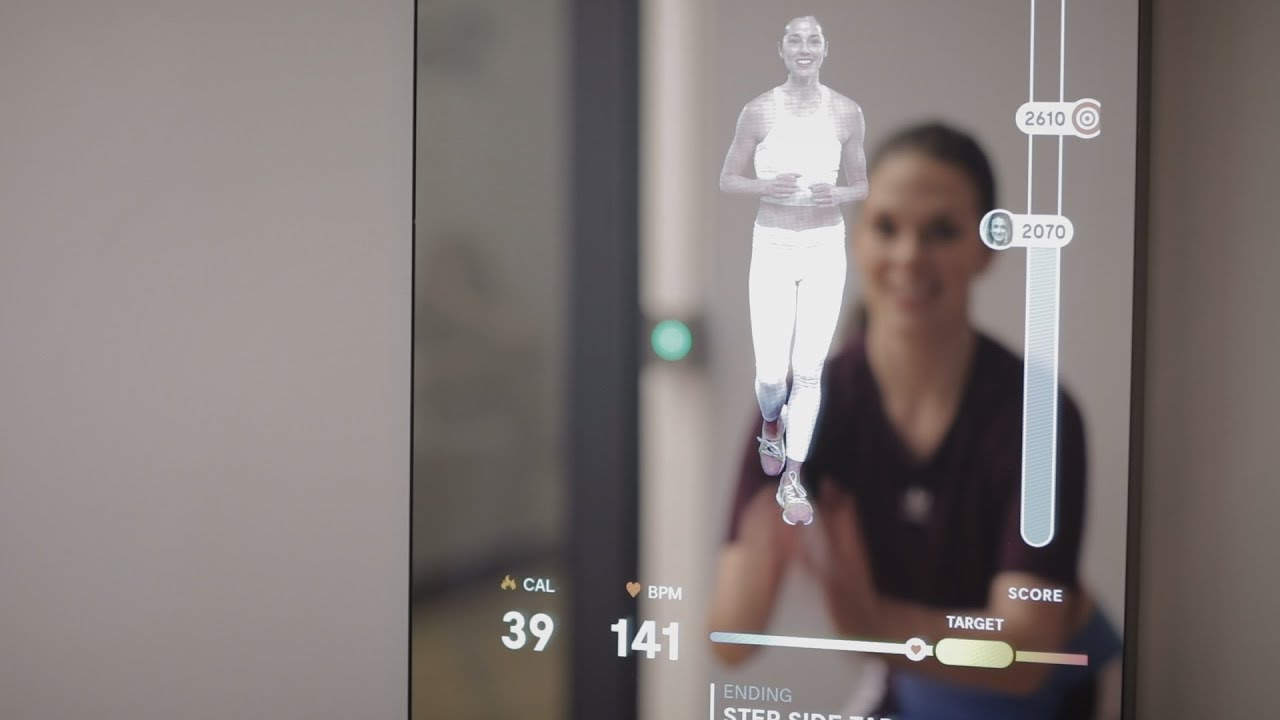


 In today’s fast-paced digital landscape, harnessing AI marketing automation within CRM systems has become essential for businesses aiming to thrive. For fitness studios looking to optimize their marketing strategies, this integration is not just a trend—it’s a competitive necessity.

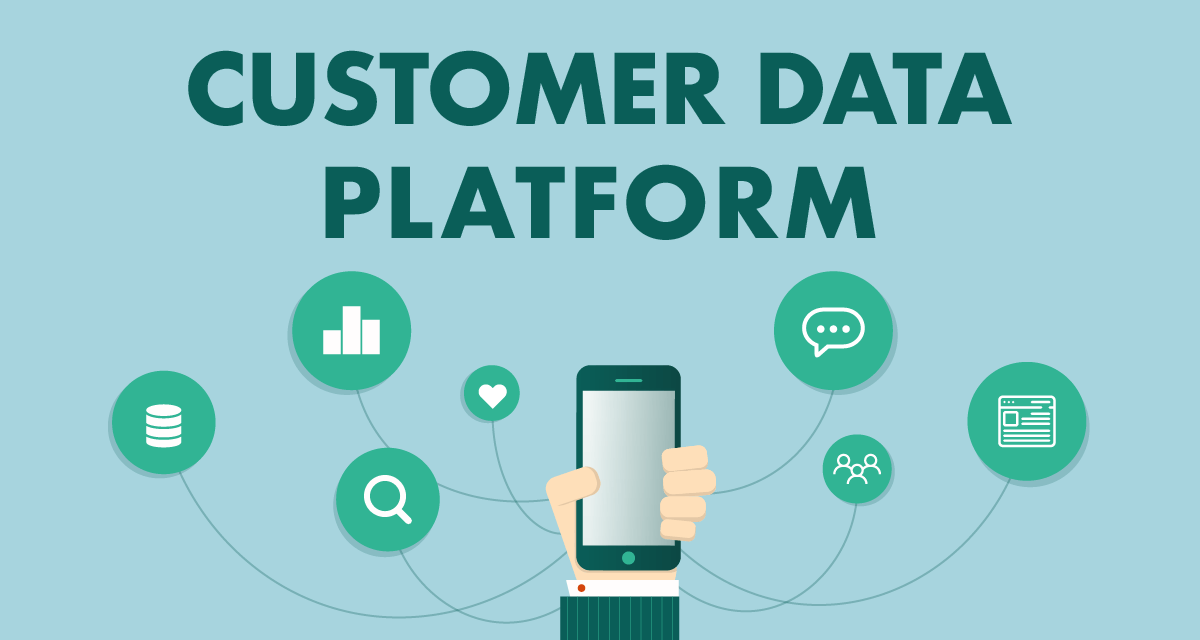
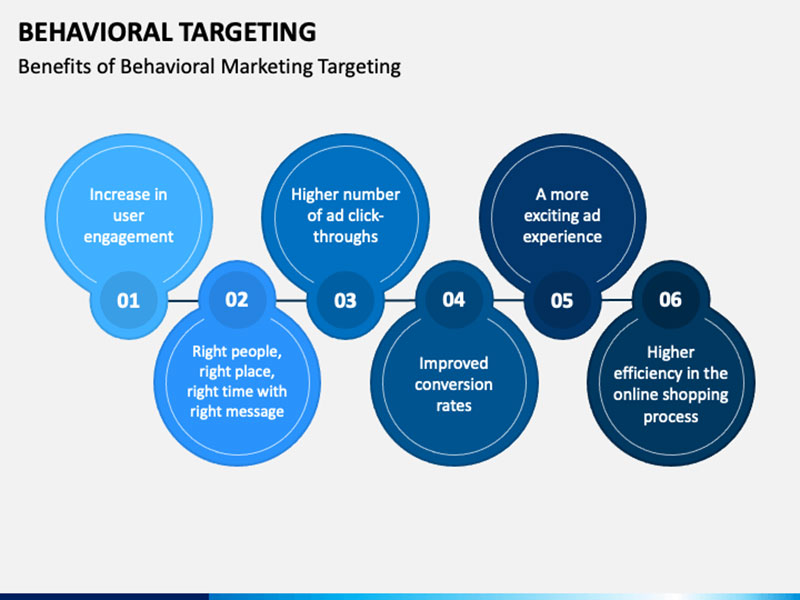

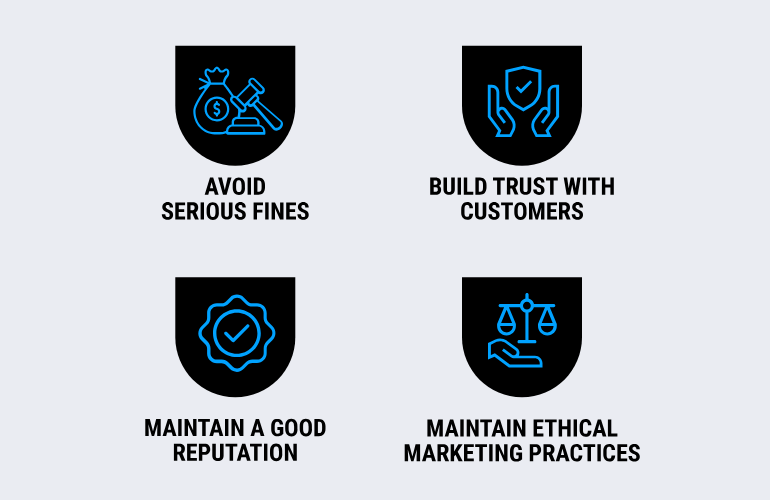


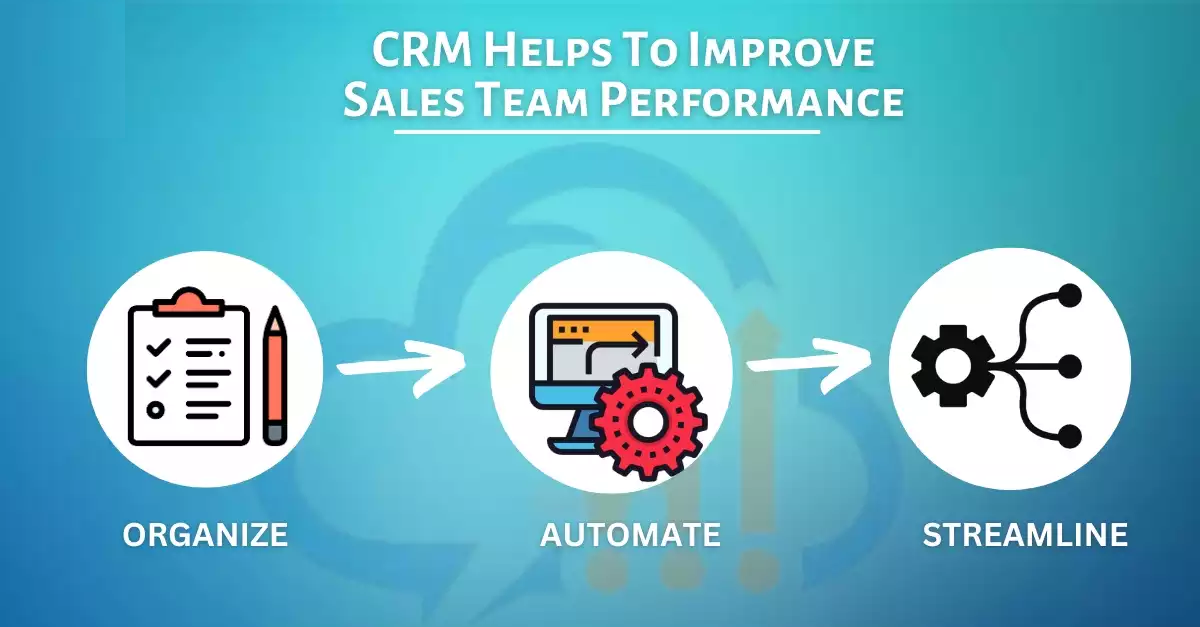
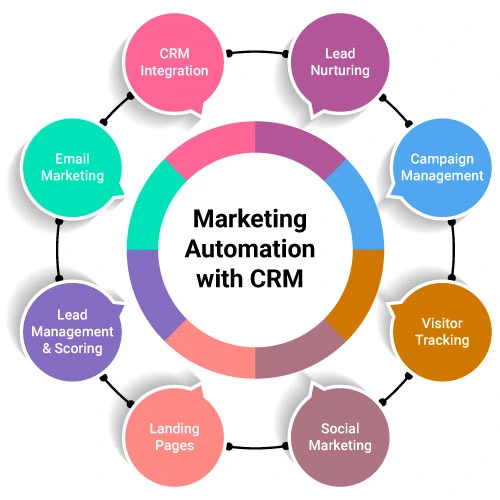
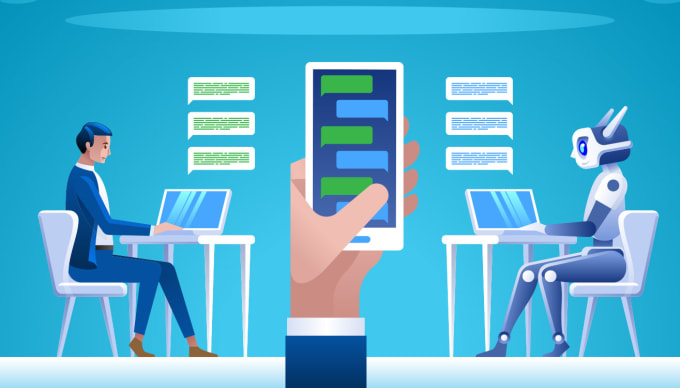













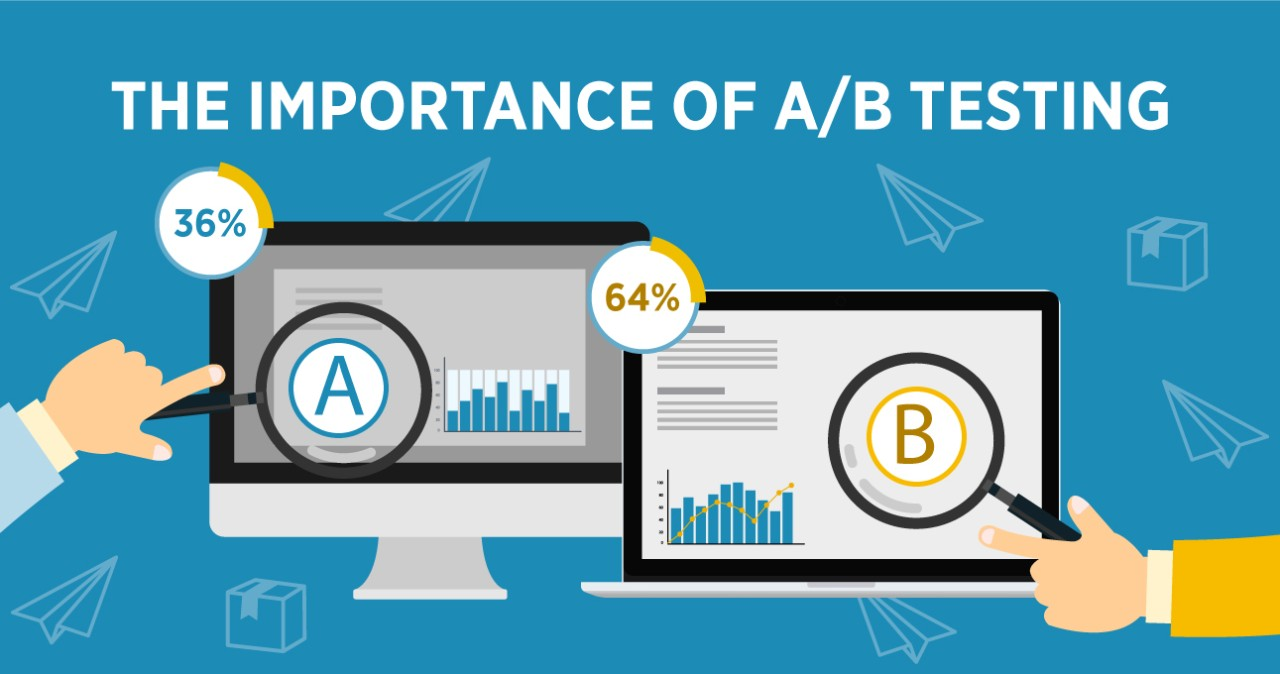
 As we stride confidently into 2025, one cannot help but marvel at how AI-powered content generation is reshaping the landscape of email marketing, especially in the fitness industry. Imagine having a personal trainer for your content creation process—one that can churn out engaging emails while you focus on leading those high-energy classes. That’s the power of AI!