
 Sarah Kim
In today’s highly competitive B2C landscape, the brands seeing the strongest growth aren’t just collecting customer data, they’re using it to create smarter, faster, and more personalized experiences at every touchpoint. CRM has evolved far beyond a simple database of customer information. It now serves as the foundation for meaningful engagement, helping brands understand customer behavior, predict intent, automate communication, and build long-term loyalty. From personalized campaigns and real-time engagement to predictive analytics and omnichannel experiences, top-performing B2C companies are transforming CRM into a powerful growth engine that drives both customer satisfaction and revenue.
New to evaluating B2C platforms? Start with our complete guide: How to Choose the Right CRM for Your B2C Business.
In the ever-evolving world of B2C marketing strategies, customer relationship management (CRM) has become the secret sauce that separates the wheat from the chaff. Think of it as your brand’s personal assistant, tirelessly working behind the scenes to keep track of customer interactions, preferences, and behaviors. If you want to be a top performer in this arena, understanding how to leverage B2C CRM is crucial.
Overview of B2C CRM Importance
Why is CRM so vital for B2C brands? Well, imagine trying to win a game of chess without knowing your opponent’s moves. That’s what it feels like without a solid CRM strategy. With effective customer data platforms, brands can harness real-time customer insights to create personalized experiences that resonate with their audience.
- Customer Retention: A good CRM helps reduce churn rates by enabling businesses to understand customer needs and preferences.
- Email Marketing: Automated email sequences can nurture leads and keep customers engaged through targeted content.
- Segmentation and Targeting: By analyzing customer profiles, brands can execute more effective marketing campaigns.
The bottom line? A well-implemented CRM strategy can significantly boost a brand’s customer lifetime value optimization, ensuring that every interaction counts.
Brief Introduction to Gleantap and Its Relevance
This brings us to Gleantap, a standout player in the realm of CRM solutions tailored for B2C brands. Gleantap isn’t just another name in the crowded field of CRM software solutions; it’s a comprehensive customer engagement platform designed specifically for fitness studios. With tools that integrate seamlessly into existing workflows, Gleantap empowers businesses to harness automation effectively-think marketing automation tools that take care of tedious tasks while you focus on building relationships.
The platform excels in providing features like automated lead scoring systems and dynamic content personalization, making it easier than ever for businesses to connect with their customers on multiple channels.
Purpose of the Blog Post
This blog post aims to dive deep into what the best-performing B2C brands are doing with their CRM strategies-and how you can replicate their success. We’ll explore innovative techniques such as lifecycle marketing strategies, behavioral targeting strategies, and real-time analytics that are reshaping how companies engage with customers.
Key Takeaway: Understanding and implementing effective CRM best practices for B2C companies is no longer optional; it’s essential for survival in today’s competitive landscape!
Buckle up as we uncover these insights-because if you’re not using your CRM effectively, you’re leaving money on the table! Ready? Let’s get started!

The Role of CRM in B2C Marketing
Definition of CRM in the context of B2C
At its core, customer relationship management (CRM) is all about building and maintaining relationships with customers. In the bustling world of B2C marketing, this means utilizing a range of tools and strategies to track customer interactions, preferences, and behaviors. Think of CRM as the ultimate backstage pass to your customer’s preferences-allowing you to tailor experiences that keep them coming back for more.
With platforms like Gleantap, brands can collect and analyze data from various touchpoints, creating a comprehensive view of each customer. This enables businesses to implement data-driven marketing strategies that resonate on a personal level.
How CRM contributes to customer engagement and retention
Now, let’s talk about the magic that happens when you effectively harness your CRM system. It’s not just about collecting data; it’s about turning that data into actionable insights that drive customer engagement. Here are a few ways CRM plays a pivotal role:
- Personalized Customer Experiences: By analyzing customer profiles, brands can craft tailored communications and offers that speak directly to individual needs.
- Email Campaign Management: Automated email sequences allow for timely follow-ups, ensuring no lead falls through the cracks.
- Customer Journey Mapping: Understanding where customers are on their journey helps in delivering relevant content at each stage.
- Loyalty Program Management: A well-integrated CRM can streamline loyalty programs, making it easier for customers to engage and earn rewards.
The result? Higher retention rates and an increase in customer lifetime value optimization. Brands leveraging these strategies see not just short-term gains but long-lasting relationships with their customers.
Importance of integrating CRM with marketing automation
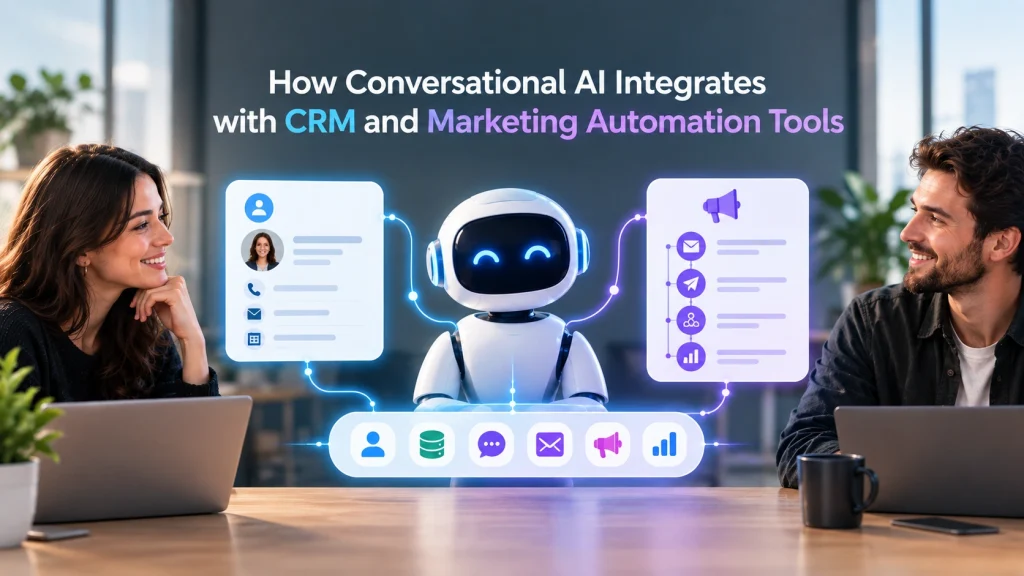
No one wants to juggle multiple tools when they can have everything integrated into one seamless system. This is where the integration of CRM with marketing automation tools becomes essential. Imagine having real-time insights from your customer analytics tools, combined with automated workflows that nurture leads through targeted campaigns. Sounds dreamy, right?
Key Benefit: Integrating your CRM with marketing automation systems allows for enhanced segmentation and targeting-ensuring your messages hit the right audience at the right time.
This integration also facilitates effective cross-channel marketing campaigns by enabling businesses to engage customers across multiple platforms without missing a beat. By combining data from various sources, brands can create comprehensive profiles that inform every step of their marketing strategy-from email deliverability optimization to subscriber engagement metrics.
A common misconception is that simply having a CRM is enough. But without proper integration with automation systems, you’re only scratching the surface. To truly excel in B2C marketing, brands must embrace automated lead scoring systems and predictive analytics for CRM that enhance decision-making processes.
The bottom line? The synergy between CRM systems and marketing automation is not just beneficial-it’s essential for thriving in today’s competitive landscape!

Takeaway & Next Steps
If you’re looking to elevate your B2C brand’s performance, embracing an effective CRM strategy integrated with robust marketing automation is key. By understanding how these elements work together, you’ll not only enhance customer engagement but also streamline operations for better efficiency.
Your next step? Dive deeper into how Gleantap can help you implement these strategies seamlessly-because every moment spent optimizing your approach is an investment in your brand’s future success!
Key Strategies Employed by Top B2C Brands
Personalization through Customer Profiles
When it comes to B2C CRM, personalization is the name of the game. Imagine walking into your favorite coffee shop and the barista already knows your order. That’s the kind of magic brands are creating through customer profiles. By leveraging detailed insights from their customer data platforms, top brands can tailor experiences that feel uniquely designed for each customer.
Here’s how they do it:
- Behavioral Targeting: Brands analyze customer interactions to predict future behaviors, allowing them to send relevant offers at just the right moment.
- Dynamic Content Personalization: Using automated systems, brands can change their messaging based on individual preferences, making each interaction feel bespoke.
- Email List Segmentation: By categorizing customers based on their behavior and preferences, brands can ensure that their email marketing campaigns are not just noise but valuable communication.
The result? Higher engagement rates and a significant boost in customer retention. It’s like having a personal shopper who knows exactly what you want!
Email Marketing Strategies for Customer Retention
Email marketing remains a powerhouse for retaining customers, especially when paired with effective CRM software solutions. Think of it as your brand’s secret weapon, capable of nurturing relationships long after the initial sale. Here are some strategies top B2C brands employ:
- Automated Email Sequences: These sequences help keep customers engaged by sending timely follow-ups after purchases or interactions.
- Loyalty Program Promotions: Brands use email to remind customers of loyalty rewards or exclusive offers, encouraging repeat business.
- Customer Feedback Analysis: After a purchase, sending out surveys via email helps brands gather insights while also making customers feel valued.
The key here is consistency. A well-timed email can turn a one-time buyer into a loyal advocate for your brand-just like that friend who always remembers your birthday!
Utilizing Customer Data Platforms for Insights and Segmentation
If knowledge is power, then customer analytics tools are like having superpowers in the B2C arena. Top-performing brands harness these tools to dive deep into customer data, allowing them to segment audiences effectively and deliver targeted campaigns. Here’s how they do it:
- Real-Time Customer Insights: Brands monitor customer interactions in real time, enabling them to adapt strategies quickly based on current trends.
- Segmentation and Targeting Techniques: By grouping customers based on behavior or demographics, brands can tailor messages that resonate more profoundly with each segment.
- Predictive Analytics for CRM: Using historical data, brands forecast future buying behaviors-think of it as crystal ball gazing but with actual data!
This level of insight allows businesses to optimize their marketing budgets by focusing efforts where they matter most-resulting in improved ROI!
Automation Techniques for Improved Efficiency and Engagement
No one wants to be stuck doing repetitive tasks when they could be strategizing their next big move. Enter automation! The best B2C brands are leveraging marketing automation tools not just for efficiency but also for enhancing customer engagement. Here’s how automation works wonders:
- Email Campaign Management: Automated workflows ensure emails are sent at optimal times without manual intervention-set it and forget it!
- Cohort Analysis Automation: This helps identify which segments are most engaged or at risk of churning so that targeted interventions can be made promptly.
- A/B Testing Automation: Brands can automatically test different versions of campaigns to see which performs better without lifting a finger!
The Bottom Line: Implementing these automation techniques not only saves time but also enhances overall customer experience by delivering timely and relevant content that keeps them coming back for more.
The takeaway? Embrace these strategies if you want to elevate your brand’s performance in the competitive world of B2C marketing. With tools like Gleantap at your disposal, you’re equipped to implement these tactics seamlessly-because every moment spent optimizing your approach is an investment in your brand’s future success!

Case Studies: Successful B2C Brands Using CRM Effectively
Brand A: Personalization and Customer Engagement Tactics
When it comes to B2C CRM, Brand A has nailed the art of personalization. They leverage detailed customer profiles to create tailored experiences that feel as if they were custom-made for each individual. Imagine walking into a store where every product recommendation is spot on. That’s the magic of effective customer relationship management.
Here’s how they do it:
- Behavioral Targeting: By analyzing past purchases and interactions, Brand A sends personalized offers that hit customers right in their sweet spot.
- Dynamic Content Personalization: Their website changes based on user behavior, ensuring that the content displayed is relevant and engaging.
- Email List Segmentation: Customers are grouped based on preferences, allowing for targeted email campaigns that resonate more deeply.
The result? A noticeable increase in customer retention, as customers feel understood and valued, leading to long-lasting loyalty.
Brand B: Effective Email Marketing Campaigns and Results
Email marketing is still a heavyweight champion in the ring of customer retention, and Brand B knows how to throw punches! Their strategy revolves around timely, relevant communications that keep customers engaged long after their initial purchase.
Their secret sauce includes:
- Automated Email Sequences: These sequences ensure follow-ups are sent at just the right time, keeping Brand B top-of-mind for customers.
- Loyalty Program Promotions: Regular reminders about loyalty rewards encourage repeat business and foster a sense of belonging among customers.
- Customer Feedback Analysis: Post-purchase surveys help gather insights while making customers feel heard and appreciated.
This consistent engagement has resulted in increased sales conversions-like having a personal assistant who knows exactly when to nudge you toward your next purchase!
Brand C: Leveraging Automation for Operational Efficiency
If there’s one thing Brand C excels at, it’s leveraging automation to streamline operations while enhancing customer engagement. Think of them as the maestro conducting an orchestra-every tool plays its part harmoniously!
Their approach includes:
- Email Campaign Management: Automated workflows ensure emails are sent at optimal times without manual intervention-set it and forget it!
- Cohort Analysis Automation: This identifies which customer segments are most engaged or at risk of churning, allowing for timely interventions.
- A/B Testing Automation: Different versions of campaigns are automatically tested to determine which performs better, optimizing marketing efforts effortlessly.
The Bottom Line: By embracing these automation techniques, Brand C not only saves time but also enhances overall customer experience with timely and relevant communications that keep customers coming back for more.
The takeaway? The synergy between effective CRM practices and automation can significantly elevate your brand’s performance in the crowded B2C space. With platforms like Gleantap, implementing these strategies becomes seamless-because every moment spent optimizing your approach is an investment in your brand’s future success!

The Future of CRM in B2C Marketing
Evolving Trends in Customer Expectations and Technology Integration
The future of B2C CRM is not just about keeping up; it’s about staying ahead. Customers today expect seamless interactions across multiple channels, and brands that fail to deliver risk being left behind. Imagine a world where your customers receive personalized offers before they even know they want them. That’s the magic of integrating customer data platforms with real-time analytics!
As technology continues to evolve, here are some trends shaping the future of CRM in B2C marketing:
- Omnichannel Experiences: Customers want to interact with brands on their terms, whether through social media, email, or in-store visits. A robust CRM system can help brands deliver consistent messaging across all platforms.
- Data Privacy and Security: With increasing concerns over data breaches, consumers are becoming more cautious about sharing their information. Brands must prioritize transparency and security to build trust.
- Integration with Emerging Technologies: From chatbots to augmented reality experiences, integrating new technologies into your CRM strategy can enhance customer engagement and streamline operations.
The Role of AI and Machine Learning in CRM Systems
Buckle up because AI is taking the wheel! The integration of artificial intelligence and machine learning into CRM software solutions is revolutionizing how brands interact with customers. Think of AI as the ultimate sidekick that helps you make sense of mountains of data.
Here’s how AI is changing the game:
- Predictive Analytics: By analyzing historical data, AI can forecast customer behaviors, enabling brands to tailor their marketing efforts for maximum impact.
- Automated Lead Scoring: Machine learning algorithms can evaluate leads based on past interactions, helping sales teams prioritize their outreach effectively.
- Enhanced Customer Support: AI-driven chatbots provide instant support, answering queries 24/7 and freeing up human agents for more complex issues.
The result? More efficient operations and improved customer satisfaction-because who doesn’t love a speedy response?
Predictive Analytics for Enhancing Customer Profiles and Retention Strategies
If knowledge is power, then predictive analytics is like having a crystal ball! By utilizing advanced analytics tools within your CRM system, brands can gain deep insights into customer behaviors and preferences.
This means you can anticipate what your customers want before they even know it themselves! Here’s why predictive analytics is essential for B2C marketing:
- Segmentation & Targeting: Brands can create highly targeted campaigns based on predicted behaviors, ensuring that messages resonate with specific audiences.
- Loyalty Optimization: Understanding which customers are likely to churn allows businesses to proactively engage them with tailored offers or incentives.
- Cohort Analysis: Analyzing groups of customers based on shared characteristics helps identify trends that inform future marketing strategies.
The Bottom Line: Embracing predictive analytics will not only enhance customer profiles, but it will also drive effective retention strategies-keeping your brand top-of-mind when customers are ready to make a purchase!
The takeaway? The future of CRM in B2C marketing is bright for those willing to embrace innovation. With tools like Gleantap, you can seamlessly integrate these strategies into your operations-ensuring you’re not just keeping up but leading the charge!
Conclusion
Summary of Key Points Discussed in the Post
Throughout this blog post, we’ve explored the fundamental role of CRM in shaping successful B2C marketing strategies. From leveraging customer profiles for personalization to implementing effective marketing automation tools, the best-performing brands are using these tactics to enhance customer engagement and retention. We’ve seen how brands can utilize automated email sequences and real-time customer insights to create a seamless experience that keeps customers coming back for more.
The Importance of Continuous Adaptation in CRM Strategies for B2C Brands
The landscape of B2C CRM is constantly evolving, much like your favorite streaming series that keeps throwing plot twists at you. To stay ahead, brands must continuously adapt their strategies based on emerging trends and customer expectations. This means integrating advanced technologies like AI and predictive analytics into their CRM systems, ensuring they not only understand their customers but also anticipate their needs before they even arise.
Brands that embrace this culture of adaptation will find themselves not just surviving but thriving in a competitive market. Remember, it’s not just about having a CRM; it’s about making it work for you through ongoing optimization and innovation!
Call to Action for Readers to Evaluate Their Own CRM Practices with Gleantap’s Insights
Now that you’re armed with insights into what the best B2C brands are doing with their CRM, it’s time for a little self-reflection. How does your current strategy stack up against these industry leaders? Are you leveraging the full potential of your customer data platform? If you’re feeling a bit lost or overwhelmed, fear not! Gleantap is here to help you navigate these waters.
Your next step: Take a moment to evaluate your current CRM practices. Are there gaps where automation could save time? Could personalized experiences enhance customer satisfaction? With Gleantap’s comprehensive tools and services designed specifically for fitness studios and other B2C businesses, transforming your approach is easier than ever!
Key Takeaway: The right CRM strategy can be your brand’s secret weapon in driving engagement and retention-so don’t wait! Dive into the world of automation and data-driven marketing today!
The most successful B2C brands understand that CRM is no longer just a marketing tool, it’s a strategic advantage. As customer expectations continue to rise, businesses that invest in personalization, automation, and data-driven engagement will be the ones that stand out in crowded markets. The key is not simply adopting CRM technology, but continuously refining how it’s used to deliver value at every stage of the customer journey. With the right approach and platforms like Gleantap, brands can build stronger customer relationships, improve retention, and create scalable growth strategies that keep them ahead of the competition.
Pipeline management, speed-to-lead automation, and AI follow-up designed for B2C from day one — not retrofitted from B2B.
Explore the B2C Sales CRM →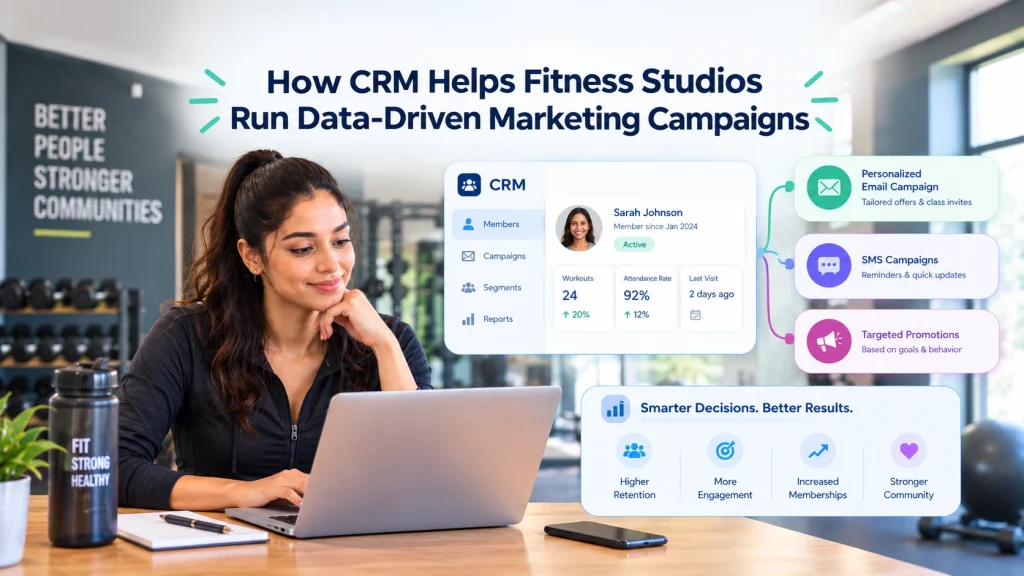
Ready to Run Successful Marketing Campaigns and Grow Your Business?
Gleantap helps you unify customer data, track behavior patterns, and automate personalized campaigns, so you can increase repeat purchases and grow your business.
Ready to Run Successful Marketing Campaigns and Grow Your Business?
Gleantap helps you unify customer data, track behavior patterns, and automate personalized campaigns, so you can increase repeat purchases and grow your business.