Limitations of Static Segmentation Models
Static segmentation models are like trying to fit a square peg in a round hole — they just don’t adapt well to the ever-evolving landscape of consumer behavior. A staggering 91% of consumers are more likely to shop with brands that provide relevant offers and recommendations, but static segmentation often misses the mark, leaving brands scrambling to catch up.
The Rigid Nature of Static Segmentation
At its core, static segmentation relies on fixed criteria like demographics or past purchase behavior. Sure, it’s a starting point, but think about it: consumer preferences shift faster than a cat video goes viral. When brands cling to outdated segments, they risk alienating potential customers who no longer fit neatly into predefined categories. For instance, consider a trendy athleisure brand that segments its audience purely by age and gender. If they’re not also considering lifestyle changes or emerging fitness trends, they might miss out on tapping into the booming market of older adults seeking comfortable yet stylish workout gear.
Ignoring Behavioral Insights
Static models often ignore behavioral segmentation — the gold mine of consumer insights! By focusing solely on demographic data, brands overlook crucial factors like shopping habits or engagement levels. Imagine a local gym that only targets young adults based on their age group while neglecting insights from customer behavior analysis revealing that middle-aged clients frequently attend evening classes. This oversight could lead to missed opportunities for tailored marketing campaigns aimed at this untapped demographic.
The Danger of Over-Simplification
Another pitfall is the tendency toward over-simplification in customer profiling. Static segmentation often leads to broad categories that fail to capture the nuances of individual preferences and motivations. For example, if a fitness studio classifies customers solely by frequency of visits — occasional vs. regular — it risks missing the deeper psychographic insights that could inform personalized user experiences through segmentation.
Key takeaway: Relying solely on static models can lead to missed opportunities for deeper engagement and personalization.
A Case for Dynamic Segmentation
Dynamic segmentation, unlike its static counterpart, embraces change and adapts in real-time based on ongoing customer interactions and preferences. This approach not only enhances customer targeting but also allows brands to respond swiftly to market shifts and evolving consumer needs.
Embracing dynamic audience profiling techniques can significantly boost your marketing effectiveness.
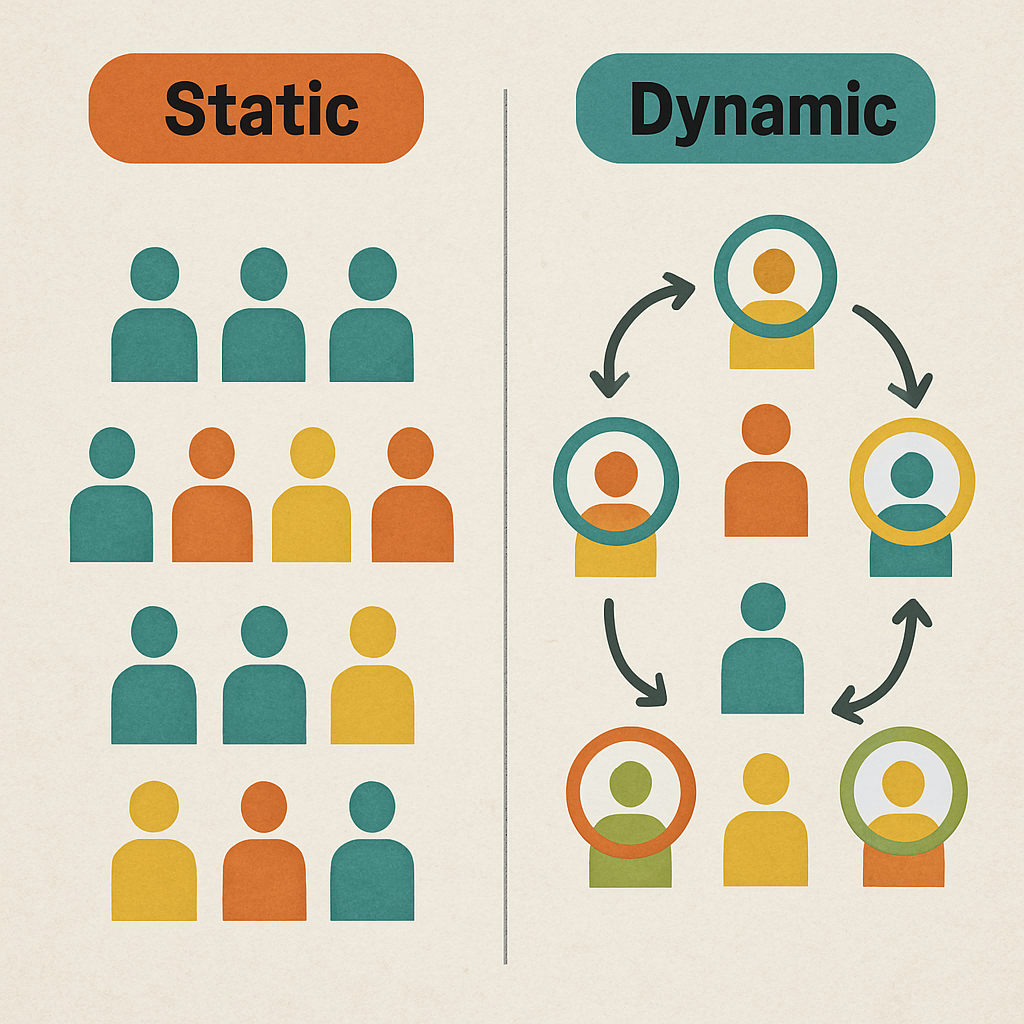
The Rise of Behavioral and Psychographic Segmentation
Imagine a fitness app that knows not just your age and weight, but also your workout preferences, motivation levels, and even the type of music that gets you pumped. That’s the magic of behavioral and psychographic segmentation — where brands tap into the rich tapestry of consumer behavior to create tailored experiences.
A recent study revealed that 80% of consumers are more likely to make a purchase when brands offer personalized experiences. This isn’t just a trend; it’s a fundamental shift in how we approach customer segmentation. Brands clinging to outdated demographic data are missing out on the nuanced insights that can drive loyalty and engagement.
Behavioral Segmentation: The New Frontier
Behavioral segmentation focuses on how consumers interact with products or services rather than just who they are. For example, consider a boutique gym that tracks members’ class attendance patterns and engagement with fitness challenges. By analyzing this data, they can identify high-engagement users who might be interested in exclusive classes or loyalty rewards — something static demographic data would completely overlook.
Key takeaway: Understanding customer behavior is crucial for effective audience targeting strategies.
Psychographic Insights: Beyond the Surface
Psychographics delve deeper into consumer motivations, values, and lifestyles. A health food brand might segment its audience not just by age but by lifestyle choices like veganism or fitness enthusiasm. This allows them to craft marketing messages that resonate on a personal level. For instance, an email campaign highlighting plant-based protein options could be sent exclusively to those identified as health-conscious consumers through psychographic analysis.
By leveraging psychographic insights alongside behavioral data, brands can create highly personalized marketing strategies. Take Nike’s Just Do It campaign; it’s not just about selling shoes — it connects with individuals’ aspirations and lifestyles, making them feel part of something bigger.
Personalized email campaigns receive 29% higher open rates and 41% higher click-through rates than non-personalized ones. – Campaign Monitor
The Power Couple: Merging Behavioral and Psychographic Segmentation
The power couple of behavioral and psychographic segmentation is where real magic happens. Brands can create highly targeted campaigns that speak directly to their customers’ desires while also considering their behaviors. For example, a subscription box service could analyze purchasing patterns (behavior) alongside customer interests (psychographics) to tailor monthly offerings — think fitness gear for yoga enthusiasts versus weightlifting aficionados.
This approach not only enhances customer satisfaction but also drives brand loyalty — because who doesn’t love receiving products that feel personally curated? It’s like having a personal shopper who gets you.
Impact of Digital Transformation on Consumer Expectations
In a world where you can order a pizza with two taps on your phone and have it delivered in under 30 minutes, consumers are no longer satisfied with generic marketing messages. They expect brands to know them better than their best friends do, and that’s not just wishful thinking — it’s a reality driven by digital transformation.
A recent study found that 76% of consumers expect companies to understand their needs and expectations. This isn’t just about knowing their names or email addresses; it’s about leveraging advanced customer analytics to deliver personalized experiences that resonate deeply. Brands that fail to adapt risk being left behind, like a flip phone stuck in the age of smartphones.
The Shift Towards Personalization
Digital transformation has ushered in an era where personalized marketing strategies are not just an option but a necessity. Take the example of a fitness studio that implements data-driven segmentation techniques. Instead of sending out blanket emails promoting all classes, they analyze customer behavior to create tailored campaigns. A yoga enthusiast receives information about new yoga classes and workshops, while a high-intensity interval training (HIIT) lover gets updates on upcoming boot camps. This level of personalization can significantly boost engagement rates.
Key takeaway: Consumers now demand tailored experiences based on their preferences, making personalized marketing essential.
The Role of Advanced Analytics
Advanced customer analytics play a crucial role in shaping consumer expectations. Brands are now utilizing predictive analytics in segmentation to anticipate customer needs before they even realize them. For instance, imagine an online fitness platform that uses cluster analysis in marketing to group users by workout preferences and engagement levels. By understanding these segments deeply, they can proactively suggest workouts or nutrition plans that align perfectly with individual goals.
But wait, you might ask, what if my audience isn’t all tech-savvy? Well, here’s the thing: even less tech-oriented consumers have come to expect this level of insight from brands across the board. Whether it’s through social media interactions or shopping habits, customers leave digital footprints that savvy brands can track and analyze for better targeting.
Brands leveraging advanced analytics report up to 5 times higher ROI on targeted campaigns compared to those using traditional methods.
Consumer Behavior Insights Drive Expectations
What do consumers really want? It’s the million-dollar question every marketer is trying to answer. Thanks to digital transformation, we now have access to consumer behavior insights that provide clarity on this front. By employing techniques such as customer journey mapping and behavioral segmentation, brands can decipher what makes their customers tick.
‘Think about it: if you’re a gym targeting new members during New Year resolutions season, wouldn’t you want insights into how potential clients engage with fitness content online? This knowledge allows for segment-specific marketing tactics that resonate — rather than throwing darts at a board hoping something sticks.’

As we navigate this rapidly changing landscape, it’s clear that static segmentation is no longer enough for modern brands aiming for success. Embracing dynamic audience profiling techniques will not only keep you relevant but also enhance your connection with customers who crave personalized experiences.
Micro-Segmentation as a Solution to Static Limitations
Here’s a reality check: brands that rely on static segmentation are like a one-hit wonder — they might have had their moment, but they’re quickly fading from the spotlight. Enter micro-segmentation, the superhero of customer segmentation that swoops in to save the day. By drilling down into the specifics of consumer behavior and preferences, micro-segmentation allows brands to craft hyper-targeted marketing strategies that resonate with individual customers.
Consider a local fitness studio that used to group its members by age alone. Sure, it was easy, but it left them guessing about what truly motivated their clients. After implementing micro-segmentation strategies, they began analyzing factors like workout frequency, class preferences, and even social media engagement. Suddenly, they weren’t just targeting ‘young adults’ anymore; they were reaching out to ‘millennial yoga enthusiasts who prefer evening classes and engage with fitness content on Instagram.’ Talk about a game changer!
The Power of Nuanced Insights
Micro-segmentation thrives on nuance. It’s not just about recognizing that someone is interested in fitness; it’s about understanding how they engage with it. Are they competitive? Social? Looking for community or solitude? By employing advanced customer analytics, brands can uncover these insights and refine their customer personas accordingly.
For instance, imagine a health food brand that segments its audience based on dietary preferences (vegan vs. gluten-free) while also considering shopping habits (frequent online shoppers vs. in-store buyers). This approach allows them to tailor marketing messages — sending exclusive online discounts for gluten-free products to those who prefer e-commerce while inviting vegan customers to local sampling events.
Micro-segmentation transforms generic marketing into personalized experiences.
Data-Driven Decisions
The magic of micro-segmentation lies in its data-driven approach. Brands can leverage predictive analytics to forecast which segments are likely to respond positively to specific campaigns. This isn’t just guesswork; it’s informed decision-making based on real-time data and consumer behavior analysis.
Take a subscription box service for example. By analyzing past purchase patterns alongside current trends, they can predict which items will appeal most to different segments — like offering protein snacks for fitness enthusiasts versus wellness products for those focused on holistic health.
Key takeaway: Micro-segmentation enables brands to create tailored marketing campaigns that resonate deeply with distinct customer groups.
Navigating Customer Journeys
Customer journey mapping becomes much more effective when combined with micro-segmentation strategies. Brands can identify touchpoints where different segments engage most frequently and tailor their outreach accordingly.
Imagine a gym launching a new class series aimed at busy professionals looking for quick workouts during lunch hours. By analyzing attendance patterns from previous classes and segmenting participants based on their work schedules and fitness goals, they can send targeted promotions through email or social media right when these individuals are most likely planning their week.
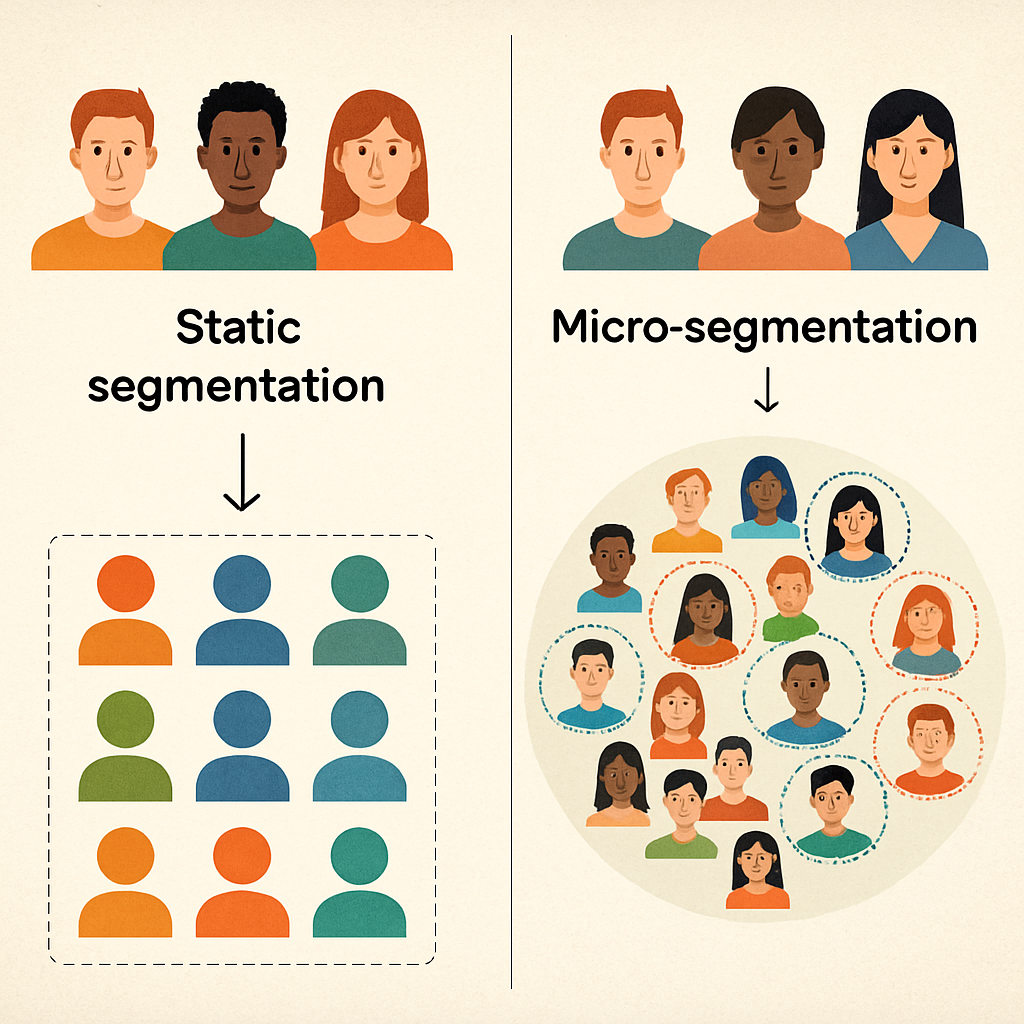
As we move deeper into an era where personalization is no longer optional but expected, embracing micro-segmentation becomes not just advantageous but essential for survival in today’s competitive market landscape.
Data-Driven Decision Making in Modern Segmentation Practices
Imagine a fitness studio that sends out generic newsletters to its entire client list, promoting a new spin class. Sounds harmless, right? Wrong! A recent study found that personalized marketing can boost engagement by up to 202%. If that spin class is only relevant to a fraction of your audience, you’re essentially shouting into the void.
This is where data-driven decision making swoops in like a superhero. By leveraging customer insights and advanced analytics, brands can tailor their marketing strategies to resonate with specific audience segments. It’s not just about knowing who your customers are; it’s about understanding what makes them tick.
The Role of Advanced Customer Analytics
Advanced customer analytics allow brands to move beyond basic demographic segmentation. For instance, consider a mid-sized gym utilizing predictive analytics to identify potential churn risks among members. By analyzing attendance patterns and engagement levels, they can proactively reach out with retention strategies tailored to individual preferences — think personalized workout plans or exclusive offers for classes they frequently attend.
This level of precision transforms customer targeting from guesswork into a strategic art form. It’s like having a crystal ball for consumer behavior insights — the more accurately you predict what your customers want, the better you’ll be at keeping them engaged.
Real-Time Segmentation Analysis
Gone are the days when segmentation was a one-and-done task. With real-time segmentation analysis, brands can adapt their strategies on the fly based on emerging trends and customer behaviors. For example, if data reveals that a segment of your audience suddenly shows increased interest in virtual fitness classes due to changing lifestyles, you can pivot your marketing efforts instantly — promoting those classes directly to interested segments rather than sending blanket messages.
Dynamic audience profiling techniques are key here. They allow businesses to continuously refine their understanding of different consumer segments based on ongoing interactions and preferences. This agility not only enhances customer satisfaction but also boosts conversion rates as messaging becomes increasingly relevant.
Brands that utilize data-driven segmentation strategies see up to 5 times higher ROI compared to those relying solely on traditional methods.
Micro-Segmentation: The New Frontier
Micro-segmentation takes this concept even further by drilling down into niche markets within your broader audience categories. A fitness studio might segment its clients not just by age or gender but by specific workout preferences (like yoga vs. HIIT) and even lifestyle factors (such as work-from-home schedules). This hyper-targeted approach allows for tailored marketing campaigns that resonate deeply with individual customers.
Think about it: if you know that one group loves early morning yoga while another prefers high-energy evening classes, why would you send them the same promotional email? Instead, craft messages that speak directly to each group’s unique interests and lifestyles.
Dynamic Audience Profiling Techniques for Enhanced Engagement
Static segmentation is like trying to use a flip phone in the age of smartphones — it just can’t keep up with the demands of modern consumers. A staggering 76% of consumers expect brands to understand their needs and preferences, yet many brands still rely on outdated methods. Enter dynamic audience profiling techniques, the fresh approach that can revolutionize how brands connect with their customers.
The Need for Adaptability
In a world where consumer preferences shift faster than you can say algorithm, adaptability is key. Dynamic audience profiling allows brands to continuously update their understanding of customer behavior based on real-time data. Imagine a fitness studio that tracks attendance patterns and engagement levels across various classes. By analyzing this data, they can adjust marketing strategies instantly — promoting yoga classes to regular attendees while targeting HIIT lovers with announcements about new boot camps.
Leveraging Behavioral Insights
Behavioral segmentation is where the magic happens. Instead of relying solely on demographic data, dynamic profiling dives into how customers interact with your brand. For instance, consider a boutique gym that uses engagement metrics from its app to identify members who frequently participate in challenges. These insights allow the gym to send personalized offers tailored specifically to these high-engagement users — think exclusive access to advanced classes or special rewards for participation.
Key takeaway: Dynamic audience profiling enhances engagement by leveraging real-time behavioral insights.
Psychographics Meet Predictive Analytics
Know thy customer has never been more relevant than in today’s market landscape. By integrating psychographic data (like values and lifestyles) with predictive analytics, brands can create hyper-targeted campaigns that resonate deeply with individual customers. For example, a health food brand might analyze not just who buys its products but why they do so — crafting messages that align with their audience’s motivations, whether that’s sustainability or fitness goals.
Imagine sending tailored emails highlighting plant-based options to health-conscious consumers while promoting indulgent treats to those seeking comfort food during tough times. This level of personalization fosters loyalty because it shows customers that brands truly understand them.
The Future: Micro-Segmentation Strategies
As we look ahead, micro-segmentation strategies will become essential for brands aiming to stay relevant. This approach involves drilling down even further into customer segments based on nuanced behaviors and preferences. A fitness studio could identify not just young adults but millennial yoga enthusiasts who prefer evening classes — allowing them to craft marketing campaigns that speak directly to these individuals’ unique interests.
This level of specificity transforms generic outreach into personalized experiences that resonate deeply with customers. It’s like having a personal shopper who not only knows your size but also your style preferences!

Aligning Marketing Strategies with Evolving Consumer Journeys
Brands that stick to static customer segmentation are like that one friend who insists on wearing cargo shorts because they were cool once. Spoiler alert: they’re not cool anymore. With a staggering 70% of consumers saying they’ve switched brands due to poor personalization, it’s clear that failing to align marketing strategies with evolving consumer journeys is a recipe for disaster.
Let’s take the example of a regional gym chain that has relied on age-based segmentation for years. They’ve been sending the same generic promotions to everyone aged 18-35, assuming that this group wants the same thing. But what if I told you that their data shows a significant number of those members have shifted from high-intensity workouts to yoga and mindfulness practices? By not adapting their marketing strategies, they risk losing those members who now feel disconnected from the brand.
Understanding the Consumer Journey
Mapping out the consumer journey isn’t just about identifying touchpoints; it’s about recognizing how those touchpoints change over time. Think of it as a relationship — at first, you’re all about impressing each other with your best selves, but as time goes by, you need to adapt and grow together. The same goes for brands and their customers.
- Identify key stages in the customer journey: awareness, consideration, decision, and loyalty.
- Use customer behavior analysis to understand how preferences shift through these stages.
- Implement dynamic audience profiling techniques to adjust messaging in real-time based on engagement.
The Role of Advanced Analytics
Advanced analytics is like having a crystal ball for understanding customer behavior. By leveraging predictive analytics in segmentation, brands can anticipate shifts in consumer preferences before they happen. For instance, if data indicates an uptick in interest around virtual fitness classes due to seasonal changes or global events, brands can pivot quickly — promoting those classes directly to segments showing interest rather than sending out blanket emails.
[Important] Brands utilizing advanced analytics can see up to five times higher ROI on targeted campaigns compared to traditional methods.
[Real-World Application] A fitness studio could implement a system where members receive personalized notifications about new classes based on their historical attendance patterns. If someone frequently attends Zumba but hasn’t signed up for any yoga sessions, sending them an exclusive offer for Zumba classes could keep them engaged and reduce churn.
[Key takeaway] Aligning marketing strategies with evolving consumer journeys is essential for maintaining engagement and loyalty.
[Next Steps]
[What You Can Do Next] Consider revisiting your segmentation strategy today! Analyze your current customer data through behavioral insights and psychographic profiles to create tailored marketing campaigns that resonate deeply with your audience’s changing needs.
Future Trends in Segmentation: Preparing for Change
Static segmentation is about as relevant as a flip phone in the age of smartphones. With consumer preferences evolving at lightning speed, brands need to ditch the outdated methods and embrace the future of customer segmentation. A staggering 76% of consumers expect brands to understand their needs better than their best friends do, which is putting immense pressure on marketers to adapt.
The Shift to Real-Time Segmentation
The future is all about real-time segmentation. Imagine a fitness studio that analyzes member behavior on-the-fly, adjusting its marketing strategies based on who is attending which classes and when. This dynamic approach allows brands to respond instantly to changing consumer behaviors, ensuring that no one feels left out or overlooked. For instance, if attendance spikes for a new yoga class among millennials while interest wanes for traditional spin classes, the studio can pivot its marketing focus immediately.
- Leverage advanced analytics tools for real-time insights.
- Implement automated systems that adjust messaging based on current engagement.
- Utilize customer journey mapping to anticipate changes in preferences.
Embracing Micro-Segmentation
Micro-segmentation is set to become a game-changer in how brands approach customer targeting. Instead of grouping customers into broad categories like young adults or fitness enthusiasts, brands will drill down into specific interests and behaviors. Picture a local gym that identifies not just yoga lovers but also early-morning yoga enthusiasts who prefer gentle flows. This level of specificity allows for hyper-targeted marketing campaigns that resonate deeply with individuals.
[Important] Micro-segmentation empowers brands to create personalized experiences that drive loyalty.
Predictive Analytics: The Crystal Ball for Marketers
What do consumers want? It’s the million-dollar question every marketer grapples with. Predictive analytics takes the guesswork out of this equation by analyzing historical data and forecasting future behavior. For example, imagine an online fitness platform using predictive models to identify users likely to engage with new workout programs based on past activities. By anticipating these needs, brands can tailor their offerings ahead of time, ensuring they hit the mark every time.
[Key takeaway] Brands utilizing predictive analytics can significantly enhance engagement by anticipating customer needs before they arise.
Static segmentation is holding your brand back — and your customers can feel it. Today’s consumers expect relevance, personalization, and real-time understanding, not one-size-fits-all messaging built on outdated assumptions. If you’re still relying on fixed demographics, you’re missing opportunities to engage, convert, and retain high-value customers. It’s time to evolve. Embrace dynamic, data-driven segmentation powered by behavioral and psychographic insights to meet customers where they are now — not where they were last year. Rethink how you segment, personalize at scale, and turn insights into action. Start building smarter, more adaptive customer experiences today.