
 Sarah Kim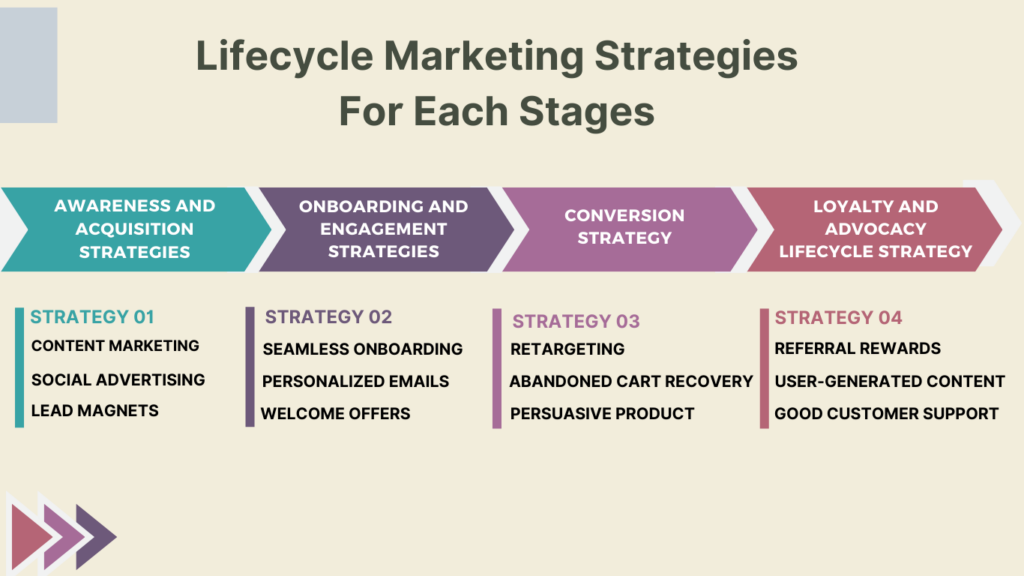
Lifecycle marketing helps subscription brands build stronger customer relationships through personalized engagement at every stage of the customer journey. From attracting new subscribers to retaining loyal customers, brands can use marketing automation, CRM systems, and data-driven insights to create seamless experiences that drive long-term growth. By leveraging tools like automated email campaigns, customer segmentation, loyalty programs, and predictive analytics, businesses can improve retention, reduce churn, and maximize customer lifetime value. In today’s competitive market, subscription brands that focus on personalization and automation are better equipped to scale efficiently while keeping customers engaged. A well-structured lifecycle marketing strategy ensures every interaction feels relevant, timely, and valuable—turning first-time users into loyal advocates who continue contributing to recurring revenue and sustainable business success.
Welcome to the exciting world of lifecycle marketing, where every interaction with your customers is a step on the journey to brand loyalty! For subscription brands, mastering this marketing strategy is like having a cheat code in a video game – it helps you navigate the tricky levels of customer engagement and retention.

Definition of Lifecycle Marketing
At its core, lifecycle marketing is about understanding the various stages your customers go through – from first discovering your brand to becoming loyal advocates. Think of it as a roadmap that guides your customers through their unique journey:
- Aware: They learn about your brand.
- Consideration: They weigh their options (hello, competition).
- Purchase: They take the plunge and buy!
- Retention: They enjoy your product or service and stick around.
- Advocacy: They become your biggest fans.
This process isn’t just about selling; it’s about creating meaningful connections through personalized marketing campaigns. Every interaction is an opportunity to engage and nurture relationships!
Importance for Subscription Brands
You might be wondering why this matters for subscription brands. Well, let’s break it down! In the world of recurring revenue models, customer retention is everything. Just like in a relationship, it’s not enough to get someone to say “I do.” You need to keep them happy long after the honeymoon phase!
A 5% increase in customer retention can boost profits by 25% to 95%. Now that’s some serious ROI!
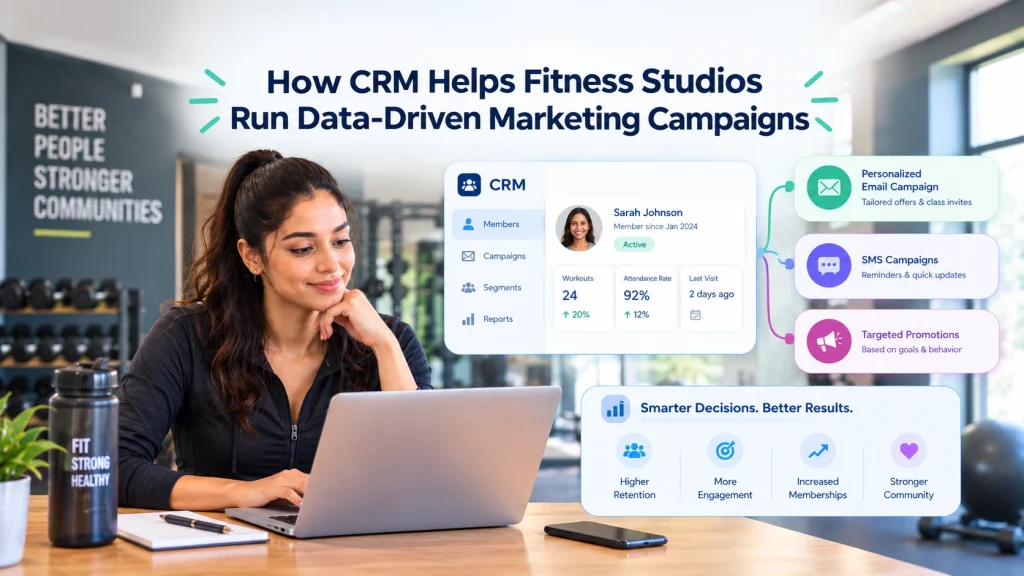
This is where marketing automation, particularly through integrated CRM systems, comes into play. By leveraging customer data platforms, you can segment your audience based on behavior and preferences. This means tailored messaging that resonates with each unique profile – no more one-size-fits-all emails!
If you think email marketing is dead, think again! Automated email drip campaigns for fitness centers can keep members engaged with timely reminders about classes or promotions tailored just for them. It’s like sending them a little love note that says, “Hey, we miss you!” without being too clingy.
Overview of Key Concepts
The beauty of lifecycle marketing lies in its multifaceted approach. Here are some key concepts every subscription brand should embrace:
- Customer Journey Mapping: Visualize how customers interact with your brand at each stage.
- Email Drip Campaigns: Send targeted messages based on user behavior.
- Cohort Analysis: Understand how different groups respond over time.
- Loyalty Programs: Reward long-term subscribers and foster fitness brand loyalty.
- Crossover Marketing Strategies: Use social media alongside traditional methods for better reach.
A common misconception? Many brands believe that once a sale is made, their job is done. Wrong! The real magic happens post-purchase when you can elevate their experience through ongoing engagement strategies like customer feedback loops in fitness centers.
The takeaway? Embrace lifecycle marketing as an ongoing conversation rather than a series of isolated transactions. This approach not only boosts customer lifetime value optimization but also ensures you’re always top-of-mind when they think fitness!
If you’re ready to dive deeper into automating these processes for scale and efficiency, stay tuned for more insights in our upcoming sections!
The Stages of Lifecycle Marketing
Lifecycle marketing is like a well-orchestrated symphony, with each stage playing its part to create a harmonious experience for your customers. Let’s break down these stages to see how they can transform your marketing strategy and enhance customer retention for your subscription brand.
Acquisition
The first stage is all about attracting the right audience. This is where your lead generation efforts come into play. Think of it as casting a wide net in the ocean of potential customers:
- Content Marketing: Create engaging content that draws people in, like blog posts or videos that resonate with fitness enthusiasts.
- Social Media Marketing: Use platforms like Instagram and Facebook to showcase success stories and promotions.
- Email Campaigns: Start building your list with enticing offers that encourage sign-ups.
Remember, the goal here is to fill your sales funnel with quality leads who are genuinely interested in what you have to offer!
Activation
Next up, activation! This is where you turn those curious prospects into engaged users. Imagine this stage as the first date-making a strong impression is crucial:
- User Onboarding: Provide a seamless onboarding experience that highlights the value of your service immediately.
- Personalized Welcome Emails: Use CRM software solutions to send tailored messages that guide new members through their journey.
- Trial Offers: Consider offering free trials or discounts to entice users to take action.
A well-executed activation strategy can significantly improve user engagement right from the start!
Retention
This stage is where the magic happens-keeping customers coming back for more! Think of retention as nurturing a long-term relationship:
- Loyalty Programs: Implement programs that reward loyal members, enhancing their commitment to your brand.
- Email Drip Campaigns: Send regular updates, tips, and exclusive offers tailored for different segments of your audience.
- User Feedback Loops: Regularly solicit feedback on their experiences and use it to improve services continuously.
A staggering 68% of customers leave because they feel ignored. Engaging them post-purchase can drastically reduce churn!
Your goal here? Make every customer feel valued and part of an exclusive community!
Referral
If you’ve done everything right so far, you’re likely creating brand advocates! The referral stage is akin to winning over fans who will spread the word about your fitness brand:
- Create Shareable Content: Develop content that’s easy for users to share on social media or through word-of-mouth.
- User-Generated Content Campaigns: Encourage happy customers to share their success stories using your service.
- The Power of Incentives: Offer discounts or freebies for referrals-after all, everyone loves a good deal!
Your existing customers are often your best marketers; empower them with tools and incentives to spread the love!
Revenue Generation
The final stage focuses on maximizing profits while ensuring customer satisfaction remains high. It’s like finding that sweet spot between making money and keeping customers happy-no easy feat! Here’s how you can do it:
- Cross-Selling & Upselling: Use data from customer profiles, gathered through CRM systems, to recommend additional services or products based on user behavior.
- Predictive Analytics: Leverage data-driven marketing techniques to forecast future buying behavior and adjust strategies accordingly.
A study found that increasing customer retention rates by just 5% can increase profits by 25% to 95%. It’s not just about acquiring new customers; it’s about maximizing lifetime value!
The takeaway? Lifecycle marketing isn’t just a buzzword; it’s an essential framework for subscription brands looking to build lasting relationships while driving revenue. By understanding these stages-acquisition, activation, retention, referral, and revenue generation-you’ll be well on your way to mastering fitness marketing.
If you’re ready to implement these strategies into your marketing plan, stay tuned as we dive deeper into automation tools designed specifically for scaling!

Building Customer Profiles for Effective Marketing
When it comes to marketing automation, creating detailed customer profiles is like having a treasure map that leads you straight to your customers’ hearts (and wallets!). Understanding who your customers are and what they want is essential for crafting personalized marketing campaigns that resonate.
Understanding Customer Data Platforms (CDPs)
First things first, let’s talk about Customer Data Platforms (CDPs). These nifty tools are like the Swiss Army knives of data management, allowing you to gather and unify customer information from multiple sources. Imagine having a single source of truth that collects data from your website, social media, email campaigns, and even gym check-ins!
With a CDP, you can:
- Centralize Data: Bring together all customer interactions in one place.
- Segment Audiences: Create targeted segments based on behavior and preferences.
- Enhance Personalization: Use insights to tailor messaging for each segment.
This means no more guessing games. You’ll have the information needed to deliver exactly what your customers want when they want it!
Collecting and Analyzing Customer Data
The next step? Collecting and analyzing that juicy customer data! This is where the magic happens. Think of it as mining for gold-only instead of pickaxes, you’re using automated marketing tools.
You can gather data through:
- Email Sign-Ups: Capture details during the onboarding process with engaging forms.
- User Interactions: Track how customers engage with your content or services.
- Feedback Surveys: Regularly ask for input to understand their needs better.
The analysis part is crucial too. By employing customer segmentation analysis, you can identify trends and patterns in behavior. For instance, if you notice a group of members consistently attending specific classes, why not create targeted promotions around those classes?
A staggering 70% of consumers say they prefer personalized experiences. If you’re not leveraging customer data to create those experiences, you’re missing out!
Creating Detailed Customer Profiles
This is where we roll up our sleeves and get into the nitty-gritty of creating detailed customer profiles. Think of each profile as a character in a story-knowing their background helps you write an engaging narrative that keeps them coming back for more!
- Name & Demographics: Start with basic info like age, gender, location-this helps in crafting targeted content.
- Pain Points & Goals: Understand what challenges they face in their fitness journey and what they aspire to achieve.
- Browsing Behavior: Analyze how they interact with your website or app-what pages do they visit most?
- Email Engagement: Track which emails they open or click on; this gives insight into their interests.
- Loyalty Status: Identify if they’re first-time visitors or long-term members; this helps tailor communication strategies!
The beauty of having these detailed profiles is that you can now design cross-channel marketing automation. Whether it’s sending personalized emails or creating targeted social media ads based on user behavior, you’ll be hitting all the right notes!
The takeaway? Building comprehensive customer profiles isn’t just about gathering data; it’s about transforming that data into actionable insights that drive engagement and retention strategies. Ready to take your marketing game to the next level?
If so, stay tuned as we explore how automation can help streamline these processes further!

Marketing Automation Strategies for Subscription Brands
When it comes to subscription brands, marketing automation is like having a personal trainer for your marketing strategy-guiding you through every rep and ensuring you hit your goals without burning out. Let’s dive into some rock-solid strategies that can elevate your customer retention game!
Email Marketing Automation Techniques
Email marketing is the bread and butter of digital marketing, especially for subscription brands. Think of it as sending a personalized postcard to your subscribers-only it’s way cooler because you can automate it! Here are some techniques to consider:
- Segmentation: Use customer profiles to segment your audience based on behavior and preferences. This allows for targeted messaging that resonates.
- Email Drip Campaigns: Set up automated sequences that nurture leads over time. For instance, welcome emails that introduce new members to your services can boost engagement right away.
- Behavioral Triggers: Send emails based on user actions-like reminding them about an upcoming fitness class or offering a discount when they haven’t engaged in a while.
The beauty of these techniques? They create personalized experiences without the manual effort, allowing you to focus on other aspects of your fitness marketing.
Utilizing CRM Systems for Personalized Communication
Your CRM systems are the backbone of effective communication with your customers. They help you understand who your customers are-and more importantly, what they want! Here’s how to leverage them:
- Customer Profiles: Build comprehensive profiles that include demographics, preferences, and interaction history. This data helps tailor messages that resonate.
- Automated Follow-Ups: Use CRM software solutions to schedule follow-up emails after a purchase or interaction. This keeps the conversation going and shows customers you care!
- Personalized Offers: Create special promotions based on customer behavior-like discounts on classes they frequently attend or products they’ve shown interest in.
This level of personalization fosters deeper connections and enhances the overall customer journey mapping, making them feel valued every step of the way.
A/B Testing and Optimization of Campaigns
A/B testing is like trying out two different workout regimens to see which one gets you better results-it’s all about optimization! Here’s how to apply this principle in your marketing campaigns:
- Email Subject Lines: Test different subject lines to see which ones get higher open rates. A catchy subject line can be the difference between “open me” and “delete!”
- Email Content Variations: Experiment with different styles, tones, or layouts in your email content. You might find that a more casual tone resonates better with your audience.
- Timing Tests: Try sending emails at different times or days to determine when your audience is most responsive.
A/B testing can increase conversion rates by up to 49%. It’s worth the effort!
The key takeaway? Don’t just set it and forget it! Continuously monitor performance metrics and optimize based on data-driven insights. This ensures you’re always improving engagement levels while keeping customer satisfaction high.
If you’re ready to supercharge your marketing automation strategies, remember: it’s all about understanding customer needs and delivering value at every stage of their journey!

Scaling Your Marketing Efforts with Technology
When it comes to scaling your marketing efforts, technology is your best friend-think of it as the trusty sidekick that helps you conquer the world of fitness marketing. By leveraging marketing automation tools, you can streamline processes, enhance customer engagement, and ultimately boost customer retention. Let’s explore how you can integrate technology into your marketing strategy!
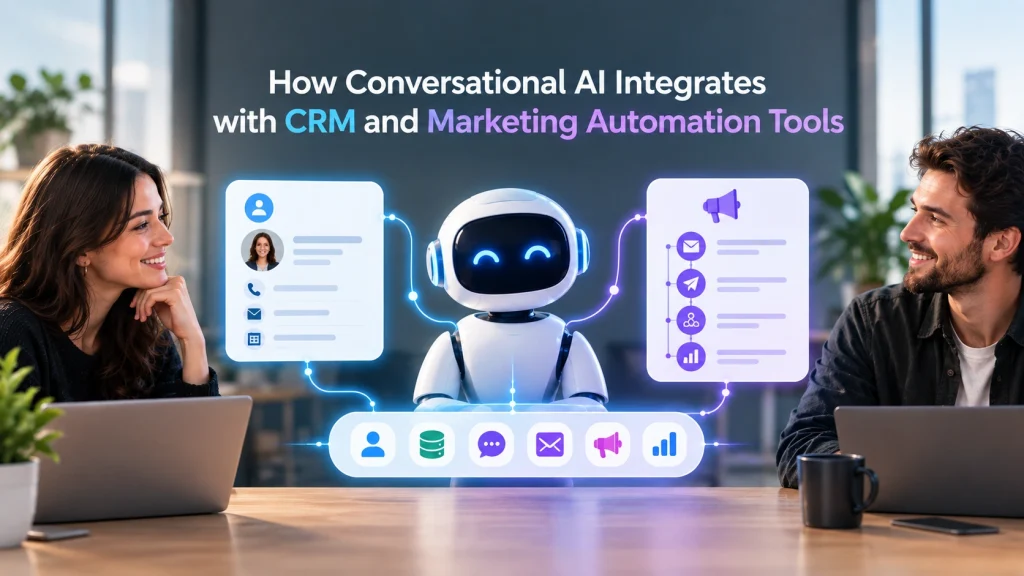
Integrating Sales CRM with Marketing Tools
The first step in scaling your marketing efforts is to integrate your Sales CRM with other marketing tools. This integration allows for seamless data flow between systems, enabling you to create a unified view of customer interactions. Imagine having a single dashboard where you can track leads, manage campaigns, and analyze results-all without breaking a sweat!
- Data Synchronization: Ensure that customer data is updated in real-time across all platforms. No one likes working with outdated information!
- Lead Scoring: Use your CRM to prioritize leads based on their engagement levels. This helps tailor communication strategies that resonate.
- Automated Workflows: Set up workflows that trigger actions based on specific criteria-like sending a welcome email when someone signs up for a newsletter.
This integration not only saves time but also enhances the overall efficiency of your sales funnel. It’s like having a well-oiled machine that keeps everything running smoothly!
Achieving Scalability through Automation Platforms
If you want to scale your marketing efforts effectively, investing in automation platforms is key. These platforms are like the gym memberships for your marketing strategy-offering tools and resources to help you grow without burning out.
- Email Marketing Automation: Create automated email sequences that nurture leads over time. Think of it as sending a series of friendly nudges to keep customers engaged.
- Cross-Channel Marketing Automation: Utilize multiple channels (email, social media, SMS) to reach customers where they are most active. The more touchpoints, the better!
- A/B Testing Tools: Implement testing tools to optimize campaigns based on real-time data. This way, you’re always improving and adapting to what works best.
A recent study showed that businesses using marketing automation see a 10% increase in revenue within six months. Now that’s some serious motivation!
The beauty of these platforms is that they allow for scalability without sacrificing quality. You can reach more customers while maintaining personalized interactions-it’s like having your cake and eating it too!
The Role of Analytics in Scaling Efforts
No scaling effort would be complete without analytics! Think of analytics as the fitness tracker for your marketing campaigns-it tells you what’s working and what needs improvement.
- User Behavior Analysis: Track how customers interact with your content across various channels. This insight allows for better targeting and segmentation.
- Performance Metrics: Monitor key performance indicators (KPIs) such as open rates, click-through rates, and conversion rates. Knowing these metrics helps refine your strategies.
- Customer Feedback Loops: Regularly collect feedback from customers on their experience with your brand. Use this information to adapt and enhance offerings continuously.
The right analytics can increase ROI by up to 15%. It’s not just about collecting data; it’s about using it effectively!
Your takeaway? Embracing technology in scaling your marketing efforts isn’t just smart; it’s essential! By integrating CRM systems with automation tools and utilizing analytics effectively, you’ll be set up for success in the competitive fitness industry.
If you’re ready to take action, start exploring which technologies align best with your brand’s goals-and watch as you build momentum towards greater customer engagement and retention!
Customer Retention Strategies for Subscription Brands
When it comes to subscription brands, customer retention is the golden ticket. Think of it as the secret sauce that keeps your customers coming back for more, like that perfect workout playlist that gets you through those last few reps. Let’s dive into some effective strategies that will help you keep your members engaged and reduce churn!
Loyalty Programs and Incentives
Loyalty programs are like the cherry on top of your marketing strategy sundae. They not only reward customers for their commitment but also create a sense of belonging. Here’s how to set up a program that will have your members feeling like VIPs:
- Point Systems: Allow customers to earn points for every purchase or class attended, which they can redeem for discounts or exclusive offers.
- Tiered Membership Levels: Create different levels of membership that unlock additional benefits as customers engage more with your brand.
- Referral Bonuses: Encourage members to bring friends by offering rewards for successful referrals.
Remember, a well-structured loyalty program not only enhances fitness brand loyalty, but it also increases the overall customer lifetime value optimization. So, get creative with those incentives!
User Engagement Tactics to Reduce Churn Rate
User engagement is crucial in keeping churn rates low. It’s like constantly checking in with a friend; you want them to feel valued and appreciated! Here are some tactics to keep your members engaged:
- Personalized Email Campaigns: Utilize email drip campaigns for fitness centers tailored to user behavior-reminders about classes they love or special promotions just for them.
- Interactive Content: Use quizzes or polls on social media to engage users and gather insights into their preferences.
- Community Building: Foster a sense of community through social media groups or forums where members can share their experiences and support each other.
A study found that 70% of consumers say they prefer personalized experiences. If you’re not engaging them effectively, you’re missing out!
The key here? Keep communication flowing and make sure your members know you care about their fitness journey!
The Importance of Feedback Loops and Surveys
If you’re not asking for feedback, you might as well be playing darts in the dark! Feedback loops are essential in understanding what works and what doesn’t. Here’s how to implement effective feedback strategies:
- Satisfaction Surveys: Regularly send out surveys post-class or after a purchase to gauge satisfaction levels.
- User Experience Feedback: Ask specific questions about their experience using your services-what did they love? What could be improved?
- A/B Testing Feedback: Use A/B testing results from different marketing campaigns to learn what resonates best with your audience.
The right feedback can lead to improvements that increase customer satisfaction by up to 30%. It’s all about listening!
Your takeaway? Establishing feedback loops ensures you’re always in tune with your customers’ needs, allowing you to pivot quickly when necessary. This proactive approach can significantly enhance member retention strategies.
If you’re serious about scaling your subscription brand while keeping customers happy and engaged, these strategies are essential tools in your marketing toolkit!
Conclusion: The Future of Lifecycle Marketing in the Fitness Industry
As we look ahead to the future of lifecycle marketing in the fitness industry, it’s clear that the landscape is evolving faster than a treadmill on high speed. With the rise of technology and data-driven strategies, brands that adapt will not only survive but thrive!
The Shift Towards Personalization
Personalization is no longer just a nice-to-have; it’s a must-have! Customers are expecting tailored experiences that make them feel valued. In fact, 70% of consumers say they prefer personalized experiences. This means leveraging customer data platforms to create detailed customer profiles and deliver personalized marketing campaigns.
Imagine sending a birthday discount to members or recommending classes based on their workout history. It’s like having a personal trainer who knows exactly what you need!
The Role of Automation in Scaling Efforts
With the right marketing automation tools, fitness brands can streamline their processes and enhance customer engagement without burning out their teams. Think of automation as your marketing assistant who never sleeps!
- Email Automation: Automated email drip campaigns can keep members informed and engaged, ensuring they never miss out on classes or promotions.
- Predictive Analytics: By utilizing predictive analytics in CRM systems, brands can anticipate customer needs and adjust strategies accordingly.
- Cross-Channel Marketing: Integrating various channels ensures that your messaging is consistent and reaches customers where they are most active.
A recent study revealed that businesses using automated marketing tools see an impressive 10% revenue increase within six months. Now that’s motivation to automate!
The Importance of Community Building
The future of fitness marketing isn’t just about selling memberships; it’s about building communities. Engaging customers through social media platforms and creating spaces for them to connect with each other fosters loyalty and enhances retention.
- User-Generated Content: Encourage members to share their fitness journeys online-this not only builds community but also acts as powerful testimonials for your brand.
- Interactive Challenges: Host fitness challenges that encourage participation and camaraderie among members, making workouts fun while driving engagement.
- Email Newsletters: Regular newsletters featuring member success stories can inspire others while keeping your brand top-of-mind.
A strong community leads not only to higher retention rates but also transforms customers into passionate advocates for your brand!
Your takeaway? The future of lifecycle marketing in the fitness industry is all about personalization, automation, and community building. By embracing these trends now, you’ll set your subscription brand up for long-term success.
If you’re ready to take action, start exploring innovative ways to implement these strategies today! The journey towards enhanced customer retention starts here.
The future of subscription growth depends on how effectively brands engage and retain customers throughout their journey. Lifecycle marketing allows businesses to automate communication, personalize experiences, and strengthen customer loyalty using CRM systems and marketing automation tools. From onboarding and retention campaigns to re-engagement and loyalty strategies, every touchpoint plays a role in increasing customer satisfaction and lifetime value. Brands that embrace data-driven personalization and automation can reduce churn, improve engagement, and scale their operations more effectively. By continuously optimizing the customer journey and delivering meaningful interactions, subscription brands can create lasting relationships that fuel recurring revenue and long-term profitability.
Ready to Run Successful Marketing Campaigns and Grow Your Business?
Gleantap helps you unify customer data, track behavior patterns, and automate personalized campaigns, so you can increase repeat purchases and grow your business.
Ready to Run Successful Marketing Campaigns and Grow Your Business?
Gleantap helps you unify customer data, track behavior patterns, and automate personalized campaigns, so you can increase repeat purchases and grow your business.