
 Sarah Kim
Introduction
Welcome to the wild world of B2C CRM in 2025, where Sales CRM solutions are no longer just fancy spreadsheets but dynamic, all-in-one platforms that can transform your fitness business from a mere gym into a thriving community hub. Think of it as your fitness marketing superpower!
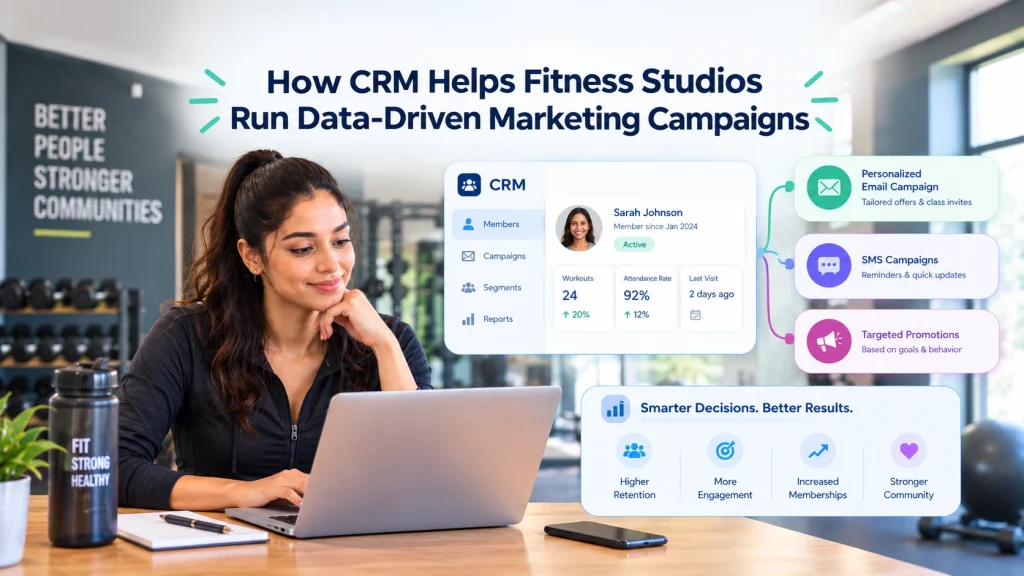
As we dive into this digital age, the importance of CRM in the fitness industry has skyrocketed. No longer is it just about tracking member check-ins; it’s about leveraging customer data platforms, creating detailed customer profiles, and utilizing cutting-edge marketing automation tools. With the right fitness marketing automation strategies, you can engage your clients like never before.
Did you know that the global CRM market size was valued at USD 52.64 billion in 2020 and is expected to grow at a compound annual growth rate (CAGR) of 10.6% from 2021 to 2028? That’s a lot of potential for businesses ready to embrace the future!
The evolution of CRM features has been nothing short of revolutionary. From basic contact management systems to sophisticated platforms powered by AI and automation, today’s fitness industry CRM solutions are designed to streamline operations and enhance customer experiences. Imagine having an AI-powered chatbot ready to answer questions at any hour or automated marketing campaigns that run themselves while you focus on what you do best-helping your clients achieve their fitness goals.
So, whether you’re a gym owner looking to optimize your sales pipeline or a marketer crafting personalized campaigns, understanding what truly matters in a Sales CRM will be key to navigating this evolving landscape. Let’s get into the nitty-gritty of what features you should prioritize for success in the coming years!
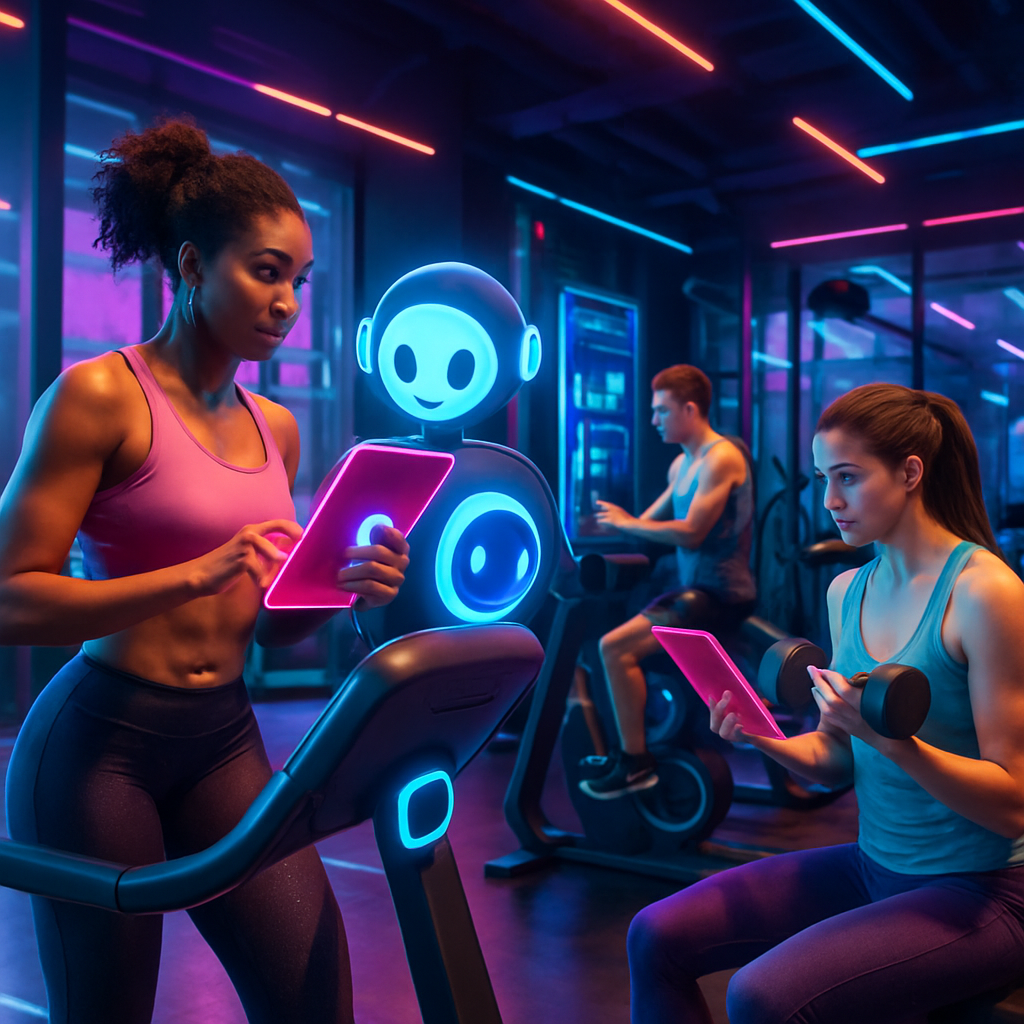
Essential Features of Sales CRM for Fitness Marketing
When it comes to Sales CRM for the fitness industry, you want a tool that does more than just keep track of leads. You need a powerhouse that integrates seamlessly with your marketing efforts and helps you build lasting relationships with your clients. Here are the essential features to look for:
Customer Data Management
A robust customer data platform is at the heart of any effective CRM. This feature allows you to:
- Centralize customer information: Store everything from contact details to workout preferences in one accessible location.
- Segment your audience: Use customer segmentation tools to target specific groups for tailored marketing campaigns.
- Analyze customer behavior: Leverage insights from customer profiles to refine your offerings and improve engagement.
By managing customer data effectively, you’ll be able to create targeted marketing strategies that resonate with your audience, leading to improved retention rates and enhanced client satisfaction.
Integration with Marketing Automation Tools
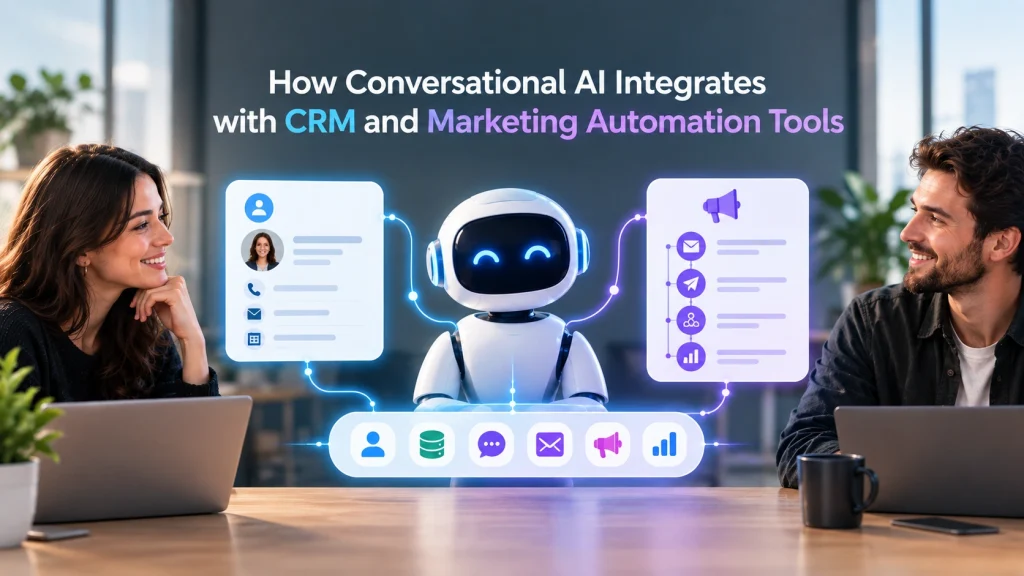
Your Sales CRM should play nice with other tools in your arsenal. Integration with marketing automation software is crucial for:
- Streamlining workflows: Automate repetitive tasks like email follow-ups and lead nurturing strategies, freeing up time for more important activities.
- Enhancing campaign performance: Utilize data-driven insights from both platforms to optimize your marketing campaigns in real-time.
- Creating a seamless customer journey: Ensure consistent messaging across all touchpoints by integrating sales and marketing functions.
This level of integration not only boosts productivity but also enhances the overall effectiveness of your marketing efforts. Did you know that companies using marketing automation see a 14.5% increase in sales productivity? That’s some serious ROI!
User-Friendly Interface for Fitness Professionals
No one wants to wrestle with complicated software when they’re trying to grow their fitness business. A user-friendly interface is essential because it allows fitness professionals to:
- Easily navigate the system: A clean design ensures that even tech-challenged trainers can quickly find what they need.
- Access important features at a glance: Dashboards should provide an overview of key metrics, making it easy to monitor performance.
- Receive training and support: Look for CRM solutions that offer ample resources and support tailored specifically for fitness businesses.
A simple yet powerful interface can significantly reduce the learning curve, allowing you and your team to focus on what really matters-your clients!
The right fitness CRM systems, equipped with these essential features, can be transformative. They not only enhance operational efficiency but also deepen client relationships through personalized engagement strategies. As we move into 2025, investing in a CRM that aligns with these needs will be crucial for success in the competitive fitness landscape.
Key Automation Capabilities in CRM Systems
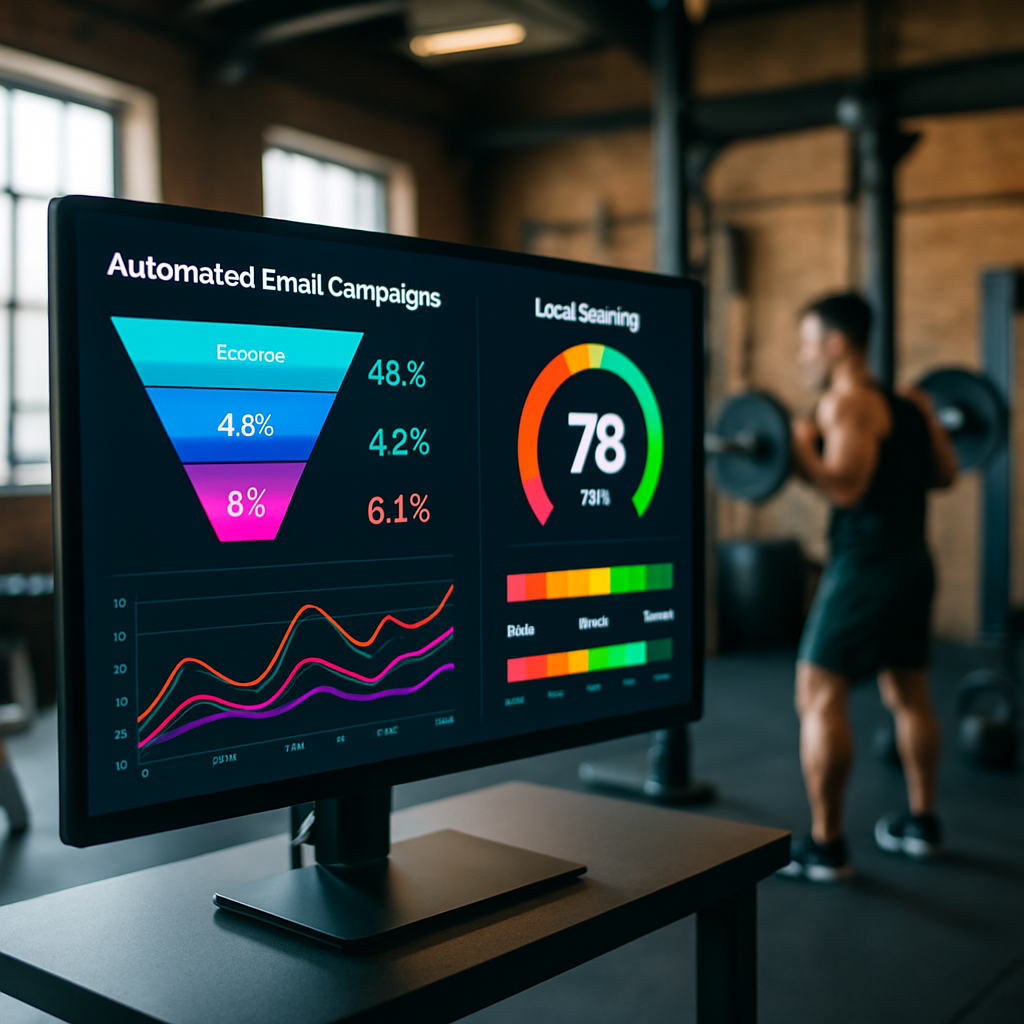
When it comes to Sales CRM systems, automation is the name of the game! In 2025, the right automation tools can transform your fitness marketing efforts from a chaotic juggling act into a smooth, well-oiled machine. Let’s dive into some key automation capabilities that will make your life easier and your clients happier!
Email Campaign Automation
Email marketing is like sending love letters to your clients-only with less heart emojis and more targeted offers. With effective email automation for the fitness industry, you can:
- Schedule campaigns: Set it and forget it! Schedule emails to go out at optimal times without lifting a finger.
- Personalize content: Use insights from customer profiles to tailor messages that resonate with each recipient.
- Monitor performance: Track open rates, click-through rates, and conversions to refine future campaigns.
This level of personalization not only boosts engagement but also helps maintain long-lasting relationships with your clients. After all, who doesn’t love receiving an email that feels like it was written just for them?
Lead Scoring and Management
Not all leads are created equal! With automated lead scoring, you can prioritize prospects based on their engagement level. Here’s how:
- Assign scores automatically: Based on interactions-like website visits or email opens-your CRM can automatically score leads.
- Focus on hot leads: Spend time nurturing those who are more likely to convert into paying clients.
- Streamline follow-ups: Automate reminders for follow-ups so no potential client slips through the cracks.
This strategic approach not only optimizes your sales pipeline but also ensures you’re spending time where it counts most-on leads that are ready to join your fitness community!
Automated Customer Follow-Ups
The magic of automation extends beyond just initial contact. Automated customer follow-ups can significantly enhance client satisfaction. Here’s what you can do:
- Send reminders: Automatically remind clients about upcoming classes or personal training sessions.
- Gather feedback: Send post-session surveys to gauge satisfaction and identify areas for improvement.
- Nurture relationships: Use automated messages to check in with clients after they’ve signed up, offering tips or encouragement tailored to their goals.
The fitness app market is projected to reach $14.64 billion by 2027, growing at a CAGR of 23.5%. This indicates a booming interest in technology-driven fitness solutions!
The bottom line? By integrating these automation capabilities into your CRM solutions, you’ll not only save time but also create a seamless experience that keeps clients engaged and coming back for more. So gear up for 2025 by ensuring your CRM is equipped with these game-changing features!
If you’re ready to take the plunge into the world of fitness marketing automation, now’s the time! Explore how these tools can elevate your business and foster deeper connections with your clients.
The Role of AI Chatbots in Customer Engagement
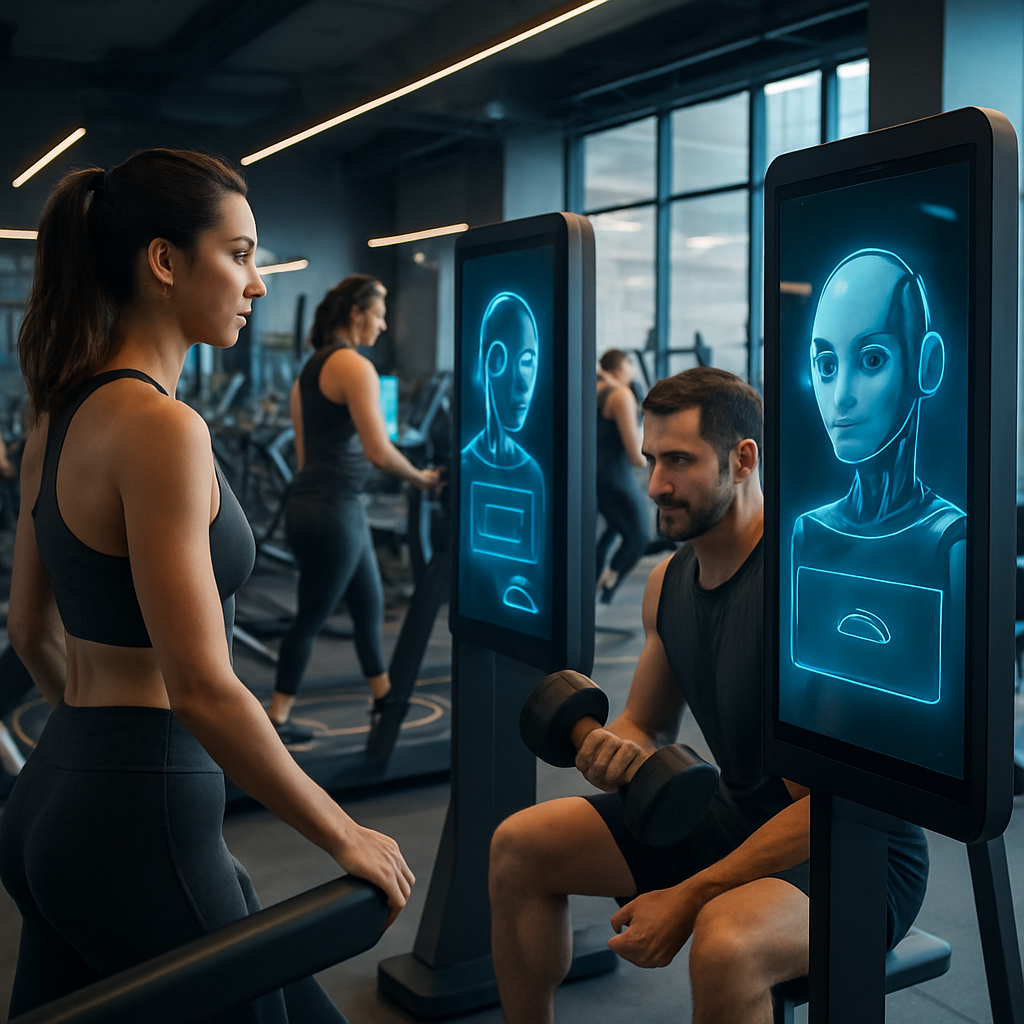
In the bustling world of fitness marketing, AI chatbots are like the friendly personal trainers of customer engagement-always there, ready to assist, and never too tired to answer questions. As we step into 2025, these digital dynamos are revolutionizing how fitness businesses interact with their clients.
24/7 Customer Support and Interaction
Imagine your gym having a dedicated assistant who never sleeps-sounds dreamy, right? With AI-powered chatbots, this is now a reality!
- Round-the-clock availability: Whether it’s 3 AM or 3 PM, chatbots are always ready to answer inquiries about class schedules, membership options, or even the best post-workout smoothie recipes.
- Instant response times: No more waiting on hold or sending emails into the void. Clients get immediate answers, enhancing their experience and satisfaction.
- Handling high volumes: During peak times or promotional events, chatbots can manage thousands of interactions simultaneously without breaking a sweat.
This level of accessibility not only improves customer engagement but also helps build trust and loyalty. After all, who wouldn’t appreciate getting help whenever they need it?
Personalized Recommendations for Clients
If you think chatbots only regurgitate FAQs, think again! These savvy assistants can offer personalized recommendations based on individual client profiles.
- Tailored workout suggestions: By analyzing data from customer profiles, chatbots can recommend classes or training sessions that align with each member’s fitness goals.
- Nutritional advice: Chatbots can suggest meal plans or snacks that complement workout routines-no more guessing if that protein bar is actually good for you!
- Engagement through gamification: They can encourage clients to participate in challenges by offering rewards for completing workouts or attending classes regularly.
This personalized touch transforms generic marketing strategies into personalized marketing strategies, making clients feel valued and understood.
Data Collection and Insights Generation
A chatbot isn’t just a pretty face; it’s also a data goldmine! As they interact with clients, they gather valuable insights that can inform your business strategies.
- Understanding customer preferences: Chatbots track common questions and requests which helps identify trends in client interests.
- Improving services: By analyzing feedback collected through conversations, you can refine offerings to better meet client needs.
- Enhancing marketing campaigns: Use insights from chatbot interactions to segment your audience more effectively and tailor your messaging accordingly.
A staggering 79% of marketers in the United States use marketing automation tools, showcasing how integral technology has become in crafting effective customer engagement strategies. Source: Statista.
The bottom line? Integrating AI chatbots into your customer engagement platform isn’t just about keeping up with trends; it’s about creating meaningful connections with your clients while optimizing your operations. So as you gear up for 2025, consider how these friendly digital assistants can enhance your fitness business!
If you’re curious about implementing AI-driven solutions like chatbots in your CRM strategy, now’s the time to explore the possibilities. Let’s make 2025 the year where technology meets personal touch!
Building Comprehensive Customer Profiles
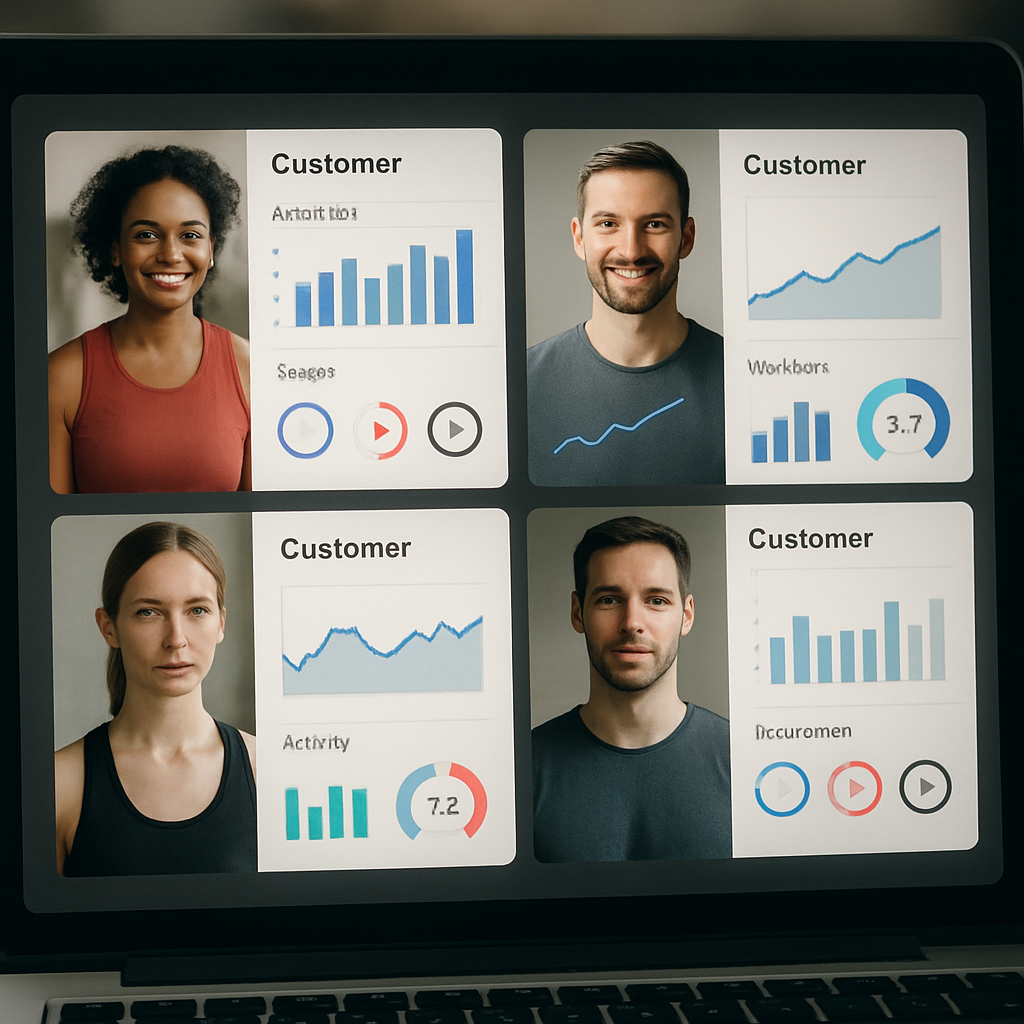
In the ever-evolving world of fitness marketing, building comprehensive customer profiles is akin to crafting a secret recipe for success. The more you know about your clients, the better you can serve them. So, let’s break down how to create these profiles and why they’re crucial for your Sales CRM strategy in 2025.
Data Sources for Customer Profiles in Fitness Marketing
Your customer profiles are only as good as the data that fuels them. Here are some key sources to consider:
- Membership Information: Basic details like age, gender, and fitness goals form the foundation of your profiles.
- Engagement Metrics: Track participation in classes, attendance frequency, and interaction with marketing campaigns to gauge interest levels.
- Feedback and Surveys: Regularly gather client feedback through surveys or informal chats to understand their preferences and pain points.
- Social Media Activity: Monitor social media interactions to gain insights into client interests and behaviors.
- Purchase History: Analyzing what products or services clients buy can help tailor future offerings.
By aggregating data from these diverse sources, you’ll develop a 360-degree view of your clients that will inform every aspect of your marketing strategy.
The Importance of Segmentation and Targeting
Once you’ve gathered all this juicy data, it’s time to slice it up! Segmentation allows you to classify customers into distinct groups based on shared characteristics. Why is this essential? Because one-size-fits-all marketing is as outdated as dial-up internet! Here’s how segmentation can elevate your game:
- Personalized Marketing Strategies: Tailor campaigns based on specific interests; for example, promote yoga classes to those who prefer low-impact workouts.
- Improved Client Retention: By targeting segments with relevant offers or content, you increase the likelihood of keeping them engaged long-term.
- Optimized Resource Allocation: Focus your efforts on high-value segments that promise better returns on investment (ROI).
This level of precision in targeting ensures that your messages resonate with clients, ultimately driving higher engagement rates and conversions.
Utilizing Profiles for Tailored Marketing Strategies
Your comprehensive customer profiles are not just pretty spreadsheets-they’re powerful tools for crafting tailored marketing strategies! Here’s how you can leverage them effectively:
- Automated Communication Platforms: Use insights from customer profiles to automate personalized email campaigns that speak directly to clients’ needs.
- Dynamic Content Creation: Develop content that reflects the interests of different segments-think blog posts tailored for new moms versus seasoned gym-goers!
- Customer Journey Mapping Tools: Visualize how different segments interact with your brand over time and identify opportunities for engagement at each touchpoint.
The right approach to utilizing customer profiles, combined with effective CRM analytics tools, can lead to enhanced client satisfaction rates by up to 30%. This means happier clients who stick around longer!
The takeaway? Building comprehensive customer profiles is not just about collecting data; it’s about using that information strategically within your Sales CRM. As we look towards 2025, investing time in understanding your customers will pay off exponentially in terms of engagement and retention. Ready to dive deeper into the world of fitness marketing automation? Start refining those profiles today!
The Future of Fitness Marketing Automation Tools
As we sprint toward 2025, the landscape of fitness marketing automation is evolving faster than a treadmill on high speed. With technology advancing at breakneck speed, it’s crucial for fitness businesses to stay ahead of the game. So, what should you expect from the future of Sales CRM and marketing automation tools? Let’s unpack some exciting trends!
Evolving Trends in Automation Technology
The next wave of automation technology is not just about streamlining processes; it’s about creating experiences that resonate with clients. Here’s what to watch for:
- Hyper-Personalization: Expect tools that use AI to analyze customer data and deliver tailored marketing messages that feel as personal as a note from your best friend.
- Omnichannel Marketing Integration: Future CRM solutions will seamlessly integrate across various platforms, ensuring your marketing campaigns reach clients wherever they are-be it email, social media, or SMS.
- Advanced Analytics: The ability to track and analyze customer interactions will become more sophisticated, allowing for deeper insights into client behaviors and preferences.
This evolution means you can expect a future where your marketing strategies are not only data-driven but also incredibly intuitive!
The Impact of AI on Marketing Strategies in Fitness Studios
AI is not just a buzzword; it’s set to revolutionize how fitness studios approach customer engagement. Here’s how:
- AI-Powered Chatbots: These digital assistants will become even smarter, providing real-time support while gathering valuable customer insights that inform future strategies.
- Predictive Analytics: Imagine knowing which clients are likely to drop off before they do! AI will help identify at-risk members and enable proactive retention strategies.
- Automated Content Creation: Advanced algorithms could generate personalized content based on user behavior-think workout tips or nutrition advice tailored specifically for each client.
This integration of AI into your fitness CRM systems will not only enhance operational efficiency but also foster deeper relationships with clients through personalized communication.
Sustainability and Ethical Considerations in Automation Practices
As we embrace automation, it’s vital to consider the ethical implications. The push for sustainability in marketing practices is more important than ever. Here’s what you need to keep in mind:
- Data Privacy: With great data comes great responsibility! Ensure your customer data platform complies with regulations like GDPR to protect client information.
- Eco-Friendly Practices: As fitness businesses look for ways to reduce their carbon footprint, consider how your automated solutions can contribute positively-like reducing paper waste through digital communications.
- Transparency in AI Use: Be upfront with clients about how their data is used. Transparency builds trust and encourages long-term loyalty.
The future is bright for fitness marketing automation tools! By integrating ethical practices into your strategies, you’ll not only enhance customer satisfaction but also contribute positively to the community at large.
The takeaway? As we gear up for 2025, investing in innovative automation tools, particularly those powered by AI, will be crucial for staying competitive in the fitness industry. Embrace these changes now! Your clients-and your bottom line-will thank you later!
Conclusion and Recommendations for Fitness Studios in 2025
As we wrap up our deep dive into the world of Sales CRM for the fitness industry, it’s clear that the right tools can make or break your business in 2025. The evolution of CRM solutions has paved the way for a new era of fitness marketing automation, where data-driven insights and personalized engagement strategies reign supreme. But what should you focus on moving forward? Let’s break it down!
Summary of Key Features to Look For in a Sales CRM System
When selecting a CRM, keep an eye out for these essential features:
- Customer Data Management: Ensure your CRM can centralize and analyze customer information effectively.
- Integration with Marketing Automation Tools: Look for seamless connectivity to enhance your marketing efforts.
- User-Friendly Interface: Choose a system that even the least tech-savvy staff can navigate with ease.
- AI Capabilities: Opt for AI-powered chatbots and predictive analytics to boost customer engagement.
- Automated Communication Tools: Leverage email automation and follow-up reminders to maintain client relationships effortlessly.
Final Thoughts on the Importance of Adapting to New Technologies
The fitness landscape is changing faster than you can say “squat rack.” Adapting to new technologies is no longer optional; it’s essential. Here are some final recommendations:
- Invest in Training: Make sure your team is well-versed in using new sales software. Regular training sessions can help maximize your investment.
- Pilot New Features: Before fully committing, test out new functionalities within your fitness CRM systems. This will help you understand their impact without overwhelming your staff or clients.
- Monitor Performance Metrics: Use CRM analytics tools to track how well your strategies are working. Adjust as needed based on data insights.
- Stay Informed on Trends: Keep up with advancements in automation tools, customer journey mapping, and AI technologies to stay ahead of competitors.
- Cultivate Client Feedback: Regularly solicit feedback from clients about their experiences. This will not only improve satisfaction but also inform future marketing campaigns.
The future of fitness marketing is bright, but only for those willing to embrace change! By investing wisely in technology and focusing on building strong customer profiles, you’ll set your studio up for success in 2025 and beyond!
If you’re ready to elevate your fitness studio into the next generation of customer engagement, it’s time to explore how these innovative solutions can transform your business model. Let’s make 2025 the year where technology meets personal touch!
Ready to Run Successful Marketing Campaigns and Grow Your Business?
Gleantap helps you unify customer data, track behavior patterns, and automate personalized campaigns, so you can increase repeat purchases and grow your business.
Ready to Run Successful Marketing Campaigns and Grow Your Business?
Gleantap helps you unify customer data, track behavior patterns, and automate personalized campaigns, so you can increase repeat purchases and grow your business.