
 Sarah Kim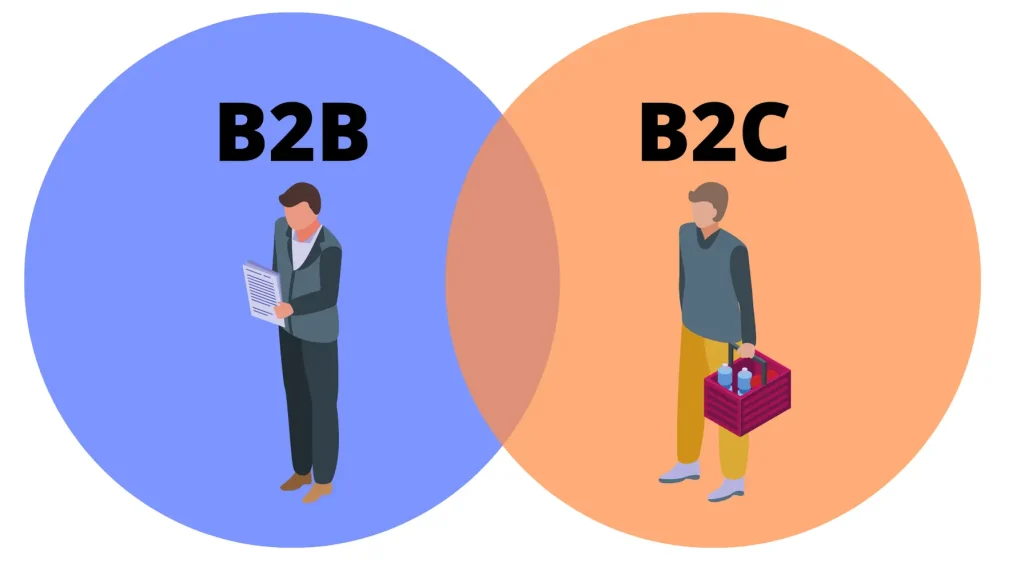
Choosing the right CRM is one of the most important technology decisions a business can make. While both B2B and B2C organizations rely on customer relationship management systems to organize data, improve engagement, and drive revenue, the way they manage customer relationships differs significantly. B2B companies typically navigate longer sales cycles, multiple decision-makers, and relationship-driven buying processes, while B2C brands focus on high-volume interactions, personalized experiences, and rapid purchase decisions. Because of these differences, the CRM features, workflows, automation capabilities, and analytics requirements needed for success can vary dramatically. Selecting a CRM that aligns with your business model can improve sales efficiency, strengthen customer relationships, enhance marketing performance, and support long-term growth. In this guide, we’ll explore the key differences between B2B and B2C CRMs, examine their unique capabilities, and explain why choosing the right solution matters for your business strategy in 2025 and beyond.
New to evaluating B2C platforms? Start with our complete guide: How to Choose the Right CRM for Your B2C Business.
First things first, let’s break down what a CRM actually is. A Customer Relationship Management (CRM) system is like a digital Swiss army knife for managing customer data, sales management, and marketing automation. Whether you’re in the fitness industry or running a tech firm, having a solid CRM solution can mean the difference between closing deals and missing out on valuable leads.
Definition of CRM
A CRM is more than just software; it’s an entire ecosystem designed to streamline customer interactions. Think of it as your business’s memory bank-storing everything from detailed customer profiles to email sender reputation metrics. With advanced marketing automation features, these systems help businesses create personalized customer experiences that resonate with their audience.

Importance of Understanding B2B vs B2C CRMs
Why does it matter which type of CRM you choose? Well, if you’re targeting businesses (B2B), your approach will be vastly different from targeting individual consumers (B2C). For instance:
- B2B CRMs: Focus on long-term relationships and complex sales cycles. They often include tools for b2b lead management, account-based marketing strategies, and comprehensive analytics.
- B2C CRMs: Aim for quick conversions and high-volume transactions. They emphasize b2c customer engagement, loyalty programs, and automated marketing campaigns tailored to individual preferences.
If you’re in the fitness industry, imagine trying to sell gym memberships using a B2B strategy-it just wouldn’t work! Fitness brand promotion relies heavily on understanding consumer behavior and crafting targeted messages that resonate with potential gym-goers.
Understanding CRMs
What is a CRM?
A Customer Relationship Management (CRM) system is like a digital Swiss army knife for managing customer data, sales management, and marketing automation. It’s your business’s memory bank, storing everything from detailed customer profiles to email sender reputation metrics. Whether you’re in the fitness industry or running a tech firm, having a solid CRM solution can mean the difference between closing deals and missing out on valuable leads.
Types of CRMs: Overview
CRMs come in various flavors, tailored to meet different business needs. Let’s take a quick look at the main types:
- Operational CRMs: Focus on automating customer-facing processes like sales and marketing.
- Analytical CRMs: Analyze customer data to enhance decision-making and strategy.
- Collaborative CRMs: Improve communication across different departments within an organization.
B2B CRM
B2B CRMs are designed for businesses that sell to other businesses. These systems focus on building long-term relationships and managing complex sales cycles. They often include tools for B2B lead management, account-based marketing strategies, and comprehensive analytics. Think of it as a sophisticated matchmaking service for companies looking to connect with each other!
B2C CRM
B2C CRMs, on the other hand, cater to businesses targeting individual consumers. They aim for quick conversions and high-volume transactions. These systems emphasize B2C customer engagement, loyalty programs, and automated marketing campaigns tailored to individual preferences. Imagine trying to sell gym memberships using a B2B strategy-it just wouldn’t work! Fitness brand promotion relies heavily on understanding consumer behavior and crafting targeted messages that resonate with potential gym-goers.
The Bottom Line
If you want your CRM efforts to be effective in 2025 and beyond, understanding whether you need a B2B or B2C CRM is crucial. It can drastically affect your approach to customer data management, personalized customer experiences, and overall business growth strategies.

B2B CRMs: Key Features and Benefits
When it comes to B2B CRMs, we’re talking about powerful tools that help businesses manage relationships, streamline sales processes, and drive growth. Think of a B2B CRM as a personal assistant that never sleeps, always ready to help you juggle leads, accounts, and customer data like a pro!
Sales Process Management
One of the standout features of a B2B CRM is its sales process management. This isn’t just about tracking leads; it’s about creating a seamless journey from prospecting to closing deals. With tools that allow for:
- Lead Tracking: Monitor potential clients at every stage of the sales funnel.
- Pipeline Management: Visualize where each deal stands, helping sales teams prioritize their efforts.
- Automated Follow-Ups: Set reminders or automated emails to keep prospects engaged without lifting a finger.
This level of organization can significantly enhance your sales pipeline management, ensuring no opportunity slips through the cracks!
Account-Based Marketing Strategies
B2B companies thrive on relationships, and that’s where account-based marketing (ABM) comes into play. A solid B2B CRM integrates ABM strategies seamlessly, allowing businesses to:
- Create Targeted Campaigns: Focus on specific accounts with tailored messaging.
- Measure Engagement: Analyze how targeted accounts interact with your content.
- Nurture Relationships: Build long-term partnerships instead of one-off sales.
This approach not only improves conversion rates but also fosters loyalty among clients who appreciate personalized attention.
Email Reputation Management in B2B Contexts
Email deliverability can make or break your marketing efforts. A B2B CRM often includes features for managing email reputation, ensuring that your communications land in inboxes rather than spam folders. Key aspects include:
- Email List Hygiene Practices: Regularly cleaning your email lists to maintain high deliverability rates.
- Email Performance Analytics: Tracking open rates and click-through rates to optimize future campaigns.
- A/B Testing Capabilities: Experimenting with different subject lines or content formats to see what resonates best.
Integration with Marketing Automation Tools
No CRM is an island! A top-tier B2B CRM integrates smoothly with various marketing automation tools. This means you can sync customer data across platforms effortlessly. Benefits include:
- Synchronized Customer Profiles: Create unified profiles that pull data from multiple sources for comprehensive insights.
- Dynamically Segment Audiences: Tailor marketing messages based on real-time customer behavior and preferences.
- A Streamlined Workflow Automation Software Experience: Automate repetitive tasks across different platforms without breaking a sweat.
This integration not only saves time but also enhances the overall effectiveness of both sales and marketing efforts-making it easier than ever to convert leads into loyal customers!
If you’re looking to boost your business’s growth in 2025 and beyond, investing in a robust B2B CRM solution could be your golden ticket. With features designed specifically for managing complex relationships and optimizing sales processes, you’ll be well-equipped to tackle whatever challenges come your way!

B2C CRMs: Key Features and Benefits
When it comes to B2C CRMs, think of them as the ultimate wingman for businesses that thrive on fast-paced consumer interactions. These systems are designed to enhance customer engagement, streamline marketing efforts, and ultimately drive sales in a way that feels personal and impactful.
Customer Engagement Strategies for B2C Businesses
In the world of B2C, the name of the game is quick, effective engagement. A robust B2C CRM allows businesses to:
- Segment Audiences: Use data to create targeted campaigns that resonate with specific consumer groups.
- Automate Marketing Campaigns: Set up campaigns that run automatically based on customer behavior and preferences.
- Implement Loyalty Programs: Foster customer loyalty through rewards programs that keep consumers coming back for more.
This approach not only boosts sales but also helps build a community around your brand-think of it as creating a fan club where everyone wants to be a member!
Utilization of Customer Data Platforms (CDPs)
A B2C CRM often integrates with customer data platforms (CDPs), which are like treasure chests filled with valuable consumer insights. These platforms help businesses:
- Collect Unified Customer Data: Aggregate data from various channels into one comprehensive view.
- Create Detailed Customer Profiles: Understand individual preferences and behaviors for personalized marketing.
- Analyze Customer Insights: Use analytics to inform future strategies and improve overall engagement.
This data-driven approach is crucial for crafting personalized experiences that make customers feel valued-like getting a birthday card from a friend rather than just another marketing email!
Email Marketing and Automation Techniques for B2C
Email marketing remains one of the most effective ways to reach consumers, especially when paired with automation techniques. A B2C CRM can help you:
- Create Targeted Email Campaigns: Tailor messages based on customer segments or past purchases.
- Optimize Email Deliverability: Maintain good email sender reputation, ensuring your messages land in inboxes rather than spam folders.
- A/B Test Campaigns: Experiment with different subject lines or content formats to see what resonates best with your audience.
Building Customer Profiles for Personalized Marketing
The heart of any successful B2C CRM lies in its ability to build detailed customer profiles. This means going beyond basic demographics to understand their motivations, preferences, and behaviors. Here’s how you can maximize this feature:
- Dynamically Update Profiles: Continuously gather data from interactions across various touchpoints.
- Create Personas: Develop archetypes based on aggregated data to guide your marketing strategies effectively.
- Nurture Relationships: Use insights from customer profiles to personalize communication and offers-think Netflix recommendations but for your fitness studio!
If you’re in the fitness industry, leveraging these tools can transform how you connect with potential members, turning casual inquiries into loyal clients eager to join your gym family!
The takeaway? Investing in a solid B2C CRM solution not only enhances your marketing efforts but also fosters meaningful relationships with customers who feel understood and valued. So go ahead, give your business the CRM boost it deserves!

Main Differences Between B2B and B2C CRMs
When it comes to CRM systems, understanding the main differences between B2B CRMs and B2C CRMs can feel a bit like deciphering a secret code. But fear not! We’re here to break it down into bite-sized pieces that even your grandma could understand.
Target Audience Characteristics and Behavior Differences
The first major difference lies in the target audience. B2B customers are typically other businesses, which means they have specific needs and a longer decision-making process. Think of it like buying a car for your company versus picking out a sweet ride just for yourself. On the flip side, B2C customers are individuals looking for quick solutions-like grabbing that trendy gym membership before summer hits!
- B2B Characteristics:
- Longer sales cycles with multiple stakeholders involved.
- Focus on building strong relationships over time.
- Decision-making often requires consensus from various departments.
- B2C Characteristics:
- Shorter sales cycles with impulsive buying behaviors.
- Aiming for high-volume transactions with individual consumers.
- Emphasis on emotional triggers, like limited-time offers or loyalty rewards.
Sales Cycle Length and Complexity Comparison
The sales cycle is where things get really interesting! In the world of B2B, you might be looking at weeks or even months of negotiations, presentations, and contract signings-like a game of chess where every move counts. Meanwhile, in B2C, it’s more akin to a fast-paced game of checkers; decisions are made quickly based on immediate needs or desires.
Data Management and Analytics Requirements for Each Type
The data management needs also differ significantly between B2B CRM solutions for sales teams and B2C CRM solutions . B2B systems require robust analytics capabilities to track complex interactions over time. You’ll want insights into everything from lead generation efforts to customer lifetime value. In contrast, B2C CRMs focus more on real-time data analysis to optimize marketing campaigns and improve customer engagement instantly!
- B2B Data Management:
- Detailed customer profiles with historical data tracking.
- A focus on account-based marketing strategies.
- An emphasis on compliance with data regulations (think GDPR).
- B2C Data Management:
- Simplified customer profiles that emphasize preferences over history.
- A focus on automated marketing campaigns based on real-time behavior.
- An emphasis on maintaining email deliverability and sender reputation.
User Interface and Experience Considerations for Different Audiences
User experience is another crucial area where these two types of CRMs diverge. A B2B CRM system ‘s interface often leans towards functionality over flair-think spreadsheets galore! On the other hand, a B2C CRM system ‘s interface is designed to be visually appealing and user-friendly because let’s face it: nobody wants to navigate through an ugly dashboard when they could be shopping!

The Importance of Choosing the Right CRM for Your Business Model
When it comes to selecting a CRM for your business, it’s not just about picking a shiny new tool; it’s about finding the perfect fit for your unique business model. Think of it like choosing between a sports car and an SUV-both are vehicles, but one is designed for speed while the other is built for utility. Understanding whether you need a B2B CRM or a B2C CRM can significantly impact your sales efficiency and customer satisfaction.
Impact on Sales Efficiency and Customer Satisfaction
A well-chosen CRM can supercharge your sales management efforts. For instance, if you’re in the B2B space, you’ll want tools that support b2b lead management, account-based marketing strategies, and detailed analytics to track long-term relationships. On the flip side, B2C businesses thrive on quick interactions-think automated marketing campaigns that engage customers with personalized offers based on their behavior.
Here’s how each type of CRM impacts sales efficiency:
- B2B CRMs: These systems often include features like sales pipeline management tools that help track complex deals over time. By automating follow-ups and providing insights into customer interactions, they enable sales teams to focus on nurturing relationships rather than getting bogged down by administrative tasks.
- B2C CRMs: With an emphasis on high-volume transactions, these CRMs utilize marketing automation tools to engage customers at scale. Features like dynamic customer profiling allow businesses to tailor their messaging based on real-time data-like sending out exclusive gym membership offers just before summer!
The Role of Automation in Enhancing Business Processes
If there’s one thing we love more than closing deals, it’s doing so without lifting a finger! That’s where automation comes into play. Whether you’re sending out emails or managing customer data, having a CRM that integrates with automation solutions can save precious time and reduce errors.
For B2B companies, automation features might include:
- Email Campaign Automation: Schedule emails based on lead behavior or milestones in the sales cycle.
- Data Entry Automation: Minimize manual data entry by syncing information across platforms seamlessly.
- Reporting Automation: Generate insights automatically so your team can focus on strategy rather than compiling data.
B2C businesses can benefit from automation in ways such as:
- Loyalty Program Management: Automatically track points earned by customers and send personalized offers when they reach certain thresholds.
- Email Marketing Automation: Set up drip campaigns that nurture leads based on their engagement with previous content.
- Cohort Analysis Automation: Automatically segment customers into groups based on behavior patterns to tailor marketing efforts effectively.
The takeaway? The right CRM solution, whether it’s B2B or B2C focused, should enhance your ability to automate processes while providing valuable insights into customer behaviors. This not only improves efficiency but also leads to happier customers who feel understood and valued!

Conclusion and Final Thoughts on CRM Selection Strategies
As we wrap up this deep dive into B2C vs B2B CRMs, it’s clear that choosing the right CRM solution is not just a checkbox on your to-do list; it’s a strategic decision that can shape the trajectory of your business. Whether you’re in the fitness industry or any other sector, understanding how to leverage customer data platforms, marketing automation tools, and customer insights platforms is essential for success.
Key Takeaways
- Know Your Audience: Understanding whether you’re engaging with businesses or individual consumers will guide your CRM selection. A B2B CRM focuses on relationship management and long sales cycles, while a B2C CRM prioritizes fast engagement and high-volume transactions.
- Embrace Automation: Automation is your best friend! From email marketing to sales pipeline management, look for CRMs that offer robust automation features to save time and enhance efficiency.
- Data is Gold: Invest in CRM solutions that provide comprehensive analytics capabilities. The ability to analyze customer behavior and preferences will empower you to create personalized experiences that resonate.
- Avoid Common Pitfalls: Don’t fall into the trap of thinking all CRMs are created equal. Misunderstanding the unique needs of your business can lead to wasted resources and missed opportunities.
A Strategic Approach to Choosing Your CRM
When evaluating CRM software, consider not only your current needs but also future growth. Look for systems that offer scalability, integration capabilities with other business automation solutions, and advanced marketing automation features that align with your long-term goals.
If you’re in the fitness industry, think about how a well-chosen CRM can support your fitness marketing strategies by enhancing customer engagement through loyalty programs and personalized communication. Imagine sending out tailored offers based on detailed customer profiles-this kind of targeted approach can significantly boost retention rates!
The bottom line? Your choice of CRM should reflect not just what you need today but also what you aspire to achieve tomorrow. By aligning your technology with your business model-whether B2B or B2C-you set the stage for transformative growth.
Take some time to evaluate potential CRM solutions against these criteria. Consider running demos or trials to see which systems resonate best with both your team and your customers. The right fit could be just around the corner!
The debate between B2B and B2C CRMs is not about which system is better—it’s about which system is better suited to your business model, customer journey, and growth objectives. B2B organizations require CRM platforms that support complex sales processes, account-based relationship management, and long-term customer nurturing, while B2C businesses benefit from solutions designed for high-volume engagement, personalization, marketing automation, and customer loyalty. Understanding these distinctions allows businesses to make smarter technology investments that improve operational efficiency, strengthen customer relationships, and drive measurable results. As customer expectations continue to evolve, companies that leverage the right CRM capabilities will be better positioned to deliver personalized experiences, optimize marketing performance, and create sustainable competitive advantages. By evaluating your audience, sales cycle, data requirements, and automation needs, you can select a CRM solution that not only supports your current goals but also scales with your business as it grows.
Ready to Run Successful Marketing Campaigns and Grow Your Business?
Gleantap helps you unify customer data, track behavior patterns, and automate personalized campaigns, so you can increase repeat purchases and grow your business.
Ready to Run Successful Marketing Campaigns and Grow Your Business?
Gleantap helps you unify customer data, track behavior patterns, and automate personalized campaigns, so you can increase repeat purchases and grow your business.