
Post-Purchase Automation That Drives More Than Just a Repeat Sale

Introduction

Welcome to the world of post-purchase automation, where the journey doesn’t end at checkout but rather takes a thrilling turn! In today’s digital age, it’s not just about making that sale; it’s about creating an experience that keeps customers coming back for more. Think of it like a roller coaster ride: sure, the initial drop is exhilarating, but it’s the twists and turns afterward that keep you screaming for joy!

In this blog post, we’ll explore how marketing automation can drive engagement beyond just a repeat sale. We’ll dive into how effective CRM systems and tailored marketing strategies can enhance customer relationships, particularly in the fitness industry. So buckle up as we navigate through the importance of engaging your clients long after they’ve made their purchase!

Overview of Post-Purchase Automation

Post-purchase automation is like having a trusty sidekick by your side. It ensures that after customers click that ‘buy’ button, they receive personalized follow-ups, engaging content, and relevant offers that keep your brand top-of-mind. With tools like email marketing, automated sequences can nurture leads and maintain momentum in your sales funnel.

Importance of Driving Engagement Beyond Repeat Sales

Why stop at just one sale? Engaging customers post-purchase is crucial for building loyalty and enhancing their lifetime value. Think of it this way: if you treat your clients well after their initial transaction, they’re more likely to become brand advocates-spreading the word about your fitness center to friends and family!

  • Increased Customer Lifetime Value: Engaged customers spend more over time.
  • Enhanced Brand Loyalty: Customers who feel valued are less likely to churn.
  • Word-of-Mouth Marketing: Happy customers share their experiences with others.

Relevance to Fitness Marketing and CRM Systems

The fitness industry is booming, with studios popping up on every corner like Starbucks! But how do you stand out? Enter CRM software solutions. These tools allow fitness businesses to manage customer relationships effectively while integrating with marketing automation tools for seamless communication.

A well-implemented CRM system can track customer interactions, preferences, and behaviors-allowing you to tailor your communications precisely. Imagine sending personalized workout tips or exclusive promotions based on their previous purchases or attendance patterns! It’s all about making each customer feel special and understood.

Key Takeaway:
Post-purchase automation isn’t just a nice-to-have; it’s essential for driving engagement in today’s competitive fitness market. By leveraging automation tools, you can create meaningful interactions that lead to long-term success.

If you’re ready to transform your post-purchase process into an engagement powerhouse, stick around! We’ll dive deeper into how marketing automation can revolutionize your approach in the following sections.

The Role of Marketing Automation in Customer Engagement

Definition of Marketing Automation

At its core, marketing automation is like having a personal assistant who never sleeps. It streamlines your marketing efforts by automating repetitive tasks such as email campaigns, social media posts, and customer segmentation. This means you can focus on what really matters-building relationships and crafting stellar fitness programs!

Benefits for Fitness Studios

For fitness studios, the benefits of automation are as clear as a well-lit gym at 6 AM. Here’s how it can transform your business:

  • Time Savings: Automating routine tasks frees up your staff to focus on customer interaction and service.
  • Improved Efficiency: With CRM integration, you can manage leads and customers seamlessly, ensuring no one slips through the cracks.
  • Personalized Marketing: Tailored messages based on client behavior lead to higher engagement rates-think custom workout plans or exclusive member discounts!
  • Enhanced Data Insights: Utilize marketing analytics tools to track campaign performance and adjust strategies accordingly.

How It Enhances Customer Experience

A great customer experience is like the cherry on top of a protein-packed smoothie-it makes everything better! Here’s how marketing automation enriches the journey for fitness clients:

  • Email Follow-Ups: Send automated thank-you emails after purchases or class sign-ups to make clients feel appreciated.
  • Nurturing Leads: Use automated email sequences to guide potential members through their journey-from inquiry to sign-up-keeping them engaged along the way.
  • Loyalty Programs: Implement automated loyalty rewards that recognize and celebrate milestones in a client’s fitness journey, making them feel valued!
  • User Feedback Loops: Solicit feedback post-class or purchase automatically to continuously improve services based on real-time insights.

The Bottom Line:
The integration of marketing automation in your fitness studio isn’t just about efficiency; it’s about creating a tailored experience that resonates with clients. By implementing these strategies, you’re not just selling memberships-you’re building a community!

If you’re ready to dive deeper into how these strategies can work for you, stay tuned! We’ve got more insights coming up that will help elevate your post-purchase engagement game.

Understanding Sales CRM and Its Impact on Customer Relationships

What is a Sales CRM?

A Sales CRM (Customer Relationship Management) system is like the Swiss Army knife for fitness businesses-it’s packed with tools that help manage customer interactions, track sales, and streamline processes. Imagine having a digital assistant that keeps tabs on your clients’ preferences, purchase history, and engagement levels. With a robust CRM, you can transform how you interact with your customers from the first hello to their ongoing fitness journey.

Key Features That Benefit Fitness Businesses

So, what makes a Sales CRM indispensable for fitness studios? Here’s a breakdown of key features that can elevate your customer relationships:

  • Contact Management: Keep all customer information organized in one place. No more digging through emails or spreadsheets!
  • Sales Tracking Software: Monitor leads and sales progress through your sales funnel, ensuring no one falls through the cracks.
  • Email Campaign Integration: Seamlessly connect your email marketing efforts to send tailored communications based on customer behavior.
  • Automated Sales Processes: Automate routine tasks like follow-ups or reminders, freeing up time for more personalized interactions.
  • Analytics and Reporting: Gain insights into customer behavior and campaign performance with built-in analytics tools-because knowledge is power!

Integrating CRM with Marketing Automation Tools

The magic happens when you integrate your CRM software solutions with marketing automation tools. Think of it as combining peanut butter and jelly-individually great, but together they create something truly delicious! Here’s how integration can supercharge your fitness business:

  • Synchronized Data: Ensure that client information is updated across all platforms in real-time, allowing for seamless communication.
  • Email List Management: Segment your audience based on their fitness goals or purchase history to send highly targeted campaigns.
  • A/B Testing Capabilities: Test different marketing strategies to find out what resonates best with your audience-because who doesn’t love optimizing their approach?
  • Cohesive Customer Journey: Create a consistent experience from lead generation to post-purchase engagement by aligning sales and marketing efforts.

The Takeaway:
A well-integrated Sales CRM not only enhances operational efficiency but also enriches customer relationships. By leveraging these technologies together, fitness studios can foster stronger connections with clients, driving engagement and loyalty like never before!

If you’re eager to see how these insights translate into actionable strategies for your business, stick around! We’ll delve deeper into effective post-purchase automation tactics in the next sections.

Strategies for Effective Post-Purchase Automation

Email Follow-Ups and Engagement Tactics

Imagine this: your customer just finished a grueling workout and signed up for a membership. What’s next? If you think the journey ends there, think again! Email follow-ups are your golden ticket to keeping that engagement alive. Here are some tactics to consider:

  • Thank You Emails: A simple thank you can go a long way. Send a personalized email expressing gratitude for their purchase.
  • Exclusive Offers: Reward new members with special promotions or discounts on their next class. It’s like giving them a little gift after they join the family!
  • Automated Reminders: Use automated emails to remind customers of upcoming classes or events they signed up for, ensuring they don’t miss out.
  • Nurturing Sequences: Create automated email sequences that guide new members through their fitness journey, offering tips, motivation, and resources along the way.

This approach not only keeps your brand top-of-mind but also builds trust and rapport with your clients.

Cultivating Customer Loyalty Through Personalized Content

Cultivating loyalty is like nurturing a plant; it requires care, attention, and the right conditions to flourish. Personalized content is the water that keeps it growing! Here’s how you can leverage personalization in your post-purchase automation:

  • User-Specific Recommendations: Use data from your CRM to tailor content based on individual preferences and past purchases. For example, suggest classes that align with their fitness goals.
  • Birthday Surprises: Celebrate milestones like birthdays or anniversaries with personalized offers or messages. Everyone loves feeling special!
  • Loyalty Rewards Programs: Implement automated programs that reward customers for their continued engagement-think points for every class attended or referrals made!
  • Email Segmentation: Segment your email list based on behavior and preferences to ensure recipients receive relevant information that resonates with them.

This level of personalization not only enhances customer satisfaction but also fosters long-term relationships as clients feel valued and understood.

Utilizing Customer Feedback for Continuous Improvement

Your customers are the best source of insights when it comes to improving your services. Utilizing customer feedback effectively can be a game-changer in your post-purchase strategy. Here’s how you can harness this valuable resource:

  • Satisfaction Surveys: Send out automated surveys post-purchase or after classes to gather feedback on their experience. Keep it short and sweet-nobody likes filling out lengthy forms!
  • A/B Testing Feedback Requests: Experiment with different formats for gathering feedback (like email vs. SMS) to see which yields better responses.
  • User Reviews Integration: Encourage satisfied customers to leave reviews on social media or review sites by integrating requests into your follow-up emails.
  • Act on Feedback: Show customers that you value their opinions by implementing changes based on their suggestions-then communicate these changes back to them!

The Bottom Line:
Your clients’ feedback is invaluable! By actively seeking input and making adjustments based on it, you not only improve services but also demonstrate that you care about their experience-a surefire way to boost loyalty!

If you’re keen on implementing these strategies effectively, stay tuned as we explore more about maintaining email reputation, which is crucial for ensuring your messages land in inboxes rather than spam folders!

Email Reputation Management in Fitness Marketing

The Importance of Maintaining a Positive Email Reputation

When it comes to email marketing, your sender reputation is like your gym’s reputation in the neighborhood. A solid reputation means your emails land in the inbox and not in the dreaded spam folder. In fact, studies show that email deliverability rates can drop significantly if you don’t maintain a good reputation. So, how do you keep that email goodwill flowing?

  • Consistent Engagement: Regularly connecting with your clients keeps your brand fresh in their minds and improves engagement rates.
  • Quality Over Quantity: Focus on sending valuable content rather than bombarding subscribers with promotional emails.
  • List Hygiene: Regularly clean your email list to remove inactive subscribers, ensuring that your engagement metrics remain high.

Tactics to Improve Email Deliverability and Engagement Rates

Improving your email deliverability is akin to perfecting your squat form; it takes practice and attention! Here are some tried-and-true tactics to elevate your email game:

  • Authenticate Your Emails: Use SPF, DKIM, and DMARC protocols to verify that your emails are coming from a trusted source.
  • Segment Your Audience: Tailor content based on client preferences and behaviors for higher engagement rates. Think of it as customizing workout plans for individual needs!
  • A/B Testing: Experiment with different subject lines, send times, and content formats to see what resonates best with your audience.
  • Email Campaign Optimization Techniques: Monitor open rates and click-through rates regularly to refine future campaigns based on performance data.

Monitoring and Analyzing Email Performance Metrics

You wouldn’t run a marathon without tracking your time, would you? The same goes for email marketing. Monitoring performance metrics is crucial for understanding what’s working and what’s not. Here are essential metrics to keep an eye on:

  • Open Rates: Indicates how many recipients opened your email; aim for at least a 20% open rate!
  • Click-Through Rates (CTR): Measures how many people clicked on links within the email; higher CTRs indicate engaging content.
  • Bounce Rates: Track hard bounces (invalid addresses) versus soft bounces (temporary issues) to maintain list quality.
  • Email Unsubscribe Rates: Keep this number low by ensuring content remains relevant and valuable to subscribers.

The Takeaway:
Your email reputation is vital for successful fitness marketing. By implementing strong practices around email deliverability, engagement tactics, and performance monitoring, you can ensure that your messages reach clients effectively-leading to better retention and growth!

If you’re ready to take control of your email reputation management strategy, stay tuned! We’ll explore case studies of fitness studios that have successfully implemented these tactics next.

Case Studies: Successful Implementation of Post-Purchase Automation in Fitness Studios

Examples of Fitness Studios Leveraging Automation Effectively

Let’s take a look at some fitness studios that have mastered the art of post-purchase automation. These pioneers have turned their customer engagement into a finely tuned machine:

  • FitLife Studio: This studio implemented a series of automated email sequences that welcomed new members and provided them with personalized workout plans based on their fitness goals. As a result, they saw a 30% increase in member retention within the first six months!
  • PowerHouse Gym: They utilized CRM software solutions to track client attendance and preferences, enabling them to send targeted promotions for classes that clients were most interested in. This strategy boosted their class attendance rates by 25%.
  • Zen Yoga: By automating feedback requests post-class, Zen Yoga was able to gather valuable insights directly from clients. They implemented changes based on this feedback, which led to a remarkable 40% increase in positive reviews.

Lessons from Successes and Potential Pitfalls to Avoid

No journey is without its bumps! Here are some lessons learned from these case studies, along with potential pitfalls to avoid:

  • A/B Testing is Crucial: Don’t be afraid to experiment! Many studios found success by testing different email formats and content types before settling on what works best.
  • Avoid Over-Automation: While automation is great, too much can feel impersonal. Make sure clients still receive personalized touches amidst the automated processes.
  • Cultivate Feedback Loops: Regularly solicit feedback on your post-purchase communications. This ensures you’re not just sending emails into the void but actually connecting with your audience.
  • Email Reputation Matters: Keep an eye on your email sender reputation as it directly impacts deliverability rates. Studios that neglected this aspect saw their emails landing in spam folders!

The Key Takeaway:
A successful post-purchase automation strategy combines creativity with data-driven insights. By learning from both successes and mistakes, fitness studios can refine their approach and foster long-lasting relationships with clients!

If you’re ready to take your post-purchase engagement strategy to the next level, stay tuned! We’ll explore the future of automation in the fitness industry next.

The Future of Post-Purchase Automation in the Fitness Industry

Evolving Trends in Customer Engagement Technology

As we look towards the future, the landscape of post-purchase automation in the fitness industry is evolving faster than a treadmill on high speed. New technologies are emerging that will redefine how studios engage with their clients after that initial sale. Here are some trends to keep an eye on:

  • Hyper-Personalization: With advancements in CRM software solutions, fitness studios will be able to create hyper-personalized experiences based on detailed customer data. Imagine receiving workout recommendations tailored not only to your fitness level but also to your mood, time constraints, and even weather conditions!
  • Omnichannel Engagement: The future will see a seamless integration of various channels-email, SMS, social media, and even push notifications-to create a cohesive customer journey. This means clients can receive timely reminders and offers across platforms without missing a beat.
  • Virtual Reality (VR) Integration: As VR technology becomes more accessible, fitness studios may start using it for virtual classes or personalized workout sessions. Picture this: after signing up for a membership, you get an invite to a virtual reality workout tailored just for you!
  • Data-Driven Insights: The use of marketing analytics tools will become even more critical. Studios will leverage data not just for tracking performance but for predicting client needs and preferences-turning insights into actionable strategies.

The Role of AI and Machine Learning in Automation Strategies

The integration of AI and machine learning into post-purchase automation strategies is like adding jet fuel to your marketing engine! These technologies are set to revolutionize how fitness studios interact with their members:

  • Predictive Analytics: AI can analyze past behaviors to predict future actions. This means your CRM could notify you when a client is likely to drop off so you can proactively reach out with personalized incentives.
  • Automated Content Creation: Imagine having AI generate personalized email content based on user data! This could lead to highly relevant communications that resonate more effectively with clients.
  • Chatbots for Engagement: AI-powered chatbots will serve as 24/7 customer service agents, answering questions and providing support immediately after purchase-making sure no one feels left hanging!
  • Loyalty Program Optimization: Using machine learning algorithms, studios can optimize loyalty programs by identifying which rewards resonate most with different segments of their customer base.

The Future Outlook:
The future of post-purchase automation in the fitness industry is bright! By embracing these evolving trends and leveraging AI technologies, studios can enhance customer engagement like never before-transforming casual members into lifelong advocates!

If you’re ready to stay ahead of the game and implement these cutting-edge strategies, now’s the time! The world of fitness marketing is changing rapidly-make sure your studio is equipped to thrive in this new era!

Conclusion and Key Takeaways from Post-Purchase Automation Strategies for Fitness Studios

Final Thoughts on the Importance of Ongoing Customer Engagement

As we wrap up our exploration of post-purchase automation, it’s clear that ongoing customer engagement is not just a bonus-it’s a necessity. In the fitness industry, where competition is fierce and customer loyalty can be fleeting, implementing effective marketing automation strategies can mean the difference between a one-time visitor and a loyal member.

Think of your fitness studio as a garden: if you want it to thrive, you must nurture it with care. Regularly engaging with your clients post-purchase allows you to cultivate relationships that blossom into long-term loyalty. By leveraging tools like CRM software solutions, you can ensure that every interaction is meaningful and tailored to individual client needs.

Encouragement to Implement Learned Strategies

Now that we’ve covered the essentials, here’s your action plan! It’s time to take these insights and put them into practice. Here are some key strategies to implement:

  • Automate Email Follow-Ups: Set up automated sequences that thank customers for their purchase and provide them with relevant content.
  • Utilize CRM Data: Leverage your CRM system to segment clients based on their preferences and behaviors, enabling personalized communication.
  • Solicit Feedback Regularly: Use automated surveys post-purchase or after classes to gather insights and show clients their opinions matter.
  • Monitor Email Reputation: Keep an eye on your email deliverability metrics to ensure your messages reach inboxes rather than spam folders.
  • Create Engaging Promotions: Develop targeted promotions based on client activity, ensuring they feel valued and appreciated.

The Bottom Line:
Your journey into post-purchase automation doesn’t end here; it’s just the beginning! By embracing these strategies, you’ll not only enhance customer engagement but also drive growth for your fitness studio in ways you never thought possible!

Ready to turn every purchase into a lasting relationship? Don’t let the customer journey stop at checkout—leverage post-purchase automation to create meaningful engagement that drives loyalty, repeat visits, and word-of-mouth referrals. Implement automated email follow-ups, personalized offers, and loyalty programs tailored to each client’s fitness goals. Harness the power of CRM data and AI-driven insights to deliver hyper-personalized experiences that resonate. Start collecting real-time feedback, optimize email deliverability, and craft campaigns that keep your clients coming back for more. Take action now—transform your fitness studio into a hub of lasting connections and growth!

B2C CRM Feature Checklist: What Really Matters in 2025

Introduction

Welcome to the wild world of B2C CRM in 2025, where Sales CRM solutions are no longer just fancy spreadsheets but dynamic, all-in-one platforms that can transform your fitness business from a mere gym into a thriving community hub. Think of it as your fitness marketing superpower!

As we dive into this digital age, the importance of CRM in the fitness industry has skyrocketed. No longer is it just about tracking member check-ins; it’s about leveraging customer data platforms, creating detailed customer profiles, and utilizing cutting-edge marketing automation tools. With the right fitness marketing automation strategies, you can engage your clients like never before.

Did you know that the global CRM market size was valued at USD 52.64 billion in 2020 and is expected to grow at a compound annual growth rate (CAGR) of 10.6% from 2021 to 2028? That’s a lot of potential for businesses ready to embrace the future!

The evolution of CRM features has been nothing short of revolutionary. From basic contact management systems to sophisticated platforms powered by AI and automation, today’s fitness industry CRM solutions are designed to streamline operations and enhance customer experiences. Imagine having an AI-powered chatbot ready to answer questions at any hour or automated marketing campaigns that run themselves while you focus on what you do best-helping your clients achieve their fitness goals.

So, whether you’re a gym owner looking to optimize your sales pipeline or a marketer crafting personalized campaigns, understanding what truly matters in a Sales CRM will be key to navigating this evolving landscape. Let’s get into the nitty-gritty of what features you should prioritize for success in the coming years!

Essential Features of Sales CRM for Fitness Marketing

When it comes to Sales CRM for the fitness industry, you want a tool that does more than just keep track of leads. You need a powerhouse that integrates seamlessly with your marketing efforts and helps you build lasting relationships with your clients. Here are the essential features to look for:

Customer Data Management

A robust customer data platform is at the heart of any effective CRM. This feature allows you to:

  • Centralize customer information: Store everything from contact details to workout preferences in one accessible location.
  • Segment your audience: Use customer segmentation tools to target specific groups for tailored marketing campaigns.
  • Analyze customer behavior: Leverage insights from customer profiles to refine your offerings and improve engagement.

By managing customer data effectively, you’ll be able to create targeted marketing strategies that resonate with your audience, leading to improved retention rates and enhanced client satisfaction.

Integration with Marketing Automation Tools

Your Sales CRM should play nice with other tools in your arsenal. Integration with marketing automation software is crucial for:

  • Streamlining workflows: Automate repetitive tasks like email follow-ups and lead nurturing strategies, freeing up time for more important activities.
  • Enhancing campaign performance: Utilize data-driven insights from both platforms to optimize your marketing campaigns in real-time.
  • Creating a seamless customer journey: Ensure consistent messaging across all touchpoints by integrating sales and marketing functions.

This level of integration not only boosts productivity but also enhances the overall effectiveness of your marketing efforts. Did you know that companies using marketing automation see a 14.5% increase in sales productivity? That’s some serious ROI!

User-Friendly Interface for Fitness Professionals

No one wants to wrestle with complicated software when they’re trying to grow their fitness business. A user-friendly interface is essential because it allows fitness professionals to:

  • Easily navigate the system: A clean design ensures that even tech-challenged trainers can quickly find what they need.
  • Access important features at a glance: Dashboards should provide an overview of key metrics, making it easy to monitor performance.
  • Receive training and support: Look for CRM solutions that offer ample resources and support tailored specifically for fitness businesses.

A simple yet powerful interface can significantly reduce the learning curve, allowing you and your team to focus on what really matters-your clients!

The right fitness CRM systems, equipped with these essential features, can be transformative. They not only enhance operational efficiency but also deepen client relationships through personalized engagement strategies. As we move into 2025, investing in a CRM that aligns with these needs will be crucial for success in the competitive fitness landscape.

Key Automation Capabilities in CRM Systems

When it comes to Sales CRM systems, automation is the name of the game! In 2025, the right automation tools can transform your fitness marketing efforts from a chaotic juggling act into a smooth, well-oiled machine. Let’s dive into some key automation capabilities that will make your life easier and your clients happier!

Email Campaign Automation

Email marketing is like sending love letters to your clients-only with less heart emojis and more targeted offers. With effective email automation for the fitness industry, you can:

  • Schedule campaigns: Set it and forget it! Schedule emails to go out at optimal times without lifting a finger.
  • Personalize content: Use insights from customer profiles to tailor messages that resonate with each recipient.
  • Monitor performance: Track open rates, click-through rates, and conversions to refine future campaigns.

This level of personalization not only boosts engagement but also helps maintain long-lasting relationships with your clients. After all, who doesn’t love receiving an email that feels like it was written just for them?

Lead Scoring and Management

Not all leads are created equal! With automated lead scoring, you can prioritize prospects based on their engagement level. Here’s how:

  • Assign scores automatically: Based on interactions-like website visits or email opens-your CRM can automatically score leads.
  • Focus on hot leads: Spend time nurturing those who are more likely to convert into paying clients.
  • Streamline follow-ups: Automate reminders for follow-ups so no potential client slips through the cracks.

This strategic approach not only optimizes your sales pipeline but also ensures you’re spending time where it counts most-on leads that are ready to join your fitness community!

Automated Customer Follow-Ups

The magic of automation extends beyond just initial contact. Automated customer follow-ups can significantly enhance client satisfaction. Here’s what you can do:

  • Send reminders: Automatically remind clients about upcoming classes or personal training sessions.
  • Gather feedback: Send post-session surveys to gauge satisfaction and identify areas for improvement.
  • Nurture relationships: Use automated messages to check in with clients after they’ve signed up, offering tips or encouragement tailored to their goals.

The fitness app market is projected to reach $14.64 billion by 2027, growing at a CAGR of 23.5%. This indicates a booming interest in technology-driven fitness solutions!

The bottom line? By integrating these automation capabilities into your CRM solutions, you’ll not only save time but also create a seamless experience that keeps clients engaged and coming back for more. So gear up for 2025 by ensuring your CRM is equipped with these game-changing features!

If you’re ready to take the plunge into the world of fitness marketing automation, now’s the time! Explore how these tools can elevate your business and foster deeper connections with your clients.

The Role of AI Chatbots in Customer Engagement

In the bustling world of fitness marketing, AI chatbots are like the friendly personal trainers of customer engagement-always there, ready to assist, and never too tired to answer questions. As we step into 2025, these digital dynamos are revolutionizing how fitness businesses interact with their clients.

24/7 Customer Support and Interaction

Imagine your gym having a dedicated assistant who never sleeps-sounds dreamy, right? With AI-powered chatbots, this is now a reality!

  • Round-the-clock availability: Whether it’s 3 AM or 3 PM, chatbots are always ready to answer inquiries about class schedules, membership options, or even the best post-workout smoothie recipes.
  • Instant response times: No more waiting on hold or sending emails into the void. Clients get immediate answers, enhancing their experience and satisfaction.
  • Handling high volumes: During peak times or promotional events, chatbots can manage thousands of interactions simultaneously without breaking a sweat.

This level of accessibility not only improves customer engagement but also helps build trust and loyalty. After all, who wouldn’t appreciate getting help whenever they need it?

Personalized Recommendations for Clients

If you think chatbots only regurgitate FAQs, think again! These savvy assistants can offer personalized recommendations based on individual client profiles.

  • Tailored workout suggestions: By analyzing data from customer profiles, chatbots can recommend classes or training sessions that align with each member’s fitness goals.
  • Nutritional advice: Chatbots can suggest meal plans or snacks that complement workout routines-no more guessing if that protein bar is actually good for you!
  • Engagement through gamification: They can encourage clients to participate in challenges by offering rewards for completing workouts or attending classes regularly.

This personalized touch transforms generic marketing strategies into personalized marketing strategies, making clients feel valued and understood.

Data Collection and Insights Generation

A chatbot isn’t just a pretty face; it’s also a data goldmine! As they interact with clients, they gather valuable insights that can inform your business strategies.

  • Understanding customer preferences: Chatbots track common questions and requests which helps identify trends in client interests.
  • Improving services: By analyzing feedback collected through conversations, you can refine offerings to better meet client needs.
  • Enhancing marketing campaigns: Use insights from chatbot interactions to segment your audience more effectively and tailor your messaging accordingly.

A staggering 79% of marketers in the United States use marketing automation tools, showcasing how integral technology has become in crafting effective customer engagement strategies. Source: Statista.

The bottom line? Integrating AI chatbots into your customer engagement platform isn’t just about keeping up with trends; it’s about creating meaningful connections with your clients while optimizing your operations. So as you gear up for 2025, consider how these friendly digital assistants can enhance your fitness business!

If you’re curious about implementing AI-driven solutions like chatbots in your CRM strategy, now’s the time to explore the possibilities. Let’s make 2025 the year where technology meets personal touch!

Building Comprehensive Customer Profiles

In the ever-evolving world of fitness marketing, building comprehensive customer profiles is akin to crafting a secret recipe for success. The more you know about your clients, the better you can serve them. So, let’s break down how to create these profiles and why they’re crucial for your Sales CRM strategy in 2025.

Data Sources for Customer Profiles in Fitness Marketing

Your customer profiles are only as good as the data that fuels them. Here are some key sources to consider:

  • Membership Information: Basic details like age, gender, and fitness goals form the foundation of your profiles.
  • Engagement Metrics: Track participation in classes, attendance frequency, and interaction with marketing campaigns to gauge interest levels.
  • Feedback and Surveys: Regularly gather client feedback through surveys or informal chats to understand their preferences and pain points.
  • Social Media Activity: Monitor social media interactions to gain insights into client interests and behaviors.
  • Purchase History: Analyzing what products or services clients buy can help tailor future offerings.

By aggregating data from these diverse sources, you’ll develop a 360-degree view of your clients that will inform every aspect of your marketing strategy.

The Importance of Segmentation and Targeting

Once you’ve gathered all this juicy data, it’s time to slice it up! Segmentation allows you to classify customers into distinct groups based on shared characteristics. Why is this essential? Because one-size-fits-all marketing is as outdated as dial-up internet! Here’s how segmentation can elevate your game:

  • Personalized Marketing Strategies: Tailor campaigns based on specific interests; for example, promote yoga classes to those who prefer low-impact workouts.
  • Improved Client Retention: By targeting segments with relevant offers or content, you increase the likelihood of keeping them engaged long-term.
  • Optimized Resource Allocation: Focus your efforts on high-value segments that promise better returns on investment (ROI).

This level of precision in targeting ensures that your messages resonate with clients, ultimately driving higher engagement rates and conversions.

Utilizing Profiles for Tailored Marketing Strategies

Your comprehensive customer profiles are not just pretty spreadsheets-they’re powerful tools for crafting tailored marketing strategies! Here’s how you can leverage them effectively:

  • Automated Communication Platforms: Use insights from customer profiles to automate personalized email campaigns that speak directly to clients’ needs.
  • Dynamic Content Creation: Develop content that reflects the interests of different segments-think blog posts tailored for new moms versus seasoned gym-goers!
  • Customer Journey Mapping Tools: Visualize how different segments interact with your brand over time and identify opportunities for engagement at each touchpoint.

The right approach to utilizing customer profiles, combined with effective CRM analytics tools, can lead to enhanced client satisfaction rates by up to 30%. This means happier clients who stick around longer!

The takeaway? Building comprehensive customer profiles is not just about collecting data; it’s about using that information strategically within your Sales CRM. As we look towards 2025, investing time in understanding your customers will pay off exponentially in terms of engagement and retention. Ready to dive deeper into the world of fitness marketing automation? Start refining those profiles today!

The Future of Fitness Marketing Automation Tools

As we sprint toward 2025, the landscape of fitness marketing automation is evolving faster than a treadmill on high speed. With technology advancing at breakneck speed, it’s crucial for fitness businesses to stay ahead of the game. So, what should you expect from the future of Sales CRM and marketing automation tools? Let’s unpack some exciting trends!

Evolving Trends in Automation Technology

The next wave of automation technology is not just about streamlining processes; it’s about creating experiences that resonate with clients. Here’s what to watch for:

  • Hyper-Personalization: Expect tools that use AI to analyze customer data and deliver tailored marketing messages that feel as personal as a note from your best friend.
  • Omnichannel Marketing Integration: Future CRM solutions will seamlessly integrate across various platforms, ensuring your marketing campaigns reach clients wherever they are-be it email, social media, or SMS.
  • Advanced Analytics: The ability to track and analyze customer interactions will become more sophisticated, allowing for deeper insights into client behaviors and preferences.

This evolution means you can expect a future where your marketing strategies are not only data-driven but also incredibly intuitive!

The Impact of AI on Marketing Strategies in Fitness Studios

AI is not just a buzzword; it’s set to revolutionize how fitness studios approach customer engagement. Here’s how:

  • AI-Powered Chatbots: These digital assistants will become even smarter, providing real-time support while gathering valuable customer insights that inform future strategies.
  • Predictive Analytics: Imagine knowing which clients are likely to drop off before they do! AI will help identify at-risk members and enable proactive retention strategies.
  • Automated Content Creation: Advanced algorithms could generate personalized content based on user behavior-think workout tips or nutrition advice tailored specifically for each client.

This integration of AI into your fitness CRM systems will not only enhance operational efficiency but also foster deeper relationships with clients through personalized communication.

Sustainability and Ethical Considerations in Automation Practices

As we embrace automation, it’s vital to consider the ethical implications. The push for sustainability in marketing practices is more important than ever. Here’s what you need to keep in mind:

  • Data Privacy: With great data comes great responsibility! Ensure your customer data platform complies with regulations like GDPR to protect client information.
  • Eco-Friendly Practices: As fitness businesses look for ways to reduce their carbon footprint, consider how your automated solutions can contribute positively-like reducing paper waste through digital communications.
  • Transparency in AI Use: Be upfront with clients about how their data is used. Transparency builds trust and encourages long-term loyalty.

The future is bright for fitness marketing automation tools! By integrating ethical practices into your strategies, you’ll not only enhance customer satisfaction but also contribute positively to the community at large.

The takeaway? As we gear up for 2025, investing in innovative automation tools, particularly those powered by AI, will be crucial for staying competitive in the fitness industry. Embrace these changes now! Your clients-and your bottom line-will thank you later!

Conclusion and Recommendations for Fitness Studios in 2025

As we wrap up our deep dive into the world of Sales CRM for the fitness industry, it’s clear that the right tools can make or break your business in 2025. The evolution of CRM solutions has paved the way for a new era of fitness marketing automation, where data-driven insights and personalized engagement strategies reign supreme. But what should you focus on moving forward? Let’s break it down!

Summary of Key Features to Look For in a Sales CRM System

When selecting a CRM, keep an eye out for these essential features:

  • Customer Data Management: Ensure your CRM can centralize and analyze customer information effectively.
  • Integration with Marketing Automation Tools: Look for seamless connectivity to enhance your marketing efforts.
  • User-Friendly Interface: Choose a system that even the least tech-savvy staff can navigate with ease.
  • AI Capabilities: Opt for AI-powered chatbots and predictive analytics to boost customer engagement.
  • Automated Communication Tools: Leverage email automation and follow-up reminders to maintain client relationships effortlessly.

Final Thoughts on the Importance of Adapting to New Technologies

The fitness landscape is changing faster than you can say “squat rack.” Adapting to new technologies is no longer optional; it’s essential. Here are some final recommendations:

  • Invest in Training: Make sure your team is well-versed in using new sales software. Regular training sessions can help maximize your investment.
  • Pilot New Features: Before fully committing, test out new functionalities within your fitness CRM systems. This will help you understand their impact without overwhelming your staff or clients.
  • Monitor Performance Metrics: Use CRM analytics tools to track how well your strategies are working. Adjust as needed based on data insights.
  • Stay Informed on Trends: Keep up with advancements in automation tools, customer journey mapping, and AI technologies to stay ahead of competitors.
  • Cultivate Client Feedback: Regularly solicit feedback from clients about their experiences. This will not only improve satisfaction but also inform future marketing campaigns.

The future of fitness marketing is bright, but only for those willing to embrace change! By investing wisely in technology and focusing on building strong customer profiles, you’ll set your studio up for success in 2025 and beyond!

If you’re ready to elevate your fitness studio into the next generation of customer engagement, it’s time to explore how these innovative solutions can transform your business model. Let’s make 2025 the year where technology meets personal touch!

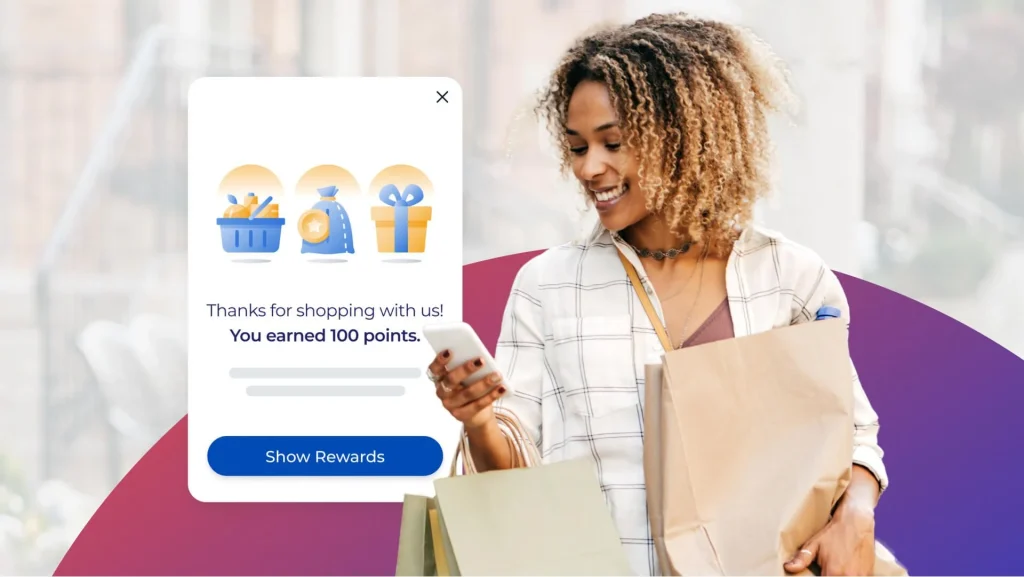
Don’t Let Members Go Cold: Reactivation Campaigns That Actually Work
Introduction

In the bustling world of fitness, customer retention is the secret sauce that turns a good gym into a great one. Think of it as the lifeblood of your business-without it, you might as well be running on a treadmill with no power. You’re moving, but not really going anywhere!

So why is customer retention so crucial in the fitness industry? Well, for starters, acquiring new members can cost five times more than keeping existing ones. Plus, loyal customers are more likely to refer their friends and stick around longer-talk about a win-win!

This brings us to reactivation campaigns-those clever little strategies designed to bring back members who have gone cold. Imagine sending a friendly nudge to former gym-goers, reminding them of the gains they left behind. But how do you craft these campaigns effectively? That’s where marketing automation swoops in like a superhero.

With the right tools at your disposal, such as CRM software and email marketing campaigns, you can create personalized experiences that resonate with your audience. Think of it like customizing a smoothie-everyone has different tastes! By leveraging customer data platforms (CDPs) and analytics, you can tailor your outreach based on individual preferences and behaviors.

The magic lies in understanding your customers’ journeys-from their first workout to their last check-in-and using that insight to guide them back into your community.

Takeaway: Customer retention isn’t just about keeping members; it’s about building lasting relationships through targeted reactivation campaigns powered by marketing automation.

In this blog post, we’ll dive deep into the importance of customer retention in the fitness industry, explore successful reactivation campaigns, and uncover how marketing automation can elevate customer engagement. Ready to turn up the heat on your retention strategies? Let’s get started!

Understanding Customer Behavior

To truly master customer retention, you need to dive deep into understanding customer behavior. Think of it as being a detective in the world of fitness marketing-unraveling the mysteries behind why members engage or disengage. Spoiler alert: It’s all about data!

Analyzing customer profiles for better targeting

Imagine trying to hit a bullseye with your marketing efforts without knowing who your target is. That’s like throwing darts blindfolded! By analyzing customer profiles, you can uncover valuable insights that inform your marketing strategies.

  • Demographics: Age, gender, and location can influence workout preferences.
  • Behavioral data: Tracking attendance patterns helps identify loyal members versus those who might need a little nudge.
  • Preferences: Understanding what classes or services they enjoy allows for personalized offers.

The significance of customer data platforms (CDPs)

A customer data platform is like having a supercharged brain for your marketing efforts. It collects and organizes customer data from various sources, giving you a 360-degree view of each member’s journey. This is crucial for creating targeted automation campaigns.

With a CDP, you can:

  • Segment audiences: Tailor messages based on specific behaviors and preferences.
  • Create personalized content: Use dynamic content personalization techniques in emails to resonate with different segments.
  • Track engagement: Monitor how members interact with your campaigns to refine your approach continuously.

Identifying signs of disengagement

No one likes to think about their members going cold, but recognizing the signs early can save relationships. Here are some red flags that indicate disengagement:

  • Decreased attendance: If a member suddenly stops showing up, it’s time to investigate!
  • Lack of engagement with emails: Low open rates or click-through rates on email marketing campaigns? They might be losing interest.
  • No feedback or interaction: If they’re not responding to surveys or social media posts, they may be slipping away.

Takeaway: Understanding customer behavior through detailed analysis and leveraging CDPs allows fitness businesses to create targeted reactivation strategies that breathe life back into cold members.

The key takeaway here is that by utilizing customer analytics, fitness businesses can not only avoid losing members but also create a community where everyone feels valued and engaged. So grab your magnifying glass and start analyzing those customer profiles-your next successful reactivation campaign awaits!

Effective Reactivation Strategies

Email marketing campaigns that resonate

When it comes to reactivation, email marketing campaigns are your best friends. These aren’t just any old emails; they should be carefully crafted love letters to your members, reminding them what they’re missing out on. The key is to make them feel special and valued.

Consider sending:

  • Exclusive offers: Discounts on memberships or personal training sessions can reignite interest.
  • Success stories: Share testimonials from happy members who transformed their lives at your gym.
  • Personalized recommendations: Suggest classes based on their previous attendance or preferences.

Personalization techniques in email marketing

No one likes a cookie-cutter approach. Personalization is the name of the game! Using dynamic content personalization techniques, you can tailor your emails based on individual member data. This means addressing them by name, suggesting workouts they might enjoy, or even reminding them of their fitness goals.

Timing and frequency of emails for maximum impact

Timing is everything in the world of email marketing. You wouldn’t want to send a reactivation email at 3 AM-unless you’re targeting night owls! Here are some tips for optimal timing:

  • Avoid Mondays: Everyone is recovering from the weekend; wait until Tuesday or Wednesday.
  • The right frequency: Too many emails can lead to unsubscribes. Aim for one well-timed email per week during reactivation campaigns.
  • A/B testing: Experiment with different send times to see when your audience is most responsive.

Utilizing automation campaigns for efficiency

If you’re still managing your email campaigns manually, it’s time to step into the future! Utilizing automation campaigns allows you to set up workflows that automatically send targeted messages based on member behavior. For instance, if someone hasn’t attended in a month, trigger a friendly reminder email!

Setting up triggers based on customer behavior

The beauty of modern marketing automation? You can create triggers that reactivate members when they show signs of disengagement. Some effective triggers include:

  • No check-ins for 30 days? Send an “We Miss You!” email with an enticing offer!
  • No engagement with recent emails? Try changing up the content style or subject line and send a follow-up.
  • Lapsed membership? Offer a limited-time discount to bring them back into the fold!

A/B testing for optimizing campaign performance

A/B testing isn’t just for big brands; it’s vital for any fitness business looking to optimize its reactivation strategies. By testing different subject lines, content styles, and send times, you’ll discover what resonates best with your audience. This data-driven approach not only enhances customer engagement, but also ensures your campaigns are as effective as possible!

Takeaway: Effective reactivation strategies hinge on personalized, timely communication powered by automation tools that allow you to engage members based on their unique behaviors and preferences.

The bottom line? With these effective reactivation strategies in place-think personalized emails, smart automation, and strategic timing-you’ll be well-equipped to turn those cold leads into hot prospects again. So roll up those sleeves and get ready to reignite that passion in your fitness community!

Leveraging Sales CRM for Reactivation Efforts

When it comes to reactivating cold members, a sales CRM is your trusty sidekick. Think of it as the Batmobile to your Batman-essential for navigating the complex world of customer relationships and ensuring no lead goes unnoticed. By integrating your CRM with marketing automation tools, you can supercharge your reactivation efforts.

Integrating CRM with marketing automation tools

Integrating your CRM software with marketing automation not only streamlines your processes but also enhances the effectiveness of your campaigns. Here’s how:

  • Centralized data: Having all customer data in one place makes it easier to create targeted automation campaigns.
  • Seamless workflows: Automate tasks like follow-ups and reminders based on customer interactions, reducing manual effort.
  • Enhanced segmentation: Use detailed customer profiles to segment audiences more effectively, ensuring personalized outreach.

Tracking customer interactions and feedback through CRM systems

Your CRM is like a diary of member interactions. By tracking every touchpoint-from sign-ups to feedback-you can gain invaluable insights into their journey. This information helps you understand what works and what doesn’t:

  • Email engagement: Monitor open rates and click-through rates on your email marketing campaigns. If members aren’t engaging, it’s time to pivot!
  • Attendance patterns: Analyze check-in frequency to identify members who might need a little extra motivation.
  • Feedback loops: Use surveys and feedback forms integrated into your CRM to gather insights on member satisfaction and areas for improvement.

Cultivating relationships using CRM insights

The real magic happens when you use the insights gathered from your CRM to cultivate relationships with members. Here are some strategies that can help:

  • Loyalty programs: Implement loyalty programs tailored based on member preferences, rewarding consistent attendance or referrals.
  • Behavior-based marketing: Use behavior data to send personalized offers that resonate with individual interests-like a fitness class they loved or a service they’ve shown interest in before.
  • Crisis communication: If a member has been inactive, reach out with personalized messages that acknowledge their absence while offering support or incentives to return.

Takeaway: Leveraging sales CRM systems alongside marketing automation tools allows fitness businesses to track interactions effectively, gain insights into member behavior, and foster strong relationships that drive reactivation efforts.

The bottom line? A well-integrated sales CRM is not just about managing contacts; it’s about transforming data into actionable strategies that breathe life back into cold memberships. So gear up, integrate those systems, and watch as you turn cold leads into loyal fitness fans again!

Case Studies and Success Stories

Ready to dive into the exciting world of reactivation campaigns that have turned cold members into loyal fitness fanatics? Buckle up, because we’re about to explore some real-life examples that highlight the power of customer retention strategies in the fitness industry!

Example 1: The Comeback Kid Gym

This local gym faced a common challenge: a significant drop in attendance among members after the pandemic. To tackle this, they implemented a multi-faceted reactivation campaign leveraging email marketing and CRM software.

  • Email Automation: They set up automated workflows to send personalized emails to members who hadn’t checked in for over 30 days, offering them a free personal training session as an incentive.
  • Success Stories: Included testimonials from members who had achieved their fitness goals, inspiring others to return.
  • Loyalty Rewards: Introduced a loyalty program that rewarded returning members with discounts on future memberships.

The result? A whopping 40% increase in member re-engagement within just three months! Members felt valued and connected again, proving that personalized outreach can work wonders.

Example 2: FitLife Studios

This fitness studio took a different approach by utilizing data-driven insights from their customer data platform (CDP). Here’s how they made magic happen:

  • Behavior-Based Targeting: They analyzed attendance patterns and discovered that many members dropped off during specific times of the year. Using this data, they crafted targeted campaigns around those periods.
  • Dynamic Content: Emails featured personalized workout recommendations based on past classes attended, making it feel like each communication was tailored just for them.
  • A/B Testing: They tested different subject lines and content styles to see what resonated best with their audience, optimizing their approach continuously.

This strategy led to an impressive 25% increase in reactivation rates. By understanding customer behavior and preferences, FitLife Studios turned potential losses into gains!

The Takeaway from These Success Stories

The success of these fitness businesses highlights key strategies for effective reactivation campaigns:

  • Email Marketing is Key: Personalized emails resonate more with members than generic messages.
  • Utilize Data Analytics: Understanding customer behavior through analytics leads to smarter targeting and better engagement.
  • Loyalty Programs Work Wonders: Rewarding returning members fosters a sense of community and belonging.

Your Next Steps: Consider how you can apply these insights to your own reactivation efforts. Whether it’s refining your email marketing or leveraging CRM analytics, there’s always room for improvement!

The bottom line? Reactivation campaigns are not just about sending out emails; they’re about creating meaningful connections with your community. By learning from successful case studies like The Comeback Kid Gym and FitLife Studios, you can craft strategies that breathe new life into your member base!

Conclusion and Next Steps

As we wrap up our journey through the world of customer retention and reactivation campaigns, it’s clear that the fitness industry has a golden opportunity to turn cold leads into hot prospects. With the right strategies in place, you can create a thriving community where members feel valued, engaged, and motivated to return.

Recap of Key Strategies

Let’s quickly recap some of the powerful tactics we’ve explored:

  • Email Marketing Campaigns: Craft personalized messages that resonate with your audience. Remember, it’s not just about sending emails; it’s about sending the right emails!
  • Marketing Automation: Utilize automation campaigns to streamline your outreach efforts. Set up triggers based on member behavior to deliver timely reminders and offers.
  • CRM Integration: Leverage your sales CRM to track interactions and gain insights into member preferences. This data is gold for crafting targeted marketing strategies.
  • Loyalty Programs: Don’t underestimate the power of rewarding returning members. A well-structured loyalty program can foster customer loyalty and encourage re-engagement.

Your Next Steps

Now that you’re armed with these insights, what should you do next? Here are some actionable steps to kickstart your reactivation efforts:

  1. Evaluate Your Current Strategy: Take a hard look at your existing marketing efforts. Are they personalized? Are they engaging? If not, it’s time for a refresh!
  2. Create Targeted Email Lists: Segment your audience based on behavior and preferences. This will allow you to send tailored content that speaks directly to their interests.
  3. Implement Automation Tools: Invest in marketing technology, such as CRM software integrated with automation tools, to optimize your outreach processes.
  4. A/B Test Everything: Experiment with different email formats, subject lines, and content styles. Use the data from these tests to refine your approach continuously.
  5. Monitor Engagement Metrics: Keep an eye on open rates, click-through rates, and overall engagement levels. This will help you understand what resonates with your members

The Bottom Line: Reactivation campaigns are not just about bringing back cold members; they’re about building lasting relationships through personalized communication powered by data-driven insights.

If you’re ready to take action, start implementing these strategies today! Remember, every small step counts toward enhancing customer engagement. So roll up those sleeves and get ready to reignite that passion in your fitness community!

Don’t let your members slip away—ignite their passion again with reactivation campaigns that truly work! The time to act is now: re-engage inactive members with personalized emails, exclusive offers, and loyalty rewards that remind them why they joined in the first place. With the power of marketing automation, CRM insights, and smart targeting, you can turn cold leads into thriving, loyal community members. Every day you wait is another step closer to losing them for good. Take charge, harness data-driven strategies, and breathe new life into your member base. Start your reactivation journey today—because retention is everything!

Automating Loyalty: How to Build Rewards and Referrals into Every Journey

Introduction

Welcome to the world of automation, where customer loyalty is no longer a game of chance but a strategic masterpiece! In the fitness industry, where competition is as fierce as a spin class on a Monday morning, building lasting relationships with members is crucial. Loyalty programs can be the secret sauce that keeps clients coming back for more sweat and smiles.

But let’s face it-managing loyalty programs manually can feel like trying to lift weights without any training. Enter automation tools! With the right customer data platform (CDP), you can create personalized customer profiles that allow for seamless engagement and retention strategies. Think of it as having your very own personal trainer for your marketing efforts-one that never gets tired!

So, why should fitness studios care about integrating automation into their loyalty programs? Well, let’s break it down:

  • Enhanced Customer Engagement: Automation allows for timely and relevant communication with members through email marketing automation, making them feel valued.
  • Data-Driven Insights: Leveraging data analytics in marketing helps studios understand member behavior, leading to better-targeted campaigns.
  • Streamlined Processes: From automated lead nurturing processes to sales pipeline management, automation takes the grunt work out of managing customer relationships.

The importance of using CRM software solutions, especially tailored for the fitness industry, cannot be overstated. These systems not only help in tracking member interactions but also play a pivotal role in enhancing customer loyalty through effective management of rewards and referrals. Imagine having all your member data at your fingertips, ready to optimize every interaction!

Key Takeaway: By embracing automation in your loyalty strategies, you’re not just keeping up with trends; you’re setting them! It’s time to transform how you engage with your members and watch your retention rates soar.

Buckle up as we dive deeper into how you can harness these powerful tools to create an unbeatable loyalty program that not only retains members but turns them into raving fans! Ready? Let’s go!

Understanding Customer Data Platforms (CDPs)

Definition and purpose of a CDP

A Customer Data Platform (CDP) is like the ultimate fitness tracker for your marketing efforts. It aggregates customer data from various sources, creating a unified view of each member’s interactions, preferences, and behaviors. Think of it as the central nervous system for your customer relationship management platforms, allowing you to tailor your marketing strategies based on real-time insights.

The purpose? To enhance automated customer engagement by ensuring that every communication feels personal and relevant. With a well-implemented CDP, you can segment your audience effectively and deploy targeted campaigns that resonate with individual members.

How CDPs collect and manage customer data

CDPs gather data from various touchpoints-think website interactions, social media engagements, email responses, and even in-gym activities. These platforms utilize customer data integration techniques to pull information from different systems seamlessly.

  • Data Sources:
    • CRM software solutions: Capture member details and interaction history.
    • Fitness apps: Track workout habits and preferences.
    • Social media: Gather insights on member interests and engagement levels.
  • Data Management:
    • Data cleansing: Ensures accuracy by removing duplicates or outdated information.
    • Data enrichment: Adds additional context to customer profiles for deeper insights.

The role of customer profiles in marketing automation

The magic really happens when you leverage these comprehensive customer profiles within your marketing automation tools. By utilizing detailed member insights, you can craft personalized fitness marketing campaigns that speak directly to each individual’s needs and aspirations.

This is where the synergy between a CDP and automation comes into play. For instance, if a member frequently attends yoga classes but hasn’t tried any high-intensity workouts yet, you could send them an enticing offer for a trial HIIT session-perfectly timed after their usual yoga schedule!

Key Takeaway: Customer profiles created through a CDP are not just data points; they are gateways to personalized experiences. By integrating these profiles into your marketing automation strategies, you can foster deeper connections with your members while optimizing retention rates.

The bottom line? Understanding how to effectively use a CDP will set the stage for crafting tailored experiences that keep your members coming back for more-and we’re just getting started!

Building Customer Profiles for Effective Engagement

What constitutes a comprehensive customer profile?

A comprehensive customer profile is like a fitness assessment for your marketing efforts-it includes all the juicy details about your members that can help you engage them better. Think of it as the ultimate cheat sheet that covers:

  • Demographics: Age, gender, location, and other basic information.
  • Behavioral Data: Workout habits, class attendance, and purchase history.
  • Preferences: Favorite classes, trainers, and communication channels.
  • Loyalty Status: Current loyalty program tier and engagement level.

The more detailed the profile, the easier it is to create tailored experiences that resonate with individual members. Just like in fitness, where knowing your strengths and weaknesses leads to better training outcomes, understanding your customers’ profiles leads to more effective engagement strategies!

Methods for gathering and analyzing customer data

Gathering customer data can feel like trying to find a matching pair of socks in a gym bag-challenging but totally worth it! Here are some methods to make data collection smoother than a post-workout smoothie:

  • Surveys and Feedback Forms: Ask members directly about their preferences and experiences. This not only provides valuable insights but also makes them feel heard.
  • Website Analytics: Use tools like Google Analytics to track user behavior on your website. What pages do they visit? How long do they stay? This data is gold!
  • Email Engagement Metrics: Monitor open rates and click-through rates from your email marketing campaigns to gauge member interests.
  • SOCIAL MEDIA INSIGHTS: Platforms like Facebook or Instagram offer analytics that reveal member interactions with your content. Are they liking those workout tips or ignoring them?

Once you’ve gathered this data, it’s time for some serious number crunching! Utilize data analytics in marketing, which can help identify trends and patterns that inform future campaigns. For instance, if you notice that members who attend Pilates classes also tend to buy protein shakes, you might want to promote those shakes during Pilates sessions!

Utilizing profiles to tailor rewards and referrals

Your customer profiles are not just pretty spreadsheets; they’re powerful tools for crafting personalized rewards and referral programs! Here’s how you can leverage these profiles effectively:

  • Create Targeted Rewards: Use insights from profiles to design rewards that speak directly to member interests. A yoga enthusiast might appreciate discounts on yoga gear while a weightlifting aficionado would love free personal training sessions.
  • Tailor Referral Programs: Encourage members to refer friends by offering rewards based on their unique preferences. If someone loves group classes, offering them free class passes for each referral can be enticing!
  • A/B Testing Rewards: Experiment with different reward structures based on segmented customer profiles. See what resonates best-because who doesn’t love free stuff?

Key Takeaway: Building detailed customer profiles allows fitness studios to create customized rewards and referral strategies that enhance member engagement and loyalty. The more personalized the experience, the stronger the bond with your members!

The takeaway here? By investing time into building robust customer profiles through effective data gathering methods, you’ll unlock the potential for deeper connections with your members-resulting in higher retention rates and enthusiastic referrals!

Integrating Automation into Loyalty Programs

The benefits of automating loyalty rewards

Imagine your loyalty program running smoother than a well-oiled treadmill. That’s the magic of automation! By integrating automation into your loyalty programs, you not only save time but also enhance the member experience. Here are some key benefits:

  • Increased Efficiency: Automation tools streamline reward distribution, eliminating the need for manual tracking and calculations. Less grunt work means more time for what really matters-your members!
  • Personalized Engagement: With a customer data platform, you can send tailored rewards based on individual customer profiles, ensuring that every member feels special and valued.
  • Real-Time Data Utilization: Automated systems allow for immediate adjustments based on member behavior, making your marketing strategies as dynamic as a high-energy Zumba class.

Key Takeaway: By automating loyalty rewards, fitness studios can focus on building relationships rather than getting bogged down in administrative tasks. Happy members lead to higher retention rates!

Examples of automated loyalty program features

If you’re wondering what kind of features to implement, let’s take a look at some game-changers that can elevate your loyalty program:

  • Automatic Tier Upgrades: Members who reach certain milestones can be automatically upgraded to higher tiers in your loyalty program, unlocking exclusive perks without any manual intervention.
  • Email Alerts for Rewards: Use email marketing automation to notify members when they earn rewards or when their points are about to expire-keeping them engaged and motivated!
  • Loyalty Points Tracking: Integrate systems that allow members to track their points in real-time through an app or online portal, making it easy for them to stay engaged with their progress.

The key here is to create features that not only reward but also engage-think of it as giving your members a fun workout playlist that keeps them coming back for more.

How automation streamlines referral processes

No one likes the awkwardness of asking friends for referrals like it’s a gym buddy pass. Automation takes the pressure off by streamlining this process! Here’s how:

  • Easier Referral Tracking: With automated systems in place, you can effortlessly track who referred whom and ensure they receive their rewards without having to chase anyone down.
  • Automated Follow-Ups: Set up automated messages thanking members for referrals and reminding them about their rewards-this keeps the momentum going!
  • Simplified Reward Distribution: Once a referral signs up, automate the reward process so that both the referrer and new member receive their incentives instantly. It’s like instant gratification-but better!

Key Takeaway: Automating referral processes not only enhances member satisfaction but also encourages more referrals. It’s a win-win situation that builds community while boosting your membership base!

The bottom line? Integrating automation into your loyalty programs is not just about keeping up with trends; it’s about setting yourself apart in a crowded fitness market. With personalized engagement and streamlined processes at your fingertips, you’ll be well on your way to turning casual gym-goers into die-hard fans!

Leveraging CRM Systems for Enhanced Customer Engagement

The connection between CRM and marketing automation

When it comes to customer relationship management (CRM), think of it as the gym buddy who always keeps you accountable. A good CRM system doesn’t just store customer data; it actively engages with that data to enhance your marketing automation efforts. By integrating CRM software solutions with your marketing tools, you can ensure that every interaction is informed and meaningful.

Imagine a scenario where a member walks into your gym after a long absence. Your CRM can trigger an automated welcome back email, complete with personalized workout suggestions based on their past activities. That’s the power of combining CRM with marketing automation-it creates a seamless experience that feels tailored just for them!

Selecting the right sales CRM for fitness studios

Choosing the right sales CRM system for your fitness studio is like picking the perfect pair of running shoes-it needs to fit well and support your unique needs. Here are some key features to look for:

  • User-Friendly Interface: You want something that staff can navigate easily without needing a PhD in tech.
  • Integration Capabilities: Ensure it plays nicely with other tools like your customer data platform, email marketing software, and social media platforms.
  • Customizable Dashboards: Look for CRMs that allow you to tailor views based on what matters most to your studio.
  • Robust Reporting Tools: Data analytics in marketing becomes much easier when you have clear insights at your fingertips.

Key Takeaway: The right sales CRM can significantly enhance member engagement by providing actionable insights and automating communication processes. It’s not just about managing relationships; it’s about cultivating them!

Best practices for integrating CRM with loyalty programs

The integration of your CRM system with loyalty programs is where the magic truly happens, transforming transactional relationships into lasting connections. Here are some best practices to consider:

  • Simplify Data Access: Make sure all staff members can easily access customer profiles during interactions, allowing them to provide personalized service.
  • Create Automated Communication Flows: Set up automated messages triggered by specific actions-like sending birthday rewards or reminders about loyalty points expiring.
  • A/B Testing Campaigns: Use insights from your CRM to test different loyalty rewards and see which ones resonate best with different customer segments.
  • Utilize Feedback Loops: Regularly gather feedback through surveys or direct communication to refine both your CRM processes and loyalty offerings.

Key Takeaway: Integrating your CRM with loyalty programs not only enhances efficiency but also fosters deeper connections with members. When they feel valued, they’re more likely to stick around-and bring friends!

The bottom line? Leveraging a robust CRM system in conjunction with automation tools allows fitness studios to create highly personalized experiences that engage members at every turn. This is where true customer loyalty begins-not just through rewards but through genuine connections!

Implementing Fitness Marketing Strategies with Automation

Tactics for promoting loyalty programs through marketing channels

When it comes to getting the word out about your loyalty programs, think of your marketing channels as a multi-faceted fitness routine. You need to work all angles to see results! Here are some effective tactics:

  • Email Campaigns: Use email marketing automation to send personalized messages about your loyalty program. Highlight exclusive rewards and success stories from current members to entice others.
  • Social Media Promotions: Leverage platforms like Instagram and Facebook to showcase member testimonials and behind-the-scenes looks at your loyalty program in action. Engaging visuals can make a huge impact!
  • Website Integration: Ensure your website prominently features information about your loyalty program. Use pop-ups or banners that catch the eye, especially during sign-up or checkout processes.
  • In-Gym Signage: Don’t underestimate the power of good old-fashioned posters and flyers in your gym! Make sure they’re colorful and informative, guiding members on how to join and what they can earn.

The impact of personalized communication on customer retention

Personalized communication is like having a personal trainer who knows exactly what motivates you. When members receive tailored messages based on their preferences, engagement skyrockets! Here’s how you can boost retention through personalization:

  • Segmented Email Lists: Use customer segmentation strategies to group members based on their behaviors or interests. This way, you can send targeted offers that resonate with each segment.
  • Bespoke Rewards: Create rewards that align with individual member profiles. For instance, a member who loves yoga might appreciate discounts on yoga gear or specialized classes.
  • A/B Testing Communications: Experiment with different messaging styles and offers to see what drives engagement. This data-driven approach will refine your strategies over time!

Case studies of successful fitness marketing automation examples

If you’re looking for inspiration, let’s take a look at some real-world examples where fitness marketing automation has worked wonders:

Fitness StudioTactic UsedResults Achieved
The Fit HubEmail reminders for loyalty points expiration combined with personalized offers based on workout history.A 25% increase in redemption rates for loyalty rewards within three months.
Sweat NationA social media campaign showcasing member success stories linked to their participation in the loyalty program.A 40% increase in new sign-ups directly attributed to social media engagement.
Pilates PlusA referral program automated through their CRM system, rewarding both referrer and referee automatically.A doubling of referrals month-over-month after implementation!

Key Takeaway: Implementing fitness marketing strategies with automation not only streamlines processes but also fosters genuine connections with members. Personalization is key-when members feel valued, they’re more likely to stick around!

The bottom line? By embracing automation in promoting your loyalty programs, you’ll not only save time but also create lasting relationships with your members. Ready to hit those goals? Let’s get started!

Measuring Success: Key Metrics to Track Automation Impact

Critical KPIs for loyalty program effectiveness

When it comes to measuring the success of your loyalty programs, you want to keep an eye on key performance indicators (KPIs) that truly reflect the impact of your automation. Here are some critical KPIs to track:

  • Member Retention Rate: This metric tells you how many members stick around after joining your loyalty program. A high retention rate indicates that your rewards are resonating.
  • Engagement Rates: Monitor how often members interact with your communications and offers. High engagement rates suggest that your automated messages are hitting the mark!
  • Redemption Rates: Track how frequently members redeem their rewards. If redemption rates are low, it might be time to adjust your offerings or communication strategies.
  • Referral Rate: Measure how many new members join through existing member referrals. A strong referral rate indicates satisfaction with your loyalty program.

The role of analytics in refining strategies over time

If data is the new oil, then analytics is the refinery! Utilizing data analytics in marketing allows you to refine your loyalty strategies continually. Here’s how:

  • Trend Analysis: Regularly analyze trends in member behavior and preferences. This can guide adjustments to rewards and communication strategies.
  • A/B Testing: Implement A/B testing on different messaging styles or reward structures. This helps identify what resonates best with different segments of your audience.
  • Feedback Loops: Use surveys and feedback forms to gather insights directly from members about their experiences with the loyalty program. Adjust based on their input!

Key Takeaway: Embracing analytics allows fitness studios to adapt and evolve their loyalty programs based on real-time data, ensuring they remain relevant and effective!

Tools and software to support measurement efforts

The right tools can make all the difference when it comes to tracking automation impact. Here’s a roundup of must-have software solutions for measuring success in your loyalty programs:

  • CRM Software Solutions: Systems like Salesforce or HubSpot can help manage customer relationships while tracking engagement metrics effectively.
  • Email Marketing Platforms: Tools like Mailchimp or Constant Contact provide in-depth analytics on email performance, helping you fine-tune communications.
  • Data Analytics Tools: Platforms like Google Analytics or Tableau allow you to visualize data trends and draw actionable insights from member behavior.
  • Loyalty Program Software: Solutions specifically designed for loyalty programs, such as Gleantap, offer integrated tracking features that monitor KPIs seamlessly.

Key Takeaway: Investing in the right tools will not only streamline measurement but also enhance decision-making processes, leading to more effective automation strategies!

The bottom line? Tracking these key metrics will enable fitness studios to assess the impact of their automation efforts accurately. By leveraging analytics and the right tools, you’ll be well-equipped to make informed decisions that drive member satisfaction and retention!

Conclusion

As we wrap up our journey through the world of automation and its pivotal role in building customer loyalty, let’s take a moment to reflect on the key takeaways. The fitness industry is evolving, and integrating a customer data platform (CDP) into your strategies is no longer a luxury; it’s a necessity. By automating processes, you can create personalized customer profiles that not only enhance engagement but also drive retention.

Recap of the importance of automation in building loyalty

Automation is like your trusty gym buddy who keeps you accountable. It helps streamline everything from reward distribution to referral tracking, allowing you to focus on what truly matters-your members! The benefits are clear:

  • Efficiency: Say goodbye to tedious manual processes and hello to more time spent nurturing relationships.
  • Personalization: Tailored communications make members feel valued, enhancing their overall experience.
  • Data-Driven Decisions: With the right analytics, you can continuously refine strategies based on what works best for your audience.

Future trends in fitness marketing and customer engagement

The future of fitness marketing is bright, with trends leaning heavily towards data-driven marketing strategies. Expect to see an increase in:

  • Omni-Channel Engagement: Members will want seamless experiences across all platforms-think social media, email, and in-gym interactions.
  • Advanced Analytics: Leveraging data analytics will become even more crucial for understanding member behavior and preferences.
  • A.I.-Driven Personalization: As technology advances, so will the ability to create hyper-personalized experiences that cater to individual member needs.

Encouragement to adopt automated solutions for better outcomes

If you’re still on the fence about embracing automation tools for your CRM, now’s the time! Here are some compelling reasons why:

  • Simplified Processes: Automation reduces complexity, making it easier for staff to manage member interactions effectively.
  • Increased Member Satisfaction: Happy members are loyal members. Automation ensures they receive timely rewards and communications that resonate with them.
  • Your Competitors Are Doing It!: Stay ahead by adopting fitness marketing strategies that leverage automation-it’s what savvy studios are doing!

Tangible Takeaway: Invest in automation today! Your future self (and your members) will thank you when retention rates soar and referrals flow like water at a hydration station!

Ready to take your fitness studio to the next level? Don’t let manual loyalty management slow you down. By automating rewards and referrals, you create seamless, personalized experiences that keep members engaged and coming back for more. With the right CRM and CDP tools, you’ll save time, unlock data-driven insights, and strengthen member relationships at every touchpoint. The result? Higher retention, stronger referrals, and a thriving community of loyal fans. It’s time to move beyond outdated processes and embrace automation as your ultimate growth partner. Start building smarter loyalty programs today—and watch your studio’s success skyrocket!

How to Layer Behavioral Data into Your Automation Strategy
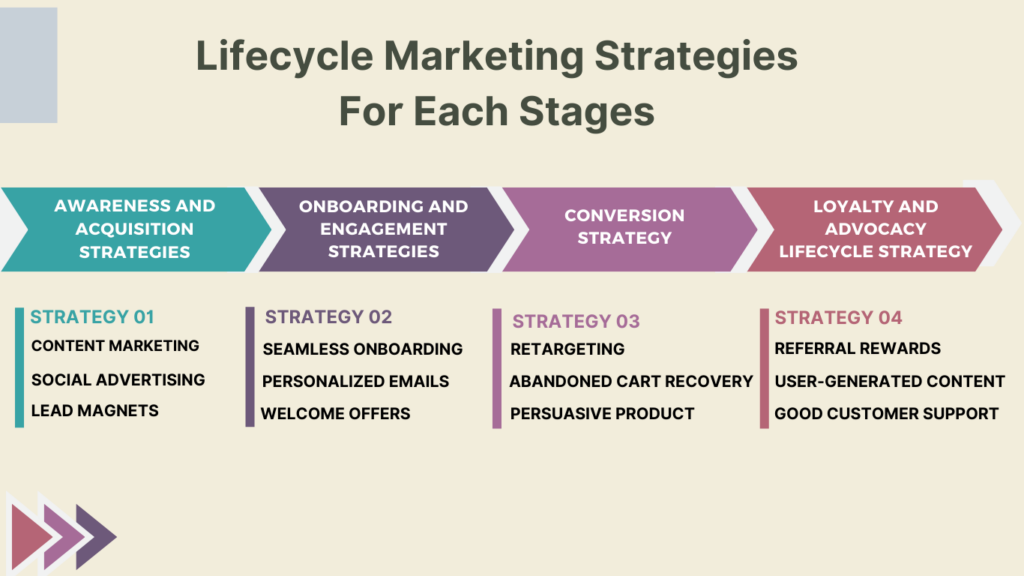
Introduction

Welcome to the world of marketing automation, where data reigns supreme and every click, scroll, and hover tells a story. If you’re in the game of sales CRM or email marketing, you know that understanding your customers is more than just a nice-to-have-it’s essential. In this post, we’re diving deep into how you can layer behavioral data into your automation strategy to supercharge your marketing efforts.

Imagine you’re a chef in a bustling restaurant kitchen. You have all the ingredients at your disposal, but without knowing what your diners enjoy, you might end up serving up a plate of disappointment. Similarly, in the realm of digital marketing tools, using behavioral data allows you to tailor your approach to fit your audience’s tastes perfectly. This is where the magic happens-customer segmentation and personalized marketing come into play!

Did you know that businesses leveraging customer insights see up to a 5-10x increase in ROI on their marketing spend? That’s right! The power of data-driven marketing is not just a buzzword; it’s a proven strategy!

But hold on! Before we get too carried away with the possibilities, let’s clarify what we mean by behavioral data. This isn’t just about tracking clicks; it’s about understanding the journey every customer takes through your sales funnel-from initial interest to final purchase and beyond. Think of it as mapping out a treasure hunt where each clue (or piece of data) leads you closer to understanding what makes your customers tick.

This post will explore:

  1. The overview of marketing automation
  2. The importance of leveraging behavioral data in crafting effective strategies
  3. The purpose behind implementing these insights into your campaigns

As we navigate through this topic, we’ll uncover some common misconceptions-like thinking that simply having a Customer Data Platform (CDP) is enough. Spoiler alert: it’s not! You need to actively engage with that data to see real results.

Buckle up as we embark on this journey together! Whether you’re looking to optimize lead generation or enhance customer engagement platforms, layering behavioral data into your strategy will undoubtedly elevate your game.

A vibrant illustration showing a digital marketer analyzing customer behavior data with charts and graphs around them

Understanding Behavioral Data

So, what exactly is behavioral data? Think of it as the breadcrumbs your customers leave behind as they navigate through the digital landscape. This data encompasses all the actions your customers take, from browsing your website to engaging with your emails. It’s like having a backstage pass to their preferences, habits, and decision-making processes.

Definition of Behavioral Data

Behavioral data refers to the information collected from user interactions with various marketing channels. This includes:

  • Website visits
  • Email opens and clicks
  • Social media engagement
  • Purchase history
  • Search queries
  • Time spent on specific pages or content

Types of Behavioral Data in Marketing

Understanding the different types of behavioral data can help you tailor your marketing automation strategies effectively. Here are some key types:

  • User Engagement Metrics: These metrics track how users interact with your content, including page views, session duration, and bounce rates.
  • Purchase History: Knowing what products or services a customer has purchased can inform future marketing efforts and upsell opportunities.
  • Email Interaction Data: This includes open rates, click-through rates, and unsubscribe rates that provide insight into how well your email campaigns are performing.

User Engagement Metrics

User engagement metrics offer a window into how effectively you’re capturing attention. If users are spending more time on certain pages or repeatedly visiting specific content, that’s a clear indicator of what resonates with them!

Purchase History

Your customers’ past purchases can be gold mines for crafting targeted campaigns. For instance, if someone bought running shoes last month, sending them an email about new athletic apparel could be just the nudge they need to make another purchase.

Email Interaction Data

Email interaction data is crucial for email campaign management. Analyzing who opens your emails and who clicks on links helps refine your messaging and improve customer engagement platforms.

Benefits of Utilizing Behavioral Data

The benefits of leveraging behavioral data in your marketing strategy are numerous:

  • Enhanced Customer Segmentation: Tailor messages based on user behavior for more relevant communication.
  • Improved Personalization: Deliver personalized experiences that resonate with individual customer journeys.
  • Optimized Lead Nurturing Strategies: Use insights from behavioral data to guide leads through the sales funnel more effectively.
  • Data-Driven Decision Making: Make informed decisions based on actual customer behavior rather than gut feelings.
  • Increased Campaign Performance Tracking: Measure success more accurately and adjust strategies in real-time based on performance metrics.

The bottom line? Utilizing behavioral data not only enhances sales pipeline management, but it also fosters a deeper connection between you and your customers-leading to better retention rates and higher sales conversions!

If you’re ready to dive deeper into how these insights can transform your approach to CRM integration, stay tuned for our next section where we’ll explore actionable steps to implement these strategies effectively!

A creative infographic showing different types of behavioral data used in marketing automation strategies

The Role of CRM in Automation Strategies

When it comes to marketing automation, think of your Sales CRM as the conductor of an orchestra. Each instrument (or data point) has its role, but without a maestro to harmonize them, you’re left with a cacophony instead of a symphony. Integrating your CRM with automation strategies not only streamlines processes but also ensures that every customer interaction is as smooth as a jazz solo.

Integrating Sales CRM with Marketing Automation

The first step in this harmonious journey is integrating your Sales CRM with your marketing automation tools. This integration allows for seamless data flow between systems, ensuring that your marketing efforts are based on real-time customer insights. Here’s what you gain:

  • Real-Time Data Access: No more waiting for weekly reports; access customer data instantly to make informed decisions.
  • Automated Lead Scoring: Automatically rank leads based on their interactions, helping you prioritize follow-ups.
  • Personalized Campaigns: Use detailed customer profiles to tailor your messaging and offers.

A well-integrated system means you can automate repetitive tasks and focus on what really matters-building relationships and closing sales!

How CRM Enhances Customer Profiles

Your Customer Data Platform (CDP) plays a crucial role in creating comprehensive customer profiles. By consolidating data from various channels, your CRM enables you to build rich, detailed profiles that reflect each customer’s unique journey.

  • Behavioral Insights: Understand how customers interact with different touchpoints across their journey.
  • Segmentation Capabilities: Group customers based on behavior, preferences, and purchasing patterns for targeted campaigns.
  • Predictive Analytics: Use historical data to forecast future behaviors and tailor marketing strategies accordingly.

The result? A deeper understanding of your customers leads to more effective personalized marketing, higher engagement rates, and ultimately, improved ROI!

A dynamic graphic illustrating successful case studies of CRM integration in fitness studios with statistics

Leveraging Customer Data Platforms (CDPs)

In the ever-evolving landscape of marketing automation, Customer Data Platforms (CDPs) are like the Swiss Army knives every marketer needs. They’re not just fancy storage bins for your data; they’re powerful tools that help you make sense of the myriad of customer interactions across all your channels. Think of a CDP as your personal assistant who meticulously organizes every detail about your customers, ensuring you have all the insights at your fingertips when crafting your next campaign.

What is a Customer Data Platform?

A Customer Data Platform is a unified database that consolidates customer information from multiple sources, creating comprehensive customer profiles. Unlike traditional databases, which often require manual updates and maintenance, CDPs automatically collect and integrate data from various platforms, such as:

  • Website interactions: Tracking user behavior on your site.
  • Email engagement: Capturing opens, clicks, and conversions.
  • Social media activity: Monitoring customer engagement across platforms.
  • CRM systems: Integrating sales data for a complete view.

The Benefits of Using a CDP for Automation Strategies

The advantages of leveraging a CDP in your automation strategy are profound:

  • Holistic Customer Insights: With all data in one place, you can gain a 360-degree view of each customer’s journey.
  • Enhanced Personalization: Use detailed profiles to deliver tailored messages that resonate with individual preferences.
  • Improved Segmentation: Create highly targeted segments based on behavioral data for more effective campaigns.
  • Data-Driven Decision Making: Make informed choices based on real-time insights rather than guesswork.

A study found that companies using CDPs reported an average increase of 20% in their marketing ROI due to enhanced targeting capabilities!

How CDPs Help in Building Comprehensive Customer Profiles

The magic lies in how a CDP enables you to build rich customer profiles that evolve over time. Imagine being able to track not just what customers buy but also how they engage with your brand across various touchpoints. This is where customer journey mapping comes into play!

A well-structured CDP captures behavioral patterns and preferences, allowing marketers to create highly personalized experiences. Here’s how it works:

  • Behavioral Targeting: By analyzing past interactions, you can predict future behaviors and tailor communications accordingly.
  • Email Campaign Management: Use insights from the CDP to craft automated email workflows that speak directly to your audience’s interests.
  • Cohesive Multichannel Marketing: Ensure consistency across every channel by utilizing integrated marketing solutions backed by robust customer data.

This level of understanding not only enhances customer engagement platforms, but it also streamlines lead nurturing strategies throughout the sales funnel. You’ll be able to push leads through the pipeline with ease, knowing exactly when and how to reach out!

If you’re still skeptical about integrating a CDP, consider this: businesses leveraging these platforms often see significant improvements in their sales funnel optimization. In fact, many report faster conversion rates thanks to more relevant and timely communications!

An engaging graphic illustrating how Customer Data Platforms enhance marketing automation strategies with interconnected data points

The takeaway? A robust Customer Data Platform, when utilized effectively within your automation strategy, can transform how you connect with customers-turning insights into action and enhancing overall campaign performance. Ready to dive deeper into actionable steps? Let’s keep this momentum going!

Strategies for Layering Behavioral Data into Automation Workflows

Now that we’ve established the importance of behavioral data, let’s dive into how you can effectively layer this information into your automation workflows. Imagine you’re assembling a high-tech gadget; each piece of data is a crucial component that, when placed correctly, makes the entire system work seamlessly. This is how you should view your marketing automation strategy!

Segmenting Audiences Based on Behavior

The first step in layering behavioral data is audience segmentation. This involves grouping customers based on their behaviors and preferences. Think of it as sorting your laundry: whites, colors, delicates-each needs different care! By segmenting your audience, you can tailor your messaging to resonate more effectively with each group.

  • Behavioral Segmentation: Group customers based on their actions, such as purchase history or website interactions.
  • Demographic Segmentation: Combine behavioral insights with demographic data for a more holistic view.
  • Psychographic Segmentation: Understand customer motivations and interests to create personalized experiences.

Email Segmentation Techniques

Email marketing remains a powerful tool in automation. To maximize its effectiveness, leverage behavioral data for segmentation:

  • Engagement Levels: Target highly engaged users with exclusive offers while nurturing less active subscribers with re-engagement campaigns.
  • Purchase Behavior: Send tailored emails based on previous purchases-think “You bought running shoes; here’s some cool gear to match!”
  • Browsing History: Use insights from what customers viewed but didn’t purchase to trigger abandoned cart emails or personalized recommendations.

A/B Testing for Improved Engagement

A/B testing is like a scientific experiment for your marketing campaigns. By testing different versions of emails or landing pages, you can see what resonates best with your audience. Here are some tips for effective A/B testing:

  • Create Clear Hypotheses: Define what you want to test-subject lines, call-to-action buttons, or images-and why.
  • Test One Variable at a Time: To accurately measure results, change only one element per test.
  • Analyze Results Thoroughly: Use metrics such as open rates and conversion rates to determine the winning version.

Personalizing Email Marketing Campaigns Using Behavioral Insights

The true magic of personalized marketing lies in using behavioral insights to craft messages that speak directly to the recipient’s interests. Here’s how you can do it:

  • Dive Deep into Data: Analyze past interactions to understand customer preferences and tailor future communications accordingly.
  • Create Dynamic Content: Use dynamic content blocks in emails that change based on the recipient’s behavior-for example, recommending products based on browsing history.
  • Timing is Everything: Leverage behavioral triggers (like recent purchases) to send timely follow-ups or reminders.

Avoiding Common Pitfalls When Implementing Automation Strategies with Behavioral Data

No one wants their marketing efforts to flop! Here are some common pitfalls to avoid when layering behavioral data into your automation workflows:

  • Siloed Data Sources: Ensure all relevant data sources are integrated; otherwise, you’re missing out on valuable insights!
  • Lack of Testing and Optimization: Always be testing! What works today may not work tomorrow-stay agile and adjust strategies as needed.
  • Ineffective Communication Strategies: Don’t bombard customers with irrelevant messages; instead focus on delivering value through personalized content.

The key takeaway? Layering behavioral data into your automation workflows isn’t just about collecting information; it’s about using that information strategically. With proper segmentation, personalization, and continuous optimization, you’ll turn insights into action!

If you’re ready to take these strategies and implement them in your own campaigns, stay tuned! In our next section, we’ll explore real-world examples of successful implementations that will inspire you!

Measuring Success: Key Performance Indicators (KPIs)

When it comes to marketing automation, measuring success is like trying to find the perfect avocado at the grocery store. You need the right tools, knowledge, and a little bit of finesse. Enter Key Performance Indicators (KPIs) – your trusty roadmap to navigate the sometimes bumpy terrain of sales CRM and email marketing effectiveness!

The Importance of Continuous Monitoring and Adjustment

Just like a chef tastes their dish before serving, you need to continuously monitor your KPIs to ensure your marketing strategies are on point. This isn’t a set-it-and-forget-it situation; it’s more like a dance where you adjust your steps based on the rhythm of customer engagement.

  • Engagement Rates: Keep an eye on how many people are opening your emails or clicking through your landing pages.
  • Conversion Rates: Track how many leads turn into paying customers after interacting with your campaigns.
  • Customer Feedback: Regularly solicit feedback to gauge satisfaction and areas for improvement.

A/B Testing Results and Analysis

A/B testing is like having two ice cream flavors at once – why choose one when you can have both? By testing different versions of emails or ad campaigns, you can discover what truly resonates with your audience. Here’s how to make A/B testing work for you:

  • Create Variations: Test different subject lines, images, or calls-to-action.
  • Analyze Performance: Look at open rates, click-through rates, and conversions for each version.
  • Iterate Quickly: Use findings from A/B tests to refine future campaigns.

User Feedback and Engagement Rates

User feedback is gold in the world of customer data platforms. It’s like having a crystal ball that reveals what customers love (or loathe). Combine qualitative feedback with quantitative metrics for a comprehensive view of campaign effectiveness. Here’s how:

  • Satisfaction Surveys: Send out brief surveys post-purchase or after email interactions.
  • NPS Scores: Measure customer loyalty through Net Promoter Scores to see if they’d recommend your brand.
  • User Engagement Metrics: Monitor social media interactions and email engagement rates consistently.

The Role of Analytics Tools in Measuring Effectiveness

Your analytics tools are like a trusty sidekick in this journey – they provide insights that help you make data-driven decisions. By leveraging these tools effectively, you can gain deeper insights into customer behavior across various touchpoints. Here are some must-have analytics features:

  • Real-Time Data Analysis: Monitor user behavior as it happens for immediate adjustments.
  • A Comprehensive Dashboard: Use dashboards that consolidate all key metrics in one place for easy access.
  • Predictive Analytics: Employ predictive models to forecast future behaviors based on historical data patterns.

Tying Back to Business Goals and Objectives

No matter how shiny your KPIs are, they need to align with your broader business goals. Think of them as the compass guiding you toward success! Ensure that every metric you track ties back into what you’re ultimately trying to achieve – be it increasing brand awareness or boosting sales conversions.

The bottom line? Regularly revisit your KPIs as part of an integrated marketing solution strategy. This ensures you’re not just throwing spaghetti at the wall but rather crafting a meal that delights every palate!

If you’re ready to take these insights and apply them in real-time scenarios, stay tuned! In our next section, we’ll explore actionable steps for implementing these strategies effectively!

Lifecycle Marketing for Subscription Brands: Build, Automate, Scale

Introduction to Lifecycle Marketing

Welcome to the exciting world of lifecycle marketing, where every interaction with your customers is a step on the journey to brand loyalty! For subscription brands, mastering this marketing strategy is like having a cheat code in a video game – it helps you navigate the tricky levels of customer engagement and retention.

A vibrant illustration depicting the lifecycle of a customer journey, showing stages like awareness, consideration, purchase, and retention, with icons representing <a href='https://gleantap.com/10-out-of-the-box-fitness-marketing-strategies-that-actually-work/'>email marketing</a>, <a href='https://gleantap.com/10-crm-softwares-for-boosting-membership/'>CRM systems</a>, and customer engagement strategies.

Definition of Lifecycle Marketing

At its core, lifecycle marketing is about understanding the various stages your customers go through – from first discovering your brand to becoming loyal advocates. Think of it as a roadmap that guides your customers through their unique journey:

  • Aware: They learn about your brand.
  • Consideration: They weigh their options (hello, competition).
  • Purchase: They take the plunge and buy!
  • Retention: They enjoy your product or service and stick around.
  • Advocacy: They become your biggest fans.

This process isn’t just about selling; it’s about creating meaningful connections through personalized marketing campaigns. Every interaction is an opportunity to engage and nurture relationships!

Importance for Subscription Brands

You might be wondering why this matters for subscription brands. Well, let’s break it down! In the world of recurring revenue models, customer retention is everything. Just like in a relationship, it’s not enough to get someone to say “I do.” You need to keep them happy long after the honeymoon phase!

A 5% increase in customer retention can boost profits by 25% to 95%. Now that’s some serious ROI!

This is where marketing automation, particularly through integrated CRM systems, comes into play. By leveraging customer data platforms, you can segment your audience based on behavior and preferences. This means tailored messaging that resonates with each unique profile – no more one-size-fits-all emails!

If you think email marketing is dead, think again! Automated email drip campaigns for fitness centers can keep members engaged with timely reminders about classes or promotions tailored just for them. It’s like sending them a little love note that says, “Hey, we miss you!” without being too clingy.

Overview of Key Concepts

The beauty of lifecycle marketing lies in its multifaceted approach. Here are some key concepts every subscription brand should embrace:

  • Customer Journey Mapping: Visualize how customers interact with your brand at each stage.
  • Email Drip Campaigns: Send targeted messages based on user behavior.
  • Cohort Analysis: Understand how different groups respond over time.
  • Loyalty Programs: Reward long-term subscribers and foster fitness brand loyalty.
  • Crossover Marketing Strategies: Use social media alongside traditional methods for better reach.

A common misconception? Many brands believe that once a sale is made, their job is done. Wrong! The real magic happens post-purchase when you can elevate their experience through ongoing engagement strategies like customer feedback loops in fitness centers.

The takeaway? Embrace lifecycle marketing as an ongoing conversation rather than a series of isolated transactions. This approach not only boosts customer lifetime value optimization but also ensures you’re always top-of-mind when they think fitness!

If you’re ready to dive deeper into automating these processes for scale and efficiency, stay tuned for more insights in our upcoming sections!

The Stages of Lifecycle Marketing

Lifecycle marketing is like a well-orchestrated symphony, with each stage playing its part to create a harmonious experience for your customers. Let’s break down these stages to see how they can transform your marketing strategy and enhance customer retention for your subscription brand.

Acquisition

The first stage is all about attracting the right audience. This is where your lead generation efforts come into play. Think of it as casting a wide net in the ocean of potential customers:

  • Content Marketing: Create engaging content that draws people in, like blog posts or videos that resonate with fitness enthusiasts.
  • Social Media Marketing: Use platforms like Instagram and Facebook to showcase success stories and promotions.
  • Email Campaigns: Start building your list with enticing offers that encourage sign-ups.

Remember, the goal here is to fill your sales funnel with quality leads who are genuinely interested in what you have to offer!

Activation

Next up, activation! This is where you turn those curious prospects into engaged users. Imagine this stage as the first date-making a strong impression is crucial:

  • User Onboarding: Provide a seamless onboarding experience that highlights the value of your service immediately.
  • Personalized Welcome Emails: Use CRM software solutions to send tailored messages that guide new members through their journey.
  • Trial Offers: Consider offering free trials or discounts to entice users to take action.

A well-executed activation strategy can significantly improve user engagement right from the start!

Retention

This stage is where the magic happens-keeping customers coming back for more! Think of retention as nurturing a long-term relationship:

  • Loyalty Programs: Implement programs that reward loyal members, enhancing their commitment to your brand.
  • Email Drip Campaigns: Send regular updates, tips, and exclusive offers tailored for different segments of your audience.
  • User Feedback Loops: Regularly solicit feedback on their experiences and use it to improve services continuously.

A staggering 68% of customers leave because they feel ignored. Engaging them post-purchase can drastically reduce churn!

Your goal here? Make every customer feel valued and part of an exclusive community!

Referral

If you’ve done everything right so far, you’re likely creating brand advocates! The referral stage is akin to winning over fans who will spread the word about your fitness brand:

  • Create Shareable Content: Develop content that’s easy for users to share on social media or through word-of-mouth.
  • User-Generated Content Campaigns: Encourage happy customers to share their success stories using your service.
  • The Power of Incentives: Offer discounts or freebies for referrals-after all, everyone loves a good deal!

Your existing customers are often your best marketers; empower them with tools and incentives to spread the love!

Revenue Generation

The final stage focuses on maximizing profits while ensuring customer satisfaction remains high. It’s like finding that sweet spot between making money and keeping customers happy-no easy feat! Here’s how you can do it:

  • Cross-Selling & Upselling: Use data from customer profiles, gathered through CRM systems, to recommend additional services or products based on user behavior.
  • Predictive Analytics: Leverage data-driven marketing techniques to forecast future buying behavior and adjust strategies accordingly.

A study found that increasing customer retention rates by just 5% can increase profits by 25% to 95%. It’s not just about acquiring new customers; it’s about maximizing lifetime value!

The takeaway? Lifecycle marketing isn’t just a buzzword; it’s an essential framework for subscription brands looking to build lasting relationships while driving revenue. By understanding these stages-acquisition, activation, retention, referral, and revenue generation-you’ll be well on your way to mastering fitness marketing.

If you’re ready to implement these strategies into your marketing plan, stay tuned as we dive deeper into automation tools designed specifically for scaling!

An infographic illustrating the stages of lifecycle marketing including acquisition, activation, retention, referral, and revenue generation with icons representing each step.

Building Customer Profiles for Effective Marketing

When it comes to marketing automation, creating detailed customer profiles is like having a treasure map that leads you straight to your customers’ hearts (and wallets!). Understanding who your customers are and what they want is essential for crafting personalized marketing campaigns that resonate.

Understanding Customer Data Platforms (CDPs)

First things first, let’s talk about Customer Data Platforms (CDPs). These nifty tools are like the Swiss Army knives of data management, allowing you to gather and unify customer information from multiple sources. Imagine having a single source of truth that collects data from your website, social media, email campaigns, and even gym check-ins!

With a CDP, you can:

  • Centralize Data: Bring together all customer interactions in one place.
  • Segment Audiences: Create targeted segments based on behavior and preferences.
  • Enhance Personalization: Use insights to tailor messaging for each segment.

This means no more guessing games. You’ll have the information needed to deliver exactly what your customers want when they want it!

Collecting and Analyzing Customer Data

The next step? Collecting and analyzing that juicy customer data! This is where the magic happens. Think of it as mining for gold-only instead of pickaxes, you’re using automated marketing tools.

You can gather data through:

  • Email Sign-Ups: Capture details during the onboarding process with engaging forms.
  • User Interactions: Track how customers engage with your content or services.
  • Feedback Surveys: Regularly ask for input to understand their needs better.

The analysis part is crucial too. By employing customer segmentation analysis, you can identify trends and patterns in behavior. For instance, if you notice a group of members consistently attending specific classes, why not create targeted promotions around those classes?

A staggering 70% of consumers say they prefer personalized experiences. If you’re not leveraging customer data to create those experiences, you’re missing out!

Creating Detailed Customer Profiles

This is where we roll up our sleeves and get into the nitty-gritty of creating detailed customer profiles. Think of each profile as a character in a story-knowing their background helps you write an engaging narrative that keeps them coming back for more!

  1. Name & Demographics: Start with basic info like age, gender, location-this helps in crafting targeted content.
  2. Pain Points & Goals: Understand what challenges they face in their fitness journey and what they aspire to achieve.
  3. Browsing Behavior: Analyze how they interact with your website or app-what pages do they visit most?
  4. Email Engagement: Track which emails they open or click on; this gives insight into their interests.
  5. Loyalty Status: Identify if they’re first-time visitors or long-term members; this helps tailor communication strategies!

The beauty of having these detailed profiles is that you can now design cross-channel marketing automation. Whether it’s sending personalized emails or creating targeted social media ads based on user behavior, you’ll be hitting all the right notes!

The takeaway? Building comprehensive customer profiles isn’t just about gathering data; it’s about transforming that data into actionable insights that drive engagement and retention strategies. Ready to take your marketing game to the next level?

If so, stay tuned as we explore how automation can help streamline these processes further!

An infographic illustrating the process of building customer profiles with elements such as demographics, pain points, browsing behavior, email engagement, and loyalty status.

Marketing Automation Strategies for Subscription Brands

When it comes to subscription brands, marketing automation is like having a personal trainer for your marketing strategy-guiding you through every rep and ensuring you hit your goals without burning out. Let’s dive into some rock-solid strategies that can elevate your customer retention game!

Email Marketing Automation Techniques

Email marketing is the bread and butter of digital marketing, especially for subscription brands. Think of it as sending a personalized postcard to your subscribers-only it’s way cooler because you can automate it! Here are some techniques to consider:

  • Segmentation: Use customer profiles to segment your audience based on behavior and preferences. This allows for targeted messaging that resonates.
  • Email Drip Campaigns: Set up automated sequences that nurture leads over time. For instance, welcome emails that introduce new members to your services can boost engagement right away.
  • Behavioral Triggers: Send emails based on user actions-like reminding them about an upcoming fitness class or offering a discount when they haven’t engaged in a while.

The beauty of these techniques? They create personalized experiences without the manual effort, allowing you to focus on other aspects of your fitness marketing.

Utilizing CRM Systems for Personalized Communication

Your CRM systems are the backbone of effective communication with your customers. They help you understand who your customers are-and more importantly, what they want! Here’s how to leverage them:

  • Customer Profiles: Build comprehensive profiles that include demographics, preferences, and interaction history. This data helps tailor messages that resonate.
  • Automated Follow-Ups: Use CRM software solutions to schedule follow-up emails after a purchase or interaction. This keeps the conversation going and shows customers you care!
  • Personalized Offers: Create special promotions based on customer behavior-like discounts on classes they frequently attend or products they’ve shown interest in.

This level of personalization fosters deeper connections and enhances the overall customer journey mapping, making them feel valued every step of the way.

A/B Testing and Optimization of Campaigns

A/B testing is like trying out two different workout regimens to see which one gets you better results-it’s all about optimization! Here’s how to apply this principle in your marketing campaigns:

  • Email Subject Lines: Test different subject lines to see which ones get higher open rates. A catchy subject line can be the difference between “open me” and “delete!”
  • Email Content Variations: Experiment with different styles, tones, or layouts in your email content. You might find that a more casual tone resonates better with your audience.
  • Timing Tests: Try sending emails at different times or days to determine when your audience is most responsive.

A/B testing can increase conversion rates by up to 49%. It’s worth the effort!

The key takeaway? Don’t just set it and forget it! Continuously monitor performance metrics and optimize based on data-driven insights. This ensures you’re always improving engagement levels while keeping customer satisfaction high.

If you’re ready to supercharge your marketing automation strategies, remember: it’s all about understanding customer needs and delivering value at every stage of their journey!

An infographic showcasing various email marketing automation techniques including segmentation, drip campaigns, behavioral triggers, and A/B testing strategies.

Scaling Your Marketing Efforts with Technology

When it comes to scaling your marketing efforts, technology is your best friend-think of it as the trusty sidekick that helps you conquer the world of fitness marketing. By leveraging marketing automation tools, you can streamline processes, enhance customer engagement, and ultimately boost customer retention. Let’s explore how you can integrate technology into your marketing strategy!

Integrating Sales CRM with Marketing Tools

The first step in scaling your marketing efforts is to integrate your Sales CRM with other marketing tools. This integration allows for seamless data flow between systems, enabling you to create a unified view of customer interactions. Imagine having a single dashboard where you can track leads, manage campaigns, and analyze results-all without breaking a sweat!

  • Data Synchronization: Ensure that customer data is updated in real-time across all platforms. No one likes working with outdated information!
  • Lead Scoring: Use your CRM to prioritize leads based on their engagement levels. This helps tailor communication strategies that resonate.
  • Automated Workflows: Set up workflows that trigger actions based on specific criteria-like sending a welcome email when someone signs up for a newsletter.

This integration not only saves time but also enhances the overall efficiency of your sales funnel. It’s like having a well-oiled machine that keeps everything running smoothly!

Achieving Scalability through Automation Platforms

If you want to scale your marketing efforts effectively, investing in automation platforms is key. These platforms are like the gym memberships for your marketing strategy-offering tools and resources to help you grow without burning out.

  • Email Marketing Automation: Create automated email sequences that nurture leads over time. Think of it as sending a series of friendly nudges to keep customers engaged.
  • Cross-Channel Marketing Automation: Utilize multiple channels (email, social media, SMS) to reach customers where they are most active. The more touchpoints, the better!
  • A/B Testing Tools: Implement testing tools to optimize campaigns based on real-time data. This way, you’re always improving and adapting to what works best.

A recent study showed that businesses using marketing automation see a 10% increase in revenue within six months. Now that’s some serious motivation!

The beauty of these platforms is that they allow for scalability without sacrificing quality. You can reach more customers while maintaining personalized interactions-it’s like having your cake and eating it too!

The Role of Analytics in Scaling Efforts

No scaling effort would be complete without analytics! Think of analytics as the fitness tracker for your marketing campaigns-it tells you what’s working and what needs improvement.

  • User Behavior Analysis: Track how customers interact with your content across various channels. This insight allows for better targeting and segmentation.
  • Performance Metrics: Monitor key performance indicators (KPIs) such as open rates, click-through rates, and conversion rates. Knowing these metrics helps refine your strategies.
  • Customer Feedback Loops: Regularly collect feedback from customers on their experience with your brand. Use this information to adapt and enhance offerings continuously.

The right analytics can increase ROI by up to 15%. It’s not just about collecting data; it’s about using it effectively!

Your takeaway? Embracing technology in scaling your marketing efforts isn’t just smart; it’s essential! By integrating CRM systems with automation tools and utilizing analytics effectively, you’ll be set up for success in the competitive fitness industry.

If you’re ready to take action, start exploring which technologies align best with your brand’s goals-and watch as you build momentum towards greater customer engagement and retention!

Customer Retention Strategies for Subscription Brands

When it comes to subscription brands, customer retention is the golden ticket. Think of it as the secret sauce that keeps your customers coming back for more, like that perfect workout playlist that gets you through those last few reps. Let’s dive into some effective strategies that will help you keep your members engaged and reduce churn!

Loyalty Programs and Incentives

Loyalty programs are like the cherry on top of your marketing strategy sundae. They not only reward customers for their commitment but also create a sense of belonging. Here’s how to set up a program that will have your members feeling like VIPs:

  • Point Systems: Allow customers to earn points for every purchase or class attended, which they can redeem for discounts or exclusive offers.
  • Tiered Membership Levels: Create different levels of membership that unlock additional benefits as customers engage more with your brand.
  • Referral Bonuses: Encourage members to bring friends by offering rewards for successful referrals.

Remember, a well-structured loyalty program not only enhances fitness brand loyalty, but it also increases the overall customer lifetime value optimization. So, get creative with those incentives!

User Engagement Tactics to Reduce Churn Rate

User engagement is crucial in keeping churn rates low. It’s like constantly checking in with a friend; you want them to feel valued and appreciated! Here are some tactics to keep your members engaged:

  • Personalized Email Campaigns: Utilize email drip campaigns for fitness centers tailored to user behavior-reminders about classes they love or special promotions just for them.
  • Interactive Content: Use quizzes or polls on social media to engage users and gather insights into their preferences.
  • Community Building: Foster a sense of community through social media groups or forums where members can share their experiences and support each other.

A study found that 70% of consumers say they prefer personalized experiences. If you’re not engaging them effectively, you’re missing out!

The key here? Keep communication flowing and make sure your members know you care about their fitness journey!

The Importance of Feedback Loops and Surveys

If you’re not asking for feedback, you might as well be playing darts in the dark! Feedback loops are essential in understanding what works and what doesn’t. Here’s how to implement effective feedback strategies:

  • Satisfaction Surveys: Regularly send out surveys post-class or after a purchase to gauge satisfaction levels.
  • User Experience Feedback: Ask specific questions about their experience using your services-what did they love? What could be improved?
  • A/B Testing Feedback: Use A/B testing results from different marketing campaigns to learn what resonates best with your audience.

The right feedback can lead to improvements that increase customer satisfaction by up to 30%. It’s all about listening!

Your takeaway? Establishing feedback loops ensures you’re always in tune with your customers’ needs, allowing you to pivot quickly when necessary. This proactive approach can significantly enhance member retention strategies.

If you’re serious about scaling your subscription brand while keeping customers happy and engaged, these strategies are essential tools in your marketing toolkit!

Conclusion: The Future of Lifecycle Marketing in the Fitness Industry

As we look ahead to the future of lifecycle marketing in the fitness industry, it’s clear that the landscape is evolving faster than a treadmill on high speed. With the rise of technology and data-driven strategies, brands that adapt will not only survive but thrive!

The Shift Towards Personalization

Personalization is no longer just a nice-to-have; it’s a must-have! Customers are expecting tailored experiences that make them feel valued. In fact, 70% of consumers say they prefer personalized experiences. This means leveraging customer data platforms to create detailed customer profiles and deliver personalized marketing campaigns.

Imagine sending a birthday discount to members or recommending classes based on their workout history. It’s like having a personal trainer who knows exactly what you need!

The Role of Automation in Scaling Efforts

With the right marketing automation tools, fitness brands can streamline their processes and enhance customer engagement without burning out their teams. Think of automation as your marketing assistant who never sleeps!

  • Email Automation: Automated email drip campaigns can keep members informed and engaged, ensuring they never miss out on classes or promotions.
  • Predictive Analytics: By utilizing predictive analytics in CRM systems, brands can anticipate customer needs and adjust strategies accordingly.
  • Cross-Channel Marketing: Integrating various channels ensures that your messaging is consistent and reaches customers where they are most active.

A recent study revealed that businesses using automated marketing tools see an impressive 10% revenue increase within six months. Now that’s motivation to automate!

The Importance of Community Building

The future of fitness marketing isn’t just about selling memberships; it’s about building communities. Engaging customers through social media platforms and creating spaces for them to connect with each other fosters loyalty and enhances retention.

  • User-Generated Content: Encourage members to share their fitness journeys online-this not only builds community but also acts as powerful testimonials for your brand.
  • Interactive Challenges: Host fitness challenges that encourage participation and camaraderie among members, making workouts fun while driving engagement.
  • Email Newsletters: Regular newsletters featuring member success stories can inspire others while keeping your brand top-of-mind.

A strong community leads not only to higher retention rates but also transforms customers into passionate advocates for your brand!

Your takeaway? The future of lifecycle marketing in the fitness industry is all about personalization, automation, and community building. By embracing these trends now, you’ll set your subscription brand up for long-term success.

If you’re ready to take action, start exploring innovative ways to implement these strategies today! The journey towards enhanced customer retention starts here.

Ready to take your subscription brand to the next level? Start implementing lifecycle marketing strategies that attract, activate, and retain loyal customers while maximizing revenue. Leverage automation tools, CRM systems, and data-driven insights to deliver personalized experiences your audience will love. Build a strong community, reward loyalty, and keep engagement high through targeted campaigns that work around the clock. The future of your brand’s growth lies in mastering personalization, automation, and retention—so don’t wait. Begin optimizing your customer journey today and watch your business thrive. Your path to stronger connections, higher retention, and increased profits starts right now!

How Smart Brands Are Automating Referral & Review Requests
Introduction

Welcome to the digital age, where automation is not just a buzzword but a game-changing strategy for businesses, especially in the fitness industry. If you think about it, asking for referrals and reviews can feel like trying to get your cat to take a bath-awkward and often met with resistance. But fear not! With the right marketing automation tools and strategies, you can transform this task into a smooth, seamless process that leads to growth.

In today’s competitive landscape, effective fitness marketing relies heavily on social proof. Referrals and reviews are golden nuggets that can elevate your brand’s credibility and attract new clients faster than you can say “squat.” But how do you go about gathering these precious testimonials without sounding like a desperate salesperson at a yard sale? The answer lies in automating your outreach efforts.

Did you know that the global marketing automation market was valued at USD 4.06 billion in 2019? It’s projected to grow at a compound annual growth rate (CAGR) of 9.8% from 2020 to 2027! This means more brands are recognizing the power of automation in their marketing strategies.

If we dive deeper into the realm of CRM solutions, we find that integrating automated email workflows can significantly enhance customer engagement strategies. Imagine sending personalized emails to your clients asking for their feedback right after they’ve had an amazing workout session! It’s like having your cake and eating it too-clients feel valued, and you get those shiny reviews.

The beauty of using sales automation software is that it allows for efficient customer segmentation based on behavior or preferences. This means you’re not just blasting out requests into the void; instead, you’re targeting specific groups with tailored messages. Think of it as crafting an exclusive invitation rather than sending out generic flyers.

Overview of the Importance of Referrals and Reviews in Fitness Marketing

The fitness industry thrives on community and trust. Referrals from satisfied customers act as endorsements that carry more weight than any advertisement ever could. When potential clients see glowing reviews or hear about your services from their friends, they’re more likely to step through your doors.

  • Builds Trust: Prospective clients trust recommendations from friends or family over traditional advertising.
  • Boosts Visibility: Positive reviews can enhance your online presence through SEO benefits.
  • Cuts Costs: Acquiring new customers through referrals is often cheaper than conventional marketing methods.
  • Nurtures Loyalty: Happy customers who refer others are likely to stick around longer themselves.

Brief Introduction to Automation in Marketing and CRM

Marketing automation isn’t just about sending emails; it’s about creating an ecosystem where every interaction is meaningful. By leveraging data-driven marketing techniques, brands can craft personalized experiences that resonate with their audience.

This is where customer profiles, data integration for CRM systems, and behavior-based marketing automation come into play. They enable businesses to understand their clients better and cater directly to their needs-like knowing when someone might be ready for that next workout challenge!

The implementation of these technologies not only streamlines processes but also enhances sales funnel optimization by ensuring no lead gets left behind in the chaos of daily operations.

A vibrant gym setting showing diverse people engaged in various fitness activities while using technology such as smartphones or tablets

This blog post will explore how smart brands are harnessing these automated techniques for referral and review requests, paving the way for unparalleled growth in the fitness sector. Ready to dive deeper? Let’s go!

The Role of Automation in Marketing

Definition and Benefits of Marketing Automation

So, what exactly is marketing automation? In simple terms, it’s like having a personal assistant who never sleeps, making sure your marketing efforts are always on point. From automated email workflows to customer journey mapping tools, these systems help streamline processes that would otherwise eat up your precious time.

Here are some key benefits of embracing automated marketing tools:

  • Efficiency: Automating repetitive tasks means you can focus on strategy and creativity instead of getting bogged down in the nitty-gritty.
  • Consistency: Automated systems ensure that your messaging remains consistent across all channels, which is vital for brand recognition.
  • Data-Driven Insights: With integrated analytics platforms, you can track performance and make informed decisions based on real-time data.
  • Cost-Effective: By optimizing your marketing spend through automation, you can achieve better ROI without breaking the bank.

How Automation Streamlines Referral and Review Requests

If you’ve ever tried to gather referrals or reviews manually, you know it can be like herding cats-difficult and often frustrating. Enter automated email workflows. These nifty tools allow you to set up a series of emails that trigger based on specific actions taken by customers. For example, after a client finishes a workout session, an automated email can be sent thanking them for their visit and gently nudging them to leave a review.

This approach not only saves time but also enhances the likelihood of receiving feedback. Think about it: when clients feel appreciated right after their experience, they are more likely to share their thoughts. It’s like giving them a warm cookie right out of the oven-they’re bound to smile!

Integration with Sales CRM Systems

The magic really happens when you integrate CRM solutions with your marketing automation efforts. Imagine having all your customer data at your fingertips-like having a cheat sheet for personalizing interactions!

A well-integrated sales CRM allows for:

  • Email List Segmentation: Target specific groups based on behavior or preferences for tailored outreach.
  • A/B Testing: Experiment with different messages to see what resonates best with your audience.
  • Lead Nurturing Techniques: Maintain ongoing communication with potential clients until they’re ready to convert.
  • Automated Sales Follow-Ups: Ensure no lead slips through the cracks with timely reminders and follow-ups.

A staggering 63% of marketers plan to increase their marketing automation budget in the near future, showcasing its growing importance in modern marketing strategies.

The synergy between automated marketing tools and CRM systems not only enhances efficiency but also fosters personalized customer experiences. By leveraging customer profiles and behavior-based insights, brands can create targeted campaigns that resonate deeply with their audience-like knowing exactly when someone is craving that post-workout protein shake!

The bottom line? Embracing automation in your fitness marketing strategy is no longer optional; it’s essential! So gear up, take advantage of these advanced technologies, and watch as your referral and review requests transform into gold mines for client acquisition!

If you’re ready to dive deeper into how smart brands are automating these processes effectively, stick around as we explore practical strategies next!

Understanding Customer Profiles

Importance of Customer Data in Fitness Marketing

In the fitness world, customer data is like the secret sauce that can make or break your business. It’s not just about knowing who your clients are; it’s about understanding their preferences, behaviors, and motivations. Think of it as having a crystal ball that reveals what your customers want before they even know it themselves!

By leveraging customer profiles effectively, you can:

  • Enhance Personalization: Tailor your communications to fit individual needs and preferences.
  • Improve Retention: Use insights to create targeted strategies that keep clients coming back for more.
  • Optimize Marketing Spend: Focus resources on the most promising segments instead of casting a wide net.
  • Avoid Common Pitfalls: Prevent missteps by understanding customer pain points and preferences.

Creating Detailed Customer Profiles for Targeted Requests

The first step in mastering customer segmentation is creating detailed profiles. This involves gathering data from various touchpoints-think sign-ups, feedback forms, and social media interactions. The more comprehensive your profiles, the better you can tailor your outreach efforts.

Your ideal customer profile should include:

  • Demographics: Age, gender, location-basic yet crucial information.
  • Purchasing Behavior: What services do they use most? How often do they visit?
  • Interests and Preferences: Are they into group classes or personal training? Do they prefer yoga over HIIT?
  • Loyalty Indicators: How long have they been a member? Do they refer others?

A study found that personalized marketing messages can lead to 6 times higher transaction rates. This demonstrates just how powerful understanding customer profiles can be!

Utilizing a Customer Data Platform (CDP) for Insights

If you want to take things up a notch (and who doesn’t?), consider investing in a Customer Data Platform (CDP). A CDP acts as a centralized hub for all customer data, allowing you to analyze and segment your audience more effectively than ever before. With real-time insights at your fingertips, you can make informed decisions that drive engagement and growth.

A CDP enables you to:

  • Simplify Data Integration: Combine data from multiple sources into one cohesive profile.
  • Create Dynamic Segments: Adjust segments based on real-time behavior changes-no more static lists!
  • A/B Test Campaigns Easily: Test different approaches with specific segments to see what works best.
  • Cultivate Loyalty Programs: Use insights to design rewards that resonate with your members’ desires.

The fitness industry is all about building relationships. By understanding customer profiles through automation and utilizing advanced tools like CDPs, you’re not just sending out requests; you’re crafting personalized experiences that foster loyalty and encourage referrals. So why wait? Start diving into those customer insights today!

Your next step? Consider how these strategies can fit into your current marketing efforts and watch as both referrals and reviews start rolling in like clockwork!

Email Marketing Strategies for Automation

Crafting Effective Email Campaigns for Referral Requests

When it comes to email marketing in the fitness industry, crafting effective campaigns for referral requests is like creating a delicious smoothie: you need the right ingredients blended perfectly to make it irresistible. Start by personalizing your emails based on customer profiles. Addressing clients by their first names and referencing their recent activities (like that killer spin class they just crushed) can make your request feel more genuine.

Here are some key elements to consider while crafting your emails:

  • Clear Call-to-Action: Make it easy for clients to refer friends; provide direct links or buttons.
  • Incentives: Offer rewards for referrals, like discounts or free classes, to sweeten the deal.
  • Timing: Send emails shortly after a positive experience, like a successful workout, when clients are feeling great.
  • A/B Testing: Experiment with different subject lines and content formats to see what resonates best.

Timing and Frequency of Automated Emails

The timing of your automated emails can be just as crucial as the content. Think of it as a fitness routine: consistency is key! Too many emails can overwhelm clients, while too few may leave them forgetting about you. A good rule of thumb is to follow up within 24 hours after a client’s visit or interaction. This is when they’re most likely still buzzing from their workout high!

Consider these strategies for timing and frequency:

  • Post-Visit Thank You: Send an email thanking clients for their visit and inviting them to refer friends.
  • Bimonthly Check-Ins: Every two weeks, send out a reminder about referral opportunities without being too pushy.
  • Semi-Annual Promotions: Schedule special campaigns around major fitness events or holidays when people are more inclined to try new things.

A/B Testing for Optimizing Email Performance

A/B testing is your secret weapon in optimizing email performance-think of it as lifting weights but for your marketing strategy! By testing different elements in your emails, you can uncover what truly resonates with your audience. Here’s how to get started:

  • Select One Element at a Time: Focus on one variable-like subject lines or images-to pinpoint what works best.
  • Create Two Versions: Develop two versions of the email with slight variations and send them to similar segments of your audience.
  • Anayze Results: Use marketing analytics platforms to track open rates, click-through rates, and conversions. Adjust future campaigns based on findings!

A study revealed that emails with personalized subject lines have 26% higher open rates. So don’t skip this step if you want those referrals rolling in!

The takeaway? Leveraging automated email workflows, especially in conjunction with A/B testing strategies, allows fitness brands not just to ask for referrals but also to do so effectively. It’s all about making those connections count! So go ahead and tweak those emails until they’re just right-your future growth depends on it!

If you’re ready to see how these strategies can fit into your overall marketing automation efforts, keep reading as we delve deeper into actionable insights!

Case Studies: Successful Automation Examples in Fitness Marketing

Brand A: Overview of Their Automated Referral Program

Meet Brand A, a fitness studio that decided to take the plunge into automation. They implemented an automated referral program that sends personalized emails to clients after their workouts. Imagine this: right after a client finishes an invigorating session, they receive a thank-you email featuring a sleek button inviting them to refer friends. It’s like getting a gold star for working out, but with the added bonus of potential rewards!

The results? A whopping 30% increase in referrals within the first three months! By leveraging customer profiles, they tailored messages based on individual preferences, making clients feel special and more likely to share their experiences.

Brand B: Impact of Review Requests on Customer Engagement and Retention

Now let’s talk about Brand B, which focuses heavily on client satisfaction and retention. They discovered that simply asking for reviews post-class could significantly boost engagement. By using automated email workflows, they sent out requests for reviews within 24 hours of a client’s visit.

This approach not only resulted in an impressive 40% increase in online reviews, but also improved customer retention rates by 25%. Clients felt appreciated and were more likely to return, proving that timely follow-ups can create lasting relationships.

Brand C: Lessons Learned from Implementation Challenges and Successes

Every success story has its bumps along the road! Brand C faced challenges when first implementing their automated systems. Initially, they struggled with integrating their CRM solutions with marketing automation tools. It was like trying to fit a square peg into a round hole-frustrating and time-consuming!

However, after investing in better CRM integration solutions, they streamlined their processes dramatically. They learned that proper data integration is crucial for effective marketing strategies. Now, they enjoy seamless communication between their platforms, leading to enhanced customer engagement strategies.

The key takeaway from Brand C’s experience? Don’t skimp on the tech side! Investing in reliable CRM software ensures your automation efforts are effective and efficient.

Conclusion: The Power of Automation in Fitness Marketing

The case studies of Brands A, B, and C illustrate how embracing marketing automation can lead to remarkable growth in the fitness industry. From boosting referrals to enhancing customer retention through timely review requests, these brands are harnessing the power of technology to create personalized experiences.

If you’re ready to elevate your fitness marketing game with automation, take inspiration from these successful brands. Start small-implement automated workflows for referral requests or review follow-ups-and watch your engagement soar!

A dynamic scene showing fitness brand representatives engaging with clients through digital devices while discussing referral programs

Best Practices for Implementing Automation in Referral & Review Requests

Choosing the Right Tools and Platforms for Automation

When diving into the world of automation, selecting the right tools is like choosing the perfect gym shoes. You want something that fits your needs and supports your journey! Start by evaluating marketing automation platforms that integrate seamlessly with your existing CRM solutions. Look for features like:

  • User-Friendly Interface: You want to spend time optimizing your outreach, not deciphering complicated software.
  • Integration Capabilities: Ensure it plays well with other tools you use, from email marketing to social media management.
  • Analytics and Reporting: The ability to track performance metrics is crucial for gauging success.
  • Scalability: Choose a platform that can grow with your business, adapting as your needs evolve.

A few standout options include HubSpot, Mailchimp, and ActiveCampaign, all of which offer robust features tailored for fitness marketing. Remember, investing in the right technology now can save you headaches down the line!

Cultural Considerations Within Fitness Studios for Automation Adoption

The fitness industry thrives on community and personal connections. When implementing automation, it’s essential to consider how it fits within your studio’s culture. Here are some tips to ensure a smooth transition:

  • Involve Your Team: Get buy-in from staff by explaining how automation can enhance their roles rather than replace them.
  • Train Effectively: Offer training sessions on new tools to ensure everyone feels comfortable using them.
  • Communicate Benefits: Highlight how automation can free up time for more personalized interactions with clients.
  • Create a Feedback Loop: Encourage team members to share their experiences and suggestions for improvement.

A successful implementation is all about blending technology with the human touch-after all, people are at the heart of fitness!

Monitoring Performance Metrics to Gauge Success and Areas for Improvement

You’ve chosen your tools and rallied the team-now it’s time to measure success! Monitoring performance metrics is key to understanding what’s working and what isn’t. Here are some essential metrics to keep an eye on:

  • Email Open Rates: This tells you if your subject lines are grabbing attention.
  • Click-Through Rates (CTR): Are clients engaging with your referral requests?
  • Conversion Rates: How many referrals turn into new clients? This metric is gold!
  • User Feedback: Regularly solicit feedback from clients about their experience with automated requests.

A study found that businesses using marketing automation see a 451% increase in qualified leads. This highlights just how impactful effective automation can be when done right!

If certain metrics aren’t hitting the mark, don’t panic! Use this data as a guide to tweak your strategies-think of it as adjusting your workout routine when progress stalls. Experiment with different email formats or timing until you find what resonates best with your audience.

The takeaway? Implementing automation in referral and review requests isn’t just about technology-it’s about enhancing relationships while streamlining processes. With the right tools, cultural considerations, and performance monitoring in place, you’ll be well on your way to transforming client engagement into growth!

If you’re ready to take action on these best practices, start small by automating one aspect of your referral or review request process today!

A modern fitness studio environment showcasing staff engaging with clients using tablets while discussing automated systems

The Future of Referral & Review Automation in Fitness Marketing

Evolving Trends in Customer Engagement Technology

As we look ahead, the landscape of fitness marketing is set to evolve dramatically with advancements in automation. Imagine a world where your gym’s referral and review requests are as seamless as a well-choreographed dance routine. With the rise of automated marketing tools and smarter CRM solutions, brands can expect to engage customers more effectively than ever before.

One key trend is the increasing use of behavior-based marketing automation. This means that rather than sending generic emails, brands will utilize customer data to send tailored messages based on individual behaviors. For instance, if a member attends a yoga class consistently, they might receive a personalized email encouraging them to refer friends who are also into relaxation techniques. It’s like knowing exactly what flavor ice cream your friend loves before you hit the shop!

  • Real-Time Engagement: Expect automated systems that respond to customer actions in real-time, enhancing personalization.
  • Multi-Channel Marketing Automation: Brands will leverage multiple platforms-from email to social media-to reach clients where they are most active.
  • Advanced Analytics: Enhanced analytics platforms will provide insights that allow for better customer journey mapping and segmentation.

The Potential Impact of AI on Automation Strategies

The infusion of AI into sales automation software is poised to revolutionize how fitness brands approach referrals and reviews. Picture this: an AI-driven system that can predict when a member is most likely to leave a review based on their engagement patterns. This would allow brands to time their requests perfectly, ensuring they hit while the iron is hot!

AI can also help identify high-value clients-those who not only attend frequently but also have the potential to refer others. By analyzing customer profiles, AI can suggest tailored incentives for these members, making them feel valued and appreciated.

A recent study indicated that businesses using AI-driven automation see up to a 30% increase in conversion rates. This showcases how technology can enhance customer engagement strategies!

The future of referral and review automation lies in creating personalized experiences that resonate deeply with clients. As fitness businesses adopt these advanced technologies, they will not only streamline their processes but also foster stronger relationships with their clientele.

Your next step? Start exploring how you can integrate these emerging technologies into your marketing strategy today! The future is bright for those ready to embrace change.

A futuristic gym environment showcasing advanced technology being used for customer engagement such as AI-driven screens displaying personalized messages

Conclusion and Key Takeaways

As we wrap up our exploration of how smart brands are automating referral and review requests in the fitness industry, it’s clear that embracing automation is no longer just a trend; it’s a necessity. The power of marketing automation tools and effective CRM solutions can transform the way businesses engage with their clients, making outreach efforts not only more efficient but also more impactful.

A staggering 70% of marketers believe that automated marketing is essential for achieving their goals. This statistic highlights the growing consensus on the importance of integrating automation into marketing strategies.

Key Takeaways:

  • Personalization is Key: Utilize customer profiles to create tailored messages that resonate with individual clients. Remember, a personal touch can make all the difference!
  • Timing Matters: Implement automated email workflows that reach out to clients shortly after their positive experiences. This increases the likelihood of receiving valuable feedback.
  • Integrate for Success: Ensure your CRM solutions work seamlessly with your marketing tools to streamline processes and enhance customer engagement strategies.
  • A/B Testing is Your Friend: Regularly test different email formats and content to see what resonates best with your audience. Make data-driven decisions for continuous improvement!
  • Embrace Emerging Technologies: Stay ahead by incorporating AI-driven insights into your automation strategies. This will help you predict customer behavior and tailor requests accordingly.

The future of fitness marketing lies in leveraging these automated systems to foster meaningful relationships with clients while maximizing efficiency. By adopting these practices, brands will not only enhance their referral and review processes but also drive significant growth.

If you’re excited about implementing these strategies in your own fitness business, start small! Choose one aspect of your referral or review request process to automate today, and watch as it transforms your client engagement efforts into a powerhouse of growth.

Ready to supercharge your fitness marketing with the future of automation? Harness the power of AI-driven tools to transform how you gather referrals and reviews—predicting the perfect moment to reach out and tailoring incentives for your most valuable clients. With seamless CRM integration, personalized automated workflows, and smart A/B testing, you’ll deliver timely, relevant messages that boost engagement, loyalty, and conversion rates. Don’t let referral requests feel like a chore—start automating one step today and watch your client relationships grow stronger while your business thrives. The future of fitness marketing is here. Are you ready to lead the way?

Why HubSpot Is Failing B2C Brands (and What to Use Instead)
Introduction

In the ever-evolving landscape of B2C marketing, brands are constantly seeking that elusive edge to connect with consumers. Enter HubSpot, a name synonymous with Customer Relationship Management (CRM) and marketing automation. While it has garnered a loyal following, many B2C brands are starting to wonder if it’s really the golden ticket to success-or just a shiny distraction.

As we dive into this topic, it’s essential to understand the pivotal role of CRM software solutions and how they can revolutionize B2C customer engagement. With the right tools, brands can leverage customer data integration, enhance personalized customer experiences, and ultimately drive sales. But is HubSpot cutting it for B2C brands? Spoiler alert: not quite.

Did you know? The global CRM market size was valued at $58.04 billion in 2021 and is expected to expand at a compound annual growth rate (CAGR) of 13.3% from 2022 to 2030. This growth underscores the increasing importance of effective CRM solutions for businesses across all sectors.

This article aims to peel back the layers of HubSpot’s offerings and reveal why it might be falling short for B2C brands. We’ll explore alternatives that provide robust sales automation tools, tailored email marketing strategies, and superior customer insights platforms. So buckle up as we navigate through the world of CRM, marketing automation, and everything in between!

A vibrant illustration depicting a frustrated marketer surrounded by various CRM tools like HubSpot, contrasted with alternative solutions that offer better results for B2C brands.

Understanding B2C CRM Needs

Defining B2C CRM and its significance

When we talk about B2C CRM, we’re diving into a world where brands have to be more than just sellers; they must become relationship builders. Think of it as dating-if you want to woo your customers, you need to understand their likes, dislikes, and behaviors. Brands that nail this connection can turn fleeting interactions into loyal relationships.

The significance of Customer Relationship Management in the B2C space is enormous. With the right CRM software solutions, businesses can track customer interactions, preferences, and feedback, allowing them to create tailored experiences that resonate with their audience. This isn’t just about sales; it’s about building a community around your brand.

Key features required for effective B2C CRM

Not all CRMs are created equal-especially when it comes to B2C needs. Here are some key features that should be on your radar:

  • Customer Segmentation Techniques: Break down your audience into manageable groups based on behavior and demographics for targeted marketing.
  • Email Campaign Management: Automate personalized email campaigns to keep your audience engaged without lifting a finger.
  • Real-Time Customer Data Tracking: Get insights on customer behavior as it happens to make informed decisions quickly.
  • Sales Funnel Optimization: Streamline the path from interest to purchase with clear visibility into where customers drop off.
  • Email Deliverability Best Practices: Ensure your emails land in inboxes, not spam folders-because nobody wants to be ghosted!
  • Consumer Profiling Tools: Understand individual customer preferences for hyper-personalized marketing strategies.

The right combination of these features can transform how you engage with customers, turning casual shoppers into brand advocates.

The role of customer data platforms in B2C marketing

A robust Customer Data Platform (CDP) is like having a crystal ball for consumer behavior analysis. It aggregates data from various sources-think social media, email interactions, and purchase history-into one unified profile. This holistic view allows brands to deliver personalized experiences that resonate deeply with their audience.

A study revealed that companies using advanced data analytics saw a 10-15% increase in sales productivity, proving that data-driven marketing strategies are not just a trend; they’re essential for growth. In the fitness industry specifically, employing these insights can lead to better fitness client retention strategies, ensuring members stay engaged long after they sign up.

Quick Fact: According to recent statistics, 91% of companies with over 11 employees now use CRM software-a testament to its importance across industries.

If you’re still relying on outdated methods or generic CRM systems like HubSpot for your B2C strategy, it’s time for an upgrade! By leveraging modern tools designed specifically for B2C needs, brands can improve engagement rates and foster meaningful connections with consumers. So why settle when you can thrive?

The bottom line? Understanding the unique needs of B2C CRM is crucial for any brand looking to grow in today’s competitive landscape. Ready to explore alternatives? Stay tuned!

An infographic showcasing the essential features of an effective B2C CRM system compared with traditional systems like HubSpot.

Challenges with HubSpot for B2C Brands

Limitations in customization for fitness marketing

When it comes to fitness marketing strategies, customization is key. Unfortunately, HubSpot often feels like a one-size-fits-all sweater that just doesn’t fit right. While its templates and tools are user-friendly, they can lack the flexibility needed for niche markets like fitness studios.

Imagine trying to squeeze a round peg into a square hole-that’s what using HubSpot without customization feels like. Fitness brands need unique ways to engage their audience, from personalized workout plans to exclusive membership offers. If your CRM can’t adapt to these needs, you risk losing out on potential customers who crave tailored experiences.

Inefficiencies in email marketing strategies

Email marketing is the bread and butter of B2C engagement, especially in the fitness industry where timely updates can motivate clients. However, many users report that HubSpot’s email campaign management features can be clunky and inefficient.

For instance, while you might want to send targeted emails based on customer activity-like reminders for class sign-ups or promotions for personal training-HubSpot’s segmentation capabilities may leave you wanting more. This inefficiency could lead to missed opportunities in customer engagement, ultimately affecting your email deliverability best practices.

Email reputation issues affecting deliverability

Speaking of email deliverability, let’s talk about reputation. HubSpot users often face challenges with their email sender reputation improvement. If your emails are landing in spam folders more often than not, it’s time to rethink your strategy.

A staggering statistic reveals that by the end of 2023, there will be over 4.3 billion email users worldwide. This means competition is fierce! If your emails aren’t hitting inboxes due to reputation issues linked to HubSpot’s platform, you’re not just losing visibility; you’re losing potential clients who might have otherwise engaged with your brand.

Key Takeaway: Maintaining a strong email reputation is crucial for effective B2C communication. If your current CRM isn’t supporting this goal, it might be time for a change!

Lack of integration with specialized tools for fitness studios

In the fitness industry, having specialized tools can make all the difference-from scheduling software to nutrition tracking apps. Unfortunately, many brands find that HubSpot lacks seamless integration with these essential platforms.

This disconnect can create silos of information that hinder customer data integration. Without a unified view of customer interactions across various platforms, it becomes challenging to deliver those personalized experiences that keep clients coming back. Imagine trying to assemble IKEA furniture without all the parts-it’s frustrating and often leads to incomplete results!

A robust alternative would offer comprehensive integration capabilities with other specialized tools used by fitness studios. This way, brands can maintain a holistic view of their clients and truly understand their needs and preferences.

Final Thoughts: While HubSpot has its merits as a CRM solution, its limitations in customization, email marketing inefficiencies, reputation issues affecting deliverability, and lack of specialized integrations make it less than ideal for B2C brands-especially those in the dynamic world of fitness.

If you’re ready to explore other options that better cater to your B2C needs and enhance customer engagement through tailored solutions, stay tuned! The right CRM can transform how you connect with consumers and drive growth.

A humorous cartoon depicting marketers struggling with generic CRM tools while eyeing more specialized solutions designed specifically for B2C brands.

What to Use Instead: Alternatives to HubSpot

Overview of alternative CRMs suitable for B2C brands

If HubSpot feels like trying to fit into your high school prom dress years later, fear not! There are plenty of alternatives that cater specifically to the needs of B2C brands. These CRMs are designed with flexibility, integration, and user experience in mind. Here’s a rundown:

  • Salesforce: A powerhouse in the CRM space, Salesforce offers extensive customization options and robust integrations with various marketing tools.
  • Zoho CRM: Known for its affordability and user-friendly interface, Zoho is great for small businesses looking to scale.
  • ActiveCampaign: This platform excels in email marketing, offering advanced automation features that help maintain customer engagement.
  • Keap (formerly Infusionsoft): Perfect for small businesses, Keap integrates sales and marketing into one seamless platform.
  • Pipedrive: Focused on sales pipeline management, Pipedrive helps teams optimize their sales funnel with ease.

The right choice will depend on your specific needs-whether you’re focused on customer data integration, sales automation tools, or tailored fitness marketing strategies.

User experience and ease of use considerations

Navigating a CRM should feel like a walk in the park-not an obstacle course! User experience is paramount when considering alternatives to HubSpot. Many users report that while HubSpot is feature-rich, it can sometimes overwhelm newcomers due to its vast array of options. In contrast, platforms like Gleantap offer more intuitive interfaces that allow users to hit the ground running without extensive training sessions. Think of it as choosing between riding a bike uphill versus gliding down a gentle slope-one is far more enjoyable!

User Insight: According to recent studies, over 70% of users prioritize ease of use when selecting CRM software. This statistic underscores the importance of finding a platform that aligns with your team’s capabilities!

Recommended tools for fitness marketing automation:

The fitness industry has unique challenges when it comes to engaging customers effectively. Here are some recommended tools designed specifically for automating your fitness marketing efforts:

  • Gleantap: A comprehensive fitness marketing and customer experience platform that helps fitness studios retain members, automate engagement, and increase revenue through AI-driven text and email campaigns, loyalty programs, and deep customer insights.
  • Bodhi AI:This tool uses AI-driven insights to create personalized workout plans based on user preferences-perfect for enhancing client retention strategies!
  • Acuity Scheduling:This scheduling tool allows clients to book classes seamlessly while integrating with your existing CRM system-eliminating double bookings!
  • EmailOctopus:An affordable email marketing solution designed specifically for fitness businesses looking at improving their email deliverability rates through best practices!
  • Kajabi:A platform geared towards online course creation which integrates well into existing CRMs allowing you easily market online classes or memberships!
  • Mighty Networks:This community-driven platform fosters engagement among members by providing forums where they can share progress-ideal if you want an interactive element within your services!

The right combination of these tools can elevate your fitness brand’s outreach efforts while ensuring clients feel valued through personalized experiences every step along their journey!

Email marketing platforms with strong reputation management features:

Email remains one of the most effective channels in B2C communication-but only if done right! Here are some top-notch platforms known for their reputation management capabilities: 

  • Gleantap: More than just a fitness marketing platform, Gleantap offers powerful email automation with built-in reputation management features, ensuring high deliverability rates and personalized campaigns that keep members engaged.
  • CleverReach: This platform focuses heavily on maintaining high deliverability rates by monitoring sender reputation closely ensuring emails land where they belong-in inboxes!
  • Sendlane: An advanced solution offering automated workflows tailored towards improving sender reputation while providing real-time analytics tracking performance metrics across campaigns!
  • AWeber: A well-established player known not only as an email service provider but also offering valuable insights into best practices around maintaining strong reputations within inboxes globally!
  • EmailListVerify: This tool ensures clean lists by verifying emails before sending campaigns out helping avoid spam complaints impacting overall deliverability rates negatively!  

Selecting any one (or several) from this list will empower you towards achieving better results from targeted campaigns while preserving valuable relationships built over time through effective communication methods employed regularly throughout interactions made via emails sent out consistently over time-keeping customers engaged long-term! 

Customer data platforms tailored for fitness studios:  

Your customers are unique-and so should be their profiles! Here are some top-tier customer data platforms designed specifically around catering towards fitness studios’ needs: 

  • CleverTap: This CDP enables tracking user behavior across multiple touchpoints allowing brands deep insights into consumer behaviors leading directly back towards optimizing offerings made available based upon preferences identified during interactions held previously! 
  • Sailthru: An intelligent CDP built around personalization techniques leveraging machine learning algorithms helping create highly targeted experiences based upon previous interactions held between clients & brands alike enhancing loyalty programs offered accordingly too! 
  • Pendo: A powerful analytics tool capable of integrating seamlessly into existing systems providing real-time feedback loops enabling rapid iterations made necessary whenever adjustments need arise quickly thereafter resulting ultimately better outcomes achieved overall consistently from each interaction held thereafter too!

    The global fitness industry is expected to grow at a CAGR of 7.21% from 2021 reaching $434.74 billion by 2028-a clear indicator that investing in effective customer data management strategies pays off big time! 

Conclusion
As we wrap up our exploration of why HubSpot is failing B2C brands, particularly in the fitness industry, it’s clear that selecting the right B2C CRM is crucial for success. We’ve dissected HubSpot’s limitations and how they can hinder customer engagement and retention efforts.

From customization challenges to inefficiencies in email marketing strategies, it’s evident that brands need tools that truly cater to their unique needs. The fitness industry thrives on personalized experiences, and when a CRM falls short in delivering those, it can be a recipe for disaster.

Key Takeaway: The right CRM can make all the difference in your marketing efforts. Investing in tailored solutions designed specifically for B2C needs will not only enhance customer data integration but also improve your overall brand reputation management.

It’s time to stop settling for a CRM that doesn’t understand your B2C needs. HubSpot may be popular, but its lack of deep customization, clunky email marketing tools, and weak integration with specialized platforms can stall your growth. Your customers expect seamless, personalized experiences—don’t let outdated systems get in the way. Switch to solutions built for B2C success, with powerful automation, robust reputation management, and deep customer insights. Whether you’re in fitness, retail, or any consumer-focused industry, the right tools can transform engagement and retention. Make the move today and give your brand the competitive edge it deserves—before your competitors do.

What the Best Performing B2C Brands Are Doing with Their CRM

Introduction

In the ever-evolving world of B2C marketing strategies, customer relationship management (CRM) has become the secret sauce that separates the wheat from the chaff. Think of it as your brand’s personal assistant, tirelessly working behind the scenes to keep track of customer interactions, preferences, and behaviors. If you want to be a top performer in this arena, understanding how to leverage B2C CRM is crucial.

Overview of B2C CRM Importance

Why is CRM so vital for B2C brands? Well, imagine trying to win a game of chess without knowing your opponent’s moves. That’s what it feels like without a solid CRM strategy. With effective customer data platforms, brands can harness real-time customer insights to create personalized experiences that resonate with their audience.

  • Customer Retention: A good CRM helps reduce churn rates by enabling businesses to understand customer needs and preferences.
  • Email Marketing: Automated email sequences can nurture leads and keep customers engaged through targeted content.
  • Segmentation and Targeting: By analyzing customer profiles, brands can execute more effective marketing campaigns.

The bottom line? A well-implemented CRM strategy can significantly boost a brand’s customer lifetime value optimization, ensuring that every interaction counts.

Brief Introduction to Gleantap and Its Relevance

This brings us to Gleantap, a standout player in the realm of CRM solutions tailored for B2C brands. Gleantap isn’t just another name in the crowded field of CRM software solutions; it’s a comprehensive customer engagement platform designed specifically for fitness studios. With tools that integrate seamlessly into existing workflows, Gleantap empowers businesses to harness automation effectively-think marketing automation tools that take care of tedious tasks while you focus on building relationships.

The platform excels in providing features like automated lead scoring systems and dynamic content personalization, making it easier than ever for businesses to connect with their customers on multiple channels.

Purpose of the Blog Post

This blog post aims to dive deep into what the best-performing B2C brands are doing with their CRM strategies-and how you can replicate their success. We’ll explore innovative techniques such as lifecycle marketing strategies, behavioral targeting strategies, and real-time analytics that are reshaping how companies engage with customers.

Key Takeaway: Understanding and implementing effective CRM best practices for B2C companies is no longer optional; it’s essential for survival in today’s competitive landscape!

Buckle up as we uncover these insights-because if you’re not using your CRM effectively, you’re leaving money on the table! Ready? Let’s get started!

A vibrant infographic showcasing B2C CRM strategies including automation tools and customer engagement techniques

The Role of CRM in B2C Marketing

Definition of CRM in the context of B2C

At its core, customer relationship management (CRM) is all about building and maintaining relationships with customers. In the bustling world of B2C marketing, this means utilizing a range of tools and strategies to track customer interactions, preferences, and behaviors. Think of CRM as the ultimate backstage pass to your customer’s preferences-allowing you to tailor experiences that keep them coming back for more.

With platforms like Gleantap, brands can collect and analyze data from various touchpoints, creating a comprehensive view of each customer. This enables businesses to implement data-driven marketing strategies that resonate on a personal level.

How CRM contributes to customer engagement and retention

Now, let’s talk about the magic that happens when you effectively harness your CRM system. It’s not just about collecting data; it’s about turning that data into actionable insights that drive customer engagement. Here are a few ways CRM plays a pivotal role:

  • Personalized Customer Experiences: By analyzing customer profiles, brands can craft tailored communications and offers that speak directly to individual needs.
  • Email Campaign Management: Automated email sequences allow for timely follow-ups, ensuring no lead falls through the cracks.
  • Customer Journey Mapping: Understanding where customers are on their journey helps in delivering relevant content at each stage.
  • Loyalty Program Management: A well-integrated CRM can streamline loyalty programs, making it easier for customers to engage and earn rewards.

The result? Higher retention rates and an increase in customer lifetime value optimization. Brands leveraging these strategies see not just short-term gains but long-lasting relationships with their customers.

Importance of integrating CRM with marketing automation

No one wants to juggle multiple tools when they can have everything integrated into one seamless system. This is where the integration of CRM with marketing automation tools becomes essential. Imagine having real-time insights from your customer analytics tools, combined with automated workflows that nurture leads through targeted campaigns. Sounds dreamy, right?

Key Benefit: Integrating your CRM with marketing automation systems allows for enhanced segmentation and targeting-ensuring your messages hit the right audience at the right time.

This integration also facilitates effective cross-channel marketing campaigns by enabling businesses to engage customers across multiple platforms without missing a beat. By combining data from various sources, brands can create comprehensive profiles that inform every step of their marketing strategy-from email deliverability optimization to subscriber engagement metrics.

A common misconception is that simply having a CRM is enough. But without proper integration with automation systems, you’re only scratching the surface. To truly excel in B2C marketing, brands must embrace automated lead scoring systems and predictive analytics for CRM that enhance decision-making processes.

The bottom line? The synergy between CRM systems and marketing automation is not just beneficial-it’s essential for thriving in today’s competitive landscape!

A dynamic illustration showing the integration between CRM systems and marketing automation tools in a B2C context

Takeaway & Next Steps

If you’re looking to elevate your B2C brand’s performance, embracing an effective CRM strategy integrated with robust marketing automation is key. By understanding how these elements work together, you’ll not only enhance customer engagement but also streamline operations for better efficiency.

Your next step? Dive deeper into how Gleantap can help you implement these strategies seamlessly-because every moment spent optimizing your approach is an investment in your brand’s future success!

Key Strategies Employed by Top B2C Brands

Personalization through Customer Profiles

When it comes to B2C CRM, personalization is the name of the game. Imagine walking into your favorite coffee shop and the barista already knows your order. That’s the kind of magic brands are creating through customer profiles. By leveraging detailed insights from their customer data platforms, top brands can tailor experiences that feel uniquely designed for each customer.

Here’s how they do it:

  • Behavioral Targeting: Brands analyze customer interactions to predict future behaviors, allowing them to send relevant offers at just the right moment.
  • Dynamic Content Personalization: Using automated systems, brands can change their messaging based on individual preferences, making each interaction feel bespoke.
  • Email List Segmentation: By categorizing customers based on their behavior and preferences, brands can ensure that their email marketing campaigns are not just noise but valuable communication.

The result? Higher engagement rates and a significant boost in customer retention. It’s like having a personal shopper who knows exactly what you want!

Email Marketing Strategies for Customer Retention

Email marketing remains a powerhouse for retaining customers, especially when paired with effective CRM software solutions. Think of it as your brand’s secret weapon, capable of nurturing relationships long after the initial sale. Here are some strategies top B2C brands employ:

  • Automated Email Sequences: These sequences help keep customers engaged by sending timely follow-ups after purchases or interactions.
  • Loyalty Program Promotions: Brands use email to remind customers of loyalty rewards or exclusive offers, encouraging repeat business.
  • Customer Feedback Analysis: After a purchase, sending out surveys via email helps brands gather insights while also making customers feel valued.

The key here is consistency. A well-timed email can turn a one-time buyer into a loyal advocate for your brand-just like that friend who always remembers your birthday!

Utilizing Customer Data Platforms for Insights and Segmentation

If knowledge is power, then customer analytics tools are like having superpowers in the B2C arena. Top-performing brands harness these tools to dive deep into customer data, allowing them to segment audiences effectively and deliver targeted campaigns. Here’s how they do it:

  • Real-Time Customer Insights: Brands monitor customer interactions in real time, enabling them to adapt strategies quickly based on current trends.
  • Segmentation and Targeting Techniques: By grouping customers based on behavior or demographics, brands can tailor messages that resonate more profoundly with each segment.
  • Predictive Analytics for CRM: Using historical data, brands forecast future buying behaviors-think of it as crystal ball gazing but with actual data!

This level of insight allows businesses to optimize their marketing budgets by focusing efforts where they matter most-resulting in improved ROI!

Automation Techniques for Improved Efficiency and Engagement

No one wants to be stuck doing repetitive tasks when they could be strategizing their next big move. Enter automation! The best B2C brands are leveraging marketing automation tools not just for efficiency but also for enhancing customer engagement. Here’s how automation works wonders:

  • Email Campaign Management: Automated workflows ensure emails are sent at optimal times without manual intervention-set it and forget it!
  • Cohort Analysis Automation: This helps identify which segments are most engaged or at risk of churning so that targeted interventions can be made promptly.
  • A/B Testing Automation: Brands can automatically test different versions of campaigns to see which performs better without lifting a finger!

The Bottom Line: Implementing these automation techniques not only saves time but also enhances overall customer experience by delivering timely and relevant content that keeps them coming back for more.

The takeaway? Embrace these strategies if you want to elevate your brand’s performance in the competitive world of B2C marketing. With tools like Gleantap at your disposal, you’re equipped to implement these tactics seamlessly-because every moment spent optimizing your approach is an investment in your brand’s future success!

A colorful graphic illustrating key strategies employed by top B2C brands using CRM including personalization and automation

Case Studies: Successful B2C Brands Using CRM Effectively

Brand A: Personalization and Customer Engagement Tactics

When it comes to B2C CRM, Brand A has nailed the art of personalization. They leverage detailed customer profiles to create tailored experiences that feel as if they were custom-made for each individual. Imagine walking into a store where every product recommendation is spot on. That’s the magic of effective customer relationship management.

Here’s how they do it:

  • Behavioral Targeting: By analyzing past purchases and interactions, Brand A sends personalized offers that hit customers right in their sweet spot.
  • Dynamic Content Personalization: Their website changes based on user behavior, ensuring that the content displayed is relevant and engaging.
  • Email List Segmentation: Customers are grouped based on preferences, allowing for targeted email campaigns that resonate more deeply.

The result? A noticeable increase in customer retention, as customers feel understood and valued, leading to long-lasting loyalty.

Brand B: Effective Email Marketing Campaigns and Results

Email marketing is still a heavyweight champion in the ring of customer retention, and Brand B knows how to throw punches! Their strategy revolves around timely, relevant communications that keep customers engaged long after their initial purchase.

Their secret sauce includes:

  • Automated Email Sequences: These sequences ensure follow-ups are sent at just the right time, keeping Brand B top-of-mind for customers.
  • Loyalty Program Promotions: Regular reminders about loyalty rewards encourage repeat business and foster a sense of belonging among customers.
  • Customer Feedback Analysis: Post-purchase surveys help gather insights while making customers feel heard and appreciated.

This consistent engagement has resulted in increased sales conversions-like having a personal assistant who knows exactly when to nudge you toward your next purchase!

Brand C: Leveraging Automation for Operational Efficiency

If there’s one thing Brand C excels at, it’s leveraging automation to streamline operations while enhancing customer engagement. Think of them as the maestro conducting an orchestra-every tool plays its part harmoniously!

Their approach includes:

  • Email Campaign Management: Automated workflows ensure emails are sent at optimal times without manual intervention-set it and forget it!
  • Cohort Analysis Automation: This identifies which customer segments are most engaged or at risk of churning, allowing for timely interventions.
  • A/B Testing Automation: Different versions of campaigns are automatically tested to determine which performs better, optimizing marketing efforts effortlessly.

The Bottom Line: By embracing these automation techniques, Brand C not only saves time but also enhances overall customer experience with timely and relevant communications that keep customers coming back for more.

The takeaway? The synergy between effective CRM practices and automation can significantly elevate your brand’s performance in the crowded B2C space. With platforms like Gleantap, implementing these strategies becomes seamless-because every moment spent optimizing your approach is an investment in your brand’s future success!

An engaging infographic highlighting successful B2C brands using CRM effectively with examples of personalization and automation

The Future of CRM in B2C Marketing

Evolving Trends in Customer Expectations and Technology Integration

The future of B2C CRM is not just about keeping up; it’s about staying ahead. Customers today expect seamless interactions across multiple channels, and brands that fail to deliver risk being left behind. Imagine a world where your customers receive personalized offers before they even know they want them. That’s the magic of integrating customer data platforms with real-time analytics!

As technology continues to evolve, here are some trends shaping the future of CRM in B2C marketing:

  • Omnichannel Experiences: Customers want to interact with brands on their terms, whether through social media, email, or in-store visits. A robust CRM system can help brands deliver consistent messaging across all platforms.
  • Data Privacy and Security: With increasing concerns over data breaches, consumers are becoming more cautious about sharing their information. Brands must prioritize transparency and security to build trust.
  • Integration with Emerging Technologies: From chatbots to augmented reality experiences, integrating new technologies into your CRM strategy can enhance customer engagement and streamline operations.

The Role of AI and Machine Learning in CRM Systems

Buckle up because AI is taking the wheel! The integration of artificial intelligence and machine learning into CRM software solutions is revolutionizing how brands interact with customers. Think of AI as the ultimate sidekick that helps you make sense of mountains of data.

Here’s how AI is changing the game:

  • Predictive Analytics: By analyzing historical data, AI can forecast customer behaviors, enabling brands to tailor their marketing efforts for maximum impact.
  • Automated Lead Scoring: Machine learning algorithms can evaluate leads based on past interactions, helping sales teams prioritize their outreach effectively.
  • Enhanced Customer Support: AI-driven chatbots provide instant support, answering queries 24/7 and freeing up human agents for more complex issues.

The result? More efficient operations and improved customer satisfaction-because who doesn’t love a speedy response?

Predictive Analytics for Enhancing Customer Profiles and Retention Strategies

If knowledge is power, then predictive analytics is like having a crystal ball! By utilizing advanced analytics tools within your CRM system, brands can gain deep insights into customer behaviors and preferences.

This means you can anticipate what your customers want before they even know it themselves! Here’s why predictive analytics is essential for B2C marketing:

  • Segmentation & Targeting: Brands can create highly targeted campaigns based on predicted behaviors, ensuring that messages resonate with specific audiences.
  • Loyalty Optimization: Understanding which customers are likely to churn allows businesses to proactively engage them with tailored offers or incentives.
  • Cohort Analysis: Analyzing groups of customers based on shared characteristics helps identify trends that inform future marketing strategies.

The Bottom Line: Embracing predictive analytics will not only enhance customer profiles, but it will also drive effective retention strategies-keeping your brand top-of-mind when customers are ready to make a purchase!

The takeaway? The future of CRM in B2C marketing is bright for those willing to embrace innovation. With tools like Gleantap, you can seamlessly integrate these strategies into your operations-ensuring you’re not just keeping up but leading the charge!

Conclusion

Summary of Key Points Discussed in the Post

Throughout this blog post, we’ve explored the fundamental role of CRM in shaping successful B2C marketing strategies. From leveraging customer profiles for personalization to implementing effective marketing automation tools, the best-performing brands are using these tactics to enhance customer engagement and retention. We’ve seen how brands can utilize automated email sequences and real-time customer insights to create a seamless experience that keeps customers coming back for more.

The Importance of Continuous Adaptation in CRM Strategies for B2C Brands

The landscape of B2C CRM is constantly evolving, much like your favorite streaming series that keeps throwing plot twists at you. To stay ahead, brands must continuously adapt their strategies based on emerging trends and customer expectations. This means integrating advanced technologies like AI and predictive analytics into their CRM systems, ensuring they not only understand their customers but also anticipate their needs before they even arise.

Brands that embrace this culture of adaptation will find themselves not just surviving but thriving in a competitive market. Remember, it’s not just about having a CRM; it’s about making it work for you through ongoing optimization and innovation!

Call to Action for Readers to Evaluate Their Own CRM Practices with Gleantap’s Insights

Now that you’re armed with insights into what the best B2C brands are doing with their CRM, it’s time for a little self-reflection. How does your current strategy stack up against these industry leaders? Are you leveraging the full potential of your customer data platform? If you’re feeling a bit lost or overwhelmed, fear not! Gleantap is here to help you navigate these waters.

Your next step: Take a moment to evaluate your current CRM practices. Are there gaps where automation could save time? Could personalized experiences enhance customer satisfaction? With Gleantap’s comprehensive tools and services designed specifically for fitness studios and other B2C businesses, transforming your approach is easier than ever!

Key Takeaway: The right CRM strategy can be your brand’s secret weapon in driving engagement and retention-so don’t wait! Dive into the world of automation and data-driven marketing today!

The Top 5 CRM Mistakes Franchise Brands Make (and How to Fix Them)

Introduction

Welcome to the world of Customer Relationship Management (CRM), where franchise brands can either thrive or dive based on their approach. If you’re in the fitness industry, you know that managing relationships with clients is as crucial as a solid workout routine. But let’s face it, many brands trip over their own shoelaces when it comes to implementing effective sales software and marketing automation tools.

In this blog post, we’re diving into the top five CRM mistakes that franchise brands often make-and trust me, they’re more common than you’d think. From misusing fitness marketing strategies to neglecting customer data management platforms, these blunders can lead to missed opportunities and frustrated clients.

Did you know? The global CRM market size was valued at $58.04 billion in 2021 and is projected to grow at a compound annual growth rate (CAGR) of 13.3% from 2022 to 2030. This means there’s never been a better time to get your CRM game on point!

Before we get into the nitty-gritty, let’s set the stage with an overview of how CRM fits into franchise brands, especially in the fitness sector.

Overview of CRM in Franchise Brands

A well-implemented CRM system acts like a personal trainer for your business-it keeps track of your leads, nurtures relationships, and helps you manage your sales pipeline like a pro. In the fitness world, where client engagement is key to retention, having an integrated CRM solution can be the difference between a thriving gym and one that’s just treading water.

  • Lead Management: With a robust lead management system, you can track potential members from their first touchpoint through conversion.
  • Email Marketing Automation: Personalized marketing campaigns keep your brand top-of-mind for clients-think targeted email campaigns for fitness centers that promote new classes or special offers.
  • Sales Process Automation: Automating follow-up systems frees up time for your staff while ensuring no lead slips through the cracks.
  • Customer Engagement Tools: These are essential for maintaining ongoing communication with members and enhancing their overall experience.

The right fitness business software not only streamlines operations but also enhances customer satisfaction-leading to better retention rates and increased revenue streams.

Importance of Avoiding Common Mistakes

You wouldn’t go into a marathon without training-similarly, diving into CRM without understanding its pitfalls can leave your franchise gasping for breath. Avoiding these common mistakes is crucial not only for operational efficiency but also for bolstering your brand’s reputation in the competitive fitness landscape.

  1. Poor Data Management: Neglecting customer data can lead to ineffective marketing strategies and lost leads.
  2. Lack of Integration: Using multiple disconnected systems complicates processes instead of streamlining them.
  3. Ineffective Training: If your team isn’t trained properly on how to use the CRM software, all that fancy tech is just gathering dust!
  4. No Clear Strategy: Jumping into automation without a solid plan can result in chaotic workflows rather than streamlined processes.
  5. Ignoring Feedback: Not leveraging customer feedback collected through CRM tools means missing out on valuable insights for improvement.

The impact of these mistakes extends beyond just operational inefficiencies; they can significantly affect your fitness marketing strategies. A well-oiled machine not only attracts new members but also keeps current ones engaged-leading to long-term success!

A Brief Mention of Impact on Fitness Marketing

The intersection of CRM and marketing automation in franchise brands cannot be overstated. By harnessing automated marketing solutions effectively, brands can create personalized experiences that resonate with their target audience. Think about it: when someone signs up at your gym, they should feel like they’ve joined an exclusive club-not just another number in a database!

If executed correctly, these systems allow gyms and studios to implement targeted campaigns that drive membership retention programs while nurturing leads through every step of their journey-from initial interest all the way through loyal membership status.

The takeaway? Embracing effective CRM practices isn’t just about managing customers; it’s about fostering relationships that last beyond membership expiration dates. So buckle up as we explore those top five mistakes-and how you can dodge them like an expert gym-goer avoiding leg day!

Mistake #1: Not Customizing the CRM for Franchise Needs

When it comes to CRM systems, one-size-fits-all solutions are about as effective as a treadmill in a swimming pool. Customization is not just a luxury; it’s a necessity, especially for franchise brands in the fitness industry. Failing to tailor your sales CRM to meet specific franchise needs can lead to wasted resources and missed opportunities that could have been easily avoided.

Importance of Customization in CRM Systems

Imagine trying to fit into your high school jeans after a big holiday feast-painful, right? That’s what happens when you don’t customize your CRM software. A tailored system aligns with your unique business processes and objectives. Here’s why customization is crucial:

  • Enhanced User Adoption: A system that feels familiar and intuitive encourages team members to use it effectively.
  • Improved Data Management: Tailored fields and workflows help capture relevant information that reflects your franchise’s specific goals.
  • Increased Efficiency: Customized workflows streamline processes, making it easier for staff to manage leads and customer interactions.
  • Better Customer Engagement: Personalization allows for targeted marketing campaigns that resonate with your audience.

Examples of Franchise-Specific Needs

The fitness industry isn’t just about pumping iron; it’s about understanding the unique dynamics of each franchise location. Here are some examples of how franchises might require tailored features in their fitness business software:

  • Membership Management: Different locations may offer various membership tiers or promotional packages that need specific tracking.
  • Scheduling Integrations: Gyms often have unique class schedules or trainers that require seamless booking systems integrated into the CRM.
  • Localized Marketing Efforts: Each franchise may target different demographics or communities, necessitating customized marketing campaign management tools.
  • Diverse Reporting Needs: Different locations might want distinct analytics on performance metrics, requiring customizable dashboards for each franchisee.

How to Tailor CRM Solutions Effectively

Tailoring your CRM solutions effectively requires a strategic approach. Here’s how you can make sure you’re getting the most out of your system without breaking a sweat:

  1. Conduct a Needs Assessment: Gather input from franchise owners and staff on what features would enhance their operations.
  2. Select Flexible Software: Choose CRM platforms known for their customization options-look for integrated CRM solutions that allow easy modifications.
  3. Create User-Friendly Interfaces: Simplify navigation by customizing dashboards based on user roles within the franchise.
  4. A/B Test Features: Experiment with different configurations to see which setups yield better engagement and efficiency results.
  5. Sustain Ongoing Training: Regularly train staff on new features to ensure they’re maximizing the potential of the customized system.

The takeaway?Your customer relationship management, especially in the fitness sector, should feel like a well-fitted gym shoe-comfortable, supportive, and designed just for you!

If you want your franchise brand to thrive, investing time in customizing your CRM software, sales force automation systems, and marketing automation tools is key. Remember: A personalized approach not only enhances operational efficiency but also strengthens customer relationships-keeping them coming back for more!

Buckle up as we move forward into more common pitfalls franchises face with their CRM systems!

Mistake #2: Ignoring Integration with Marketing Automation Tools

When it comes to CRM systems, failing to integrate with marketing automation tools is like trying to run a marathon in flip-flops. Sure, you might get a few steps in, but you’re not going to finish strong. In the fast-paced world of the fitness industry, where every lead counts and customer engagement is key, ignoring this integration can leave your franchise brand gasping for air.

Benefits of Integrating CRM with Marketing Automation

Imagine having a personal assistant who not only remembers every client’s name but also knows their favorite workout classes and sends them reminders about upcoming promotions. That’s what effective integration can do for you! Here are some benefits:

  • Streamlined Workflows: Combining your sales software with marketing automation creates a seamless flow of information, reducing manual data entry and errors.
  • Enhanced Lead Management: An integrated system allows for better tracking from lead capture through conversion, ensuring no potential member slips through the cracks.
  • Personalized Marketing Campaigns: With shared data, you can create targeted campaigns that resonate with clients based on their preferences and behaviors.
  • Improved Customer Engagement: Automated follow-up systems keep communication consistent and timely, enhancing the overall client experience.

Common Pitfalls in Integration Processes

If integrating your CRM software with marketing automation tools sounds easy-peasy, think again! Here are common pitfalls that can trip you up:

  • Lack of Clear Objectives: Jumping into integration without a clear strategy can lead to confusion over what data needs to be shared or how it will be used.
  • Poor Data Quality: If the data in your CRM is messy or incomplete, it will only create chaos when fed into marketing automation tools.
  • Ineffective Training: If your team isn’t trained on both systems, they won’t know how to leverage the integration effectively.
  • No Ongoing Support: Failing to have support for troubleshooting issues that arise post-integration can leave your team feeling stranded.

Steps to Ensure Seamless Integration for Fitness Marketing

A successful integration doesn’t just happen overnight; it requires planning and execution. Here’s how you can ensure a smooth process:

  1. Create a Roadmap: Outline clear goals and objectives for what you want from the integration-think of it as your fitness plan!
  2. Select Compatible Tools: Choose automation solutions that are known for their compatibility with popular CRM systems-this will save you headaches later on.
  3. Cleansing Your Data: Before integrating, ensure that your customer data is accurate and up-to-date. This is like warming up before hitting the gym; it gets rid of unnecessary strain!
  4. Sustain Training Efforts: Regularly train staff on both systems so they know how to utilize them fully-think of this as ongoing personal training!
  5. Solicit Feedback Post-Integration: After implementation, gather feedback from users on what works and what doesn’t-this is crucial for continuous improvement!

The takeaway?A well-integrated CRM and marketing automation system isn’t just about efficiency; it’s about creating an ecosystem that fosters stronger relationships with clients. In fitness marketing, this means more than just numbers-it’s about building community!

If you’re ready to elevate your franchise brand’s game in the competitive fitness market, don’t overlook the power of integration. The right combination of customer relationship management, automated sales processes, and targeted outreach will have clients flocking through your doors faster than you can say “personal trainer!” So let’s keep moving forward as we uncover more mistakes franchises make-and how to dodge them like a pro!

Mistake #3: Failing to Train Staff on CRM Usage

Imagine handing your gym’s CRM software to your team and saying, “Good luck!” It’s like giving someone a fancy new treadmill without showing them how to use it. Without proper training, your staff will be fumbling through the system like a cat on a hot tin roof, and that’s not going to help anyone-especially not your members.

The Role of Training in Effective CRM Utilization

Training is the secret sauce that transforms a basic customer relationship management system into a powerful tool for success. Think of it as teaching your team how to lift weights correctly; improper techniques can lead to injury-or in this case, poor customer service. Here’s why effective training is essential:

  • Maximized Feature Usage: Your CRM is packed with features. Training helps staff leverage these tools effectively for lead management and customer engagement.
  • Consistency Across Teams: A well-trained team ensures everyone is on the same page, leading to a unified approach in handling client interactions.
  • Increased Confidence: When staff knows how to navigate the system, they feel empowered to engage with clients proactively.
  • Improved Customer Experience: Knowledgeable staff can provide better service, leading to higher satisfaction rates among members.

Strategies for Effective Staff Training Programs

If you want your team to master the art of using your sales CRM, you need a solid training program. Here are some strategies that will help you train like a champ:

  1. Create Comprehensive Training Materials: Develop user manuals, video tutorials, and quick-reference guides that staff can refer back to as needed.
  2. Utilize Hands-On Training Sessions: Nothing beats practical experience! Organize workshops where employees can practice using the software in real-time scenarios.
  3. Sustain Ongoing Education: Schedule regular refresher courses or updates whenever new features roll out-keeping everyone in the loop is key!
  4. Encourage Peer Learning: Foster an environment where experienced users can mentor newcomers. It builds camaraderie and reinforces knowledge.
  5. Simplify Feedback Loops: After training sessions, ask for feedback on what worked well and what didn’t. This will help refine future training initiatives.

Impact on Sales and Customer Engagement in Franchises

The ripple effect of proper CRM training can be monumental. When your staff is equipped with the right knowledge, it leads directly to improved sales performance and enhanced customer engagement. Here’s how:

  • Bigger Sales Pipeline: Trained employees are better at identifying leads and nurturing them through the sales process automation.
  • Loyal Customers: Engaged teams create lasting relationships with clients through personalized marketing campaigns and consistent communication.
  • A Competitive Edge: In an industry as competitive as fitness, having knowledgeable staff can set your franchise apart from others who may overlook this critical aspect.

The takeaway?If you want your fitness center marketing strategies to be effective, invest in comprehensive training programs for your CRM usage. It’s not just about having the technology; it’s about empowering your people to use it wisely!

Your next step? Start crafting that training program today! A little effort now will yield big rewards later-like turning every member interaction into a win-win situation!

Mistake #4: Neglecting Data Quality and Management

In the world of CRM, data is your lifeblood. Neglecting data quality and management is like trying to run a marathon with a flat tire-you’re just not going to get far! The effectiveness of your sales CRM and marketing automation tools hinges on the quality of the data you feed into them. If your data is messy, incomplete, or outdated, it’s like trying to navigate a maze blindfolded-frustrating and ultimately unproductive.

The Importance of Accurate Data for CRM Effectiveness

Let’s face it: accurate data is the foundation of any successful customer relationship management strategy. Think of it as the protein shake that fuels your workout-it keeps everything running smoothly! Here’s why maintaining high data quality is crucial:

  • Enhanced Decision-Making: Reliable data allows franchise owners to make informed decisions based on real insights rather than gut feelings.
  • Improved Customer Experience: When you know your clients well, you can tailor interactions that resonate with their needs, enhancing satisfaction.
  • Effective Marketing Campaigns: Clean data enables targeted marketing efforts, ensuring that your fitness marketing strategies hit their mark.
  • Increased Efficiency: Accurate information streamlines processes, reducing time spent on correcting errors or searching for missing details.

Common Data Management Issues Faced by Franchises

If only managing data were as simple as lifting weights! Unfortunately, many franchises encounter several common pitfalls when it comes to data management:

  • Lack of Standardization: Different locations may collect and store data in various formats, leading to inconsistencies and confusion.
  • Poor Data Entry Practices: Typos and incorrect entries can wreak havoc on your customer database-like adding too much weight on the barbell!
  • Ineffective Data Cleansing: Failing to regularly clean up your database can result in outdated or duplicate records that clutter operations.
  • No Clear Ownership: Without designated team members responsible for data management, accountability can slip through the cracks.

Best Practices for Maintaining Data Quality Over Time

The good news? You can turn things around with some proactive strategies! Here are best practices for ensuring your CRM’s data remains fresh and reliable:

  1. Create Standardized Procedures: Develop clear guidelines for how data should be entered and maintained across all franchise locations.
  2. Sustain Regular Audits: Schedule periodic reviews of your database to spot inaccuracies or duplicates before they become problematic.
  3. Invest in Training: Make sure all staff are trained on proper data entry techniques-think of it as teaching them how to lift weights safely!
  4. Select Quality Tools: Utilize a robust customer data management platform, which includes features for automated cleansing and validation processes.
  5. Cultivate a Culture of Accountability: Assign team members specific roles in managing customer information; this ensures everyone knows their responsibilities!

The takeaway?Your fitness business software, including CRM systems, thrives on accurate, well-managed data. Prioritizing this will not only enhance operational efficiency but also improve client relationships-leading to long-term success!

If you’re ready to elevate your franchise’s performance in the competitive fitness landscape, start focusing on data quality today! Because when it comes down to it, clean and reliable information is what keeps your CRM running like a well-oiled machine!

Buckle up as we dive into our next mistake-and discover how you can dodge it like an expert gym-goer avoiding leg day!

Mistake #5: Overlooking Analytics and Reporting Features

When it comes to CRM, ignoring analytics and reporting features is like trying to navigate a new city without a map. You might stumble upon some great spots, but more often than not, you’ll find yourself lost and confused. In the fitness industry, where every decision can impact your bottom line, overlooking these tools can lead to missed opportunities for growth and engagement.

The Significance of Analytics in Driving Sales Decisions

Think of analytics as your personal coach, providing insights into your performance and guiding you toward improvement. With the right data at your fingertips, you can:

  • Identify Trends: Spot patterns in member behavior that can inform your fitness marketing strategies.
  • Optimize Campaigns: Use data to refine your marketing campaigns, ensuring they resonate with your audience.
  • Enhance Customer Retention: Analyze churn rates and identify factors contributing to member drop-off.
  • Boost Revenue: Leverage insights to create targeted offers that drive sales and increase membership renewals.

How to Leverage Reporting Features for Better Insights

Your sales CRM should be more than just a digital filing cabinet; it should empower you with actionable insights. Here’s how to make the most of reporting features:

  1. Create Custom Dashboards: Tailor dashboards to display metrics that matter most to your franchise, like membership growth or revenue per member.
  2. Simplify Data Visualization: Use charts and graphs to make complex data easy to digest at a glance-a picture is worth a thousand words!
  3. Set Up Automated Reports: Schedule regular reports that keep you informed without needing manual data pulls-set it and forget it!
  4. A/B Test Your Strategies: Use analytics to compare the effectiveness of different marketing campaigns or sales tactics.

Tips for Using Analytics to Enhance Fitness Marketing Strategies

If you want your marketing efforts to hit the bullseye every time, here are some tips for leveraging analytics effectively:

  • User Segmentation: Divide your audience into segments based on demographics or behavior for more targeted outreach.
  • Email Marketing Automation: Utilize insights from past campaigns to craft personalized messages that resonate with different segments.
  • SOCIAL MEDIA MONITORING: Track engagement metrics on social media platforms; this helps tailor content that aligns with audience interests.
  • CUSTOMER FEEDBACK LOOPS: Regularly solicit feedback from members about their experiences; use this data for continuous improvement in services offered.

The takeaway?Your CRM system, especially in the fitness sector, should be driven by data. By utilizing analytics and reporting features effectively, you not only enhance operational efficiency but also foster deeper connections with clients-turning casual gym-goers into loyal members!

If you’re ready to elevate how you manage customer relationships in your franchise brand, start diving into those analytics today! Remember: Knowledge is power-and in the world of fitness marketing, it’s what keeps you ahead of the competition!

Conclusion and Key Takeaways

As we wrap up our exploration of the top five CRM mistakes franchise brands in the fitness industry often make, let’s take a moment to reflect on the key points. In a world where customer relationship management is crucial for success, understanding these pitfalls can mean the difference between thriving and merely surviving.

Summary of the Top 5 Mistakes and Their Fixes

  • Not Customizing the CRM for Franchise Needs: Tailor your CRM software to meet specific franchise requirements to enhance user adoption and efficiency.
  • Ignoring Integration with Marketing Automation Tools: Ensure seamless integration between your sales CRM and marketing automation tools for better lead management and personalized campaigns.
  • Failing to Train Staff on CRM Usage: Invest in comprehensive training programs to empower your team, ensuring they maximize every feature of your fitness business software.
  • Neglecting Data Quality and Management: Prioritize data accuracy through standardized procedures and regular audits to maintain clean customer information.
  • Overlooking Analytics and Reporting Features: Leverage analytics to drive informed decisions, optimize marketing strategies, and enhance customer engagement.

The Overall Impact on Franchise Success and Customer Engagement

The impact of avoiding these common mistakes extends far beyond operational efficiencies. When implemented correctly, a robust CRM system, coupled with effective marketing automation, can transform client relationships into lasting partnerships. Think of it as building a strong foundation for a house; without it, everything else is at risk!

Customer engagement tools, when used effectively, lead to higher retention rates, improved member satisfaction, and ultimately increased revenue streams. By aligning your sales process automation with strategic marketing efforts-like targeted email campaigns-you create an ecosystem that not only attracts new members but also keeps existing ones coming back for more.

The takeaway?A proactive approach to avoiding these CRM pitfalls will set your franchise apart in the competitive fitness market. Embrace the power of integrated solutions, data quality management, and ongoing staff training-it’s about creating an experience that resonates with your audience!

If you’re ready to elevate your franchise’s performance in fitness marketing, start implementing these strategies today! After all, in the world of customer relationship management, knowledge is not just power; it’s profit!

Now that we’ve navigated through the top five CRM mistakes franchise brands often make, it’s time for you to take action! We want to hear from you. Have you faced any of these challenges with your CRM systems? Or perhaps you’ve found a clever workaround that has worked wonders for your fitness marketing? Share your experiences in the comments below!

Invite Feedback or Questions About Their Experiences with CRM Systems

Your insights are invaluable. Whether it’s a story of triumph or a cautionary tale, engaging with fellow franchise owners can spark new ideas and strategies. Think of it as a mini support group for all things customer relationship management. So don’t be shy-drop your thoughts, questions, or even just a friendly “hello” in the comments!

Promote Further Resources or Guides Related to Fitness Marketing and Automation

If you’re eager to dive deeper into the world of automated marketing solutions and how they can revolutionize your fitness business, we’ve got you covered! Check out our comprehensive guides on:

  • Fitness Marketing Automation Strategies
  • CRM Integration Services for Franchises
  • Customer Engagement Tools for Gyms
  • Data Quality Management in the Fitness Industry
  • Sales Pipeline Management Tips for Fitness Centers

These resources are designed to help you level up your game, ensuring that your franchise not only survives but thrives in today’s competitive landscape.

The takeaway?Your journey towards mastering CRM and marketing automation starts here! Engage with us, explore our resources, and let’s make magic happen in the fitness industry together!

Ready to transform your franchise brand? Let’s get started!