
 Marcus Webb
Introduction
Email is no longer the destination—it’s just the starting point. In today’s fast-moving digital landscape, customers don’t engage through a single channel; they move fluidly across email, SMS, push notifications, and in-app messaging, expecting every interaction to feel timely, relevant, and connected. For modern marketers, this shift means rethinking automation strategies from the ground up. Instead of treating email as an isolated tool, the real opportunity lies in building a unified, multi-channel system where each message works in sync with the next. When done right, automation doesn’t just send messages—it orchestrates seamless customer journeys that drive engagement, retention, and long-term loyalty.
Welcome to the world of Email Marketing, where your inbox is the gateway to customer engagement and loyalty! Did you know that a whopping 64% of small businesses leverage email marketing to connect with their audience? That’s right! Email is not just a tool; it’s a powerful platform that can supercharge your marketing efforts.
Overview of Email Marketing
Email marketing is like the Swiss Army knife of digital marketing – versatile, effective, and absolutely essential. From email campaigns designed to nurture leads to drip campaigns that keep your audience engaged, email remains a cornerstone in the marketer’s toolkit. By focusing on email deliverability, you can ensure your messages land where they belong: in the inbox, not the spam folder!
The Importance of Multi-Channel Automation
But wait! Don’t put all your eggs in one basket (or all your messages in one inbox). Enter multi-channel automation. Integrating SMS, push notifications, and in-app messages with your email strategy creates a cohesive experience for your customers. Think of it as building a marketing symphony where each channel plays its part in harmony.
- Email: Personalization and segmentation drive open rates.
- SMS: Instant communication that grabs attention.
- Push Notifications: Timely reminders that boost engagement.
- In-App Messages: Contextual nudges that enhance user experience.
This multi-faceted approach not only improves email engagement, but also enhances the overall customer journey, ensuring no lead slips through the cracks!
Brief Introduction to SMS, Push, and In-App Notifications
Sneak peek alert! As we dive deeper into this blog post, we’ll explore how SMS marketing can skyrocket your customer engagement rates and how push notifications can serve as friendly nudges at just the right moment. Plus, we’ll discuss how in-app messaging can be a game-changer for user retention.
Key Takeaway:
- Email is just the beginning; integrating multiple channels will elevate your marketing game!
- A cohesive strategy across channels amplifies customer touchpoints and drives conversions.
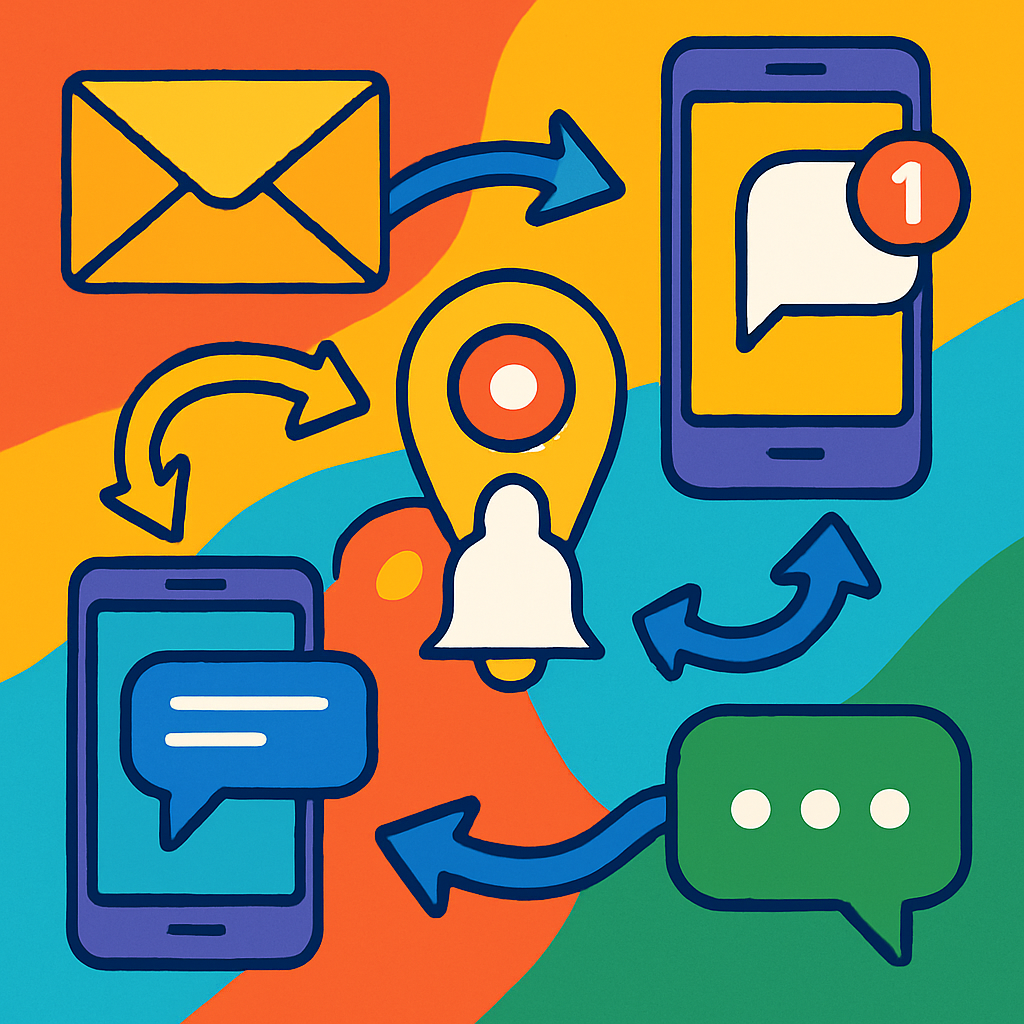
Buckle up as we unravel more about these channels and how they fit into your marketing automation strategy. Get ready for actionable insights that will set you on course for success!
The Role of Email in Customer Engagement
Building Customer Relationships through Email Marketing
Email marketing is like your trusty sidekick in the quest for customer engagement. Think of it as a personalized love letter to your audience, where every email campaign is crafted to speak directly to their needs and interests. By leveraging email personalization and email segmentation, you can create tailored messages that resonate with different groups within your audience.
Imagine sending a birthday discount to a loyal customer or a re-engagement email to someone who hasn’t opened your messages in a while. These thoughtful touches not only boost open rates but also foster stronger relationships, making customers feel valued and understood.
With the right mix of drip campaigns and lead nurturing, you can guide potential customers through the marketing funnel, ensuring they receive relevant content at each stage of their journey. It’s like having a personal tour guide for your product or service!
Email Reputation Management
email reputation. This is essentially your credibility as an email sender, and maintaining it is crucial for ensuring high email deliverability.
A poor reputation can lead to emails landing in spam folders faster than you can say “unsubscribe.” To keep your reputation shining bright, focus on these key strategies:
- Monitor Engagement: Keep an eye on your click-through rates and open rates. If they start to dip, it’s time to reassess your content strategy.
- Clean Your List: Regularly prune inactive subscribers from your email list. A smaller but engaged list is far better than a bloated one filled with ghost addresses.
- Comply with Regulations: Stay on top of GDPR compliance for emails and adhere to CAN-SPAM regulations compliance. This not only protects your brand but also builds trust with recipients.
Key Takeaway:
- Your email reputation affects deliverability-keep it healthy!
- A clean list equals better engagement and higher chances of landing in inboxes.
Integrating Email with Other Channels
Email doesn’t have to go solo; integrating it with other channels creates a symphony of communication! Picture this: you send an email about an upcoming sale, followed by an SMS reminder the day before. That’s how you keep customers engaged across multiple touchpoints!
This is where multichannel marketing automation tools come into play. By syncing your email strategy with SMS and push notifications, you ensure that messaging is consistent and timely throughout the customer journey. For instance:
- Email: Launch an onboarding sequence to welcome new users.
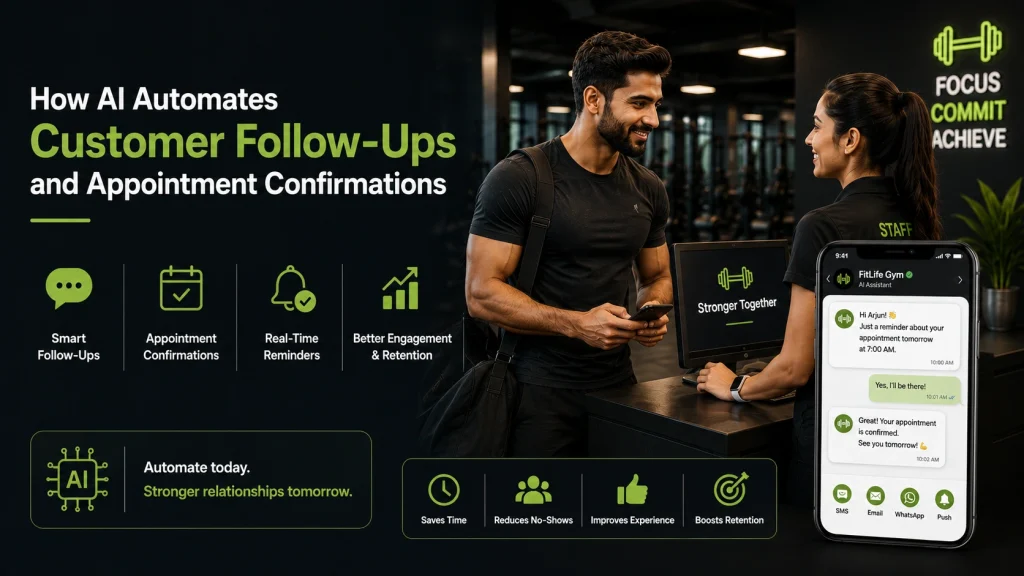
- SMS: Send behavior-triggered messages based on user activity within the app.
- Push Notifications: Remind users about abandoned carts or special promotions tailored just for them.
- In-App Messaging: Offer contextual tips or upselling opportunities during user interaction.
This cross-channel approach not only enhances customer experience but also increases the likelihood of conversions as users receive consistent messaging that guides them along their journey.
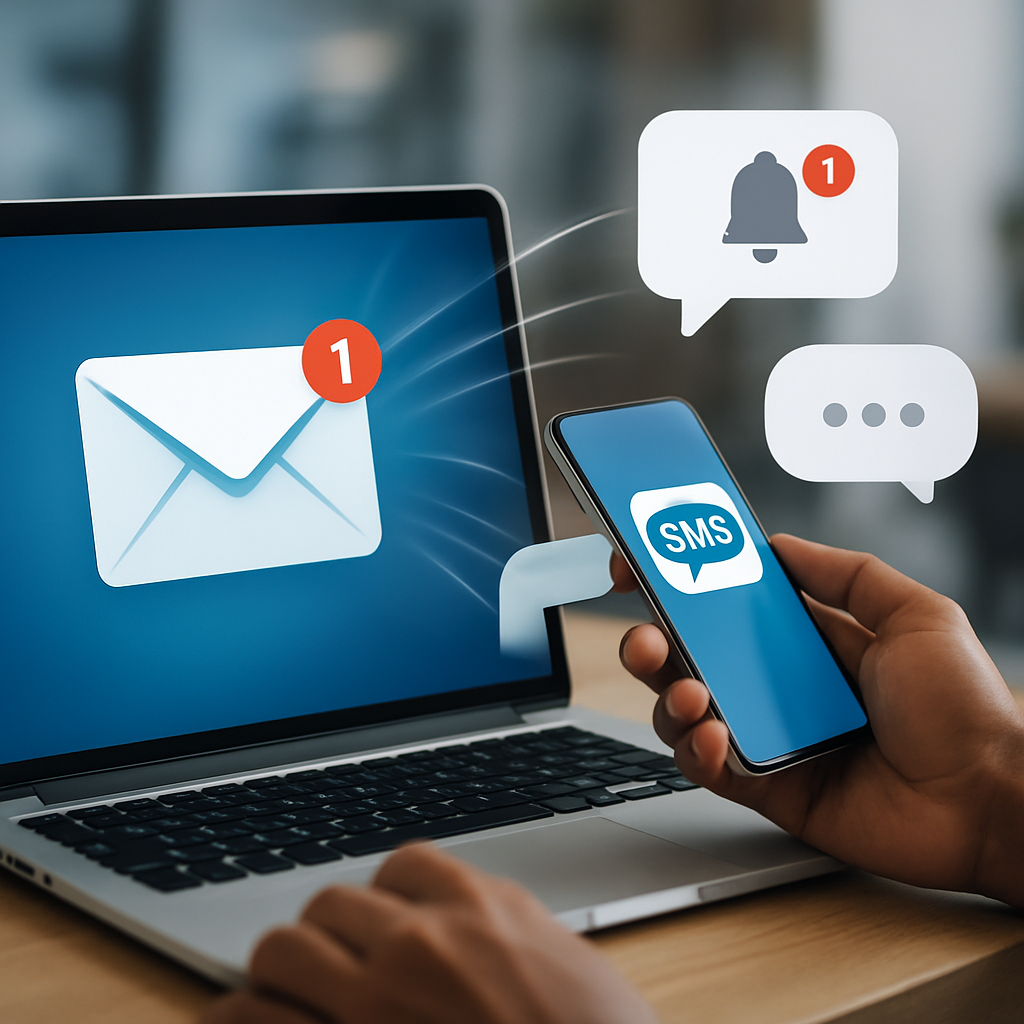
The bottom line? When you integrate email effectively with other channels, you’re not just communicating; you’re creating a cohesive narrative that captivates customers from all angles!
Your Next Step:
- Dive deeper into how integrating channels can optimize customer engagement!
- Create personalized experiences that resonate across all platforms!
Understanding Automation in Marketing
Definition and Benefits of Marketing Automation
So, what exactly is marketing automation? Picture it as your marketing team’s trusty robot sidekick, tirelessly working behind the scenes to streamline processes and enhance efficiency. Whether it’s automating email campaigns, managing email list management, or tracking customer journey mapping, automation takes the grunt work out of marketing.
The benefits? Oh, they’re as plentiful as a buffet at a wedding! Here are some key advantages:
- Increased Efficiency: Automate repetitive tasks like sending follow-up emails or segmenting your audience based on behavior.
- Enhanced Personalization: Use data to create tailored content for different segments, boosting engagement and conversion rates.
- Improved Analytics: Access real-time analytics for CRM to understand user behavior and adjust strategies accordingly.
- Cohesive Customer Journey: Ensure every touchpoint is aligned, from initial contact to post-purchase follow-ups.
Key Takeaway:
- Marketing automation is essential for scaling efforts without sacrificing quality!
- A well-implemented strategy can significantly boost your sales pipeline management.
Key Components of an Effective Automation Strategy
An effective automation strategy is like a well-oiled machine-each part needs to work in harmony for optimal performance. Here are the key components you should focus on:
- Email Templates: Create versatile email templates that can be customized for various campaigns.
- Email A/B Testing Strategies: Experiment with different subject lines and content to find what resonates best with your audience.
- Lead Scoring Models: Use data-driven insights to prioritize leads based on their engagement level and likelihood to convert.
- SaaS CRM Solutions Integration: Ensure seamless integration with your CRM system for smooth data flow and improved contact management systems.
- Lifecycle Marketing Campaigns: Implement campaigns that target customers at various stages of their journey-from awareness to retention.
This comprehensive approach not only maximizes efficiency but also creates a more personalized experience for your customers, making them feel valued every step of the way!
Your Next Step:
- Create a checklist of components that align with your business goals!
- Evaluate existing tools for potential integration into your automation strategy!
The Role of Sales CRM in Automation
Your Sales CRM, or Customer Relationship Management software, is like the captain of your marketing ship. It steers all automated processes toward one common goal: customer satisfaction! Here’s how it plays a pivotal role in marketing automation:
- Centralized Data Management: A robust CRM consolidates customer information, making it easier to segment audiences and personalize communication.
- A Streamlined Sales Process: Automate lead nurturing through targeted email sequences based on user behavior tracked within the CRM.
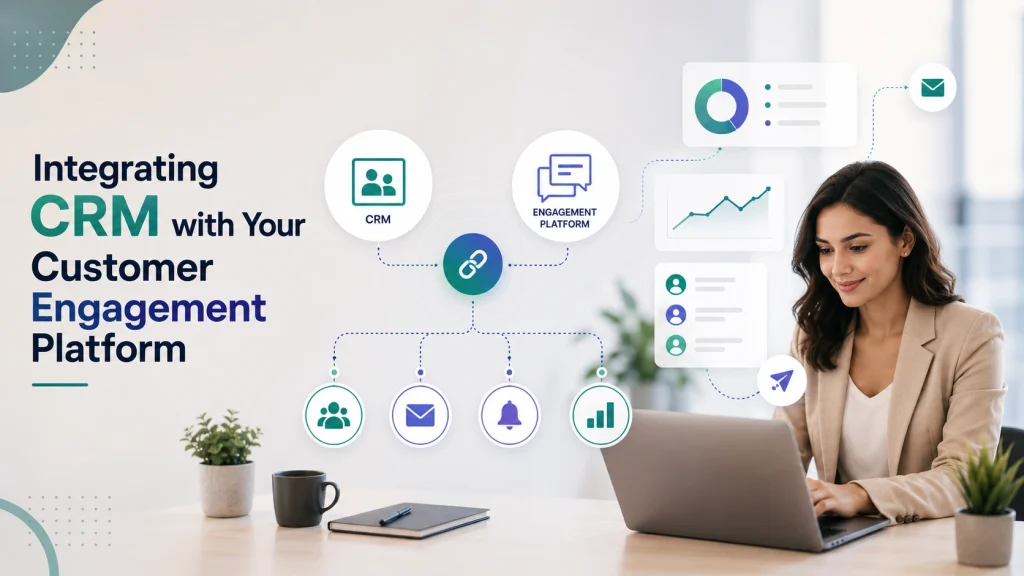
- Cohesive Communication Channels: Integrate email marketing with SMS and push notifications using the CRM as a central hub for all communications.
The synergy between marketing automation tools and a solid sales CRM not only enhances operational efficiency but also ensures that no lead goes cold. Think of it as having a personal assistant who knows just when to send that perfectly timed email or SMS reminder!
Your Next Step:
- Dive into how integrating your Sales CRM can elevate your marketing strategies!

Buckle up! Understanding these elements will put you on the fast track toward mastering marketing automation. Get ready to see those engagement rates soar!
Expanding Beyond Email: SMS, Push, and In-App Notifications
Benefits of SMS Marketing for Customer Engagement
Imagine sending a text message that feels like a friendly nudge rather than a sales pitch. SMS marketing is the superhero of instant communication! With open rates soaring above 90%, it’s the perfect channel for urgent updates or exclusive offers.
Here are some key benefits of integrating SMS into your marketing strategy:
- Immediate Attention: SMS messages are read within minutes, making them ideal for time-sensitive promotions.
- High Engagement Rates: Texts have significantly higher engagement compared to emails. Think of it as sending a postcard versus an RSVP card-one gets opened faster!
- Simplified Communication: Short and sweet messages cut through the noise, allowing you to convey essential information quickly.
By incorporating SMS into your marketing automation, you can enhance customer engagement and create a more dynamic interaction with your audience.
Utilizing Push Notifications Effectively
If SMS is the friendly nudge, then push notifications are like that little reminder from your favorite app telling you it’s time to check something out. These bites of information pop up on users’ screens and can be incredibly effective when used wisely!
Here’s how to maximize push notifications in your marketing strategy:
- Personalization is Key: Tailor notifications based on user behavior to increase relevance and engagement. For instance, send reminders about abandoned carts or special offers related to their interests.
- Timing Matters: Schedule notifications at optimal times when users are most likely to engage. Think about when they’re scrolling through their phones during lunch breaks!
- A/B Testing: Experiment with different messages and timings to see what resonates best with your audience. Use real-time analytics for CRM to track performance.
The goal is to provide value without overwhelming users-make them feel like they’re getting insider information rather than just more noise!
In-App Messaging Strategies for Retention and Engagement
If you want to keep users engaged while they’re already in your app, in-app messaging is where it’s at! Think of it as inviting someone into your living room for a chat while they’re browsing Netflix-comfortable and casual.
This channel can be used effectively for:
- User Onboarding: Greet new users with tips or tutorials that enhance their experience right from the get-go. A well-timed welcome message can make all the difference!
- Cohesive User Experience: Use contextual messages that relate directly to what users are doing within the app. If someone is checking out a specific product, why not suggest similar items?
- User Feedback Requests: Prompt users for feedback after key interactions. This shows that you value their opinion while also providing insights into user experience improvements.
Your Next Step:
- Create a strategy for integrating these messaging channels into your existing CRM integration.
- Aim for consistent messaging that enhances the overall customer journey!

The bottom line? Expanding beyond email into SMS, push notifications, and in-app messaging creates a multi-channel experience that keeps customers engaged at every turn! By leveraging these tools effectively, you’re not just communicating; you’re building lasting relationships that drive conversions.
Main Takeaway:
- Diversifying communication channels boosts customer engagement significantly!
Best Practices for Multi-Channel Automation
Creating a Cohesive Customer Journey Across Channels
When it comes to multi-channel automation, think of your customer journey as a thrilling roller coaster ride. Each channel should be a smooth transition, guiding customers from one thrilling twist to the next! Here’s how to create that seamless experience:
- Map the Customer Journey: Start by outlining each stage of your customer’s journey. Identify key touchpoints where you can engage them through different channels.
- Consistent Messaging: Ensure your messaging is cohesive across all platforms. If you’re running a promotion via email, follow up with an SMS reminder and a push notification for maximum impact.
- Personalization is Key: Use data from your CRM integration to personalize messages based on user behavior. This makes customers feel special and valued!
- Avoid Channel Overload: While it’s tempting to bombard customers with messages, find the right balance. Too much communication can lead to disengagement.
This approach not only enhances customer engagement, but also improves overall email deliverability, ensuring your messages land where they belong!
A/B Testing and Optimization Techniques
A/B testing is like having a secret weapon in your marketing arsenal! It allows you to fine-tune your strategies across channels for optimal performance. Here’s how to get started:
- Identify Variables: Decide what elements you want to test-subject lines, call-to-action buttons, or even the timing of messages.
- Create Segments: Use email segmentation to divide your audience into groups for more targeted testing.
- Track Metrics: Monitor key performance indicators such as open rates and click-through rates. This data will guide future campaigns.
- Iterate and Optimize: Use insights gained from A/B tests to refine future campaigns. Remember, marketing is an ongoing experiment!
This iterative process not only boosts engagement but also enhances the effectiveness of your drip campaigns. The more you learn about what resonates with your audience, the better!
Monitoring Performance Metrics for Each Channel
You can’t improve what you don’t measure! Monitoring performance metrics for each channel in your multi-channel strategy is critical for success. Here are some essential metrics to keep an eye on:
| Channel | Metrical Focus | Description |
| Email Marketing | Open Rates & Click-Through Rates (CTR) | The percentage of recipients who open emails and click on links within them. |
| SMS Marketing | Response Rate & Opt-Out Rate | The percentage of recipients who respond positively or choose to unsubscribe. |
- Push Notifications:
- Engagement Rate:The percentage of users who interact with notifications.
- Conversion Rate:The percentage of users who take action after receiving notifications.
This data-driven approach allows you to identify which channels are performing well and which ones need some TLC (that’s Tender Loving Care!). By continually analyzing these metrics, you can refine strategies and enhance overall customer experiences across all touchpoints!
Your Next Step:
- Dive into analytics tools that integrate seamlessly with your CRM for real-time insights!
- Create regular reports that help visualize performance trends over time!
The bottom line? By embracing these best practices in multi-channel automation, you’re not just sending messages; you’re orchestrating an engaging experience that resonates with customers at every turn!
Main Takeaway:
- Cohesive journeys across channels enhance engagement and conversions significantly!
Challenges and Solutions in Multi-Channel Automation
Pitfalls to Avoid in Automation Strategies
When diving into the world of multi-channel automation, it’s easy to trip over common pitfalls that can derail your efforts. Think of these as the banana peels on your marketing journey-slippery and sneaky! Here are some key challenges to watch out for:
- Inconsistent Messaging: Sending different messages across channels can confuse customers. Imagine receiving a text about a sale only to find an email with contradictory information. Yikes!
- Lack of Personalization: Failing to tailor content based on user behavior can lead to disengagement. Nobody wants a one-size-fits-all approach when they’re used to being treated like VIPs!
- Overwhelming Customers: Bombarding users with messages from every channel can feel like an unwanted barrage of notifications. Balance is key-too much communication can lead to opt-outs.
- Ineffective CRM Integration: Poorly integrated systems can result in lost data and missed opportunities for targeted messaging. It’s like trying to put together a jigsaw puzzle with missing pieces!
Avoiding these pitfalls will not only enhance email engagement, but also create a seamless experience across all channels.
Troubleshooting Common Issues with CRM Integrations
Your Sales CRM is your marketing lifeline, but sometimes it feels more like a tangled web of wires than a well-oiled machine. Here are some common issues you might encounter and how to solve them:
- Data Syncing Problems: If data isn’t syncing properly between your marketing tools and CRM, it’s time for some troubleshooting magic! Check integration settings, and ensure APIs are functioning correctly.
- Dropped Leads: If leads are slipping through the cracks, revisit your lead scoring models. Ensure that high-potential leads are flagged for follow-ups, so no opportunity goes cold.
- User Experience Issues: Sometimes users struggle with navigating automated messages. Conduct user testing to identify friction points in the customer journey and refine your messaging strategy accordingly.
- Lack of Real-Time Analytics: Without real-time insights, you’re flying blind! Invest in tools that provide immediate feedback on campaign performance so you can pivot strategies quickly.
Your Key Takeaway:
- Avoiding common pitfalls is crucial for successful multi-channel automation!
- Troubleshooting CRM issues promptly ensures smoother operations and better customer experiences.
The goal here is clear: create an engaging experience that resonates with customers while avoiding the bumps along the way. By addressing these challenges head-on, you’ll be well on your way to mastering marketing automation.
The Future of Automated Marketing Communication
As we venture into the future, the landscape of automated marketing communication is evolving faster than a cat meme goes viral! The key players-email, SMS, push notifications, and in-app messages-are not just coexisting; they’re collaborating to create a seamless experience for users. Buckle up as we explore what lies ahead!
Integration at Its Finest
Imagine a world where your Sales CRM doesn’t just manage contacts but also orchestrates communication across channels like a maestro leading an orchestra. With advanced CRM integration, marketers can harness data from various touchpoints to create hyper-personalized experiences that resonate with customers.
This means no more generic messages! Instead, expect behavior-triggered emails that respond to user actions in real-time. For instance:
- Onboarding Sequences: New users receive a welcome email followed by an SMS with tips on how to get started.
- Upselling Opportunities: If a customer buys sneakers, they might receive an in-app message suggesting matching accessories.
- Re-engagement Campaigns: Users who haven’t interacted for a while could get a personalized email offering them exclusive discounts.
This level of integration not only boosts email engagement, but also enhances overall customer satisfaction and loyalty!
The Rise of AI and Machine Learning
The future isn’t just about integration; it’s also about intelligence! Enter AI and machine learning-your new best friends in the world of marketing automation. These technologies will help businesses analyze vast amounts of data to predict customer behavior and optimize campaigns accordingly.
Imagine having AI-powered tools that can:
- Segment Audiences Dynamically: Automatically adjust audience segments based on real-time engagement metrics.
- Optimize Send Times: Determine the best times to send messages for each individual user based on their historical behavior.
- Create Dynamic Content: Generate personalized email templates that adapt content based on user preferences and interactions.
This means higher open rates, improved click-through rates, and ultimately more conversions!
A Focus on Compliance and Privacy
Your Key Takeaway:
- A focus on compliance will be crucial for building trust with customers in an increasingly digital world!
This means adopting transparent practices such as explicit consent for communications, clear opt-out options, and providing value in every interaction. After all, nobody wants to feel like they’re being spammed!
The Power of Real-Time Analytics
The future is all about speed-speed of execution, speed of response, and speed of insight! With real-time analytics becoming standard practice, marketers will have immediate access to performance metrics across all channels. This allows for quick pivots in strategy based on what’s working (or not).
| Channel | Metrical Focus | Description |
| Email Marketing | Open Rates & Click-Through Rates (CTR) | The percentage of recipients who open emails and click on links within them. |
| SMS Marketing | Response Rate & Opt-Out Rate | The percentage of recipients who respond positively or choose to unsubscribe. |
This data-driven approach empowers marketers to make informed decisions quickly-whether it’s adjusting messaging or reallocating budgets toward high-performing campaigns. In this fast-paced environment, being reactive rather than proactive can spell the difference between success and mediocrity!
Your Next Step:
- Dive into analytics tools that provide real-time insights across all channels!
- Create regular reports that help visualize performance trends over time!
The bottom line? The future of automated marketing communication is bright, filled with opportunities for innovation and engagement. By embracing these trends today, you’ll be well-positioned to lead the charge into tomorrow’s dynamic landscape!
Main Takeaway:
- A seamless integration across channels enhanced by AI will revolutionize customer interactions!
Conclusion
Recap of Key Points Discussed
- We explored how Email Marketing serves as the foundation for a successful multi-channel strategy.
- The integration of SMS, push notifications, and in-app messages enhances customer engagement and improves the overall customer journey mapping.
- Effective marketing automation strategies streamline processes and ensure personalized communication across all touchpoints.
- Maintaining a healthy email reputation is crucial for improving email deliverability and maximizing engagement rates.
- Monitoring performance metrics allows marketers to refine their strategies continuously, ensuring that every channel works harmoniously together.
Encouragement to Implement Multi-Channel Strategies
The future of marketing is not just about sending emails; it’s about creating a symphony of communication that resonates with multiple channels. By implementing a cohesive multi-channel strategy, you can:
- Enhance Customer Engagement: Reach customers where they are most active, whether it’s in their inbox or on their phones.
- Boost Conversion Rates: With timely reminders and personalized messages, you can guide users through the sales funnel more effectively.
- Create Lasting Relationships: Build trust and loyalty by delivering value at every touchpoint throughout the customer journey.
Your Next Step:
- Dive into your current marketing efforts and identify opportunities for integrating SMS, push notifications, and in-app messaging!
- Create a roadmap for implementing these strategies while ensuring compliance with regulations like GDPR.
The bottom line? Embrace automation and multi-channel strategies to transform your marketing approach. The time to act is now!
Ready to take your marketing to the next level? Don’t stop at email—expand your reach with smart automation across SMS, push, and in-app channels! Build stronger connections, boost engagement, and create personalized experiences that follow your customers wherever they are. With the right automation strategy, you’ll streamline workflows, improve deliverability, and drive higher conversions—all while saving time. Start integrating your channels today to craft a seamless customer journey that feels natural, timely, and impactful. Because in today’s digital world, email is just the beginning—your next-level marketing success starts with multi-channel automation!
The future of marketing automation is not about choosing between email, SMS, push, or in-app messaging—it’s about integrating them into a single, intelligent ecosystem. Brands that connect these channels through data-driven automation and a strong CRM foundation will be the ones that consistently deliver meaningful experiences at scale. Every interaction becomes part of a larger conversation, guiding users naturally through their journey instead of interrupting it. In a world where attention is fragmented and expectations are higher than ever, success belongs to those who move beyond email and build truly connected, multi-channel customer engagement systems.

Ready to Run Successful Marketing Campaigns and Grow Your Business?
Gleantap helps you unify customer data, track behavior patterns, and automate personalized campaigns, so you can increase repeat purchases and grow your business.
Ready to Run Successful Marketing Campaigns and Grow Your Business?
Gleantap helps you unify customer data, track behavior patterns, and automate personalized campaigns, so you can increase repeat purchases and grow your business.