
 Jordan Hayes
Introduction to Fitness Marketing Automation
Welcome to the world of Fitness Marketing Automation, where your marketing strategy is as efficient as a well-tuned treadmill. If you’ve ever felt overwhelmed by the sheer volume of tasks in your fitness business-from managing customer profiles to nurturing leads-then marketing automation could be your new best friend. Think of it as the personal trainer for your marketing efforts, helping you lift the heavy weights of customer engagement and retention.
Definition of Marketing Automation
At its core, marketing automation refers to the use of software platforms and technologies to streamline, automate, and measure marketing tasks and workflows. This can include everything from email marketing automation to social media scheduling, all designed to enhance efficiency and effectiveness.
Importance of Marketing Automation in the Fitness Industry
The fitness industry is buzzing with competition, making it essential for gyms and health clubs to adopt a robust marketing automation strategy. Here’s why:
- Efficiency: Automated tools save time on repetitive tasks like sending out newsletters or managing social media posts.
- Personalization: With access to customer data platforms, you can create personalized fitness campaigns that resonate more with your audience.
- Data Insights: Real-time data analytics allow for informed decision-making, helping you refine your strategies continuously.
- Loyalty Building: Automated lead generation for gyms can help cultivate lasting relationships through targeted member retention programs.
Did you know? 79% of top-performing companies have been using marketing automation for more than two years. This shows that businesses are reaping the rewards of efficient marketing practices!
Overview of Common Challenges
No great journey is without its bumps in the road. While marketing automation can supercharge your fitness business growth tactics, there are common challenges that can trip you up:
- Lack of Clear Objectives: Without defined goals, even the best automation strategy can fall flat.
- Data Management Issues: Integrating various data sources into a cohesive system can be tricky but essential for effective customer segmentation strategies.
- Cultural Resistance: Sometimes staff may resist adopting new technologies due to fear or lack of training-this is where investing in proper education pays off!
- Siloed Data: If your information is stuck in different systems (like CRM systems), it hampers effective lifecycle marketing for gyms and limits insights into customer behavior.
The key takeaway here? Embrace these challenges head-on! With a solid understanding of how fitness marketing automation works-and how it can work for you-you’ll be well-equipped to navigate through them with style. Ready to dive deeper into strategies that will make your life easier? Stay tuned!
Understanding Marketing Automation Strategies
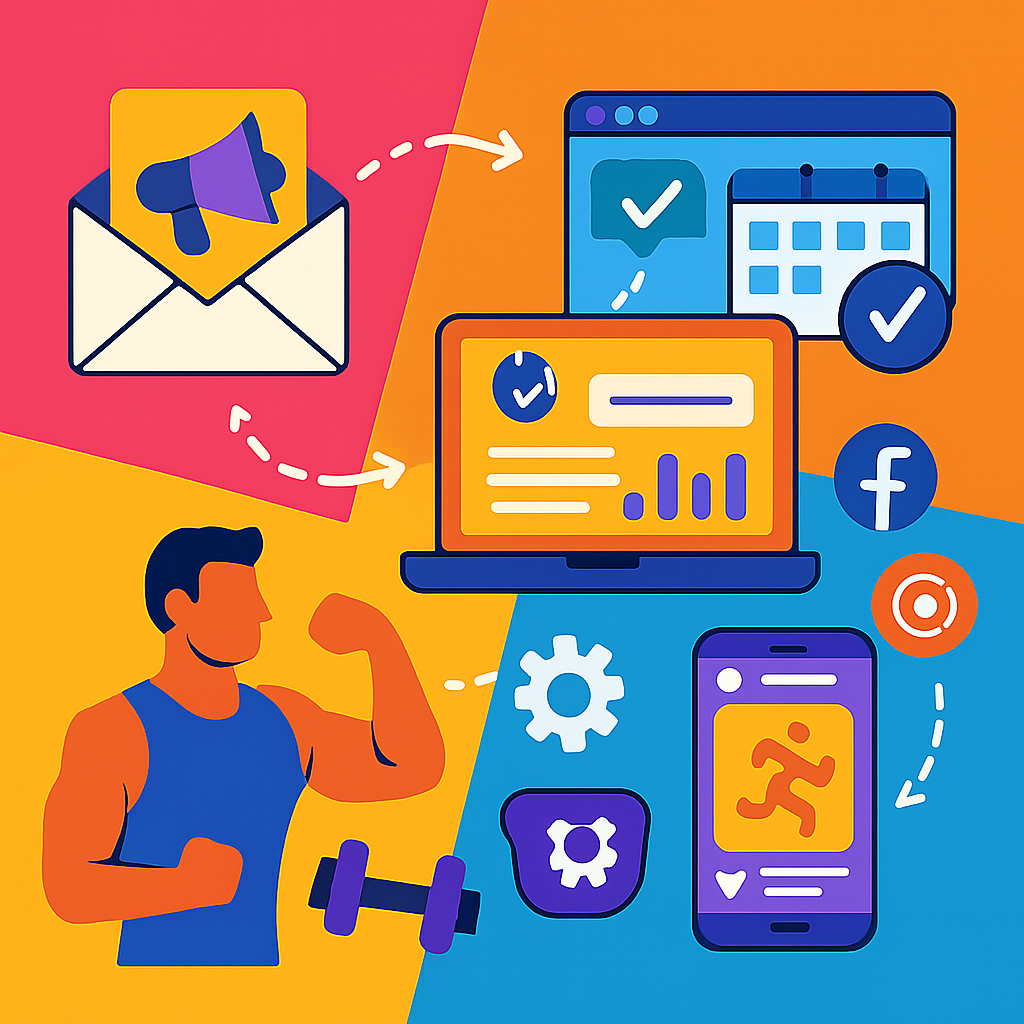
Let’s dive into the nitty-gritty of marketing automation strategies. Think of this as your roadmap to navigating the wild world of fitness marketing automation. A solid strategy is like a well-planned workout routine: it requires key components, integration of customer profiles, and a trusty customer data platform to keep things running smoothly.
Key Components of a Successful Automation Strategy
Before you jump into the deep end, let’s lay out the essential components that make up a successful automation strategy:
- Clear Objectives: Define what success looks like. Are you aiming for increased membership sign-ups or heightened engagement with existing members?
- Robust CRM Systems: Utilize health club CRM systems that can handle data efficiently and provide insights into customer behavior.
- Data Analytics: Leverage real-time data insights to refine your approach. This is where your customer journey mapping comes into play!
- Email Marketing Automation: Craft personalized emails that resonate with your audience, making them feel special and engaged.
- Lead Nurturing Tactics: Implement automated lead generation for gyms to capture prospects and guide them down the sales funnel.
Integrating Customer Profiles into Automation
Your customers are not just numbers; they are unique individuals with different needs. Integrating detailed customer profiles into your marketing automation is crucial. Here’s how:
- Customer Segmentation Strategies: Use data analytics in marketing to categorize your audience based on demographics, behaviors, and preferences.
- Dynamic Content Personalization: Tailor your emails and ads based on customer segments. A fitness enthusiast looking for weight loss solutions should see different content than someone interested in strength training.
- A/B Testing: Experiment with different messages to find out what resonates best with each segment-because one size does not fit all!
The Role of a Customer Data Platform in Fitness Marketing
A reliable customer data platform (CDP) acts as the backbone of your marketing efforts. It centralizes all customer information, making it easier to execute targeted campaigns and track performance. Here’s why it matters:
- Silo Busting: A CDP breaks down data silos, allowing you to access comprehensive customer profiles across different channels.
- Predictive Analytics: Use predictive analytics in the fitness industry to anticipate future behaviors based on past interactions-think of it as a crystal ball for member retention strategies!
- Cohesive Omnichannel Marketing Approach: With all your data in one place, you can create seamless experiences across email, social media, and even SMS campaigns.
The Stats Speak Volumes!
A study found that businesses leveraging marketing automation to nurture leads experience a whopping 451% increase in qualified leads. That’s not just a number; it’s potential growth waiting at your doorstep! (Source: Annuitas Group)
The takeaway? A well-structured marketing automation strategy, complete with integrated customer profiles and an effective CDP, can revolutionize how you engage with clients in the fitness industry. So roll up those sleeves-your path to streamlined success starts now!

Common Challenges in Fitness Marketing Automation
As you embark on your journey into fitness marketing automation, it’s essential to recognize that every silver lining has its cloud. While the benefits are plentiful, there are some common challenges that can trip up even the most experienced fitness marketers. Let’s break these down so you can avoid those pitfalls and keep your marketing strategy as smooth as a well-oiled machine.
Lack of Clear Objectives and Goals
Imagine going to the gym without a workout plan-chaos, right? The same goes for your marketing automation strategy. Without clear objectives, you’re like a ship lost at sea. Are you trying to boost membership sign-ups or increase engagement with current members? Set specific, measurable goals to steer your efforts in the right direction.
Data Management and Integration Issues
Your data is like a personal trainer-it should be guiding you toward success, not holding you back! Integrating various data sources into a cohesive system can feel like herding cats. If your customer data is scattered across different platforms, it hampers effective customer segmentation strategies and makes it difficult to create personalized experiences.
Challenges with Customer Data Platforms
A reliable customer data platform (CDP) is crucial for successful marketing automation. However, many fitness businesses struggle with implementation. A poorly integrated CDP can lead to siloed information, making it tough to get a comprehensive view of customer behavior across channels. This hinders your ability to execute effective lifecycle marketing for gyms.
Data Quality and Accuracy Concerns
If your data is inaccurate or outdated, then all your hard work might be in vain. Think of it as trying to build muscle with faulty weights-you won’t see results! Regularly auditing your data quality ensures that you’re making decisions based on accurate insights rather than guesswork.
Understanding Customer Profiles and Segmentation
Your customers are individuals with unique needs and preferences-treat them as such! Understanding customer profiles is key for effective personalized marketing strategies. Many marketers mistakenly assume their audience is homogeneous; however, segmenting based on demographics or behavior allows for tailored messages that resonate more deeply.
Adapting to Rapidly Changing Consumer Behavior
The fitness industry is dynamic; consumer preferences shift faster than treadmill speeds! Staying ahead requires agility in adapting your strategies. Regularly reviewing customer feedback and market trends will help you pivot quickly when needed-after all, nobody wants to be the last one at the gym!
Technical Barriers and Software Limitations
If you’ve ever tried using outdated software during a workout session, you know how frustrating it can be! Technical barriers often arise from using ineffective or incompatible automated marketing tools. Ensure that your marketing technology stack is up-to-date and capable of handling the demands of modern fitness marketing.
The Bottom Line:
Navigating these challenges may seem daunting at first glance, but overcoming them can lead to significant improvements in customer engagement and retention. With effective strategies in place, you’ll find yourself well-equipped to tackle any hurdles that come your way!
Simplifying the Automation Process for Fitness Studios
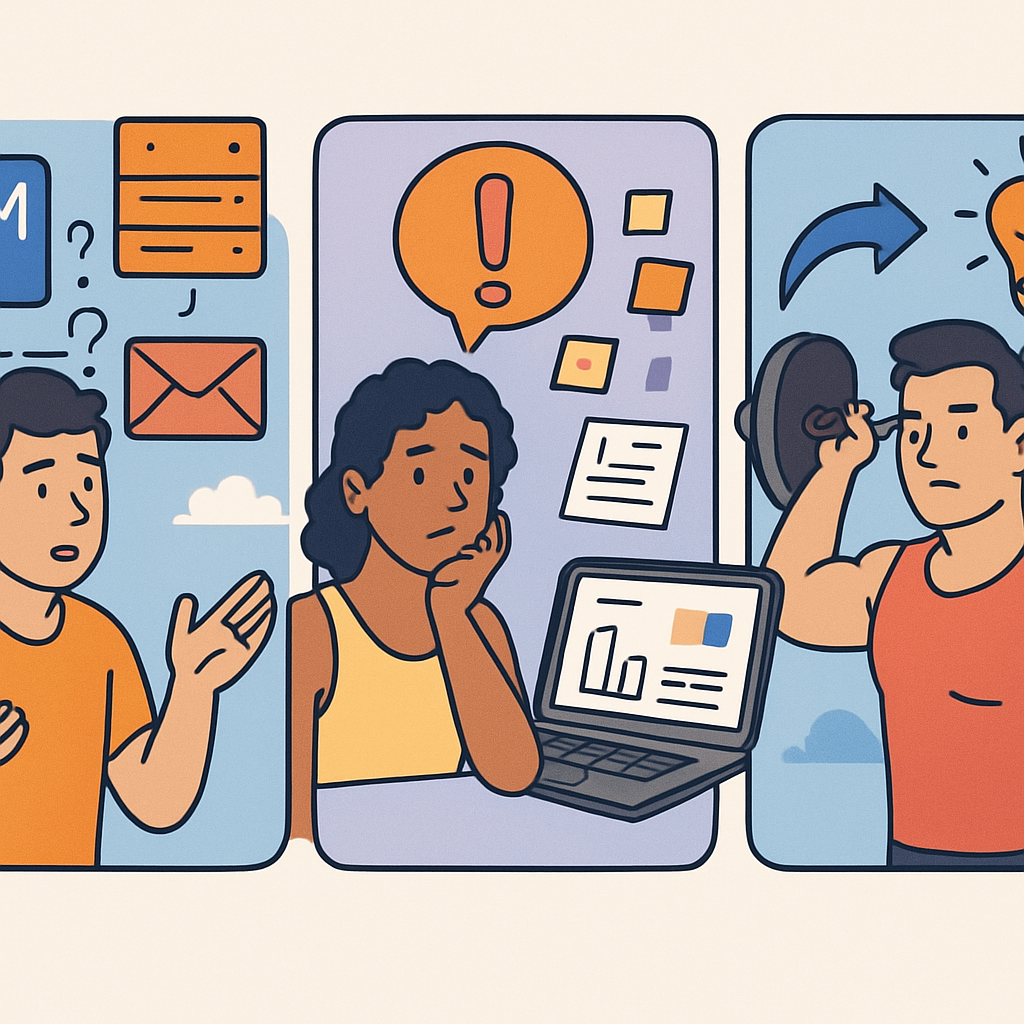
Ah, the sweet sound of automation! It’s like having a personal assistant who never takes a coffee break. But let’s be real: implementing fitness marketing automation can feel like trying to untangle a set of resistance bands after a workout. Fear not! Here are some best practices to simplify the process and keep your marketing strategy as smooth as your favorite smoothie.
Best Practices for Implementing Marketing Automation
When it comes to marketing automation strategy, there are some golden rules that can help you hit the ground running:
- Start Small: Rather than diving into the deep end, begin with one or two automated campaigns. This could be as simple as setting up an email welcome series for new members.
- Choose the Right Tools: Not all automated marketing tools are created equal. Look for platforms that integrate seamlessly with your existing systems, like your health club CRM systems.
- Map Out Customer Journeys: Understanding the customer journey is crucial. Create visual maps that outline how customers interact with your gym, from sign-up to retention, and identify where automation can enhance their experience.
- A/B Testing: Experimentation is key! Test different messages and formats to see what resonates best with your audience. You might discover that a quirky subject line gets more clicks than a straightforward one!
- Regularly Review Performance: Use data analytics in marketing to track the success of automated campaigns. Adjust strategies based on what’s working (or not) to ensure continuous improvement.
The Importance of Training Staff on New Tools
Your staff is your frontline when it comes to executing fitness marketing automation. If they don’t know how to use the tools effectively, all that shiny software won’t do much good!
- Create Training Programs: Invest in comprehensive training sessions that cover not just how to use the tools but also why they matter in achieving business goals.
- Encourage Feedback: Foster an environment where staff can share their experiences and challenges with new tools. This feedback loop can lead to improved processes and higher adoption rates.
- Cultivate Ownership: Empower team members by assigning specific roles related to automation tasks, making them feel invested in the success of these initiatives.
Measuring Success: Key Performance Indicators (KPIs)
You can’t manage what you don’t measure! Establishing KPIs will help you gauge whether your automation strategy is hitting its targets or needs adjustment. Here are some key metrics to track:
- Email Open Rates: A high open rate indicates effective subject lines and relevant content.
- Click-Through Rates (CTR): This shows how many people are engaging with your emails or ads-higher CTR means better engagement!
- Conversion Rates: Are leads becoming members? Track this closely; it’s one of the most important indicators of success in fitness marketing!
- User Engagement Metrics: Monitor how often members interact with automated messages or promotions-this helps refine content strategies moving forward.
- Cohort Analysis: Evaluate different groups over time to see how various segments respond to your campaigns-this is crucial for effective customer segmentation strategies!
The Bottom Line?
Simplifying the automation process doesn’t have to be daunting! By following best practices, training staff effectively, and measuring success through KPIs, you’ll create a streamlined approach that enhances engagement and boosts retention for your fitness studio.

The Future of Fitness Marketing Automation
As we peer into the crystal ball of fitness marketing automation, it’s clear that the landscape is evolving faster than a high-intensity interval training session! The future holds exciting trends and technological advancements that will reshape how fitness businesses engage with their customers. Let’s break down what’s on the horizon.
Evolving Trends in Fitness Marketing Automation
With every passing year, new trends emerge that push the boundaries of what marketing automation can achieve. Here are some key trends to keep an eye on:
- Increased Use of AI: Artificial intelligence will play a pivotal role in personalized marketing strategies. Expect more automated customer engagement powered by AI, allowing for hyper-targeted campaigns based on real-time data insights.
- Omnichannel Marketing Approaches: The future will see a seamless blend of channels, from email to social media to SMS. This cross-channel marketing integration ensures that your message reaches customers wherever they are.
- Predictive Analytics: Leveraging data-driven marketing strategies will become essential. By using predictive analytics in the fitness industry, businesses can anticipate member needs and tailor their offerings accordingly.
- Dynamic Content Personalization: Expect to see more dynamic content in emails and ads, adapting in real-time to user behavior. This means your marketing can be as flexible as your favorite yoga pose!
The Role of Artificial Intelligence in Personalization and Engagement
If you think AI is just for tech giants, think again! In the realm of fitness marketing automation, AI is set to revolutionize how businesses interact with their clients:
- Automated Customer Engagement: With AI-driven tools, fitness centers can automate responses to common inquiries, ensuring members feel supported 24/7 without overwhelming staff.
- Member Retention Programs: AI can analyze customer behavior patterns to identify at-risk members and send personalized retention offers before they even consider leaving!
- Email Marketing Automation Enhancements: AI algorithms will help craft subject lines and content tailored specifically for individual preferences, leading to higher open and click-through rates.
Predicting Future Challenges and Opportunities in the Industry
The future isn’t just about shiny new tools; it also comes with its own set of challenges. Here are some potential hurdles along with opportunities for growth:
- The Data Deluge: As more data becomes available through various channels, managing this information effectively will be crucial. Companies must invest in robust customer data platforms (CDPs) to handle this influx.
- Cultural Resistance: As technology evolves, so must team mindsets. Training staff on new tools while fostering a culture that embraces change will be key to overcoming resistance.
- Sustainability Concerns: As consumers become more environmentally conscious, fitness brands must align their marketing strategies with sustainability efforts-this could be an opportunity for differentiation!
- The Rise of Privacy Regulations: With increasing scrutiny on data privacy, fitness businesses must ensure compliance while still leveraging customer data effectively. Transparent practices can build trust and loyalty among members.
The Bottom Line?
The future of fitness marketing automation is bright but requires adaptation and foresight. Embracing evolving trends like AI and omnichannel strategies while preparing for challenges like data management will position your fitness business for success!
Conclusion and Key Takeaways
As we wrap up our exploration of fitness marketing automation, it’s clear that overcoming challenges is not just a hurdle; it’s an opportunity to elevate your fitness business. Let’s summarize the key points we’ve discussed and highlight the impact of effective automation on customer engagement and retention strategies.
Summarizing the Importance of Overcoming Challenges in Fitness Marketing Automation
Facing the common challenges in marketing automation head-on can transform your approach to customer engagement. By establishing clear objectives, integrating robust customer data platforms, and ensuring data quality, you pave the way for a more informed and effective marketing strategy. Remember, navigating these challenges is like lifting weights at the gym: it might be tough at first, but the gains are worth it!
The Impact on Customer Engagement and Retention Strategies
When executed correctly, a well-crafted automation strategy can lead to:
- Enhanced Customer Experience: Personalized interactions based on detailed customer profiles foster loyalty and satisfaction.
- Improved Retention Rates: By utilizing predictive analytics, you can identify at-risk members and tailor retention strategies that resonate with their needs.
- Streamlined Operations: Automation reduces manual tasks, allowing your team to focus on what really matters-building relationships with members!
- Data-Driven Insights: With real-time analytics, you can continuously refine your strategies based on actual customer behavior rather than guesswork.
The Bottom Line?
Your journey into fitness marketing automation doesn’t have to be daunting. Embrace the challenges as stepping stones towards creating a more engaging experience for your customers. As you integrate automated tools into your marketing efforts, you’ll find that not only do they enhance efficiency but also provide valuable insights that drive growth.
If you’re ready to tackle these challenges head-on, start by assessing your current marketing technology stack. Identify areas for improvement and consider how you can leverage automated marketing tools to streamline processes. The future of fitness marketing is bright-so let’s get started!
Ready to take your fitness marketing to the next level? It’s time to turn challenges into opportunities and make automation work for you—not against you. Start by setting clear objectives, aligning your team, and choosing the right tools that simplify your workflow instead of complicating it. Remember, every great fitness transformation begins with one small step—and your marketing strategy is no different. Whether you’re looking to boost member engagement, improve retention, or gain deeper data insights, automation is your ultimate workout partner. Don’t wait for change—create it. Power your fitness business with smarter, data-driven automation today!
Ready to Run Successful Marketing Campaigns and Grow Your Business?
Gleantap helps you unify customer data, track behavior patterns, and automate personalized campaigns, so you can increase repeat purchases and grow your business.
Ready to Run Successful Marketing Campaigns and Grow Your Business?
Gleantap helps you unify customer data, track behavior patterns, and automate personalized campaigns, so you can increase repeat purchases and grow your business.