
 Marcus Webb
Introduction
Welcome to the future of B2C engagement, where sending out generic customer journeys is as outdated as dial-up internet. In a world where consumers are bombarded with messages from every angle, standing out requires more than just catchy slogans and flashy graphics. It demands a strategic approach to marketing automation that leverages the power of customer data management.
Overview of B2C Engagement Challenges
The challenges in B2C engagement are like trying to herd cats – chaotic and unpredictable. Customers today are savvy; they know what they want, when they want it, and how they want it delivered. According to recent studies, businesses that fail to personalize their marketing strategies risk losing 80% of their potential customers. Ouch!
- Information Overload: Consumers receive dozens, if not hundreds, of marketing messages daily.
- Lack of Personalization: Generic content leads to disengagement.
- Fragmented Customer Journeys: Omnichannel marketing is essential but often poorly executed.
Importance of Personalized Customer Journeys
If you think about it, personalization in marketing is like a well-tailored suit – it just fits better! Personalized customer journeys create a seamless experience that resonates with individual needs and preferences. In fact, companies that prioritize personalized marketing strategies see an increase in sales by up to 20%. That’s not just pocket change!
By utilizing customer profiles, brands can segment their audience effectively and deliver targeted messaging. This means knowing when your clients prefer to receive communications and what type resonates with them most – whether it’s a motivational email at 6 AM or a social media ad featuring the latest fitness gear during their lunch break.
Introduction to Marketing Automation in Fitness Marketing
The fitness industry is no stranger to competition, making effective sales automation crucial for success. Enter marketing automation tools, which streamline processes like lead generation and customer engagement while providing valuable insights through marketing analytics. Imagine having a personal assistant who works 24/7 – that’s what these tools can do for your business!
The global marketing automation market was valued at USD 4.06 billion in 2019 and is expected to grow at a compound annual growth rate (CAGR) of 9.8% from 2020 to 2027. This rapid growth highlights the increasing recognition among businesses about the need for automated solutions in managing customer interactions effectively.
Key Takeaway: Investing in robust marketing software not only enhances your operational efficiency but also significantly improves customer experience management.
If you’re ready to ditch those cookie-cutter approaches and dive into smarter automation strategies tailored for fitness marketing, stay tuned! The journey ahead will equip you with insights on how to optimize your sales funnel and engage customers like never before.

The Role of Marketing Automation in B2C Engagement
Definition and Benefits of Marketing Automation
Marketing automation is like the Swiss Army knife of the marketing world. It encompasses a variety of tools and software designed to automate repetitive tasks, streamline processes, and enhance customer interactions. Imagine having a system that not only sends out emails but also tracks customer behavior and preferences – that’s the magic of marketing automation!
The benefits are numerous:
- Efficiency: Automating routine tasks frees up time for your team to focus on creative strategies.
- Personalization: Tailor communications based on customer profiles, ensuring messages resonate with individual needs.
- Data-Driven Insights: Utilize marketing analytics to refine strategies and improve engagement.
- Cost-Effectiveness: Reduce manual labor costs while increasing the effectiveness of campaigns.
How Automation Enhances Customer Engagement
If you think about it, engaging customers without automation is like trying to bake a cake without an oven – it’s just not going to rise! With automation, you can create tailored experiences that guide customers through their journey seamlessly. Here’s how it enhances engagement:
- Timely Interactions: Automated email campaigns ensure that customers receive relevant information at just the right moment, whether it’s a fitness tip or a new class announcement.
- Cohesive Messaging: Consistent communication across channels helps maintain brand voice and keeps customers informed without overwhelming them.
- Behavioral Targeting: Use customer data management to segment audiences effectively, allowing targeted messaging based on user behavior and preferences.
- A/B Testing Capabilities: Quickly test different approaches to see what resonates best with your audience, optimizing campaigns in real-time.
Key Takeaway: By implementing cross-channel marketing automation, businesses can significantly enhance their ability to engage customers effectively across multiple platforms.
Case Studies from the Fitness Industry
The fitness industry has embraced marketing automation with gusto. Let’s look at some success stories that highlight its transformative power:
- A Leading Gym Chain: By utilizing an integrated marketing solution, this gym saw a 30% increase in membership renewals by sending personalized reminders based on individual workout habits and preferences.
- A Boutique Fitness Studio: Using automated SMS notifications for class schedules resulted in a 25% increase in attendance rates. Customers loved receiving timely reminders about their favorite classes!
- A Personal Trainer’s Success Story: Implementing automated email campaigns for lead nurturing led to a 40% conversion rate from inquiries to signed clients. The secret? Personalized fitness tips tailored to each prospect’s goals!
The global market for marketing automation is projected to reach USD 8.42 billion by 2027, reflecting its growing importance across industries (source: Grand View Research).
If these examples show us anything, it’s that leveraging sales CRM, combined with effective automation tools, can drive remarkable results in customer engagement within the fitness sector.
The takeaway? Embrace marketing automation as your trusty sidekick in crafting personalized journeys that keep customers coming back for more!
Understanding Customer Profiles and Data Management
The Significance of Customer Profiles in Personalization
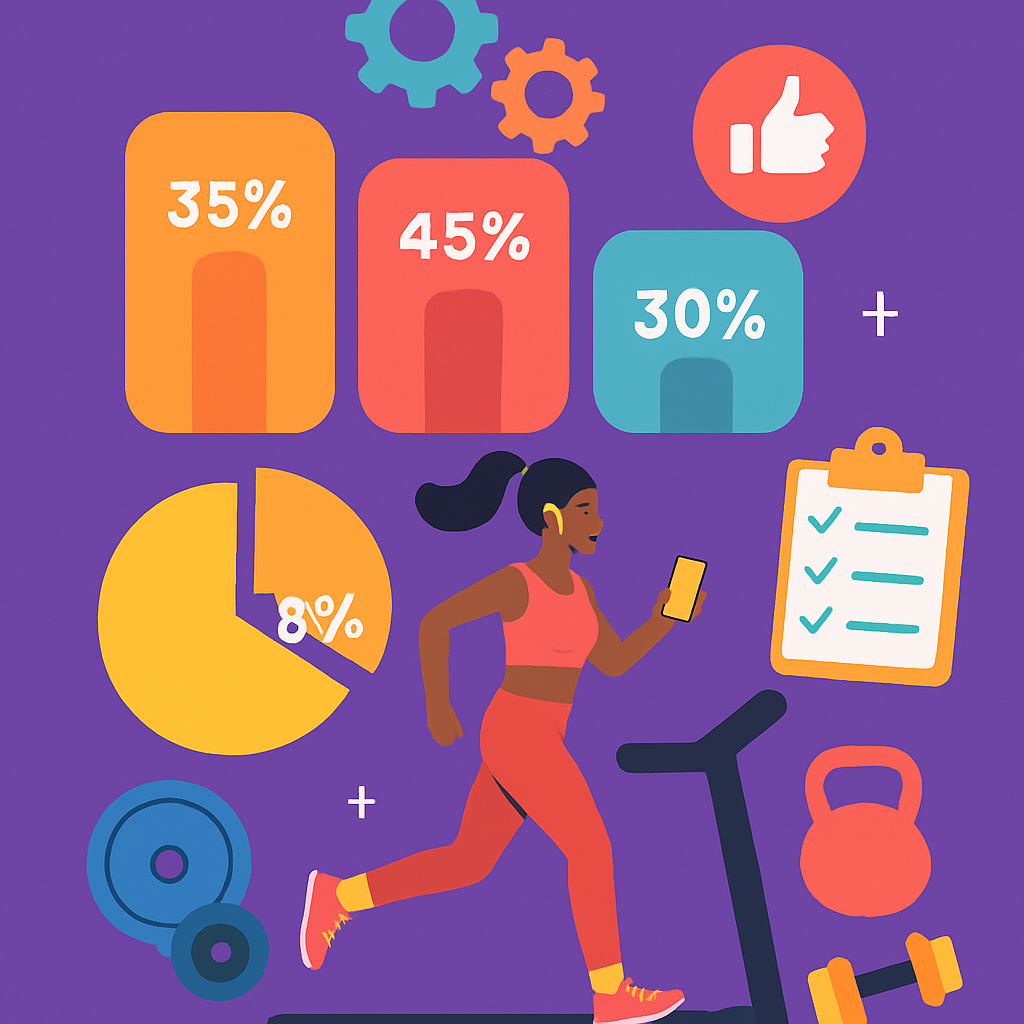
Creating customer profiles is like assembling the ultimate playlist for your workout – it ensures that every beat resonates with your audience’s preferences. In the world of fitness marketing, understanding who your customers are is crucial for delivering personalized experiences that keep them engaged.
By leveraging customer data management, brands can segment their audiences effectively, tailoring messages that speak directly to individual needs. Think of it as having a personal trainer who knows exactly when to push you and when to give you a breather!
Here are some key benefits of utilizing customer profiles:
- Enhanced Targeting: Deliver tailored content based on interests, behaviors, and demographics.
- Increased Engagement: Personalized messaging leads to higher open rates and interactions.
- Improved Retention: Customers are more likely to stick around when they feel understood and valued.
Best Practices for Customer Data Management
Managing customer data effectively is akin to keeping your gym organized – nobody wants to work out in a cluttered space! Here are some best practices for maintaining clean, actionable customer data:
- Regularly Update Data: Ensure that customer information is current by implementing routine checks and updates.
- Simplify Data Collection: Use user-friendly forms and surveys to gather essential information without overwhelming customers.
- Prioritize Data Security: Protect customer information with robust security measures to build trust and comply with regulations.
- Utilize CRM Software Solutions: Invest in a comprehensive CRM system that integrates seamlessly with other marketing tools for efficient data management.
Key Takeaway: Effective customer data management, combined with insightful segmentation, can drastically enhance your marketing efforts and improve overall customer experiences.
Tools and Technologies for Effective Data Management
The right tools can transform how you handle customer data, much like how a high-quality blender can turn ordinary ingredients into a smooth, delicious smoothie! Here’s a rundown of essential tools that can help streamline your data management processes:
| Tool Type | Description | Example Tools |
| Email Marketing Software | A platform for creating automated email campaigns based on customer profiles. | EmailOctopus, Mailchimp, ActiveCampaign |
| A system designed for managing customer relationships and interactions effectively. | Simplero, HubSpot CRM, Salesforce Sales Cloud |
The integration of these technologies not only simplifies customer journey mapping, but also enhances your ability to track engagement metrics effectively. Remember: the more you know about your customers, the better you can serve them!
The fitness industry has reported a 14.5% increase in sales productivity through effective marketing automation strategies (source: HubSpot).
If you want to elevate your fitness marketing game, investing in the right tools is non-negotiable. So gear up – it’s time to take control of your customer data like never before!

Creating Smarter Automation Strategies for Fitness Marketing
Segmentation Strategies for Targeted Messaging
Imagine trying to hit a bullseye while blindfolded. That’s what generic messaging feels like in fitness marketing! To truly engage your audience, you need to segment your customer base into specific groups based on their behaviors, preferences, and demographics. This is where customer segmentation becomes your best friend.
Here are some effective segmentation strategies:
- Demographic Segmentation: Divide customers by age, gender, or location to tailor messages that resonate with each group.
- Behavioral Segmentation: Analyze past behaviors such as class attendance or purchase history to create targeted offers.
- Psychographic Segmentation: Understand customers’ lifestyles and motivations to craft messages that speak to their values.
- Loyalty Segmentation: Differentiate between new members and long-term clients to personalize communication based on their journey stage.
The key is to use CRM software solutions that allow for easy data integration and analysis. By doing so, you can ensure that your messages hit the mark every time!
Using Customer Data to Inform Automated Campaigns
If data is the new oil, then customer data management is your refinery! Utilizing customer data effectively can inform your automated campaigns in ways that make them feel personal and relevant. Think of it as having a crystal ball that reveals what your customers want before they even know it themselves!
Here’s how you can leverage customer data:
- Create Dynamic Content: Use insights from customer profiles to generate personalized email content that changes based on user behavior.
- A/B Testing: Regularly test different messaging strategies using marketing analytics to see what resonates best with various segments.
- Email Automation Triggers: Set up triggers based on specific actions (like signing up for a class) to send timely follow-ups or special offers.
- Predictive Analytics: Utilize predictive analytics in marketing to anticipate future behaviors and adjust campaigns accordingly.
This approach doesn’t just enhance engagement; it also fosters loyalty by making customers feel understood and valued!
Examples of Effective Automated Journeys in Fitness Marketing
The proof is in the pudding-or in this case, the success stories! Here are some examples of how fitness brands have effectively utilized automated journeys:
- A Gym’s Welcome Series: After signing up, new members receive a series of automated emails introducing them to classes, trainers, and exclusive offers tailored just for them. This not only boosts engagement but also helps reduce drop-off rates!
- A Personal Trainer’s Lead Nurturing Campaign: A personal trainer uses automated email campaigns with personalized fitness tips based on potential clients’ goals. This strategy has led to a 40% conversion rate from inquiries into signed clients!
- A Studio’s Class Reminder System: By implementing automated SMS notifications for class schedules, a boutique studio increased attendance rates by 25%. Customers love those timely nudges!
The use of marketing automation has been shown to enhance lead generation efforts by 79%, according to industry reports (source: EmailMonday).
If these examples teach us anything, it’s that leveraging automation tools, combined with well-segmented customer profiles, can revolutionize how fitness brands engage with their audience. So why not take a page from their playbook?
Key Takeaway: Embrace smarter automation strategies tailored for fitness marketing-because personalized journeys lead to happier customers and healthier bottom lines!
Integrating Sales CRM with Marketing Automation Tools
The Benefits of CRM Integration for Fitness Studios
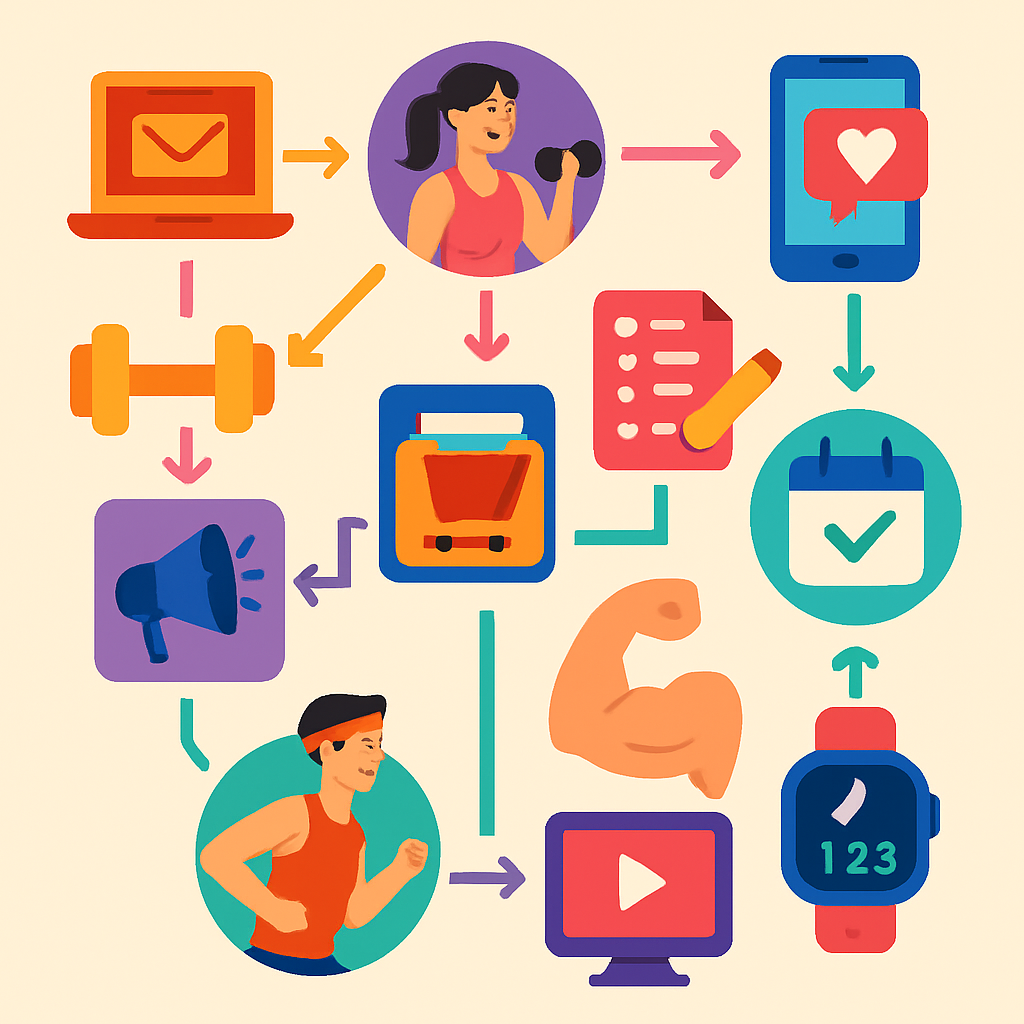
Integrating your Sales CRM with marketing automation tools is like adding rocket fuel to your fitness marketing strategy. It propels your ability to manage customer relationships and streamline your marketing efforts simultaneously. Here’s why this integration is a game-changer:
- Seamless Data Flow: When your CRM software solutions and marketing tools are synced, customer data flows freely between them. This means no more manual data entry or errors-just pure, actionable insights!
- Enhanced Customer Segmentation: With integrated systems, you can segment customers based on their behaviors and preferences more effectively, allowing for targeted campaigns that hit the mark.
- Improved Lead Nurturing: Automated workflows can be set up to nurture leads through the sales funnel, ensuring that no potential client falls through the cracks.
- Real-Time Analytics: Gain instant insights into campaign performance and customer interactions, enabling you to make data-driven decisions on the fly.
Key Takeaway: Integrating your CRM with marketing automation not only boosts efficiency but also enhances customer experience management across all touchpoints.
How to Choose the Right CRM for Your Needs
Selecting the right CRM is like finding the perfect pair of running shoes-it needs to fit just right! Here are some key factors to consider when making your decision:
- User-Friendly Interface: The best CRM systems are intuitive and easy to navigate, reducing training time for your team.
- Integration Capabilities: Ensure that your chosen CRM integrates smoothly with existing marketing automation tools-this is crucial for a unified approach.
- Scalability: Look for a solution that can grow with your business. You want a CRM that can handle an expanding client base without breaking a sweat!
- CUSTOMER SUPPORT: Opt for providers that offer robust support options-because when things go wrong, you want help ASAP!
A few popular options in the fitness industry include Fitness CRM systems for gyms and studios, which cater specifically to the unique needs of fitness businesses.
Tips for Seamless Integration Between CRM and Marketing Automation Platforms
No one enjoys a clunky integration process! To avoid any hiccups while connecting your Sales CRM with marketing automation tools, follow these tips:
- Create a Clear Plan: Outline what data needs to be shared between systems and how it will be used. A roadmap will guide you through the integration process smoothly.
- Select Compatible Tools: Choose software solutions known for their compatibility-this reduces technical headaches down the line.
- Pilot Test Before Full Launch: Run a pilot test with a small segment of customers before rolling out full integration. This helps identify any issues before they affect everyone!
- Troubleshoot Regularly: Keep an eye on how well the systems work together post-integration; regular check-ins can help catch any glitches early on.
Your Next Step:The right integration can elevate your fitness marketing strategy from good to exceptional. Start by assessing your current tools and how they align with these tips!
Measuring Success: Key Metrics to Track Engagement Efforts
Identifying Important KPIs for Automation Campaigns
When it comes to marketing automation, measuring success is like checking your fitness progress – you need the right metrics to know if you’re on track! Here are some key performance indicators (KPIs) that can help you gauge the effectiveness of your automation campaigns:
- Email Open Rates: A high open rate indicates that your subject lines are engaging and relevant.
- Click-Through Rates (CTR): This metric shows how many recipients are taking action after opening your emails. Think of it as the pulse of your campaign!
- Conversion Rates: Measure how many leads turn into customers as a direct result of your automated efforts. This is where the rubber meets the road!
- Customer Retention Rate: Keep an eye on how well you’re retaining customers post-engagement; loyal customers are worth their weight in gold.
- Lead Scoring Models: Utilize scoring models to prioritize leads based on their engagement level, helping you focus on the hottest prospects.
The Role of Analytics in Refining Strategies
If data is king, then analytics is the royal advisor guiding your marketing decisions. By leveraging marketing analytics, you can refine your strategies and make informed adjustments. Here’s how analytics plays a pivotal role:
- A/B Testing Insights: Use A/B testing results to identify which messages resonate best with different segments, optimizing future campaigns.
- User Behavior Tracking: Monitor how users interact with your content across platforms, allowing for real-time adjustments based on actual behavior.
- Campaign Performance Analysis: Regularly assess which campaigns yield the best results, reallocating resources to maximize ROI.
- Predictive Analytics: Use predictive analytics in marketing to anticipate customer needs and tailor future communications accordingly.
Key Takeaway: The more insights you gather from analytics, the better equipped you’ll be to create targeted, effective campaigns that truly engage your audience.
Tools for Tracking Engagement Metrics Effectively
No superhero fights crime without their gadgets! In the world of fitness marketing, having the right tools to track engagement metrics is essential for success. Here are some top tools that can help streamline this process:
| Tool Type | Description | Example Tools |
| Email Marketing Platforms | A system for automating email campaigns while tracking open rates and CTRs. | EmailOctopus, Mailchimp, ActiveCampaign |
| Analytics Tools | Description | Example Tools |
| User Behavior Analytics Software | A tool that tracks user interactions across channels to provide insights into engagement patterns. | Google Analytics, Hotjar, Mixpanel |
The integration of these tools into your marketing technology stack, including CRM software solutions, will empower you with actionable insights that drive better decision-making and campaign performance.
Your Next Step:If you’re serious about enhancing engagement efforts through automation, start exploring these tools today!
Conclusion and Future Trends in B2C Engagement Automation
Synthesizing Key Takeaways from the Post
As we wrap up this journey through the world of B2C engagement automation, it’s clear that the landscape is evolving faster than a treadmill on high speed. Here are the key points to remember:
- Personalization is Paramount: Customers crave tailored experiences; generic approaches simply won’t cut it.
- Data is Your Best Friend: Effective customer data management and segmentation are essential for crafting relevant messages.
- Integration is Key: Merging your Sales CRM with marketing automation tools enhances efficiency and customer engagement.
- Metrics Matter: Tracking key performance indicators (KPIs) ensures that your strategies are hitting the mark and allows for necessary adjustments.
Your Next Step: Embrace these insights to refine your marketing strategies and enhance customer experiences in the fitness industry!
Predicting Future Trends in Marketing Automation and Customer Engagement within the Fitness Industry
The future of marketing automation in the fitness sector looks as bright as a neon sign at a gym! Here’s what to keep an eye on moving forward:
- AI-Powered Personalization: Expect to see more advanced predictive analytics in marketing, which will allow brands to anticipate customer needs before they even arise. Imagine a system that knows when you’re likely to skip a workout and nudges you back on track with personalized encouragement!
- Omnichannel Engagement: The integration of various channels will become seamless, providing customers with a unified experience whether they’re engaging via email, social media, or in-person.
- Enhanced Automation Tools: New lead generation tools, like AI chatbots, will revolutionize how businesses interact with potential clients, providing instant responses and personalized recommendations.
- Sustainability Focus: As consumers become more eco-conscious, expect fitness brands to adopt sustainable practices within their marketing efforts. This trend could lead to campaigns that resonate on an emotional level, driving deeper connections with customers.
Tangible Takeaway: Stay ahead by keeping abreast of these trends. The more proactive you are in adopting new technologies and strategies, the better positioned you’ll be to engage effectively with your audience!
Stop sending generic journeys and start engaging your customers like never before! Harness the power of smarter automation to create personalized, timely, and data-driven experiences that resonate with individual needs. Integrate your Sales CRM with marketing automation tools to streamline workflows, segment audiences effectively, and deliver tailored messages across multiple channels. Track key metrics, leverage predictive analytics, and refine your campaigns in real-time to boost conversions, retention, and loyalty. Don’t let cookie-cutter strategies hold your fitness brand back—embrace smarter automation today and transform every customer interaction into an opportunity for growth, engagement, and lasting impact!
Ready to Run Successful Marketing Campaigns and Grow Your Business?
Gleantap helps you unify customer data, track behavior patterns, and automate personalized campaigns, so you can increase repeat purchases and grow your business.
Ready to Run Successful Marketing Campaigns and Grow Your Business?
Gleantap helps you unify customer data, track behavior patterns, and automate personalized campaigns, so you can increase repeat purchases and grow your business.