

Introduction
Let’s be real: using B2B automation tools to drive B2C results is like trying to fit a square peg in a round hole. It just doesn’t work.
Consider this: over 70% of marketers believe that personalization is the key to improving customer engagement, yet many continue to rely on rigid B2B automation systems that lack the necessary flexibility for B2C interactions. That’s a disconnect that can cost businesses dearly.
Imagine you’re a fitness studio owner trying to engage potential clients. You send out automated emails using a B2B CRM designed for lead management in corporate environments. The result? Crickets. Why? Because those emails sound more like a board meeting agenda than an invitation to join a vibrant community of fitness enthusiasts.
Key takeaway: Understanding the stark differences between B2B and B2C automation tools is crucial for effective marketing strategies, especially in industries like fitness where personal touch matters.
The challenge lies not just in the tools but in the entire approach. B2B automation focuses on efficiency and process, while B2C demands creativity and connection. Fitness marketing, for instance, thrives on personalized experiences-think tailored workout plans or engaging social media content that resonates with individual journeys.
This blog post will explore why traditional B2B automation tools fall short when applied to B2C marketing, especially within the competitive landscape of the fitness industry. We’ll unpack how understanding these differences can help you optimize your sales pipeline and customer engagement strategies.

Understanding B2B Automation Tools
Let’s cut to the chase: B2B automation tools are like Swiss Army knives-versatile but often too bulky for the job at hand. They excel in streamlining processes, but when it comes to engaging consumers, they can miss the mark.
Here’s a fun fact: Companies using automation tools report a 14.5% increase in sales productivity. Sounds great, right? But here’s the catch-most of these tools are designed for complex sales pipelines and not for the emotional touchpoints that drive B2C engagement.
Take a moment to think about your favorite fitness brand. Do they send you generic emails filled with corporate jargon? Probably not! Instead, they know how to speak your language-inviting you to join a challenge or share your progress on social media. That’s where B2B automation tools often falter.
Key point: B2B automation tools prioritize efficiency over personalization, which can lead to disengagement in consumer-focused marketing.
B2B automation is all about managing relationships and optimizing workflows within businesses. You’re looking at features like:
- Lead management tools that track potential clients through various stages of the sales funnel.
- Sales pipeline management systems that help teams forecast revenue and manage deals effectively.
- Customer relationship management (CRM) software that focuses on maintaining long-term business relationships rather than short-term consumer interactions.
- Email marketing automation aimed at nurturing leads with targeted content based on their professional needs.
This is where it gets tricky. Fitness studios need something more than just lead tracking; they require fitness marketing automation that resonates with their audience’s aspirations and lifestyle choices. Generic outreach simply won’t cut it when you’re trying to connect with people looking for motivation and community support.
Common Features of B2B Automation Tools
B2B tools often boast a set of features tailored for business efficiency:
- Workflow automation: Streamlining repetitive tasks across departments.
- Data integration: Combining customer data from various sources for better insights.
- Email campaigns: Sending bulk emails tailored to professional interests rather than personal preferences.
- Analytics dashboards: Providing metrics focused on ROI and lead conversion rates rather than customer satisfaction or engagement levels.
The interesting part? While these features are fantastic for driving internal efficiencies, they often lack the finesse needed for effective consumer engagement strategies. A fitness studio owner using these tools might find themselves drowning in data but still unable to connect meaningfully with their clients.
Examples of B2B Automation Tools (Sales CRM, Marketing Automation)
If you’re curious about what’s out there, popular B2B automation platforms include:
- SAP Sales Cloud: Great for managing large sales teams but not quite built for personal touches in marketing campaigns.
- Pipedrive: A solid option for pipeline management; however, its focus remains on sales rather than customer experience.
- Email marketing platforms like HubSpot: While powerful, they often cater more towards businesses than individual consumers in the fitness realm.
The bottom line? Relying solely on these tools can leave fitness marketers feeling like they’ve got all the right ingredients but no recipe to connect with their audience effectively. It’s time to rethink how we approach fitness marketing automation.
The Nature of B2C Automation
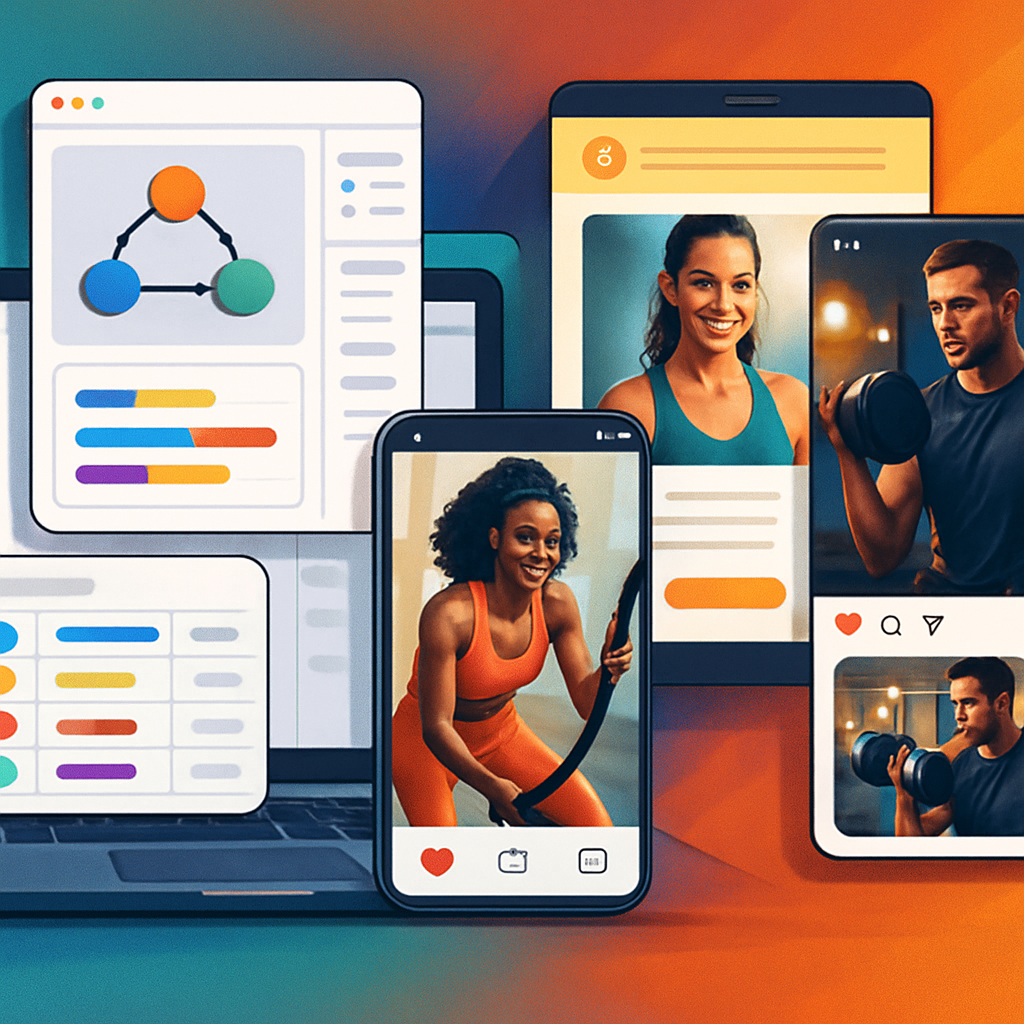
Imagine getting a text from your favorite fitness studio that says, “Hey, we noticed you’ve been crushing it! Want to join our exclusive 30-day challenge?” Now, contrast that with a generic email saying, “Dear valued customer, please consider our services.” Which one makes you feel more connected? The answer is obvious.
In the realm of B2C automation, personalization is not just a nice-to-have; it’s the lifeblood of effective engagement. According to recent studies, 80% of consumers are more likely to make a purchase when brands offer personalized experiences. This is the crux of what makes B2C automation different-it’s all about building relationships and fostering community rather than merely pushing products.
Key takeaway: Successful B2C automation strategies hinge on personalization and emotional connection, which are often overlooked in traditional B2B tools.
B2C automation thrives on understanding customer behavior and preferences. It’s not just about sending out emails or tracking leads; it’s about creating an experience that resonates with each individual. Think about how fitness marketing can leverage this: automated messages that celebrate milestones, suggest workouts based on past attendance, or even remind clients about upcoming classes they love.
Characteristics of Effective B2C Automation
What sets B2C automation tools apart? For starters, they focus on:
- Personalized marketing campaigns: Tailoring content based on user data and interactions.
- Customer lifecycle management: Engaging customers at every stage-from awareness to retention.
- Cross-channel marketing: Ensuring a consistent message across social media, email, and even SMS.
- Email marketing automation: Sending targeted messages that feel personal rather than generic blasts.
The beauty of these characteristics lies in their ability to create a seamless experience for customers. For instance, imagine an automated system that sends birthday greetings along with a special discount for personal training sessions. That’s how you turn a simple transaction into a memorable interaction!
The Disconnect from B2B Tools
fitness marketing automation.
B2B tools often focus on metrics like ROI and conversion rates without considering customer satisfaction or engagement levels. A fitness studio might find themselves drowning in analytics but unable to forge genuine connections with their clients. It’s like having an amazing gym setup but no one showing up to work out!
Important point: Relying solely on B2B automation tools can hinder your ability to engage effectively with consumers in the fitness industry.
Examples of Successful B2C Automation Strategies in Fitness Marketing
A few standout examples illustrate how effective B2C automation can transform fitness marketing:
- Sweat App: Uses personalized workout recommendations based on user activity and preferences, keeping clients engaged through tailored challenges.
- Peloton: Sends motivational messages and reminders based on user performance data-talk about knowing your audience!
- Zombies, Run!: This app utilizes gamification by sending users audio missions while they run, making every workout feel like an adventure rather than a chore.
The interesting part? These brands don’t just sell products; they create communities around shared goals and interests. They understand that in fitness marketing, it’s not just about the workout; it’s about the journey-and they automate their communications to reflect that ethos.
The Disconnect Between B2B Automation and B2C Results
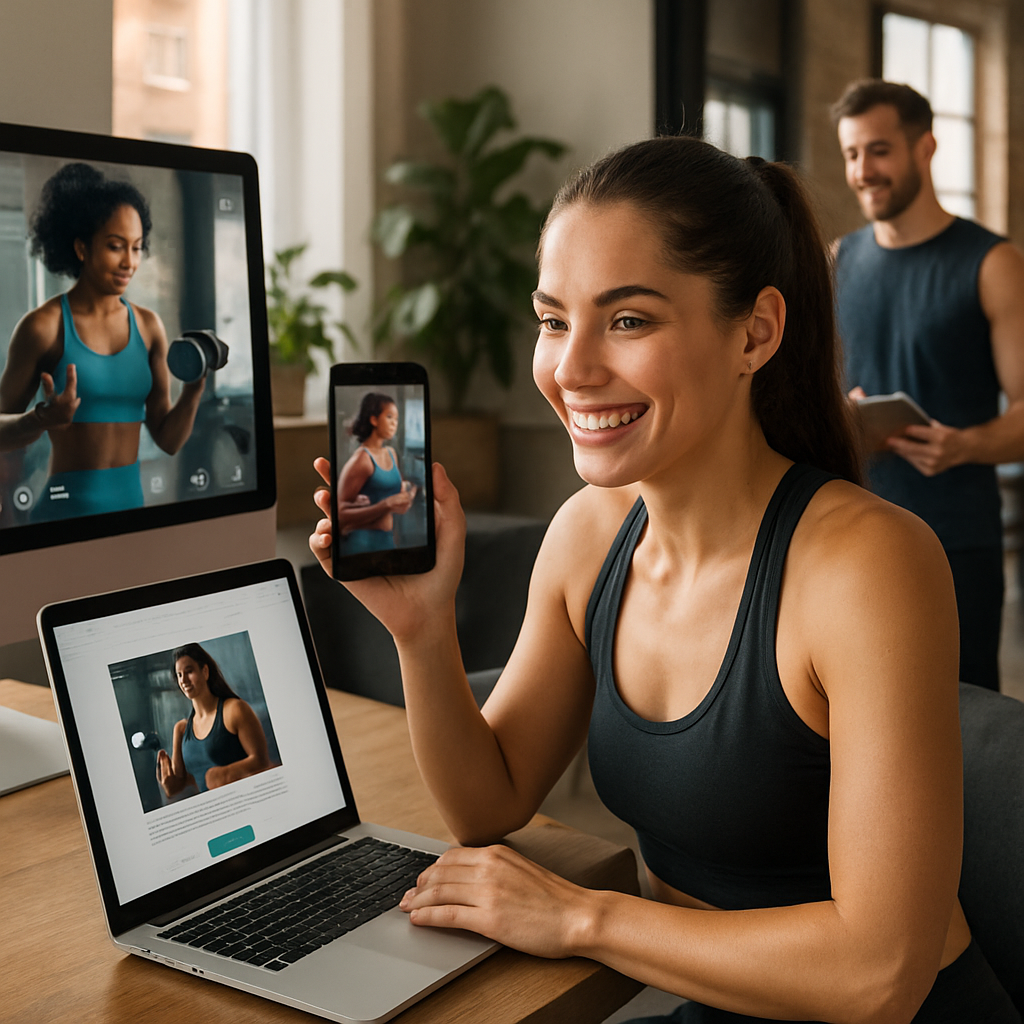
Ever sent out a mass email that flopped harder than a fish out of water? Welcome to the world of B2B automation tools trying to play in the B2C arena. It’s like sending a tuxedoed accountant to a beach party-totally out of place.
Consider this: 80% of consumers are more likely to make a purchase when brands deliver personalized experiences. Yet, many businesses still rely on stiff, one-size-fits-all automation tools designed for corporate efficiency rather than consumer engagement. This disconnect can lead to missed opportunities, especially in vibrant sectors like fitness.
Picture this: you’re running a fitness studio and decide to use your trusty B2B CRM system for client outreach. You send an automated email that reads more like a quarterly report than an invitation to join your latest fitness challenge. The result? Your potential clients are left wondering if they accidentally subscribed to a financial newsletter instead.
Key takeaway: The lack of personalization in B2B automation tools severely limits their effectiveness in engaging B2C audiences, particularly in industries where connection matters.
The crux of the issue lies in the fundamental differences between how businesses and consumers engage with brands. While B2B automation emphasizes efficiency and process optimization, B2C marketing thrives on creativity and emotional connection. In the fitness industry, where community and motivation reign supreme, these differences become even starker.
Lack of Personalization in B2B Tools
B2B automation tools often operate under the assumption that all customers are created equal-spoiler alert: they’re not! These systems typically focus on data-driven metrics like lead scoring and conversion rates but neglect the personal touch that makes consumers feel valued.
- Generic messaging: Automated emails often lack warmth or relevance, making them feel impersonal.
- Rigid templates: Many B2B tools offer limited customization options, leading to cookie-cutter communications that fail to resonate.
- No emotional intelligence: These platforms are designed for strategic decision-making rather than fostering relationships with individual customers.
This is where fitness marketing automation needs to step up its game. Clients want messages tailored specifically for them-think birthday discounts or personalized workout tips based on their interests-not just another bland reminder about membership fees.
Differences in Customer Engagement Approaches
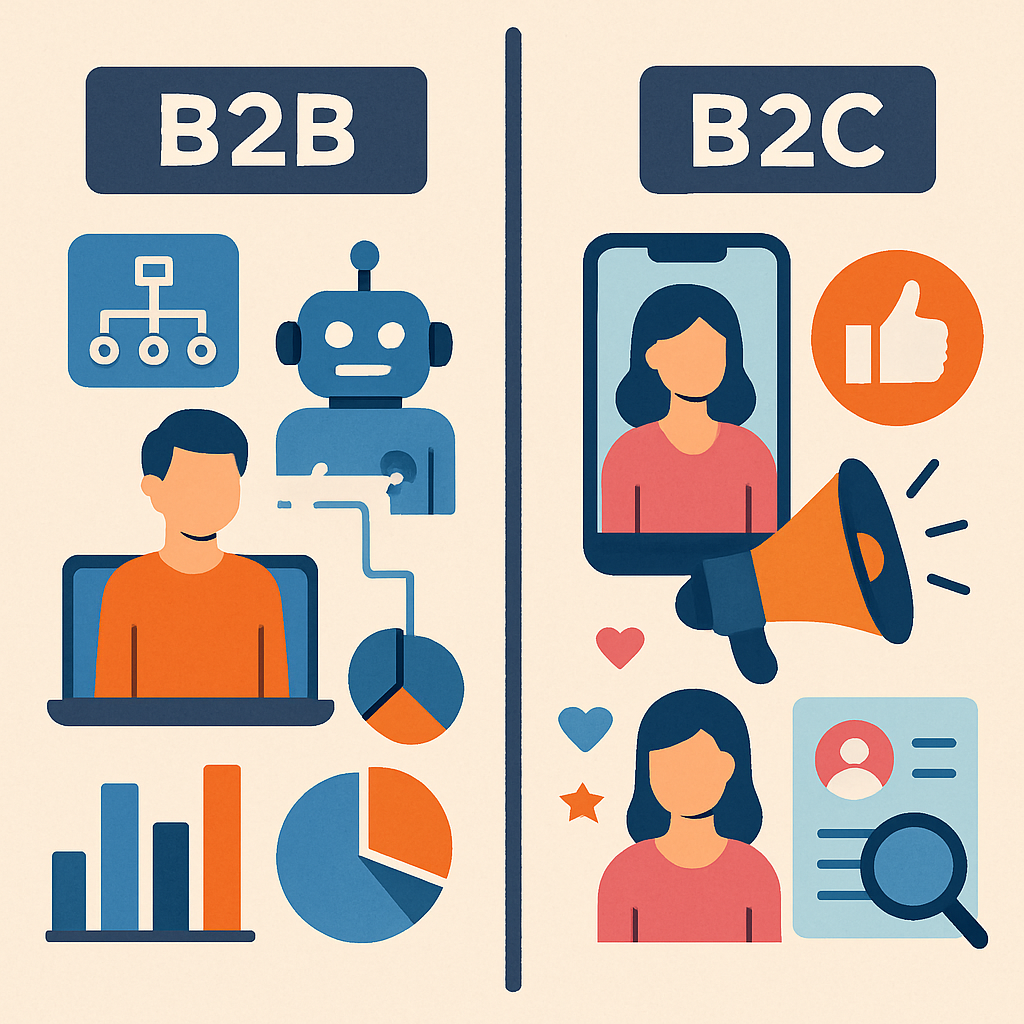
The approach taken by B2B versus B2C marketing is another key differentiator. In B2B scenarios, interactions often revolve around long sales cycles and formal negotiations. On the flip side, B2C marketing is all about quick wins and emotional connections.
- B2B: Focuses on building long-term relationships through detailed product knowledge and strategic discussions.
- B2C: Prioritizes immediate engagement through relatable content that speaks directly to consumer needs and desires.
This disparity becomes particularly evident within the fitness industry. A consumer-centric approach might include social media campaigns highlighting client success stories or interactive challenges that foster community spirit-elements that traditional B2B tools simply can’t deliver effectively.
The Role of Data and Analytics in Driving Results for B2C vs. B2B
- B2B analytics: Often focuses on metrics such as pipeline velocity and deal closure rates-important but detached from customer sentiment.
- B2C analytics: Emphasizes customer engagement metrics like open rates on personalized emails or social media interactions-key indicators of brand affinity.
Important point: The disconnect between how data is utilized in B2B versus B2C environments can lead businesses astray when trying to implement effective customer engagement strategies within the fitness sector.
Your CRM might be packed with data points, but if you’re not leveraging them for personalized outreach-like suggesting workouts based on previous attendance-you’re missing out big time! Fitness studios need insights into customer behavior that allow them to craft messages resonating with their audience’s lifestyle choices rather than just focusing on cold hard numbers.
Challenges Faced by Fitness Studios Using B2B Tools for B2C Marketing
Here’s a reality check: relying on B2B automation tools for B2C marketing in the fitness realm is like trying to run a marathon in flip-flops. You might get some steps in, but you’re definitely not going to win any races.
Consider this: 68% of consumers say they expect brands to understand their needs and expectations. Yet, many fitness studios are still using outdated B2B systems that treat potential clients like they’re just another number in a sales pipeline. This misalignment can lead to missed opportunities and frustrated customers.
Imagine a fitness studio sending out an automated email blast promoting a new yoga class. Instead of a vibrant, enthusiastic message tailored to the audience’s interests, it sounds more like a corporate memo from the HR department. The result? A resounding silence from recipients who feel no connection to the content.
Key takeaway: The challenges of using B2B tools for B2C marketing are significant and can hinder effective engagement with potential clients in the fitness industry.
Misalignment with Customer Expectations in Fitness Marketing
The disconnect between what fitness clients want and what B2B tools deliver is glaring. Customers crave personalization and community engagement-think personalized workout plans or friendly reminders about upcoming classes. However, most B2B automation tools focus on efficiency and data management rather than creating meaningful connections.
- Lack of personalization: Automated messages often come off as generic and uninspired, failing to resonate with the individual aspirations of clients.
- Rigid templates: Many systems offer limited customization options, leading to communications that feel more like spam than an invitation to join a supportive community.
- No emotional intelligence: These platforms prioritize cold metrics over fostering genuine relationships, which is crucial in the fitness space where motivation matters.
Ineffective Communication Strategies with Potential Clients
- Email blasts: Sending mass emails without segmenting audiences means missing out on targeting specific interests-like yoga enthusiasts vs. weightlifters.
- Siloed data: When customer data isn’t integrated across platforms, studios lose sight of what their clients truly want or need, leading to missed engagement opportunities.
- Lack of follow-up: Automated responses often fail to include follow-up messages that could nurture leads into loyal customers-like reminders for classes they showed interest in or personalized offers based on past attendance.
Cultural Differences Between Business and Consumer Interactions in the Fitness Industry
- B2B mentality: Approaches centered around formal negotiations don’t translate well into consumer interactions where warmth and enthusiasm are key.
- B2C focus: Consumers expect immediate engagement through relatable content that speaks directly to their desires-not just another sales pitch masquerading as communication.
- Cultural disconnect: The formalities of business interactions can alienate potential clients who are simply looking for motivation and support rather than corporate jargon.
Key insight: Understanding these cultural differences is essential for fitness studios aiming to create authentic connections with their clientele through effective marketing strategies.
Best Practices for Implementing Effective Automation Strategies in Fitness Marketing
Here’s a bold statement: The right automation tools can turn your fitness marketing from drab to fab! But here’s the catch: not all automation strategies are created equal, especially when you’re trying to engage consumers in the fitness industry.
Consider this: 70% of consumers prefer personalized experiences, yet many fitness studios are still using cookie-cutter approaches that feel more like a corporate memo than an invitation to join a vibrant community. So, how do you bridge that gap? Let’s break down some best practices for implementing effective fitness marketing automation strategies.
Key takeaway: To capture the hearts (and wallets) of potential clients, leverage automation tools that prioritize personalization and community engagement.
Choosing the Right Tools for Your Audience (CRM, Marketing Automation)
The first step is selecting the right tools. Think of your CRM and marketing automation software as your gym equipment. You wouldn’t use a treadmill to lift weights, right? Similarly, you need tools designed specifically for consumer engagement.
- Look for CRM solutions: Choose a system that integrates customer data across platforms. This enables you to understand client preferences better and tailor your outreach accordingly.
- Select marketing automation platforms: Opt for solutions that allow for segmentation and personalization. This way, you can send targeted messages based on interests-like workout classes or nutrition tips.
- Evaluate user-friendliness: If your team struggles with clunky software, it’s time to find something more intuitive. The last thing you want is frustration when trying to connect with clients!
Integrating Personalization into Your Automation Strategy
The interesting part about personalization is that it doesn’t have to be overly complicated. Small touches can make a world of difference! Think about how you can integrate personal elements into your automated communications.
- Email campaigns: Use client names and reference their past activities-like congratulating them on completing a challenge or suggesting classes they’ve shown interest in.
- Birthday greetings: Sending personalized offers on birthdays can create an emotional connection. Who doesn’t love a little birthday love?
- Acknowledging milestones: Celebrate client achievements such as anniversaries or weight loss goals through automated messages-this fosters loyalty and shows you care!
Utilizing Customer Feedback to Refine Automation Efforts
Your clients are goldmines of information! Regularly gather feedback through surveys or social media interactions and use this data to refine your automation strategies.
- A/B testing: Experiment with different messaging styles or offers to see what resonates best with your audience.
- Satisfaction surveys: After classes or events, send out quick surveys asking what clients enjoyed or what could be improved. Use this data to adjust future communications.
- Engagement metrics: Track open rates and click-through rates on emails; these insights will help you understand what works and what doesn’t in real-time.
The bottom line? Effective fitness marketing automation requires more than just sending out generic emails; it demands a thoughtful approach focused on personalization and genuine engagement with clients. By choosing the right tools, integrating personal touches, and leveraging customer feedback, you’ll not only enhance client relationships but also drive business growth.
Conclusion
Here’s the reality check: using B2B automation tools for B2C marketing is like trying to make a smoothie with a hammer. It just doesn’t blend well. The fitness industry thrives on personal connections, community engagement, and emotional resonance-elements that traditional B2B automation tools simply can’t deliver.
A staggering 70% of consumers prefer personalized experiences, yet many fitness studios still cling to those outdated systems that treat clients like mere data points. This disconnect not only frustrates potential customers but also leaves studios missing out on valuable opportunities to engage and grow their communities.
Key takeaway: To thrive in the competitive landscape of fitness marketing, studios must embrace B2C automation strategies that prioritize personalization, emotional connection, and community-building over rigid processes.
Reflecting on our journey through the nuances of fitness marketing automation, it’s clear that success hinges on understanding your audience’s unique needs. Forget about cookie-cutter emails and bland outreach; it’s time to craft messages that resonate with individual aspirations. Think birthday greetings with special offers or congratulatory notes celebrating milestones-these are the touches that cultivate loyalty.
The interesting part? Brands like Peloton and Sweat App have mastered this art by leveraging data to create tailored experiences that keep clients engaged and motivated. They don’t just sell workouts; they foster communities around shared goals and interests. Fitness studios can learn from this by integrating customer feedback into their strategies, ensuring they’re always evolving to meet their audience’s expectations.
If you’re still relying on those clunky B2B tools, it’s time for a change. Explore modern CRM solutions designed for consumer engagement, invest in personalized marketing platforms, and don’t shy away from leveraging social media for dynamic interaction. Remember: your clients are not just numbers; they’re individuals seeking connection in their fitness journeys.
The bottom line? Embrace the shift towards B2C automation. Ditch the rigidity of B2B tools and adopt strategies that prioritize genuine engagement and community spirit. Your clients-and your bottom line-will thank you!
If you’re still relying on B2B automation tools to drive B2C success, it’s time to rethink your strategy. Your clients expect personalization, warmth, and real connection—none of which rigid B2B systems can deliver. The fitness industry thrives on community, motivation, and meaningful engagement, and that requires automation built for consumers, not corporations. So make the shift today. Explore tools designed for B2C journeys, embrace data-driven personalization, and start creating experiences that keep clients inspired and coming back. Don’t let outdated systems hold your studio back—it’s time to upgrade, connect, and grow with automation that actually works.

Written by
Marcus Webb
Marcus is a B2C marketing strategist with over 8 years of experience in lifecycle marketing, SMS campaigns, and customer retention. He specialises in helping multi-location businesses reduce churn and build long-term customer loyalty.
Recent blog posts
Back to blog
Ready to Run Successful Marketing Campaigns and Grow Your Business?
Gleantap helps you unify customer data, track behavior patterns, and automate personalized campaigns, so you can increase repeat purchases and grow your business.
Ready to Run Successful Marketing Campaigns and Grow Your Business?
Gleantap helps you unify customer data, track behavior patterns, and automate personalized campaigns, so you can increase repeat purchases and grow your business.