
 Sarah Kim
Introduction to Lead Scoring in B2C
Welcome to the wild world of B2C lead scoring! If you’re in the fitness industry or any consumer-facing business, you know that not all leads are created equal. Some are like that golden ticket to Willy Wonka’s factory, while others might just be a ticket to nowhere. So, how do you sift through the masses? Enter lead scoring-a game changer in B2C marketing strategies.
At its core, lead scoring is like giving each potential customer a report card based on their behavior and demographics. It helps you prioritize which leads are most likely to convert into loyal customers. Imagine trying to navigate a crowded gym without your favorite playlist-lead scoring is that playlist, keeping you focused and energized!
Did You Know? The global CRM market size was valued at $58.04 billion in 2021 and is expected to expand at a compound annual growth rate (CAGR) of 13.3% from 2022 to 2030.
Definition of Lead Scoring
So, what exactly is lead scoring? In simple terms, it’s a systematic approach used by businesses to rank prospects against a scale that represents the perceived value each lead holds for your business. Think of it as assigning points based on various criteria such as:
- Demographics: Age, location, income level-basically anything that tells you who they are.
- Behavior: How often do they visit your website? Have they signed up for your newsletter or downloaded an e-book?
- Engagement: Are they interacting with your emails or social media posts?
Importance of Lead Scoring for B2C Businesses
The importance of lead scoring in B2C sales CRM cannot be overstated. Here’s why:
- Prioritization: Lead scoring helps you focus on high-value prospects first. This means more effective use of resources and time.
- Personalization: With insights from your CRM software for B2C, you can tailor marketing messages that resonate with individual leads.
- Simplified Sales Funnel: By understanding where each lead stands in the sales funnel, you can optimize your approach accordingly.
Overview of How Lead Scoring Differs from B2B
You may be wondering how B2C lead scoring differs from its B2B counterpart. While both approaches aim to identify valuable leads, there are key distinctions:
- Pace of Decision-Making: In B2C, purchases often happen faster than in B2B settings where multiple stakeholders are involved.
- User Behavior Tracking: B2C relies heavily on behavioral data since consumers frequently engage with brands through social media and digital platforms.
- Diverse Customer Segments: The consumer market is broader and more varied than the business market, requiring more nuanced scoring criteria.
If you’re looking to enhance your fitness marketing, adopting a robust lead scoring system will not only streamline your process but also supercharge customer engagement and retention strategies.
Your next step? Dive deeper into understanding the customer journey and how it intertwines with effective lead scoring!

Understanding the B2C Customer Journey
The B2C customer journey is like a thrilling roller coaster ride, full of ups, downs, and unexpected twists. Understanding this journey is crucial for businesses aiming to optimize their B2C CRM and improve customer experiences. Let’s break it down into digestible chunks!
Stages of the B2C Customer Journey
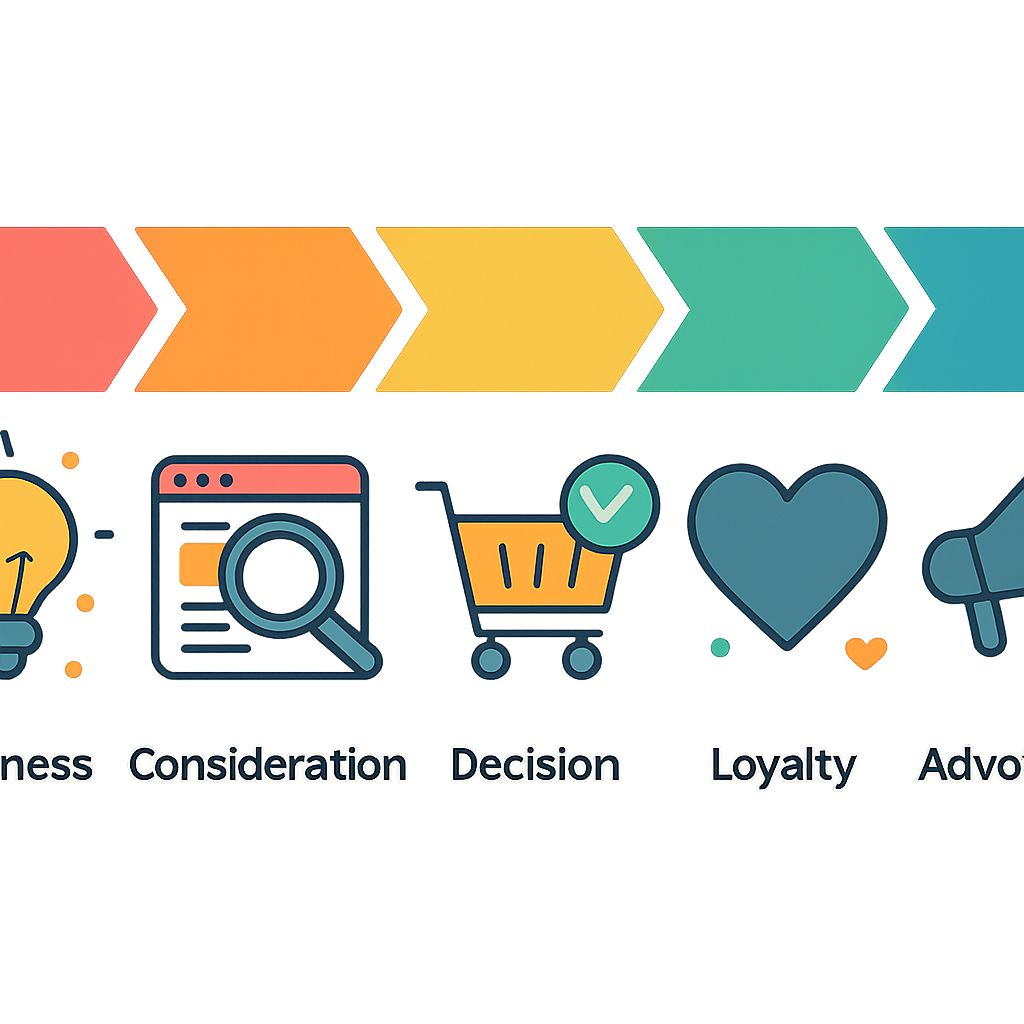
The B2C customer journey typically includes several key stages:
- Awareness: This is where potential customers first hear about your brand. Think of it as the moment they see a flashy ad while scrolling through Instagram.
- Consideration: Here, customers are weighing their options. They’re comparing your fitness services against competitors like they’re deciding between two gym memberships.
- Decision: At this stage, they’re ready to commit! This could mean signing up for a class or downloading your fitness app.
- Loyalty: After the purchase, it’s all about building a relationship. Engaging customers through personalized marketing solutions keeps them coming back for more!
- Advocacy: Happy customers become brand advocates. They share their positive experiences on social media, bringing in new leads through word-of-mouth.
Key Touchpoints in Customer Engagement
Your engagement strategy should be as varied as your clientele! Here are some critical touchpoints to consider:
- Email Marketing Automation: Regular newsletters keep your audience informed and engaged.
- Social Media Marketing for Fitness Brands: Use platforms like Instagram and TikTok to showcase success stories and promote offers.
- Your Website: Ensure that it’s user-friendly and optimized for conversions. A clunky site can derail even the most enthusiastic prospects!
- Customer Support Interactions: Quick responses to inquiries can turn a curious lead into a loyal customer.
The Role of CRM in Tracking Customer Interactions
Your B2C Sales CRM is like a trusty sidekick on this journey, helping you track every interaction with potential customers. Here’s how it plays a pivotal role:
- Data Collection: Gather information on customer behavior across various channels-website visits, email opens, social media interactions-so you can tailor your approach.
- Segmentation: Use CRM analytics for B2C to categorize leads based on demographics or engagement levels. This helps in deploying targeted advertising campaigns effectively.
- Lead Nurturing Tactics: Automate workflows in CRM systems to send personalized messages at different stages of the customer journey.
A Quick Fact! B2C e-commerce sales in the United States are projected to reach $1 trillion by 2023. That’s a huge market waiting for your unique fitness offerings!
The takeaway? By understanding the intricacies of the customer journey mapping in B2C markets, you can enhance your lead scoring efforts and ensure that no potential client slips through the cracks. Ready to optimize your sales funnel? Dive into implementing lead scoring strategies next!
Implementing Lead Scoring in B2C CRM Systems
Ready to dive into the nitty-gritty of implementing lead scoring in your B2C CRM systems? Buckle up, because this ride is all about optimizing your customer interactions and making them as smooth as a well-oiled treadmill! Here’s how to get started.
Choosing the Right B2C Sales CRM Tools
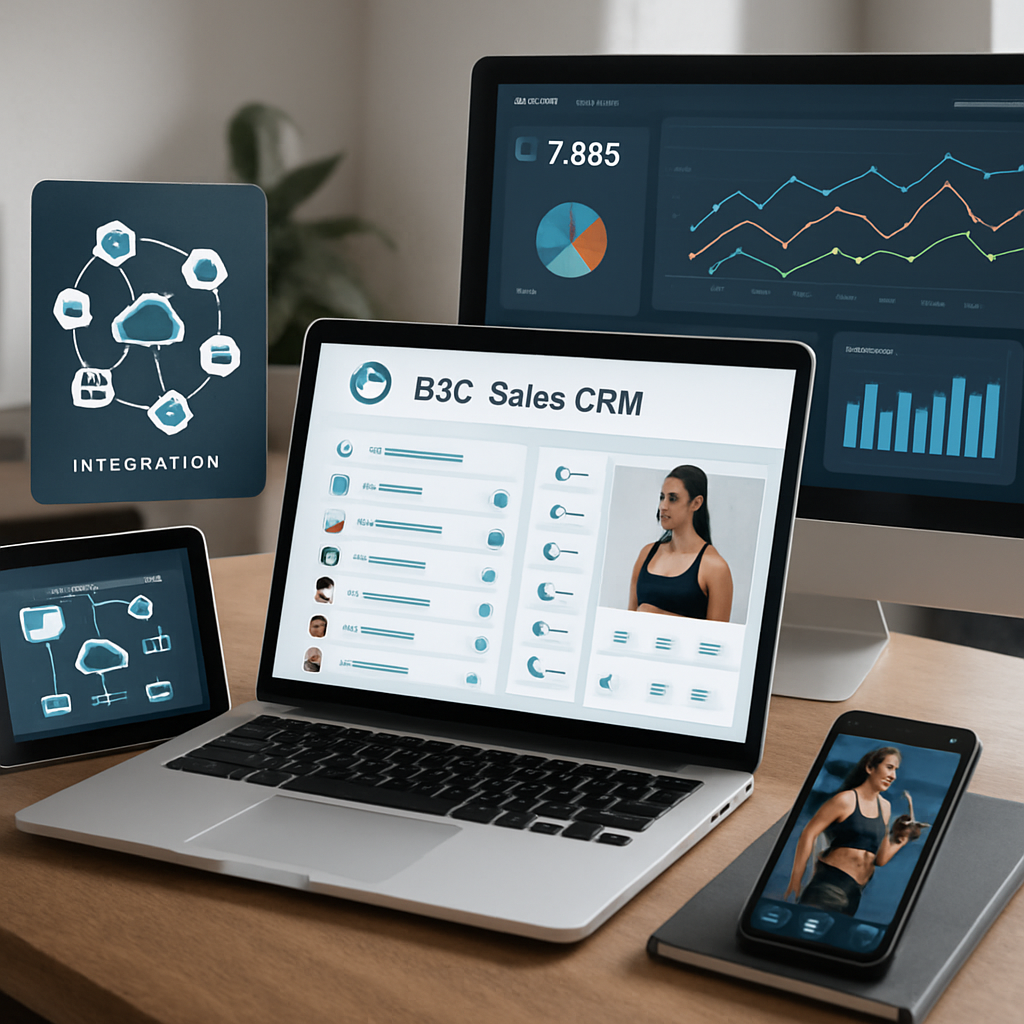
The first step in your lead scoring journey is selecting the right B2C Sales CRM tools. Not all CRMs are created equal, and finding one that fits your unique business needs is crucial. Consider these factors:
- User-Friendly Interface: A clean and intuitive interface means your team can hit the ground running without extensive training.
- Customization Options: Look for CRMs that allow you to tailor lead scoring criteria specific to your fitness business.
- Integration Capabilities: Ensure that your chosen CRM can seamlessly integrate with existing marketing automation tools and platforms.
- Analytics Features: Powerful analytics will help you track customer behavior and adjust your strategies accordingly.
Integrating Lead Scoring into Your Existing CRM System
If you already have a B2C CRM, integrating lead scoring shouldn’t feel like trying to fit a square peg into a round hole. Here’s how to do it smoothly:
- Assess Current Data: Start by evaluating the data you already have on leads. What metrics are available? What gaps need filling?
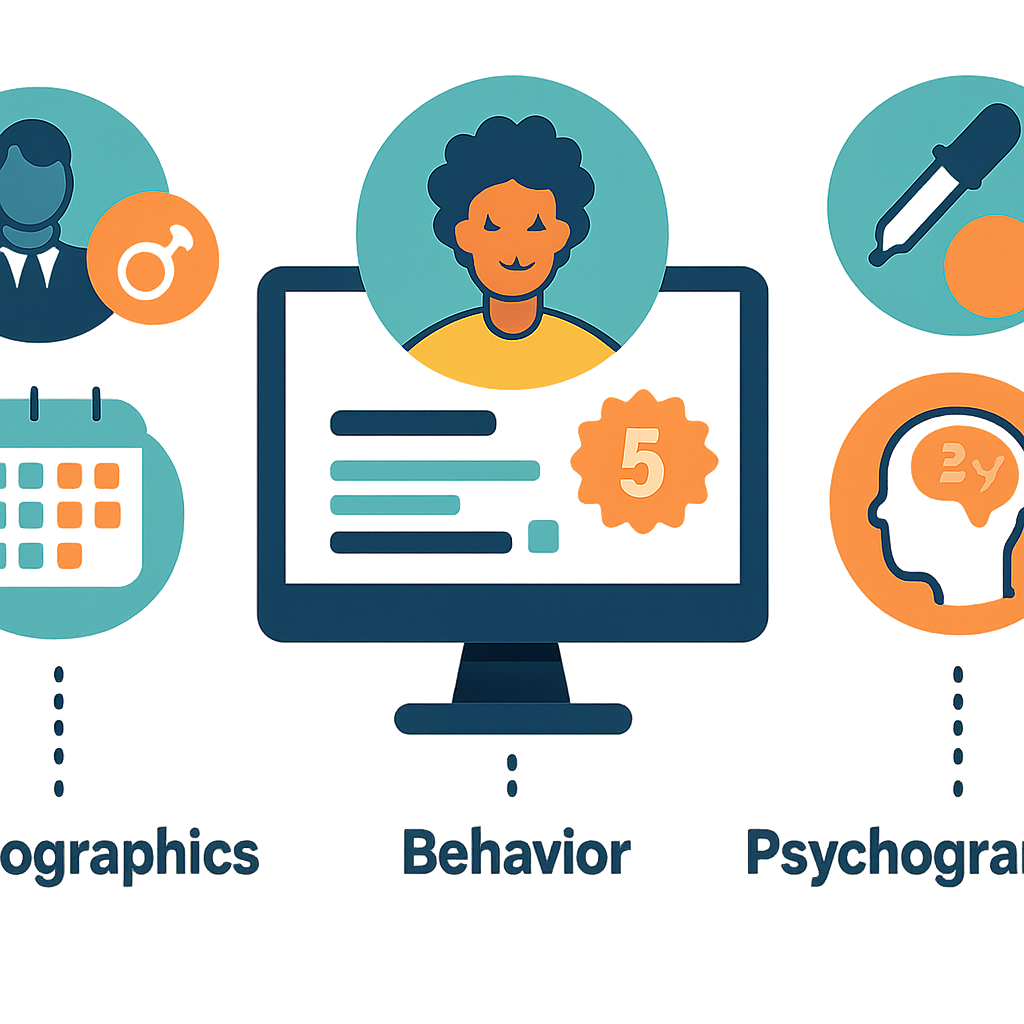
- Create Scoring Criteria: Develop a scoring model based on demographic, behavioral, and psychographic factors. This will be your roadmap!
- Utilize Automation Tools: Leverage sales automation tools within your CRM for automated workflows that adjust scores based on lead interactions.
- A/B Testing: Experiment with different scoring models to find what works best for your audience. It’s like trying out new gym routines until you find the perfect fit!
Setting Up Criteria for Effective Lead Scoring
The heart of successful lead scoring lies in establishing effective criteria. Here’s how to set it up like a pro:
- Demographic Factors: Age, location, and income level can give insight into who is most likely to engage with your fitness services.
- Behavioral Factors: Track engagement levels such as website visits, social media interactions, and email opens. The more they engage, the higher their score!
- Psychographic Factors: Consider interests and values that align with your brand. Are they health enthusiasts or casual gym-goers? Tailor messaging accordingly!
A Quick Note! According to recent studies, businesses using effective lead scoring see conversion rates increase by up to 30%. That’s not just good-it’s phenomenal!
The takeaway? Implementing lead scoring effectively within your B2C CRM systems, whether you’re using advanced client management systems or mobile solutions, can drastically enhance customer engagement strategies and boost conversions. So grab those leads by the horns-your fitness business growth awaits!
Criteria for Effective Lead Scoring in B2C Marketing Automation
Alright, let’s get down to the nitty-gritty of effective lead scoring in B2C marketing automation. Think of it as creating a cheat sheet for your sales team that highlights the most promising leads, ensuring they focus on prospects that are more likely to convert. Here are the key criteria you should consider:
Demographic Factors (Age, Location, etc.)
Demographics are like the foundation of a house; they provide essential structure for your lead scoring system. Here’s what to look for:
- Age: Different age groups have varying fitness goals and spending habits. Tailor your messaging accordingly!
- Location: Are your leads local fitness enthusiasts or scattered across the globe? This can influence how you market your services.
- Income Level: Understanding income helps you position your offerings effectively-premium services for higher-income leads and budget-friendly options for others.
Behavioral Factors (Website Visits, Engagement Levels)
If demographics are the foundation, then behavioral factors are like the roof-protecting and enhancing your lead scoring strategy. Here’s how to assess them:
- Website Visits: Track how often leads visit your site. Frequent visitors are likely more interested in what you offer!
- Email Engagement: Are they opening your emails? Clicking on links? High engagement levels indicate a warm lead!
- Social Media Interaction: Likes, shares, and comments on your posts can provide valuable insights into their interests and engagement levels.
Psycho-graphic Factors (Interests, Values)
The final piece of this lead-scoring puzzle is psychographics. This is where things get juicy! Understanding what makes your leads tick can help tailor your approach:
- Interests: Are they into yoga, weightlifting, or group classes? Knowing their preferences allows for targeted marketing campaigns.
- Values: Do they prioritize sustainability or community involvement? Aligning your messaging with their values can create deeper connections.
- Lifestyle Choices: Understanding whether they’re casual gym-goers or fitness fanatics helps in crafting personalized marketing solutions that resonate.
A Quick Insight! According to recent findings, businesses that utilize comprehensive lead scoring criteria see a 20% increase in customer retention rates. That’s a win-win!
The takeaway here is simple: effective lead scoring in B2C marketing automation, driven by demographic, behavioral, and psychographic factors, will not only streamline your sales funnel but also enhance customer engagement strategies. Ready to supercharge those leads? Let’s move on to the benefits of this smart approach!
The Benefits of Lead Scoring for Fitness Marketing
When it comes to fitness marketing, lead scoring is like having a secret weapon in your gym bag. It’s not just about collecting leads; it’s about knowing which ones are ready to sweat it out with you! Let’s explore how lead scoring can transform your fitness business into a well-oiled machine.
Improved Targeting and Personalization Strategies
Imagine trying to sell protein shakes to someone who only drinks kale smoothies. That’s what poor targeting looks like! With lead scoring, you can tailor your marketing efforts based on individual preferences and behaviors. Here’s how:
- Segmentation: Use insights from your B2C CRM to group leads based on their interests, such as yoga lovers vs. weightlifting enthusiasts.
- Personalized Messaging: Craft emails that speak directly to the needs of each segment, whether it’s promoting a new yoga class or a strength training program.
- Dynamic Content: Implement automated workflows that adjust content based on lead scores, ensuring that high-scoring leads receive the most relevant offers.
Increased Conversion Rates and ROI on Marketing Efforts
You don’t want to throw spaghetti at the wall and see what sticks-especially when it comes to your marketing budget! Lead scoring helps you focus your resources where they matter most:
- High-Value Leads First: Prioritize outreach efforts towards leads with higher scores who are more likely to convert, leading to better use of time and resources.
- A/B Testing: Experiment with different approaches for various segments based on their scores. You might find that one email subject line works wonders for high-scoring leads!
- Data-Driven Decisions: Use CRM analytics for B2C to track conversion rates effectively, allowing you to refine strategies continually.
Enhanced Customer Retention and Loyalty Programs
Your goal isn’t just about getting customers through the door; it’s about keeping them coming back for more! Here’s how lead scoring plays into retention:
- Loyalty Programs: Identify high-scoring leads who have made purchases before and target them with exclusive offers or loyalty rewards.
- Nurturing Relationships: Use automated follow-ups tailored to their interests-like sending workout tips or nutrition advice-to keep them engaged post-purchase.
- Crisis Management: Spot low-scoring leads early who may be disengaging and reach out proactively with special incentives or feedback requests.
A Quick Insight! Businesses that effectively implement lead scoring strategies can see up to a 30% increase in customer retention rates, which means happier clients-and more revenue!
The takeaway? Leveraging lead scoring in fitness marketing not only enhances targeting and personalization but also boosts conversion rates while fostering customer loyalty. So, are you ready to transform those leads into lifers? Let’s jump into best practices next!
Best Practices for Maintaining an Effective Lead Scoring System
Maintaining an effective lead scoring system is like keeping your gym routine in check-consistent effort leads to the best results! In the fast-paced world of B2C sales CRM, staying on top of your scoring criteria can make all the difference. Here are some best practices to ensure your lead scoring system remains sharp and effective.
Regularly Updating Scoring Criteria Based on Market Trends
The market is as dynamic as a Zumba class, and your lead scoring criteria should be too! Regular updates based on current trends can help you stay relevant. Here’s how:
- Monitor Industry Changes: Keep an eye on shifts in consumer behavior, especially in the fitness industry. Are people more inclined towards online classes? Adjust your scores accordingly!
- Analyze Competitor Strategies: What are your competitors doing? If they’re attracting leads with new offers or promotions, consider how you can adjust your scoring to reflect similar trends.
- Feedback Loop: Establish a feedback loop with your sales and marketing teams. Their insights can provide valuable information about what types of leads are converting best.
A/B Testing Different Scoring Models for Optimization
A/B testing isn’t just for email subject lines; it’s a powerful tool for optimizing lead scoring models too! Think of it as trying out different workout routines to see which one gets you the best results. Here’s how to implement it:
- Create Variations: Develop different lead scoring models based on various factors-demographics, behaviors, or psychographics-and see which yields better conversion rates.
- Test Over Time: Don’t rush the process. Allow enough time for each model to gather data before determining which one performs better.
- Use Data Analytics: Leverage CRM analytics for B2C to track the performance of each model. Analyze metrics like conversion rates and customer engagement levels.
Collaborating with Sales and Marketing Teams for Feedback and Adjustments
Your sales and marketing teams are like your personal trainers-they know what works and what doesn’t! Collaborating with them ensures that your lead scoring system aligns with real-world experiences. Here’s how to foster collaboration:
- Regular Meetings: Schedule regular check-ins to discuss lead quality and conversion success. This helps keep everyone on the same page regarding what constitutes a high-value lead.
- Create Shared Goals: Align both teams around common objectives-like increasing conversions from specific demographics-to encourage teamwork in refining scoring criteria.
- Crowdsource Ideas: Encourage team members to share their insights on potential improvements. Fresh perspectives can spark innovative adjustments that enhance overall effectiveness.
A Quick Insight! Companies that regularly update their lead scoring systems report a 25% increase in qualified leads over those that don’t adapt their strategies!
The takeaway? By regularly updating your criteria, experimenting with different models through A/B testing, and collaborating closely with sales and marketing teams, you’ll maintain a robust lead scoring system that drives success in B2C marketing strategies. So get ready to fine-tune those scores-your future customers are counting on it!
Caveats and Challenges in Lead Scoring for B2C Businesses
While lead scoring can feel like a magic wand that transforms your B2C sales CRM into a conversion powerhouse, it’s not all smooth sailing. There are some caveats and challenges that can trip you up if you’re not careful. Let’s dive into the murky waters of lead scoring pitfalls and how to navigate them!
Over-Reliance on Data
Data is your best friend, but it can also be a double-edged sword. If you rely too heavily on data without considering the human element, you might miss out on valuable insights. Here’s what to watch for:
- Ignoring Qualitative Insights: Numbers tell part of the story, but customer sentiments and feedback can reveal so much more! Don’t let spreadsheets overshadow personal interactions.
- Data Overload: Too much data can lead to analysis paralysis. Focus on key metrics that truly drive your business forward instead of drowning in a sea of numbers.
- Outdated Information: Regularly updated data is crucial. If your scoring criteria are based on old information, you risk misjudging leads who have evolved since their last interaction.
The Complexity of Customer Behavior
If there’s one thing we know about consumers, it’s that they’re unpredictable! Understanding customer behavior in the fitness industry can be as tricky as navigating a crowded gym during peak hours. Here are some complexities to consider:
- Diverse Motivations: Customers come with different motivations-some seek health benefits while others chase aesthetics. Your lead scoring must account for these varied goals!
- Evolving Preferences: Fitness trends change faster than you can say “squat.” Keep an eye on shifting consumer interests to ensure your scoring remains relevant.
- Multi-Channel Engagement: Today’s leads interact across various platforms-social media, websites, emails-making it challenging to track their true engagement levels accurately.
The Risk of Inaccurate Scoring Criteria
If your scoring criteria are off-base, you’re setting yourself up for failure before you even start! Here’s how to avoid this pitfall:
- Lack of Clear Definitions: Ensure everyone understands what constitutes a high-quality lead. Vague definitions can lead to inconsistent scoring across teams.
- Poorly Defined Metrics: Metrics should be specific and measurable. Generic criteria may result in misclassifying leads who actually have high potential.
- No Feedback Loop: Establish regular check-ins with sales and marketing teams to validate whether the current criteria effectively identify quality leads.
A Quick Insight! Research shows that companies with poorly defined lead scoring systems experience up to 40% lower conversion rates compared to those with clear criteria!
The takeaway? While implementing lead scoring in your B2C CRM, be mindful of these challenges. Strive for a balanced approach that combines data-driven insights with human touchpoints, ensuring your system evolves alongside consumer behavior. Ready to tackle these challenges head-on? Let’s move on to best practices next!
Ready to turn your leads into loyal customers? It’s time to supercharge your B2C marketing with smart lead scoring! By combining behavioral insights, demographic data, and CRM automation, you can focus on high-value prospects, personalize every interaction, and boost conversions like never before. Whether you run a fitness studio or a growing consumer brand, adopting an intelligent lead scoring system helps you prioritize what truly matters—your best customers. Don’t let valuable leads slip away! Start implementing a data-driven lead scoring strategy today with Gleantap and watch your customer engagement, loyalty, and ROI rise to new heights.
Recent blog posts
Back to blog

Ready to Run Successful Marketing Campaigns and Grow Your Business?
Gleantap helps you unify customer data, track behavior patterns, and automate personalized campaigns, so you can increase repeat purchases and grow your business.
Ready to Run Successful Marketing Campaigns and Grow Your Business?
Gleantap helps you unify customer data, track behavior patterns, and automate personalized campaigns, so you can increase repeat purchases and grow your business.