
 Sarah Kim
Welcome to the wild world of CRM fatigue, where B2C brands are shaking off the shackles of traditional platforms like HubSpot. As we dive into 2025, it’s clear that the landscape of Sales CRM and Marketing Automation is evolving faster than you can say “customer data platform.” So, what’s causing this exodus from HubSpot? Buckle up as we explore the reasons behind this shift and what it means for businesses navigating the tricky waters of customer engagement.
In a nutshell, CRM fatigue refers to the overwhelming feeling brands experience when their current Customer Relationship Management tools no longer meet their needs. With a plethora of options available-from B2C marketing solutions to advanced email marketing strategies-the pressure is on for brands to find the right fit. As they seek more tailored solutions, many are questioning whether HubSpot still delivers value.
Did You Know?
The global CRM market was valued at $58.04 billion in 2021 and is projected to grow at a compound annual growth rate (CAGR) of 13.3% from 2022 to 2030. This rapid expansion highlights the increasing demand for effective customer data management and engagement tools.
But before we dive deeper into the nitty-gritty, let’s take a moment to understand how B2C brands have been using HubSpot and why some are now looking for alternatives. The need for robust customer profiles, effective lead nurturing strategies, and seamless integration between sales and marketing has never been more critical.
So grab your favorite beverage, settle in, and let’s unravel the mystery behind CRM fatigue in 2025!

The Rise of CRM Fatigue Among B2C Brands
As we step into 2025, the term CRM fatigue is becoming a hot topic among B2C brands. Imagine being at a party where the music is just too loud, and you can’t hear yourself think. That’s how many businesses feel about their current Sales CRM and Marketing Automation tools. The once-reliable HubSpot is now seen as more of a cumbersome dance partner than a smooth operator.
So, what’s behind this growing discontent? Let’s break it down.
Factors Contributing to CRM Fatigue
- Overwhelming Features: Many brands find themselves drowning in features they don’t use. It’s like buying a Swiss Army knife but only needing the bottle opener.
- Lack of Personalization: In an age where personalized marketing campaigns are king, brands are realizing that generic solutions just don’t cut it anymore.
- Integration Issues: Brands often struggle with the integration of their customer data platforms. If your tools don’t talk to each other, it’s like trying to have a conversation in different languages.
- Email Reputation Management: With stricter email deliverability rules, many companies are discovering that their email marketing strategies are falling flat due to poor reputation management.
Impact on Marketing Strategies
The fallout from CRM fatigue is significant. Brands are reassessing their entire approach to customer relationship management. Here’s how:
- Shift to Simplicity: Companies are now looking for CRM tools that offer simplicity without sacrificing functionality. Think of it as opting for a sleek sports car over a bulky SUV.
- Bespoke Solutions: More brands are turning towards tailored solutions that cater specifically to their needs-goodbye one-size-fits-all!
- A Focus on Data-Driven Marketing Strategies: As businesses become more data-savvy, they seek out platforms that provide actionable insights rather than just raw data.
The Bottom Line:
B2C brands are increasingly prioritizing platforms that enhance customer insights analysis, streamline operations, and improve overall engagement. This shift is reshaping the landscape of marketing automation platforms comparison.
Case Studies of B2C Brands Experiencing CRM Fatigue
A few notable B2C brands have already made the leap away from HubSpot, citing various reasons for their departure:
- Beverage Company X: After struggling with email campaign software that didn’t meet their needs, they switched to a more flexible platform allowing for better customer segmentation and targeted campaigns.
- E-commerce Brand Y: Frustrated by integration hurdles with existing systems, they opted for a lightweight solution that simplified their sales funnel optimization tools while enhancing client engagement.
- Sneaker Retailer Z: They found HubSpot’s pricing plans increasingly prohibitive and shifted towards an alternative offering more competitive rates alongside better support for automated marketing solutions.
The trend is clear: as B2C brands reevaluate their needs in an ever-changing landscape, many find themselves looking beyond traditional giants like HubSpot towards innovative alternatives that promise better alignment with modern marketing demands.
If you’re feeling the pinch of CRM fatigue yourself, consider taking a step back and evaluating your current systems. Are they truly serving your needs? Or could you benefit from exploring new options?
The future is bright for those who adapt swiftly-so don’t be afraid to shake things up!

The Role of HubSpot in the Current Landscape
As we navigate through 2025, the role of HubSpot in the B2C landscape is akin to that of a once-beloved sitcom star who has overstayed their welcome. Sure, they had their golden years, but now audiences are flipping channels in search of something fresher. While HubSpot continues to be a significant player in Sales CRM and Marketing Automation, it faces increasing scrutiny from brands eager for more nimble solutions.
Overview of HubSpot’s Features for B2C Brands
HubSpot offers a buffet of features designed to cater to B2C brands, including:
- Comprehensive CRM Tools: From contact management systems to customer journey mapping, HubSpot provides a range of functionalities that can help businesses track interactions and manage relationships.
- Email Marketing Solutions: Their email campaign software allows for targeted outreach and automated marketing solutions, although many users report issues with email deliverability tools.
- Marketing Analytics Tools: HubSpot’s analytics capabilities help brands dig into customer behavior tracking tools, providing insights that can drive data-driven marketing strategies.
- Integration Services: While integration with other platforms is possible, some users find it more cumbersome than expected.
However, despite these offerings, many brands are questioning whether they truly meet the evolving demands of modern marketing.
Shifting Towards Alternative Solutions
As B2C brands grapple with CRM fatigue, many are embarking on a quest for alternative solutions that better align with their evolving needs. Imagine a buffet where the main dish has gone cold, and you’re left searching for something fresh and exciting. That’s the current scenario with HubSpot, as businesses explore new options that can supercharge their customer data management and streamline their marketing efforts.
Emergence of Customer Data Platforms (CDPs)
The spotlight is now shining brightly on Customer Data Platforms (CDPs). These powerful tools serve as centralized hubs for collecting, managing, and analyzing customer data from various sources. Unlike traditional CRMs, which often focus on transactional data, CDPs provide a comprehensive view of customer interactions across all touchpoints.
This means B2C brands can create highly personalized experiences without the headache of juggling multiple systems. Think of it as having a personal assistant who knows exactly what you need before you even ask!
Key Benefits of CDPs:
- Unified Customer Profiles: CDPs aggregate data to create detailed customer profiles that reflect behavior, preferences, and interactions.
- Enhanced Segmentation: With richer data at your fingertips, creating targeted marketing campaigns becomes a breeze.
- Improved Marketing Automation: CDPs integrate seamlessly with various marketing automation platforms, allowing for sophisticated automated campaigns.
The Importance of Customer Profiles in Modern Marketing
In today’s fast-paced marketing environment, understanding your customers is more crucial than ever. Brands are shifting towards solutions that enable them to build robust customer profiles. These profiles are not just names on a list; they’re dynamic representations of real people with unique preferences and behaviors.
A well-rounded customer profile allows brands to tailor their communications effectively. For instance, consider how Netflix recommends shows based on viewing history-this is the kind of personalization B2C brands strive for!
- Behavior Tracking: Utilize tools that monitor customer interactions across multiple channels for deeper insights.
- Email List Management: Segment your audience based on behavior to enhance engagement rates in your email campaigns.
- Personalized Marketing Campaigns: Leverage insights from customer profiles to craft messages that resonate with individual preferences.
Email Marketing Strategies Beyond HubSpot
Email marketing remains a cornerstone of effective B2C strategies. However, many brands are finding that HubSpot’s email marketing features don’t quite cut it anymore. As they seek more robust options, the focus shifts towards platforms offering superior email deliverability tools, advanced analytics, and enhanced customization capabilities.
A few standout alternatives include:
- Klaviyo: Known for its powerful segmentation capabilities and excellent integration with e-commerce platforms.
- Offers user-friendly interfaces along with strong automation features tailored for small businesses.
Sendlane: Focuses on delivering personalized experiences through intelligent automation and behavioral tracking.
The key takeaway here? Brands must prioritize platforms that not only enhance their email reputation but also provide actionable insights for improving engagement rates. A well-executed email strategy can make all the difference in nurturing leads and driving conversions!
Your Next Steps:
If you’re feeling overwhelmed by CRM fatigue or frustrated with HubSpot’s limitations, it might be time to explore these alternative solutions. Investing in tools that prioritize customer insights can lead to more effective marketing strategies and ultimately boost your bottom line!

Email Reputation Management in the Changing Landscape
As the digital marketing realm evolves, email reputation management is taking center stage, especially for B2C brands. Picture this: you’re at a party, and your reputation is on the line every time you introduce yourself. In the world of email marketing, that introduction is your sender reputation. A solid email reputation can mean the difference between landing in the inbox or being banished to the spam folder.
Understanding Email Reputation and Its Importance for B2C Brands
Email reputation isn’t just a buzzword; it’s a critical component of successful email marketing strategies. It refers to how email service providers (ESPs) perceive your sending practices based on various factors like engagement rates, bounce rates, and spam complaints. A strong reputation leads to better email deliverability, ensuring your messages reach their intended recipients.
For B2C brands, maintaining a good email sender reputation is akin to keeping up with fashion trends-what worked last season might not fly today. Brands must adapt swiftly to changing algorithms and consumer preferences to avoid getting sidelined.
Key Factors Influencing Email Reputation:
- Engagement Rates: High open and click-through rates signal to ESPs that your emails are valuable.
- Bounce Rates: Low bounce rates indicate that you’re sending emails to valid addresses.
- Spam Complaints: Fewer complaints mean better standing with ESPs.
Strategies for Maintaining Email Reputation Outside HubSpot’s Ecosystem
If you’re feeling trapped in HubSpot’s ecosystem, fear not! There are numerous strategies you can implement to maintain your email reputation while exploring alternatives:
- Regular List Cleaning: Keep your email list fresh by removing inactive subscribers and invalid addresses regularly.
- Engaging Content Creation: Focus on crafting compelling content that resonates with your audience. Think of it as giving them a reason to RSVP every time you send an invite!
- A/B Testing: Experiment with different subject lines and content formats to see what garners the best response from your audience.
- Email Authentication Protocols: Implement protocols like SPF, DKIM, and DMARC to verify that your emails are legitimate and trustworthy.
The bottom line? Keeping up with these practices not only protects your sender reputation but also enhances overall engagement rates-talk about a win-win!
The Role of Customer Engagement Platforms in Email Marketing Success
If you’re looking for alternatives that can help elevate your email marketing game while managing your reputation effectively, consider investing in robust customer engagement platforms. These tools provide comprehensive solutions for managing customer interactions across multiple channels, ensuring that all touchpoints contribute positively to your overall email strategy.
A few standout features of effective customer engagement platforms include:
- Email List Management: Efficiently segmenting audiences based on behavior allows for more personalized marketing campaigns.
- Email Automation Tools: Automate follow-ups and nurture leads through tailored communication sequences.
- A Comprehensive View of Customer Profiles: Understand customer behavior across channels for more targeted outreach strategies.
The shift toward integrating these platforms into your marketing stack can revolutionize how you manage customer data while keeping an eye on maintaining a stellar email reputation. As you explore options beyond HubSpot, look for solutions that prioritize both engagement and deliverability-your inbox will thank you!
Your Next Steps:
If managing email reputation feels daunting amidst CRM fatigue, take action by exploring customer engagement platforms that align with your goals. Investing in tools designed for effective customer data management, along with strong email deliverability tools, can set you on a path toward success in 2025!
The Future of CRM in B2C Marketing Post-HubSpot Transition
As we look ahead to the future of B2C CRM in a post-HubSpot world, it’s clear that brands are not just searching for alternatives; they’re on a quest for innovation. Imagine a superhero movie where the protagonist sheds their old suit for something sleek and powerful-this is how brands are feeling about their CRM choices in 2025.
Predicting Trends for 2025 and Beyond in B2C CRM Usage
One thing’s for sure: the landscape of Sales software and Marketing Automation is set to evolve dramatically. Here are some trends we predict:
- Increased Adoption of Customer Data Platforms (CDPs): Brands will increasingly turn to CDPs, which allow for better customer data management, enabling them to create unified customer profiles that enhance personalization.
- Focus on Integrated Solutions: As businesses seek seamless experiences, expect a rise in platforms that integrate various marketing tools. Think of it as assembling an all-star team where each player knows their role-no more miscommunication!
- Data-Driven Decision Making: With the growing importance of data-driven marketing strategies, brands will leverage analytics tools to gain actionable insights, guiding their marketing efforts with precision.
The Increasing Need for Customization and Flexibility in Sales CRMs
The days of one-size-fits-all solutions are fading faster than your favorite jeans after too many wash cycles. Brands crave flexibility and customization like never before. Here’s why:
- Bespoke Solutions Over Generic Offerings: Businesses want tools that cater specifically to their needs-think custom-tailored suits instead of off-the-rack options.
- User-Friendly Interfaces: As companies scale, they need intuitive interfaces that don’t require a PhD to navigate. Expect more platforms to prioritize usability without sacrificing power.
- A Greater Emphasis on Customer Segmentation: Effective lead nurturing strategies will rely heavily on precise segmentation, allowing brands to deliver personalized experiences across channels.
The Role of Technology Advancements in Shaping Future Solutions
The rapid pace of technological advancements is like watching a sci-fi movie unfold before our eyes! Here’s how tech is changing the game for B2C brands:
- AI and Machine Learning Integration: Expect CRMs equipped with AI capabilities that can analyze customer behavior and predict future actions, making marketing efforts smarter than ever!
- Enhanced Automation Features: Automated marketing solutions will become more sophisticated, allowing brands to execute multi-channel campaigns effortlessly while optimizing engagement rates.
- Real-Time Data Processing: The ability to process data in real-time means that businesses can adjust strategies on the fly-no more waiting until next quarter’s report!
Your Takeaway:
The future of CRM tools in B2C marketing is bright! With an emphasis on customization, technology integration, and data-driven strategies, brands have the opportunity to revolutionize their customer engagement efforts. If you’re still clinging onto HubSpot out of habit, it might be time to explore what’s next!
If you’re ready to embrace change and explore new horizons in your CRM journey, keep an eye out for innovative solutions tailored specifically for your brand’s needs. The quest for enhanced customer relationships has only just begun!
Conclusion
Summary of Key Points Discussed
- CRM fatigue is driving B2C brands to reconsider their reliance on traditional platforms like HubSpot.
- Factors such as overwhelming features, lack of personalization, and integration issues are contributing to this shift.
- Brands are increasingly prioritizing tailored solutions that enhance customer data management and streamline operations.
- Emerging alternatives, including Customer Data Platforms (CDPs), are gaining traction for their ability to create unified customer profiles.
- The importance of maintaining a good email reputation is becoming more pronounced as brands navigate the complexities of email marketing.
Final Thoughts on Navigating CRM Fatigue as a B2C Brand
The landscape of Sales CRM and Marketing Automation is evolving, and B2C brands must adapt or risk being left behind. If you find yourself feeling overwhelmed by your current system, it might be time to reassess your needs and explore alternatives that better align with your goals.
Remember, the right tools can make all the difference in optimizing your sales funnel and enhancing client engagement. As you navigate this journey, keep an eye out for platforms that prioritize flexibility, customization, and effective data utilization. The future is bright for those willing to embrace change!
Your Next Steps:
If you’re experiencing CRM fatigue, consider taking proactive steps today! Evaluate your current systems, explore innovative alternatives, and invest in solutions that empower personalized marketing campaigns and robust customer insights analysis.
Feeling stuck in a CRM that no longer fits your B2C brand? You’re not alone. 2025 marks a turning point as businesses move beyond bloated platforms like HubSpot in search of smarter, simpler, and more personalized solutions. If CRM fatigue is holding your team back, now’s the time to act. Reclaim control with tools that prioritize clean customer data, seamless integrations, and actionable insights—not just features for the sake of features. Don’t wait until you’re buried under inefficiencies. Start evaluating alternatives that align with your growth strategy. The future of customer engagement is agile, intelligent, and tailored. Are you ready?

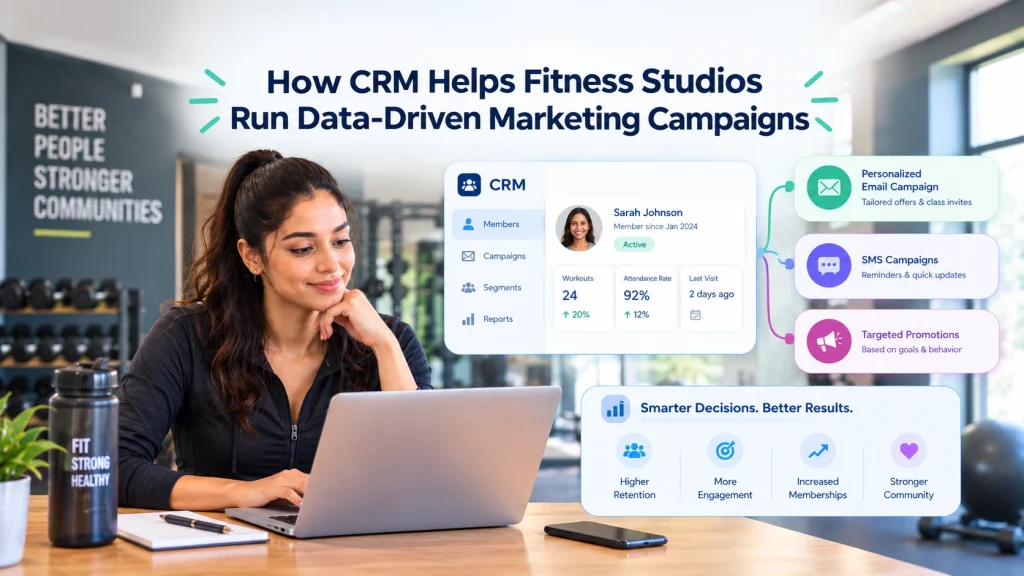

Ready to Run Successful Marketing Campaigns and Grow Your Business?
Gleantap helps you unify customer data, track behavior patterns, and automate personalized campaigns, so you can increase repeat purchases and grow your business.
Ready to Run Successful Marketing Campaigns and Grow Your Business?
Gleantap helps you unify customer data, track behavior patterns, and automate personalized campaigns, so you can increase repeat purchases and grow your business.