
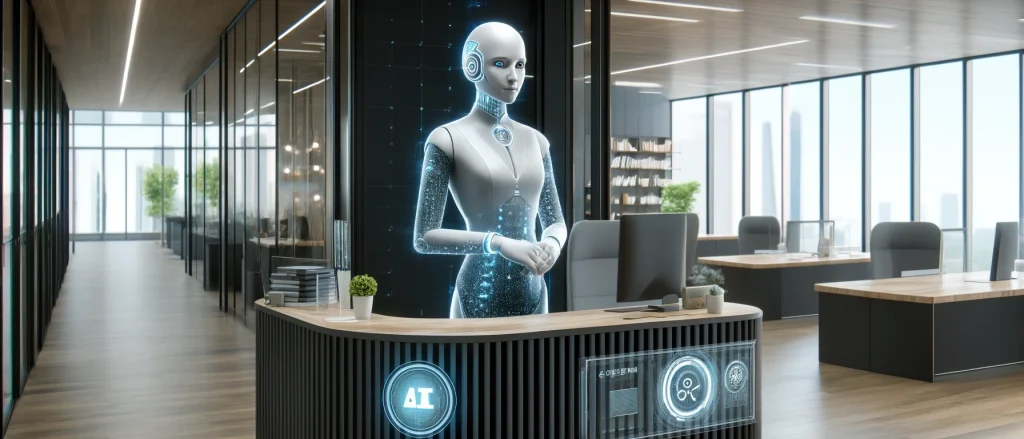
In today’s fast-paced world, the hospitality industry is embracing the future with AI front desk solutions that redefine guest interactions. Imagine a seamless experience where calls, chats, and bookings are managed effortlessly around the clock by an artificial intelligence front desk. This blog post will explore how these smart front desk technologies not only enhance operational efficiency but also elevate the guest experience to new heights. Get ready to discover the transformative power of AI in hospitality and how it can revolutionize the way hotels engage with their guests!
Understanding AI Front Desk Technology
AI front desk technology leverages advanced systems like machine learning and natural language processing to enhance guest interactions and streamline operations. These technologies enable automated front desk services that can handle reservations, answer inquiries, and facilitate check-ins without human intervention.
Overview of AI technologies used in front desk operations
At the core of an AI-powered reception lies machine learning algorithms that analyze customer data to provide personalized experiences. For instance, an ai hotel check-in system can learn from past interactions, allowing it to suggest room preferences or additional services tailored to individual guests. Smart front desk solutions also incorporate robotic receptionist systems that manage repetitive tasks efficiently, freeing up human staff for more complex customer service needs.
However, the effectiveness of these technologies hinges on the quality of data fed into them. Poor data can lead to incorrect recommendations or misunderstandings during guest interactions. It’s essential for hospitality providers to invest in data management practices that ensure accuracy and relevancy.
Natural language processing capabilities
Natural language processing (NLP) is a critical component of intelligent reception systems, enabling them to understand and respond to guest inquiries in a conversational manner. AI-driven customer service tools can interpret various languages and dialects, which is particularly beneficial in multicultural environments like hotels. This capability enhances the seamless guest experience with AI by allowing guests to communicate in their preferred language.
For example, a virtual lobby assistant equipped with NLP can handle common queries about amenities or local attractions without human intervention. While this reduces wait times for guests, it’s important to note that NLP systems are not foolproof; they can struggle with idiomatic expressions or complex questions. Continuous training of the algorithms is crucial for improving their accuracy over time.
Integration with existing CRM systems
Integrating AI front desk solutions with existing customer relationship management (CRM) systems allows for streamlined operations and improved guest engagement. This integration enables automated guest management processes where information from previous stays can inform current bookings, ensuring a personalized experience.
However, integrating new technology with legacy systems can pose challenges. Compatibility issues may arise; some older CRM platforms may not support the latest APIs required for effective integration. To mitigate these risks, businesses should conduct thorough assessments of their current systems before implementation.
Investing in modern CRM solutions can significantly enhance the effectiveness of AI front desks.
By 2025, the AI market in customer service is expected to reach $11.3 billion.
24/7 Customer Support: Benefits and Features
AI front desk solutions are redefining customer support by providing round-the-clock availability for inquiries and services. This continuous access ensures that guests can receive assistance at any hour, which is essential in a sector where customer satisfaction is paramount. The ability to manage calls, chats, and bookings without downtime significantly enhances the guest experience.
One of the most notable advantages of an AI-powered reception system is its capacity for instant response times. Guests expect quick answers, and AI systems can handle inquiries immediately, eliminating the frustration of waiting for human staff to become available. For example, a virtual concierge can respond to common questions about hotel amenities or local attractions in real-time, ensuring that guests feel valued and attended to.
However, while AI offers efficiency, it’s important to recognize that not all inquiries can be effectively managed by machines. Complex issues may still require human intervention. Organizations must strike a balance between automated services and human touchpoints to ensure comprehensive support.
Continuous availability for customer inquiries
The implementation of AI front desk technology allows hotels to provide 24/7 customer support without the constraints of traditional staffing schedules. This means that guests in different time zones or those arriving late at night can still access assistance whenever they need it. For instance, a guest checking into a hotel at 2 AM can use an AI-driven digital front desk assistant to complete their check-in process without waiting for staff.
This constant accessibility not only improves guest satisfaction but also reduces the workload on human staff during peak hours. However, it’s critical for hotels to ensure that their AI systems are well-trained and equipped with sufficient data to handle diverse queries effectively.
Instant response times leading to higher satisfaction rates
Speed is often synonymous with quality in customer service. AI front desks excel at delivering immediate responses to routine questions—something that traditional front desks struggle with during busy periods. A study found that AI can handle up to 80% of routine customer service tasks efficiently (source: IBM). This capability not only frees up human agents for more complex issues but also cultivates an environment where guests feel their needs are prioritized.
For example, a hotel utilizing an intelligent reception system reported a significant increase in guest satisfaction scores after implementing an automated chat feature that answered common queries within seconds. This shift illustrates how rapid responses contribute directly to positive guest experiences.
- Increased operational efficiency through automation
- Enhanced guest engagement via immediate assistance
- Reduced response times lead directly to higher satisfaction ratings
AI systems can drastically reduce wait times for customers and improve overall service quality.
Reduction of operational costs compared to traditional staffing
Implementing AI front desk solutions not only enhances service delivery but also leads to significant cost savings over time. Traditional staffing requires ongoing expenses such as salaries, benefits, and training costs. In contrast, once established, an automated system incurs minimal additional costs beyond maintenance and updates.
Moreover, by reducing reliance on full-time staff during off-peak hours or slow seasons, hotels can allocate resources more effectively across operations. For instance, a mid-sized hotel might find that replacing one full-time receptionist with an AI-based reception software reduces labor costs significantly while maintaining service quality.
Incorporating smart check-in kiosks has shown potential savings of up to 30% in operational costs for some establishments.
While the initial investment in AI technology may seem substantial, the long-term financial benefits often justify the expenditure. It’s essential for hoteliers considering this transition to analyze their current operational costs carefully and assess how much they stand to gain from implementing advanced front desk technology.
Handling Calls Efficiently with AI
AI front desk systems are revolutionizing the way calls are handled in the hospitality sector. With advanced voice recognition technology, these systems can manage inquiries more efficiently than ever before. This capability allows hotels to respond to guest needs promptly, reducing wait times and enhancing overall satisfaction.
Voice recognition technology for seamless call handling
Voice recognition technology is at the forefront of AI front desk solutions. It allows guests to interact with the system using natural speech, enabling a more intuitive experience. For instance, when a guest calls a hotel, the AI receptionist can recognize requests for room service, directions, or booking modifications without requiring complex menu navigation.
However, while this technology enhances efficiency, it’s important to recognize its limitations. Voice recognition systems may struggle with accents or background noise, potentially leading to misunderstandings. Organizations must ensure that their AI systems are continuously trained on diverse datasets to improve accuracy and effectiveness.
Examples of AI systems like Google’s Dialogflow in action
Google’s Dialogflow is a prime example of how AI can optimize call handling in hospitality. By leveraging natural language understanding capabilities, Dialogflow can interpret guest queries and provide relevant responses effectively. A hotel using this system reported that it could resolve up to 70% of common inquiries through automated calls without human intervention.
This implementation not only streamlined operations but also allowed human staff to focus on more complex issues requiring personal attention. However, it’s crucial for hotels to monitor interactions closely and refine the system based on real-world feedback to avoid potential pitfalls in guest communication.
Case studies showcasing improved call management
The Grand Hotel implemented an AI-powered call management system that integrated seamlessly with their existing infrastructure. After deployment, they observed a 40% reduction in average call handling time and an increase in customer satisfaction ratings by over 20%. The system was able to handle routine inquiries such as check-in times and amenities effectively.
Managing Chats with Intelligent Automation
Chatbots equipped with intelligent automation are transforming how hospitality businesses handle guest inquiries in real-time. These AI-powered tools can provide immediate assistance, allowing hotels to maintain a high level of engagement without the need for constant human oversight. By leveraging natural language processing and machine learning capabilities, chatbots can understand and respond to a wide range of questions and requests from guests.
Chatbot functionalities for real-time assistance
The core functionalities of chatbots include answering frequently asked questions, facilitating bookings, and providing information about hotel amenities or local attractions. For instance, a guest might inquire about pool hours or request a dinner reservation—all handled seamlessly by the virtual concierge. This capability not only enhances the guest experience but also reduces the burden on human staff during peak times. However, it’s crucial to set realistic expectations; while chatbots excel at routine inquiries, they may struggle with complex or nuanced questions requiring human empathy.
Platforms like Drift or Intercom as examples of effective chat solutions
Platforms such as Drift and Intercom have emerged as leaders in providing effective chatbot solutions tailored for the hospitality industry. These tools allow hotels to customize responses based on guest data, ensuring that interactions feel personalized. For example, if a returning guest books a stay, the chatbot can greet them by name and recall previous preferences—such as room type or special requests—creating a more engaging experience. However, reliance on these platforms requires an initial investment in setup and ongoing management to ensure optimal performance.
- Increased efficiency through automated responses to common inquiries.
- 24/7 availability that meets diverse guest needs across time zones.
- Ability to gather data on guest interactions for continuous improvement.
Despite their advantages, it’s essential to recognize limitations inherent in automated systems. Misunderstandings can occur if guests phrase queries unusually or use slang that the chatbot doesn’t recognize. Continuous training of the AI model is necessary to improve accuracy over time and ensure that guests feel understood rather than frustrated.
Benefits of using chatbots for lead generation
Lead generation may not be the first thought when considering chatbot functionality; however, these systems can effectively capture potential bookings through proactive engagement strategies. For example, an AI front desk could initiate conversations with website visitors based on their browsing behavior—offering discounts or answering specific queries they seem interested in. This kind of proactive interaction significantly increases conversion rates compared to passive waiting for guests to reach out.
AI-driven chatbots can convert up to 30% more leads compared to traditional methods.
A recent study found that businesses utilizing AI chat solutions saw a 25% increase in customer engagement rates.
Streamlining Bookings through AI Integration
AI integration in booking systems is transforming how hospitality businesses manage reservations. Automated scheduling tools like Calendly and Acuity Scheduling are leading the charge, allowing guests to book rooms or services directly through an intuitive interface. This not only saves time but also reduces the chances of double bookings or errors that can arise from manual entry.
Automated Scheduling Systems
Automated scheduling systems streamline the booking process by allowing guests to see real-time availability and make reservations without needing human intervention. These tools can be integrated into a hotel’s website or mobile app, enabling a seamless user experience. For example, a guest can choose their check-in and check-out dates, select room preferences, and even add special requests—all in one go. This efficiency not only improves guest satisfaction but also optimizes staff resources.
Benefits of Reducing Human Error in Booking Processes
One of the most significant advantages of implementing AI in booking processes is the substantial reduction in human error. Manual entries are prone to mistakes—misspelling names, incorrect dates, or wrong room types can lead to guest dissatisfaction and operational headaches. By utilizing AI-driven booking systems, hotels can minimize these risks. For example, an automated system verifies information against existing data before confirming reservations, ensuring accuracy.
Real-World Examples from Fitness Clubs Utilizing Gleantap’s Platform
Fitness clubs using Gleantap’s platform provide a practical illustration of how AI enhances booking efficiency. These clubs have reported that their automated front desk services allow members to book classes and personal training sessions effortlessly through an app. The system manages availability in real-time, preventing overbooking while also sending reminders to reduce no-shows. As a result, these establishments have seen increased member engagement and retention rates.
AI-driven solutions not only streamline bookings but also enhance overall operational efficiency.
$6 billion is expected to be saved by the hospitality industry annually due to automation in bookings by 2025.
‘While automating bookings provides clear benefits, there’s a crucial trade-off: the need for ongoing system updates and maintenance. If not properly managed, outdated technology can lead to frustrations for both staff and guests alike.’
Real-World Applications: Success Stories from B2C Businesses
The integration of AI front desk solutions has proven transformative across various B2C sectors, particularly in enhancing customer engagement and operational efficiency. Businesses leveraging artificial intelligence in their front desk operations report significant improvements in customer interactions, retention rates, and overall service quality.
Case study: How a wellness studio improved engagement with Gleantap’s AI front desk
A wellness studio implemented Gleantap’s AI front desk to streamline member interactions. By automating appointment bookings and inquiries through a digital concierge, the studio reduced the average response time to member inquiries from several hours to mere minutes. This shift not only enhanced member satisfaction but also led to a 30% increase in class bookings within the first three months of implementation. Members appreciated the convenience of instant confirmations and reminders, allowing them to engage more actively with the studio’s offerings.
Impact on customer retention rates in retail settings using AI tools
In retail environments, businesses have discovered that utilizing AI tools for customer service significantly boosts retention rates. For instance, a mid-sized clothing retailer integrated an AI-powered reception system that managed online inquiries and returns. This system provided personalized responses based on previous purchases, which made customers feel valued and understood. As a result, the retailer observed a 25% increase in repeat purchases over six months. The key takeaway here is that personalized interactions facilitated by AI can foster loyalty among customers who feel recognized and appreciated.
Feedback from healthcare facilities implementing AI solutions
Healthcare facilities are also reaping the benefits of automated guest management through AI front desks. A hospital system adopted an intelligent reception system capable of handling patient inquiries about appointments and medical records. Feedback from both staff and patients indicated that wait times decreased substantially, leading to improved patient satisfaction scores by over 15%. Staff members noted that they could focus more on critical patient care tasks instead of routine administrative duties. However, it’s essential for healthcare providers to continuously train their systems on specific medical terminology to ensure accuracy in patient communications.
- – Enhanced engagement through instant communication.
- – Increased operational efficiency leading to cost savings.
- – Higher retention rates driven by personalized experiences.
AI-driven solutions are reshaping how businesses interact with customers across diverse sectors.
$4 billion is projected to be saved annually by businesses implementing AI-driven customer service solutions by 2025.
Challenges and Considerations When Implementing an AI Front Desk
Implementing an AI front desk involves navigating a complex landscape of technical, operational, and human factors. Organizations often underestimate the hurdles associated with technology adoption, particularly in traditional sectors like hospitality. Resistance to change can stem from a fear of the unknown or concerns about job security among staff.
Potential hurdles in technology adoption within organizations
One significant barrier is the existing company culture. Employees accustomed to traditional methods may view AI systems as a threat rather than an enhancement. This mentality can lead to pushback against new implementations, resulting in incomplete utilization of AI capabilities. For instance, a hotel chain that introduced an AI front desk system faced skepticism from staff who believed that automation would replace their roles rather than support them. Training programs that emphasize collaboration between human staff and AI can help mitigate these concerns.
Training staff to work alongside AI systems effectively
Proper training is essential for ensuring that employees can leverage AI tools effectively. Without adequate training, staff may struggle to understand how to interact with these systems or fail to recognize their full potential. A practical approach involves incorporating hands-on training sessions where employees can engage with the AI front desk directly, allowing them to familiarize themselves with its functionalities in real-world scenarios.
For example, a resort that implemented a virtual concierge found success by organizing workshops where staff could practice using the system for common guest inquiries. This not only improved their confidence but also allowed them to provide better support when guests required human assistance.
Addressing privacy concerns related to customer data
Privacy concerns are another critical consideration when deploying an AI front desk. The collection and processing of customer data necessitate stringent safeguards to protect personal information. Guests are increasingly aware of data privacy issues; therefore, transparency regarding how their data will be used is paramount.
To address these concerns effectively, organizations should implement robust data governance frameworks that outline data handling practices and ensure compliance with regulations such as GDPR or CCPA. Additionally, providing guests with clear opt-in options for data sharing can foster trust and enhance the overall guest experience with AI-powered reception services.
Investing in both technology and staff training is crucial for maximizing the benefits of an AI front desk while minimizing potential pitfalls.
A recent survey indicated that 70% of hotel guests are more likely to stay at properties that demonstrate strong data protection practices.
Future Trends in AI Front Desk Technology
The landscape of AI front desk technology is rapidly evolving, driven by advancements in machine learning and automation. Emerging technologies are reshaping how customer service is delivered, with a focus on enhancing guest interactions and operational efficiency. As hotels adopt these innovations, they can expect to see significant improvements in both guest satisfaction and staff productivity.
Emerging technologies shaping the future of customer service automation
One of the most promising developments in AI front desks is the integration of advanced analytics and predictive modeling. These tools enable hotels to analyze guest behavior patterns, allowing them to anticipate needs before they arise. For instance, an AI system could recognize that a frequent guest typically books spa appointments during their stays and proactively offer a personalized package deal. However, relying solely on predictive analytics can lead to misinterpretations if the underlying data is flawed or incomplete.
Additionally, augmented reality (AR) applications are beginning to find their way into hospitality settings. Imagine guests using AR through their smartphones or hotel-provided devices to navigate hotel amenities or explore local attractions interactively. This not only enhances the guest experience but also positions hotels as tech-forward establishments. Nonetheless, implementing AR requires significant investment in infrastructure and training staff to assist guests effectively.
Predictions for advancements in machine learning applications
Machine learning will continue to play a pivotal role in refining AI front desk operations. Future applications are likely to focus on natural language processing (NLP) improvements that allow for more nuanced guest interactions. Current systems sometimes falter with complex inquiries; future iterations will aim for higher accuracy and context awareness, enabling smoother conversations between guests and virtual agents.
Moreover, sentiment analysis tools are expected to become standard features within AI front desks. By analyzing not just what guests say but how they say it—through tone or word choice—these systems can gauge satisfaction levels in real-time. This capability allows hotels to respond proactively to potential issues before they escalate into complaints.
What’s next? – Insights from industry experts on upcoming innovations
Industry experts predict that the next wave of AI technology will emphasize seamless integration across various platforms, says a leading consultant specializing in hospitality tech. The ability for an AI front desk system to communicate fluidly with other hotel management systems will be essential. This interoperability can lead to more cohesive operations where data flows freely between guest management software, booking engines, and housekeeping schedules.
Another trend is the rise of voice-activated interfaces, notes an innovation strategist working with hotel chains. As smart home devices become ubiquitous, guests will expect similar functionalities during their hotel stays. Hotels that incorporate voice control features into their AI services may find themselves at a competitive advantage as they cater to tech-savvy travelers seeking convenience.
By 2026, it’s projected that over 60% of hotels will have adopted some form of intelligent reception systems.
FAQs
An AI front desk is fundamentally designed to automate and enhance guest interactions in hospitality settings. By utilizing machine learning and natural language processing, it can manage various tasks such as handling inquiries, facilitating bookings, and providing information about amenities. This technology not only streamlines operational processes but also ensures that guests receive timely responses to their needs.
How does an AI front desk improve customer service?
AI front desks significantly enhance customer service by offering instant support and reducing wait times for guests. For example, a hotel that implemented an AI-powered system reported a 50% decrease in average response time for guest inquiries. This immediate availability fosters a sense of attentiveness and care, which is crucial in the hospitality industry. However, it’s essential to recognize that while AI excels at routine queries, complex issues often require human intervention.
Can I integrate an AI front desk with my existing systems?
Integration of an AI front desk with existing systems is not only possible but often necessary for maximizing its effectiveness. Many advanced AI solutions offer APIs that allow them to connect seamlessly with current property management systems (PMS) or customer relationship management (CRM) platforms. However, businesses must conduct thorough compatibility assessments before implementation to avoid potential disruptions in service.
What industries benefit most from an AI front desk?
‘While the hospitality industry is the most obvious beneficiary of AI front desks, other sectors such as healthcare, retail, and fitness are also reaping significant rewards. For instance, a fitness club using Gleantap’s platform reported enhanced member engagement through automated appointment bookings and inquiries. The ability to provide around-the-clock support means businesses can cater to diverse customer needs without the constraints of traditional staffing schedules.’
AI front desks are revolutionizing customer interactions across various industries by providing efficient and personalized service.
By 2025, it’s expected that over 80% of hotels will utilize some form of automated guest management solutions.

Written by
Marcus Webb
Marcus is a B2C marketing strategist with over 8 years of experience in lifecycle marketing, SMS campaigns, and customer retention. He specialises in helping multi-location businesses reduce churn and build long-term customer loyalty.
Recent blog posts
Back to blog
Ready to Run Successful Marketing Campaigns and Grow Your Business?
Gleantap helps you unify customer data, track behavior patterns, and automate personalized campaigns, so you can increase repeat purchases and grow your business.
Ready to Run Successful Marketing Campaigns and Grow Your Business?
Gleantap helps you unify customer data, track behavior patterns, and automate personalized campaigns, so you can increase repeat purchases and grow your business.