

Understanding Customer Retention Automation
Customer retention automation is best suited for businesses that have established a solid customer base and are looking to deepen engagement without relying on constant discounts or promotions. Companies that prioritize long-term relationships over transactional interactions will find these tools invaluable.
One significant limitation to consider is that automation can sometimes lead to a lack of personal touch. While automated systems can efficiently manage routine communications, they may miss the nuances of customer interactions that require human empathy and understanding. This can result in alienation for some customers who prefer a more personalized approach.
For example, a gym might use customer retention software to send automated reminders for upcoming classes or membership renewals. By segmenting their audience based on attendance patterns, they can tailor messages that encourage members to participate more actively in programs they’ve shown interest in. This targeted approach not only enhances engagement but also fosters a sense of community among members.
Many teams overestimate the effectiveness of automation as a standalone solution. They often assume that simply implementing automated systems will lead to immediate retention improvements without ongoing adjustments and monitoring. In practice, successful retention automation requires continuous evaluation of customer feedback and behavior analytics to refine strategies effectively.
Effective retention automation combines data-driven insights with human oversight for optimal results.
According to research, increasing customer retention rates by just 5% can boost profits by 25% to 95%.
Identifying Customer Behavior Patterns for Automation
Understanding customer behavior is pivotal for effective customer retention automation. Businesses that excel at this typically have a solid grasp on their customers’ preferences, needs, and pain points. This approach is best suited for companies that are already collecting substantial data on customer interactions and are prepared to leverage it strategically.
However, a significant limitation lies in the potential for misinterpretation of data. Companies may mistakenly assume that all trends they observe in customer behavior are actionable or indicative of broader patterns. Relying solely on quantitative data without considering qualitative insights can lead to misguided strategies. The trade-off here is between the efficiency of automated systems and the depth of understanding that can come from direct customer engagement.
For example, a boutique fitness studio might utilize customer feedback automation to collect data on class attendance and satisfaction levels. By analyzing this data, they can identify which classes are underperforming and target specific segments of their clientele with personalized retention email marketing campaigns designed to boost attendance in those classes. This targeted approach not only addresses specific issues but also enhances overall member satisfaction.
A common pitfall teams face is overestimating the effectiveness of segmentation based purely on historical behavior without factoring in evolving preferences or external influences. For instance, a gym might segment members based on past attendance but fail to account for seasonal factors like holidays or local events that could impact engagement levels. This oversight can lead to ineffective retention efforts and missed opportunities for deeper engagement.
Data-driven insights must be supplemented with ongoing qualitative feedback to ensure accurate targeting in retention strategies.
Companies that utilize predictive analytics for retention have seen up to a 20% reduction in churn rates.
Personalization Strategies Powered by Automation
Automation that focuses on personalization is best for businesses aiming to enhance customer experiences without overwhelming staff with repetitive tasks. Fitness studios, for example, can effectively utilize automated customer retention strategies tailored to individual member preferences and behaviors.
However, a crucial limitation is the risk of over-automation. While personalized messaging can increase engagement, too much reliance on automated systems may lead to generic interactions that fail to resonate with customers. This trade-off can dilute the effectiveness of personalization if not managed carefully.
For instance, a fitness center could implement behavior-triggered communication systems that automatically send personalized workout suggestions based on members’ previous class attendance or preferences. If a member frequently attends yoga classes but has shown interest in strength training, the system could automatically recommend strength classes while still acknowledging their yoga practice. This targeted approach not only keeps members engaged but also encourages them to explore new offerings.
Over-automation can lead to generic interactions; striking the right balance is key.
Many teams mistakenly believe that once they set up an automated system for personalization, their work is done. In reality, ongoing monitoring and adjustment are vital. Customer preferences shift over time, and what worked last year may not yield results today. Regularly revisiting and refining automation strategies based on current data and feedback ensures continued relevance.
Personalization powered by automation can improve customer engagement rates significantly, but it requires consistent evaluation to maintain effectiveness.
Leveraging Feedback Loops for Continuous Improvement
Implementing feedback loops is essential for refining customer retention automation strategies. This approach fits best for businesses that are committed to understanding their customers’ evolving needs and preferences, particularly in dynamic environments like fitness studios. By actively seeking customer input and integrating it into their operational strategies, these businesses can enhance customer loyalty without resorting to constant promotions.
A notable limitation of relying solely on feedback loops is that they can introduce analysis paralysis. Companies may become so focused on collecting and analyzing feedback that they fail to act on the insights gained. This delay can frustrate customers who expect swift responses to their concerns or suggestions, potentially leading to disengagement.
For example, a fitness studio might automate the collection of feedback through post-class satisfaction surveys sent via email. By analyzing responses in real time, the studio can quickly identify which classes are resonating with members and which are not. If a particular class consistently receives low scores, they might adjust the schedule or instructor based on this feedback, ensuring that offerings align with member preferences.
Many teams misjudge the effectiveness of automated feedback systems by assuming they can replace direct communication with customers entirely. In practice, while automated systems streamline data collection, they cannot replicate the depth of understanding gained from personal interactions. Customers often value conversations over forms; neglecting this can hinder genuine relationships.
Feedback loops should complement personal engagement, not replace it.
Businesses that effectively integrate customer feedback into their retention strategies report up to a 30% increase in customer satisfaction scores.
Implementing Automated Engagement Campaigns Effectively
Automated engagement campaigns are most effective for businesses that have a clear understanding of their customer base and are ready to leverage technology for meaningful interactions. This approach suits fitness studios that want to enhance member engagement without overwhelming their staff with manual outreach.
However, one significant limitation is the risk of message fatigue. If automated messages are sent too frequently or lack variety, they may be perceived as spam by customers, leading to disengagement. Striking the right balance in frequency and content is essential to maintain interest.
For instance, a fitness studio might implement an automated email campaign that sends workout tips and class schedules tailored to members’ preferences based on their past attendance. By analyzing engagement metrics, the studio can adjust the timing and content of these emails to maximize open rates and participation.
Many teams miscalculate the importance of segmentation in their automation strategies. They often assume that a one-size-fits-all approach will suffice, failing to recognize that different segments of their customer base may respond uniquely to specific types of communication. Effective automation requires granular targeting based on behavior patterns.
Proper segmentation is crucial for the success of automated engagement campaigns; without it, efforts can fall flat.
Studies show that personalized email campaigns can deliver six times higher transaction rates than non-personalized ones.
Designing Multi-Channel Campaigns That Reach Customers Where They Are
Multi-channel campaigns cater to customers across various touchpoints—email, SMS, social media—ensuring your message reaches them where they engage most. This strategy is best for businesses aiming for comprehensive coverage in customer communications.
A major limitation here is the complexity involved in managing multiple channels effectively. Each platform has its nuances and audience behavior; failing to tailor messages accordingly can result in disjointed communication.
Consider a fitness studio using both email and SMS for reminders about classes. If a member prefers SMS but receives an email reminder instead, they might overlook it altogether. Customizing messages based on channel preference improves engagement rates significantly.
An error many teams make is underestimating the resources required for effective multi-channel management. Automation tools can simplify processes but require diligent oversight; neglecting this can lead to inconsistent messaging across channels.
Measuring Success: Key Metrics for Customer Retention Automation
Establishing clear metrics is essential for businesses implementing customer retention automation. This approach is particularly effective for organizations that prioritize data-driven decision-making and aim to refine their retention strategies over time. Companies with a robust customer base and a desire to improve loyalty through targeted engagement will benefit most from this focus on metrics.
A common limitation of relying solely on quantitative metrics is the potential for misinterpretation. Organizations may focus too heavily on surface-level statistics, such as open rates or click-through rates, without understanding the broader context of customer behavior. This narrow focus can lead to misguided strategies that overlook important qualitative factors, such as customer satisfaction and emotional connection.
For example, a fitness studio might track the retention rate improvement strategies by monitoring how many members renew their memberships after receiving automated engagement emails. If they notice a spike in renewals following a targeted campaign featuring personalized workout suggestions, they can infer that their approach resonates well with members. However, if they don’t also gather feedback on member satisfaction post-campaign, they may miss critical insights into why members chose to renew.
Many teams mistakenly assume that merely tracking metrics will yield actionable insights without ongoing analysis. In reality, it is crucial to regularly assess not just the numbers but also the underlying causes behind them. For instance, a high churn rate might indicate problems beyond simple lack of engagement; it could reflect issues with service quality or unmet expectations.
Effective measurement requires combining quantitative data with qualitative insights to paint a complete picture of customer loyalty.
Research indicates that companies using advanced analytics for retention can achieve up to 15% higher customer lifetime value.
Defining KPIs Specific to Automated Retention Efforts
When defining Key Performance Indicators (KPIs) for automated retention efforts, businesses should focus on metrics that directly reflect the effectiveness of their strategies. Metrics like Customer Lifetime Value (CLV), Net Promoter Score (NPS), and churn rate are foundational but should be supplemented with more specific indicators related to automation performance.
For instance, tracking the engagement levels of customers who receive automated messages compared to those who do not can reveal whether your automation efforts are genuinely enhancing interaction or merely maintaining status quo. By analyzing these KPIs over time, organizations can adjust their strategies based on performance trends.
Analyzing Long-Term vs Short-Term Retention Metrics
For example, while short-term metrics like immediate response rates from an automated email campaign provide quick insights into engagement levels, long-term metrics such as year-over-year membership growth reveal deeper trends about customer loyalty and satisfaction over time.
Tools and Dashboards for Real-Time Tracking of Retention Rates
Utilizing advanced tools and dashboards enables businesses to monitor retention rates in real-time effectively. This capability is best suited for organizations ready to invest in technology that integrates various data sources into one cohesive view.
Many companies overlook the importance of user-friendly dashboards that allow easy access to key data points at a glance. A fitness studio might use CRM for retention combined with predictive analytics tools that visualize member behavior patterns over time; this setup allows staff to make informed decisions quickly.
Integrating Customer Retention Automation with Customer Support Systems
Integrating customer retention automation with customer support systems is best for businesses that understand the critical link between customer service and retention. This approach is particularly effective for fitness studios that want to enhance their engagement strategies while ensuring consistent support without overwhelming staff.
A key limitation of this integration is the potential for automated responses to become overly scripted, leading to a disconnect in communication. While automation can streamline many processes, it can also result in generic interactions that fail to address specific customer concerns. This trade-off between efficiency and personalization can alienate customers who seek tailored support.
For instance, a fitness studio might implement a customer relationship management (CRM) system that not only tracks member interactions but also automates follow-up communications after inquiries or support requests. If a member reaches out about a class schedule change, the system could automatically send them an updated schedule along with personalized recommendations based on their previous attendance. This approach enhances the member’s experience while ensuring timely responses.
Many teams misjudge the efficacy of automation by assuming it can completely replace human interaction in support roles. In reality, while automated systems can handle routine inquiries efficiently, complex issues often require nuanced human intervention. Relying solely on automated solutions can lead to frustration for customers who encounter problems outside typical scenarios.
Balancing automation with personal touch is essential for meaningful customer interactions.
Studies indicate that 70% of consumers prefer human interaction over automated responses when dealing with complex issues.
Streamlining Support Interactions Through Automation Tools
Automation tools streamline support interactions by managing routine tasks such as ticketing and FAQs. This method is particularly beneficial for fitness studios facing high volumes of inquiries during peak times, allowing staff to focus on more complex issues.
For example, a studio might deploy an automated ticketing system that categorizes and assigns support requests based on urgency and type, ensuring that pressing issues are prioritized. By using such tools, studios can improve response times significantly and enhance overall customer satisfaction.
Using Chatbots and AI-Driven Solutions in Support Processes
Chatbots powered by AI are becoming integral in customer support processes within retention strategies. They fit best in environments where immediate responses are crucial, like membership inquiries or class schedules.
However, reliance on chatbots poses risks; they may struggle with complex queries or emotional nuances. Misinterpretation of user intent can lead to frustrating experiences.
For instance, a fitness center might use an AI-driven chatbot to handle common questions about class times or membership benefits automatically. Members appreciate quick answers without waiting for human agents; however, when faced with unique concerns—like billing disputes—they often require direct interaction.
While chatbots enhance efficiency, they should complement rather than replace human agents.
Research shows that integrating AI chatbots into service processes can reduce response times by up to 80%.
Balancing Automation With Human Touch in Customer Service
Finding the right balance between automation and personal touch is critical for effective customer service within retention frameworks. This dynamic works best when businesses recognize which interactions benefit most from human involvement.
One common mistake teams make is underestimating the value of personal follow-up after automated interactions. For example, after an automated email confirming class sign-ups or cancellations, a personal outreach from staff members can elevate the experience significantly.
Personal follow-ups post-automation foster stronger relationships and demonstrate genuine care.
Customer retention improves by up to 30% when businesses incorporate personal touches into their automated systems.
Case Studies: Successful Implementations of Retention Automation in Fitness Studios
Fitness studios that have successfully implemented customer retention automation typically share a few key characteristics. They are proactive in their approach, leveraging technology not just for efficiency but as a means to deepen customer relationships. These studios excel in using customer retention software tailored to their specific needs, making them well-equipped to engage members without relying on constant promotions.
Before and after analysis of studios implementing automation strategies
Consider a mid-sized fitness studio that transitioned from traditional retention methods—such as sporadic discount offers—to an automated system that personalized member engagement based on behavior. Prior to implementation, the studio faced high churn rates, with little insight into why members were leaving. After adopting automated solutions for customer feedback and engagement, they saw a significant shift in retention metrics; within six months, member renewals increased by 30% as they began tailoring communications based on individual preferences.
Lessons learned from failed attempts at automation in retention efforts
A different studio aimed to automate its loyalty program but faced challenges due to poor execution. Their automated messages were too generic and often misaligned with members’ actual interests. The realization came too late; members felt disconnected rather than valued, leading to further churn. The lesson was clear: automation without strategic insight can backfire. Teams must ensure that their efforts are based on solid data analysis and continuously refined through real-time feedback.
Best practices derived from industry leaders in fitness engagement
Successful studios implement best practices that revolve around understanding the customer journey thoroughly. They utilize CRM for retention that integrates seamlessly with their automated systems, allowing them to track member interactions effectively. For instance, one leading studio employs gamification techniques in its loyalty program to boost engagement, rewarding members for consistent attendance and participation in challenges. This approach not only enhances motivation but also fosters a community atmosphere.
Automation is not a set-and-forget solution; it requires ongoing evaluation and adjustment.
70% of members report feeling more valued when fitness studios personalize their communication strategies.
Future Trends in Customer Retention Automation
The integration of emerging technologies like AI and machine learning into customer retention automation is reshaping how businesses engage with customers. This trend fits best for companies that are data-driven and willing to invest in sophisticated tools that enhance personalization and predictive capabilities.
However, a significant limitation is the complexity involved in implementing these advanced technologies. Many organizations underestimate the initial setup time and the ongoing maintenance required to keep AI-driven systems effective. Without proper implementation, these tools can lead to misaligned strategies that fail to resonate with customers.
For example, a fitness studio might leverage predictive analytics for retention by analyzing historical member data to forecast which members are at risk of churn. By identifying patterns such as declining attendance or lack of engagement with classes, they can proactively reach out to at-risk members with tailored content or offers aimed at re-engagement.
A common mistake teams make is overestimating the capabilities of AI in understanding human emotions and preferences. While AI can analyze vast amounts of data quickly, it often lacks the nuanced understanding needed for true empathy in customer interactions. Consequently, relying solely on automated responses may alienate customers who seek genuine connections.
Predictions on the Evolution of Consumer Expectations
Consumer expectations are evolving towards greater personalization and immediacy in interactions. Businesses that adapt their customer retention automation strategies accordingly will likely find themselves better positioned for success. This trend is particularly relevant for companies operating in competitive sectors like fitness, where customer loyalty hinges on unique experiences.
Yet, a notable drawback is the risk of creating overly complex customer journeys that confuse rather than engage. As businesses strive for hyper-personalization through automated systems, they may inadvertently overwhelm customers with options or communications that feel invasive. Balancing customization with simplicity will be critical.
Consider a gym utilizing lifecycle marketing automation to send tailored messages based on members activity levels—like reminders for classes they frequently attend or suggestions for new classes based on workout history. However, if too many messages flood their inboxes without clear value, members may disengage instead.’
Many teams misinterpret consumer desires as an invitation to automate every interaction without considering how these changes impact member experience. Effective engagement requires thoughtful design; automated messages must feel relevant rather than robotic.
The Role of Ethical Considerations in Automated Customer Interactions
As customer retention automation becomes more prevalent, ethical considerations are taking center stage. Businesses must navigate issues related to data privacy and consent while ensuring that automated interactions remain respectful and transparent.
A key limitation here is that many companies overlook the importance of building trust through ethical practices. Failing to communicate how customer data is used can lead to skepticism and disengagement from consumers who value transparency.
For instance, a fitness studio might use customer satisfaction surveys but neglect to clearly explain how feedback will shape future offerings or marketing strategies. This oversight can result in members feeling exploited rather than valued.
Teams often underestimate the power of ethical considerations in shaping long-term relationships with customers. Building trust requires more than just compliance; it involves actively demonstrating respect for customer preferences and privacy.

Written by
Sarah Kim
Sarah is a CRM and customer data specialist who helps B2C brands turn raw data into personalised experiences. With a background in customer success, she writes about segmentation, customer journey mapping, and making the most of your CRM platform.
Recent blog posts
Back to blog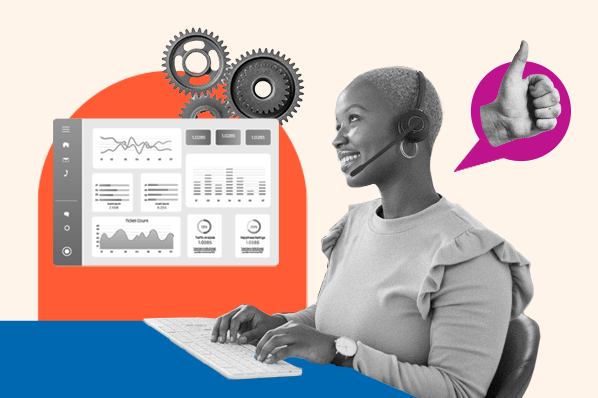
Ready to Run Successful Marketing Campaigns and Grow Your Business?
Gleantap helps you unify customer data, track behavior patterns, and automate personalized campaigns, so you can increase repeat purchases and grow your business.
Ready to Run Successful Marketing Campaigns and Grow Your Business?
Gleantap helps you unify customer data, track behavior patterns, and automate personalized campaigns, so you can increase repeat purchases and grow your business.