
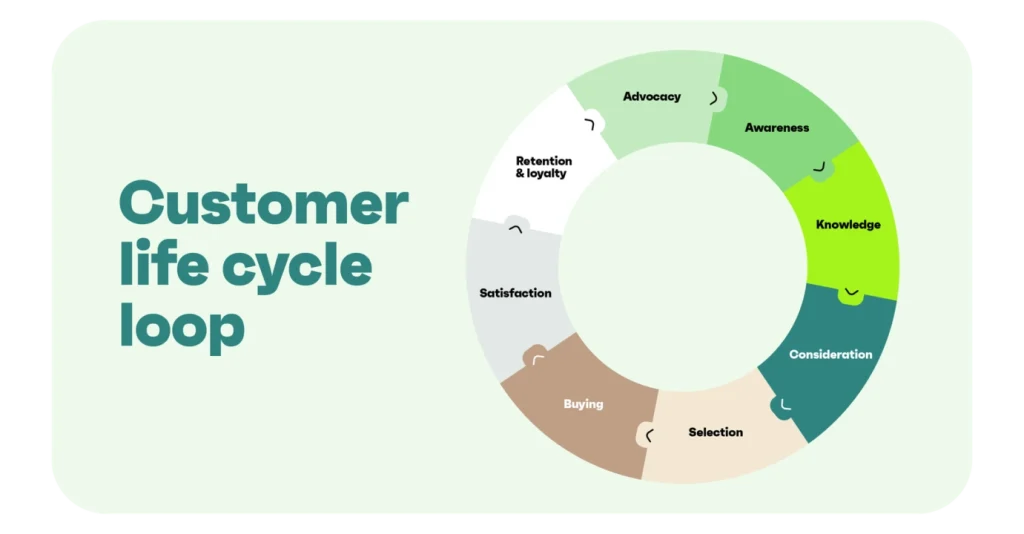
Understanding Lifecycle Timing and Its Impact
Ever wonder why some product launches feel like fireworks while others fizzle out faster than a damp sparkler? It all boils down to lifecycle timing. Imagine a fitness studio that launches a new class just as summer hits. While everyone else is sweating it out in the sun, this studio’s timing gives them a competitive edge, attracting those looking to shed winter weight. Timing isn’t just about when you launch; it’s about knowing the perfect moment to engage your audience throughout their journey.
Lifecycle timing isn’t just a buzzword; it’s the secret sauce behind successful lifecycle management. According to research, companies that excel in timing their marketing efforts see up to 30% higher engagement rates. That’s not just a number—it’s potential revenue on the table for those who get it right.
The Product Lifecycle: More Than Just Phases
Think of the product lifecycle as a rollercoaster with its ups and downs—each phase requires different strategies. From introduction through growth and maturity to decline, each stage has its own timing nuances that can make or break your success. For instance, if you’re launching a new fitness app, hitting the market at the start of January can be golden due to New Year resolutions. But if you miss that window, you might as well be shouting into the void.
Timing Strategy: It’s All About Context
Context is king when it comes to effective timing strategies. What worked last year might not work this year. Consider how consumer behavior changes—like how first-time mothers are now waiting longer than ever before to have kids (from an average of 21.4 years in 1970 to 26.3 years in 2014). This shift impacts everything from baby product launches to marketing campaigns targeting parents.
Understanding these shifts can help businesses optimize their lifecycle planning and project scheduling techniques.
Let’s not forget about agile lifecycles. Companies that adopt agile methodologies often find themselves more adaptable when it comes to market timing. This flexibility allows them to adjust their marketing strategies based on real-time data and consumer feedback—a game changer in today’s fast-paced market.
Key takeaway: Mastering lifecycle timing can lead not only to better engagement but also increased revenue opportunities.
Timing is Everything—But What Does That Mean?”
When we say timing is everything, we mean precisely that! Think of it this way: If you’re launching something without considering seasonal trends or current events, you’re playing with fire (and not the good kind). A mid-sized gym introducing an outdoor yoga class in December? Yikes! Instead of attracting new members seeking fresh experiences, they’ll likely see tumbleweeds rolling through their mats.

The beauty of strategic timing lies in its ability to create urgency and relevance for your audience. When you align your messaging with key moments in your customers’ lives—like launching a family fitness program right before school starts—you’re not just selling; you’re providing solutions at precisely the right moment.
So as you plan your next marketing strategy or product launch timeline, remember: it’s not merely what you say but when you say it that counts. Keep an eye on those lifecycle phases and adjust your strategies accordingly.
The Role of Customer Segmentation in Timing Strategies
Imagine you’re a fitness studio manager preparing to launch a new high-intensity interval training (HIIT) class. You know your audience loves a good sweat session, but without the right timing, your efforts might feel like shouting into a void. Enter customer segmentation—your secret weapon in mastering lifecycle timing.
Customer segmentation allows you to slice and dice your audience into meaningful categories based on demographics, behavior, and preferences. For example, if you have a mix of young professionals and retirees, their motivations for joining a HIIT class will differ vastly. Young professionals might be looking for intense workouts to fit into their busy schedules, while retirees may seek low-impact alternatives. By understanding these segments, you can tailor your marketing strategies accordingly.
Timing Strategies Based on Segmentation
Now that you’ve segmented your audience, it’s time to dive into how timing strategies can align with these groups. Let’s say you’re launching the HIIT class in January—great timing for fitness resolutions! But what about the retirees? They might be more inclined to join once they see others benefiting from the class during the first few weeks of the year. Here’s where lifecycle timing comes into play: engaging different segments at various points can maximize attendance.
- Send early-bird promotions to young professionals right after New Year’s Day.
- Follow up with testimonials from enthusiastic participants to encourage retirees after a month.
- Utilize social proof by showcasing success stories from each segment at different lifecycle stages.
Effective segmentation combined with strategic timing can lead to a significant boost in engagement rates—up to 30% higher!
Lifecycle Planning for Different Segments
One size fits all is an outdated mantra when it comes to marketing strategies. Instead, think of lifecycle planning as tailoring custom suits for each segment. For instance, if you’re launching a family-oriented program just before school starts—when about 61% of young adults aged 16 to 24 are enrolled in school—you’ll want to craft messaging that resonates with parents eager for family activities.
“On the flip side, if you’re targeting college students during exam season, consider offering stress-relief classes that fit their schedules. This means adjusting not just your messaging but also your operational efficiency in lifecycles by aligning resource allocation timing with peak interest periods.
Key takeaway: Customer segmentation empowers businesses to optimize their lifecycle timing strategies effectively—ensuring that messages hit home when they matter most.
As you refine your marketing approach or project scheduling techniques, remember: it’s not just about who you’re talking to; it’s about when you’re saying it and how well you understand their journey.
Behavioral Triggers: The Key to Effective Timing
Ever notice how some ads seem to pop up just when you need them? That’s not magic; it’s the power of behavioral triggers at play. For instance, a fitness studio might send a motivational email about new classes right when potential members are feeling the post-holiday slump. This is lifecycle timing at its finest—hitting the sweet spot when your audience is most receptive.
Understanding these triggers is crucial for effective lifecycle management. A recent study revealed that marketing campaigns aligned with behavioral triggers see a staggering 50% increase in conversion rates. That’s a game-changer for businesses looking to optimize their product launch timeline and overall marketing timing strategies.
Identifying Behavioral Triggers
So, how do you identify these golden opportunities? Start by analyzing customer data and behavior patterns. For example, if you run a fitness studio, track when members typically drop off or express interest in new classes. Is there a spike in inquiries right after New Year’s resolutions? Or perhaps there’s buzz around summer body prep? These insights are gold for your lifecycle planning.
Let’s take the example of a mid-sized gym launching a new yoga class. By examining past attendance data, they might find that interest peaks during the spring months as people gear up for summer activities. Armed with this knowledge, they can time their marketing efforts to coincide with this natural uptick in interest.
- Analyze customer engagement metrics.
- Track seasonal trends and events.
- Monitor social media interactions.
- Conduct surveys to gauge interest levels.
Aligning Messaging with Behavioral Insights
“Timing isn’t just about when you send an email; it’s about what you say and how it resonates with your audience’s current mindset. If your data shows that members are particularly motivated in January, craft messages that emphasize fresh starts and new beginnings—like offering trial classes or special promotions tailored to New Year resolutions.
“The right message at the right moment can create urgency and drive action—transforming casual browsers into committed participants.
“Consider also using behavioral triggers for follow-ups. If someone signs up for a free trial but doesn’t convert into a full membership within two weeks, send them an email highlighting success stories from other members who took the plunge. This kind of strategic timing can significantly boost conversion rates and enhance customer experience throughout the product development cycle.
“Key takeaway: Mastering behavioral triggers allows businesses to fine-tune their lifecycle timing strategies effectively—ensuring that messages resonate when customers are most likely to engage.
As you refine your approach to lifecycle timing, remember: it’s not just about having great products or services; it’s about understanding when your audience is ready to hear from you—and delivering exactly what they need at that moment.
Integrating Automation for Precision in Timing
Imagine you’re a fitness studio manager juggling multiple tasks: scheduling classes, managing memberships, and crafting marketing emails. Now, throw in the challenge of ensuring each communication hits your audience at the right moment. Sounds overwhelming, right? This is where automation swoops in like a superhero to save the day.
In fact, studies show that businesses using marketing automation see a 451% increase in qualified leads. That’s not just a fancy statistic—it’s a testament to how integrating automation can revolutionize your lifecycle timing!
The Power of Automated Timing
Automated systems can help you engage customers precisely when they’re most likely to respond. For example, if your gym tracks member attendance and notices that many drop off after three months, an automated email reminding them of their goals or offering a special promotion can be sent just before that critical milestone. This not only enhances retention but also reinforces your brand’s commitment to their fitness journey.
- Use automated reminders for class sign-ups based on past attendance patterns.
- Send personalized offers triggered by member behavior—like discounts on classes they’ve shown interest in.
- Create drip campaigns that educate users about new programs aligned with their interests at strategic points in their lifecycle.
Let’s say you run a mid-sized fitness studio planning to launch a new HIIT class. With automation, you could schedule a series of emails leading up to the launch date: first announcing the class, then sharing testimonials from beta testers, and finally sending reminders as the start date approaches. Each message is timed perfectly to build anticipation and engagement.
Aligning Automation with Lifecycle Management
Lifecycle management isn’t just about what you do; it’s also about when you do it. Integrating automation into your lifecycle management strategy means aligning your communications with key lifecycle phases. For instance, during the introduction phase of your product lifecycle—like launching that new HIIT class—you can automate outreach to potential members who have previously expressed interest in high-intensity workouts.
The right timing combined with automated processes can significantly enhance operational efficiency in lifecycles.
Key takeaway: Leveraging automation allows for precise timing in customer engagement, maximizing impact and improving retention rates.
But wait! You might be thinking about the downsides of over-automation—like losing that personal touch. Fear not! The best approach is a hybrid model where automation handles repetitive tasks while leaving room for personal interactions when it matters most.
(Re)Evaluating Your Timing Strategy
As you consider integrating automation into your marketing efforts, take time to evaluate your current timing strategy. Look at past campaigns: Which ones had the highest engagement? What were members saying during those successful moments? Use these insights to inform how you set up automated communications moving forward.
Remember, effective use of automation isn’t about replacing human touch; it’s about enhancing it through strategic timing and meaningful interactions.
Measuring the Effectiveness of Timing Over Messaging
Let’s be real: in the world of lifecycle marketing, timing isn’t just a nice-to-have; it’s the secret sauce that can turn a mediocre campaign into a roaring success. A study by HubSpot revealed that emails sent at optimal times can increase open rates by 20%. That’s not just a small bump; it’s a game-changer!
Consider this scenario: a boutique fitness studio launches an enticing new yoga class aimed at stress relief during the peak of exam season for college students. If they time their promotional emails to hit inboxes right as finals approach, they’re not just selling classes—they’re positioning themselves as a sanctuary amidst chaos. But if they send that email during summer break when students are lounging by the pool, well… let’s just say they might as well be throwing their marketing budget into the ocean.
The Numbers Don’t Lie
To truly measure the effectiveness of timing over messaging, we need to look beyond anecdotal evidence. Here are some key metrics to keep an eye on:
- Open Rates: Are your emails being opened more often when sent at strategic times?
- Conversion Rates: How many recipients are taking action after receiving your message?
- Engagement Metrics: Are users interacting with your content more when it aligns with their needs?
- Retention Rates: Is there an uptick in member retention following timely communications?
Key Insight: Effective timing can enhance engagement and conversion rates significantly—up to 50% in some cases!
(Re)Assessing Your Timing Strategy
“But how do you know if your timing strategy is on point? It requires continuous monitoring and adjustment. Start by conducting A/B tests on your email campaigns. One group receives messages at optimal times, while another group gets them randomly throughout the day. Analyze which group performs better and refine your approach accordingly.
“Also, don’t overlook customer feedback! Regularly survey your audience to understand when they prefer communication and what drives them to engage. This real-world data is invaluable for fine-tuning your lifecycle timing strategy.
Takeaway: The right timing can make or break your marketing efforts—measure it consistently to optimize results!**
“In conclusion, while messaging is crucial, it’s time we give timing its due recognition in lifecycle marketing. As you strategize your next campaign, remember: being present at the right moment can transform passive viewers into active participants in your brand’s journey.
Adapting Timing Strategies Based on Market Trends
Picture this: a fitness studio launches a new virtual workout program just as the weather turns cold and people are retreating indoors. Sounds like a solid plan, right? But what if I told you that during the same month, a massive influx of competitors also rolled out similar offerings? Suddenly, that carefully calculated timing feels more like a shot in the dark.
Adapting your timing strategies based on market trends isn’t just smart—it’s essential. According to recent data, businesses that adjust their marketing efforts in response to market shifts see an increase in customer engagement by up to 40%. That’s not just numbers; it’s potential members walking through your doors.
Recognizing Market Trends
The first step in adapting your lifecycle timing is recognizing market trends. This means keeping an ear to the ground and being aware of shifts in consumer behavior. For instance, if you notice an uptick in interest for wellness programs during flu season, it might be time to launch that immune-boosting yoga class or nutrition workshop.
- Monitor social media conversations for emerging trends.
- Analyze competitor offerings and their success rates.
- Leverage customer feedback to identify changing preferences.
Adjusting Your Timing Strategy
Once you’ve identified those trends, it’s time to pivot your timing strategy. Let’s say your studio typically launches new classes every quarter. If you spot a growing interest in outdoor fitness as spring approaches, don’t wait until summer—capitalize on that momentum! Launch your outdoor boot camp right at the start of spring when everyone is itching to get outside after hibernating all winter. This proactive approach can set you apart from studios still playing catch-up.
Timing isn’t static; it’s dynamic! Adaptability is key.
(Re)Evaluating Your Strategy Regularly
Market trends are like seasonal weather; they change and evolve. It’s crucial to continuously evaluate your timing strategies based on real-time data and insights. Consider implementing quarterly reviews where you assess what worked and what didn’t. Did your winter class launch coincide with a surge in interest for home workouts due to snowstorms? Or did it flop because everyone was still recovering from holiday indulgence?
- – Set up regular check-ins with your team to discuss market observations.
- – Use analytics tools to track engagement metrics related to specific campaigns.
- – Stay informed about macroeconomic factors that could influence consumer behavior.
Key takeaway: Adapting your lifecycle timing strategies based on market trends can lead to significant boosts in engagement and overall success.
Challenges and Solutions in Implementing Lifecycle Timing
Implementing lifecycle timing can feel like trying to juggle flaming torches while riding a unicycle—difficult and a bit dangerous if you don’t know what you’re doing. A staggering 70% of product launches fail, and often it’s due to poor timing. So, how do you avoid becoming a statistic?
Common Challenges in Lifecycle Timing
First off, let’s talk about the elephant in the room: misalignment between teams. Picture this: your marketing team is ready to roll out an email campaign for a new fitness class, but the development team is still tinkering away on the app—leaving your marketing efforts hanging like a poorly executed yoga pose.
Then there’s the issue of data overload. With so much information available, it’s easy to get paralyzed by analysis. You might find yourself drowning in metrics instead of making clear, strategic decisions. One fitness studio I know spent weeks analyzing data on member engagement, only to realize they hadn’t even considered seasonal trends that could affect attendance.
Crafting Solutions for Effective Lifecycle Timing
To tackle these challenges head-on, start by fostering better communication between teams. Regular cross-departmental meetings can ensure everyone is on the same page regarding project timelines and objectives. For instance, if your marketing team knows when new features will be available, they can time their campaigns accordingly.
Tip: Use project management tools that allow for visibility across teams—think Trello or Asana—to keep everyone aligned and informed.
“Next up: data management! Instead of drowning in metrics, focus on key performance indicators that directly impact your lifecycle timing decisions. For example, track engagement rates during specific periods rather than all year round. This way, you can pinpoint when your audience is most active and tailor your strategies accordingly.
(Re)Evaluating Your Approach
“Once you’ve implemented these strategies, don’t just set it and forget it! Schedule regular reviews of your lifecycle timing strategy to assess what’s working and what isn’t. If attendance drops after launching a new class during a holiday season when people are busy with family gatherings, it might be time to rethink your approach.
Remember: The market evolves quickly; staying flexible with your timing strategies ensures you remain relevant.
Key takeaway: Mastering lifecycle timing isn’t just about getting the launch date right; it’s about seamless collaboration and continuous evaluation of your strategies.

Written by
Sarah Kim
Sarah is a CRM and customer data specialist who helps B2C brands turn raw data into personalised experiences. With a background in customer success, she writes about segmentation, customer journey mapping, and making the most of your CRM platform.
Recent blog posts
Back to blog

Ready to Run Successful Marketing Campaigns and Grow Your Business?
Gleantap helps you unify customer data, track behavior patterns, and automate personalized campaigns, so you can increase repeat purchases and grow your business.
Ready to Run Successful Marketing Campaigns and Grow Your Business?
Gleantap helps you unify customer data, track behavior patterns, and automate personalized campaigns, so you can increase repeat purchases and grow your business.