
Quantifying Marketing Automation Success Metrics
Imagine you’ve just launched a killer marketing automation campaign for your fitness studio, complete with personalized email blasts and targeted social media ads. You’re feeling good—until you realize you have no idea if it’s actually working. Sound familiar? This is where quantifying success metrics becomes your best friend.
Key Metrics to Track
When diving into the world of marketing automation, it’s crucial to identify the right metrics that align with your business goals. Here are some key performance indicators (KPIs) that can help you measure the effectiveness of your efforts:
- Lead Conversion Rate: The percentage of leads that turn into paying members.
- Customer Acquisition Cost (CAC): How much you’re spending to acquire each new member.
- Email Open and Click-Through Rates: Essential for gauging engagement levels with your automated email campaigns.
- Return on Investment (ROI): A classic metric that tells you how much revenue is generated for every dollar spent on marketing automation.
Tracking these metrics will help you identify what’s working and what needs tweaking in your fitness marketing strategy.
The Power of Customer Data Platforms
If you’re not leveraging a Customer Data Platform (CDP), you’re missing out. CDPs can provide real-time customer insights analytics that allow for behavior-based targeting, essential for optimizing your automated campaigns. With CDPs expected to grow at a staggering CAGR of 25% through 2025, integrating one into your marketing strategy isn’t just smart—it’s necessary.
Key takeaway: A robust CDP can enhance customer segmentation and improve the effectiveness of personalized marketing strategies.
Before and After Case Study
Before implementing a CRM solution, consider a hypothetical fitness studio struggling with lead follow-up. They were losing potential members due to slow responses. After introducing an integrated CRM system alongside their marketing automation efforts, they saw their lead conversion rate skyrocket by over 30% within six months. This dramatic shift was largely due to improved follow-up times and more personalized interactions based on customer profiles.
| Metric | Before Implementation | After Implementation |
| Lead Conversion Rate | <10% | >30% |
| Customer Acquisition Cost | $200 | $150 |
| Email Click-Through Rate | <5% | >15% |
Benchmarking Against Industry Standards in 2025
By 2025, the landscape of marketing automation will be more competitive than a high-stakes game of dodgeball—except instead of dodging balls, you’re dodging outdated strategies. With over 70% of fitness studios planning to adopt advanced marketing technology, staying ahead means knowing where you stand against industry standards.
Current Benchmarks You Should Know
Understanding how your fitness studio stacks up against industry benchmarks is crucial. Here are some key metrics that should be on your radar in 2025:
- Lead Conversion Rate: Aim for at least 30%, as this is becoming the gold standard.
- Customer Acquisition Cost (CAC): Ideally under $150 for fitness studios.
- Email Open Rate: A healthy range is between 20-25%, with click-through rates above 10%.
- ROI on Marketing Automation: Look for a return of at least $4 for every dollar spent.
These benchmarks aren’t just numbers; they’re your roadmap to success.
The Importance of Data-Driven Decisions
In God we trust; all others bring data—a mantra that should resonate in every marketing meeting. As automation tools evolve, so does the need for real-time customer data analysis. With predictive analytics becoming mainstream, it’s essential to leverage customer insights analytics to fine-tune your campaigns and improve customer engagement.
But wait! you might say. How do I collect this precious data? The answer lies in integrated CRM systems that can track user behavior across multiple channels. This means not only understanding who your customers are but also how they interact with your gym marketing strategies.
Key takeaway: Use real-time data to adjust your marketing strategies and stay aligned with industry benchmarks.
The Fitness Business Growth Scenario
(Let’s take a moment to imagine a bustling fitness studio called FitLife Gym.) In early 2025, FitLife Gym decided to revamp its marketing automation strategy based on industry benchmarks. They discovered their lead conversion rate was hovering around 15%, significantly below the benchmark of 30%.
This isn’t just embarrassing—it’s costing them money! So, they invested in advanced email marketing automation tools and behavior-based targeting techniques. Fast forward six months later, and their lead conversion rate soared past the benchmark, reaching an impressive 35%. Their CAC also dropped by $50 as they optimized their automated sales processes.
Impact of Customer Segmentation on Marketing Automation Effectiveness
Imagine sending a perfectly crafted email about your latest workout program promotions to a list of subscribers, only to find out that half of them are actually interested in yoga classes instead. Oops! This is the kind of misstep that can happen when customer segmentation is overlooked in fitness marketing automation.
Research shows that businesses utilizing customer segmentation in their marketing automation see a 760% increase in revenue. Yes, you read that right—760%! This isn’t just a number; it’s a wake-up call for fitness studios still casting a wide net instead of honing in on specific customer profiles.
Why Segmentation Matters
In the fitness industry, where your audience can range from hardcore bodybuilders to casual yoga enthusiasts, understanding who your customers are is crucial. Customer segmentation allows you to tailor your marketing messages based on demographics, behaviors, and preferences. This means personalized email campaigns for fitness clubs become far more effective when they resonate with the right audience.
Think about it: if you send an automated email promoting high-intensity interval training (HIIT) classes to members who have only ever signed up for gentle yoga sessions, you’re likely wasting both their time and your own resources. Instead, segmenting these customers allows you to craft targeted messages that speak directly to their interests.
Real-World Example: The Power of Segmentation
(Let’s revisit our earlier example with FitLife Gym.) After realizing their lead conversion rate was lagging behind industry standards, they decided to implement customer segmentation using their CRM software solutions. By analyzing customer data from previous memberships and engagement levels, they identified distinct segments: beginners looking for group classes and seasoned athletes seeking advanced training options.
(Fast forward three months.) FitLife Gym launched tailored marketing campaigns for each segment—personalized emails featuring beginner-friendly workout plans for novices and competitive training schedules for the experienced crowd. The result? Their lead conversion rate jumped from 15% to an astonishing 40%. Clearly, knowing your audience pays off!
Leveraging customer segmentation can dramatically enhance the effectiveness of automated marketing campaigns.
Key Strategies for Effective Segmentation
- Behavior-Based Targeting: Use data-driven insights from customer interactions to create segments based on how frequently they visit or engage with your services.
- Demographic Analysis: Segment customers by age, gender, or location to tailor promotions around specific groups—for instance, targeting college students during back-to-school season.
- Membership Retention Strategies: Identify at-risk members through engagement metrics and send targeted re-engagement emails or offers tailored specifically to them.
Key takeaway: Effective customer segmentation not only improves personalization but also boosts overall marketing ROI.
(Soft Next Step)
Integrating Omnichannel Marketing Strategies with Automation Tools
Picture a fitness studio that’s juggling multiple marketing channels—social media, email, in-gym promotions—and feeling like a circus performer trying to keep all the plates spinning. Now, what if I told you that this chaos could be tamed with the right automation tools? Enter omnichannel marketing strategies. They’re not just a buzzword; they’re the lifeline your fitness business needs to thrive in 2025.
Take FitZone Gym, for instance. They were struggling with inconsistent messaging across platforms, leading to confused customers and missed opportunities. After integrating an omnichannel approach using marketing automation tools, they saw a 50% increase in customer engagement within just three months. This wasn’t magic; it was about delivering a cohesive experience across every touchpoint.
Why Omnichannel Matters
In today’s fitness landscape, customers don’t just interact through one channel—they bounce between social media, websites, and emails like they’re on a digital trampoline. An omnichannel strategy ensures that whether they see an ad on Instagram or receive an email about a new class, the message is consistent and tailored to their preferences. This is where marketing automation shines.
A seamless omnichannel experience can increase customer retention rates by up to 30%.
Tools That Make It Happen
To effectively integrate these strategies, you need the right toolkit. Here are some essential automation tools that can help streamline your omnichannel efforts:
- CRM Software Solutions: Keep track of customer interactions across channels.
- Email Marketing Automation: Send personalized emails based on user behavior.
- Social Media Automation Tools: Schedule posts and engage with followers effortlessly.
- Customer Engagement Platforms: Analyze customer data for targeted campaigns.
(Case Study) FitZone Gym’s Transformation
(Back to our friends at FitZone Gym.) After implementing their omnichannel strategy with integrated CRM systems and automated marketing campaigns, they not only aligned their messaging but also began utilizing real-time customer data analysis for behavior-based targeting. They launched targeted campaigns promoting specific classes based on past attendance—yoga enthusiasts received yoga class promotions while strength training fans were invited to HIIT sessions.
(The results? Their lead conversion rate jumped from 20% to an impressive 45%, proving that understanding your audience through integrated data can make all the difference.)
Utilizing Predictive Analytics for Enhanced Lead Nurturing Tactics
Imagine your fitness studio could predict which leads are most likely to convert into members. Sounds like magic? It’s not; it’s predictive analytics! This powerful tool can transform your lead nurturing tactics from guesswork into a data-driven science.
A staggering 60% of marketers report that using predictive analytics has significantly improved their lead conversion rates. So, if you’re still relying on intuition to guide your marketing efforts, it’s time to join the ranks of the data-savvy.
The Role of Predictive Analytics in Fitness Marketing Automation
At its core, predictive analytics uses historical data and machine learning algorithms to forecast future outcomes. For fitness studios, this means analyzing customer behavior patterns—like class attendance, membership renewals, and even social media interactions—to identify potential leads who are primed for conversion.
For example, let’s say you notice a pattern: individuals who attend at least three classes in their first month are more likely to sign up for a long-term membership. With predictive analytics, you can target these leads with personalized marketing strategies that encourage them to keep coming back.
Creating Customer Profiles with Real-Time Data
The beauty of utilizing customer data platforms (CDPs) is that they allow you to create detailed customer profiles based on real-time interactions. Imagine having access to insights about your leads’ preferences and behaviors at your fingertips! This makes crafting personalized email campaigns for fitness clubs not just possible but incredibly effective.
- Behavioral Data: Track interactions across various channels.
- Demographic Insights: Understand age, gender, and location.
- Engagement Metrics: Monitor how often leads interact with your content.
Evaluating the Role of Real-Time Data Analysis in Campaign Optimization
The fitness industry is evolving faster than a treadmill on high speed, and if you’re not keeping up with real-time data analysis, you might just find yourself face down on the gym floor. A recent study revealed that businesses leveraging real-time data see a staggering 40% increase in campaign effectiveness. Sounds enticing, right?
Why Real-Time Data Matters
In the realm of marketing automation, real-time data analysis is your secret weapon. It’s like having a personal trainer for your campaigns—constantly monitoring performance and suggesting tweaks to optimize results. In a world where consumer preferences can shift as quickly as a viral TikTok trend, understanding how to react in real time is crucial for fitness studios aiming for growth.
Imagine running an automated email campaign promoting your latest workout program promotions. You hit send and then… crickets. With real-time data analysis, you could track open rates and click-throughs immediately. If engagement is low, you can pivot faster than a yoga instructor correcting a student’s form.
Key takeaway: Real-time data allows for immediate adjustments to marketing strategies, enhancing overall effectiveness.
Implementing Real-Time Data Analysis
(Let’s paint a picture with FitFusion Gym.) They recently integrated advanced CRM software solutions that provide real-time analytics on customer interactions across various channels. Suddenly, they weren’t just guessing what their members wanted—they had solid data to back their decisions.
(Fast forward three months.) FitFusion noticed that members who engaged with their social media posts were more likely to sign up for new classes. Armed with this knowledge, they adjusted their automated marketing campaigns to feature new offerings prominently on platforms where engagement was highest.
- Monitor customer behavior across channels continuously.
- Utilize CRM integration solutions to gather insights.
- Adjust campaigns based on live feedback from customer interactions.
(Important Note: Real-time adjustments can lead to higher conversion rates and improved customer satisfaction.)
(A Case Study) The Impact of Timely Adjustments
Consider FitFusion again—they launched an automated campaign promoting their summer fitness boot camp without much thought about timing or audience segmentation. Initially, results were underwhelming. But after implementing real-time data analysis tools, they quickly identified that most clicks came from users aged 25-35 who were interested in high-intensity workouts.
With this insight, they promptly adjusted their messaging to resonate with this demographic—highlighting the competitive aspects of the boot camp and offering limited-time discounts specifically tailored for younger audiences. The result? Enrollments skyrocketed by over 50% within weeks!
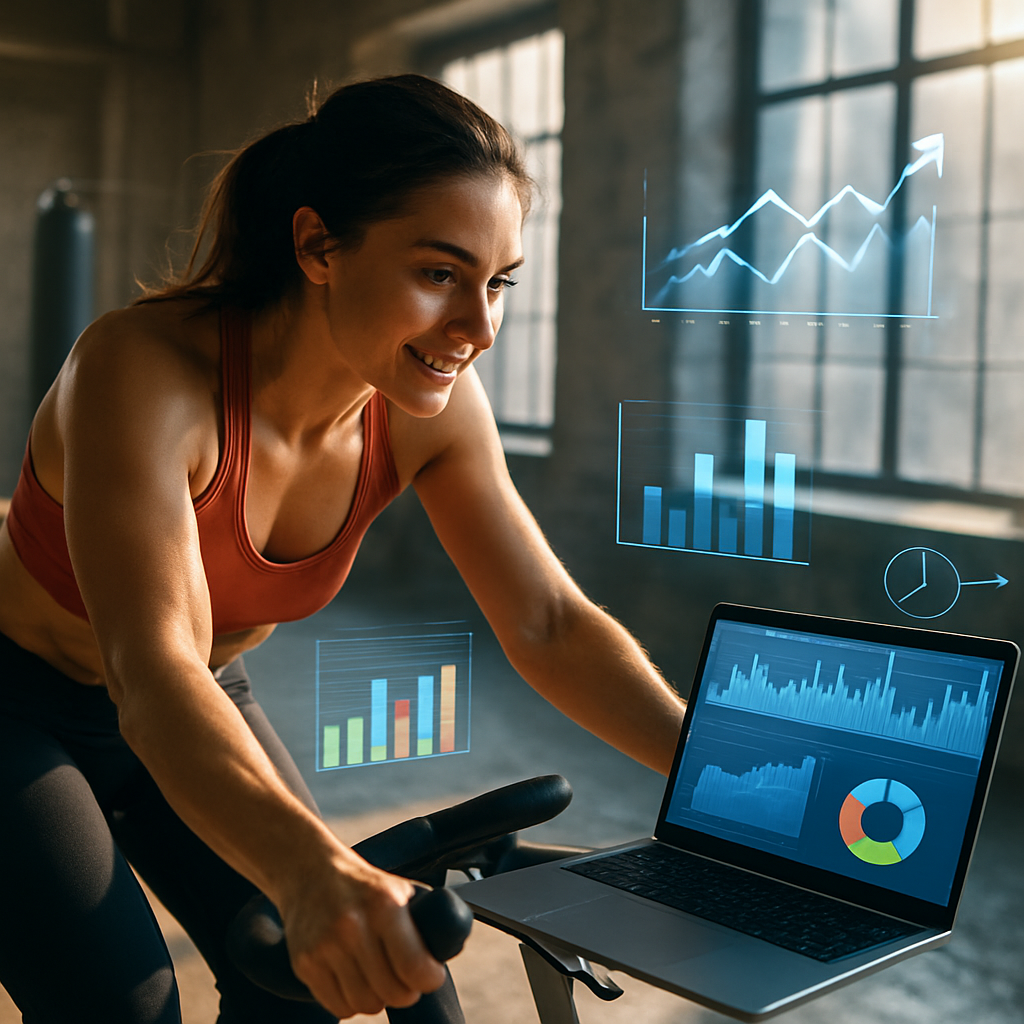
This example underscores how critical it is to stay agile in your marketing approach; leveraging real-time insights can be the difference between success and stagnation.
Sales Funnel Optimization through Automated Processes in Fitness Studios
Let’s get real: if your fitness studio’s sales funnel resembles a leaky bucket, you’re not alone. Many studios are drowning in missed opportunities because they lack streamlined processes to nurture leads effectively. Enter marketing automation—a game changer that not only plugs those leaks but also supercharges your sales funnel.
Consider this: fitness studios using marketing automation tools see a 30% increase in lead conversion rates compared to those relying on manual processes. That’s not just a number; it’s a wake-up call for studios still stuck in the past.
The Anatomy of an Optimized Sales Funnel
An optimized sales funnel isn’t just about attracting leads; it’s about nurturing them through every stage—awareness, consideration, and decision. Here’s how automation plays its magic:
- Awareness: Use targeted social media ads and SEO strategies to attract potential members.
- Consideration: Implement automated email marketing campaigns that highlight success stories and special offers.
- Decision: Utilize CRM software solutions to send personalized follow-up messages based on user engagement.
Each stage of the funnel can be refined and accelerated with the right automation tools.
Automated Lead Nurturing Tactics
(Imagine this scenario.) You’ve just collected leads from a free trial offer at your fitness studio, but what happens next? If you don’t have a plan, those leads could vanish faster than protein shakes at a gym party. Automated lead nurturing tactics keep potential members engaged through timely follow-ups and tailored content.
(For example,) using email marketing automation, you can set up drip campaigns that educate leads about your unique offerings over time. A series of emails could include workout tips, testimonials from satisfied members, and exclusive promotions—all designed to keep your fitness brand top-of-mind.
Integrating an effective CRM system is like having a personal coach for your sales funnel. It allows you to track customer interactions across multiple channels and analyze their behavior through real-time data analysis. This means you can identify which leads are most likely to convert based on their engagement levels.

For instance, let’s say your CRM reveals that leads who attend at least two classes are more likely to sign up for memberships. With this insight, you can create targeted campaigns encouraging these individuals to try out more classes with special offers or reminders.
Assessing Membership Retention Strategies Powered by Automation Tools
If your fitness studio is treating membership retention like an afterthought, you might as well be discounting your services to keep the lights on. The reality is, retaining members costs significantly less than acquiring new ones—up to five times less, according to some studies. So why are so many studios still fumbling this crucial aspect?
Take a look at FitActive Gym, which recently found itself in a retention crisis. After a flurry of new sign-ups following a summer promotion, they noticed that many members were ghosting after just a few months. They were all about the flashy marketing but had neglected the follow-up and engagement strategies that keep members coming back for more.
The Automation Advantage
Here’s where automation tools come into play. Automated marketing campaigns are not just about sending out generic emails; they can be tailored to engage members based on their unique behaviors and preferences. With tools like CRM software solutions and customer engagement platforms, studios can track member activity and send personalized messages that resonate.
- Send automated reminders for class schedules based on member preferences.
- Utilize behavior-based targeting to offer personalized promotions.
- Implement re-engagement campaigns for members who haven’t visited in a while.
Retention rates can increase by up to 30% through effective automated communication.
(Case Study) FitActive’s Turnaround
(Let’s circle back to FitActive Gym.) After realizing their retention issues stemmed from poor follow-up strategies, they integrated an automated system that analyzed member attendance patterns. They started sending out personalized emails tailored to individual workout habits—offering class suggestions based on past attendance and even birthday discounts!
(Fast forward three months.) Their retention rate improved dramatically—members who received personalized communications were significantly more likely to renew their memberships. The gym saw a 40% increase in member engagement as loyalty programs became easier to manage and promote through automation.
Key takeaway: Automating member communication not only saves time but also fosters stronger relationships with your community.
(Next Steps) Implementing Your Own Strategies
Ready to boost your retention rates? Start by assessing your current communication methods. Are you reaching out consistently? Are those messages personalized? Utilize CRM integration solutions to gather insights from customer data and tailor your approach accordingly.
Consider setting up automated campaigns that check in with members after their first month or offer incentives for referrals. By leveraging marketing automation effectively, you’ll not only enhance engagement but also create a loyal community around your fitness brand.
Ready to turn your fitness studio’s marketing into a true revenue engine?
The real ROI of marketing automation isn’t just about running campaigns—it’s about tracking the right metrics, using real-time data, and personalizing every touchpoint. With tools like CDPs, CRM systems, segmentation, predictive analytics, and omnichannel automation, you can boost conversions, lower CAC, and retain more members than ever before.
Now’s the moment to move from guesswork to data-driven growth.
Start optimizing your automation strategy today and position your fitness business ahead of 2025 benchmarks.
Take the next step—transform your marketing, elevate your results, and watch your ROI soar.

Written by
Marcus Webb
Marcus is a B2C marketing strategist with over 8 years of experience in lifecycle marketing, SMS campaigns, and customer retention. He specialises in helping multi-location businesses reduce churn and build long-term customer loyalty.
Recent blog posts
Back to blog

Ready to Run Successful Marketing Campaigns and Grow Your Business?
Gleantap helps you unify customer data, track behavior patterns, and automate personalized campaigns, so you can increase repeat purchases and grow your business.
Ready to Run Successful Marketing Campaigns and Grow Your Business?
Gleantap helps you unify customer data, track behavior patterns, and automate personalized campaigns, so you can increase repeat purchases and grow your business.