
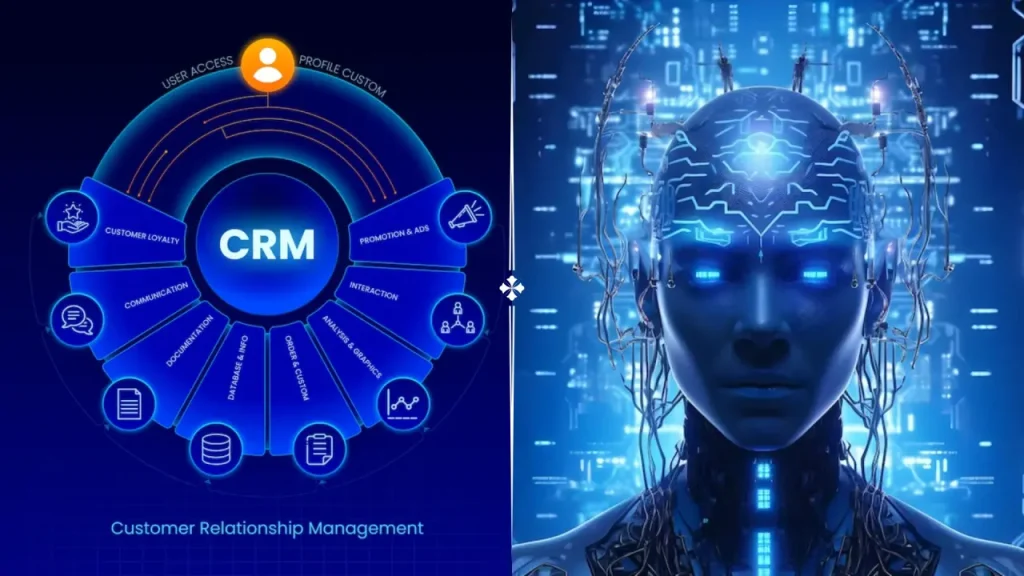
In the fast-paced world of business-to-consumer (B2C) interactions, understanding the evolution of B2C CRM is crucial for any brand looking to thrive. From the days of manual campaign management to today’s sophisticated AI-driven customer journeys, CRM automation for B2C brands has transformed the way companies engage with their customers. In this post, we’ll explore the historical context, the shift to automation, and how modern B2C CRM platforms are enhancing customer experiences and driving sales like never before. Get ready to discover how these advancements can elevate your business and deepen customer loyalty!
The Historical Context of B2C CRM
Before the advent of technology-driven customer relationship management, B2C brands relied heavily on manual methods for managing customer interactions. These early practices involved basic record-keeping, where customer information was often stored in physical files or simple spreadsheets. Data was gathered through direct interactions, such as sales transactions or customer feedback forms. This method lacked the ability to analyze data trends or personalize marketing efforts effectively.
Overview of early B2C CRM practices
In the early days of B2C CRM, brands focused on transactional relationships rather than fostering long-term engagement. The emphasis was on sales volume rather than customer loyalty. For instance, a retailer might track repeat purchases but would struggle to understand customer preferences or behavior patterns due to limited data visibility. This led to generic marketing campaigns that often missed the mark.
A practical insight from this era is that while brands could manage basic information about their customers, this approach fell short in delivering personalized experiences. For example, a clothing store might send out a seasonal catalog to all customers without considering individual preferences or purchase history. As a result, many customers felt disconnected from the brand.
Key milestones in the development of CRM technology
The transition from manual practices to more sophisticated B2C CRM systems gained momentum in the late 1990s with the introduction of dedicated software solutions. These tools began automating basic tasks like data entry and contact management, allowing businesses to segment their audiences and target specific groups more effectively.
One notable milestone was the launch of Salesforce in 1999, which revolutionized how businesses approached customer management by moving operations onto a cloud-based platform. This shift not only improved accessibility but also encouraged companies to leverage real-time data analytics for better decision-making.
The evolution from manual processes to automated systems laid the groundwork for today’s sophisticated B2C CRM solutions.
As technology advanced, so did consumer expectations. Brands started recognizing that effective B2C CRM couldn’t just rely on transactional data but needed to incorporate insights into consumer behavior and preferences. The traditional view of customer relationships evolved into a more nuanced understanding that emphasized engagement and loyalty.
By 2010, over 70% of companies reported using some form of CRM software, highlighting its critical role in modern business strategies.
CRM strategies for B2C businesses now encompass a wide range of tools designed not just for managing contacts but for enhancing overall customer experience management. This includes integrating social media interactions into consumer relationship tools and utilizing mobile-friendly CRMs that cater to an increasingly on-the-go demographic.
Manual Campaign Management: A Retrospective
Manual campaign management in B2C CRM was a labor-intensive process that relied heavily on human effort for data collection, segmentation, and outreach. Brands often faced significant challenges in organizing customer information and executing marketing strategies effectively. Without the aid of automation, companies struggled to maintain accurate records, leading to inconsistencies and missed opportunities for engagement.
One major limitation of manual systems was the inability to analyze customer behavior at scale. For example, a retail brand might track purchases using spreadsheets but would find it nearly impossible to derive insights about customer preferences or trends over time. This lack of insight hindered their ability to craft targeted marketing campaigns, resulting in generic outreach that failed to resonate with individual consumers.
Challenges faced by brands using manual campaigns
The inefficiencies of manual campaign management led to several key challenges for B2C brands. First, the time required for data entry and management was substantial, diverting resources away from strategic initiatives. Second, inconsistent data handling often resulted in errors that could alienate customers or diminish brand reputation.
Moreover, without integrated systems to track customer interactions across channels, brands struggled with multichannel consumer engagement. A clothing retailer may have run successful email campaigns but failed to connect those efforts with social media promotions or in-store events. This disjointed approach not only diluted messaging but also frustrated customers who expected seamless interactions.
Case studies illustrating limitations of manual systems
Consider a regional grocery chain that relied on manual tracking of customer purchases through paper loyalty cards. While this method allowed them to gather some data on buying habits, the inability to analyze this information in real-time limited their capacity for personalized marketing. When they attempted a seasonal promotion based solely on historical sales data without considering current trends or preferences, the campaign fell flat—resulting in excess inventory and wasted resources.
Another example can be seen with a local fitness studio that utilized simple email blasts as their primary communication method. While they could reach members effectively, they lacked insights into engagement levels or feedback from these communications. Consequently, when they introduced new classes based on assumptions rather than data-driven insights, attendance was lower than anticipated because they failed to account for member interests and schedules.
The reliance on manual systems often leads businesses to overlook critical consumer data insights.
Brands utilizing automated CRM solutions report up to a 30% increase in customer retention rates due to improved targeting and engagement.
The Shift to Automation in B2C CRM
The move towards automation in B2C CRM represents a fundamental shift in how brands engage with consumers. As businesses increasingly recognize the importance of data-driven strategies, automation tools have emerged as essential components for managing customer relationships. These tools streamline processes, enhance data accuracy, and allow for more personalized interactions, ultimately improving the overall customer experience.
A significant aspect of CRM automation is its ability to integrate various consumer touchpoints into one cohesive system. Modern platforms can track interactions across emails, social media, and in-store visits, providing a holistic view of customer behavior. This integration not only saves time but also enables brands to tailor their marketing efforts based on comprehensive insights rather than fragmented data.
However, the transition to automated systems is not without its challenges. One common misconception is that implementing CRM automation will fully replace human involvement in customer relationships. In practice, while automation can handle repetitive tasks like data entry and basic customer inquiries, the human touch remains critical for nuanced engagement and relationship building. Brands must find a balance between leveraging technology for efficiency and maintaining personal connections with customers.
For instance, a retail brand that utilizes automated email campaigns might see increased open rates due to targeted messaging based on previous purchases. However, if they neglect to personalize follow-up communications or fail to address customer concerns through human channels, they risk alienating their audience. A practical approach involves using automation for initial outreach while keeping avenues open for personalized interactions when necessary.
Benefits of Adopting Automated Systems for Consumer Engagement
Automated systems offer several advantages that significantly enhance consumer engagement strategies. First and foremost is efficiency; by automating routine tasks such as lead nurturing and follow-ups, brands can redirect resources towards more strategic initiatives that require human insight and creativity.
Additionally, automation allows for real-time data analysis which can inform marketing tactics almost instantly. For example, a B2C brand using a cloud-based CRM can quickly adjust campaigns based on current trends or consumer feedback gathered through integrated analytics tools. This agility enables businesses to stay relevant in fast-paced markets where consumer preferences shift rapidly.
- Enhanced targeting capabilities leading to improved conversion rates.
- Increased operational efficiency by reducing manual workload.
- Ability to scale marketing efforts without proportional increases in resources.
- Real-time insights into consumer behavior enabling proactive engagement strategies.
Brands leveraging CRM automation report improved customer satisfaction scores due to timely and relevant communication.
Companies utilizing automated B2C CRM solutions experience up to a 40% increase in lead conversion rates.
AI-Driven Customer Journeys: A New Era
The integration of AI into B2C CRM marks a transformative shift in how brands engage with customers. AI-driven customer journeys enable businesses to leverage vast amounts of data to create personalized experiences that were previously unattainable. By utilizing machine learning algorithms and predictive analytics, brands can anticipate customer needs, tailor communications, and enhance overall satisfaction.
Understanding AIs Role in Personalizing Customer Experiences
AI’s role in B2C CRM is fundamentally about understanding and responding to consumer behavior. For instance, advanced algorithms analyze historical purchase data, browsing patterns, and social media interactions to predict future buying behaviors. This insight allows brands to craft targeted marketing campaigns that resonate with individual consumers rather than relying on broad demographic segments.
A practical consideration here is the potential for data overload. While AI can process vast datasets quickly, the challenge lies in ensuring that the insights generated are actionable and relevant. Brands must invest in training their teams to interpret AI-generated data effectively and implement it within their CRM strategies.
Examples of AI Applications in B2C CRM (e.g., Predictive Analytics)
Predictive analytics is one of the most powerful applications of AI within B2C CRM. For example, a leading e-commerce platform utilizes predictive analytics to recommend products based on previous purchases and browsing behavior. By analyzing this data, they can suggest items that align with individual preferences, significantly boosting cross-selling opportunities.
However, reliance solely on predictive models can lead to inaccuracies if not regularly updated with fresh data. Brands must continuously refine their models to adapt to shifting consumer behaviors and preferences; neglecting this could result in missed opportunities or misguided marketing efforts.
AI enables hyper-personalization at scale, allowing businesses to engage consumers with tailored messages across multiple channels.
Companies employing AI-driven strategies have seen a 25% increase in customer engagement rates.
Moreover, chatbots powered by AI have transformed customer service within B2C environments. These tools provide instant responses to inquiries while learning from interactions to improve over time. For instance, a retail brand implemented an AI chatbot that efficiently handled common customer queries about product availability and order status—freeing human agents for more complex issues.
In practice, brands adopting these technologies must remain vigilant about maintaining the human element in customer interactions. While automation improves efficiency, it should complement rather than replace personal engagement—especially for high-value customers who expect tailored communication.
Key Features of Modern B2C CRM Platforms
Modern B2C CRM platforms are built on the foundation of integrating multiple functionalities that streamline customer interactions and improve engagement. A primary characteristic is the ability to connect seamlessly with various marketing tools, enhancing the overall effectiveness of campaigns. This integration allows brands to track customer journeys across different channels and touchpoints, ensuring that every interaction is informed by real-time data.
Integration Capabilities with Other Marketing Tools
The integration capabilities of B2C CRM systems are crucial for creating a cohesive marketing strategy. Brands can link their CRM with email marketing platforms, social media channels, and e-commerce solutions. This interconnectedness allows for automated workflows that trigger actions based on customer behavior across platforms. For instance, when a customer abandons a shopping cart, an automated email can be sent through the integrated system to encourage them to complete their purchase.
However, the challenge often lies in the complexity of managing these integrations effectively. Brands must ensure that data flows smoothly between systems without discrepancies or delays. Poor integration can lead to inconsistent messaging or missed opportunities for engagement. A retail brand that fails to synchronize its CRM with its inventory management system may inadvertently promote out-of-stock items, resulting in frustrated customers and lost sales.
Data Analytics and Customer Insights Functionalities
Advanced data analytics is another hallmark of modern B2C CRM platforms. These systems leverage customer data to generate actionable insights into buying behavior, preferences, and trends. By analyzing patterns within this data, brands can create targeted marketing strategies that resonate more effectively with their audience. For example, a fitness brand might analyze user engagement data from its mobile app to identify peak usage times and tailor workout recommendations accordingly.
Despite the advantages offered by robust analytics features, there are limitations that brands need to acknowledge. One common misconception is that simply having access to extensive data guarantees successful outcomes. In reality, insights must be interpreted correctly and translated into actionable strategies; otherwise, brands risk making decisions based on misinterpretations or incomplete information. A healthcare service provider might gather vast amounts of patient feedback but could overlook critical insights if they lack a proper framework for analyzing this data.
Effective use of data analytics enhances personalization efforts and drives higher customer satisfaction rates.
%70 of businesses using advanced analytics report improved decision-making capabilities as a result.
In practice, successful B2C brands utilize both integration capabilities and analytics functionalities in tandem. For instance, an online retailer employing both tools can not only track sales trends but also respond quickly to shifts in consumer demand through integrated promotions across various channels. This dual approach helps maintain relevance in a competitive landscape where consumer preferences evolve rapidly.
Case Study: Gleantaps Approach to AI-Driven Engagement
Gleantap exemplifies how AI-driven engagement can transform B2C CRM for fitness clubs and wellness studios. By utilizing a comprehensive customer relationship management platform, Gleantap enables businesses to automate their marketing efforts and personalize interactions with clients. The platform integrates various consumer touchpoints, including mobile apps, email, and social media, creating a seamless experience that enhances customer loyalty.
Overview of Gleantaps Platform Features and Benefits for Fitness Clubs and Wellness Studios
One of the standout features of the Gleantap platform is its ability to leverage real-time data analytics to inform marketing strategies. Fitness clubs can track member attendance, engagement levels, and preferences through integrated data insights. This capability allows gym owners to tailor communication—sending personalized workout suggestions or reminders based on individual user behavior. For instance, if a member frequently attends yoga classes but has not shown interest in strength training sessions, targeted messaging can encourage them to explore new offerings that align with their interests.
Personalized customer interactions lead to improved retention rates in fitness businesses.
Another significant benefit is Gleantap’s automation features for lead management. Fitness studios can set up automated campaigns to nurture leads who have shown interest in membership but haven’t yet signed up. For example, if a potential client downloads a free trial offer but does not complete the registration process, an automated follow-up email can prompt them with special offers or testimonials from current members. This level of engagement ensures that potential customers feel valued rather than just another number in the sales funnel.
Success Stories from Clients Leveraging Gleantaps Solutions
Many clients have reported substantial improvements in their customer engagement metrics after implementing Gleantap’s solutions. A notable case is a regional fitness franchise that leveraged the platform’s data analytics capabilities. After integrating Gleantap into their operations, they experienced a 35% increase in member retention rates within six months. By analyzing attendance patterns and personalizing outreach based on those insights, the franchise was able to create tailored marketing campaigns that resonated with their members’ preferences.
Moreover, another client—a boutique wellness studio—utilized Gleantap’s CRM tools for consumer sales tracking effectively. They implemented targeted promotions for clients who hadn’t visited in over a month. This campaign led to a remarkable resurgence in participation rates as previous members returned for classes they had previously enjoyed but forgotten about due to lack of engagement from the studio.
%60 of B2C brands using CRM automation report enhanced customer loyalty through personalized experiences.
Gleantap’s approach illustrates not just the power of technology but also highlights critical considerations for brands transitioning from traditional methods to AI-driven platforms. While automation streamlines processes and provides valuable insights, maintaining human connection remains essential. Businesses need to balance technology’s efficiency with genuine interaction; this is particularly critical in sectors like fitness where community and personal relationships are vital.
Best Practices for Implementing CRM Automation
Transitioning from manual B2C CRM processes to automated systems requires careful planning and execution. A significant first step is to define clear objectives that align with your overall business strategy. This means understanding what you want to achieve through CRM automation—be it improved customer engagement, streamlined sales processes, or enhanced data analysis capabilities.
Next, invest time in selecting the right CRM tools for consumers that fit your specific needs. Not all B2C customer management platforms are created equal; some may offer advanced analytics capabilities while others focus on user-friendly interfaces. For example, a retail brand might prioritize a system that integrates seamlessly with e-commerce platforms, while a fitness studio may need robust client management software that tracks attendance and engagement.
Steps for a Successful Transition from Manual to Automated Systems
1. Assess Current Processes: Conduct a thorough audit of your existing manual processes to identify bottlenecks and inefficiencies. This will help you pinpoint areas where automation can yield the most benefits.
2. Choose the Right CRM Solution: Evaluate various consumer relationship tools based on features, scalability, and integration capabilities. Look for cloud-based B2C CRM platforms that can grow with your business and adapt to changing market needs.
3. Train Your Team: Implementing new technology requires buy-in from your team. Ensure they receive adequate training on how to use the new system effectively to maximize its potential.
For instance, a clothing retailer that implements a new CRM tool should focus on training staff not only on system navigation but also on how to interpret customer data for personalized outreach.
4. Monitor and Adjust: After implementation, continuously monitor performance metrics to ensure the system meets desired outcomes. Be prepared to make adjustments based on user feedback and evolving business goals.
%50 of businesses experience improved efficiency within three months of implementing automated CRM solutions.
Common Pitfalls to Avoid During Implementation
One common pitfall is underestimating the importance of data quality. Poor data inputs can lead to erroneous insights and ineffective marketing strategies. Brands must prioritize data cleansing before transitioning into an automated environment.
Another frequent mistake is failing to integrate the new CRM with existing systems effectively. If your automation tools do not communicate well with other platforms (like email marketing or sales tracking), you’ll find yourself back in a fragmented operational state.
Additionally, many brands overlook the human element in their transition strategy. While automation can streamline processes, completely removing personal interactions can alienate customers who value relationships over transactions.
Balancing technology with personal engagement is crucial for maintaining strong customer relationships.
Future Trends in B2C CRM Technology
The landscape of B2C CRM technology is evolving rapidly, driven by advancements in automation and artificial intelligence. These innovations are not just enhancing efficiency but are also redefining how brands interact with their customers. A critical trend is the increasing integration of AI into CRM systems, enabling brands to leverage data for more personalized and effective customer engagements.
Emerging Technologies Shaping the Future of Customer Relationship Management
Emerging technologies such as machine learning, natural language processing, and advanced analytics are at the forefront of this transformation. Machine learning algorithms can analyze consumer behavior patterns and predict future actions, allowing businesses to tailor their marketing strategies based on real-time insights. For instance, a retail brand using predictive modeling can identify which customers are likely to respond positively to specific promotions, improving targeting accuracy.
Natural language processing (NLP) enhances customer interactions by enabling chatbots and virtual assistants to understand and respond to customer inquiries more effectively. This technology allows for seamless communication across channels, ensuring customers receive timely responses regardless of how they choose to engage with the brand. However, relying solely on automated responses can backfire if consumers feel they are not receiving genuine engagement.
Predictions on How AI Will Further Evolve Within B2C Brands
Looking ahead, AI’s role in B2C CRM is expected to expand significantly. Brands will increasingly adopt AI-driven customer segmentation strategies that go beyond basic demographic data. By incorporating psychographic factors and behavioral insights into their models, companies can create hyper-targeted marketing campaigns that resonate at a deeper level with consumers.
Moreover, AI will facilitate the development of more sophisticated customer journey mapping tools that dynamically adapt based on real-time data inputs. This means brands can shift their strategies mid-campaign if they notice a change in consumer behavior or preferences—an agility that manual systems simply cannot match.
$80 billion is projected for the global CRM market by 2025 as companies prioritize automation and personalization.
Despite these advancements, businesses must tread carefully; over-reliance on technology could lead to a loss of personal touch—a critical factor in building lasting relationships with customers. Therefore, a balanced approach that leverages automation while maintaining human connections will be essential for success.
Brands integrating AI into their CRM strategies have reported up to a 30% increase in overall customer satisfaction due to improved personalization.
FAQs
The main difference between manual and automated B2C CRM lies in efficiency and scalability. Manual systems require significant human intervention for data entry, customer segmentation, and campaign execution. In contrast, automated B2C CRM systems streamline these processes through technology, allowing brands to analyze data quickly and personalize interactions at scale. This shift not only saves time but also enhances the accuracy of customer insights, enabling more effective marketing strategies.
How can AI enhance customer engagement in B2C?
AI enhances customer engagement in B2C by enabling hyper-personalization through data analysis. For instance, machine learning algorithms can analyze past purchase behavior and browsing history to predict future needs. This allows brands to send tailored product recommendations or special offers that align with individual consumer preferences. A retail clothing brand might use AI to suggest items based on previous purchases, significantly increasing the likelihood of conversion.
What role does data analytics play in modern B2C CRMs?
Data analytics is at the core of modern B2C CRM systems, driving insights that inform marketing decisions and strategies. By analyzing customer behavior patterns, brands can identify trends that help refine their offerings and improve customer experiences. For example, a health food company might track purchasing trends over time to adjust their product line according to seasonal preferences or emerging health trends. However, reliance on analytics must be balanced with actionable insights; data alone does not guarantee success without a strategy for implementation.
Can small businesses benefit from automated B2C CRMs?
Absolutely. Small businesses can gain significant advantages from adopting automated B2C CRMs by streamlining their operations and enhancing customer engagement without needing extensive resources. For instance, a local bakery could use an automated CRM system to manage customer orders and send personalized birthday promotions based on past purchases. This not only improves operational efficiency but also fosters customer loyalty through personalized communication.
$80 billion is projected for the global CRM market by 2025 as companies prioritize automation and personalization.
%60 of small businesses using CRM solutions report improved sales performance due to enhanced lead management.

Written by
Sarah Kim
Sarah is a CRM and customer data specialist who helps B2C brands turn raw data into personalised experiences. With a background in customer success, she writes about segmentation, customer journey mapping, and making the most of your CRM platform.
Recent blog posts
Back to blog
Ready to Run Successful Marketing Campaigns and Grow Your Business?
Gleantap helps you unify customer data, track behavior patterns, and automate personalized campaigns, so you can increase repeat purchases and grow your business.
Ready to Run Successful Marketing Campaigns and Grow Your Business?
Gleantap helps you unify customer data, track behavior patterns, and automate personalized campaigns, so you can increase repeat purchases and grow your business.