
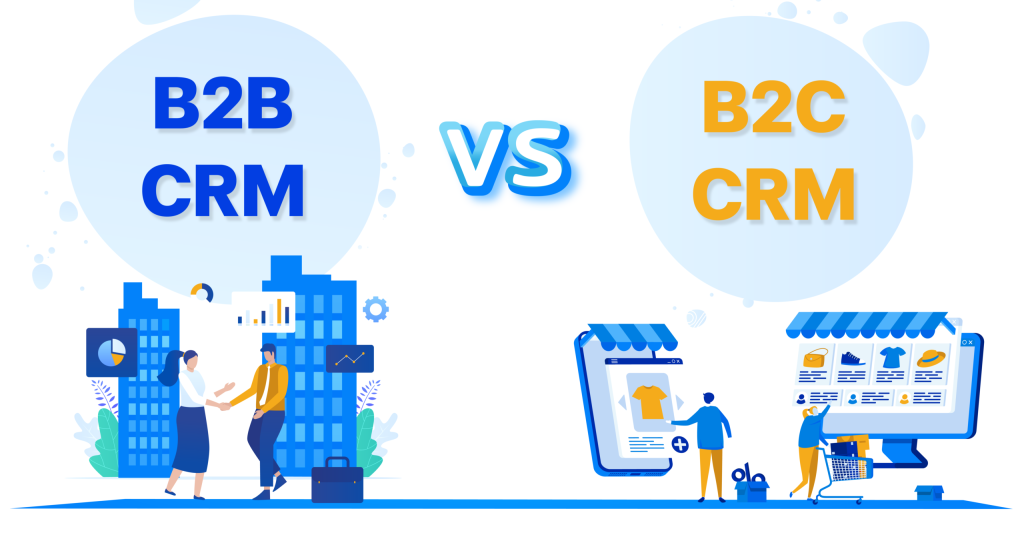
In today’s fast-paced fitness industry, establishing a profound connection with customers is not just a goal; it’s a necessity. While many businesses still rely on traditional B2B Customer Relationship Management (CRM) systems, there’s a compelling case against this outdated approach when it comes to high-touch B2C engagement. Imagine trying to serve gourmet cuisine with a flimsy takeout container—sure, you can do it, but is it really the best experience for your diners? That’s precisely how using a B2B CRM feels in the context of fitness marketing.
In an increasingly competitive landscape where personalized customer experiences are key, relying solely on generic sales automation tools simply won’t cut it. High-touch engagement needs high-quality tools. The global CRM market has been booming, valued at a staggering 58.04 billion dollars in 2021 and projected to grow at an annual rate of 13.3%. Yet, many fitness studios remain stuck in the past, utilizing sales-focused CRMs that prioritize lead nurturing over authentic relationships.
Consider the nuances of client engagement: your members are not merely leads; they are individuals with unique journeys and goals. A CRM designed for sales automation might help you track interactions and transactions efficiently, but what about understanding their motivations? What about offering tailored marketing automation that resonates with their personal fitness aspirations? After all, fitness is more than just a transaction; it’s an experience.
The Pitfalls of Traditional CRMs in Fitness Marketing
- Lack of Personalization: Generic CRMs often fail to cater to specific needs of fitness businesses. They may not offer features like automated communication systems for gyms and studios or performance tracking tools that focus on client success.
- Inflexible Data Integration: A successful fitness marketing strategy relies on comprehensive customer data integration that traditional CRMs don’t provide. Understanding consumer behavior analysis is critical for crafting effective strategies.
- Inefficient Client Retention Strategies: Without dedicated customer engagement tools tailored for the fitness industry, retaining clients becomes an uphill battle.
If you’re serious about fostering relationships rather than simply managing transactions, consider shifting toward platforms built specifically for high-touch B2C interactions—like those offered through integrated marketing solutions aimed at fitness studios.
Ultimately, the challenge lies not just in adopting new technology but in embracing a philosophy that prioritizes customer engagement above all else. By doing so, you can transform mundane transactions into meaningful connections that keep your clients coming back for more—and isn’t that what every fitness studio dreams of?
Understanding the Differences Between B2B and B2C CRM Needs

When it comes to the fitness industry, the differences in CRM needs between B2B and B2C are as stark as a treadmill in a yoga studio. Let’s break it down into digestible pieces—after all, not everything should be hard to swallow!
Relationship Focus vs. Transaction Focus
At its core, Business-to-Business (B2B) CRM is designed to manage relationships between companies, often emphasizing long-term contracts and deal closing strategies. In contrast, Business-to-Consumer (B2C) CRM centers around fostering ongoing engagement with individual customers. In the fitness world, your relationship with members is built on personal motivation and encouragement rather than just signed contracts.
- B2B: Emphasizes lead tracking, sales pipeline management, and negotiation processes.
- B2C: Prioritizes personalized customer experiences, engagement tools, and ongoing communication that resonates with individual goals.
The Emotional Connection
In B2C scenarios like fitness studios, emotional connection plays a pivotal role. A member seeking a healthier lifestyle isn’t just looking for another service; they’re searching for support and community. A CRM tailored for high-touch engagement should harness this emotional aspect.
- B2B: Decisions are often data-driven; relationships may be transactional.
- B2C: Engagement revolves around understanding feelings—motivation fluctuates and aspirations vary widely among members.
Customization and Personalization
The B2B realm typically offers less flexibility when it comes to tailoring solutions for unique customer profiles. B2C CRMs must be equipped with robust marketing automation features that enable studios to personalize communications based on behavior analysis and client feedback systems.
- B2B: Generally one-size-fits-all solutions aimed at standardized offerings.
- B2C: Must offer dynamic personalization strategies—think automated birthday emails or tailored workout plans based on individual progress!
The Speed of Engagement
The pace of engagement also differs dramatically between these sectors. In the world of fitness marketing automation, speed matters! Members expect timely responses to their inquiries or concerns—they want a gym that feels as responsive as their favorite chat app!
- B2B: Longer sales cycles can lead to slower decision-making and follow-up processes.
- B2C: Rapid-fire interactions are critical in nurturing leads into loyal clients who feel recognized at every step of their journey.
Simplifying Data Integration
A key aspect of any effective CRM is how well it integrates data from various sources. For B2C businesses such as fitness studios, this means having a seamless blend of membership management solutions coupled with customer insights platforms that track preferences over time. The ability to visualize consumer behavior analysis not only simplifies management but also enhances marketing efforts significantly!
In summary, while traditional B2B CRMs might help manage leads and deals effectively within corporate environments, they fall short in catering to the high-touch nature of B2C interactions in the fitness industry. It’s time for fitness studios to embrace specialized CRM solutions designed specifically for member engagement rather than relying on generic systems built for corporate transactions. So next time you find yourself wrestling with a clunky B2B system while trying to engage your gym members—remember: it’s like using a spoon to eat soup from a bowl meant for spaghetti!
The Limitations of Sales-Driven CRMs in Fitness Marketing

When it comes to fitness marketing, using a sales-driven CRM can feel like trying to fit a square peg into a round hole—frustrating and inefficient. While these systems excel in tracking leads and managing sales processes, they often lack the nuanced features necessary for high-touch member engagement. Let’s explore the limitations that arise when fitness studios rely on traditional sales-focused CRMs.
Misalignment with Customer Needs
Sales-driven CRMs typically prioritize metrics like lead conversion rates and sales funnels. However, in the context of fitness marketing, your members are not just numbers on a spreadsheet; they are individuals embarking on personal journeys. This misalignment can lead to missed opportunities for deeper connections.
- Overemphasis on Transactions: While closing deals is crucial in B2B settings, in B2C environments like gyms, fostering long-term relationships is key. A CRM fixated on sales metrics often overlooks the importance of nurturing client relationships through ongoing support and engagement.
- Lack of Tailored Communication: Fitness studios thrive on personalized interactions—think motivational messages during tough workout periods or reminders about upcoming classes tailored to individual interests. Sales CRMs rarely provide smart segmentation tools needed for effective fitness marketing automation.
Ineffective Data Utilization
A robust strategy for member retention relies heavily on data-driven insights. Unfortunately, many traditional CRMs fall short when it comes to extracting actionable insights from customer data.
- Poor Integration: Fitness businesses require comprehensive customer data integration that allows them to understand member behaviors and preferences over time. Sales-focused CRMs often provide limited dashboards that do not facilitate this level of insight.
- Static Reporting: The standard reporting features found in many sales CRMs can be akin to trying to watch a movie with a fuzzy screen—it’s just not clear enough! They often fail to provide real-time feedback necessary for adjusting marketing strategies quickly.
Inadequate Support for Marketing Automation
The fitness industry thrives on dynamic engagement strategies—whether it’s creating automated marketing campaigns or developing targeted loyalty programs. Unfortunately, many sales-driven CRMs lack the robust marketing automation features needed for these initiatives.
- No Room for Creativity: Imagine trying to paint a masterpiece with only three colors; that’s what you’re left with when relying solely on basic sales functionalities. Limitations in creativity can stifle innovative campaigns that resonate with potential clients.
- Difficulties in Lead Nurturing: Without effective systems designed specifically for nurturing leads through personalized content delivery or communication channels tailored for high-touch interactions, studios may find themselves losing potential members before they even step through the door!
The Bottom Line: It’s Time for Change!
The limitations of using a sales-driven CRM in the vibrant world of fitness marketing cannot be overstated. To truly thrive, studios need solutions equipped with customer relationship management capabilities designed specifically for B2C engagement—a system that recognizes the unique dynamics at play within each individual member’s journey.
If your studio is serious about boosting client retention and enhancing overall experiences, consider transitioning to dedicated platforms that provide comprehensive tools catered towards client engagement rather than mere transactions. After all, your gym should be as inviting as a warm-up stretch before an exhilarating workout—not an endless cycle of paperwork and missed connections!
The shift may seem daunting but remember: great things never come from comfort zones! So take that leap and redefine how you connect with your members—because when it comes down to it, personalization isn’t just an option; it’s essential!
The Importance of Personalization in High-Touch Engagement

Personalization in high-touch engagement is akin to adding a secret ingredient to your favorite recipe—suddenly, everything transforms from good to unforgettable! In the fitness industry, where members are not just numbers but individuals with unique aspirations and journeys, the importance of personalization cannot be overstated. With a solid CRM system tailored for fitness studios, you can craft experiences that resonate deeply with your clients.
Why Personalization Matters
Imagine walking into your favorite gym, and instead of a generic greeting, the staff remembers your name, your workout preferences, and even the last time you crushed that new personal record. This level of engagement fosters loyalty and keeps members coming back for more. Here’s why personalization plays a pivotal role:
- Enhances Member Experience: Personalization allows gyms to offer tailored workout plans or class recommendations based on individual goals—whether it’s building muscle or finding zen through yoga. When members feel understood, they are more likely to stick around.
- Drives Motivation: Tailored communication can boost motivation significantly. Sending personalized messages or reminders about fitness goals can help keep members accountable and inspired on their journey.
- Improves Retention Rates: A well-implemented customer data platform enables studios to identify at-risk members through behavior analysis and act swiftly with personalized retention strategies—because nobody wants to see a valued member slip away!
The Role of Automation in Personalization
You might wonder how it’s possible to deliver such personalized experiences without losing your sanity or drowning in paperwork. Enter automation! With marketing automation tools designed specifically for the fitness industry, you can achieve that magical blend of personalized engagement without endless manual effort:
- Email Marketing Automation: Automated emails tailored to member milestones or achievements can foster a sense of accomplishment and community—think birthday wishes coupled with special offers! Who doesn’t love a good birthday treat?
- Behavioral Triggers: Using data-driven insights from your CRM, you can set up automated communications triggered by specific actions (or inactions). For example, if someone hasn’t visited in over two weeks, a friendly reminder email could do the trick!
- Customized Offers: By analyzing customer data integration effectively, studios can create targeted offers for classes or services that align with individual interests—why not suggest that kickboxing class to someone who loves high-energy workouts?
The Fine Line Between Personalization and Overstepping Boundaries
Caveat emptor: while personalization is essential, there’s a fine line between being attentive and intrusive. No one enjoys feeling like they’re under constant surveillance! Balancing engagement with respect for privacy is crucial.
- Avoid Data Overload: It’s fantastic to know your members’ preferences but avoid bombarding them with excessive communication; instead, focus on meaningful interactions.
- Create Value-Added Content: Members appreciate content that enhances their fitness journey—be it helpful tips or motivational stories—not just promotional offers!
The takeaway? High-touch engagement powered by personalization is no longer optional but essential in today’s fitness landscape. By embracing CRM solutions designed specifically for the unique challenges of fitness marketing automation and automation techniques that enhance member experiences while respecting individuality, studios stand out as champions of customer care.
If you’re ready to transform how you connect with your clients into something truly exceptional—and perhaps even sprinkle some fun into their fitness routine—you might want to dive deeper into innovative marketing strategies tailored for today’s savvy gym-goers. Remember: when it comes down to it, every gym visit should feel like returning home—not just another chore on an endless list!
How Automation Needs Differ in Fitness Marketing

When it comes to fitness marketing, the needs for automation can vary significantly compared to other industries. It’s not just about sending out emails and tracking leads; it’s about creating a personalized experience that resonates with each member’s individual journey. Think of fitness automation as a tailored suit versus off-the-rack clothing—both will cover you, but one leaves you feeling like a million bucks!
Understanding Member Engagement
Members of fitness studios are not just customers—they are individuals on unique wellness journeys. This necessitates an approach that prioritizes engagement over mere transactions. Here’s how automation needs differ in fitness marketing:
- Personal Touch: In traditional industries, automated messages might suffice, but fitness marketing thrives on personal connections. Members expect communication that reflects their goals, such as congratulatory notes on personal records or motivational messages when they’re due for a workout.
- Behavior-Driven Automation: Fitness studios should leverage behavioral data to automate responses effectively. For instance, if a member hasn’t attended a class in over two weeks, automated check-in emails can nudge them back into action—think of it as your friendly gym buddy sending you a reminder without the guilt trip!
The Complexity of Customer Journeys
The customer journey in fitness can take many unexpected turns. Each person comes with different aspirations—some are looking to tone up, while others want to unwind through yoga or group classes.
- Journey Mapping: A robust Customer Data Platform (CDP) allows studios to create detailed customer journey maps. Understanding where members are in their fitness paths enables targeted outreach and relevant content delivery.
- Dynamic Content Delivery: Rather than sticking to cookie-cutter communication, automating dynamic content based on user preferences keeps engagement high and relevant. Imagine receiving tailored suggestions for classes based on your past attendance—it’s like having a personalized concierge at your gym!
The Role of Multi-Channel Marketing Automation
Fitness marketing thrives on multi-channel approaches. Members may engage through emails, social media, SMS, and mobile apps—all of which need cohesive messaging.
- Synchronized Campaigns: Using integrated marketing solutions allows for seamless campaign execution across multiple platforms. If you’re launching a new class via email, be sure it buzzes on social media too—after all, everyone loves a good dance party!
- A/B Testing for Optimization: Testing different messages or offers across channels can help fine-tune engagement strategies. What works for one segment might flop in another—just like how some prefer spin classes while others swear by Pilates!
The Importance of Automation Analytics
No marketing strategy is complete without measuring its effectiveness—and this is where CRM analytics tools play a vital role.
- Performance Tracking Tools: Fitness studios need powerful analytics to gauge the success of their automated campaigns. Are members responding well? Is retention improving? Tracking these metrics helps refine strategies and enhance overall experiences.
- Feedback Loops: Integrating feedback systems helps gather insights directly from members about their experiences with automated communications. A simple survey could unveil what resonates most—turning potential bumps into smooth sailing!
The Final Reps: Automate with Intention!
If there’s one takeaway from exploring the differences in automation needs within fitness marketing—it’s that personalization is paramount! While traditional sales-driven solutions may work for B2B contexts focused solely on closing deals, the vibrant world of B2C fitness requires something much more nuanced.
Your automation needs should reflect the high-touch nature of client interactions—a blend of technology that empowers authentic connections rather than replacing them entirely. With the right tools and strategies in place, studios can elevate their member engagement game from ordinary to extraordinary! So grab those weights (or resistance bands) and get ready to lift your marketing strategy higher than ever before!
Strategic Use of Customer Data Platforms (CDPs) for Improved Engagement

In the realm of high-touch B2C engagement, the strategic use of Customer Data Platforms (CDPs) is akin to having your own personal fitness coach—tailoring strategies that meet specific goals and driving results that matter. Unlike traditional CRM systems which often lean towards sales-focused data, CDPs empower fitness studios to harness a comprehensive view of customer interactions, preferences, and behaviors. Here’s how leveraging CDPs can significantly enhance engagement:
Holistic Customer Profiles
CDPs unify customer data from multiple sources into a single view, creating holistic profiles that reflect each member’s unique journey. This includes:
- Demographics: Understanding age, gender, and location helps studios tailor offerings.
- Behavioral Data: Tracking attendance patterns and class preferences reveals what motivates members.
- Engagement History: Insights into past interactions inform future communication strategies.
By combining these elements, fitness studios can build personalized marketing campaigns that resonate with individual members—because let’s face it, nobody wants generic “Dear Member” emails!
Diving Deep with Advanced Analytics
A key advantage of utilizing a CDP is the ability to perform data-driven analysis. Imagine being able to identify trends in member behavior or pinpoint when individuals are most likely to disengage. This allows for proactive measures like:
- Targeted Re-Engagement Campaigns: If analytics show a dip in attendance for certain members, automated emails can be sent out with tailored motivational messages or class recommendations based on their interests.
- A/B Testing for Optimization: You can test different approaches on segments of your audience to see what resonates most effectively—like trying out new workout routines until you find one that clicks!
Streamlined Communication Strategies
The integration capabilities of CDPs mean that you can engage members across various channels seamlessly—be it via email, SMS, or social media. Consider this:
- Cohesive Messaging: A launch event for a new class? Promote it everywhere! Consistent messaging across platforms ensures that every member feels in the loop.
- TIMELY Interaction: Automated alerts can remind members about upcoming classes they’ve shown interest in or congratulate them on reaching milestones—they’ll appreciate the personal touch!
The Power of Predictive Insights
With the advanced analytical prowess offered by CDPs, studios can tap into predictive insights that enable them to anticipate member needs rather than just react to them. How exactly does this work?
- User Segmentation: By analyzing past behavior, studios can group members into segments based on similar interests and tailor communication accordingly—think personalized workout plans crafted for a group aiming at weight loss vs muscle gain!
- Crisis Prevention: Identifying at-risk members who haven’t engaged recently allows studios to proactively reach out before they slip away. A simple “We miss you!” message can go a long way!
A Real-World Example: Success Story
Consider a local fitness studio that implemented a CDP for their marketing efforts. By analyzing customer behavior data collected over time, they identified trends in class participation. They noticed many members dropped off after trying an intense boot camp class but didn’t return afterward.
The studio leveraged this insight by developing targeted follow-up campaigns post-class with personalized content such as modifications for beginners or inviting them back with special offers like one-on-one coaching sessions tailored specifically for their needs. The result? A significant boost in retention rates and an increase in overall member satisfaction—a win-win!
The Future is Bright with CDPs
The strategic implementation of Customer Data Platforms isn’t just about collecting data; it’s about transforming how fitness studios connect with their members at every touchpoint along their journey. As consumer behavior becomes increasingly data-driven, embracing these technologies will be pivotal in fostering deeper relationships and nurturing loyalty.
If your gym hasn’t yet explored the potential of CDPs, it might be time to rethink your strategy! After all, when it comes down to building lasting connections in an ever-evolving fitness landscape, knowledge truly is power—and who wouldn’t want an edge over the competition?
The bottom line? Equip your studio with the tools needed for genuine engagement through insightful use of customer data—it’s not just about working out; it’s about working *with* your clients towards shared success!
Case Studies: Successful High-Touch Engagement Without Traditional CRMs

When it comes to high-touch engagement in the fitness industry, numerous success stories illustrate that specialized solutions can outperform traditional CRMs. Let’s take a closer look at a few inspiring case studies that demonstrate how fitness studios achieved remarkable results through innovative customer engagement strategies.
Case Study 1: The Community-Driven Gym
A thriving community gym in Austin, Texas, faced the challenge of retaining members amid increasing competition. Rather than relying on a traditional CRM system that offered generic communication, they adopted a customer insights platform tailored for fitness studios.
- Personalization: By leveraging member data, the gym crafted personalized messages celebrating milestones—like anniversaries and personal records—leading to an increase in member satisfaction and loyalty.
- Community Events: They hosted community events that encouraged member participation and fostered relationships. A monthly “Member Appreciation Day” helped strengthen connections within their community.
- Engagement Result: The result? A 30% boost in member retention over six months and an increase in referrals driven by satisfied clients who felt valued and involved.
Case Study 2: The Tech-Savvy Studio
A boutique fitness studio specializing in high-intensity interval training (HIIT) implemented marketing automation specifically designed for gyms. This studio recognized early on that using an off-the-shelf sales CRM would not meet its unique needs.
- Email Automation: They set up automated email campaigns based on attendance patterns, sending reminders to members who hadn’t attended class recently—this simple nudge resulted in a higher turnout rate!
- Loyalty Programs: By integrating their membership management solutions with automated loyalty programs, they rewarded members with points for attending classes and engaging with social media posts, fostering greater loyalty.
- Engagement Result: The outcome was impressive; they saw a 25% increase in class attendance rates within three months and received overwhelmingly positive feedback regarding their community involvement initiatives.
Case Study 3: The Adaptive Fitness Center
This center specializes in adaptive fitness programs for individuals with disabilities. With compassionate service at the heart of their operations, they sought to streamline communication while enhancing personalized experiences without using a traditional CRM.
- Simplified Communication: Utilizing behavior analysis tools enabled them to tailor communications based on each client’s unique challenges and goals—this approach built trust between trainers and clients.
- Feedback Systems: They actively collected feedback through customer engagement tools, adjusting programming based on input from clients about their experiences, preferences, and progress.
- Engagement Result: As a result of these initiatives, they reported an astonishing 40% growth in client retention over one year along with heartfelt testimonials praising the personalized care provided by trainers who truly listened!
The Common Thread: Understanding Members as Individuals
The common denominator across all these success stories is centered around understanding members as unique individuals rather than mere transactions. By prioritizing personalized interactions through specialized tools designed specifically for high-touch B2C engagement instead of rigid B2B CRMs focused solely on sales metrics, these studios created environments where members felt genuinely valued.
This approach not only led to improved retention rates but also transformed gyms into thriving communities where motivation flourished. After all, when clients feel connected—whether it’s through celebrating achievements or receiving targeted communications—they’re far more likely to stick around (and maybe even bring along friends!).
If you find yourself pondering how your gym can implement similar strategies or if you’re ready to dive into transformative marketing personalization strategies for your business, it’s time to rethink your approach! Remember: success is measured not just by numbers but by the meaningful connections forged along the way!
Conclusion: Choosing the Right Tools for Effective Fitness Marketing

In the dynamic landscape of fitness marketing, the tools you choose can make or break your success. As we’ve explored, using traditional B2B CRMs for managing consumer relationships can feel akin to trying to run a marathon in flip-flops—awkward and bound to slow you down! The need for specialized solutions tailored specifically for high-touch B2C engagement has never been more evident.
First and foremost, it’s crucial to prioritize personalization. Today’s fitness enthusiasts crave tailored experiences that resonate with their individual goals and journeys. By leveraging a CRM specifically designed for fitness studios, you can craft personalized marketing campaigns that not only capture attention but also foster loyalty. Imagine sending automated birthday messages paired with exclusive discounts on classes—a little surprise that makes members feel special.
Moreover, integrating a comprehensive Customer Data Platform (CDP) can vastly improve your understanding of client needs. This technology enables you to analyze behavioral data, allowing for informed decisions that cater directly to your members’ preferences. For instance, what if you could predict when someone is likely to drop off? With the right tools in place, an automated nudge or motivational email could be sent at just the right moment to keep them engaged!
- Effective Engagement: Adopt customer engagement tools that allow for seamless communication across multiple channels—be it through email, social media, or SMS. Consistency is key; your messaging should flow effortlessly across platforms.
- Analytics-Driven Decisions: Utilize performance tracking tools within your CRM system to gain insights into what’s working and what isn’t. Regularly reviewing these analytics will help optimize your marketing strategies over time.
- Adequate Automation: Invest in marketing automation solutions specifically tailored for the fitness industry. These systems should facilitate not just lead nurturing but also engagement strategies that speak directly to your members’ aspirations.
The bottom line? In an age where high-touch interactions are paramount, falling back on traditional sales-focused CRMs simply won’t suffice. Instead, focus on adopting a CRM designed for fitness studios, coupled with robust marketing automation capabilities to create memorable experiences for your members. After all, true engagement comes from knowing your clients—not just their names on a ledger but their dreams, struggles, and accomplishments. So gear up and embrace the future of fitness marketing with the right tools at your disposal!
Ready to elevate your fitness studio’s marketing game? Stop relying on outdated, sales-driven CRMs built for B2B and start engaging your members with tools designed just for you. With personalized automation, behavior-based triggers, and deep data insights, you can create meaningful connections that drive loyalty and retention. Don’t let generic systems hold you back—choose a solution built for high-touch B2C engagement that understands your members’ unique journeys. Make every interaction count, from birthday emails to re-engagement campaigns. It’s time to invest in smarter marketing tools that empower your growth. Take the leap—upgrade your CRM strategy today!

Written by
Sarah Kim
Sarah is a CRM and customer data specialist who helps B2C brands turn raw data into personalised experiences. With a background in customer success, she writes about segmentation, customer journey mapping, and making the most of your CRM platform.
Recent blog posts
Back to blog

Ready to Run Successful Marketing Campaigns and Grow Your Business?
Gleantap helps you unify customer data, track behavior patterns, and automate personalized campaigns, so you can increase repeat purchases and grow your business.
Ready to Run Successful Marketing Campaigns and Grow Your Business?
Gleantap helps you unify customer data, track behavior patterns, and automate personalized campaigns, so you can increase repeat purchases and grow your business.