
Introduction
Welcome to the wild world of marketing automation, where consumer brands are often left feeling like they’re stuck in a hamster wheel-running fast but getting nowhere. In the fitness industry, this can be especially problematic as brands strive to connect with their audience while juggling everything from gym marketing strategies to client management tools.
So, what’s going on with digital marketing automation? Well, it’s like a well-intentioned personal trainer who just doesn’t get your unique fitness goals. Sure, they have the best equipment and knowledge, but without a personalized plan, you’re just not going to see results.
In this blog post, we’ll dive into:
- Overview of marketing automation in the fitness industry: What’s working and what’s not?
- Importance of understanding consumer needs: Why personalization is key in fitness marketing automation.
The global marketing automation market size was valued at USD 4.06 billion in 2019 and is expected to grow at a compound annual growth rate (CAGR) of 9.8% from 2020 to 2027.
With the right blend of sales automation tools, CRM software, and a dash of creativity, fitness brands can turn their marketing efforts from “meh” to magnificent! So buckle up as we explore how to fix what’s broken in the world of automated marketing campaigns.
The Current State of Marketing Automation
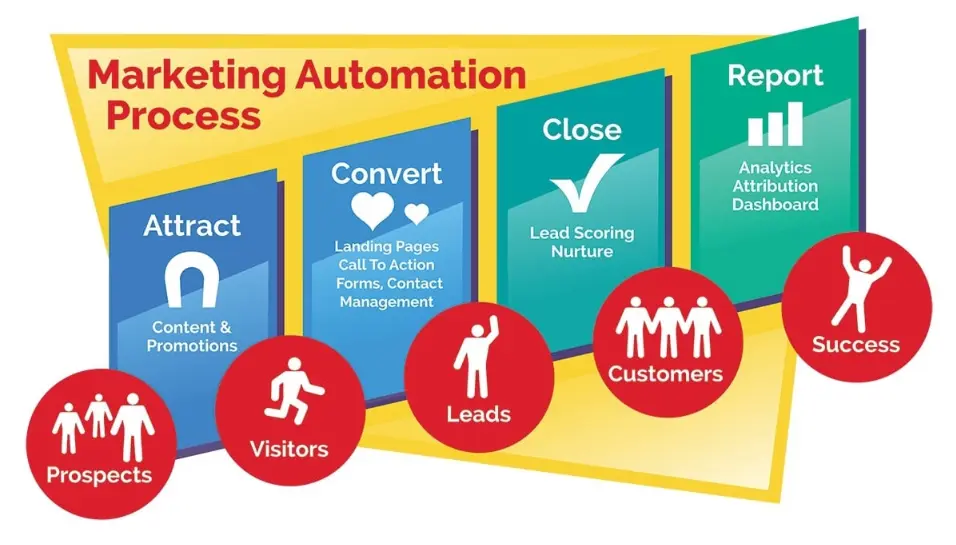
Definition and Purpose of Marketing Automation
At its core, marketing automation is like having a personal assistant who handles the nitty-gritty of your marketing tasks while you focus on the big picture. It streamlines repetitive tasks such as email marketing, social media posting, and ad campaigns, allowing consumer brands to engage effectively with their audience.
In the fitness industry, fitness marketing automation is crucial for managing everything from lead generation tools to automated email sequences for gyms. The purpose? To save time, enhance efficiency, and ultimately drive conversions through more personalized interactions.
Common Tools and Platforms Used in the Industry
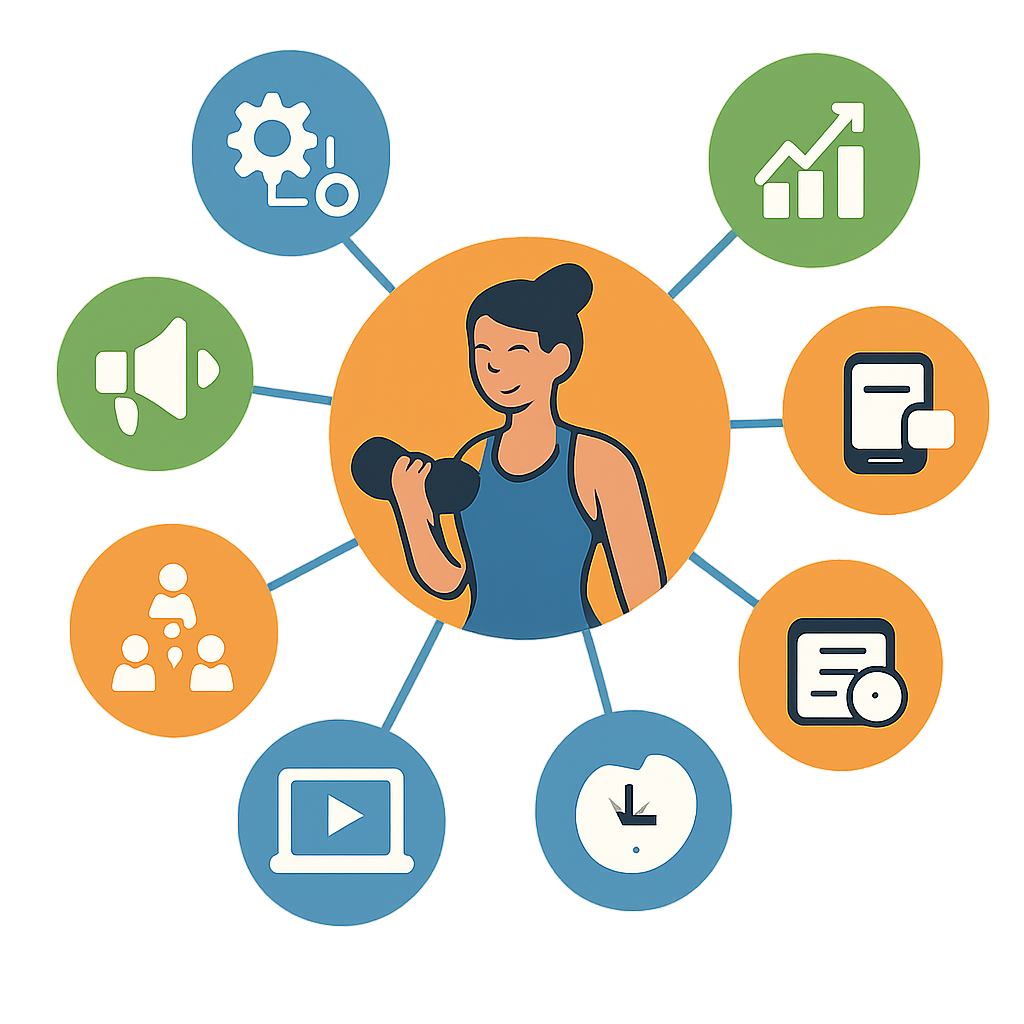
The landscape of marketing software is vast and can feel like a candy store where every tool looks tempting. Here are some common players:
- Email Marketing Automation: Platforms like Mailchimp or ActiveCampaign help automate your email outreach.
- CRM Software: Solutions such as HubSpot or Salesforce integrate with your marketing efforts to manage customer interactions.
- Social Media Automation: Tools like Hootsuite or Buffer allow you to schedule posts across various channels without breaking a sweat.
- Lead Generation Tools: Services like Leadpages help capture leads effortlessly, feeding them into your sales funnel automation.
- Customer Engagement Platforms: These platforms focus on maintaining ongoing relationships with clients through targeted advertising strategies for gyms and health clubs.
Challenges Faced by Consumer Brands in Implementation
Diving into automation, brands often face roadblocks that can turn their marketing dreams into nightmares. Here are some common challenges:
- Lack of Personalization: Many brands resort to generic messaging that fails to resonate with their audience. 63% of companies that are outgrowing their competitors leverage marketing automation, indicating that personalization is key!
- Integration Issues: Many consumer brands struggle to integrate their sales CRM systems with other tools, leading to data silos and missed opportunities in lead nurturing in the fitness industry.
- User Adoption: Sometimes employees resist new tools due to lack of training or fear of change-like trying to convince a cat to take a bath!
- Diminished Engagement: Over-relying on automation can lead to disengagement from customers who crave genuine interaction rather than robotic responses.
The fitness industry can increase its market share by utilizing effective automated marketing campaigns, which not only enhance member retention but also optimize conversion rates across channels.
If consumer brands want to thrive in this competitive landscape, they must tackle these challenges head-on. Embracing modern solutions while keeping an eye on personalization will be crucial for success. So let’s roll up our sleeves and get ready for what comes next!
Identifying the Flaws in Marketing Automation
Lack of Personalization and Consumer Engagement
One of the biggest pitfalls of marketing automation is the cookie-cutter approach many brands take. Imagine walking into a gym where every trainer gives you the same workout plan, regardless of your fitness level or goals. Boring, right? In the world of fitness marketing, a lack of personalization can lead to disengagement faster than you can say “protein shake.”
In fact, 63% of companies that are outgrowing their competitors leverage personalized marketing strategies. This shows that when brands fail to tailor their messages, they risk losing potential leads who crave a more meaningful connection.
Inflexibility in Adapting to Changing Consumer Behavior
The fitness landscape is ever-evolving. New trends pop up like mushrooms after rain, and consumer preferences shift just as quickly. However, many automation systems are rigid and slow to adapt. Think of it as trying to do a backflip on a trampoline that’s stuck in one position-it just won’t work!
This inflexibility can result in missed opportunities for engagement and conversion. Brands need to be agile and responsive, using data-driven insights to adjust their strategies in real-time.
Integration Issues with Sales CRM Systems
A smooth integration between sales CRM systems and other marketing tools is crucial for success. Unfortunately, many brands find themselves wrestling with software compatibility issues like they’re trying to fit a square peg into a round hole.
This can lead to fragmented data silos where valuable customer insights are trapped instead of being utilized for effective lead nurturing in the fitness industry. A seamless integration allows for better targeting and personalized outreach-essential components for any successful marketing strategy.
Over-Reliance on Automation Leading to Disengagement
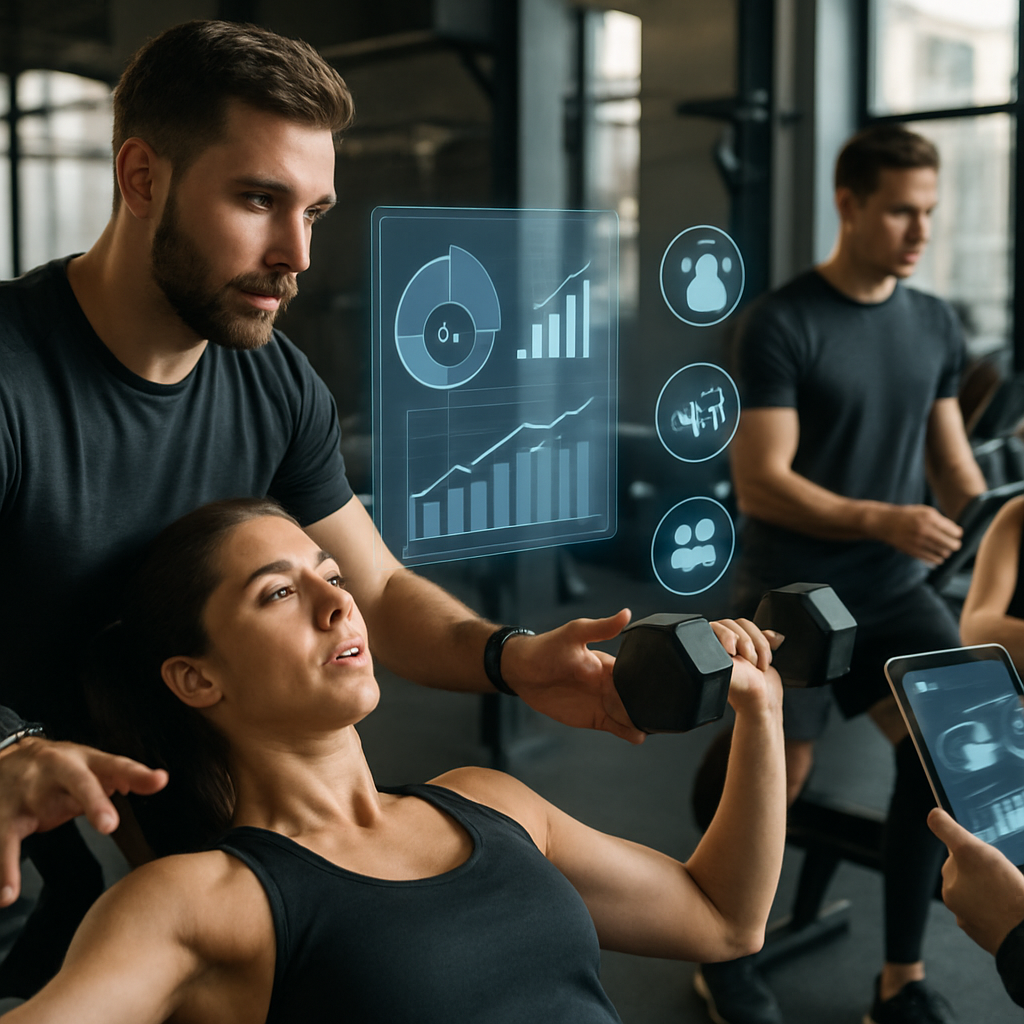
While automation is designed to save time and streamline processes, an over-reliance on it can backfire spectacularly. Picture this: You walk into a gym where every interaction feels scripted-like talking to a robot instead of a human being. It’s awkward and impersonal!
This disengagement stems from automated responses that lack warmth or genuine connection. Brands must strike a balance between efficiency and authenticity, ensuring that automation complements rather than replaces human interaction.
A staggering 41% of marketers believe that personalization is key for improving customer engagement rates across all channels. By focusing on authentic connections rather than just automated messages, brands can create lasting relationships with their audience.
If consumer brands want to break free from the shackles of ineffective automated marketing campaigns, they need to address these flaws head-on. It’s time to rethink strategies, embrace flexibility, enhance personalization efforts, and integrate systems effectively for optimal results!

What Consumer Brands Actually Need
Enhanced Personalization Strategies for Fitness Marketing
To truly connect with consumers, fitness brands need to ditch the one-size-fits-all approach. Think of it this way: if a gym offered every member the same workout plan, how many would stick around? Exactly! Personalized marketing automation is the secret sauce that can transform generic outreach into targeted engagement.
Brands should leverage data-driven insights to craft tailored messages that resonate with individual preferences. For instance, using automated email sequences for gyms that cater to a member’s specific fitness goals can lead to higher engagement rates and improved retention. Imagine sending a motivational email about strength training to someone who just signed up for weightlifting classes. That’s personalization at its finest!
Seamless Integration with Sales CRM for Better Data Management
No one likes a messy closet, and the same goes for your data! A seamless integration between sales CRM systems and marketing tools is essential for effective data management. When these systems work together like peanut butter and jelly, brands can gain a holistic view of their customers.
This integration allows for efficient tracking of customer interactions and preferences, ensuring that no valuable insight slips through the cracks. Brands can utilize fitness business software that combines CRM capabilities with marketing automation tools to streamline their processes and enhance customer engagement.
A Focus on Building Genuine Customer Relationships
The fitness industry thrives on community and connection. Brands must prioritize building genuine relationships with their clients instead of treating them like just another number in the system. Think of it as being the friendly neighborhood gym rather than a faceless corporation!
This means engaging in two-way conversations, responding promptly to inquiries, and showing appreciation through personalized outreach. By utilizing client management tools, brands can track interactions and tailor their communication strategies accordingly.
A Holistic Approach to Customer Engagement Across Channels
In today’s multi-channel world, consumers expect consistent experiences across all touchpoints. Just like a well-coordinated gym routine targets multiple muscle groups, brands need an omni-channel marketing strategy that engages customers wherever they are.
This involves integrating various platforms-social media, email, website-to create cohesive messaging that resonates with audiences across channels. For example, blending social media automation for fitness businesses with email campaigns ensures that your message reaches clients whether they’re scrolling through Instagram or checking their inbox.
A staggering $1 spent on email marketing automation generates an average return of $42. This statistic highlights the potential profitability of investing in personalized outreach strategies!
In conclusion, consumer brands in the fitness industry must embrace enhanced personalization strategies, seamless CRM integrations, genuine relationship-building approaches, and holistic customer engagement tactics. By doing so, they’ll not only improve their marketing effectiveness but also foster loyalty among their members-turning casual visitors into lifelong advocates!
Implementing Effective Marketing Automation Solutions
Selecting the Right Tools for Fitness Marketing Automation
Choosing the right marketing automation tools is like picking the perfect gym shoes: they should fit well, support your goals, and be versatile enough for various workouts. In the fitness industry, this means looking for solutions that cater specifically to your needs.
Here are some key tools to consider:
- Email Marketing Automation: Tools like Mailchimp or ActiveCampaign help you create automated email sequences tailored to your members’ fitness journeys.
- CRM Software: Integrate systems like HubSpot or Salesforce to manage customer relationships and track interactions effectively.
- Lead Generation Tools: Use platforms such as Leadpages to capture leads and feed them into your sales funnel seamlessly.
- Social Media Automation: Leverage tools like Hootsuite or Buffer to schedule posts and maintain a consistent presence across channels.
- Customer Engagement Platforms: Invest in solutions that focus on ongoing engagement, helping you build lasting relationships with clients.
Best Practices for Integrating Automation with CRM Systems
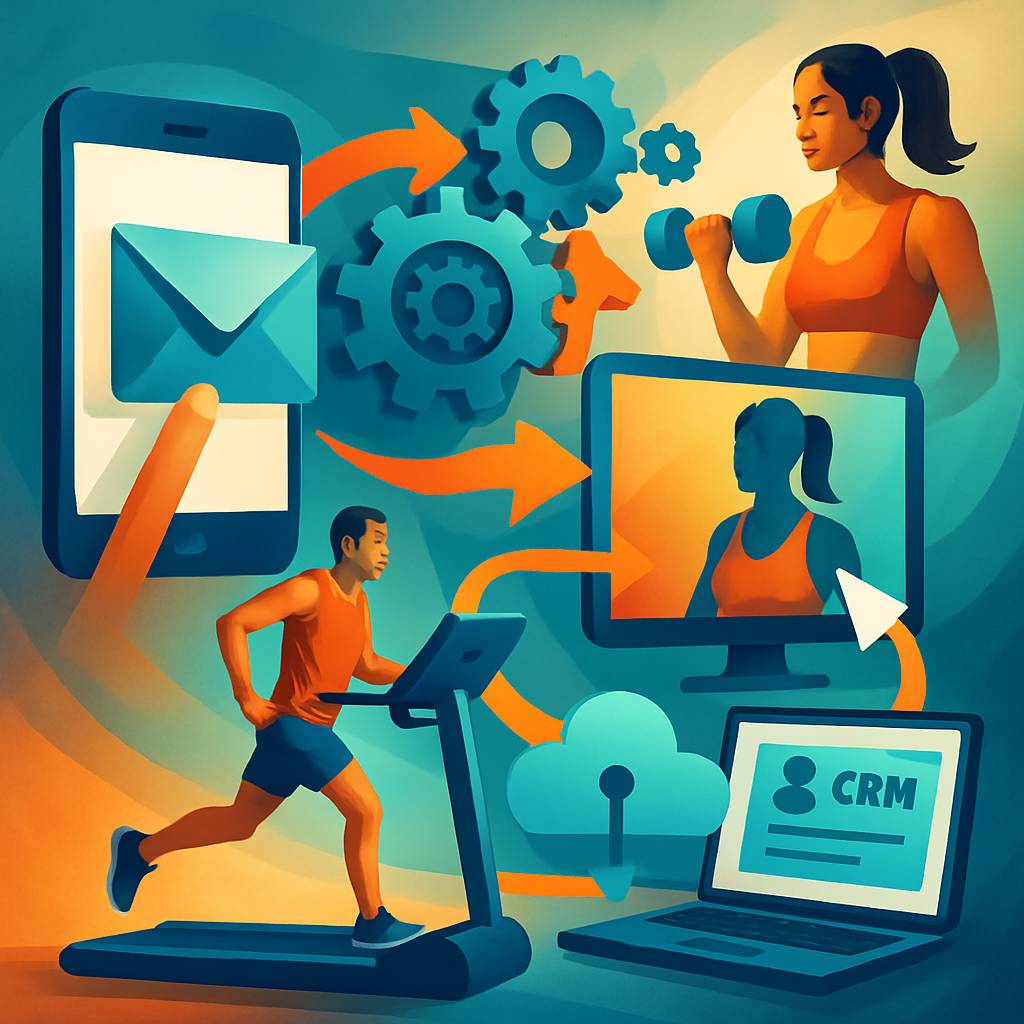
A seamless integration between your marketing automation tools and CRM systems can make all the difference. Think of it as creating a well-oiled machine-every part needs to work together smoothly for optimal performance. Here are some best practices:
- Create a Unified Database: Ensure that all customer data is centralized, allowing for easy access and management across platforms.
- Synchronize Data Regularly: Set up automatic updates between your marketing automation software and CRM to keep information current and relevant.
- Avoid Data Silos: Make sure all teams (sales, marketing, customer support) have access to the same information to enhance collaboration and communication.
- User Training: Provide training sessions for staff on how to use these integrated systems effectively. This will reduce resistance and enhance user adoption rates!
- A/B Testing: Regularly test different approaches within your automated campaigns to find what resonates best with your audience.
Strategies for Maintaining a Balance Between Automation and Personal Touch
The key to successful fitness marketing automation? Balancing efficiency with that personal touch! Here’s how you can achieve this harmony:
- Semi-Automated Responses: Use automation for initial outreach but ensure human follow-ups are part of the process-like having a personal trainer check in after a workout!
- Cater Content Based on Behavior: Utilize data-driven insights from your CRM to tailor messages based on user behavior. For instance, send personalized tips after someone signs up for a new class.
- Create Community Engagement Opportunities: Host events or challenges that encourage members to interact both online and offline. This fosters community spirit while using automated reminders for participation!
- Praise Individual Achievements: Send personalized congratulatory emails when members reach milestones-because who doesn’t love a good shout-out?
- Avoid Over-Automation: Remember that while automation saves time, too much can feel impersonal. Keep an eye on engagement metrics; if they drop, it may be time to dial back the bots!
An impressive 80% of marketers using automation software generate more leads, indicating its effectiveness in lead generation strategies when implemented correctly!
If consumer brands want their marketing efforts in the fitness industry not just functional but flourishing, implementing effective solutions is key. By selecting appropriate tools, integrating them wisely with CRM systems, and balancing automation with personal touches, brands can create meaningful connections that drive engagement and loyalty!
The Future of Marketing Automation in Fitness Brands
Emerging Trends and Technologies in Marketing Automation
As we look ahead, the landscape of marketing automation in the fitness industry is evolving faster than a treadmill on high speed. With advancements in technology, brands are harnessing tools that not only simplify processes but also enhance personalization. Imagine using AI-driven analytics to predict customer behavior or utilizing chatbots for real-time engagement. This is not science fiction; it’s the new normal!
Here are some exciting trends to watch:
- Omni-Channel Marketing Automation: Consumers expect a seamless experience across all platforms-from social media to email. Brands need to ensure their messaging is consistent, engaging, and tailored.
- AI-Powered Personalization: AI can analyze vast amounts of data to deliver hyper-personalized content, making every interaction feel unique.
- Integration with Wearable Technology: Fitness brands can tap into data from wearables to create targeted marketing campaigns that resonate with users’ fitness journeys.
- Social Media Automation: As social platforms continue to grow, automating posts and interactions will be crucial for maintaining engagement without sacrificing authenticity.
The Role of Data Analytics in Shaping Future Strategies
If data is the new oil, then analytics is the refinery! In the fitness industry, leveraging data analytics allows brands to extract actionable insights that drive marketing strategies. By analyzing customer behavior and preferences, fitness brands can tailor their outreach efforts more effectively than ever before.
This means moving beyond basic metrics like open rates and clicks; instead, brands should focus on understanding customer journeys and lifecycle stages. For instance:
- User Segmentation: Divide your audience into segments based on their preferences or behaviors-think of it as creating workout groups tailored for specific goals!
- A/B Testing Campaigns: Regularly test different approaches within your automated marketing campaigns to see what resonates best with your audience.
- Predictive Analytics: Use historical data to forecast future behaviors. This could mean identifying when a member might need a nudge back into the gym or when they’re likely to renew their membership.
Predicting Shifts in Consumer Expectations and Behaviors
The fitness landscape is dynamic; consumer expectations are shifting like sands in an hourglass. Today’s consumers crave authentic interactions and personalized experiences more than ever before. They want brands that understand their unique needs-like a personal trainer who knows when you’re about to hit that last rep!
This shift means fitness brands must adapt quickly by implementing strategies such as:
- Personalized Communication: Use automated email sequences that cater specifically to individual goals-no more generic “Hey, how’s it going?” emails!
- Sustainability Initiatives: Today’s consumers are increasingly eco-conscious. Brands that emphasize sustainability will resonate more with health-conscious audiences who care about their planet as much as their bodies.
- User-Generated Content Campaigns: Encourage members to share their fitness journeys online; this not only builds community but also provides authentic content for your marketing efforts!
The future of fitness marketing automation lies in embracing change, prioritizing personalization, and leveraging technology effectively. By staying ahead of trends and adapting strategies accordingly, fitness brands can foster deeper connections with their audience while optimizing engagement!
If you want your brand to thrive amid these changes, now is the time to reassess your approach! Embrace these emerging trends in fitness marketing automation, leverage data analytics smartly, and anticipate shifts in consumer expectations like a pro!
Conclusion
In summary, we’ve taken a deep dive into the world of marketing automation and uncovered some serious flaws that consumer brands in the fitness industry need to address. Let’s recap the key points:
- Lack of Personalization: Brands are missing out by not tailoring their messages to individual consumers, leading to disengagement.
- Integration Challenges: Many struggle with aligning their sales CRM systems with marketing tools, resulting in data silos.
- Over-Reliance on Automation: Too much automation can feel robotic and impersonal, which is a big no-no in building genuine customer relationships.
- The Need for Flexibility: Brands must adapt quickly to changing consumer behaviors and preferences to stay relevant.
So, what should brands do next? It’s time to reassess your marketing strategies! Here are a few actionable steps:
- Embrace Personalization: Start implementing personalized marketing automation. Use data insights to craft messages that resonate with your audience’s unique fitness journeys.
- Integrate Systems Effectively: Ensure your CRM software and marketing tools work seamlessly together. This will help you manage customer relationships better and improve engagement.
- Create Genuine Connections: Don’t let automation replace human touch. Balance efficiency with authenticity by engaging customers through personalized outreach.
- Aim for Holistic Engagement: Use an omni-channel approach that ensures consistent messaging across all platforms-whether it’s social media or email!
The future of fitness marketing automation is bright for those who adapt and evolve. By focusing on personalization, integration, and genuine engagement, brands can turn casual gym-goers into loyal advocates!
Your journey toward effective fitness marketing automation starts now! Reassess your strategies, leverage technology wisely, and watch as your brand transforms from just another name in the industry to a beloved community staple!
Ready to revolutionize your marketing game? Don’t let outdated automation hold your brand back. It’s time to transform your approach and create campaigns that truly connect! Embrace smarter fitness marketing automation that prioritizes personalization, seamless CRM integration, and authentic engagement. Whether you’re managing leads, boosting retention, or building community, the right tools and strategies will take you from average to unforgettable. Start rethinking your automation today—turn every message into motivation and every interaction into loyalty. Your audience deserves more than robotic replies—they deserve real connection. The future of marketing automation is here. Are you ready to lead it?

Written by
Marcus Webb
Marcus is a B2C marketing strategist with over 8 years of experience in lifecycle marketing, SMS campaigns, and customer retention. He specialises in helping multi-location businesses reduce churn and build long-term customer loyalty.
Recent blog posts
Back to blog

Ready to Run Successful Marketing Campaigns and Grow Your Business?
Gleantap helps you unify customer data, track behavior patterns, and automate personalized campaigns, so you can increase repeat purchases and grow your business.
Ready to Run Successful Marketing Campaigns and Grow Your Business?
Gleantap helps you unify customer data, track behavior patterns, and automate personalized campaigns, so you can increase repeat purchases and grow your business.