
 Divya Ghughatyal
Picking the right loyalty program software in 2026 comes down to integration fit, omnichannel tracking, and whether the vendor supports native SMS and email automations, not which platform has the slickest widgets. This hands-on guide compares the leading options across integration ease, omnichannel capability, automation, reward flexibility, and total cost, with realistic launch timelines and feature priorities for small and mid-market retailers and fitness businesses. If you run a gym or studio, I explain when Gleantap is the practical choice and how to phase a rollout to capture retention gains in 30 to 90 days.
Yotpo Loyalty
Bottom line: Yotpo Loyalty is a good fit when your priority is combining a loyalty program with reviews, UGC, and strong analytics for a DTC ecommerce brand, not when you need a lightweight, SMS-first solution for membership businesses.
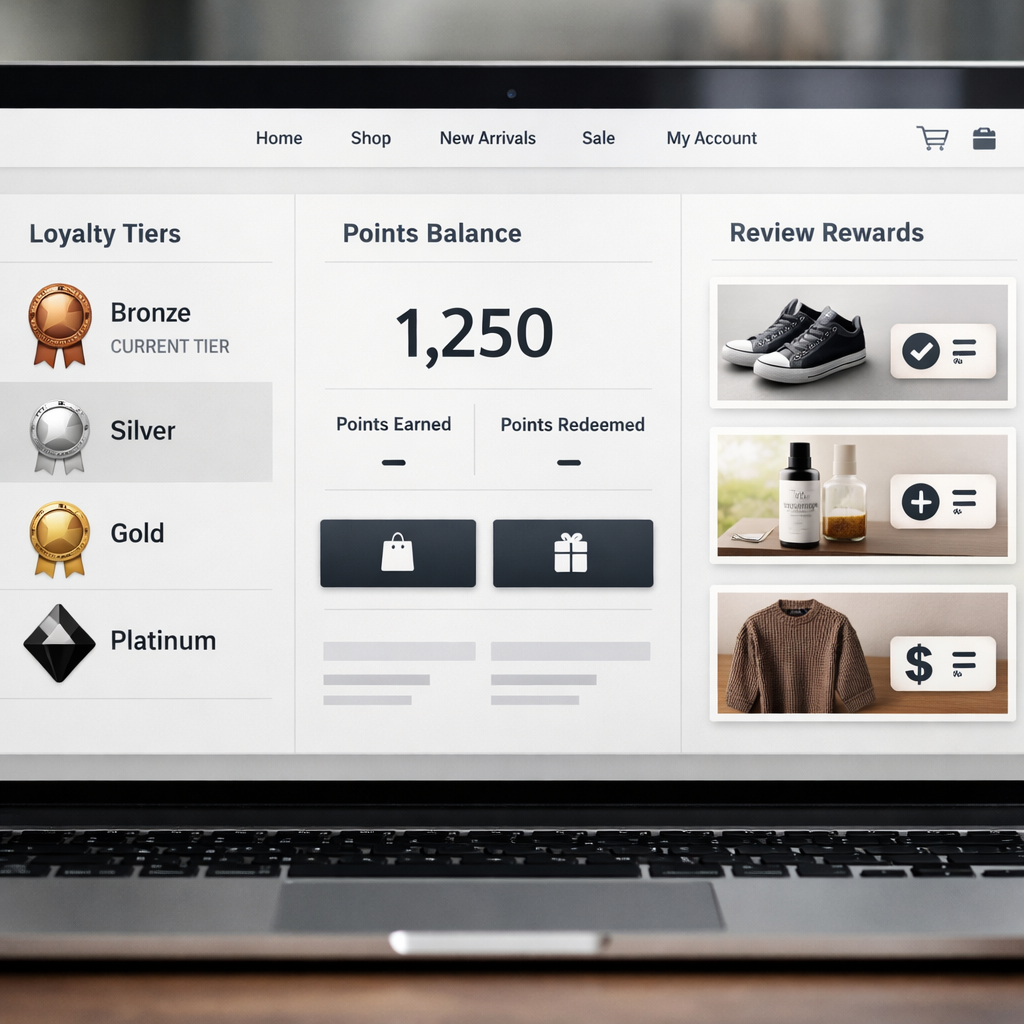
Yotpo bundles points, VIP tiers, and referral flows into a polished storefront experience with visual widgets that drive conversion where customers shop. Strengths include advanced segmentation, detailed loyalty analytics, and native hooks into UGC and reviews so you can link rewards to content generation. Typical integrations include Shopify, Magento, BigCommerce, Klaviyo, Salesforce, and Google Analytics; use those to build targeted winback journeys or VIP-only campaigns.
Important tradeoff: Yotpo is feature-rich but that richness comes with complexity and cost that scale quickly. Small merchants often find the mid-market plans more than they need, and omnichannel in-store use requires additional engineering or third-party POS connectors. If your business depends on in-person redemption at scale, expect custom work and longer timelines.
Implementation realities
Timeline and effort: plan for 2 to 6 weeks for a clean rollout. That includes designing reward rules, mapping customer identity across channels, installing storefront widgets, and wiring analytics to your CDP or Klaviyo. You will want to reserve time for QA on account merging and test redemptions to avoid costly customer friction after launch.
Data and compliance to check: confirm exportability of member data, how loyalty IDs map to your CRM, and GDPR and CCPA controls. Yotpo provides enterprise controls but do not assume data portability is automatic; ask for CSV export samples and API call limits during sales conversations.
Concrete example: A mid-size apparel brand used Yotpo Loyalty plus reviews to move frequent buyers into a VIP tier that unlocks early access to new drops. They integrated Yotpo with Klaviyo for targeted VIP emails and ran a split test on free-shipping versus extra points as the VIP benefit. Within 90 days they saw a measurable bump in repeat rate among VIP members, but they also increased monthly vendor spend when more complex segmentation was enabled.
- When to choose Yotpo: you run a DTC shop on Shopify or Magento, you want combined UGC and loyalty workflows, and you have budget for mid-market tooling
- When to skip Yotpo: you run a fitness studio or membership business that needs SMS-first retention and plug and play POS redemption.
- Cost signal: free or entry tiers exist but expect several hundred dollars per month for robust segmentation; ask sales for projected TCO based on active members and SMS volume
Key takeaway: Yotpo is powerful for mid-market ecommerce brands that treat loyalty as part of a content and conversion stack. For operators focused on membership churn and SMS-driven reactivation, evaluate platforms built around messaging first.
Practical judgment: if your goal is to extract more value from reviews and UGC while running a sophisticated loyalty program, Yotpo often pays for itself. If your priority is fast, low-friction member reactivation via SMS or frictionless in-store redemption, expect to pay for integrations or pick a platform built for that workflow.
Next consideration: before you book a demo, prepare two things for the vendor to evaluate – your expected active member count and a short list of the systems that must share identity with the loyalty platform. Those numbers will reveal whether Yotpo is a sensible investment or an overbuilt solution for your needs.
Gleantap
Straight to the point: Gleantap is built for fitness and membership businesses that need an SMS-first retention engine tied to attendance and booking systems, not a fancy storefront widget. If your business measures value by visits and churn rather than average order value, Gleantap is designed around those triggers and workflows.
When Gleantap is the right fit
- Membership-driven businesses: gyms, boutique studios, and PT facilities that track visits and bookings and want automated re-engagement when members miss sessions.
- SMS-first communication needs: operators who depend on immediate, high-open messaging for class cancellations, last-minute offers, and reactivation nudges.
- Referral and retention as growth levers: studios that convert friend referrals into trial visits and need a loyalty flow that ties referrals to membership credits.
Trade-off to accept: Gleantap sacrifices deep ecommerce storefront features in favor of membership-centric automations. If you need a rich, on-site loyalty widget, complex product catalog rewards, or global enterprise omnichannel orchestration, evaluate platforms like Annex Cloud or Zinrelo alongside Gleantap.
Practical rollout, timeline, and what to measure
- Discovery (1 week): map your booking/POS/CRM (Mindbody, Square, or your payment processor) and decide which member actions earn points – attendance, check-ins, referrals.
- Build (2–4 weeks): configure a points-for-attendance rule and two automated SMS flows: a 7-day missed-class reactivation and a 30-day lapsed-member offer.
- Pilot (30 days): run the pilot on a segment (500–1,000 members or a single studio) and track reactivation rate, attendance lift, and SMS cost per reactivation.
- Scale (after 60 days): add tiered rewards and referral incentives if the pilot shows positive ROI; otherwise, iterate messaging and offer value before expanding.
Key metrics to watch: reactivation rate for lapsed members, net churn over 90 days, incremental visits per member, cost per retained member (SMS + rewards), and referral conversion rate. Ask the vendor to model expected churn savings given your current retention numbers.
Concrete Example: A 600-member boutique studio launched Gleantap with a points-for-attendance program and a 7-day SMS reactivation flow. They piloted on 200 at-risk members for 30 days, used a small, time-limited free class as the reactivation offer, and measured attendance lift and re-enrollments to decide whether to increase SMS cadence across the whole base.
What operators often misunderstand: many assume loyalty is just points and discounts. For fitness businesses, the meaningful loyalty action is repeat visits and on-time bookings. Over-engineering multi-tiered rewards before proving visit lift wastes budget and creates program complexity that front-line staff and members ignore.
Ask before you sign: request an ROI projection tied to churn reduction, confirm SMS pricing and compliance support, and verify how the platform integrates with your booking system.
If your priority is rapid, measurable retention wins via SMS and simple attendance rewards, Gleantap will usually get you to a valid test in 30–60 days; don’t buy multi-tiered complexity until that test proves out.
For context on how Gleantap stacks versus broader loyalty categories, compare vendor features on G2 Loyalty Marketing before committing to enterprise-level integrations.
Smile.io
Straight to the point: Smile.io is the fastest path for Shopify merchants to stand up a visible, user friendly rewards program and test whether loyalty moves repeat purchase numbers. It wins on speed, storefront UX, and low engineering friction, but it is not the place to build a deeply integrated omnichannel loyalty architecture.
What it does well: Smile.io provides polished storefront widgets for points, referrals, and VIP tiers, plus prebuilt integrations with popular ecommerce and email tools such as Shopify, BigCommerce, Klaviyo, and Recharge. For an operator with limited developer support, you can have a functioning points based loyalty program and referral flow running in days.
Important limitation: Smile.io is primarily ecommerce first. If you need native in store POS tracking, kiosk redemption, or out of the box SMS messaging, expect to add middleware or separate tools. That increases ongoing complexity and total cost even if the base subscription looks cheap.
Trial checklist and quick launch plan
- Start small: Launch points per purchase plus a simple referral reward to measure repeat rate lift over 60 days
- Test messaging: Pair Smile.io with Klaviyo for email and a dedicated SMS provider for texts rather than relying on Smile for messaging capabilities
- Confirm data access: Verify export and API access on the plan you choose so you can push member data to your CRM or analytics platform
- POS validation: If you have any in store sales, run a redemption test with your POS during the trial to surface reconciliation gaps
Concrete example: A small apparel retailer on Shopify launched Smile.io in 4 days offering 1 point per dollar and a 500 point referral bonus. They linked Smile to Klaviyo for automated win back emails and ran a double points weekend to promote a new capsule drop. Within eight weeks they saw a measurable rise in 30 day repeat purchases and a clear lift in email engagement for members.
Practical trade off: If your priority is speed to revenue and low setup cost, Smile.io is the right tool. If your priority is a single source of truth for customer activity across online, in store, and booking systems, Smile becomes a stopgap. In those cases you should evaluate platforms with deeper POS or CDP integrations or consider a specialist like Gleantap when your business is membership driven and SMS centric.
If you plan to scale beyond Shopify storefront interactions, validate API access, data export, and in store redemption in your trial window before committing.
Key takeaway: Use Smile.io to validate loyalty as a growth lever quickly. Do not treat a cheap monthly price as the full cost – budget for messaging, middleware, and data exports if you need omnichannel coverage.
| Capability | Smile.io fit |
| Speed to launch | Excellent – days for Shopify storefronts |
| Omnichannel / In store | Limited – requires integrations or workarounds |
| Native SMS | Minimal – use external SMS provider or connect via Klaviyo |
Next consideration: During your Smile.io trial prioritize two checks: can you export member activity easily, and can your chosen messaging stack deliver the campaign cadence you need. If either check fails, plan for either a middleware step or a different vendor before you scale rewards complexity.

Annex Cloud
Bottom line: Annex Cloud is an enterprise grade loyalty management system built for brands that need deep omnichannel control, heavy customization, and global compliance rather than a quick plug and play rewards app.
Practical tradeoff: You get flexibility and scale, but you also get a long implementation, higher recurring cost, and significant project management overhead. Small and mid market retailers should not pick Annex Cloud because of feature lists alone; pick it only when you have complex POS heterogeneity, international privacy requirements, or a roadmap that requires bespoke portals or kiosks.
Strengths that are worth the cost
- True omnichannel orchestration: Tracks members across ecommerce, in store POS, mobile app, and kiosks so rewards and balances stay consistent.
- Content and commerce together: Built in support for user generated content, reviews, and loyalty which simplifies campaigns tying referrals to review incentives.
- Global readiness: Tools and controls for GDPR and CCPA compliance plus multi currency and multi language options.
- Highly customizable earning and redemption rules: Useful when you need non standard earning actions like trade in value, warranty registration, or B2B tiering.
Concrete example: A European apparel chain with 60 stores and a Shopify Plus site used Annex Cloud to create a single member profile across POS and web, deploy in store kiosks for instant signups, and run localized promotions by country. The rollout required 12 weeks of scoping and data mapping but allowed the brand to run unified email and in store campaigns without customer fragmentation.
What many teams underestimate: Annex Cloud often becomes the systems integrator for your loyalty data. If you do not budget for a dedicated project manager and recurring partnership time, the platform will underdeliver relative to cost. This is not a set it and forget it product.
Implementation expectations and negotiation points
- Timeline: Plan 8 to 16 weeks for a full omnichannel rollout including POS integrations and kiosk testing.
- Team: Require a vendor PM plus one internal PM and an ops contact for QA and staff training.
- Data rights: Negotiate clear export rights and API SLA up front so you can extract member data without heavy cost if you switch later.
- Sandbox and testing: Insist on a sandbox environment and run a limited market pilot before full rollout to surface redemption flow issues.
If your requirement is mainly storefront widgets and faster launch, consider lighter options first. Annex Cloud pays off when complexity or scale makes those lighter options brittle.
Key takeaway: Choose Annex Cloud when you need enterprise grade omnichannel loyalty, a customizable loyalty portal, and strict global compliance. Do not choose it to avoid short term costs or when time to value must be under 30 days.
Zinrelo
Quick position: Zinrelo is a configurability-first loyalty platform built for brands that need complex earning rules and measurable LTV uplift, not for merchants who want a one-click setup.
What it does well: Zinrelo supports highly granular earning actions, multi-tiered engagement programs, recurring subscription rewards, and omnichannel redemption. The platform also exposes strong cohort and uplift analytics so you can link the program to repeat purchase behavior and customer lifetime value.
Tradeoff to plan for: that flexibility comes with two costs – administrative complexity and launch time. Business teams must design and document earning rules precisely or members get confused. Expect nontrivial configuration and QA, and budget developer time if you need custom POS or booking system webhooks.
When Zinrelo is the right pick
- Complex rewards needed: Brands that want engagement points for purchases, reviews, social shares, product registrations, and offline visits with advanced rule combinations.
- Measurement-first programs: Teams that require built-in loyalty analytics to report LTV and churn lift without exporting raw data to a data warehouse.
- Omnichannel retailers: Companies selling in-store and online that need consistent point accounting across web, POS, and mobile.
Concrete example: A mid-market outdoor apparel retailer used Zinrelo to award points for purchases, product reviews, and attending in-store demo events, plus a VIP tier unlocked at 2,500 points. The project required six to eight weeks to map earning rules, integrate with Shopify and the POS, and validate accounting. After three months they measured a visible uptick in repeat purchase rate among VIP members.
Practical insight: Do not model every possible earning action at launch. Start with purchase points, a single VIP tier, and referrals. Use Zinrelo analytics to test whether adding engagement-based points meaningfully moves repeat purchase rates before expanding rules. Over-optimizing the rulebook is a common, costly mistake.
Integration and cost considerations: Zinrelo typically charges by active members and feature set, so program growth increases recurring cost. Confirm where customer data is hosted and how exports work for GDPR or CCPA needs. For reviews and comparative feedback consult marketplace pages such as G2 or Capterra before committing.
Implementation checklist: map earning rules in a spreadsheet, confirm Shopify/Magento/WooCommerce or POS integration options, reserve 4-10 weeks for delivery, budget developer time for webhooks, and plan MVP features: points-for-purchase, birthday or welcome bonus, single VIP tier, and a referral flow.

Next consideration: If you need flexible, measurable rules and can tolerate a longer rollout and higher admin overhead, trial Zinrelo; if you need a fast, low-effort launch on a tight budget, evaluate simpler options or platform plugins first and keep Zinrelo for Phase 2.
Punchh
Punchh is built for restaurants and franchises that need a mobile-first, location-aware loyalty engine, and it shows in the feature set and price. For multi-site food and hospitality brands that want centralized campaign control, deep POS integrations, and a branded mobile app experience, Punchh is one of the most complete options you can buy. That capability is also the source of its biggest tradeoffs: higher implementation cost, ongoing app maintenance, and operational overhead for in-venue redemption workflows.
Strengths that matter in practice: Punchh supports white-label mobile apps, geofenced and time-limited offers, complex franchise governance (central vs local campaigns), and native POS connectors so redemptions are tracked reliably across locations. The analytics and segmentation lean toward frequency and recency signals that restaurants care about, lunch spikes, repeat-weekly visits, and localized promos.
Practical limitation: mobile-app-first loyalty creates two parallel projects: the loyalty platform and the app development/maintenance program. Expect app-store review cycles, platform updates, and a budget line for periodic UX changes. If your day-to-day team is lean, those hidden costs usually cause delays or scope cuts after launch.
Concrete example: A 25-location café chain used Punchh to roll out a lunchtime geofenced offer that pushed a buy-one-get-one half-price deal between 11:30–1:30. The campaign increased same-store lunch visits by 9% in month two, but the roll-out required three weeks of staff training on the POS redemption flow and an app update to fix a barcode-scanning bug. The uplift was real, but the chain had to budget for two additional vendor support sprints to reach smooth operations.
Operator checklist before you buy
- Ask for the mobile SDK and app ownership terms: who owns the app code, and what happens if you leave?
- Confirm offline POS behavior: will redemptions queue and sync, or fail when the internet drops?
- Get a demo of franchise controls: can head office push campaigns that local managers cannot override, and how are approvals handled?
- Request reporting latency figures: near-real-time reporting matters for lunch/dinner windows; daily-rollup reporting won’t cut it for hourly promos.
- Budget separately for app-store cycles and creative: Punchh may handle the backend, but branded app builds and creatives are extra.
What people misunderstand: Many operators assume a branded app equals instant engagement. In reality, adoption requires active marketing, staff nudges at POS, and incentives that justify a download. For single-location or low-frequency businesses, a rewards card or SMS-first solution often produces faster ROI than investing in a custom app.
If you are a franchise or multi-site food brand with central marketing control and a budget for app development, Punchh is a practical match. If you run a single studio or small chain and rely on SMS-driven retention, favor lighter-weight, SMS-first platforms.
Key takeaway: Punchh wins on scale and mobile sophistication but costs more in time and ops. Before committing, insist on a live proof-of-concept at one location that validates redemption flow, reporting speed, and the staff experience.
Next consideration: ask for references from restaurant brands of similar size, validate POS connector stability, and compare the total cost of ownership including app maintenance and campaign management. For a quick vendor scorecard and peer reviews, see G2 loyalty marketing and factor those findings into your procurement checklist. If your business is fitness- or membership-first, also evaluate SMS-heavy platforms such as Gleantap that trade mobile-app complexity for faster operational lift.
TapMango
Direct point: TapMango is a practical choice when your priority is a white-label mobile app and in-store, low-friction redemption, but that convenience comes with adoption and hardware costs that many small operators underestimate.
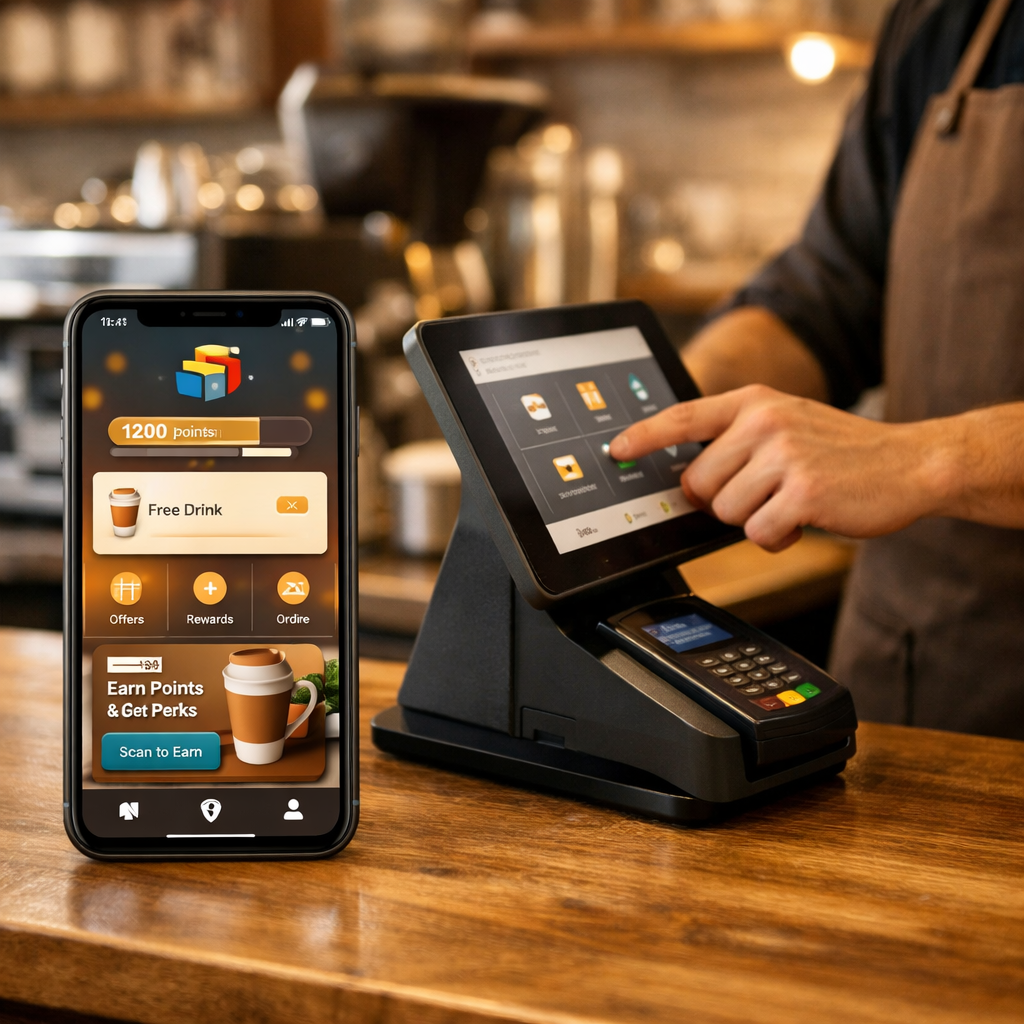
What it does well: TapMango packages a branded loyalty app, in-store kiosk flows, and basic POS integrations into a single product aimed at local retailers, restaurants, and service businesses. The product makes running punch-card campaigns, referrals, and time-limited promotions straightforward without heavy engineering work.
Tradeoffs that matter in practice
- Adoption overhead: Branded apps drive better engagement if members actually download and opt in for push. That requires in-store promotion, collateral, and sometimes a small incentive – not magic.
- Hardware and training: Kiosk setups reduce signup friction but add upfront hardware cost and staff training time. Budget for a painless staff script so redemption does not slow checkout.
- Data and analytics: TapMango gives usable activity reports but is not as deep as enterprise loyalty analytics from vendors focused on LTV modeling. If you need cohort-level retention analytics, plan on exporting data for analysis.
- Integration detail sensitivity: TapMango integrates with common POS systems like Clover and Square, but the exact fields that sync vary. Confirm whether the integration syncs customer IDs, itemized transactions, returns, and refunds.
Concrete example: A single-location cafe replaced its paper punch cards with TapMango kiosks and a branded app. They ran a 30-day new-member promo – 15 percent off first purchase for app downloads – and captured phone numbers via kiosk SMS opt-in. Result: conversion to app users hit 18 percent of transactions in month one and weekly visit frequency increased for that cohort. The business still had to run staff refresher training to keep redemption errors under 3 percent.
Common misunderstanding: Many operators assume a branded app will instantly lift retention. In practice, apps multiply retention only after you solve discoverability and messaging cadence. If you do not have an ongoing communication plan – SMS or push campaigns tied to lapsed behavior – the app will be an idle icon on customers phones.
Implementation reality: For a single site you can pilot TapMango in 2-6 weeks using kiosk plus basic app features. A full multi-location app rollout with custom branding, hardware procurement, and staff training often stretches to 6-12 weeks. Plan a phased rollout – kiosk and SMS capture first, then app-driven campaigns once you have 30-60 days of member activity.
Data portability and cost considerations: Confirm export and API access before signing. Expect a monthly subscription plus optional kiosk hardware fees and possible per-message SMS costs. If your priority is easy analytics and low budget, test short-term promotions on a web-based loyalty widget or SMS list before committing to app development.
Key takeaway: Choose TapMango when owning the branded experience and in-store ease of signup matter more than advanced analytics. If your goal is SMS-first churn prevention for membership businesses, compare this decision against a fitness-focused provider like Gleantap.
Quick pre-purchase checklist
- Confirm POS sync depth: Verify customer ID, transaction line items, and refund handling.
- Ask for a CSV export demo: Request a full export of members and activity to validate data portability.
- Test kiosk flow in person: Simulate peak checkout to measure time added per transaction.
- Clarify SMS and email billing: Determine if messaging credits are included or billed separately.
- Pilot metrics: Define a 30-day pilot with target metrics – app downloads, % of transactions by members, and change in visit frequency.
FiveStars
Direct claim: FiveStars is a practical, low-friction choice when your primary goal is to increase foot traffic at a single location or a handful of neighborhood stores without hiring an engineer.
What it does well: The product captures first-party customer data at checkout using phone numbers or cards, then layers simple rewards and automated email campaigns on top. The real operational advantage is the consumer-facing network – customers who use FiveStars can discover offers from other local businesses in their area, which boosts signups but also changes the brand ownership of the relationship.
Practical tradeoffs to accept up front
- Speed over customization: You can launch in 1-3 weeks for a single location, but complex earning rules, multi-tiered rewards, or advanced segmentation are not FiveStars strengths.
- Network help comes with loss of exclusivity: The consumer network increases discovery and signups, but customers may see your rewards alongside competitors rather than in a brand-owned app experience.
- Good for POS centric stores, weak for omnichannel brands: If you need deep ecommerce or booking system integration, expect limitations and to use data exports rather than native syncs.
Concrete example: A salon with one location used FiveStars to add phone number collection at checkout, then launched a birthday reward and a visit-based punch card. Within six weeks the salon saw a measurable bump in rebookings because staff reminded clients to enroll at payment and the automated birthday message drove appointment calls. Staff scripts and visible signage were the decisive operational moves, not fancy loyalty rules.
Operational note: Staff adoption is non negotiable. Train front-line employees with one-line scripts, put enrollment prompts on receipts, and test the redemption flow in one quiet shift before going live. FiveStars is built for human workflows – leverage that rather than forcing a digital-first campaign.
Data and analytics limits: Reporting is focused on visits and redemptions, not deep LTV modeling or multi-touch attribution. If you need loyalty analytics to feed a CRM or CDP, verify export and API capabilities and budget for manual data hygiene. For broader analytics context see vendors on G2 and Capterra.
Key takeaway: Choose FiveStars when you want a quick, staff friendly program to capture customers at checkout and run automated campaigns. Skip it when you need omnichannel, developer-driven loyalty, or enterprise grade segmentation.
When to combine with other tools: If SMS-first reactivation or membership retention flows are critical for your business, pair FiveStars enrollment with a specialized messaging platform. For fitness and membership operators that need automated churn workflows and two-way SMS.
Next consideration: Before you sign a contract, ask for sample export files, clarify any redemption or network fees, and run a one-location pilot focused on enrollment process and staff scripting. If that pilot does not move weekly visits within 30 days, pause and reassess platform fit.
Frequently Asked Questions
Most purchase decisions come down to three checks: integrations, messaging costs, and data access. This FAQ gives short, operator-focused answers you can act on during vendor trials rather than product marketing lines.
Quick answers operators need
- Which loyalty software is best for a small gym with 500 members: Gleantap is the practical choice when you want SMS-first reactivation flows and membership-focused retention metrics. TapMango is worth considering if owning a branded mobile app and in-store kiosk experience is a priority.
- How long to launch a basic program: For hosted ecommerce plugins expect 3 to 14 days for a minimal points program. For POS-connected or multi-location rollouts budget 4 to 12 weeks; enterprise omnichannel builds typically require 8 to 16 weeks.
- Can I run one program for online and in-store: Yes, but confirm real POS integration and reconciliation. Platforms that claim omnichannel often require custom work to match customer IDs between web and in-store receipts.
- Feature priorities on a tight budget: Start with points-for-purchase plus automated SMS or email for lapsed members. Delay tiers, prepaid subscriptions, and white-label apps until you see measurable repeat rate lift.
- Non negotiable integrations: Your ecommerce platform or POS, and a native or built-in messaging channel. If your payment system cannot pass customer identifiers to the loyalty tool, expect manual reconciliation work.
- How vendors charge for SMS: Expect either included credits or separate SMS bundles. Do not assume unlimited messaging even if the platform advertises automated campaigns.
- Privacy and data checks: Confirm GDPR and CCPA compliance, the ability to export full member records, and where data is hosted. If you need backups or an exit plan, require API or bulk export rights in the contract.
Practical tradeoff: Free tiers are great for measuring short-term lift but usually restrict data export, API access, or omnichannel redemption. If you plan to scale beyond a single store or want to run segmented campaigns, the upgrade is often unavoidable.
Concrete example: A 500-member gym implemented a points-for-attendance program and two SMS reactivation campaigns. In a 60 day test they recovered 18 percent of dormant members; the operator then added a referral bonus targeted by tenure. That phased approach required minimal staff time and relied on automated messaging to deliver measurable churn reduction.
If SMS is your primary channel, budget messaging separately and test payback on a 30 to 60 day campaign before expanding to tiers or app development.
Pre-purchase checklist for trials: Confirm native integration with your POS or ecommerce platform; verify SMS credit model and sample costs for your member base; request a demo showing data export and API access; insist on a realistic implementation timeline with responsibilities split between vendor and your team.
Run a short, structured trial. Use real customer records, send an initial welcome plus one reactivation message, and measure redemption and repeat visit lift over 30 days. Use the trial to validate integration fidelity, messaging deliverability, and whether reporting matches your CRM or accounting.
Next actions: During vendor demos verify three things live: redeeming a reward in your POS or checkout, sending an SMS to a test member and checking deliverability, and exporting a member list with full history. If any of those fail, mark the vendor as high risk for launch.


Ready to Run Successful Marketing Campaigns and Grow Your Business?
Gleantap helps you unify customer data, track behavior patterns, and automate personalized campaigns, so you can increase repeat purchases and grow your business.
Ready to Run Successful Marketing Campaigns and Grow Your Business?
Gleantap helps you unify customer data, track behavior patterns, and automate personalized campaigns, so you can increase repeat purchases and grow your business.