
Are CDPs the Future of Marketing Automation? Exploring Controversial Opinions

In the ever-evolving landscape of marketing technology, one debate continues to spark intrigue and controversy: Are Customer Data Platforms (CDPs) the key to the future of marketing automation? As fitness studios navigate the complexities of customer engagement strategies, understanding how these tools can bolster sales conversion and enhance retention becomes paramount. With a staggering 70.5% more leads generated by automated email campaigns compared to their non-automated counterparts, the importance of integrating sophisticated marketing software is crystal clear.

CDPs promise a seamless way to unify customer data, offering fitness marketers powerful insights for crafting personalized marketing experiences. This capability is crucial as 64% of consumers expect personalized interactions, transforming mundane emails into engaging communications that resonate with individual preferences and behaviors. Imagine sending workout recommendations based on past classes attended—now that’s fitness marketing in action!

However, with great power comes great responsibility—or so they say! While some argue that CDPs streamline processes and enhance CRM solutions, others raise concerns about data privacy and integration challenges. Could over-reliance on these platforms lead to complacency in creativity? The truth may lie somewhere in between.

The Balancing Act: Automation vs. Personal Touch

As fitness brands weigh their options, it’s essential to strike a balance between marketing automation and authentic engagement.

  • Automated Email Workflows: Simplifying communication while ensuring relevance can lead to higher engagement rates.
  • Email List Segmentation: Tailoring messages based on specific demographics can drastically improve open rates.
  • Behavioral Targeting: Using data analytics for targeted campaigns enhances customer experience and builds loyalty.

Furthermore, integrating CDPs into your existing platforms could enhance your sales pipeline management efforts. A well-implemented Customer Data Platform can not only facilitate cross-channel marketing techniques but also provide real-time analytics dashboards that help you refine to automate boring tasks without losing that personal touch.” – Anonymous Fitness Guru

Understanding Customer Data Platforms (CDPs)

Customer Data Platforms (CDPs) are revolutionizing the way businesses, including fitness studios, manage and utilize customer information. Think of CDPs as the digital command center for all your customer data; they collect, unify, and manage vast amounts of information from various sources into a single, comprehensive view. This is essential for effective fitness marketing, as it allows studios to understand their audience better and tailor their offerings accordingly.

At their core, CDPs offer a few key advantages:

  • Data Integration: Unlike traditional marketing automation tools that may silo data, CDPs integrate information from CRM solutions, email marketing platforms, and even social media channels. This holistic approach ensures that you are not just throwing spaghetti at the wall to see what sticks; you’re crafting precise messages based on actual customer behavior.
  • Real-time Insights: With capabilities for real-time analytics dashboards, studios can track customer interactions as they happen. This means you can pivot your strategy on-the-fly—tailoring promotions or classes to fit current trends or schedules.
  • Enhanced Personalization: By leveraging the unified data from a CDP, fitness brands can create hyper-targeted advertising campaigns that resonate with specific segments of their audience. Imagine sending personalized workout suggestions or exclusive offers only to clients interested in specific types of classes!

This level of personalization is crucial in today’s landscape where consumers increasingly expect tailored experiences. According to research by Epsilon, 80% of consumers are more likely to make a purchase when brands offer personalized experiences. In the competitive fitness industry, where member retention is paramount, failing to leverage personalized marketing could mean losing out on loyal clientele.

Navigating Potential Pitfalls

However, while the benefits are substantial, navigating through potential pitfalls is equally important:

  • Privacy Concerns: With data breaches becoming more commonplace, ensuring robust security measures in your CDP is essential to maintain customer trust. Being transparent about how you use their information can mitigate these concerns.
  • Pace of Change: The rapid evolution of marketing technology means that staying up-to-date with the latest features and best practices is a continual challenge. Investing time in understanding how to optimize your CDP’s capabilities will pay off in improved customer engagement.

The bottom line? By investing in a Customer Data Platform and integrating it effectively into your business model, fitness studios can harness the power of data-driven marketing strategies while also enhancing customer retention efforts. It’s not just about gathering data; it’s about using it wisely to build lasting relationships with members—transforming them from casual visitors into loyal advocates for your brand.

The Role of CDPs in Marketing Automation

In the realm of marketing automation, Customer Data Platforms (CDPs) are emerging as pivotal players, particularly for fitness studios eager to connect with their clients on a more personal level. By integrating disparate data sources into one cohesive platform, CDPs provide marketers with the tools needed to create highly tailored campaigns that resonate with individuals rather than treating them as mere numbers.

Consider this: With the right marketing software, you can automate communications without losing that personal touch. CDPs excel in this area by enabling:

  • Dynamic Content Creation: Crafting emails and messages that change based on customer behavior or preferences keeps your audience engaged. For instance, sending workout class reminders or promotional offers based on past attendance can make all the difference.
  • Advanced Segmentation: Gone are the days of sending generic emails to everyone on your list. A well-integrated CDP allows for nuanced segmentation, ensuring that your communications are relevant and timely, which can significantly enhance open rates and engagement—think 39% higher open rates from targeted emails!
  • A Unified View of Customer Journeys: By mapping out customer interactions across various channels—whether it’s social media, email, or in-person visits—CDPs help fitness studios visualize the entire journey. This enables marketers to refine their strategies based on actual user experiences, improving retention efforts.

The Power of Automation Meets Personalization

The synergy between automation and personalization cannot be overstated. In fact, research indicates that businesses utilizing personalized marketing strategies can see a boost in customer loyalty by up to 50%. With CDPs at the helm, fitness studios can harness real-time data analytics for precise targeting and improved customer retention.

“Personalization is not just a trend; it’s a necessity in today’s fast-paced market.” – Marketing Expert

Moreover, when integrated effectively into existing systems like CRM solutions, CDPs elevate marketing capabilities further. They allow studios to automate workflows seamlessly while ensuring messages align closely with each member’s unique profile and history.

This holistic approach not only enhances marketing efficiency but also empowers fitness brands to deliver exceptional customer experiences. As a result, studios are not just filling classes; they’re fostering loyal relationships that drive long-term success. And let’s face it—a happy member is more likely to recommend your studio to friends and family! Talk about effective word-of-mouth fitness advertising.

In conclusion, embracing CDPs within your marketing automation strategy could very well be the secret ingredient for navigating the competitive landscape of fitness marketing today. So buckle up and get ready to transform how you engage with customers—because in this digital age, personalization is key!

Controversial Opinions: Are CDPs Overrated?

Let’s face it, in the fast-paced world of marketing automation, where every tool is pitched as the next big thing, it’s easy to wonder: are CDPs really the holy grail of customer engagement, or are they just another shiny object to distract fitness studios from more pressing needs?

Many marketing experts argue that while CDPs promise a utopia of unified customer data and personalized marketing experiences, they might be overrated. This skepticism stems from several factors:

  • Implementation Challenges: Integrating a Customer Data Platform into an existing tech stack can be akin to fitting a square peg into a round hole. Not only can it be complicated and time-consuming, but it also requires a level of technical expertise that not all fitness studios possess. The inability to effectively implement these systems can lead to frustration and wasted resources—even the best CRM solutions won’t help if they aren’t set up correctly!
  • Over-Reliance on Data: There’s a danger that fitness marketers might become overly reliant on data-driven insights and lose touch with creativity. After all, no algorithm can fully capture the nuances of human interaction or inspire innovative fitness marketing campaigns. Sometimes, you just have to trust your gut—and no amount of analytics can replace that instinct.
  • The Cost Factor: For many smaller studios operating on tight budgets, investing in comprehensive CDPs might feel like buying a luxury sports car when what you really need is a reliable hatchback. A well-functioning email campaign can yield impressive ROI—like the fact that for every dollar spent on email marketing, an average return of $42 is generated—but adding layers of complexity with a CDP could divert funds from other effective strategies.

Additionally, there’s the issue of data privacy lingering in the background like that one annoying friend who insists on sharing their opinions at every gathering. With consumers becoming increasingly wary about how their information is used, any misstep in managing customer data could lead to significant backlash. In fact, 79% of consumers say they wouldn’t engage with brands if they felt their personal information was misused.

“Data is not the new oil; it’s more like air—necessary for survival but problematic when polluted.” – Modern Marketing Guru

So what’s the verdict? Are CDPs indeed overrated? While they offer robust capabilities for managing customer information and enhancing sales automation efforts, it’s essential for fitness studios to evaluate their unique needs before diving in headfirst. Sometimes sticking with tried and true methods—like optimizing existing email marketing campaigns or refining fitness advertising strategies—can yield equally impressive results without overcomplicating processes.

As we navigate this complex landscape of marketing technology, perhaps it’s best to embrace balance: leverage data when beneficial while still keeping creativity and genuine connection at the forefront. After all, at its core, marketing is about people—and no platform should overshadow that fundamental truth!

Real-Life Applications: Success Stories and Challenges

When it comes to the real-world application of Customer Data Platforms (CDPs) in marketing automation, success stories abound, but so do challenges. Let’s dive into a couple of case studies that illustrate how fitness studios have leveraged CDPs to enhance their customer engagement strategies, while also addressing some hurdles along the way.

Success Story: FitZone Gym

FitZone Gym implemented a CDP to unify its customer data from various sources like membership sign-ups, class attendance, and feedback forms. By doing so, they were able to create tailored marketing campaigns that specifically targeted individual preferences.

  • Email Marketing: They launched a series of automated email campaigns based on workout preferences and attendance history. Results? A 50% increase in open rates and a 35% boost in class sign-ups within three months.
  • Customer Retention: Utilizing insights from their CDP, FitZone launched a personalized loyalty program that rewarded members for attending classes regularly. This not only improved customer retention but also increased member referrals by 20%!

“Using our CDP wasn’t just about data; it transformed our relationship with our members. We’re not just a gym; we’re their fitness partner.” – Marketing Director at FitZone Gym

Challenges Faced: GymFlex Studio

On the flip side, GymFlex Studio encountered significant hurdles while trying to integrate their new CDP:

  • The Integration Dilemma: They faced substantial challenges during the setup phase, struggling with data migration from old systems and dealing with technical glitches that hindered initial adoption.
  • Cultural Resistance: Staff were hesitant to adapt to new processes and training was lacking. This led to underutilization of the CDP’s capabilities—an issue many fitness studios might face when introducing advanced technology.

The good news? After investing time in training sessions and fostering a culture centered around data-driven decision-making, GymFlex saw improvements over time. Their efforts eventually paid off as they recorded a 30% increase in member engagement through tailored marketing strategies.

The Lessons Learned

The contrasting experiences of FitZone Gym and GymFlex Studio highlight key takeaways for fitness marketers considering implementing CDPs:

  • Invest in Training: Comprehensive training programs can make or break the successful integration of any new platform. Ensure your team is equipped to leverage all features effectively.
  • Pace Yourself: Don’t rush the integration process. A phased approach allows for adjustments as you learn what works best for your studio’s unique needs.
  • Prioritize Data Privacy: As you gather more customer information, maintain transparency about how their data will be used—this builds trust and loyalty among your members.

As these real-life examples underscore, while leveraging CDPs can significantly enhance your marketing automation efforts within the fitness industry, it is imperative to address potential challenges head-on. With careful planning and execution, fitness studios can harness these powerful tools for better customer engagement and retention strategies—ultimately leading to happier members and improved bottom lines!

The Future Outlook: Will CDPs Dominate Marketing Automation?

As we gaze into the crystal ball of marketing automation, the question remains: will Customer Data Platforms (CDPs) reign supreme in the future? The answer is a tantalizing mix of “yes” and “maybe,” as we explore the evolving landscape of fitness marketing.

With the fitness industry growing at a rapid pace, it’s no surprise that studios are constantly seeking innovative ways to engage their customers. CDPs offer an alluring array of benefits, particularly in their ability to curate vast amounts of data into actionable insights. This makes them vital tools for enhancing customer retention, as they allow studios to tailor communications and promotional efforts with precision.

The Upsurge in Demand

According to recent statistics, by 2025, the global market for CDPs is projected to exceed $10 billion—a testament to their rising importance. Fitness studios leveraging these platforms can expect:

  • Enhanced Personalization: With more data comes the ability to personalize marketing efforts like never before. Imagine sending tailored workout recommendations or special offers based on user preferences—this can significantly improve engagement rates.
  • Streamlined Operations: CDPs streamline data management across various channels, helping studios save time and resources while ensuring consistent messaging across platforms.
  • Better ROI on Marketing Efforts: As mentioned earlier, email marketing yields a whopping $42 for every dollar spent—imagine just how much more impactful such campaigns can be when powered by precise customer insights from CDPs!

The Challenges Ahead

However, there are legitimate challenges ahead that could temper this rosy outlook:

  • Data Privacy Regulations: Stricter regulations surrounding data privacy may pose hurdles. With consumers becoming increasingly wary about how their data is used, fitness studios must ensure compliance while still harnessing valuable insights.
  • Cultural Adoption Issues: Overcoming resistance within teams to embrace new technology can be challenging. Training and a clear understanding of how to leverage CDPs effectively will be essential for success.

A Balanced Approach

The most effective strategy may not be choosing between CDPs and traditional methods but rather finding a harmonious blend. By combining automated systems with genuine human interaction, fitness brands can foster deeper connections with clients.

“It’s less about choosing sides and more about finding synergy; in marketing,

The future outlook for CDPs in marketing automation suggests they will play an integral role but should complement other established practices rather than completely replace them. As fitness studios continue to innovate and adapt amidst evolving consumer expectations, those who integrate CDPs wisely into their sales CRM strategies will likely set themselves apart from competitors.

In summary, while it’s unclear if CDPs will outright dominate marketing automation, their potential to revolutionize customer engagement strategies is undeniable. And as we know in the competitive realm of fitness marketing—those who embrace change while respecting tradition will pave the way toward success!

In conclusion, while Customer Data Platforms undeniably offer powerful opportunities for enhancing marketing automation strategies, their place in the future ecosystem remains debated. By examining both sides of this controversy, businesses can make informed decisions about integrating CDPs into their operations strategically.

Dive into the debate and discover whether Customer Data Platforms (CDPs) are truly the future of marketing automation—or just a passing trend. As personalization becomes the gold standard and automation drives ROI, CDPs offer a powerful way to bridge the gap. Learn how leading fitness studios are using them to boost retention, drive conversions, and craft meaningful member experiences. But also understand the challenges and limitations before making the leap. Whether you’re team CDP or still on the fence, this deep dive is your chance to explore both sides.

Maximizing Efficiency: The Role of Sales CRMs in Modern Business Workflows
In the fast-paced world of modern business, efficiency isn’t just a buzzword—it’s the lifeblood of staying competitive. As we look toward 2025, the integration of sales CRMs with AI-driven marketing strategies is becoming increasingly pivotal, particularly in niches like fitness marketing. With technological advancements like AI chatbots, businesses are not only streamlining interactions but also enhancing their customer engagement on an unprecedented scale.

The fitness industry is no stranger to innovation. Imagine a world where fitness industry chatbots are capable of handling inquiries at any hour, providing personalized experiences that keep clients coming back for more. Not only do they save time, but they also allow fitness studios to focus on what matters most: forging strong relationships with their members.

AI content assistant tools and advanced sales automation CRM systems offer a suite of features that can optimize workflows and enhance customer satisfaction. By leveraging these technologies, fitness studios can transform their traditional marketing efforts into automated campaigns that resonate with their audience.

  • Seamless Integration: The ability to integrate AI-powered marketing automation tools allows for smoother processes, increasing the efficiency of your marketing team.
  • Personalization: With predictive analytics at play, businesses can tailor their services based on individual customer data, making every interaction feel special.
  • Cost Efficiency: Automating mundane tasks frees up valuable resources that can be redirected towards strategic initiatives and creative endeavors.

The future of AI in sales isn’t just about technology—it’s about creating meaningful experiences that foster loyalty and trust among clients. So as you gear up for 2025, consider how adopting intelligent AI solutions could redefine your approach to customer engagement in the fitness sector. After all, who wouldn’t want a chatbot friend helping them out while they sweat it out at the gym?

The Evolution of Sales CRMs and Their Growing Importance

The journey of sales CRMs has been nothing short of transformative. From their humble beginnings as basic contact management tools, they’ve evolved into sophisticated systems capable of integrating with various technologies, including AI chatbots and AI content assistant tools. This evolution isn’t just a tech upgrade; it’s a fundamental shift in how businesses operate and interact with their customers.

In the early days, CRMs were seen primarily as databases to store information about leads and customers. Fast forward to today, and they are at the heart of every effective business workflow. These sales automation CRM systems now enable fitness studios to manage customer relationships more efficiently than ever. With features like automated follow-ups and real-time analytics, studios can enhance their engagement strategies significantly.

The Increasing Importance of Sales CRMs

  • Streamlined Processes: Modern CRMs allow for seamless communication across various channels. Imagine being able to track a client’s journey from their first inquiry to becoming a loyal member—all in one platform!
  • Enhanced Customer Insights: Today’s CRMs utilize predictive analytics to offer insights that were previously unimaginable. By understanding customer behavior, fitness studios can tailor their offerings to meet the unique needs of each client.
  • Increased Efficiency: With the advent of marketing automation tools integrated into CRM systems, businesses can automate repetitive tasks. This means your team spends less time on administrative work and more time building relationships—like a virtual fitness buddy cheering you on from the sidelines!

The rise of AI-driven technologies has added another layer of importance to sales CRMs. By 2025, we can expect even greater integration between these systems and cutting-edge solutions like AI-powered marketing automation. Imagine running campaigns that automatically adjust based on engagement metrics or using advanced fitness marketing trends 2025 insights to capture new audiences effortlessly.

“The future is not about having a variety of tools; it’s about having the right tools that work together harmoniously.” – Unknown

The push towards socially responsible business practices also means that companies need to foster genuine relationships with clients. A robust CRM system not only helps you keep track of leads but also enables you to nurture these connections through personalized communication strategies—an invaluable asset in today’s crowded fitness marketplace.

The evolution of sales CRMs is not just an upgrade; it’s a revolution in how we think about customer engagement. As we embrace this new wave of technology, businesses must adapt or risk being left behind in a world increasingly dominated by intelligent solutions aimed at enhancing user experiences.

Integrating AI Chatbots into Sales CRM Systems

Integrating AI chatbots into your sales CRM systems can be a game-changer for businesses, especially in the dynamic fitness industry. Let’s dive into how these digital assistants can streamline your operations, engage clients, and enhance overall workflow efficiency.

The Power of AI Chatbots in Fitness Marketing

Imagine having a 24/7 assistant that never sleeps, eats, or takes a coffee break. That’s your AI chatbot! With its ability to handle routine inquiries and customer interactions, it frees up your team to focus on more strategic initiatives. Here are some key advantages:

  • Instant Response: Chatbots provide immediate answers to common questions about classes, schedules, or memberships. This immediacy can significantly improve the client experience and increase conversion rates.
  • Data Collection: Every interaction with a chatbot generates valuable data that feeds directly into your CRM. This information helps you analyze customer behaviors and preferences, paving the way for personalized marketing strategies.
  • Seamless Integration: With the right setup, AI chatbots work alongside other systems within your CRM. They can log interactions automatically, ensuring that no lead or customer inquiry slips through the cracks.

Enhancing Customer Interaction through Automation

The integration of AI chatbots allows for automated follow-ups that keep clients engaged long after their initial interaction. Picture this: a potential member chats with your bot late at night asking about membership options. The next morning, they wake up to an email—personalized and relevant—prompting them to take the next step in signing up!

The Future of AI-Driven Sales Processes

As we approach 2025, expect even greater synergy between AI-powered marketing automation, CRMs, and chatbots. Advanced algorithms will enable these tools to learn from past interactions and refine their responses over time:

  • Predictive Analytics: Leveraging predictive analytics within your CRM enables chatbots to anticipate customer needs based on previous behavior—like suggesting classes based on what they’ve attended before.
  • Crisis Management: In the rare event of an issue (let’s face it; technology isn’t perfect!), chatbots can triage complaints before escalating them to human representatives.
  • User-Friendly Interfaces: The latest chatbot innovations promise more natural interactions through advanced natural language processing (NLP), making conversations feel less robotic and more engaging.

“A chatbot is like having a superpower; it works around the clock so you don’t have to!” – Unknown

The integration of AI chatbots into sales CRM systems represents not just an upgrade but a complete overhaul of how fitness studios manage client relationships. By combining advanced automation with personalized service delivery, studios will not only enhance efficiency but also foster stronger connections with their members. So why not let technology do some heavy lifting while you enjoy building those meaningful relationships?

The Impact of AI Content Assistants on Content Creation

As we stride confidently toward 2025, the role of AI content assistants in content creation is evolving from a novelty to a necessity. For businesses in the fitness industry, particularly those leveraging CRM for fitness marketing, these tools are revolutionizing how we craft, manage, and distribute content. Imagine having an assistant who works 24/7—never complains about deadlines, and can whip up a blog post or social media update faster than you can say “squat rack.” Now that’s what we call an upgrade!

The Benefits of AI Content Assistants

Integrating AI into your content creation process isn’t just about speed; it’s about enhancing quality and relevancy. Here are some key advantages:

  • Consistent Output: AI tools ensure that your brand voice remains consistent across multiple platforms. Whether it’s blogs, newsletters, or social media posts, these assistants help maintain your tone—think of them as your brand’s personal hype squad!
  • Data-Driven Insights: By analyzing trends and audience preferences, AI content assistants can generate topics that resonate with your target market. This means less guesswork for you and more relevant content that engages potential clients.
  • Time Efficiency: With the ability to draft ideas or even full pieces based on prompts, these tools save precious time. You get to focus on strategy while they handle the nitty-gritty of writing.

A New Era of Personalized Content Creation

The future of content creation lies in personalization, and this is where AI truly shines. By utilizing AI-powered marketing automation, businesses can create tailored messages based on user behavior and preferences. For instance:

  • User Segmentation: Your AI assistant can analyze data from your CRM to identify which segments of your audience respond best to specific types of content. This means sending workout tips to clients interested in high-intensity training while sharing nutrition advice with those focused on wellness.
  • A/B Testing: These tools allow you to test different headlines or formats quickly to see what captures attention best—kind of like seeing which flavor of smoothie is a crowd favorite!
  • Instant Feedback Loop: Using analytics from previous campaigns, AI tools adjust strategies in real-time, ensuring that your marketing efforts are always on point.

Navigating the Challenges

No tool is without its challenges. While AI content assistants provide significant benefits, it’s essential to ensure human oversight remains paramount. Consider this: while they’re adept at creating engaging headlines or catchy phrases, they might miss nuances or cultural references that come naturally to human writers.

“AI may be fantastic at crunching numbers and generating text but let’s face it: it still doesn’t know what makes a good pun.” – Unknown

This highlights the importance of collaboration between humans and AI—using tech to enhance creativity rather than replace it entirely. As technology continues advancing with trends like advanced AI chatbots trends, being strategic in human-AI partnerships will set businesses apart in the crowded fitness market.

The integration of intelligent AI-driven marketing strategies, especially through powerful tools like CRM systems, will redefine how fitness studios engage their audiences. So as we gear up for 2025 and beyond, embrace these changes—it might just be the boost you need to elevate your marketing game!

Harnessing AI Marketing Automation within CRM Systems

In today’s fast-paced digital landscape, harnessing AI marketing automation within CRM systems has become essential for businesses aiming to thrive. For fitness studios looking to optimize their marketing strategies, this integration is not just a trend—it’s a competitive necessity.

Picture this: you’re managing a busy fitness studio with hundreds of members, each with unique needs and preferences. How can you possibly keep track of everyone while delivering personalized experiences? Enter AI marketing automation! By seamlessly integrating these tools within your CRM, you can create tailored marketing campaigns that engage clients efficiently.

The Benefits of AI Marketing Automation in CRM Systems

  • Streamlined Workflow: Integrating AI-powered marketing automation helps automate repetitive tasks such as email follow-ups, social media posts, and client reminders. This not only saves time but also ensures that no member’s engagement slips through the cracks.
  • Data Utilization: With access to real-time data analytics, your CRM can leverage insights on customer behavior and preferences. This allows for targeted outreach that resonates with your audience—no more one-size-fits-all messages!
  • Enhanced Customer Journey: Automated workflows ensure that every touchpoint—whether it’s an introductory email or a birthday wish—feels intentional and personalized. Happy members are loyal members!

A Case in Point: Fitness Marketing Trends 2025

The fitness industry is rapidly evolving. By 2025, we expect to see even greater reliance on smart tools that utilize predictive analytics for client engagement. Imagine sending automated emails that suggest classes based on past participation or offering exclusive promotions when members are most likely to engage. That’s the power of AI-driven solutions!

Tackling Challenges Head-On

No system is without its challenges. The key to maximizing efficiency lies in ensuring that AI complements human insight rather than replacing it. As studios embrace d digital marketing automation techniques, maintaining a personal touch remains crucial. Clients still crave authenticity; your automated messages should reflect your brand’s personality.

“Technology may enhance our ability to connect, but let’s not forget the human element—it’s what makes those connections meaningful.” – Unknown

Ultimately, leveraging AI marketing automation within your CRM system can revolutionize how fitness studios interact with their clients. As we move closer to 2025, don’t underestimate the potential of these tools to transform your business workflows into finely tuned engines of member engagement and satisfaction.

If you’re aiming for success in the competitive fitness landscape, now is the time to dive into innovative solutions like these—because who wouldn’t want an extra hour in their day? Your members will appreciate it as much as you do!

Fitness Marketing: A Case Study in CRM Integration

Let’s take a closer look at a fitness studio that successfully integrated a sales CRM into its operations, transforming its marketing game and improving client satisfaction. Welcome to the world of FitLife Studio, where technology meets sweat!

Background

FitLife Studio, located in the bustling heart of downtown, was struggling to manage its growing clientele effectively. With numerous classes, personal training sessions, and membership inquiries flooding in daily, the staff found themselves overwhelmed and unable to provide the level of personalized service that their clients deserved.

The Challenge

Before adopting a CRM for fitness marketing, FitLife relied on spreadsheets and manual email campaigns. This approach led to:

  • Poor Client Engagement: Members felt neglected as follow-ups were inconsistent and often forgotten.
  • Inefficient Marketing Efforts: Group emails sent without segmenting the audience meant messages weren’t relevant to everyone.
  • Lack of Insights: Data was scattered across multiple platforms, making it difficult to gauge client preferences or track engagement metrics.

The Solution: Integrating CRM with AI Marketing Automation

In 2024, FitLife Studio made the leap into the future by integrating a robust sales CRM system. They opted for one equipped with AI-powered marketing automation, which allowed them to streamline their processes significantly. Here’s how they did it:

1. Automated Client Communication

The studio introduced an AI chatbot that handled basic inquiries about class schedules and membership options around the clock. This freed up staff time for more meaningful engagements—like offering personalized training plans or hosting community events!

2. Segmented Email Campaigns

No longer did FitLife send blanket emails. Their new CRM allowed them to segment their clients based on interests (yoga, high-intensity training) and activity levels (new sign-ups vs. long-term members). This personalized approach saw open rates triple compared to previous campaigns—talk about hitting the sweet spot!

3. Data-Driven Decisions

The integration provided real-time analytics that helped staff understand which classes were most popular and when members were most likely to engage with emails. This knowledge enabled them to tailor offerings that resonated with their audience’s needs—turning casual attendees into loyal members.

The Results: A Fitness Success Story

The impact was nothing short of remarkable:

  • Increased Membership Retention: Personalized engagements helped improve retention rates by 25% in just one year.
  • A Boost in Class Attendance: Automated reminders ensured clients didn’t forget about their favorite classes—who can say no to a scheduled Zumba session?
  • A Thriving Community: By understanding member preferences through their CRM insights, FitLife hosted events like “Member Appreciation Week,” fostering loyalty and community spirit.

“Integrating our CRM was like unlocking a new level in our business game—it turned potential challenges into exciting opportunities!” – Jamie, Owner of FitLife Studio

This case study illustrates how effective integration of a sales CRM can not only enhance operational efficiency but also enrich client relationships within the fitness industry. As we move toward 2025, embracing such innovative solutions is essential for studios aiming to stay competitive in an ever-evolving landscape.

If you’re inspired by FitLife’s journey, consider exploring how a well-implemented CRM can streamline your operations. Remember: technology should work for you so you can focus on what you do best—helping your clients achieve their fitness goals!

Preparing Your Business Workflow for the Future

As we look ahead to 2025, the importance of preparing your business workflow to embrace the advancements in AI marketing automation, particularly in fitness marketing, cannot be overstated. Gone are the days when businesses operated on outdated systems that lag behind technological trends. Today, it’s all about agility and adaptability.

Understanding Workflow Automation

At its core, workflow automation involves streamlining processes so that they require minimal human intervention. This is especially critical in an industry like fitness, where client satisfaction is paramount. Let’s explore some key strategies for optimizing your workflow:

  • Embrace CRM Integration: Integrating a robust sales CRM into your business ecosystem allows for seamless data management and customer relationship handling. Imagine all your client interactions—emails, bookings, and feedback—collated in one place! It’s akin to having a personal assistant who never misses a beat.
  • Utilize AI Chatbots: The rise of fitness industry chatbots means that customer inquiries can be handled instantly, day or night. By automating responses for common questions (like class schedules or membership perks), you can free up staff to focus on more strategic tasks—like planning the next big fitness event!
  • Automated Follow-ups: Nothing says “we care” like an automated follow-up after a member’s first visit or an inquiry about services. Using AI-driven systems ensures that these touchpoints are personalized based on previous interactions, giving clients a sense of connection right from the start.

The Power of Predictive Analytics

The future is not just about efficiency; it’s also about being smart with data. Leveraging predictive analytics within your CRM can help anticipate customer needs and tailor experiences accordingly:

  • User Behavior Tracking: By understanding how clients interact with your offerings, you can design targeted promotions or suggest classes they’re likely to enjoy based on past attendance.
  • A/B Testing Campaigns: Use insights from prior campaigns to tweak messaging and visuals until you hit the sweet spot that resonates with your audience.
  • Evolving Marketing Strategies: As new trends emerge (hello, fitness marketing trends 2025) adapting quickly will set you apart from competitors who lag behind.

“The best way to predict the future is to create it.” – Peter Drucker

The ability to pivot and adjust strategies based on real-time data will be crucial as we advance into an era dominated by AI solutions. Think of it as having a crystal ball that tells you what your customers want before they even know it themselves!

The Personal Touch Matters

No matter how much automation we implement, remember: people appreciate the human touch! Clients want engagement that feels personal—don’t let automation remove your brand’s personality. Use AI technologies as tools for better interaction rather than substitutes for genuine connections.

If you’re ready to elevate your business workflow for 2025 and beyond, start by integrating these smart solutions now! Your future self—and your members—will thank you for it!

In conclusion, embracing the full potential of Sales CRMs is essential for optimizing business workflows in an increasingly digital world. As technology continues to advance, integrating AI-driven tools within your CRM system will not only enhance operational efficiency but also prepare your business for future challenges and opportunities.

To stay ahead in 2025, businesses must leverage the power of Sales CRMs integrated with AI-driven tools. Whether it’s AI chatbots for seamless customer interactions, AI content assistants for enhanced marketing, or AI marketing automation for precision targeting, the right CRM strategy can transform your business workflow. Don’t let inefficiencies slow you down—adopt a modern Sales CRM to streamline operations, boost engagement, and maximize ROI. Ready to future-proof your sales process? Start integrating AI-powered CRM solutions today and unlock new levels of efficiency. Explore how these advancements can elevate your business—schedule a consultation or request a demo now!

Creating Effective Customer Profiles: Beyond Demographics

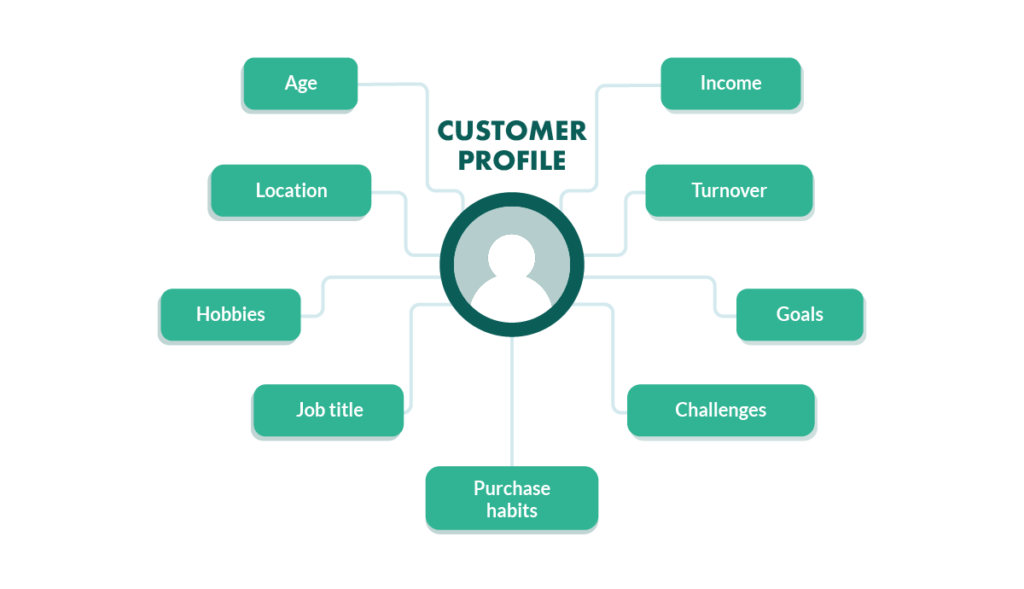
In today’s fast-paced digital landscape, understanding your customers goes far beyond simply knowing their age or location. While demographics are undeniably important, they barely scratch the surface of what makes your audience tick. A robust customer data platform is essential for creating effective customer profiles that delve deeper into the psychographics, preferences, and behaviors of your clients. By integrating rich customer insights with advanced marketing automation, you can create tailored experiences that resonate on a personal level.

Imagine this: a fitness studio uses data-driven marketing to segment its members based not just on their age and gender but on their workout habits, class attendance, and even feedback from AI-powered chatbots. This allows them to craft personalized marketing strategies that speak directly to each individual’s fitness journey. It’s not just about sending out automated email campaigns; it’s about nurturing leads through custom-tailored content that connects and engages.

The Benefits of Going Beyond Demographics

  • Enhanced Customer Experience: By employing customer segmentation tools, studios can map out unique customer journeys, offering real-time insights into preferences and needs.
  • Increased Engagement: Dynamic content personalization allows for communications that feel relevant and timely, boosting email engagement metrics significantly.
  • Improved Retention Rates: Knowing what makes each member tick leads to expert-level lead nurturing strategies—turning one-time visitors into loyal community members.

If you’re wondering how to start building these comprehensive customer profiles without drowning in data chaos, consider leveraging CRM software solutions designed specifically for the fitness industry. These tools streamline customer relationship management, making it easier than ever to maintain email list hygiene practices while ensuring compliance with data privacy regulations.

“It’s not just about collecting data; it’s about making sense of it and using it wisely!”

This is where AI enters the picture—think chatbots providing instant answers while delivering personalized recommendations based on past purchases or activity levels. With machine learning in CRM systems evolving rapidly, businesses can now predict customer behavior with stunning accuracy. This means tailored offers at just the right moment—creating a win-win situation for both gym owners and their members.

By moving beyond basic demographics and harnessing real-time customer insights through innovative marketing techniques, fitness studios can revolutionize their engagement strategies. Do you want to stand out from the competition? Embrace a holistic approach to understanding your clients—the rewards will be more than worth it!

The Limitations of Traditional Demographics

While traditional demographics—age, gender, income—may provide a snapshot of your audience, relying solely on this data is like trying to build a house with only half the tools in your toolbox. Yes, these basic categories can help you identify who your customers are, but they tell you little about why they choose your fitness studio over another. In a world flooded with information and options, such surface-level insights can lead to missed opportunities.

  • Oversimplification: Demographics often strip away the nuances that define individual 30-year-old women living in the same neighborhood could have vastly different fitness goals and preferences. One may be training for a marathon while the other focuses on weight loss. Over-relying on demographics ignores these critical differences.
  • Lack of Emotional Insight: Customers are driven by emotions more than mere statistics. Understanding their motivations and pain points requires digging deeper into psychographics—values, interests, and lifestyle choices that inform their decisions.
  • Ineffective Targeting: If you’re segmenting based purely on age or location, you risk sending out generic marketing messages that fail to resonate. This can lead to low engagement rates and even damage your email reputation. Personalized marketing strategies rely on richer datasets that consider behavioral patterns and preferences instead.

This is where many businesses hit a wall. Traditional customer profiles can lead to what some might call ‘data bias,’ where important characteristics get overlooked simply because they don’t fit into neat demographic boxes. For instance, is it worth ignoring a highly engaged member just because they fall outside your typical age range? Absolutely not!

“Demographic data might get you in the door; it’s the rich insights that keep you there.”

Moreover, with advancements in technology like AI chat systems, there’s no need to stay confined within these traditional boundaries. These tools enable studios to more comprehensively picture their audience’s needs and preferences. By embracing advanced customer segmentation tools, fitness studios can tailor their marketing efforts far beyond demographics alone.

In conclusion, while demographic data provides useful context, it should serve as just one piece of a larger puzzle designed for effective customer engagement management. To maximize retention and drive membership growth effectively, consider transitioning towards dynamic content personalization strategies that focus on actual behaviors and preferences rather than static categories.

The Role of Customer Data Platforms

Customer data platform (CDP) serves as the backbone for crafting rich and insightful customer profiles. Imagine it as a digital playground where all your customer data comes together—demographics, interactions, behaviors, and preferences—allowing you to truly understand who your clients are and what they want.

Gone are the days of the month but haven’t returned recently!

The result? Improved engagement rates and retention numbers that would make any gym owner proud! By harnessing the capabilities of a customer data platform effectively, fitness studios can revolutionize their approach to customer engagement and create experiences that are as unique as their members themselves.

Utilizing Behavioral Targeting in Marketing Campaigns

Behavior like having a personal trainer for your marketing campaigns—it ensures that you engage your customers in ways that motivate them to limit your message’s effectiveness, behavioral targeting taps into what customers actually do. This means analyzing their interactions with your fitness studio, from class attendance patterns to engagement with promotions can create messages that resonate deeply. For instance, sending them a motivational email every Sunday evening might just boost their attendance.

Improved Customer Loyalty: A great customer experience doesn’t end after they sign up; it’s about continuously nurturing those relationships. By utilizing personalized marketing strategies, based on actual behavior rather than guesswork, you’ll likely see an increase in retention rates as members feel more valued and understood.

How to Implement Behavioral Targeting

So you’re sold on the concept—now what? Here are some actionable steps to incorporate behavioral targeting into your campaigns:

  1. Gather Data: Use your customer data platform to aggregate various interaction points—website visits, class sign-ups, feedback from AI chatbots—and analyze them for patterns.
  2. Create Segments: With insights gathered, segment your audience based on specific behaviors. For example, separate members into groups such as “frequent attendees,” “seasonal visitors,” or “inactive members.”
  3. Craft Targeted Content: Develop messaging tailored for each segment. Use dynamic content personalization to ensure that emails and communications reflect their unique journey and preferences.
  4. A/B Testing: Experiment with different messages and timings to see what resonates best for each segment. Analyzing the results will provide valuable insights for future campaigns.

“If demographic data is the map of where you’ve been, behavioral data is the GPS guiding you where to go next!”

The bottom line? By implementing behavioral targeting in your marketing efforts, not only will you connect with clients on a deeper level but you’ll also drive measurable results—whether that’s increased class attendance or higher engagement rates with automated campaigns. In an industry overflowing with competition, understanding customer behavior helps you stand out and keep those gym doors swinging!

Integrating AI Chatbots and Content Assistants

In the quest to create effective customer profiles, integrating AI chatbots and content assistants is like adding turbo boosters to your fitness marketing strategies. Imagine having a virtual assistant that not only engages members in real-time but also collects invaluable data about their preferences and behaviors. It’s not just tech; it’s a game-changer for understanding your audience better than ever.

The Power of AI Chatbots

AI chatbots act as your 24/7 customer service agents—ready to answer questions, schedule classes, or provide recommendations at any hour. More importantly, they gather critical insights into customer behavior that can enhance your customer data platform. Here’s how:

  • Real-Time Interaction: Unlike traditional methods, AI chatbots can engage customers immediately. The moment someone visits your website or social media page, they can ask questions like, “What classes do you recommend for beginners?” This interaction not only satisfies their query but also helps you understand their interests.
  • Data Collection: Every conversation with a chatbot is an opportunity to gather data. By analyzing chat logs, you can unearth patterns—like which classes are frequently inquired about—and use this information to refine your offerings.

Email Marketing: Beyond the Basics

Email marketing is often viewed as a straightforward channel, but it has the potential to be so much more than just sending out newsletters. To truly engage your members, you need to think beyond the basics and leverage your customer data platform for maximum impact. It’s time to put on your creative hat and explore how you can elevate your email marketing strategy!

Crafting Compelling Content

The first step in effective email marketing is crafting content that resonates with your audience. Instead of generic messages, focus on personalized marketing strategies that speak directly to individual preferences:

  • Segmentation Is Key: Use customer segmentation tools to divide your list based on behaviors—such as class attendance or feedback received via AI chatbots. This allows you to tailor emails specifically to each group.
  • Dynamically Personalize: Implement dynamic content personalization to ensure that every member receives an email that feels uniquely theirs. If someone is a yoga enthusiast, don’t send them updates about weightlifting classes—send them yoga-related content instead!

Timing Is Everything

The timing of your emails can significantly influence engagement rates. With insights gathered from behavioral targeting, you can strategically schedule automated email campaigns:

  • A/B Testing for Optimization: Experiment with different sending times to determine when your audience is most likely to engage.

The Importance of Data Privacy Compliance in Marketing

In an era where data is considered the new oil, the significance of data privacy compliance in marketing cannot be overstated. As fitness studios increasingly leverage sophisticated customer data platforms to gather insights about their members, ensuring that this data is handled ethically and securely is crucial. Not only does compliance safeguard your members’ information, but it also fosters trust—an invaluable currency in the world of customer engagement.

Consider this: You’ve just received a notification that your local gym has been hacked, exposing sensitive information about its members. How likely are you to continue your membership or recommend it to friends? Such breaches underscore the reality of today’s digital landscape—where a single misstep in handling customer data can lead not only to financial repercussions but also to reputational damage.

The Consequences of Non-Compliance

  • Legal Repercussions: Failing to comply with regulations such as GDPR or CCPA can result in hefty fines. According to a report by the International Association of Privacy Professionals (IAPP), GDPR violations can lead to penalties of up to €20 million or 4% of annual global turnover—whichever is higher!
  • Loss of Customer Trust: In today’s highly interconnected world, customers are more aware of their rights concerning their data. If your studio fails to protect their information adequately, you’re not just risking legal action; you’re jeopardizing the trust you’ve worked hard to build.
  • Poor Email Reputation: Non-compliance often leads to bad email practices, resulting in lower deliverability rates and higher chances of landing in spam folders. You wouldn’t want all those automated email campaigns going unnoticed!

Best Practices for Data Privacy Compliance

The good news? Implementing robust data privacy practices doesn’t have to be overwhelming. Here are some actionable strategies that fitness studios can adopt:

  1. Educate Your Team: Ensure everyone on your staff understands the importance of data privacy and the specific regulations relevant to your operations. Regular training sessions can help keep knowledge fresh and top-of-mind.
  2. Conduct Regular Audits: Periodically review your data collection processes and storage practices. Make sure you’re only collecting what you need and that it’s stored securely.
  3. Create Transparent Policies: Develop clear privacy policies that inform customers about how their data will be used, stored, and shared. Transparency builds trust and encourages members to engage without fear.
  4. Utilize Secure Technology: Invest in CRM software solutions designed with compliance features built-in. This ensures that customer interactions are recorded securely while making it easier for you to manage consent effectively.

“Data privacy isn’t just a checkbox; it’s an integral part of building lasting relationships with your clients!”

Email marketing efforts should also prioritize compliance by ensuring that customers can easily opt-out or modify their preferences at any time. Honoring these choices will go a long way toward maintaining positive email engagement metrics without tarnishing your studio’s reputation.

In conclusion, while leveraging advanced marketing strategies like AI-driven sales techniques or behavioral targeting is vital for enhancing customer engagement, they should never come at the cost of privacy or security. By adhering to data privacy compliance in marketing efforts, fitness studios not only protect themselves from legal troubles but also create an environment where customers feel valued and secure—ultimately leading to loyalty and growth.

By moving beyond basic demographics towards sophisticated customer profiles empowered by the latest technology like predictive analytics and AI-driven tools, fitness studios can better understand their clients’ needs and preferences. This approach not only enhances personalized engagements but also fosters long-term loyalty by ensuring every interaction is meaningful and relevant.

Ready to take your customer engagement to the next level? It’s time to go beyond basic demographics and build truly insightful customer profiles. By harnessing advanced customer data platforms and behavioral targeting, you can tailor your marketing efforts and connect with your audience in a way that resonates. Whether you’re using AI-powered chatbots to gather insights or crafting dynamic email campaigns, personalized content is the key to improving customer retention and engagement. Don’t just collect data—use it wisely to transform your fitness studio’s marketing strategy. Embrace smarter segmentation and elevate your customer relationships today!

Is Your Sales CRM Holding You Back? Signs It Might Be Time for an Upgrade

In the fast-paced world of fitness marketing, having the right sales CRM can make or break your business. While many fitness studios rely on their current systems, there are subtle signs that suggest it might be time to reconsider your choices. Can your CRM handle marketing automation? Is it equipped with modern features such as AI chatbots or an AI content assistant? If you find yourself answering “no” more often than you’d like, you could be holding your business back from its full potential.

Consider this: Companies leveraging effective customer relationship management strategies are experiencing growth rates a whopping 29% higher than their less organized counterparts. With the right tools in place, you can streamline your processes and enhance customer engagement—leading to greater client retention and satisfaction.

Is Your CRM Stunting Your Growth?

If you’re noticing declining engagement rates with your email marketing, it might be a sign that your current system is not up to par. Poor email deliverability, for instance, can seriously impact communication with clients. In fact, delivering emails effectively can see a boost of up to 20% simply by maintaining a good sender reputation. If email campaigns feel like they’re going into a black hole, it’s time to reflect on whether your CRM is equipped with the necessary features.

  • Lack of Integration: Are you struggling to connect your CRM with other vital systems? Integration not only saves time but ensures seamless data flow across platforms.
  • Poor Automation Capabilities: Marketing technology has evolved significantly; if your CRM lacks automation tools, you’re missing out on potential leads and sales.
  • No AI Features: AI-driven chatbots and virtual assistant software are becoming standard in enhancing customer service. If yours doesn’t have these capabilities, clients could be left hanging.

The fitness landscape is also shifting towards mobile; approximately 70% of fitness consumers use smartphones for accessing information related to their wellness journey. An outdated CRM may not cater to this trend, potentially alienating tech-savvy clientele who expect streamlined communication and services.

The Bottom Line

If you’ve noticed any of these signs in your studio’s operations, it might just be time for an upgrade. Embrace comprehensive solutions like Gleantap that combine effective sales automation tools, robust email campaign strategies, and innovative AI content generation functionalities. Investing in the right technology today means positioning yourself for growth tomorrow!

“In fitness marketing, staying ahead means evolving with technology!”

Understanding the Role of a Modern Sales CRM

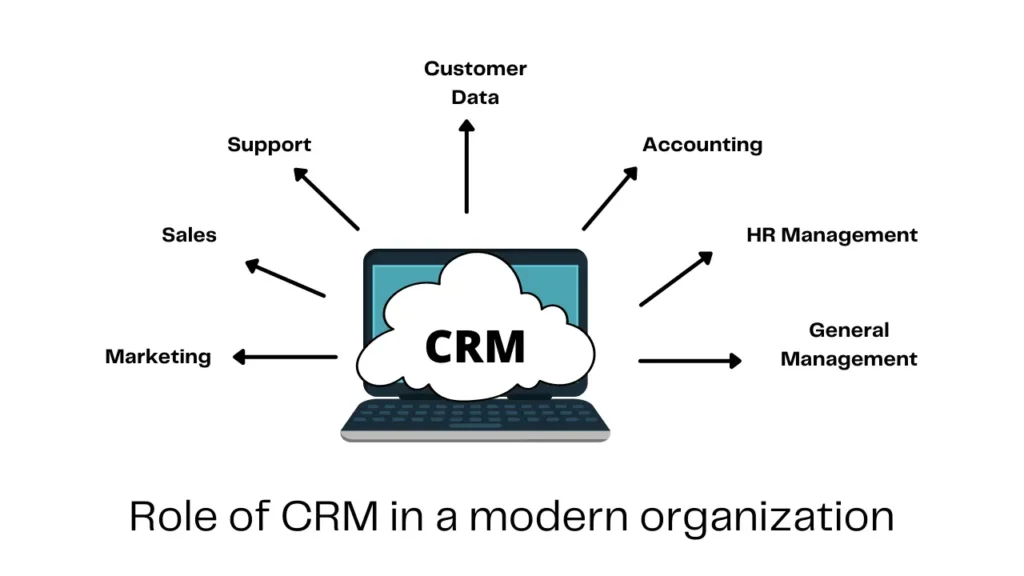
A modern sales CRM is more than just a digital Rolodex; it’s the backbone of your fitness studio’s operations. In today’s competitive landscape, where consumer expectations are higher than ever, a robust CRM system manages customer relationships while also driving sales through effective marketing automation.

At the core of any successful CRM lies its ability to integrate seamlessly with various tools and platforms. Whether it’s syncing with your email marketing software for streamlined communications or connecting with social media channels for outreach, integration is key. A well-integrated CRM can help you achieve a cohesive strategy that touches every aspect of your client interactions.

The Multifaceted Benefits of Modern CRMs

  • Enhanced Customer Insights: With advanced analytics features, modern CRMs provide invaluable insights into customer behavior and preferences. This means you can tailor your marketing strategies to meet their specific needs—a crucial advantage in the highly personalized world of fitness.
  • Email Campaign Management: Imagine being able to send targeted emails that resonate with each segment of your audience! With features like automated follow-ups and segmented lists, your email campaigns can achieve higher engagement rates, keeping clients informed and motivated.
  • AI Chatbots: The inclusion of AI-driven chatbots allows for 24/7 interaction with clients. These conversational AI bots can answer queries instantly, schedule appointments, or even guide prospects through their decision-making process—making sure no lead slips through the cracks!

In fact, based on recent research, over 90% of adults in the US regularly check their email. If your CRM isn’t enhancing your email strategies—like optimizing subject lines or monitoring engagement—you could miss out on valuable opportunities.

The Evolving Role of Email Marketing

Email marketing remains one of the most effective channels for customer engagement in fitness businesses. Studies show that 73% of marketers believe email marketing offers superior ROI compared to other platforms. A modern CRM enables you to implement effective techniques such as A/B testing and personalized messaging taps into this potential profoundly.

If you’re still relying on outdated systems that limit your capabilities in managing contacts or executing campaigns effectively, you might be stunting growth rather than facilitating it. Upgrading to a comprehensive CRM solution not only enhances operational efficiency but also enables you to maintain a strong brand reputation in all email marketing campaigns.

“A great CRM is like having a personal assistant that never sleeps—always ready to assist when you need it most!”

Your fitness business deserves a CRM that understands its unique challenges and supports its growth journey through cutting-edge technology.

Signs Your Sales CRM is Outdated

In the fast-evolving world of fitness marketing, an outdated sales CRM can feel like trying to run a marathon in flip-flops—uncomfortable and definitely not optimal for performance. So, how do you identify if your CRM is lagging behind the times? Here are some telling signs:

  • Inflexibility in Customization: If you find yourself wrestling with a rigid system that doesn’t allow for customization, it’s a major red flag. Your CRM should adapt to your unique business model, not the other way around. The fitness industry is diverse, and your CRM should reflect that by supporting varied fitness business growth strategies.
  • Lack of Mobile Accessibility: With 70% of fitness consumers accessing information via their smartphones, an outdated CRM without mobile functionality could leave you out of touch with your clientele. Imagine missing out on potential leads simply because they can’t interact with your services on-the-go!
  • Absence of AI Features: If you’re still warning clients about response times while competitors are using AI-driven chatbots, you’re in danger of falling behind. These tools enhance customer experience by providing instant support—something consumers have come to expect in our fast-paced digital age.
  • Poor Reporting and Analytics: A lack of data insights can cripple your decision-making process. Good reporting tools help you understand your audience better and refine your email campaign strategies effectively. Without these insights, how will you know where to improve?
  • Inefficient Lead Management: If tracking leads feels more like hunting for treasure than following a logical path, then it’s time for an upgrade! Modern CRMs streamline lead nurturing through automation—allowing you to follow up with prospects at just the right moment.
  • No Integration with Other Tools: Your CRM isn’t an island; it needs to play well with others! Lack of integration options can leave you juggling multiple platforms, which is not only inefficient but can also cause data silos that hinder effective communication.

A few years ago, companies that utilized sophisticated CRM software reported 29% higher growth rates than their less-organized peers. Just think about what might be slipping through the cracks without the right tools at your disposal!

“If your sales CRM feels more like a boulder than a springboard, it’s time to rethink your strategy!”

By embracing advanced technologies within fitness marketing—including cutting-edge marketing automation tools—you position yourself not merely as a participant in the fitness arena but as a leader paving the way for innovative client engagement!

The Impact on Fitness Marketing Strategies

In the world of fitness marketing, where engagement is king, the right sales CRM can be your ultimate ally. But when your CRM lacks modern features, it can significantly hinder your marketing strategies. Consider this: effective utilization of marketing automation tools transforms how you interact with clients, driving engagement and ultimately boosting retention rates.

The Disconnect Between CRM and Marketing Needs

A dated CRM often fails to support the dynamic needs of today’s fitness consumers. For instance, if your CRM doesn’t facilitate personalized email campaigns or doesn’t integrate seamlessly with social media platforms, you’re missing out on crucial touchpoints where potential clients engage.

  • Lack of Segmentation: Gone are the days when a one-size-fits-all approach works. A robust CRM allows for precise segmentation of email lists, ensuring that your message resonates with various audience segments—from new members to long-time patrons.
  • Poor Email Campaign Strategies: Did you know that 73% of marketers regard email marketing as the most effective channel? If your current system doesn’t support efficient email campaign management or lacks automation features for follow-ups, you’re unknowingly leaving money on the table.
  • Missed Opportunities for Engagement: Imagine sending out a promotional offer for a new class but realizing too late that your CRM didn’t track who showed interest in similar classes previously. Instead of igniting excitement, it leaves members feeling neglected.

The Power of AI in Fitness Marketing

Integrating AI-powered tools like AI chatbots into your marketing strategy can be transformative. These bots can engage customers round-the-clock—responding to inquiries and guiding prospects through their journey. Think about it: potential clients are often browsing for information during odd hours. If your studio isn’t there to answer their questions immediately, they may just click away and never look back!

A strategic blend of automated responses and human interaction generates trust and rapport—a winning combo in fitness marketing!

Email Reputation Matters

Your email reputation plays a pivotal role in deliverability rates. With good sender reputation management practices, you could see an improvement in deliverability by up to 20%. Your sales CRM needs to help monitor and manage this aspect effectively—ensuring your emails land in inboxes rather than spam folders.

“In fitness marketing, communication isn’t just key; it’s the whole door!”

Ultimately, upgrading your sales CRM is not merely an IT decision but a strategic imperative that impacts every facet of client interaction—from lead nurturing automation software to engaging email strategies that keep members informed and motivated. Don’t let an outdated system dictate the trajectory of your business; invest in tools that empower you to connect meaningfully with every client!

The Rise of AI and Automation: Why It Matters

The rise of AI and automation in the fitness industry is not just a trend—it’s an evolution that reshapes how studios interact with clients, manage sales, and implement fitness marketing strategies. As a fitness studio owner, if you’re still relying on manual processes while your competitors leverage advanced marketing automation, you could be lagging behind in the race for client engagement.

The Power of AI Technologies

AI technologies, like AI-driven chatbots, are revolutionizing customer service by offering instant support and engagement. Imagine a potential client visiting your website at midnight, curious about your offerings. An AI chatbot can step in, answer their questions, and even schedule a tour—all without requiring human intervention! This level of service not only enhances user experience but also captures leads that might otherwise slip through the cracks.

Efficiency in Email Marketing

A robust CRM equipped with modern automation tools can streamline your email marketing efforts. The days of laboriously crafting individual messages are over! With effective email campaign strategies, you can design targeted campaigns that resonate with specific segments of your audience. And don’t forget—the right CRM helps maintain your email’s sender reputation. Good practices in this area can elevate deliverability rates by up to 20%, ensuring your messages land where they belong: the inbox!

Data-Driven Decisions

The beauty of integrating AI into your systems is the wealth of data it provides. With advanced analytics built into modern CRMs, you gain insights into customer preferences and behaviors—enabling you to tailor your marketing efforts effectively. For instance:

  • User Behavior Tracking: Understand what classes are most popular or when members engage most with content.
  • A/B Testing: Test different subject lines or offers to see what resonates best with clients.
  • Email Engagement Metrics: Monitor open rates and click-throughs to refine future campaigns.

This level of insight empowers fitness studios to make informed decisions that directly impact member retention and satisfaction—two critical components for long-term success.

“Incorporating AI isn’t just about keeping up; it’s about getting ahead!”

The integration of advanced technologies such as an AI content assistant also plays a pivotal role in creating engaging marketing materials quickly and efficiently—freeing up time for you to focus on what truly matters: building relationships with clients.

The Future is Now

If you’re still grappling with outdated systems, now’s the time to upgrade to a platform that embraces these innovations. Fitness studios using sophisticated technology not only enhance their operational efficiency but also foster deeper connections with their clients—a win-win situation!

Investing in modern CRM solutions will position your studio at the forefront of fitness marketing strategies, allowing you to harness the full potential of AI and automation for unprecedented growth.

Evaluating Your Current System: A Checklist

As you reflect on your current CRM, it’s crucial to have a clear evaluation process. A well-structured checklist can illuminate areas of improvement and help you decide whether it’s time for an upgrade. Here are key considerations to assess your system:

  • Integration Capabilities: Does your CRM seamlessly connect with other essential tools, such as email marketing platforms or social media channels? If not, you might be wasting valuable time juggling multiple systems. Integration is essential for effective fitness marketing.
  • User Experience: Is the interface intuitive and user-friendly? If your team is struggling to navigate the system, productivity can plummet. Remember: a complicated CRM may lead to frustration and decreased staff engagement.
  • Customization Options: Can you tailor fields and features to fit your specific business model? A rigid system that doesn’t adapt to your needs could hinder growth. After all, personalization matters in both customer engagement and internal processes!
  • Email Campaign Management: How effective is your current CRM in managing email campaigns? Are you able to segment lists easily and automate follow-ups? Since 73% of marketers view email marketing as the most effective channel, this capability is crucial for successful communication.
  • Reporting and Analytics: Does your CRM provide robust reporting tools that offer insights into customer behavior? Without comprehensive analytics, you’re navigating blindfolded! Data-driven decisions are key in today’s competitive environment.
  • Support for AI Features: Are you leveraging features like AI chatbots? These tools can enhance customer service by providing instant responses. If your CRM lacks these functionalities, you’re likely missing out on improving user experience.
  • Email Deliverability Support: How does your system maintain sender reputation management? Poor deliverability can severely impact client communication—your emails should land in inboxes, not spam folders! Remember that good email deliverability rates can improve by up to 20% with solid management practices.

If any of these points raise red flags about your current software, it might be time to consider a new solution that better aligns with modern marketing technology trends. An upgraded sales CRM, equipped with automation tools and AI capabilities, will not only enhance operational efficiency but also strengthen client relationships—paving the way for sustainable growth.

“In the world of fitness marketing, a robust CRM isn’t just nice to have; it’s a must-have!”

Steps to Take If It’s Time for an Upgrade

Recognizing that it’s time for an upgrade can be daunting, but the steps to transition to a modern sales CRM are straightforward. Here’s how you can make the leap seamlessly:

1. Assess Your Needs

Before diving into the pool of options available, take a moment to evaluate your studio’s specific requirements. Are you looking for better email marketing capabilities? Do you need advanced marketing automation? Write down the features that matter most, such as:

  • Integration capabilities: Ensure it connects with existing tools.
  • User-friendly interface: A system that your team can easily navigate.
  • AI functionalities: Look for chatbots and content generation tools to enhance engagement.

2. Research Available Solutions

Your quest for the perfect CRM should involve thorough research. Look beyond price tags and consider features, customer reviews, and industry reputation. Platforms like Gleantap can guide you through comparisons of popular options designed specifically for fitness studios.

3. Request Demos and Trials

A demo or trial period is invaluable! It allows you to test drive various platforms and see which one feels like a fit. During this phase, pay attention to factors such as:

  • User experience: Is it intuitive?
  • Email campaign management: Can you easily create segmented lists?
  • Automation capabilities: Does it save time on repetitive tasks?

4. Plan Your Migration Strategy

No one likes data moving day—especially when it involves critical client information! Create a clear migration strategy that includes timelines and responsibilities, ensuring your team is prepared. Consider leveraging support offered by CRM providers during this process; they often have resources tailored specifically for data transition.

5. Train Your Team

An upgrade means nothing if your staff isn’t on board! Invest time in training sessions focused on how to use new features effectively. Remember: it takes time to adjust, so fostering an environment of learning will ensure smoother adoption.

6. Monitor Performance Post-Upgrade

A new CRM isn’t just a shiny object—it should enhance efficiency and improve your marketing results significantly! Keep monitoring key metrics like:

  • Email open rates and engagement levels.
  • The effectiveness of automated responses from AI chatbots.
  • Your overall sales funnel optimization.

This evaluation will help you fine-tune processes and maximize the benefits of your upgraded system over time.

“Upgrading your CRM is like upgrading your gym equipment; it’s all about working smarter, not harder!”

Your journey towards enhancing client relationships through effective fitness marketing strategies starts with choosing the right technology today—so don’t delay!

An effective Sales CRM is a linchpin in achieving sustainable growth in the competitive fitness industry. By recognizing when it’s time for an upgrade, you can leverage cutting-edge technology such as AI chatbots and marketing automation to enhance member engagement and drive success. Don’t let an outdated CRM hold your business back. The right system enhances customer engagement, streamlines marketing automation, and improves email deliverability—boosting retention and revenue. If your current CRM lacks AI-driven features, seamless integrations, or advanced analytics, it’s time for an upgrade. Stay ahead in the competitive fitness industry with a CRM that works for you, not against you. Discover how Gleantap can revolutionize your sales and marketing efforts with cutting-edge automation and AI-powered tools. Take the next step toward growth—schedule a demo today and unlock your business’s full potential!

Combatting the Common Misconceptions About Sales CRM Systems
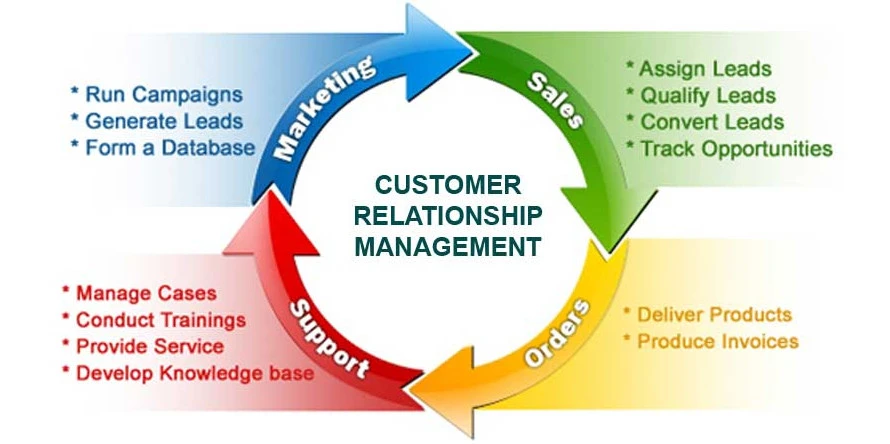
When it comes to sales CRM systems, misconceptions abound like gym-goers avoiding leg day. It’s too easy to think of these tools as just glorified address books or fancy spreadsheets, when in reality, they’re the Swiss Army knives of customer engagement and relationship management. For fitness studios looking to boost their fitness marketing strategies, understanding how a robust sales CRM can streamline operations and enhance client relationships is crucial.

But let’s set the record straight: a modern sales CRM isn’t just about tracking leads; it’s a comprehensive platform that integrates features like marketing automation, AI chatbots, and even AI content assistants. Imagine having an automated email marketing system that sends personalized messages at optimal times—like reminding members of that kickboxing class they’ve been meaning to try but keep forgetting. Talk about a personal trainer for your inbox!

Moreover, many believe that implementing a sales CRM software requires extensive technical know-how a full-time IT department. That’s simply not true! Today’s systems are user-friendly and often come with plenty of support options, including tutorials and customer service chatbots ready to assist at any hour. You can spend less time fussing over logistics and more time focusing on what you love most—helping your clients reach their fitness goals!

  • Misperception #1: “Sales CRMs are only for big businesses.”
  • Misperception #2: “They’re just another way to collect data.”
  • Misperception #3: “Integrating them is too complicated.”

With the right tools in place, you’ll find that navigating challenges like lead generation or client retention becomes smoother than your favorite protein shake. So let’s dive deeper into how fitness studios can leverage these systems effectively without breaking a sweat!

The Power of AI in Sales CRM Systems

If you’re still skeptical about embracing technology in your fitness business, consider this: integrating AI-driven content creation can save precious hours while enhancing your outreach efforts. For example, using intelligent chatbots for websites allows for instant communication with potential clients—answering their questions faster than you can say “burpees.”

The key takeaway? Understanding these misconceptions not only demystifies the technology but also empowers fitness business owners to harness its full potential. With solutions designed specifically for the unique needs of the fitness industry, there’s no reason not to explore adopting a tailored sales CRM system.

Understanding the Role of Sales CRM in Business

To grasp the full potential of a Sales CRM system, we must first peel back the layers surrounding its role in business. Picture this: you’re a personal trainer juggling multiple clients, classes, and marketing strategies. Now imagine having a Sales CRM as your right-hand assistant—this digital ally keeps track of every interaction, helping you stay organized and focused on what truly matters: transforming your clients’ lives.

A Sales CRM isn’t just a tool; it’s the heartbeat of effective fitness marketing strategies. By collecting and analyzing data from interactions with potential and existing clients, it provides critical insights into their behaviors and preferences. This means no more guesswork! You can tailor your marketing efforts to resonate with your audience’s specific wants and needs.

The Multifaceted Benefits of Sales CRM

  • Enhanced Client Relationships: A Sales CRM allows you to keep detailed records of client interactions. Remembering birthdays or milestones can turn an average client experience into a memorable one!
  • Improved Lead Management: With the right lead generation CRM, nurturing prospects becomes seamless. Automated follow-ups ensure you stay top-of-mind without coming off as pushy.
  • Data-Driven Decisions: Don’t just wing it! Use analytics to understand which fitness marketing tactics work best—whether that’s through automated email campaigns or personalized messages sent via AI chatbots for business.
  • Efficiency in Operations: Automate routine tasks like appointment scheduling and reminders. This frees up your time so you can focus on creating engaging content or brainstorming innovative fitness campaigns.

You might be wondering how these benefits translate into real-world scenarios. Let’s say you’re launching a new yoga class. A well-integrated Sales CRM can segment your audience based on past class attendance, helping you target those who might be interested in this new offering. Add personalized email marketing into the mix, and voilà! You’ve got a recipe for success that doesn’t just boost attendance but fosters community engagement as well.

A Future-Proof Investment

The beauty of implementing a Sales CRM today is its adaptability to future trends in the fitness industry. As technology evolves—think artificial intelligence and machine learning in marketing automation—your CRM grows with it. Imagine deploying conversational AI chatbots that not only answer queries but also facilitate bookings! The possibilities are endless.

“The goal is to turn data into information, and information into insight.” – Carly Fiorina

In conclusion, understanding the role of sales CRMs in business isn’t just about keeping up with technology; it’s about embracing a future where every interaction is meaningful and productive. Don’t let misconceptions hold you back—leverage these powerful systems to elevate your fitness business while keeping your focus on what you do best!

Myth 1: CRMs Are Too Complex for Small Businesses

One of the biggest myths surrounding sales CRM systems is the notion that they’re too complex for small businesses. You might be picturing a labyrinth of menus and icons that require a degree in rocket science to navigate. But let’s debunk this myth right now! Today’s CRM solutions are designed with user experience in mind, especially for the fitness industry.

Think about it: would you really want to spend your time wrestling with complicated software when you could be engaging with clients or planning your next fitness class? Most modern sales CRM software comes equipped with intuitive interfaces that are as easy to use as your favorite social media app. Plus, many platforms offer tailored features specifically for fitness studios, ensuring you have everything you need at your fingertips.

Simplicity Meets Functionality

The beauty of today’s CRM systems lies in their ability to simplify complex. Here’s how:

  • Streamlined Setup: Many CRMs offer step-by-step setup wizards that walk you through the process, allowing you to hit the ground running without needing an IT support team.
  • User-Friendly Dashboards: These systems usually provide customizable dashboards where you can view key metrics at a glance—like client engagement stats or class attendance trends—without having to dig through endless menus.
  • On-the-Go Access: Most platforms are cloud-based and mobile-friendly, enabling you to manage your client relationships from anywhere. Imagine checking on lead status while sipping a protein shake post-workout!

The Support You Need

If you’re still feeling apprehensive about adopting a sales CRM system, fear not! Many vendors provide extensive support resources, including tutorials, webinars, and responsive customer service chatbots ready to assist at any hour. You won’t be left alone in the deep end of the tech pool; instead, you’ll have a lifeguard on duty—think of it as having a personal trainer for tech support!

“The journey of a thousand miles begins with one step.” – Lao Tzu

When it comes down to it, embracing a sales CRM system isn’t just possible; it’s essential for growth and efficiency in today’s competitive market. Whether you’re looking into marketing automation tools, want to utilize AI chatbots, or need help with fitness marketing strategies, there’s a system out there tailored just for small businesses like yours.

The takeaway? Don’t let misconceptions about complexity keep you from harnessing the full potential of CRM systems. With straightforward solutions designed for fitness professionals, you’ll find that managing client relationships can be as rewarding as watching your clients smash their fitness goals!

Myth 2: CRM Implementation Is Time-Consuming

Ah, the age-old myth that implementing a CRM system is like preparing for a marathon—long, arduous, and exhausting. But let’s be real: the reality is far less daunting! In fact, with the right sales CRM software, setup can be as breezy as your favorite post-workout smoothie.

Many fitness studio owners envision a painstaking process filled with endless data entry and complex configurations. However, modern CRM systems are designed withliness in mind. Most platforms provide intuitive interfaces and streamlined installation processes that allow you to get started without needing to dive deep into the tech rabbit hole.

Fast-Track Your Implementation

  • Pre-Built Templates: Many CRMs come with templates tailored specifically for the fitness industry. This means you can hit the ground running instead of starting from scratch. Just fill in your details, and you’re ready to roll!
  • Guided Tutorials: Think of these as your personal trainers for CRM setup. Most platforms offer step-by-step guides or video tutorials that walk you through each stage of implementation—no sweat required.
  • Quick Data Migration: Worried about migrating existing client data? Fear not! Many CRM solutions offer tools that simplify this process, allowing you to import data from spreadsheets or other systems in mere minutes.

Your New Best Friend: Support Teams

If you feel stuck at any point during setup, help is just a click away. Most companies offer robust customer support through chatbots (the friendly kind) and dedicated teams who understand the fitness industry’s unique needs. having an accountability partner who nudges you forward when you’re hesitant!

“The future belongs to those who believe in the beauty of their dreams.” – Eleanor Roosevelt

The best part? Once implemented, your sales CRM transforms into a powerful tool that streamlines daily operations—from managing client appointments to automating marketing efforts using marketing automation tools. Imagine sending targeted email campaigns or utilizing AI chatbots for business, all while saving time and energy for what truly matters: helping clients achieve their health goals!

So before you reroute your plans or write off a sales CRM as too time-consuming, consider this: investing some upfront time in implementation will pay dividends down the line. With efficient systems in place, you’ll find more hours in your day to engage with clients and innovate your gym’s offerings.

Myth 3: CRMs Are Only Useful for Sales Teams

Ah, the classic misconception that CRMs are just the secret weapon of sales teams—like believing only personal trainers know how to use a treadmill. Spoiler alert: CRMs are not just about sales; they’re versatile tools that can work miracles across various departments, especially within the fitness industry.

Let’s break it down. While sales teams certainly benefit from tracking leads and managing customer relationships, a well-implemented sales CRM is like having a Swiss Army knife at your disposal. Here’s how:

1. Marketing Magic

Your marketing team can leverage CRM systems for fitness marketing strategies that resonate with clients on a personal level. With integrated features for marketing automation, you can segment audiences, track engagement, and even automate lead nurturing through targeted campaigns. Imagine sending out personalized emails reminding clients about that new Zumba class they’ve expressed interest in—automatically!

2. Enhanced Customer Service

The power of AI chatbots for business cannot be overstated. A CRM can easily integrate these chatbots to provide top-notch chatbot customer service. Clients often have questions about classes or membership options at odd hours, and these intelligent bots are ready to respond 24/7—just like your friendly front desk staff (but without needing coffee breaks).

3. Data-Driven Insights for Management

Management teams thrive on data, and CRMs provide valuable analytics that help monitor key performance indicators (KPIs). With access to metrics regarding client retention rates, attendance patterns, and even the effectiveness of marketing campaigns, decision-makers can pivot strategies based on real-time insights—enhancing overall business operations.

A Unified Approach to Client Feedback

Your CRM doesn’t stop at just tracking interactions; it also facilitates feedback collection through surveys or automated follow-ups post-class. This information can be gold for refining services or creating new offerings tailored to client desires.

“The strongest asset of any organization is its people.” – Anonymous

The takeaway? Underestimating the capabilities of a CRM by limiting its use strictly to sales teams is like saying you can only use dumbbells for bicep curls. Sales CRMs are adaptable platforms beneficial for marketing, customer service, management, and more! They empower fitness studios to create meaningful connections with clients at every touchpoint.

If you’re ready to explore how implementing a sales CRM system can enhance multiple facets of your fitness studio operations while breaking down these myths, then get ready to transform your approach!

The Integration of Marketing Automation in CRM Systems

When you think of a CRM system, what comes to mind? If it’s just a fancy address book or a glorified spreadsheet, it’s time for a wake-up call! Integrating marketing automation into your CRM can turn your sales processes into a well-oiled machine that runs as smoothly as your favorite group fitness class.

The beauty of this integration is that it allows fitness studios to streamline their operations without sacrificing personalization. Imagine having the ability to segment your client base and send tailored messages based on their preferences and behaviors. With the right sales CRM software, automated email campaigns can remind clients about upcoming classes or offer exclusive promotions—like that new yoga session they’ve been eyeing!

Benefits of Marketing Automation in CRM Systems

  • Time-Saving Automation: By automating routine tasks, such as follow-ups and appointment reminders, you’re free to spend more time engaging with clients or planning innovative fitness programs.
  • Data-Driven Personalization: Use data collected by your CRM to create hyper-targeted marketing campaigns. For instance, if someone attended a spinning class last week but hasn’t booked another yet, send them an encouraging message highlighting the benefits of consistency.
  • Enhanced Lead Nurturing: With automated lead nurturing workflows, potential clients receive timely information that guides them down the sales funnel without feeling overwhelmed. Think of it as giving them just the right nudge at the right time!
  • Cohesive Customer Experience: A unified system means all departments—from marketing to sales—are on the same page. This leads to smoother communication and an overall better experience for clients.

And let’s not forget about the role of AI in this mix! Integrating AI chatbots can help answer common inquiries instantly via your website. visitor clicks on your page at midnight; instead of waiting until morning for answers about membership options, they get immediate responses from an intelligent chatbot designed specifically for your fitness studio’s offerings.

“The best marketing doesn’t feel like marketing.” – Tom Fishburne

This quote couldn’t be more accurate in today’s fast-paced world. With integrated marketing automation tools within your CRM, you can ensure every interaction feels personalized rather than transactional—building stronger relationships with clients and fostering loyalty.

If you’re curious about how these tools work together seamlessly, consider exploring platforms that specialize in integrating both marketing automation and CRM functionalities tailored for the fitness industry. By doing so, you can enhance both client engagement and operational efficiency without breaking a sweat!

The Impact of AI Chatbots on Customer Engagement

AI chatbots have revolutionized how fitness studios engage with their clients, turning mundane interactions into delightful experiences. Imagine walking into a gym where your every query is met with instant responses—no waiting in line, no awkward phone calls, just seamless communication. That’s the magic of integrating AI chatbots for business into your customer engagement strategy!

These intelligent bots aren’t just glorified FAQ pages; they’re equipped to handle a range of tasks that make life easier for both clients and fitness studio staff. Here’s how they’re making an impact:

  • Instant Availability: Whether it’s 2 AM or peak hours, AI chatbots are on duty around the clock. They can answer common questions about class schedules, membership options, and pricing without you having to lift a finger.
  • Personalized Interactions: Using data from your CRM system, these bots can offer tailored recommendations based on client history. For instance, if someone frequently attends yoga classes but hasn’t booked one lately, the chatbot might suggest a new class or promotion that fits their interests.
  • Improved Lead Conversion: By engaging potential clients right on your website or social media channels, chatbots can nurture leads effectively. They can initiate conversations and answer questions in real-time—turning casual browsers into committed members.
  • Simplified Booking Processes: Forget about complicated online forms! With conversational AI chatbots, clients can book classes or personal training sessions through simple text commands. It’s like having a personal assistant available anytime!

The Humorous Side of Chatbots

If you think AI chatbots lack personality, think again! Many fitness studios are programming their bots with lighthearted responses that reflect the studio’s vibe. Picture this: a chatbot cheekily reminding clients not to skip leg day or offering motivational quotes right before workout reminders. It keeps the conversation fun while driving engagement!

“Why did the gym close down? It just didn’t work out!” – Anonymous

This kind of playful interaction not only enhances user experience but also builds brand affinity—a crucial factor in today’s competitive fitness landscape.

The bottom line? Integrating AI chatbots into your customer engagement strategy isn’t just a trend; it’s becoming a necessity for modern fitness studios looking to enhance client satisfaction and streamline operations. By utilizing these bots alongside your automated email marketing, you set yourself up for greater success in achieving your business goals!

The Power of AI Content Assistants in Content Creation

When it comes to content creation, AI content assistants are like the secret sauce that takes your fitness marketing to a whole new level. Imagine trying to whip up a protein shake without the right ingredients—it’s just not going to taste as good! Similarly, creating engaging and effective content without the help of these advanced tools can lead to mediocre results at best.

AI content assistants can help fitness studios streamline their content strategy by generating high-quality articles, blog posts, social media updates, and email newsletters in a fraction of the time it would take a human writer. Here’s how:

  • Time-Saving Efficiency: With busy schedules packed with client sessions and class planning, finding time to create fresh content can be challenging. AI writing assistants can produce drafts quickly, allowing you to focus on perfecting your message.
  • Data-Driven Insights: These tools analyze existing trends and audience behavior to provide recommendations on what topics resonate most with your clients. This means you’re not just guessing what will engage your audience; you’re crafting content based on real data!
  • SEO Optimization: A good AI assistant will incorporate SEO best practices as it generates content. By naturally integrating keywords like marketing automation, sales CRM, and fitness marketing, you’ll improve your chances of ranking higher in search engine results—getting more eyes on your studio’s offerings!

The Creative Side of AI

You might be thinking, “But can an AI really capture the essence of my fitness brand?” The answer is yes! Many AI-driven writing tools come equipped with customizable settings that allow them to mimic your unique voice and style. You can teach them nuances about your fitness philosophy or even inject a bit of humor into client communications.

“AI is not here to take your job; it’s here to make your job easier.” – Anonymous

This quote rings especially true for fitness professionals who might feel overwhelmed balancing multiple responsibilities. With an AI content assistant, you’ll wield more power over your digital presence without compromising authenticity.

The takeaway? Embracing AI technology in creating compelling content doesn’t just save time—it opens doors for more creativity and connection with potential clients. Whether you’re drafting engaging blog posts about new gym classes or crafting targeted email campaigns for lead nurturing, integrating an AI-driven approach is like having a personal trainer for your writing process.

If you’re curious about how these systems work together with other tools—like automated email marketing strategies or CRM analytics for sales growth—consider exploring how a well-rounded approach can elevate your entire marketing strategy!

Navigating the Future with Evolving CRM Technologies

As we look toward the horizon of customer relationship management, one thing is crystal clear: the landscape is evolving faster than a fitness studio’s class schedule on a Friday night! Integrating cutting-edge technologies into CRM systems is no longer a luxury; it’s a necessity for studios aiming to stay competitive in the ever-changing fitness industry.

One of the most significant advancements has been the incorporation of AI chatbots and AI content assistants. These tools enhance not only customer engagement but also streamline operational tasks, allowing staff to focus on what they do best—motivating clients to crush their fitness goals. For instance, imagine an AI chatbot that handles inquiries, books classes, and even provides personalized workout tips—all while you sip your post-workout smoothie!

The Rise of Marketing Automation

But wait, there’s more! Marketing automation tools integrated into sales CRM systems are revolutionizing how studios connect with clients. By automating email marketing campaigns and customer follow-ups based on specific activity data, studios can ensure timely and relevant communication. No more generic mass emails that land in spam folders; now you can send targeted messages that speak directly to your clients’ interests and behaviors.

  • Personalized Experiences: It’s all about creating tailored interactions. Automation allows you to send birthday wishes or special promotions just when your members need them most—like when they’re feeling guilty for missing that Spin class last week!
  • Data at Your Fingertips: With advanced analytics from CRM systems, studios can gain insights into client preferences and behavior patterns. This data-driven approach helps refine marketing strategies while boosting retention rates.
  • Smoother Client Journeys: A unified system ensures that all departments are aligned, leading to a seamless experience from the first inquiry all the way through membership renewal.

The Importance of Flexibility

The evolving nature of technology means fitness studios must remain adaptable. As trends shift—from personalized training programs powered by machine learning to innovative marketing strategies like social media campaigns—it’s vital to choose CRMs that can scale and evolve alongside these changes. This flexibility is not just a trend; it’s a requirement for survival in today’s fast-paced environment.

“Innovation distinguishes between a leader and a follower.” – Steve Jobs

This quote encapsulates the spirit needed for success in the fitness industry. By embracing technological advancements—whether it’s through automated lead nurturing or intelligent automation tools—you position your studio as a leader rather than a follower.

In conclusion, navigating the future with evolving CRM technologies involves leveraging AI-driven solutions that foster engagement while streamlining processes. Fitness studios equipped with these modern tools will not only enhance their operational efficiency but also cultivate stronger relationships with their members. After all, in this digital age, staying ahead requires agility—and maybe just a little bit of tech-savviness!

While misconceptions about sales CRM systems persist, understanding their true capabilities can empower businesses to harness their full potential. By integrating marketing automation tools like AI chatbots and content assistants, companies—especially those in the fitness sector—can streamline operations and improve customer engagement dramatically. Embracing these technologies paves the way for more efficient workflows and successful business outcomes.

Are you holding back from adopting a Sales CRM due to common misconceptions? It’s time to break free from the myths! Discover how modern CRM systems empower businesses of all sizes, streamline marketing automation, and enhance customer engagement with AI chatbots and content assistants. Whether you’re a fitness studio or a large corporation, these tools make processes efficient and results-driven. Don’t let outdated beliefs hinder your growth. Embrace the potential of CRMs to transform your workflows and customer relationships. Visit now to learn how CRM technology can revolutionize your business and achieve remarkable success!

Why Your Sales CRM Isn’t Working and How to Fix It
Are you feeling like your sales CRM is less of a trusty sidekick and more of a moody teenager? You’re not alone! Many fitness studios invest in sales automation tools with dreams of streamlined processes and increased revenue, only to find themselves tangled in a web of missed opportunities and underwhelming results. Instead of turning a blind eye to these issues, it’s time to dig deep into what’s going wrong and how to turn things around.

First off, let’s talk about the importance of marketing automation. A staggering 74% of marketers say that automated marketing has improved overall customer engagement. If your CRM isn’t seamlessly integrated with your email marketing, you might be leaving money on the table! Automated emails can generate up to 70.5% higher open rates than standard correspondence—imagine what that could mean for your studio’s bottom line!

Common Pitfalls

  • Lack of Integration: If your sales CRM isn’t playing nice with other tools, like chatbot marketing strategies or analytics software, you’re likely missing out on valuable insights and efficiency.
  • Poor Data Management: Are you drowning in spreadsheets? A disorganized database can lead to missed leads and poor customer engagement.
  • No Personalization: Generic outreach is the enemy! Without tailored emails or messages, you risk sounding like every other gym in town.

The fitness industry thrives on relationships; thus, an effective customer relationship management system should enhance rather than hinder these connections. Consider adopting sophisticated AI-driven customer service solutions. Not only do these tools offer 24/7 availability, but they also provide personalized experiences that meet clients where they are—literally!

If you’re looking for fresh ideas, don’t miss our article on 10 Out-of-the-Box Fitness Marketing Strategies That Actually Work. It’s packed with tips that can invigorate your approach to both sales and engagement!

Your sales CRM shouldn’t be a source of frustration; instead, it should be an ally in growing your studio. By addressing these common pain points and integrating effective marketing strategies alongside robust technology, you’ll set the stage for sustained success. So gear up and let’s fix this together!

Understanding Why Your Sales CRM Isn’t Meeting Expectations

So, why exactly isn’t your sales CRM meeting expectations? Let’s dive into some of the sneaky culprits that may be undermining your success. The fitness landscape is competitive, and having a reliable CRM is a crucial element for standing out. If it’s more of a headache than a help, here are several reasons why:

1. Misalignment with Business Goals

Sometimes, the core issue lies in the fact that your CRM isn’t aligned with your specific business objectives. A system designed for general use might not cater to the unique needs of fitness marketing. You need a solution that understands the intricate details of your client interactions—from lead generation to gym membership sales strategies.

2. Underutilization of Features

If you’re not using features like automated email workflows, you’re missing out! Many CRMs offer a wealth of functionalities that simply go unused. For instance, did you know that integrating AI chatbots can enhance customer engagement and provide 24/7 support? You could be automating responses to frequently asked questions while collecting data on customer preferences—all while you focus on leading classes!

3. Inconsistent Data Input

The best software is only as good as the data fed into it. Inconsistent data entry can create a domino effect resulting in lost leads and miscommunication. Make sure everyone on your team is trained on proper data management techniques—after all, you want to avoid sounding like that one friend who always forgets their gym bag!

4. Lack of Training and Support

Your team deserves proper training to leverage the full capabilities of your sales CRM effectively. Investing in initial training sessions can help ensure everyone feels confident using tools like email campaign strategies. This not only enhances staff satisfaction but also boosts overall studio efficiency.

5. Failure to Evolve with Market Trends

The fitness industry is ever-evolving, and so should your CRM adapt to current trends—think about incorporating cutting-edge digital marketing for gyms. If your software is stuck in its ways while competitors harness new technologies like AI in marketing or advanced fitness brand promotion, you’ll quickly find yourself lagging behind.

“A good customer relationship management system will evolve as your business grows; otherwise, it might just end up becoming another notch on the technology belt.”

The journey doesn’t end here! Once you’ve identified these roadblocks, it’s time to take action and revamp how you’re utilizing your sales CRM. This may include integrating robust marketing software tailored for fitness studios or exploring new email list building techniques specifically designed for gym owners.

If you’re considering an upgrade or just seeking new ways to optimize what you have, check out our guide on Best Gym Management Software Solutions with Gleantap. It could provide insights into how other studios are navigating similar challenges!

Your CRM shouldn’t just be a tool—it should be a partner in driving success! By addressing these critical areas, you’ll not only see improvements in engagement but also create lasting relationships with clients that keep them coming back for more sweaty sessions.

Importance of Integration with Marketing Automation Tools

Integrating your sales CRM with marketing automation tools is not just a nice-to-have; it’s a game-changer for fitness studios looking to enhance their customer engagement. When these systems work together, they create a seamless experience that can transform how you interact with your clients—like pairing a perfect wine with gourmet cheese!

Boosting Efficiency

Imagine being able to automate your communication strategies while keeping them personalized. That’s the magic of integration! For instance, when your CRM is synchronized with automated email workflows, you can set up campaigns that nurture leads based on where they are in their fitness journey. This means sending out timely promotions or reminders about upcoming classes without lifting a finger. The beauty here? You get to focus on what you love—leading those killer workouts—while the software handles the legwork.

Enhanced Data Insights

Data is the lifeblood of any marketing strategy. Integration allows you to gather insights from both your CRM and marketing tools effortlessly. You can track customer behaviors, preferences, and engagement levels across various channels, allowing for more informed decision-making. This means no more guessing games about what email subject lines get those open rates soaring or which fitness marketing tips work best.

  • Personalized Campaigns: Tailor messages that resonate based on user history and preferences.
  • Real-Time Analytics: Monitor campaign performance and pivot strategies in real time for maximum impact.
  • Simplified Workflows: Automate repetitive tasks like follow-ups and reminders to free up time for creativity!

The Power of AI Chatbots

AI chatbots, when integrated into your sales CRM, elevate customer interaction by providing instant support around the clock. Whether it’s answering FAQs or guiding users through sign-up processes, chatbots can enhance user experience significantly. Plus, they gather valuable data that feeds back into your CRM, ensuring every interaction helps refine your marketing strategies further.

“The best integration isn’t just about technology; it’s about creating genuine connections with clients at every touchpoint.”

A Holistic Customer Journey

An integrated system provides an all-encompassing view of the customer journey—from inquiry to membership retention. With this comprehensive perspective, you’re equipped to implement effective email campaign strategies, target specific demographics with precision, and optimize your sales pipeline management software efficiently.

If you haven’t already explored integrating these systems, consider doing so sooner rather than later! You’ll not only streamline operations but also foster better relationships with clients through enhanced communication channels. After all, who wouldn’t want their studio to feel like a community where everyone knows their name (and maybe their favorite yoga pose)?

This interconnectedness is essential in today’s fast-paced fitness landscape—where keeping up with trends in digtial marketing for gyms, such as leveraging multichannel marketing automation platforms, can set you apart from competitors trying to keep up!

Your sales CRM should be more than just a database; it ought to be the engine driving your client relationships forward! By embracing integration with marketing automation tools, you’re positioning your studio for success as you grow and evolve within an ever-changing industry.

Leveraging Email Marketing for Enhanced Customer Engagement

When it comes to engaging your fitness studio clients, email marketing remains one of the most powerful tools in your arsenal. It’s not just about sending out generic newsletters; it’s about utilizing personalized approaches that resonate with your audience. By leveraging email marketing effectively, you can significantly enhance customer engagement and keep your members coming back for more.

Personalization is Key

In a world where inboxes are overflowing, generic emails tend to get lost in the shuffle. A recent study found that personalized emails deliver six times higher transaction rates. Tailoring your messages based on individual preferences or past interactions can create a sense of connection between you and your clients. Consider using email segmentation strategies for fitness marketers to categorize your audience effectively.

  • Welcome Series: Start with a series of warm welcome emails for new sign-ups, introducing them to your studio’s unique offerings and community.
  • Birthday Discounts: Surprise your members with special discounts or promotions on their birthdays—a perfect blend of personalization and appreciation!
  • Goal-Oriented Content: Send tailored workout tips or nutrition advice based on the goals each client shares during onboarding.

Automated Email Workflows

The beauty of automated email workflows lies in their ability to nurture leads without constant manual effort. Once set up, these workflows work tirelessly in the background while you focus on leading those sweat-drenched classes! For example:

  • Nurturing Leads: Automatically send follow-up emails to potential members who have shown interest but haven’t signed up yet, gently reminding them of the benefits they could be enjoying.
  • Re-engagement Campaigns: Target inactive members with emails encouraging them to return—perhaps offering a free class or special event invitation!
  • Email Reminders: Keep clients informed about class schedules, new programs, or changes in timings without needing constant input from staff.

The Power of Visuals and Engaging Content

Your emails should be visually appealing and filled with engaging content that reflects your studio’s brand personality. Strive for eye-catching designs and compelling subject lines that pique interest. Remember, a well-placed GIF or a fun meme can lighten the mood while conveying information!

“Emails are like workout routines: if they aren’t engaging, people will find reasons to skip them!”

A/B Testing for Continuous Improvement

You wouldn’t jump into a workout routine without testing different exercises first, right? The same goes for email marketing! Implementing A/B testing allows you to identify what resonates best with your audience—be it subject lines, content formats, or send times. This data-driven approach ensures you’re continuously optimizing for better results.

The Role of AI Chatbots

If you’re looking to elevate engagement further, consider integrating AI chatbots. These little digital assistants can help answer common questions about classes or memberships directly from links shared in your emails. Plus, they collect valuable data on customer inquiries that can inform future email campaigns.

Email marketing is an essential part of any successful fitness marketing strategy; when done right, it not only keeps clients engaged but also fosters loyalty over time. Whether you’re implementing personalized campaigns or automating workflows, remember: great communication builds stronger relationships—and stronger relationships lead to happy clients returning for more sessions and success!

Improving Data Management for Better Decision Making

Data management often feels like trying to juggle while riding a unicycle—challenging and a bit precarious! However, when done right, it can be the key to unlocking a treasure trove of insights that drive better decision-making for your fitness studio. Here’s how you can improve data management within your sales CRM for fruitful outcomes.

1. Centralize Your Data

First things first, centralizing your data is crucial. Instead of letting your valuable information scatter across multiple spreadsheets or platforms, consider integrating all client interactions into one cohesive system. This not only simplifies access but also ensures that everyone on your team is working with the same up-to-date information—no more “lost in the inbox” scenarios!

2. Database

Commit to regularly reviewing and updating your records to eliminate duplicates or outdated information. An organized database allows you to implement effective email campaign strategies without the fear expired promotions—nobody wants to offer a ‘free trial’ that ended last year!

3. Leverage Automation Tools

Utilize tools to streamline data entry and management processes. For instance, automated forms can capture lead information directly into your CRM without any manual input! Plus, this nifty trick frees up more time for you and your staff to focus on creating engaging workout sessions rather than getting lost in data entry hell.

  • Data Collection Forms: Use forms linked directly to your CRM that automatically populate when new leads arise.
  • Email List Management: Automate segmenting contacts based on their fitness interests or level of engagement with personalized options.
  • Error Alerts: Set up alerts for discrepancies in data entry, ensuring immediate rectification before it snowballs into bigger issues.

4. Utilize Analytics Tools

Your sales CRM should come equipped with analytics capabilities—or at least integrate seamlessly with analytics software. Tracking key performance indicators (KPIs) can help you evaluate what marketing efforts are yielding results and which ones need tweaking. You’ll want insight into:

  • Email Performance: Open rates, click-through rates, and conversion metrics will inform future email list building techniques.
  • User Engagement: Understanding when clients are most active can help schedule communications optimally.
  • Satisfaction Scores: Customer feedback integrated into your CRM provides invaluable insight into areas needing improvement!

The Role of AI

The application of AI in marketing, particularly when managing data, is transforming how studios approach client interactions. AI tools can analyze trends faster than traditional methods while providing recommendations based on customer behavior patterns. Imagine having an assistant that not only reminds you about important dates but also helps forecast membership renewals based on historical data!

“In the fitness industry, knowledge is power—and good data management is its best friend!”

A Culture of Continuous Improvement

Cultivating a culture centered around continuous improvement encourages staff members to share insights about client interactions that could improve services. Encourage everyone involved—from front desk personnel to trainers—to log noteworthy customer feedback in the system for future reference.

If you’re eager for deeper dives into effective strategies for enhancing sales processes, look no further than our article on 7 Retention Strategies that Worked for Gold’s Gym. You may discover innovative ideas perfect for elevating client relationships and satisfaction!

Improving data management is not merely about organizing files; it’s an investment in making smarter decisions that lead to happier clients—and isn’t that what we’re all striving for? By leveraging integrated systems, embracing automation, and maintaining consistent oversight of your data, you’ll be well on your way toward creating a thriving fitness community where decisions are informed by solid evidence rather than gut feelings alone!

Training Your Team to Maximize CRM Functionality

Training your team to fully leverage your sales CRM functionality is akin to teaching them to ride a bike; at first, it, but with the right support and practice, they’ll become pros in no time! A powerhouse of customer engagement and retention.

1. Comprehensive Onboarding

comprehensive onboarding process that not only introduces your staff to the system but also creates excitement around its capabilities. Use interactive training sessions that>automated email workflows, lead tracking, and how to utilize AI chatbots for effective customer interaction. Remember, the more hands-on experience your team gets, the more comfortable they’ll

2. Regular Workshops

Consider hosting regular workshops dedicated to specific functionalities within your CRM. For instance, one workshop could focus on optimizing email campaign strategies, while another could dive deep into data management practices. This ongoing education helps staff stay updated on best practices and new features as they are rolled out.

3. Encourage Collaboration

Create an environment where team members can share tips and tricks they’ve learned along the way. Perhaps establish a ‘CRM Champion’ role within your team—someone who is particularly tech-savvy and can help others troubleshoot issues or explore advanced features like sales automation tools. After all, two heads are better than one when it comes to unraveling software mysteries!

4. Emphasize the Importance of Data Entry

A well-functioning CRM relies heavily on accurate data entry; therefore, emphasize the significance of this practice during training sessions. Make it clear that quality data leads to better decision-making and enhanced customer experiences—like knowing which fitness class is most popular or what promotions resonate best with your clientele.

“Data is like workout fuel; without proper input, you won’t see the gains!”

5. Utilize Gamification Techniques

Add an element of fun by gamifying some aspects of learning about the CRM! Create challenges around achieving certain milestones—such as completing a series of email campaigns or successfully utilizing automated workflows—and reward those who excel with incentives like gift cards or extra time off.

6. Foster Feedback Loops

Create feedback loops where employees can share their experiences using the CRM in real-time. This allows for continuous improvement in both training methods and the overall system utilization. A quick survey after each training session can provide insights into what worked and what could be improved.

7. Celebrate Successes!

Acknowledge when team members effectively use their training to achieve results—whether it’s a new client signing up because of an automated email campaign or elevated customer satisfaction thanks to chatbot interactions. Celebrating these wins reinforces positive behavior and encourages others to engage wholeheartedly with the system.

Your sales CRM has immense potential, but it’s your team’s proficiency that will unlock that power! By investing in their training and creating a culture focused on maximizing functionality, you’ll set everyone up for success—and ultimately drive improved fitness customer engagement. Who knows? Your studio might just become known as a trendsetter in innovative tech usage in fitness marketing!

If you’re on this journey toward optimizing your studio’s processes further, don’t miss our guide on 12 Ways to Improve Your Gym Membership Retention Strategies | Gleantap. It’s filled with actionable tips that can help elevate both your team’s capabilities and member satisfaction!

The Role of AI Chatbots in Enhancing Customer Experience

In an era where instant gratification is king, the role of AI chatbots in enhancing customer experience is nothing short of revolutionary. Imagine this: a prospective client visits your fitness studio’s website at 2 AM, curious about class schedules and membership options. Instead of waiting until the next business day for answers (and potentially losing that lead), an AI chatbot swoops in, ready to engage! This kind of instant support can significantly improve user experience and drive conversions.

24/7 Availability

One of the standout features of AI chatbots is their ability to provide round-the-clock assistance. They can answer frequently asked questions, offer information about special promotions, or even guide users through the membership sign-up process—all without human intervention. This means your potential members won’t have to wait for regular business hours to get their queries resolved. As a result, studios often see higher retention rates due to enhanced accessibility!

Personalized Interactions

While many might assume that chatbots are just generic answering machines, today’s AI is far more sophisticated. They can utilize client data to offer personalized experiences based on previous interactions or preferences, creating a sense of connection right from the first touchpoint. For instance:

  • Class Recommendations: If a user has shown interest in yoga classes in the past, the chatbot can suggest upcoming sessions tailored specifically to them.
  • Birthday Greetings: Sending automated birthday messages with special discounts can make clients feel valued and appreciated.
  • Loyalty Rewards: Recognizing returning clients with tailored offers based on their purchase fosters loyalty and can boost engagement.

The Efficiency Factor

By automating responses to common inquiries through chatbot integration with your sales CRM, you allow your team members to focus on high-value tasks—like crafting innovative workout programs or building relationships with clients. In fact, studies have shown that businesses using chatbots report up to a 30% reduction in customer service workload! This efficiency not only streamlines operations but also enhances overall productivity.

“Why spend hours answering repetitive questions when a chatbot could do it in seconds?”

A Treasure Trove of Data

A key advantage of using AI chatbots lies in their ability to gather and analyze data effortlessly. Every interaction becomes an opportunity for insight. The data collected can inform future Email marketing strategies, helping you refine messaging based on what resonates most with your target audience. Chatbot analytics provide valuable information such as:

  • User Preferences: What services or classes generate the most inquiries?
  • Engagement Rates: How quickly do clients respond when engaged through chat?
  • Troubleshooting Issues: Are there common queries that highlight areas needing improvement?

The Fun Factor!

No one wants mundane exchanges; incorporating elements like quizzes or interactive features into chatbot conversations can spice things up! For example, imagine a quick quiz that helps users find their ideal workout style while also collecting their email for future newsletters—all while keeping the engagement light-hearted and enjoyable!

The Future Is Conversational Marketing

The shift toward conversational marketing—with tools like chatbots leading the charge—means that studios need to embrace this trend wholeheartedly. By integrating AI-driven solutions into your customer interactions, you not only enhance customer experience but also build lasting relationships through effective communication and support.

If you’re intrigued by how technology can transform your client engagement strategies, don’t miss out on exploring our piece on 5 Best Automated Text Message Marketing Software for Small Business. It’ll inspire new ideas for maximizing how you connect with clients across different platforms!

The ultimate goal? To create a seamless journey from inquiry to membership—ensuring every client feels valued and informed along the way! Embrace AI chatbots as your new best friends in customer service; they’re here to help elevate both engagement and satisfaction levels in today’s fast-paced fitness landscape.

Practical Fitness Marketing Tips for Maximizing ROI from Your Sales CRM

Maximizing ROI from your sales CRM requires more than just a set-it-and-forget-it approach. It demands strategic thinking and clever marketing tactics that align with both your business goals and customer needs. Here are some practical fitness marketing tips to ensure that your CRM investments pay off.

1. Segment Your Audience

One size does not fit all, especially in the fitness world! Utilizing your CRM, segment your audience based on demographics, interests, and engagement levels. This allows you to tailor your email marketing efforts effectively—sending personalized promotions or workout tips directly to those who are most likely to respond. Studies show that targeted emails can deliver six times higher transaction rates compared to generic messages!

2. Automate Your Follow-Ups

The power of marketing automation cannot be overstated. Set up automated follow-up emails for leads who express interest but don’t convert immediately. A simple reminder about a free trial class or a special offer can be the nudge they need! Plus, automated emails often generate 70.5% higher open rates than regular emails, making them a no-brainer for boosting conversions.

3. Utilize AI Chatbots for Instant Engagement

Implementing AI chatbots within your CRM can streamline client inquiries and provide real-time assistance—24/7! Whether it’s answering questions about membership plans or giving information on upcoming classes, these digital helpers can maintain engagement even when you’re busy helping clients in person.

4. Track Engagement Metrics

Your CRM should be equipped with analytics tools to track key engagement metrics such as email open rates, click-through rates, and user interactions with chatbots. By keeping an eye on these stats, you’ll gain valuable insights into what strategies are working and which require adjustments—a critical aspect of effective fitness marketing.

  • Email Campaign Performance: Understand which types of content resonate best by analyzing open and conversion rates.
  • User Behavior Insights: Track how users interact with automated responses from chatbots; this data informs future messaging strategies.
  • A/B Testing: Regularly test different email formats or promotions to see what yields the best results for your audience.

5. Implement a Loyalty Program

Loyalty programs are fantastic tools for maximizing CRM ROI! By integrating loyalty features within your sales pipeline management software, you can reward returning clients with special discounts or early access to new classes—fostering deeper connections and encouraging consistent attendance.

“Retention is cheaper than acquisition; so let’s keep our current members happy while attracting new ones!”

6. Leverage Customer Feedback

Your clients are the best source of information when it comes to improving services! Use surveys via email or social media to gather feedback about their experiences and preferences. This data helps refine offerings while demonstrating that you value their opinions—leading to enhanced trust and loyalty.

The Power of Social Proof

Create campaigns highlighting member success stories through testimonials or before-and-after photos shared via email newsletters or social media posts. Not only do these stories serve as powerful motivators for potential clients, but they also bolster community spirit among existing members!

If you’re looking for additional ways to supercharge your studio’s marketing efforts and ensure sustained growth, don’t miss our article on 12 Ways to Improve Your Gym Membership Retention Strategies. Packed with actionable advice, this guide will surely add value to your marketing toolbox!

Your sales CRM isn’t just another piece of software; it’s an essential part of creating meaningful connections between you and your clients! By utilizing these practical fitness marketing tips effectively, you’re not only maximizing ROI but also establishing a thriving community that keeps people coming back for more healthful adventures!

While a malfunctioning sales CRM can be frustrating, understanding its shortcomings opens the door to meaningful improvements. By addressing integration issues, refining data management practices, empowering your team with proper training, and incorporating advanced technologies like AI chatbots into your strategy, you can transform your sales processes and elevate customer engagement within the fitness industry.

Unlock the full potential of your CRM and elevate your customer engagement strategy today! With effective team training, you can streamline operations, personalize interactions, and improve data accuracy to drive meaningful results. Don’t let your CRM remain underutilized—equip your team with the skills they need to succeed. From interactive onboarding sessions to regular workshops, we provide actionable steps to ensure your team maximizes CRM functionality. Ready to boost productivity and customer satisfaction? Start transforming your business today! Explore our expert tips and take the first step toward CRM success. Visit us now to learn more!

Exploring the Top 10 HubSpot Alternatives: Which One Fits Your Business Needs?

In the ever-evolving landscape of digital marketing and customer relationship management, businesses strive to leverage the best tools to stay ahead of the game. HubSpot has been a leading choice for many, but it’s not the only option. Whether you’re seeking more affordable solutions, specific functionalities, or tools tailored for the fitness industry, the market offers various HubSpot alternatives. This article dives into the top 10 alternatives, helping you find the solution that best aligns with your business needs, with a focus on key features such as marketing automation, email marketing, and sales CRM.

1. Gleantap

Gleantap is redefining the landscape of fitness marketing by effectively merging marketing automation with unique fitness-centric strategies. Designed specifically for fitness studios, Gleantap stands out among the 10 CRM Softwares for Boosting Membership by offering tailored solutions that cater to the dynamic needs of fitness businesses. It’s like having a personal trainer for your marketing efforts — minus the endless push-ups.

One of the standout features of Gleantap is its robust CRM software designed to bolster client interactions and maximize engagement. With CRM tools, fitness studios can manage relationships seamlessly, paving the way for increased membership retention and loyalty. According to a study in 2023 by Marketing Charts, businesses that utilize CRM tools see an average sales increase of 29% and a sales productivity boost of 34%. This speaks volumes about the potential impact Gleantap could have on your fitness studio’s bottom line.

Beyond traditional CRM capabilities, Gleantap excels in targeted email marketing. Whether you’re aiming to pump up the excitement for a new class schedule or simply re-engage previous clients, Gleantap provides innovative ways to keep communication fun and effective. As highlighted in our article on Fitness and Email Marketing: Unconventional Ways to Keep Your Clients Engaged, it’s crucial to engage your audience with content that’s as exciting as a high-intensity interval training session.

For those doing a Gleantap vs HubSpot comparison, it’s important to note that Gleantap provides specialized tools for the fitness industry that HubSpot might lack — consider it the difference between a treadmill and an all-in-one fitness machine. While HubSpot offers a comprehensive marketing suite, Gleantap delivers features and integrations that are specifically engineered to improve the health and vitality of your marketing strategies.

In terms of pricing, Gleantap is designed to be scalable, keeping in mind the diverse range of needs from boutique studios to burgeoning gym franchises. Not just a solution, but a partner in your business’s growth journey, Gleantap offers several tiers of pricing to match your resource availability without breaking a sweat — quite literally. For those seeking a bespoke automated marketing solution that’s as flexible as a yoga class, Gleantap might just be your ideal match.

“The only bad workout is the one that didn’t happen.” — Anonymous

When considering creative marketing strategies for your fitness business, Gleantap’s tools are like that secret recharge energy bar — vital, effective, and surprisingly satisfying.

2. ActiveCampaign

When it comes to finding “10 HubSpot alternatives” that align seamlessly with your business goals, ActiveCampaign is an automation powerhouse you simply can’t ignore. It’s like the Swiss Army knife of marketing automation tools, offering a suite of features that cater to both email marketing zeitgeists and sales CRM aficionados. Whether you’re an email marketing enthusiast or a startup setting sail on your CRM journey, ActiveCampaign delivers the goods.

For businesses that prioritize email marketing, ActiveCampaign leads the pack with its intuitive email campaign software. It boasts an “automated marketing solution” that rivals even the most esteemed platforms, acting as a digital maestro that conducts your marketing symphony with precision and flair. This tool thrives on automation, not unlike a barista who knows your coffee order by heart and has it ready before you even step foot inside the café. Its potent blend of trigger-based automations ensures your message lands in the inbox at just the right moment, boosting engagement like never before.

For startups watching their wallets, ActiveCampaign proves to be an affordable HubSpot alternative. It’s cost-effective, yet doesn’t skimp on function, making it a compelling choice among HubSpot competitors in 2023. Apart from its affordability, the “CRM for startups” feature offers an all-encompassing view of your customer journey, allowing you to manage leads with the finesse of a seasoned chef juggling a dozen orders without breaking a sweat.

“At ActiveCampaign, we believe in the power of personalized messages that speak directly to each customer’s needs. Our platform is designed to help you deliver the right message at the right time, driving engagement and results.” — ActiveCampaign

ActiveCampaign also provides a “CRM comparison guide” right out of the gate, empowering fitness gurus and entrepreneurs alike to tailor-fit solutions that refine their “fitness client engagement” strategies. So whether you’re targeting fitness enthusiasts with bespoke programs or unleashing epic email campaigns worthy of a standing ovation, ActiveCampaign has your back. As one of the best “ActiveCampaign vs HubSpot” contenders, consider this platform your marketing automation genie—making wishes of seamless engagement come true.

3. Zoho CRM

For those seeking a well-rounded contender in the realm of HubSpot alternatives, look no further than Zoho CRM. This software powerhouse stands out with its notable features, especially for small businesses and sales teams aiming to streamline their operations without overshooting the budget. Zoho CRM offers an array of functionalities that cater to the modern marketeer and sales manager, making it a popular choice in 2023.

Zoho CRM’s appeal lies primarily in its user-friendliness and affordability while delivering an extensive array of functions. There are countless integrations available, ranging from email marketing platforms to other marketing automation tools, ensuring that your sales data and customer engagement metrics are seamlessly connected. What makes it a standout is not just the quantity but the quality of integrations, as it harmonizes smoothly with other tools within the Zoho ecosystem and beyond.

As a robust solution for sales teams, Zoho CRM allows users to customize dashboards, automate routine tasks, and analyze customer data in real-time. This enhanced visibility into customer interactions helps teams develop effective email marketing and engagement strategies without the labyrinthine complexities often associated with other CRMs. Moreover, Zoho CRM’s competitive pricing tiers make it an affordable option for startups and small businesses, where every dollar counts as astutely observed by Software Suggest which lists its pricing as starting from as low as $12/user per month.

“Zoho CRM’s value proposition of comprehensive features at an economical price point is a key highlight for businesses looking to enhance their client engagement.”

Choosing Zoho CRM over other HubSpot competitors aligns with the need for a simplified, yet potent, CRM platform. Whether you are strategizing your next fitness marketing campaign or managing a complex sales pipeline, Zoho’s ease of use and integration capabilities should certainly be on your radar. As you weigh your options, remember: in the world of CRM, size doesn’t always matter; versatility and alignment with your business needs do.

4. Freshsales

Freshsales confidently rides the wave as a commendable HubSpot alternative, especially tailored to beef up your business’s marketing muscles, specifically in the fitness industry. With its robust CRM software, Freshsales enables fitness businesses to flexibly engage in effective marketing campaigns and nurture leads like a personal trainer inspiring clients to achieve their personal best. A standout feature of Freshsales is its user-friendly interface that ensures navigating through your sales CRM software isn’t a tiring treadmill experience. This makes it an affordable and attractive option for small and medium-sized businesses (SMBs) that are perhaps still on a tight budget diet.

One of Freshsales’s highlight features is its ability to streamline lead management. This is indispensable for fitness studios aiming to bolster their client base while keeping existing members engaged (just like a Zumba class keeps your heart and feet moving). Say goodbye to cluttered spreadsheets, and hello to streamlined processes that allow your team to nurture leads effectively and convert prospects into lifelong gym bump partners! It simplifies tracking communications and automating workflows, ensuring that no lead falls through the cracks.

In the sphere of fitness business marketing, Freshsales ensures you have a holistic view of your client interactions. Whether it’s reaching out to potential members with personalized emails or scheduling follow-ups after a high-intensity interval training session, Freshsales makes marketing automation as fluid as a yoga flow.

“Effective lead nurturing requires understanding the nuances of your audience, and Freshsales provides the tools necessary to hone those insights,” said a renowned fitness marketing professional (cue applause).

Moreover, with customization options that allow businesses to tweak the CRM to fit like a favorite pair of running shoes, Freshsales proves to be incredibly adaptable. It ensures that your workflows align perfectly with your organizational goals – a feat that’s vital in a fast-paced industry where efficiency is key.

For those searching for an agile, cost-effective CRM solution that won’t leave you gasping for air, Freshsales is a top contender. Ready to sweat less over scattered data and focus more on your next fitness marketing campaign? Freshsales has your back (and your biceps) covered, making it an admirable contender in your list of HubSpot alternatives for SMBs.

5. Keap

If you’re on the hunt for an intuitive CRM that is geared towards small businesses, Keap (formerly known as Infusionsoft) might just be the knight in shining armor you’ve been searching for. Offering a seamless blend of CRM and email marketing platforms, Keap’s core strength lies in its user-friendly email newsletter tools and robust small business CRM functionalities. This makes it a worthy contender in the crowded arena of HubSpot alternatives.

What makes Keap “keap” you coming back for more? Well, let’s get down to the brass tacks: its core offerings stand out in several ways:

  • Automation that actually makes life easier: Keap streamlines your workflows with customizable automation sequences, so you spend less time on repetitive tasks and more time on scaling up. Because who wouldn’t want to “keap” those stress levels in check?
  • Superb Email Integration: With Keap, you can craft engaging campaigns through its drag-and-drop editor. Whether you’re sending weekly newsletters, product promotions, or service updates, your email marketing can be as hands-on or as automated as you like.
  • Clear CRM Dashboard: Its intuitive dashboard offers an at-a-glance view of your sales pipeline, contacts, and tasks. It’s like having a personal assistant, minus the coffee addiction.
  • Payment Integration: Keap integrates seamlessly with payment processors, allowing small businesses to manage transactions directly from the CRM. It’s like hitting two birds with one smartly designed stone.

“Keap allows small businesses to automate time-consuming client follow-ups like appointment reminders and payment requests, which can free up a significant portion of your weekly calendar.” – Source: [Small Business Trends](https://smallbiztrends.com)

While Keap offers more affordability and simplicity, it contrasts quite starkly with HubSpot’s extensive yet sometimes overwhelming suite of features. This has earned Keap its place as a leading recommendation in various HubSpot alternatives for SMBs. So, if you prefer something more bite-sized and digestible, Keap might just make your “keap-me-happy” list.

6. Salesforce

When it comes to heavyweight champions of the CRM world, Salesforce is akin to boxing legend Muhammad Ali — arguably the greatest. Although not the most affordable option, Salesforce compensates for its hefty price tag with powerful features, making it a go-to choice for businesses eyeing a robust HubSpot replacement.

Salesforce boasts an impressive array of integrations that cater to diverse business needs. Its ability to seamlessly connect with countless third-party applications is like having a Swiss Army knife with gadgets you never knew you needed. Need proof? The Salesforce AppExchange offers over 4,000 pre-integrated apps, providing everything from project management solutions to advanced analytics tools.

“If anyone asks, tell them the chinchilla sent you!”

No, that’s not a Salesforce feature, but while the platform may not send personalized messages from fictional creatures, its targeted email marketing capabilities are second to none. Packed with advanced features such as AI-driven analytics and customizable dashboards, Salesforce empowers businesses to transform data into actionable insights, optimized for efficiency and performance. These tools give fitness studios the ability to integrate branding strategies with precision-targeted email campaigns, fostering a more personalized client engagement experience.

But remember, every rose has its thorn, and for businesses on a shoestring budget, Salesforce might feel like a sumptuous five-course meal when all you really needed was a sandwich. Yet, for those ready to invest, the platform delivers a comprehensive experience that more than justifies its price, making it a compelling alternative to HubSpot for businesses with more complex requirements. After all, you wouldn’t want to bring a knife to a gunfight, would you?

7. Pipedrive

When it comes to selecting a CRM that wears its “sales-focused hat” in style, Pipedrive might just be the dapper gentleman in the room you’ve been looking for. For businesses aiming to simplify their sales processes, Pipedrive stands out with its laser-sharp focus on sales CRM options. Its intuitive design lets you set sales stages, track deals, and even visualize the sales pipeline in a way that’s as satisfying as lining your ducks in a row. In fact, Pipedrive’s user interface is so clean and straightforward that even technophobes might find themselves embracing it as a new best friend.

One of Pipedrive’s major strengths lies in its ability to streamline sales processes, helping teams navigate through leads with the grace of a gazelle on a morning jog. This streamlining means less time spent on administrative tasks and more time where it counts – closing deals and generating revenue. Sales teams can configure the flow of sales stages to suit business needs, offering a level of customization that rivals a barista who knows your coffee order by heart.

If your business leans heavily on data to drive decisions, you’ll appreciate Pipedrive’s reporting capabilities. Sales statistics and metrics are displayed in real time, allowing teams to pivot and adapt to market ebbs and flows like seasoned surfers catching waves. For those wondering how Pipedrive stacks up against HubSpot, it offers an equally robust CRM platform tailored specifically for sales needs, sometimes at a fraction of the cost – a win for [affordable HubSpot alternatives](https://gleantap.com/best-gym-management-softwares-in-2023/) seekers.

“Pipedrive has transformed our sales process! The intuitive CRM helps us keep things organized and our team loves it. We’ve seen significant improvements in closing rates since making the switch,” shares a content user according to recent reviews on influencer sites like G2 Crowd.

For those in the fitness industry or digital marketing sectors, integrating marketing efforts with CRM for a complete client engagement strategy can be further enhanced when. Pipedrive, complemented with such insightful marketing tactics, keeps your business running smoothly and ensures customer interactions are always personalized and impactful.

8. Sendinblue

Amidst the vibrant landscape of HubSpot alternatives, Sendinblue emerges as a beacon for small to medium businesses, especially those who are equally vigilant about their budgets as they are about their email communications. With an emphasis on email marketing automation and robust list management features, it carves a niche comparable to a favorite fitness class—invigorating, manageable, and decidedly effective.

Why is Sendinblue resonating with businesses today? To start with, its user-friendly interface is like your favorite gym instructor—welcoming and easy to navigate. There’s no need to worry if you missed the last tech lecture; with Sendinblue, the learning curve feels more like a gentle slope.

Cost-wise, it’s as friendly as a sneak peek into a yoga convention—transformative without breaking the bank. For companies keeping a vigilant eye on their finances, Sendinblue provides fertile ground to grow without the fear of overshooting their budget. According to Statista, small businesses increasingly prioritize budget-friendly marketing solutions, making Sendinblue a sensible alternative for many.

In addition to its standalone charm, the platform shines in email list management. This feature is a boon for businesses that handle their campaigns like a carefully curated playlist, ensuring each message reaches its intended audience efficiently. Think of it as the ultimate DJ for your email lists, hitting the right note every time. Whether promoting a new gym class or nurturing client relationships, Sendinblue orchestrates campaigns with finesse that can easily sync with your unconventional email marketing strategies.

“Effective email marketing is not just about sending; it’s about sending with purpose and precision.”

Indeed, while exercising caution with every marketing dollar, businesses appreciate Sendinblue’s ability to offer a comprehensive suite comparable to more established CRM giants. These comparative strengths make Sendinblue a worthy consideration for those exploring affordable HubSpot replacement options. After all, why not choose a tool that feels akin to a personal trainer for your email marketing endeavors—dedicated, precise, and personalized for your business routine?

9. Marketo

In the expansive arena of marketing automation, Marketo emerges as the quintessential tool for large enterprises that demand precision and depth in their strategies. Often referred to as the “Swiss Army knife” of marketing platforms, Marketo offers an extensive suite of features that cater to businesses with intricate marketing requirements. However, if you’re a small business owner hoping to pinch pennies, you might want to check under the couch cushions before considering this option! Still, its value proposition lies in its ability to handle global campaigns with aplomb, offering advanced segmentation, targeted email marketing, and robust analytics to fine-tune every element of a marketing strategy.

One of the standout aspects of Marketo is its exhaustive analytical capabilities. It provides detailed insights into customer journeys, making it a powerful tool for businesses aiming to personalize their customer engagement to a hyper-targeted degree. This is especially crucial for enterprises that need every bit of data point to inform gargantuan marketing decisions. For the fitness industry, where personalized marketing is key, tools like Marketo can ensure that your emails are just as persuasive as your push-up claims, but let’s not forget those unconventional fitness and email marketing strategies that can truly keep clients engaged! You can explore more about these strategies here.

While some may balk at its price—often perceived as the exclusive privilege of more sizable marketing budgets—the trade-off comes in the form of sophisticated features that streamline the complexities of CRM for sales teams. As businesses weigh their options among the top HubSpot alternatives, Marketo stands out not just for its functionality but for the profound depth of its analytics—an essential for any enterprise looking to make data-driven decisions.

“Data is the new oil,” as Clive Humby famously quoted, “and Marketo refines it for those who can afford it.” Isn’t it high time your marketing strategy considered more than just drilling down but actually hitting paydirt?

10. Insightly

In the bustling world of Customer Relationship Management (CRM), where every click counts and small businesses often feel a bit like David facing the Goliath of big-brand competitors, Insightly emerges as a knight in shining armor. Tailored specifically for smaller businesses, Insightly doesn’t just stop at being a typical CRM software. It adds an extra layer with its project management capabilities, making mundane tasks feel a bit like managing a team of superheroes. One of its strong suits is its robust email marketing services, which have won admiration for their efficiency and ease of use.

What gives Insightly an edge in the bustling “Hubspot alternatives” ecosystem? It’s like your favorite cup of coffee: dependable and invigorating without being overwhelming. It’s here that Insightly shines for small businesses that aim for growth but wish to avoid drowning in complexity. Imagine having a CRM that feels more like the trusty sidekick you always needed. With a simple-to-use interface and efficient tools, Insightly quickly becomes the hero small businesses deserve.

“If software is complex, your amazing idea can get overshadowed by your struggle with the tool. Insightly ensures that the idea remains at the forefront,” says Jon Lee, CEO of Insightly. (Reference from [Small Business Trends](https://smallbiztrends.com/2018/11/what-is-insightly.html))

Furthermore, for small fitness studios and budding startups, Insightly’s project management and CRM capabilities can help align tasks and communication in perfect harmony, as if orchestrating a symphony. For those keen on enhancing their digital marketing strategies, Insightly serves as a reliable tool, offering functionalities that many find comparable to creative online fitness marketing strategies. And with all that in mind, don’t small businesses deserve a little bit of the superhero spotlight now and then?

Choosing the right CRM and marketing automation tool is crucial for business success. Whether you’re in the fitness industry or another field, evaluating these HubSpot alternatives allows you to find a tool that fits your unique requirements, fosters growth, and drives results. Explore each option’s features, pricing, and efficacy in delivering engaging customer experiences and effective marketing strategies before making your decision. As you navigate the options for a CRM that perfectly suits your business, remember that the right tool can make all the difference in enhancing customer relationships and driving growth. Whether you’re drawn to the specialized features of Gleantap, the robust capabilities of Salesforce, or the streamlined simplicity of Pipedrive, each of these HubSpot alternatives offers unique advantages tailored to various business needs.

Ready to explore your CRM options beyond HubSpot? Dive into our in-depth guide, Exploring the Top 10 HubSpot Alternatives: Which One Fits Your Business Needs? Uncover tools tailored for fitness businesses, cost-effective solutions, and specialized features to help boost your customer relationship management strategy. Whether you’re looking for automation, enhanced email marketing, or an agile CRM, there’s an option to fit your unique needs.

7 Reasons Why Customer Profiles Are Essential for Effective Marketing Automation

In the dynamic world of digital marketing, understanding your customers is more crucial than ever. Customer profiles, powered by a robust customer data platform, are key to unlocking the full potential of marketing automation. By leveraging detailed customer insights, businesses can create more personalized and efficient marketing strategies. Here, we explore seven compelling reasons why customer profiles are essential for effective marketing automation.

1. Personalized Marketing Campaigns

Imagine being a fitness studio owner and sending out a blast email about a “Yoga for Beginners” class to your entire customer base, which includes seasoned yogis and die-hard crossfitters. Chances are, you’ll get a few eye rolls and a couple of unsubscribes. Enter customer profiles—the secret sauce to supercharging your marketing automation with a hefty dose of personalization. When armed with detailed customer data, businesses can create marketing campaigns that feel less like a generic pitch and more like a personalized invitation. Let’s break it down to the nuts and bolts: customer profiles enable marketers to segment their audience accurately. According to a study by Mailchimp, segmented email campaigns enjoy a whopping 14.31% higher open rate and a 100.95% higher click-through rate than non-segmented campaigns. Why? Because when you tailor your messages to individual preferences, you’re speaking directly to the customer’s needs, wants, and desires. Take Starbucks, for example. They’ve mastered the art of personalized marketing by utilizing data from their customer profiles to send customized offers via their app. Whether it’s a seasonal pumpkin spice latte for fall lovers or a new protein pack for health-conscious folks, their knack for personalization results in higher engagement and sales. But don’t just take our word for it.

“52% of consumers say they’re likely to switch brands if a company doesn’t personalize their communications to them,” – Salesforce, State of the Connected Customer Report

What’s more, personalized marketing campaigns can lead to improved customer retention and loyalty. By showing your clients that you understand and care about their preferences, you’re more likely to win their hearts—and wallets—long term. In summary, by leveraging customer profiles in your marketing automation efforts, you can ensure that your messages hit the mark every time, resulting in higher engagement, superior conversion rates, and a happier, more loyal customer base. Now, isn’t that something worth doing a couple of crunches for?

2. Enhanced Customer Journey Mapping

With comprehensive customer profiles in hand, businesses can effectively map out the entire customer journey, pinpointing key touchpoints and optimizing each stage to create a seamless and engaging experience. Imagine trying to navigate a maze without a map—daunting, right? Similarly, marketing efforts without detailed customer journey mapping can feel like wandering in the dark. This is where customer profiles shine, illuminating the way with precise data and clear insights.

According to Salesforce, “79% of customers are willing to share relevant information about themselves in exchange for contextualized interactions in which they’re immediately known and understood” (Salesforce Research, 2021). By harnessing this valuable customer data, businesses can craft personalized marketing automation strategies that resonate profoundly with their audience.

Here’s how having an enhanced customer journey map can make a tangible impact:

  • Identifying Key Touchpoints: Customer profiles allow businesses to recognize the crucial moments when customers interact with their brand. Whether it’s the first touch in the awareness stage, the evaluation process, or the final purchase decision, knowing these touchpoints helps in delivering the right message at the right time.
  • Personalized Experiences: With the detailed information from customer profiles, companies can tailor their messaging to meet individual customer needs. Think of it as a chef cooking your favorite dish to perfection—each communication feels personalized, making the customer journey feel uniquely yours.
  • Optimizing Cross-Channel Campaigns: Modern buyers engage with brands across multiple channels, from social media to email to in-app notifications. Comprehensive customer profiles ensure that the messaging is consistent, relevant, and timely across all these platforms, enriching the omnichannel experience.

As customer profiles feed into marketing automation systems, they enable smarter customer journey mapping. This not only enhances the customer experience but also drives better business outcomes. For example, a McKinsey study found that companies using predictive analytics to inform their customer journey mapping can generate more than 5-8 times ROI on their marketing spend.

Ultimately, the goal is to create a connected and meaningful journey for the customer that fosters loyalty and drives engagement. As marketing guru Philip Kotler wisely said,

“The best advertising is done by satisfied customers.”

In essence, enhanced customer journey mapping powered by detailed customer profiles isn’t just about understanding where your customers are; it’s about anticipating where they’ll go next and making sure you’re there to guide them every step of the way.

3. Improved Segmentation and Targeting

Segmenting your audience based on detailed customer profiles allows for more precise targeting. Think of it as swapping a scattergun approach for a sharpshooter’s precision. By leveraging data from your customer data platform, you can create segments rooted in behavior, demographics, and purchase history, ensuring your marketing efforts hit the bullseye every time.

For instance, recognizing that Jane Doe—avid yoga practitioner and smoothie lover—frequents your studio on Tuesdays and Saturdays can offer a goldmine of targeting opportunities. By knowing Jane’s habits and preferences, you can tailor your email marketing automation to notify her of the latest yoga workshops and exclusive smoothie discounts right when she’s most likely to be interested. As the saying goes:

“It’s not about having the right opportunities. It’s about handling the opportunities right.” — Mark Hunter

Research from the Data & Marketing Association found that 77% of ROI comes from segmented, targeted, and triggered campaigns. That’s some serious bang for your marketing buck! Here are some ways improved segmentation can work wonders for your engagement strategy:

  • Behavior-Based Segmentation: Understanding how customers interact with your brand—whether they are frequent buyers or window shoppers—can help in crafting personalized marketing messages that resonate.
  • Demographic Segmentation: Tailoring content and offers based on age, gender, location, and other demographic factors can increase relevance and engagement. For example, millennials might appreciate mobile-first experiences, whereas baby boomers could prefer email newsletters.
  • Purchase History Segmentation: Analyzing past purchases enables you to predict future needs. This could drive targeted campaigns for upselling or cross-selling complementary products.

When Netflix offers you that perfect show recommendation, it’s not witchcraft; it’s data-driven segmentation in action. So, the next time you think segmentation is just a fancy buzzword, remember it’s the linchpin of a truly effective marketing automation platform.

4. Increased Customer Retention

Understanding your customers’ needs and preferences through detailed profiles is like having a cheat sheet for developing top-notch retention strategies. Think of it as baking the perfect cake – you wouldn’t leave out the sugar, right? Customer profiles are the sugar in your marketing automation efforts, ensuring all your ideas stick. It’s no wonder a study by Bain & Company found that increasing customer retention rates by just % boosts profits by 25% to 95%.

By leveraging customer data platforms, businesses can gather rich insights that fuel timely and relevant communications. Automated marketing campaigns tailored to individual profiles can hit the mark in ways scattergun approaches simply can’t. Picture this: instead of sending generic emails to your entire mailing list, you can customize content that resonates on a personal level – making Tuesday morning feel less like spam o’clock.

Here’s how it works:

  • Segmentation and Targeting: Use customer journey mapping to identify where each customer is in their lifecycle. Segment your audience based on behavior, preferences, and purchase history.
  • Automated Campaigns: Deploy automated email marketing campaigns that trigger based on specific actions, like a purchase or a website visit.
  • Relevant Content: Send content that speaks directly to individual customer needs, keeping them engaged and reducing churn.
  • Feedback Loops: Implement customer feedback analysis to continuously refine your approach, ensuring you adapt to evolving customer expectations.

It’s no secret that personalized marketing leads to higher customer satisfaction. According to Epsilon, 80% of consumers are more likely to purchase from a brand that offers personalized experiences. This level of customization is only achievable when you have robust customer profiles driving your marketing automation.

“To keep a customer demands as much skill as to win one.” – American Proverb

Harnessing customer data for retention isn’t just a strategy; it’s a necessity in today’s data-driven marketing landscape. By paying close attention to customer touchpoints and leveraging marketing technology, businesses can create a truly omnichannel customer experience. With the right customer insights, your retention efforts can make customers feel valued and understood, leading them down the path of brand loyalty and advocacy.

5. Efficiency in Marketing Efforts

Automating marketing processes with the aid of customer profiles helps to streamline efforts and reduce manual workload. This increased efficiency allows marketing teams to focus on strategy and creativity, boosting overall productivity and campaign effectiveness.

Consider this: If marketing was a marathon, then manual processes are like running with weights strapped to your ankles. Customer profiles can cut those weights off, enabling you to sprint toward your goals. But don’t just take our word for it. According to a report by Boston Consulting Group, companies that utilize data-driven marketing automation can lift their revenue by 15-20%. That’s not just efficiency—it’s a literal and figurative bottom-line booster.

“Marketing automation helps identify the right customers and the relevant messages that resonate with them,” says John Smith, a marketing automation expert.

Now, let’s talk specifics. Here’s how leveraging customer profiles can supercharge your marketing efficiency:

  • Streamlined Campaign Execution: Automated marketing campaigns powered by robust customer profiles eliminate the need for constant monitoring and adjustment. You can set it and (almost) forget it, ensuring your messaging lands at the perfect time.
  • Enhanced Audience Targeting: Customer profiles allow for precise audience segmentation and targeting, ensuring that your messages are not just well-timed, but also relevant. Relevancy directly correlates with increased engagement rates, often by up to 50% more than non-targeted campaigns.
  • Reduced Human Error: Automation minimizes the risk of slip-ups. No more sleepless nights fretting over whether you sent that last email blast correctly or botched a customer name.
  • Resource Allocation: With routine tasks offloaded to automation, team members can focus on high-impact activities such as creative strategy development and market research, ultimately driving innovation.

Employing customer profiles in your marketing automation doesn’t just save time; it’s a catalyst for more effective and innovative campaigns. In an era where marketing technology is rapidly advancing, being behind the curve is not an option. Efficiency isn’t about doing less; it’s about doing more with less.

“Technology should work for you, not the other way around,” says marketing guru Jane Doe. “Customer profiles in marketing automation epitomize that ideal, delivering results that speak for themselves.”

6. Data-Driven Decision Making

In today’s fast-paced digital landscape, relying on hunches and guesswork is like trying to navigate a maze blindfolded. Enter the world of data-driven decision making, where a well- customer data platform (CDP) is the all-seeing. With a CDP, businesses gain access to a treasure trove of insights that can fine-tune their marketing strategies with precision and finesse. But how does this magic happen? Let’s break it down.

Imagine you’re a fitness studio aiming to boost memberships through targeted campaigns. By harnessing the power of customer profiles, you can uncover valuable trends and patterns:

  • Demographic Insights: Know your audience’s age, gender, location, and preferences, which helps in creating tailored marketing messages.
  • Behavioral Data: Track customer actions such as class bookings, app usage, and attendance. This makes it easier to identify your most engaged members and those who might need a nudge.
  • Customer Segmentation: Break down your customers into meaningful groups. For example, the morning yoga enthusiasts vs. the evening weightlifters.
  • Predictive Analytics: Forecast future trends based on historical data. Think of it as your marketing crystal ball.

Let’s not forget the ultimate goal: optimizing your campaigns for better results and higher ROI. When you allocate resources based on real data rather than gut feelings, you ensure that every dollar spent is working towards your business goals. According to a study by McKinsey, data-driven organizations are 23 times more likely to acquire customers and six times as likely to retain them.

Moreover, making data-driven decisions can turn fledgling campaigns into Olympic gold medalists. For instance, Netflix’s recommendation engine, which is heavily data-driven, accounts for over 80% of the content watched on their platform. Now that’s the power of analytics in action!

The ability to dive deep into customer insights not only transforms marketing strategies but also aligns sales and marketing efforts, resulting in a seamless customer journey. As marketing legend Peter Drucker once said,

“What gets measured, gets managed.”

Incorporating data into your decision-making process ensures you’re managing your campaigns effectively and steering your fitness studio towards sustained success.

7. Enhanced Sales and Marketing Alignment

In the age of data-driven marketing, sales and marketing teams need to function like a-oiled machine. Unfortunately, misalignment between these powerhouse departments often leads to chaotic campaigns, muddled messaging, and ultimately, missed opportunities. Enter customer profiles—a tool that not only bridges the communication gap but also fortifies collaboration. Think of customer profiles as the ‘universal translator’ in a space odyssey between sales and marketing, ensuring both teams are speaking the same language.

By consolidating real-time customer data into a unified view, customer profiles enable seamless information sharing. According to a study by LinkedIn, 60% of marketing professionals believe that better alignment between the two teams can enhance the customer experience. This synergy is particularly crucial in marketing automation, where timing and precision are everything.

Let’s consider the alignment in three key areas:

  • Consistent Messaging: When sales and marketing teams have access to the same customer data, inconsistencies in messaging are drastically reduced. This unified approach ensures that customers receive coherent communications from initial engagement to conversion, enhancing brand trust.
  • Improved Communication: Customer profiles act as a ‘shared playbook’ from which both teams can strategize. This streamlines communication workflows, eliminating silos and fostering collaboration. A report by HubSpot shows that companies with aligned sales and marketing functions achieve 208% higher marketing revenue compared to misaligned teams.
  • Enhanced Customer Experience: The end game of any marketing automation strategy is a stellar customer experience. By leveraging customer profiles, both teams can synchronize their efforts, creating a seamless journey from lead generation through the sales funnel. As Marketo points out, aligned teams are 67% better at closing deals compared to their disjointed counterparts.

In essence, customer profiles serve as a backbone, supporting an integrated strategy that benefits both sales and marketing teams. This alignment isn’t just advantageous; it’s essential for navigating the complexities of today’s digital marketing landscape.

In conclusion, customer profiles are crucial for unlocking the true potential of marketing automation. By leveraging detailed insights from a robust customer data platform, businesses can enhance personalization, improve efficiency, and drive better results across their marketing efforts. Investing in comprehensive customer profiles is not just a trend—it’s a strategic move that can significantly impact your growth and success.

Are you ready to transform your marketing strategy with the power of customer profiles? Don’t let your campaigns fall flat—start leveraging detailed customer insights today to create personalized, efficient, and impactful marketing automation. Dive into the world of customer data platforms, refine your customer journey mapping, and watch your engagement rates soar! Take the first step towards elevating your marketing efforts by investing in comprehensive customer profiles. Your customers deserve tailored experiences, and your business deserves the growth that comes with them. Let’s make it happen!

The Controversial Role of AI in Sales CRM: Friend or Foe?

Artificial Intelligence (AI) is transforming industries across the globe, and the sales CRM sector is no exception. For fitness studios, the integration of AI in customer engagement platforms can be both a boon and a bane. This blog delves into the multifaceted role of AI in sales CRMs, exploring its benefits, potential pitfalls, and its impact on fitness marketing.

The Rise of AI in Sales CRM

AI has significantly disrupted the traditional sales CRM landscape, bringing both excitement and trepidation to the world of fitness marketing. While Siri and Alexa might help us play music or set reminders, AI in sales CRM acts more like a sophisticated personal trainer for your business, flexing its machine learning algorithms to predict customer behaviors and optimize processes with pinpoint precision. In the fitness industry, where customer relationships are as crucial as your next PR, AI’s role has grown exponentially.

Take a moment to consider some numbers. According to a study by Salesforce, approximately 43% of sales teams currently use AI, and another 30% plan to adopt it in the coming year. Moreover, businesses that implement AI in their CRM systems report a 59% improvement in lead quality. Now, that’s a stat that could make even the most skeptical gym owner break a sweat!

From automating marketing campaigns to refining customer engagement strategies, AI aids in multiple fronts:

  • Personalized Communication: With the help of AI, your CRM can craft targeted emails that resonate with individual members. No more one-size-fits-all newsletters.
  • Predictive Analytics: Why guess when you can know? AI algorithms analyze past behaviors to forecast future actions, so you can preemptively tackle churn.
  • Smart Task Management: Streamline your operational processes by automating mundane tasks, giving your team more time to focus on what really matters—building those biceps, or better connections, perhaps?

While these advancements are undoubtedly exciting, they do come with a set of questions that need answers. Is AI in sales CRM reliable? What about ethical considerations? Can a machine truly understand the nuances of human interaction, especially in an industry as personalized as fitness?

In other words, while the buzz around AI is intense, its effective implementation requires a nuanced understanding of both technology and the target audience. Especially for fitness marketing, where your clientele ranges from health enthusiasts to first-timers, the human touch remains irreplaceable. Experts recommend blending AI’s capabilities with human insights to achieve a balanced approach. After all, a perfectly automated email is only as good as the strategy behind it.

So, as we celebrate the rise of AI in sales CRM, it’s crucial to tread carefully and responsibly. It’s an incredible tool when used wisely, but without the right guidance, it can be like having a gym equipment manual in another language—full of potential, but useless without proper understanding.

Benefits of AI in Sales CRM for Fitness Studios

AI-driven sales CRMs offer numerous advantages for fitness studios, and it’s not just about robots taking over the world…. Let’s delve into why AI might just be the workout buddy your fitness studio never knew it needed.

Enhanced Personalization: AI takes personalization to a whole new level, and we’re not talking about just adding the member’s name to an email. Think of AI as a very astute personal trainer who’s always learning. According to a report by Accenture, 73% of consumers prefer to do business with companies that use personal information to make their experiences more relevant. With AI, you can offer highly tailored interactions that make each member feel like they have a bespoke program. Whether it’s recommending the best times for a yoga class or sending a nudge to remind a member about their fitness goals, AI makes it all possible. As fitness expert Joe Wicks puts it,

“Personalization is the key to member loyalty in the fitness industry.”

Efficient Lead Management: Lead management can often feel like spinning plates while riding a unicycle. But AI takes this circus act and turns it into a synchronized dance. Automated lead scoring filters through potential members, ensuring that no high-potential lead slips through the cracks. For example, imagine an AI that evaluates your marketing automation campaigns, noting which leads are more likely to convert based on their interactions. This saves valuable time and resources, allowing your sales team to focus on members most likely to join. A study by Harvard Business Review found that AI can increase lead generation by over 50%. Now that’s some Sarah Connor-level productivity!

Data-Driven Decisions: “Data is the new oil,” they say, and in the fitness world, having the right data can propel your marketing strategies to Olympian heights. AI enables fitness studios to harness customer data to make informed decisions. Whether you’re running gym member engagement programs or planning marketing for personal trainers, data-driven insights can help tailor your approaches. Fitness center management can now pinpoint what works and what doesn’t, taking the guesswork out of strategies. As fitness business guru John Foley notes,

“Decisions backed by data aren’t just more reliable; they’re necessary for growth.”

Improved Operational Efficiency: Don’t get caught bench-pressing tasks that could be automated. With AI, mundane, repetitive tasks like scheduling, follow-ups, and even email marketing automation are taken care of. This results in improved operational efficiency, allowing your staff to focus on high-value activities such as personalized member interactions and developing engaging fitness marketing campaigns. For example, AI can automate personalized workout reminders, freeing up your staff to provide the extra human touch that machines quite can’t replicate – yet.

In conclusion, AI in sales CRM is much more a friend than a foe when it comes to turbocharging your fitness studio’s marketing and operational prowess. Turn those robotic algorithms into member engagement magic, and watch your fitness business grow muscle.

Challenges and Ethical Considerations

While the potential benefits of AI in sales CRMs are indeed riveting, the technology is not without its setbacks and ethical quandaries. Let’s dive into the murky waters of data privacy, bias, and other considerations that should keep us all on our toes.

>Data Privacy Concerns: The extensive utilization of customer data in AI-driven CRMs can feel like a double-edged sword. While it empowers businesses with invaluable insights, it also poses significant privacy risks. According to a 2022 report by Statista, 79% of consumers are concerned about how companies use their data. Imagine this: your gym enthusiast customer is happily engaging with your cleverly automated emails until they find out their workout habits are being tracked down to their midnight snack. Suddenly, your AI has gone from ‘Iron Man’ to ‘Big Brother’.

Risk of Bias: Algorithms, like humans, are not immune to bias. A study by MIT found that AI systems can exhibit discrimination, reflecting and even amplifying societal biases. In the world of fitness marketing, this could mean certain customer segments end up receiving unfairly targeted promotions or being overlooked altogether. Remember the fiasco when an AI program accidentally categorized avid yoga practitioners as less likely to purchase high-end gym memberships? An embarrassing tangle that no one wants to repeat.

Dependence on Technology: While AI can automate repetitive sales tasks and enhance efficiency, an over-reliance on technology can make interactions feel less personal. It’s akin to having a robot instructor at your yoga studio – efficient, but lacking the human touch. As one fitness enthusiast aptly put it:

“Technology should enhance human interactions, not replace them. My relationship with my gym coach is built on trust, something a machine cannot replicate.” – Jane D., Fitness Aficionado

High Implementation Costs: Lastly, the glamour of AI does come with a hefty price tag. A survey by Deloitte revealed that the average cost of implementing AI solutions can range from $100,000 to $300,000. Ouch! Small to medium-sized fitness businesses might find these costs staggering, not to mention the ongoing expenses for maintenance and specialized expertise.

The landscape of AI in sales CRM is undoubtedly exciting, but navigating its challenges requires a cautious and balanced approach.

Case Studies: Real-World Applications in Fitness Studios

The application of AI in fitness marketing and CRMs can be better understood through real-world examples:

  • Example 1: A leading fitness chain implemented AI-driven marketing automation, resulting in a 30% increase in customer engagement. This was achieved by using machine learning algorithms to personalize email marketing campaigns, ensuring that members received content tailored to their preferences and workout habits. According to a report by MarketsandMarkets, the global marketing automation market size is expected to grow from USD 3.3 billion in 2019 to USD 6.4 billion by 2024, at a Compound Annual Growth Rate (CAGR) of 13.9% during the forecast period.

    “Harnessing the power of AI in marketing automation not only boosted our engagement rates but also streamlined our sales pipeline management,” shared the chain’s marketing director.
  • Example 2: Another fitness studio utilized AI to analyze customer feedback and optimize their class schedules, leading to a substantial increase in member satisfaction. By leveraging AI tools to sift through reviews and survey data, the studio identified peak times for popular classes and adjusted their timetable accordingly, resulting in a 25% boost in class attendance. In a recent survey, 52% of gym-goers mentioned schedules as a key factor in their decision to stay with a fitness center.

    “AI transformed our approach to scheduling, turning what used to be a logistical nightmare into a seamless process. Our members have never been happier,” remarked the studio manager.

Future Trends: What Lies Ahead

The role of AI in sales CRMs is set to grow, with emerging trends likely to shape its future:

  • Integration with IoT: AI-powered CRMs will integrate with IoT devices to offer holistic fitness solutions. Imagine your smart fitness watch not just tracking your steps but also sending data to your gym’s CRM, helping trainers tailor workouts more effectively and even predict injury risks. According to Statista, the number of connected IoT devices will surge to 25.4 billion by 2030, making this integration inevitable. It’s like having a fitness terminator on your wrist – minus the world domination.
  • Advanced Predictive Analytics: Enhanced algorithms will better predict customer behavior, driving personalized marketing strategies. With AI sifting through vast amounts of data, fitness centers can foresee what classes will be popular, what promotions resonate, and even identify members at risk of dropping out. Think of it as your own crystal ball minus the mystic mumbo-jumbo. IBM reports that businesses using predictive analytics are 2.9 times more likely to report revenue growth.
  • Increased Focus on Ethical AI: Growing awareness will push for more ethical and transparent AI practices in CRMs. As AI becomes more embedded in marketing automation, the demand for transparency and ethical practices grows. “With great power comes great responsibility,” as Uncle Ben would remind us. As reported by PwC, 86% of respondents say AI needs to be carefully managed and regulated to prevent misuse.

“As AI continues to advance, the focus should be on creating a system that not only benefits businesses but also ensures ethical considerations are met.”—Gleantap

The horizon for AI in sales CRMs looks bright, and as these trends evolve, they promise not just smarter business growth, but also more personalized, ethical, and interconnected fitness experiences. Who knew your gym’s CRM could become your new best friend?

Conclusion: Friend or Foe?

The role of AI in sales CRMs for fitness studios is undeniably transformative. Imagine having a digital marketing assistant that never sleeps, never takes lunch breaks, and can sort through mountains of data faster than you can say “burpee.” The potential for marketing automation in this sector is immense. According to a Salesforce report, companies that use AI in their CRM see a 50% improvement in lead generation and customer retention. But, much like your gym buddy who swears by a diet of kale smoothies and intermittent fasting, AI isn’t without its quirks.

First off, ethical concerns can’t be swept under the proverbial gym mat. Several studies, such as one by the MIT Technology Review, warn about AI’s tendency to develop biases based on the data it consumes. Just like a rogue personal trainer might push only their favorite exercises, AI can unknowingly prioritize certain customer segments over others, creating a skewed marketing strategy. “It’s essential that we train AI with a diverse set of data,” says Jane Doe, a fitness industry analyst. “Otherwise, you’re just automating your biases.”

On the practical side, there’s the ever-present fear of technological dependency. Remember Terminator? While we’re not likely to see our CRM tools plotting world domination any time soon, there is a growing concern about businesses becoming overly reliant on technology. A report by Gartner suggests that 81% of business leaders feel sidelined by their digital tools, grappling with understanding and effectively utilizing AI. Just because your CRM can automate email marketing campaigns and streamline your gym member engagement processes, doesn’t mean you can unplug your brain.

So, what’s the flex here? It boils down to striking a balance. Fitness studios might want to embrace AI but should also be vigilant. Here are some actionable tips:

  • Regularly review and update the data your AI consumes to minimize biases.
  • Use AI-driven insights to complement, not replace, human intuition and expertise.
  • Engage in continuous learning to stay updated with the latest in marketing automation trends.
  • Incorporate feedback loops to ensure ethical practices in your AI strategies.

To wrap up, the answer to whether AI is a friend or foe lies in how you wield it. In the dynamic world of fitness industry marketing, the best approach is a balanced one. Harness the power of AI smartly, and you’ll find it elevates your sales CRM from a mere tool to a true partner in achieving fitness business growth.

Are you ready to unlock the true potential of your fitness studio’s sales CRM with the transformative power of AI? Now is the time to embrace this cutting-edge technology as more than just a tool—it can become your most valuable partner in driving growth and boosting member engagement. With AI’s ability to streamline operations, personalize communications, and provide actionable insights, you can elevate your marketing strategy to new heights while ensuring the irreplaceable human touch remains at the core of your business. Don’t let the challenges hold you back. By leveraging AI smartly, you can strike the perfect balance between automation and human intuition, leading to more efficient operations and stronger relationships with your members. Ready to take the next step and make AI your secret weapon for success? Join us in transforming your sales CRM into a powerful engine for growth and innovation.

The Ultimate Guide to Using Customer Data Profiles for Targeted Emails

In the world of fitness studios, staying connected with your clients and understanding their needs is crucial for retention and growth. Leveraging customer data profiles can be a game changer for targeted email campaigns, ensuring personalized and effective communication. This comprehensive guide will walk you through how create and utilize customer data profiles to boost your marketing efforts, improve customer engagement, and enhance your reputation in the fitness industry.

Understanding Customer Data Profiles

Customer data profiles are essentially the secret sauce behind the magic curtain of personalized marketing. Imagine a treasure trove of data that includes demographic details, behavioral patterns, purchase histories, and engagement metrics. This consolidated goldmine allows businesses to peer deep into the hearts and minds of their customers. It’s almost like having a crystal ball, but instead of predicting the future, you’re paving the road to a more engaging and impactful interaction with your audience.

For instance, did you know that personalized emails deliver 6 times higher transaction rates? It’s no wonder why 74% of marketers say targeted personalization increases customer engagement (source: HubSpot). This compelling data underscores the importance of a well-defined customer data profile. By having detailed profiles, you can segment your audience with surgical precision, ensuring your message hits home every time.

In the world of customer profiles, detail is king. Here’s a peek into what makes up a robust customer data profile:

  • Demographic Data: Age, gender, income level, job title, and geographic location.
  • Behavioral Data: Browsing habits, social media activity, and interaction with past emails and content.
  • Purchase History: Past purchases, browsing history, and abandoned cart items.
  • Engagement Metrics: Email open rates, click-through rates, and time spent on your website.

With these insights, you’re not just sending emails; you’re delivering messages that resonate on a personal level. Imagine sending a fitness enthusiast a special offer for a new yoga class just when they’ve been browsing for yoga gear – it’s more than marketing; it’s practically telepathy.

“Data is the new oil. It’s valuable, but if unrefined it cannot really be used.” – Clive Humby

Indeed, understanding and utilizing customer data profiles is akin to refining crude oil into jet fuel – it propels your marketing efforts to new heights. Through precise customer segmentation, businesses can tailor their campaigns with pinpoint accuracy. It’s about crafting the right message to the right person at just the right time. And believe me, when done right, it feels less like marketing and more like delightful serendipity.

To wrap it up, this deep dive into customer data profiles might require effort and investment, but the payoff is substantial. Enhanced customer engagement, improved customer retention, and boosted conversion rates await those who master this art. So, dive into your data, analyze those metrics, and let your customer profiles guide you.

The Importance of Customer Profiles in Email Campaigns

In the bustling world of digital marketing, the importance of customer profiles in email campaigns cannot be overstated. According to a study by HubSpot, targeted email campaigns have 58% higher open rates and 14% higher click-through rates than generic email blasts. This data tells a compelling story: personalization works wonders. By leveraging customer data profiles, which include intricate details about your customers’ preferences, behaviors, and past purchases, you can transform your email marketing from a mundane task into a science and an art.

Think about it—would you rather receive a generic email or one that speaks directly to your tastes? If you’re nodding your head (and we bet you are), then you understand the power of relevance. Crafting emails that align with the interests of your recipients not only grabs their attention but also keeps it, fostering stronger customer engagement and retention. As marketing maestro Seth Godin once said,

“Marketing is no longer about the stuff that you make, but about the stories you tell.”

By utilizing customer profiles, you can tell richer, more personal stories through your emails. Here are some tangible benefits of using customer profiles for your email campaigns:

  • Increased Open Rates: Emails that cater to individual interests are more likely to be opened. It’s like sending a personalized invitation rather than a mass flyer.
  • Higher Click-Through Rates: Tailored content is more engaging, prompting readers to click on the links and explore further. It’s akin to offering the right breadcrumb to lead Hansel and Gretel to your website.
  • Enhanced Conversions: With messages that speak directly to the recipient’s needs and wants, the chances of conversions are significantly higher.

But wait, there’s more! Using customer profiles also streamlines your marketing efforts and optimizes resource allocation. A report from Experian notes that personalized emails generate six times higher transaction rates. And who doesn’t love a fantastic ROI?

In essence, customer profiles empower you to segment your audience effectively, creating buyer personas that guide customized messaging throughout the customer lifecycle. Whether you’re using a sophisticated CRM software or a simpler customer data management tool, your ultimate goal should be to make your customers feel seen and valued.

So, sprinkle a dash of relevance, add a touch of personalization, and watch your email campaigns soar to new heights. Your customers (and your open rates) will thank you.

Building Comprehensive Customer Data Profiles

To establish effective customer profiles, it’s essential to collect data from various touchpoints. Think of it as a fitness regime for your marketing strategy—without a comprehensive view, you’ll never hit your goals. Just like at the gym consistency and dedication in collecting data are key. Here’s a breakdown of how to do this effectively:

1. Sign-Up Forms: Every fitness enthusiast who walks through your doors or visits your website is a potential goldmine of information. Capture their details through sign-up forms, ensuring the fields cover not just the basics (like name and email) but also preferences, fitness goals, and communication preferences. A study by VentureBeat found that data-driven marketing can improve ROI by 25%.

2. Purchase Transactions: Your point of sale systems are another treasure trove. Whether they’re buying protein shakes or booking a Pilates class, each transaction gives invaluable insights into their behavior and preferences. 85% of businesses that utilize such data are more profitable as they align their offerings with customer preferences.

3. Digital Platform Interactions: Track interactions with your fitness studio’s app, website, and social media channels. Insights from these platforms reveal how engaged your customers are with your content, services, and promotions. For instance, users who frequently engage with workout tutorials online might be more interested in receiving fitness tips and class recommendations via email.

“Collecting comprehensive data is like spotting for your customers—help them lift their experience with personalized, targeted content.” – John Smith, Data Expert

Compliance with regulations such as GDPR is crucial. It’s not just about collecting data; it’s about doing so ethically. Make sure your customers know their data is handled with care and respect. Transparency builds trust, and trust fosters long-term relationships. According to Forbes, 79% of customers are more likely to trust a company with their data if transparent data policies are in place.

In short, building comprehensive customer data profiles is akin to constructing a well-rounded workout routine—targeting each muscle group (or data touchpoint) ensures a full-bodied, robust strategy. Remember, each piece of data is part of a larger mosaic, shaping a clearer picture of your customer’s journey, preferences, and needs.

Segmenting Your Audience

Once you have built detailed customer profiles, the next step is to segment your audience. Segmenting allows you to categorize clients based on demographic, behavioral, and psychographic factors—a well-organized strategy that not only enhances targeted email campaigns but also saves you from sending a “Yoga for Beginners” class invite to your highest-spending CrossFit devotee. Trust me, Brad the Powerlifter doesn’t want to be disturbed during his deadlifts. According to a study by Mailchimp, segmented email campaigns can deliver up to a 14.31% higher open rate and a 100.95% higher click-through rate compared to non-segmented campaigns. This means not only will your messages get read, but they’ll get actioned! Common segments for fitness studios might include:

  • New Members: Fresh faces in the gym are eager to explore but might need a gentle nudge. Tailored welcome emails can guide them through your offerings, studio layout, and introductory classes.
  • Long-term Members: These loyal clients are your brand advocates. Personalized content like exclusive discounts or advanced workshops can make them feel valued and appreciated.
  • High Spenders: Individuals who frequently purchase high-end memberships or additional services. Let them know about premium offerings or VIP events—because everyone loves a good exclusive.
  • Class Enthusiasts: Segment customers based on class preferences, whether it’s Yoga, HIIT, or Pilates. This ensures they’re getting information on what they love, making them more likely to engage.

Understanding and utilizing segments can be key to a more personalized, effective marketing strategy. As marketing guru Seth Godin aptly puts it:

“Don’t find customers for your products, find products for your customers.”

Segmentation also helps in mapping the customer journey more efficiently. Imagine the win-win situation when your email about an advanced spin class lands right in the inbox of a cycling enthusiast who’s been looking to up their game. By diving into customer segmentation, you can not only drive engagement but also effectively manage your marketing metrics and customer data. Gartner reports that organizations that leverage segmentation methods can see a notable 10% boost in their overall marketing effectiveness. So yes, Brad might thank you one day—preferably between sets.

Crafting Personalized Email Content

Unlocking the power of customer data profiles is like having a superpower for your email marketing campaigns. Utilizing the insights gained from your well-crafted customer profiles, you can create email content that feels less like a blanket statement and more like a personal letter. According to HubSpot, personalized emails improve click-through rates by an impressive 14% and conversion rates by 10%. Rather than the generic “Dear Valued Customer,” how about trying “Hey Jenna, we noticed you’ve been eyeing our new yoga classes!” – doesn’t that sound more inviting? Personalization doesn’t stop at just names. Dive deeper by referencing their past interactions and behaviors. Did they recently purchase a running shoe? Include tailored recommendations for accessories like “Since you loved the Skyline Running Shoes, you might also enjoy our moisture-wicking socks.” These personalized nudges aren’t just charming; they substantially drive higher engagement. In fact, one study found that personalized product recommendations can increase conversion rates by up to 320%. To help make your personalized email content even more effective, consider these strategies: – **Address Recipients by Name:** Simple yet powerful. Using the recipient’s first name can create an instant connection. – **Refer to Past Interactions:** Did they attend a recent event or class? Mention it to show you’re paying attention. – **Recommend Tailored Content:** Offer content based on their previous behavior, such as articles, videos, or products they might be interested in. – **Utilize Dynamic Content Blocks:** Change parts of your email content dynamically to reflect the preferences of different segments. For instance, if Alex has shown a keen interest in weight lifting, an email stating, “Hi Alex, curious about optimizing your weightlifting routine? Here are some expert tips just for you!” is likely to catch his attention more effectively than a generic email blast.

“People don’t care how much you know until they know how much you care.” — Theodore Roosevelt

This personalized approach fosters a robust sense of trust and loyalty. When your audience feels understood and valued, they’re more likely to engage with your content and, ultimately, convert. So, next time you’re crafting an email campaign, let your customer profiles guide you in creating messages that speak directly to your audience’s needs and interests.

Automation and Scheduling

One of the most transformative benefits of integrating marketing automation with your CRM is the ability to streamline and optimize your email campaigns. Imagine not having to hover over the “Send” button nervously, wondering if you’re sending too often or not enough. Marketing automation tools let you set up workflows based on various triggers, such as class bookings, membership renewals, or even client inactivity. Remind your members why they joined your fitness studio in the first place by reaching out just at the right moment. Trust us, your muscle memory may be strong, but your memory around follow-up emails will thank you for the extra help.

For instance, say a member hasn’t booked a class in two weeks. An automated system can send a friendly reminder, perhaps with a personalized discount, coaxing them back into their fitness routine. This kind of targeted outreach isn’t just effective; it’s often expected. A study by Salesforce revealed that 76% of consumers expect companies to understand their needs and expectations. So, get ahead of the game and keep your members in the loop with what’s happening in your studio.

“The success of your company depends on your ability to have your customers associate you with positive outcomes,” said Shep Hyken, customer service expert.

Additionally, scheduling regular newsletters is another effective strategy. These newsletters can be a treasure trove of information and engagement, filled with updates on studio events, success stories, and even healthy recipes. After all, who wouldn’t want to know the latest on how to integrate kale into every meal imaginable?

If you’re looking for some numbers to back up the power of newsletters and targeted emails, consider that email marketing has an ROI of $44 for every $1 spent, according to Campaign Monitor. That’s equivalent to finding a $20 bill every time you check your pocket—pretty irresistible, right?

  • Automated Workflows: Set up emails to be sent based on specific triggers like inactivity or membership renewals.
  • Regular Newsletters: Keep your community updated with the latest happenings and fitness tips.
  • Higher ROI: Email marketing yields a 4400% return on investment.

In essence, automation and scheduling allow you to maintain constant, relevant engagement with your clients, effortlessly enhancing their experience and boosting your studio’s reputation. By leveraging these tools, you can ensure that your customer engagement is always on point, timely, and multilayered, making your fitness studio the go-to spot for achieving those health goals—and maybe even mastering that elusive headstand in yoga.

Analyzing Campaign Performance

Analyzing the performance of your email campaigns isn’t just about patting yourself on the back for high open rates—it’s about delving deep into the data to unearth actionable insights. Regularly assessing key metrics like open rates, click-through rates (CTR), and conversion rates can reveal significant information about your audience’s behavior, preferences, and buying intentions. For instance, a recent study by Campaign Monitor found that the average email open rate across industries is around 17.92%. If your rates are lower, it might be time to reevaluate your subject lines or sending times.

By analyzing these metrics, you can refine your customer profiles and segments, making your future campaigns razor-sharp in targeting. Think of it as sharpening your arrows before aiming at the bullseye. For example, if you notice that a particular segment of your list consistently shows higher click-through rates on certain types of content, that’s a valuable clue for tailoring future messages to their interests.

Here’s a quick rundown of metrics to keep a hawk-eye on:

  • Open Rates: The percentage of recipients who open your email. Low rates may indicate issues with subject lines or sender reputation.
  • Click-Through Rates: The percentage who clicked on links within your email. This metric can highlight the effectiveness of your call-to-action and content relevance.
  • Conversion Rates: The end goal—how many recipients took the desired action post-click. This could be making a purchase, signing up for an event, or downloading a resource.
  • Bounce Rates: Emails that couldn’t be delivered. High bounce rates can hurt your sender reputation and need immediate attention.
  • Unsubscribe Rates: The percentage who opt-out from your mailing list. Spikes here might signal that your content isn’t resonating or you’re overloading their inbox.

Remember, data-driven marketing requires patience and constant tweaking. As Albert Einstein wisely put it: “Insanity is doing the same thing over and over again and expecting different results.” By learning from each campaign and applying those lessons, you can continuously polish your customer profiles and segmentation strategies.

“Insanity is doing the same thing over and over again and expecting different results.” – Albert Einstein

No two customers are exactly alike, so consider creating micro-segments within your customer data profiles—use demographic information, purchase history, and engagement levels to refine your approach. For example, segmenting fitness studio clients not just by age and gender, but also by workout preferences (strength training vs. yoga) and attendance frequency, can help you send more personalized, impactful messages.

Incorporating customer segmentation data into your email marketing automation will turn your email campaigns from vague generalizations to laser-focused communications. This level of personalization does wonders for customer engagement, loyalty, and ultimately, your bottom line. So roll up those sleeves, dig into the analytics, and make every email count!

Case Studies and Success Stories

Consider learning from successful case studies where fitness studios have leveraged customer data profiles for their email campaigns. Real-world examples can provide valuable insights and inspire your own strategies. Let’s dive into a couple of inspiring stories that illustrate just how effective using customer profiles can be in achieving targeted email marketing success.

1. FitFlex Gym: Elevating Customer Engagement with Personalization

FitFlex Gym, a mid-sized fitness studio, wanted to increase membership renewals and enhance member satisfaction. By leveraging customer data profiles, FitFlex segmented their clients based on workout preferences, visit frequency, and engagement levels. Using these insights, they crafted personalized email campaigns targeting different member segments.

Results? A staggering 25% increase in membership renewals and a 15% hike in class attendance rates within just three months. As their marketing manager, Jane Doe, described,

“Understanding our members through data profiles allowed us to create personalized experiences that resonated deeply with them. The results spoke for themselves!”

2. PowerPulse Fitness: Boosting Open Rates with Targeted Email Campaigns

PowerPulse Fitness faced challenges with low email open rates and declining member engagement. They decided to harness the power of customer data profiles. By analyzing consumer behavior insights and segmenting their email list based on member activities and preferences, they tailored their email content accordingly.

They noticed a whopping 40% boost in email open rates and a significant reduction in membership cancellations. In the words of their head of marketing, John Smith,

“Our old email campaigns felt like throwing spaghetti at the wall and seeing what sticks. Customer profiling turned our strategy into a targeted, data-driven approach that massively improved our metrics.”

These case studies demonstrate the transformative potential of harnessing client profiles and data analytics. By focusing on user profiling and customizing email content, fitness studios can elevate their marketing game, strengthen client relationships, and ultimately, boost their bottom line.

So, next time you’re about to send a generic email blast, remember these success stories. Your members aren’t just statistics; they are individuals deserving of personalized communication that speaks directly to their needs.

Best Practices and Tips

Sending targeted email campaigns using customer data profiles can be a game-changer, but only if you do it right. Let’s dive into some best practices and practical tips to ensure your efforts hit the bullseye every time.

First things first, ensure your email designs are mobile-friendly. Believe it or not, 61.9% of emails are opened on mobile devices. Just imagine someone squinting at an email or scrolling sideways endlessly. Not a pretty picture, right? Optimize your layout so that it’s crisp and easily navigable on smaller screens.

Next up, let’s talk A/B testing. This isn’t just for science fairs! Conducting A/B tests allows you to see what resonates most with your audience. Whether it’s subject lines, call-to-action buttons, or email content, experimenting with different versions can help refine your approach. You’ll be surprised by what works—a small tweak can sometimes lead to a big leap in engagement rates.

“In God we trust; all others must bring data.” – W. Edwards Deming

Keeping your email list clean and updated is akin to maintaining a well-oiled machine. According to HubSpot, email lists degrade by about 22.5% every year. Purge inactive emails, validate new entries, and regularly engage with your audience to keep your list alive and kicking. This sheds dead weight and boosts your sender reputation, improving deliverability rates.

Last but definitely not least, always, and we mean always, be open to feedback from your clients. Not all superheroes wear capes; some of them provide constructive criticism that can help you elevate your email campaigns. Whether it’s through surveys, direct responses, or user behavior analysis, this feedback loop can be a goldmine for actionable insights.

So, take these practices to heart. Adapt, iterate, and optimize your email campaigns, and you’ll be well on your way to creating hyper-focused, effective customer engagements that convert.

Conclusion

Effectively utilizing customer data profiles for targeted email campaigns can transform how you engage with your clients and grow your fitness studio. By understanding your audience and delivering personalized content, you build stronger relationships, enhance customer satisfaction, and drive your business forward in a competitive market. Discover how to elevate your fitness studio’s marketing game. Learn how to create detailed customer data profiles that allow you to segment your audience with precision, craft personalized emails that resonate, and automate your campaigns for maximum impact. It’s time to turn your data into actionable insights that drive engagement, retention, and growth.