
 Jordan Hayes
The fitness industry has come a long way from spreadsheets, manual check-ins, and basic member databases. Today’s Gym CRM platforms are no longer just tools for storing contact information—they’ve evolved into intelligent ecosystems that help fitness businesses understand, engage, and retain members more effectively than ever before. With rising competition and increasing member expectations, gyms now rely on advanced CRM solutions powered by AI, automation, analytics, and mobile technology to create personalized fitness experiences. This evolution has transformed the way fitness brands build relationships, turning raw member data into actionable insights that drive loyalty, retention, and long-term growth.
In the fast-paced world of fitness management, Gym CRM has evolved significantly, transforming from simple contact management systems into sophisticated tools that drive member intelligence and engagement. As gyms increasingly seek to connect with their members on a deeper level, understanding this evolution is key to leveraging the best gym software available today. In this post, we’ll explore the journey of Gym CRM, highlighting how data-driven insights, AI advancements, and mobile solutions are reshaping the way fitness facilities manage relationships and enhance member experiences. Join us as we delve into the cutting-edge trends that are defining gym management in 2023 and beyond!
The Early Days of Gym CRM: Basic Contact Management
In the early stages of Gym CRM, the primary focus was on basic contact management functionalities. These systems were designed to store essential member information such as names, addresses, and membership statuses. The aim was straightforward: keep track of who was using the gym and ensure that memberships were current. This foundational aspect laid the groundwork for what would eventually evolve into more sophisticated systems.
Initial functionalities: tracking memberships and contact information
Initially, Gym CRM systems served as digital rosters. They allowed gym owners to manage memberships and automate billing processes, which reduced administrative burdens significantly. Users could easily access member records, track payment histories, and even generate reports on attendance patterns. For instance, a small gym could utilize these features to identify which members were consistently attending classes versus those who had become inactive.
However, this basic functionality came with limitations. The systems primarily focused on data storage without much emphasis on engagement or retention strategies. While they provided a snapshot of member demographics, they lacked deeper insights into member behavior or preferences. As a result, gyms often struggled to connect with their members beyond transactional interactions.
Limitations of early systems in engagement and retention
One significant limitation was the lack of tools for effective member engagement. Early Gym CRMs didn’t facilitate communication channels such as email marketing or SMS notifications that are now standard in fitness management software. Consequently, gyms had difficulty maintaining relationships with members over time. A classic example is a gym that might see high initial enrollment but fail to retain members due to insufficient follow-up or outreach efforts.
Basic contact management alone isn’t enough for long-term retention; gyms need proactive engagement strategies.
Moreover, these early systems often operated in silos without integration capabilities with other software tools like accounting or marketing platforms. This disjointed approach limited gym owners’ ability to leverage data effectively across different functions—making it challenging to develop comprehensive strategies aimed at improving member satisfaction and retention.
Key takeaway: Early Gym CRMs focused on basic data management but lacked engagement features crucial for retention.
Understanding these historical constraints is vital for gym owners today as they evaluate modern solutions that prioritize not just data collection but also actionable insights into member behavior. By recognizing the past limitations of Gym CRM systems, fitness facilities can better appreciate the advancements in technology that now enable deeper member connections and improved overall experiences.
The Shift to Comprehensive Member Engagement
Gym CRM has undergone a significant transformation, moving beyond mere contact management to embrace comprehensive member engagement. This shift is driven by the necessity of creating meaningful connections with members, which ultimately enhances retention and satisfaction rates.
Introduction of communication tools: email marketing and SMS notifications
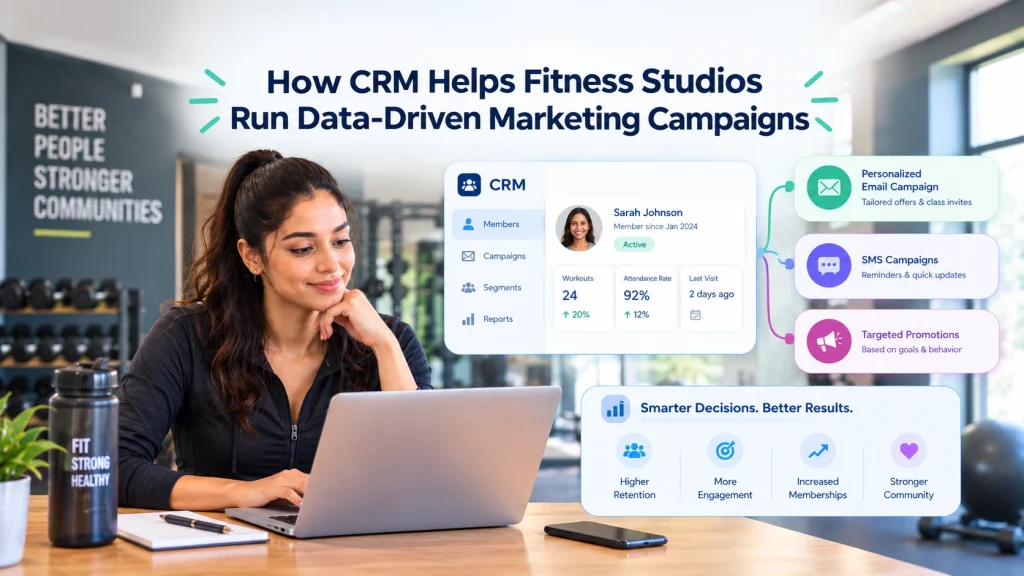
Modern Gym CRM systems now integrate various communication tools that allow gyms to reach out to their members effectively. Email marketing campaigns and SMS notifications have become essential components of fitness management strategies. These tools enable gyms to send personalized messages, reminders for upcoming classes, or promotions tailored to individual preferences. For example, a fitness studio might send a targeted email to members who have not attended in the last month, encouraging them to return with a special offer on their next class.
However, while these tools can significantly improve engagement, they come with the risk of overwhelming members with too much communication. Gyms must strike a balance between staying connected and respecting members’ preferences for communication frequency. Mismanagement in this area can lead to unsubscribes or disengagement.
Enhanced member interaction through feedback collection
Collecting feedback from members has emerged as a crucial element of Gym CRM. This process allows gyms to gauge member satisfaction and identify areas for improvement. Tools such as surveys or direct feedback forms can provide valuable insights into what members appreciate and what changes they seek. For instance, a gym might conduct quarterly surveys that ask about class offerings, facility cleanliness, and overall experience.
Yet, it’s important for gyms to act on the feedback received; otherwise, it risks creating disillusionment among members. If concerns raised are not addressed or communicated back effectively, it can foster feelings of neglect among the membership base.
Proactive engagement through effective communication and feedback collection is vital for member retention.
Gyms that utilize comprehensive communication strategies see an average retention increase of 15-20% over those that do not.
In practice, successful gyms often use software solutions that enable them to automate these processes while still allowing for personalization based on member data. For instance, using platforms like Kisi for gym management allows facilities not only to manage check-ins but also integrate communication strategies seamlessly.
Ultimately, the shift toward comprehensive member engagement through Gym CRM is about understanding that each interaction contributes significantly to building lasting relationships with members.
Data-Driven Insights: The Rise of Analytics in Gym CRM
The integration of analytics into Gym CRM systems has marked a pivotal shift in how fitness facilities understand and engage with their members. By leveraging data-driven insights, gyms can now go beyond basic member tracking to analyze behavior patterns, preferences, and overall engagement. This evolution enables a more refined approach to member management, ultimately enhancing retention and satisfaction.
Importance of data collection for understanding member behavior
Data collection is no longer just about recording attendance; it encompasses a wide array of metrics that can inform strategic decisions. For instance, gyms can track usage frequency, class participation rates, and even peak attendance times. This information allows gym owners to tailor their offerings based on actual member interests and behaviors rather than assumptions. However, the challenge lies in ensuring that the data collected is actionable. Simply gathering numbers without an analytical framework can lead to misinterpretations.
In practice, this means establishing clear metrics that align with business goals. For example, a gym may decide to focus on increasing attendance for underutilized classes by analyzing when members are most active and promoting those classes during peak times. This targeted approach not only maximizes resource allocation but also enhances member satisfaction by providing options that resonate with their schedules.
Case study: How analytics improved retention rates for a fitness chain
Consider a mid-sized fitness chain that implemented an advanced Gym CRM equipped with robust analytics capabilities. By analyzing membership data over several months, they identified a trend: many members who dropped out had not attended classes in the previous month. Armed with this insight, the gym launched re-engagement campaigns tailored to these individuals.
The campaign included personalized emails highlighting new class offerings and incentives for returning members. As a result, they saw a significant uptick in re-enrollments—approximately 25% of those contacted returned within three months. This case illustrates the power of using analytics not just as a reporting tool but as an integral part of strategic planning.
Data-driven insights can lead to significant improvements in member retention when used effectively.
Gyms utilizing advanced analytics report retention rates that are up to 30% higher than those relying solely on traditional management methods.
However, it’s essential to recognize that while analytics provide valuable insights, they also require skilled personnel who can interpret the data accurately. Misinterpretation or over-reliance on metrics without understanding context can lead to misguided strategies.
Moving forward, integrating predictive analytics further enhances this capability. By anticipating future trends based on historical data—such as seasonal attendance fluctuations—gyms can proactively adapt marketing strategies or staffing needs before issues arise.
AI and Automation: Transforming Member Experience
AI is fundamentally changing how gyms interact with their members, moving from basic engagement tactics to highly personalized experiences. By analyzing member data, AI can tailor communications and services, ensuring that each interaction feels relevant and timely. For example, using AI-driven insights, a gym can identify members who haven’t visited in a while and send them personalized messages that include special offers or reminders about classes they previously enjoyed.
Role of AI in personalizing member communication
Personalization is at the heart of effective member communication. With AI, gyms can dissect large volumes of data to understand individual preferences and behaviors. This capability enables fitness facilities to segment their members into specific groups based on activity levels, interests, or even demographic factors. For instance, a gym might discover that younger members prefer high-intensity interval training (HIIT) classes while older members gravitate toward yoga sessions. Using this insight, the gym can communicate targeted promotions or news about these classes directly to the respective groups.
However, reliance on automated communications comes with its own set of challenges. Over-personalization can lead to perceptions of being overly intrusive if not handled delicately. Members may feel uncomfortable if they receive frequent messages based on their data without opting in for such interactions. Gyms need to strike a balance between leveraging AI for personalization and respecting member privacy and preferences.
Examples of automated workflows that enhance customer service
Automated workflows can significantly enhance customer service by streamlining processes that traditionally required manual intervention. For example, a fitness center could implement an automated onboarding sequence for new members. This workflow might include welcome emails that introduce them to available services, tips for maximizing their membership, and invitations to upcoming classes—all triggered by the member’s sign-up date.
Another practical application is automating follow-up communications after a member attends a class or event. Post-class surveys sent via SMS or email can gather immediate feedback on their experience while it’s still fresh in their minds. This not only fosters engagement but also allows gyms to quickly address any concerns raised by members—an essential factor in retention strategies.
Automation in Gym CRM systems enhances efficiency but requires careful design to ensure positive member experiences.
%70 of gyms utilizing automation report improved member satisfaction due to quicker response times and tailored interactions.
‘AI-driven solutions are not just about efficiency; they’re about creating meaningful connections with members through informed interactions.’ This shift from reactive to proactive engagement is crucial for enhancing the overall gym experience. When implemented thoughtfully, automation can free up staff time while simultaneously meeting member needs more effectively.
Integrating Mobile Solutions for Enhanced Accessibility
The integration of mobile solutions into Gym CRM systems has fundamentally changed how fitness facilities interact with their members. Mobile applications are no longer just supplementary tools; they are essential components that enhance accessibility and engagement. These apps enable real-time communication, allowing members to book classes, track workouts, and manage their memberships directly from their smartphones.
Rise of mobile apps as a critical component of Gym CRM
Mobile solutions have become a critical asset for gym management and member engagement. Platforms like Gleantap and others have developed apps that not only facilitate membership management but also include features such as class schedules, personal training options, and community forums. This level of accessibility empowers members to engage with the gym on their own terms, leading to higher participation rates and improved satisfaction.
- Real-time notifications about class changes or promotional events.
- The ability to provide feedback immediately after classes via the app.
- Integration with wearables to track fitness progress.
Mobile solutions increase member engagement by making interaction convenient and immediate.
%60 of gym members prefer using mobile apps for managing their memberships over traditional methods.
However, while the benefits of mobile integration are clear, there are practical considerations that gyms must address. Not all members may be tech-savvy or comfortable using mobile applications. This gap can lead to disparities in member engagement if not managed properly. Gyms need to provide support and training for those less familiar with technology to ensure everyone can benefit from these advancements.
Benefits: seamless access to information and engagement tools
Seamless access is more than just a buzzword; it’s a necessity in today’s fast-paced world. Mobile applications allow members to check in quickly, view class schedules, and even access personalized workout plans without having to interact directly with staff or navigate through complex systems. For example, a fitness center that implemented a mobile check-in feature reported a reduction in wait times at the front desk by over 50%, leading to increased member satisfaction.
‘Moreover, these applications can serve as powerful marketing tools. They allow gyms to push notifications about upcoming events or special promotions directly to users’ phones—keeping them engaged even when they’re not physically present at the gym. However, excessive notifications can backfire; it’s crucial for gyms to find the right balance between staying top-of-mind and respecting members’ preferences.
A well-designed app can turn an average user into an engaged community member.
Member Intelligence: Understanding Behavior Patterns
Member intelligence is crucial for gyms looking to optimize their services and enhance member satisfaction. By leveraging data analytics, gyms can gain insights into behavior patterns, allowing them to anticipate member needs and tailor offerings accordingly. This goes beyond merely tracking attendance; it involves understanding the nuances of member interactions and preferences.
Utilizing predictive analytics to anticipate member needs
Predictive analytics plays a vital role in modern Gym CRM systems. By analyzing historical data, gyms can forecast future behaviors such as class attendance or membership renewals. For instance, if a gym notices a trend where members tend to drop off after six months, they can proactively implement retention strategies, such as personalized outreach or special offers before that critical point.
However, relying solely on predictive analytics comes with its challenges. Data quality and integration are paramount; if the underlying data is incomplete or inaccurate, predictions will be flawed. This necessitates regular audits of data integrity and ensuring that all relevant touchpoints—like check-ins, class participation, and engagement with communications—are accurately captured.
Real-world applications: tailoring services based on data insights
A practical example of how predictive analytics can enhance member experience is seen in a fitness franchise that implemented an advanced Gym CRM system. By analyzing usage patterns, they identified specific classes that were under-attended during certain times of the week. Armed with this information, they adjusted their schedule to offer popular classes during peak hours while discontinuing less popular ones. This not only improved attendance rates but also increased overall member satisfaction as members felt their preferences were being prioritized.
Another crucial aspect is segmenting the membership base based on behavior patterns. For example, long-term members may appreciate loyalty rewards or exclusive access to new classes, while newer members might benefit from onboarding sessions tailored to their interests. Effective segmentation allows gyms to create targeted marketing campaigns that resonate more deeply with each group’s unique needs.
Understanding behavior patterns through data analysis enables gyms to create personalized experiences that drive loyalty.
Studies show that gyms implementing tailored communication strategies can increase engagement by up to 30%.
In summary, utilizing member intelligence through predictive analytics not only enhances operational efficiency but also fosters a deeper connection between gyms and their members. As technology continues to evolve, embracing these insights will be essential for any gym aiming for long-term success in a competitive market.
Case Study: Gleantaps Role in the Evolution of Gym CRM
Gleantap has positioned itself as a game-changer in the Gym CRM landscape, particularly through its focus on member intelligence. By offering features that enhance engagement and retention, it exemplifies how modern Gym Management systems can leverage data to create meaningful connections with gym members.
Overview of Gleantaps features that enhance member intelligence
At its core, Gleantap combines data analytics with communication tools to provide gyms with a comprehensive understanding of their members. Key features include automated engagement workflows, personalized messaging, and real-time feedback collection. For instance, gyms can automate birthday greetings or class reminders based on individual member preferences, significantly improving the member experience. The platform also allows for segmentation of members based on their activity levels and preferences, enabling targeted campaigns that resonate more effectively.
However, while these capabilities are powerful, they require careful management to avoid overwhelming members with excessive communication. Gyms must find a balance between leveraging automation and ensuring that outreach feels personal rather than robotic. Missteps in this area can lead to disengagement. For example, if a gym sends multiple reminders for classes without considering a member’s attendance behavior, it may irritate rather than engage.
Success stories from fitness clubs using Gleantaps platform
Several fitness clubs have reported transformative results after integrating Gleantap into their operations. One notable case involves a mid-sized gym that struggled with retaining new members beyond the first few months of membership. After implementing Gleantap’s CRM system, they utilized its analytics to identify drop-off points in engagement. By launching targeted re-engagement campaigns—such as personalized offers for classes that members had shown interest in—they managed to reduce attrition rates by approximately 30% within six months.
Moreover, the gym benefited from real-time feedback mechanisms provided by Gleantap. By regularly collecting input from members regarding class offerings and facility improvements, management could address concerns proactively. This not only fostered a sense of community but also empowered members by making them feel heard—an essential factor in enhancing loyalty.
‘Gleantap’s approach illustrates how modern Gym CRM systems can turn data into actionable insights that drive both engagement and retention.’
Gyms leveraging Gleantap have reported up to a 40% increase in member satisfaction due to personalized communication strategies.
Future Trends in Gym CRM Technology
The landscape of Gym CRM technology is poised for significant transformation, driven by emerging technologies that promise to enhance member engagement and operational efficiency. As fitness facilities adapt to the evolving needs of their members, understanding these trends is crucial for staying competitive.
Emerging technologies that will shape the next generation of Gym CRMs
Artificial Intelligence (AI) and machine learning are at the forefront of this evolution. These technologies will allow Gym CRMs to analyze vast amounts of member data more efficiently, enabling personalized experiences that cater to individual preferences. For instance, AI-driven systems can predict which classes a member is likely to attend based on their past behavior, allowing gyms to tailor offerings and marketing strategies accordingly.
However, while AI presents significant opportunities, it also comes with challenges. The reliance on algorithms can lead to a one-size-fits-all approach if not calibrated correctly. Gyms must ensure they maintain a human touch in their interactions while leveraging AI for insights. Misinterpretations or over-reliance on predictive models could alienate members if they feel like just another data point.
Blockchain technology is another area worth noting. It offers potential improvements in transparency and security for member transactions and data management. By utilizing blockchain, gyms can create secure records of memberships and payments, reducing fraud risks and enhancing trust among members. However, the implementation complexity and cost are significant considerations; not every gym may find it feasible or necessary at this stage.
What’s next? – The potential impact of IoT on member engagement
The Internet of Things (IoT) stands to revolutionize how gyms interact with their members by providing real-time data from connected devices. Fitness wearables can relay information on workout performance directly to Gym CRMs, allowing facilities to offer tailored recommendations based on actual activity levels. For example, if a member’s wearable reports low activity levels over a week, the gym could proactively reach out with personalized encouragement or suggest classes that align with their interests.
IoT integration also enables smarter gym space management. By analyzing data from connected equipment, gyms can optimize class schedules based on usage patterns or even adjust the deployment of staff during peak times. This level of responsiveness not only improves operational efficiency but also enhances the overall member experience.
While IoT offers remarkable advantages in engagement and operational efficiency, it requires substantial investment in technology infrastructure and ongoing maintenance.
Gyms embracing IoT can expect up to a 25% increase in member engagement through tailored experiences and optimized operations.
As these technologies continue to evolve, gyms must remain agile in adapting their CRM strategies. The ability to integrate emerging tools effectively will ultimately determine how well a facility connects with its members and meets their needs.
The evolution of Gym CRM reflects a broader shift in the fitness industry—from transactional membership management to relationship-driven member experiences. As AI, automation, predictive analytics, and mobile engagement continue to advance, gyms that embrace intelligent CRM strategies will be better equipped to deliver personalized experiences that members truly value. The future of fitness management is no longer just about tracking memberships; it’s about understanding behaviors, anticipating needs, and building stronger communities through data-driven engagement. By investing in modern Gym CRM technology, fitness businesses can create lasting member relationships, improve retention, and stay ahead in an increasingly competitive fitness landscape.
FAQs
Gym CRM is increasingly recognized as a crucial tool for fitness facilities, but many still have questions about its practical implications and benefits. Understanding these facets can help gym owners make informed decisions about integrating CRM systems into their operations.
What is a Gym CRM?
A Gym CRM (Customer Relationship Management) system is designed specifically for fitness facilities to manage interactions with current and potential members. It centralizes data management, enabling gyms to track member information, engagement levels, and preferences. This system goes beyond mere contact management by employing analytics to drive member engagement strategies.
However, not all Gym CRMs are created equal; some may focus more on administrative tasks while neglecting member engagement features. Choosing the right platform is essential for achieving desired outcomes.
How has technology changed Gym CRMs?
The evolution of technology has significantly impacted Gym CRMs by introducing advanced features like automation, AI-driven analytics, and mobile accessibility. Modern systems can analyze member behaviors in real time and generate actionable insights that inform marketing strategies or service offerings.
For instance, gyms can now use AI to send personalized communications based on members attendance patterns or preferences. This capability has transformed how gyms interact with their members, making communication more relevant and timely.’
What are some common features found in today’s Gym CRMs?
‘Today’s Gym CRMs typically include features such as automated communication tools (e.g., SMS and email marketing), membership tracking, reporting dashboards, feedback collection mechanisms, and integration capabilities with other software like payment systems.’
However, the presence of these features does not guarantee effectiveness. Gyms must ensure they utilize these tools properly to see tangible results in engagement and retention.
Why is member intelligence important for gyms?


Ready to Run Successful Marketing Campaigns and Grow Your Business?
Gleantap helps you unify customer data, track behavior patterns, and automate personalized campaigns, so you can increase repeat purchases and grow your business.
Ready to Run Successful Marketing Campaigns and Grow Your Business?
Gleantap helps you unify customer data, track behavior patterns, and automate personalized campaigns, so you can increase repeat purchases and grow your business.