

Introduction
Welcome to the wild world of marketing automation, where technology promises to make our lives easier but often leaves us scratching our heads. In the fast-paced landscape of B2C brands, especially in the fitness industry, traditional marketing automation can sometimes feel like trying to run a marathon in flip-flops-awkward and not very effective.
Overview of marketing automation in the B2C landscape
The B2C marketing arena is buzzing with opportunities thanks to automated marketing tools. From email marketing automation to CRM for fitness industry, brands are leveraging technology to streamline their operations and engage customers like never before. However, while the potential is enormous, many brands find themselves trapped in outdated systems that just don’t cut it anymore.
As of 2023, the marketing automation industry is projected to soar to a whopping $25.1 billion, showcasing how businesses are increasingly investing in these tools. But are they getting the return on this investment? Spoiler alert: not always.
Importance of adapting to modern consumer behavior
Today’s consumers have evolved-think less ‘one-size-fits-all’ and more ‘give me what I want when I want it’. They expect personalized experiences and seamless interactions across various platforms. If you’re still using a set-it-and-forget-it approach, you might as well be sending smoke signals instead of emails!
The rise of digital transformation in the fitness industry means that businesses must adapt or risk being left behind. This includes understanding how modern consumers engage with brands and how they prefer their information delivered-hint: it’s likely not via a generic newsletter.
Brief introduction to fitness marketing automation
When it comes to fitness marketing automation, we’re talking about tools tailored specifically for gyms and studios-think client engagement tools, automated follow-up systems, and behavior-based marketing strategies that resonate with fitness enthusiasts. These tools can help streamline processes such as lead nurturing and upselling services like workout classes or loyalty programs for gyms.
The challenge? Many fitness brands still cling to traditional methods that don’t align with current consumer expectations. Just because you can automate something doesn’t mean you should if it doesn’t serve your audience’s needs!
Key Takeaway: Embrace modern fitness marketing automation by focusing on personalization and customer engagement rather than just automating existing processes.
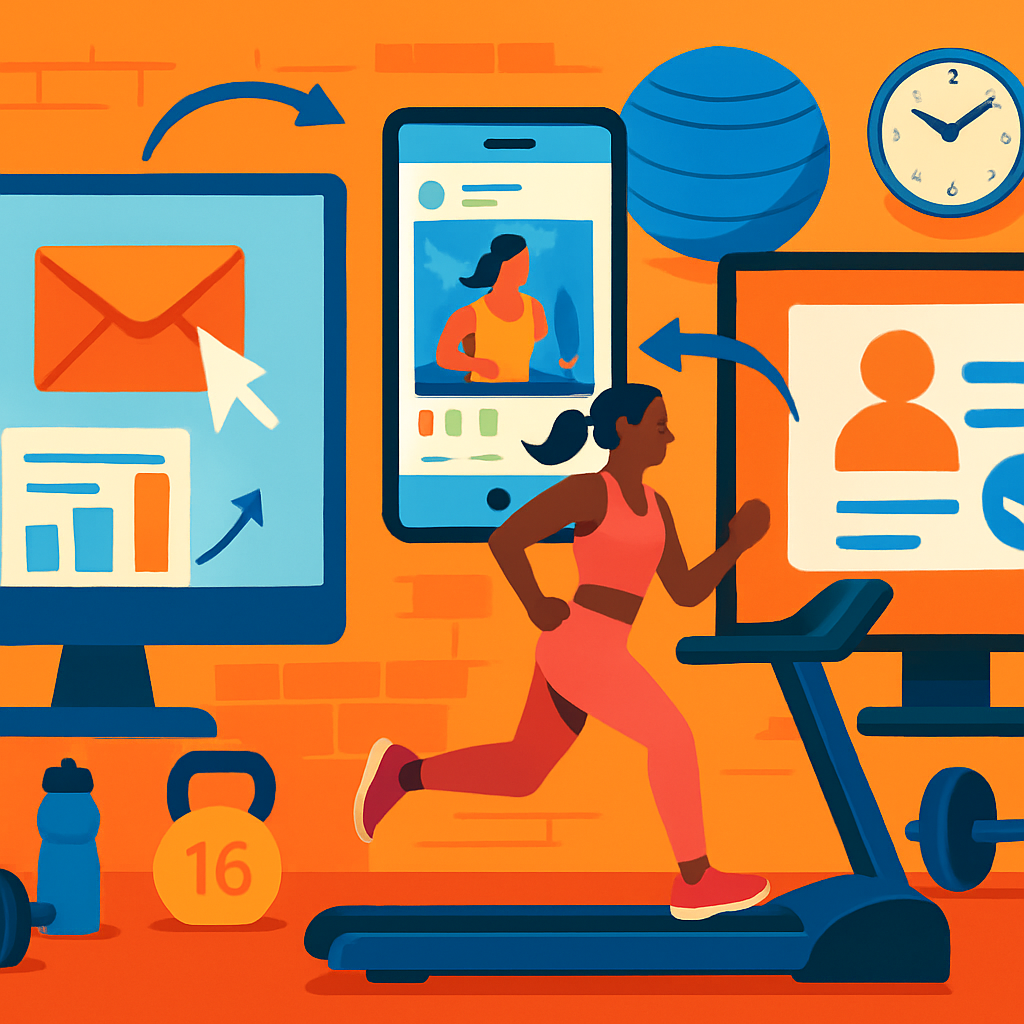
The Evolution of Marketing Automation
History and development of traditional marketing automation
Marketing automation has come a long way since the days of sending mass emails that looked like they were written by a robot with a broken keyboard. In the early 2000s, businesses began adopting marketing software that allowed them to automate repetitive tasks, such as sending out newsletters and tracking customer interactions. Fast forward to today, and we’ve moved beyond basic automation into the realm of cross-channel marketing automation, where brands can engage customers across multiple platforms-think email, social media, and even SMS.
However, while these systems were revolutionary at the time, they often lack the flexibility and intelligence needed for modern B2C brands, particularly in sectors like fitness where consumer expectations are soaring.
Key features of traditional systems
Traditional marketing automation systems boast a variety of features that were once considered cutting-edge. Here are some key characteristics:
- Lead nurturing: Automatically send follow-up emails based on user behavior.
- Email marketing automation: Schedule campaigns in advance and segment lists for targeted outreach.
- Basic analytics: Track open rates and click-through rates to gauge campaign effectiveness.
- CRM integration: Connect with existing customer relationship management tools for streamlined data management.
While these features sound great on paper, they often fall short when it comes to meeting the demands of today’s savvy consumers who crave personalization and timely engagement.
Limitations faced by B2C brands today
The limitations of traditional marketing automation systems have become glaringly obvious as B2C brands navigate an increasingly complex landscape. Here are some major hurdles:
- Lack of real-time data: Traditional systems often struggle with integrating real-time analytics, making it hard for brands to pivot their strategies quickly based on consumer behavior.
- Inflexibility: Many platforms offer rigid templates that don’t allow for customization tailored to niche markets like fitness. A one-size-fits-all approach simply doesn’t cut it anymore!
- Poor customer engagement: Without advanced client engagement tools, brands risk losing touch with their audience-leading to missed opportunities in fitness customer acquisition.
- Ineffective upselling strategies: Traditional systems often lack the capability for intelligent upselling or cross-selling based on user behavior or preferences.
Key Takeaway: To thrive in today’s competitive landscape, B2C brands must evolve beyond traditional marketing automation tools and embrace solutions that prioritize flexibility, real-time analytics, and personalized experiences.
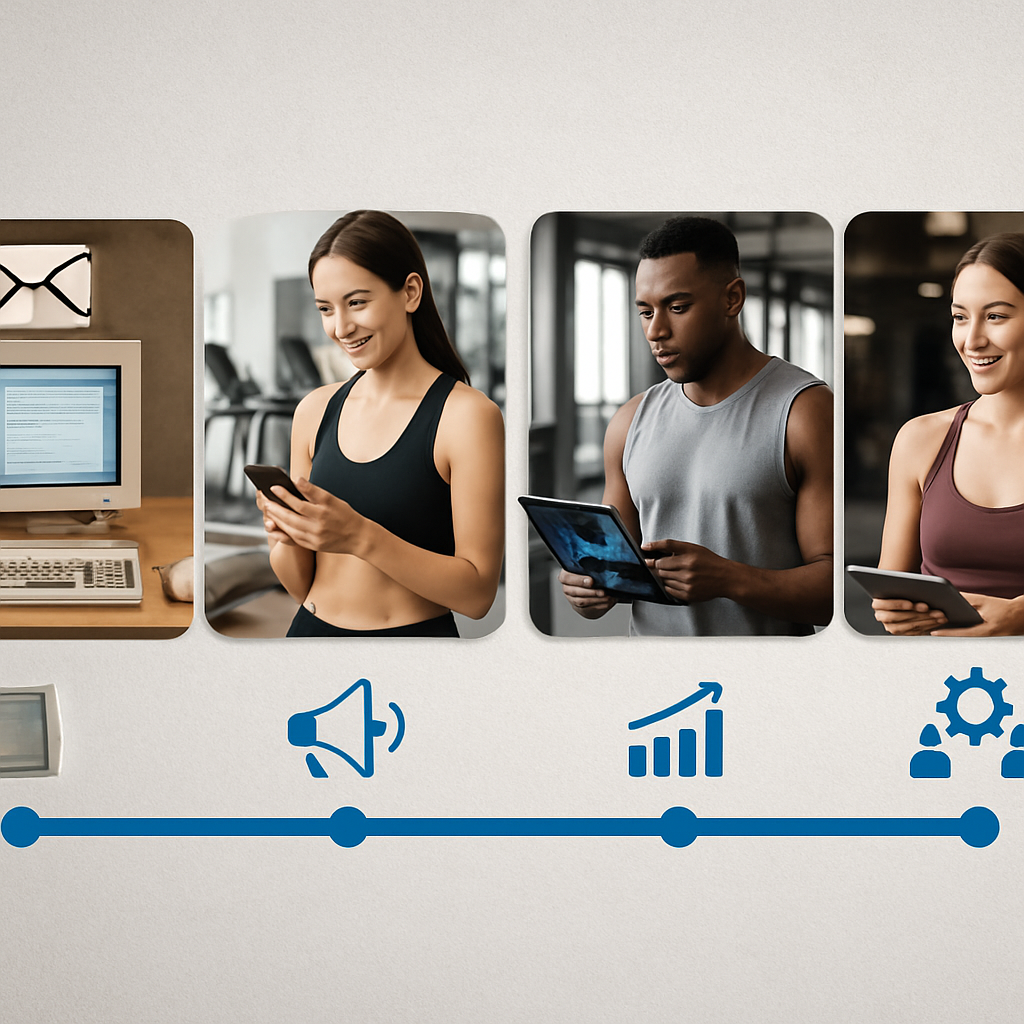
Challenges Faced by Modern B2C Brands
Changing consumer expectations and behaviors
Consumers today are like a demanding personal trainer, pushing brands to be better, faster, and more personalized. Gone are the days of generic marketing messages that feel as outdated as a flip phone. Now, it’s all about personalized marketing campaigns that cater to individual preferences and behaviors.
With the rise of fitness marketing automation, brands must adapt to these changing expectations or risk alienating their audience. Consumers expect relevant content delivered at the right time through their preferred channels. If your marketing strategy is stuck in the past, you might as well be shouting into a void.
The rise of personalized marketing demands
The demand for personalization is not just a trend; it’s a fundamental shift in how consumers interact with brands. According to recent studies, 80% of consumers are more likely to make a purchase when brands offer personalized experiences. This means that fitness brands need to leverage automation tools that allow for tailored messaging and targeted advertising for gyms.
Imagine sending out workout program promotions that resonate with specific customer segments based on their previous interactions or preferences. That’s not just smart; that’s necessary! Brands that fail to implement effective B2C email campaigns risk being left behind in the dust of irrelevance.
The impact of social media and digital channels on engagement
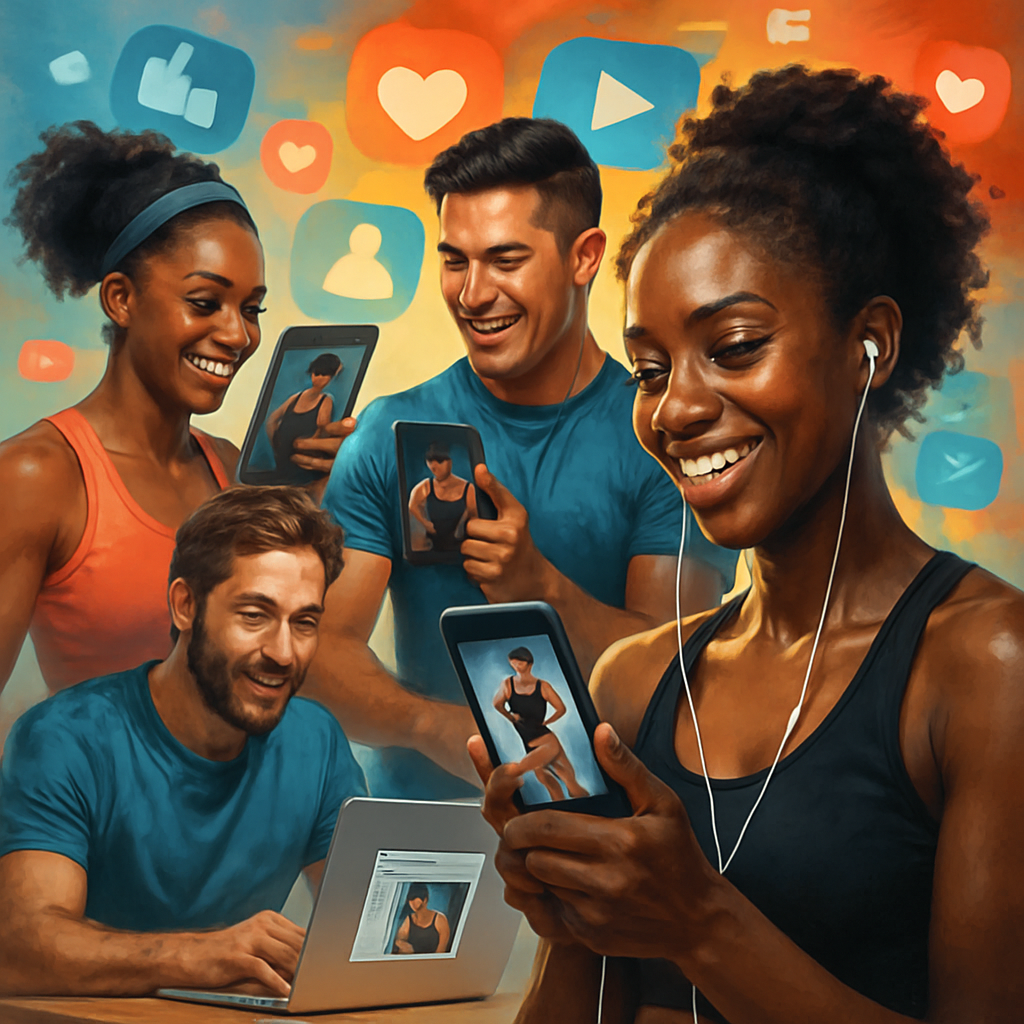
If there’s one thing we know about modern consumers, it’s that they’re glued to their screens-especially social media. The average person spends over 2 hours a day scrolling through feeds, making it essential for B2C brands to engage where their audience hangs out. This is where social media automation for fitness brands comes into play.
Brands need to create engaging content that sparks conversations and encourages sharing. Think about it: if your gym posts an inspiring transformation story or a killer workout tip but no one sees it, did it even happen? The answer is no! Integrating social media into your overall marketing strategy can enhance client engagement and drive traffic through the sales funnel like never before.
Key Takeaway: To thrive in today’s market, B2C brands must prioritize understanding consumer behavior, embrace personalization, and leverage digital channels effectively.
Why Traditional Marketing Automation Falls Short
Lack of real-time data integration and analysis
Imagine trying to navigate a bustling city without a map or GPS. That’s what traditional marketing automation feels like in today’s fast-paced B2C landscape. These legacy systems often lack real-time data integration, making it difficult for brands to adapt their strategies on the fly. In the fitness industry, where consumer preferences can shift faster than a treadmill’s speed settings, this is a significant hurdle.
Without marketing analytics that provide immediate insights, brands risk missing out on timely opportunities to engage customers effectively. For instance, if a gym notices a spike in interest for yoga classes but can’t act quickly due to outdated data, they may miss the chance to convert that interest into memberships.
Inflexibility in campaign customization for niche markets like fitness
Let’s face it: traditional marketing automation tools can be as rigid as a bodybuilder’s diet plan. Many platforms offer cookie-cutter templates that simply don’t cater to the unique needs of niche markets like fitness. A gym’s audience is diverse, with varying interests-from high-intensity interval training (HIIT) enthusiasts to yoga aficionados-yet many systems force brands into one-size-fits-all campaigns.
This inflexibility stifles creativity and personalization in fitness marketing. If your automated emails look identical to those sent by every other gym in town, how can you stand out? To truly connect with potential members, fitness brands need tools that allow for tailored messaging and creative promotions that resonate.
Failure to leverage customer relationship management (CRM) effectively in B2C settings
Ah, CRM-the holy grail of customer relationship management! But when it comes to traditional marketing automation, many brands fail to utilize their CRM systems effectively. Instead of enhancing customer relationships, these outdated tools often create silos of information that hinder meaningful engagement.
A robust B2C CRM should facilitate smooth interactions across all touchpoints-from initial inquiries about gym memberships through post-signup follow-ups. However, when these systems don’t integrate well with marketing automation tools, brands lose valuable insights into customer behavior and preferences.
This disconnect can lead to missed opportunities for lead nurturing, effective upselling of services like personal training sessions or workout classes, and even loyalty programs that keep clients coming back. As per recent data, B2C e-commerce sales are expected to reach $4.5 trillion by the end of 2023.
Key Takeaway: To thrive in today’s competitive landscape, B2C brands must evolve beyond traditional marketing automation tools and embrace solutions that prioritize flexibility, real-time analytics, and personalized experiences tailored specifically for their audience.

The Importance of Fitness Marketing Automation for B2C Brands
Unique challenges faced by fitness brands in marketing automation
Fitness brands are like the underdogs in the world of marketing automation. They face unique challenges that can make or break their success. First off, think about the diverse clientele-a gym attracts everyone from hardcore weightlifters to casual yoga practitioners. This diversity means that a one-size-fits-all approach simply won’t cut it.
Moreover, with the fitness industry booming and competition heating up, brands need to stand out. Traditional marketing methods often fall short in engaging these varied audiences effectively. For instance, if a gym sends out a generic email promoting a new workout class without segmenting its audience, it risks alienating those who prefer different fitness styles.
Key Takeaway: Fitness brands must embrace tailored fitness marketing automation strategies that cater to their diverse audience while maintaining engagement.
The role of data-driven decision making in fitness marketing strategies
In the realm of fitness marketing, data is your best friend-think of it as your personal trainer guiding you through every rep! Utilizing marketing analytics allows fitness brands to make informed decisions based on consumer behavior and preferences. For example, gyms can analyze which classes are most popular and tailor their promotional efforts accordingly.
This data-driven approach not only enhances client engagement tools, but also improves retention rates. Brands can identify trends-like which times of day see the most bookings-and adjust their offerings or marketing campaigns to capitalize on these insights.
A recent study showed that businesses leveraging data-driven strategies see a 20% increase in customer retention rates. Imagine what that could mean for your gym!
Case studies illustrating successful adaptations in fitness marketing automation
Let’s dive into some real-world examples where fitness brands have successfully harnessed fitness marketing automation. Take Gym A, for instance: they implemented an automated follow-up system that reduced no-shows by up to 40%. By sending personalized reminders via SMS and email before classes, they kept clients engaged and accountable.
Another standout is Studio B, which used behavior-based marketing automation to segment their audience effectively. They tailored promotions based on past attendance and preferences-offering discounts on HIIT classes for regular attendees while pushing yoga sessions to another group. The result? A significant boost in attendance across all classes!
Key Takeaway: Successful adaptations in fitness marketing automation rely heavily on personalization and strategic data usage-these are game changers!
Strategies for Effective Modern Marketing Automation in B2C Fitness Brands
Implementing agile marketing practices for responsiveness
In the fast-paced world of fitness, agility is key. Think of your marketing strategy as a well-trained athlete, ready to pivot at a moment’s notice. Agile marketing practices allow fitness brands to respond quickly to changing consumer preferences and industry trends.
This involves regularly reviewing and adjusting your campaigns based on real-time data. For instance, if a particular workout class is gaining traction on social media, why not launch an immediate promotional campaign? Tools like sales funnel automation can help streamline this process, ensuring you don’t miss out on potential leads.
- Regularly analyze performance metrics: Use marketing analytics to evaluate which campaigns are hitting the mark and which are falling flat.
- A/B testing: Experiment with different messaging or offers to see what resonates best with your audience.
- Feedback loops: Implement client feedback management tools for continuous improvement based on user experience.
Key Takeaway: Embrace agility in your marketing strategies to stay relevant and responsive to consumer needs-because in fitness, just like in marketing, speed matters!
Utilizing advanced analytics for targeted campaigns and personalization
If data is the new oil, then advanced analytics is your refinery! In the realm of fitness marketing automation, leveraging data can transform generic campaigns into personalized masterpieces that speak directly to your audience’s desires.
By utilizing tools that provide insights into customer behavior, fitness brands can create tailored messages that resonate. For example, if you know that a segment of your audience loves high-intensity workouts, send them specific promotions related to those classes. This not only increases engagement but also enhances gym membership retention strategies.
- User segmentation: Divide your audience based on demographics or behavior patterns for targeted outreach.
- Predictive analytics: Anticipate future trends and customer needs by analyzing past behaviors.
- Email personalization: Use dynamic content in B2C email campaigns, so each recipient feels like the message was crafted just for them.
Key Takeaway: Harnessing advanced analytics allows fitness brands to craft personalized marketing campaigns that drive engagement and conversion rates through the roof!
Integrating multi-channel approaches to enhance customer engagement and retention
Your customers are everywhere-on social media, checking their emails, and even browsing fitness apps. So why limit your reach? Integrating a multi-channel approach ensures that you connect with clients wherever they are hanging out online. Think of it as casting a wide net in a sea full of potential members!
This means utilizing various platforms-from social media automation for fitness brands to email newsletters-to create a cohesive brand experience. For example, promote an upcoming challenge on Instagram while sending personalized email reminders about sign-ups. This kind of cross-channel marketing not only builds brand awareness but also enhances client loyalty.
- Synchronized messaging: Ensure that all channels communicate similar messages tailored for their audiences.
- Cohesive branding: Maintain consistent visual elements across platforms to strengthen brand identity.
- Loyalty programs integration: Promote loyalty programs across all channels to encourage repeat visits and referrals.
Key Takeaway: A well-integrated multi-channel approach amplifies customer engagement and retention by meeting clients where they are-because every touchpoint matters!
Conclusion and Future Outlook for Marketing Automation in Fitness B2C Brands
Future trends in marketing automation technology
The future of marketing automation in the fitness industry is bright and filled with opportunities. As we look ahead, several trends are set to redefine how fitness brands engage with their customers:
- Artificial Intelligence: Expect to see AI-driven tools that analyze customer behavior and preferences in real-time, allowing for hyper-personalized marketing campaigns.
- Integration of Virtual Reality (VR): Imagine virtual workout classes that not only promote engagement but also allow users to experience workouts from the comfort of their homes.
- Enhanced Data Security: With increasing concerns about data privacy, fitness brands will need to invest in secure B2C CRM solutions that protect consumer data while delivering tailored experiences.
- Omnichannel Strategies: The future will favor brands that can seamlessly integrate various platforms-think social media, email, and mobile apps-to create a unified customer journey.
The integration of these technologies will empower fitness brands to optimize their sales funnel automation, streamline client interactions, and enhance overall customer satisfaction.
Final thoughts on the evolving landscape of fitness marketing automation
The landscape of fitness marketing automation is evolving rapidly, and brands must stay ahead of the curve. Here are some key points to keep in mind as you navigate this changing terrain:
- Consumer-Centric Approach: Always prioritize your customers’ needs. Personalized experiences are no longer optional; they are essential for retention and acquisition.
- Aggressive Adoption of Technology: Embrace automated marketing tools that offer flexibility and robust analytics. This will help you respond quickly to market changes and consumer demands.
- Lifelong Learning: Stay informed about the latest trends in the fitness industry. Regularly update your strategies based on emerging technologies and consumer preferences.
- Sustainable Engagement Practices: Focus on building lasting relationships through loyalty programs and effective client feedback management tools. This will enhance gym membership retention strategies significantly.
Tangible Takeaway: The future belongs to those who adapt swiftly-embrace cutting-edge technologies, prioritize personalization, and foster community within your brand for sustained growth!
It’s time to break free from outdated, one-size-fits-all marketing systems that no longer match the speed or expectations of modern B2C consumers—especially in fitness. Your audience wants real-time personalization, seamless engagement, and experiences built around their goals, not generic automations. Don’t let old tools hold your brand back. Embrace smarter, data-driven fitness marketing automation that actually understands your members, adapts instantly, and drives measurable growth. Start transforming your customer journey today with technology built for modern behavior—not yesterday’s limitations. Take the first step toward stronger engagement, higher retention, and a more powerful marketing strategy. Your upgrade starts now.

Written by
Marcus Webb
Marcus is a B2C marketing strategist with over 8 years of experience in lifecycle marketing, SMS campaigns, and customer retention. He specialises in helping multi-location businesses reduce churn and build long-term customer loyalty.
Recent blog posts
Back to blog

Ready to Run Successful Marketing Campaigns and Grow Your Business?
Gleantap helps you unify customer data, track behavior patterns, and automate personalized campaigns, so you can increase repeat purchases and grow your business.
Ready to Run Successful Marketing Campaigns and Grow Your Business?
Gleantap helps you unify customer data, track behavior patterns, and automate personalized campaigns, so you can increase repeat purchases and grow your business.