
 Sarah Kim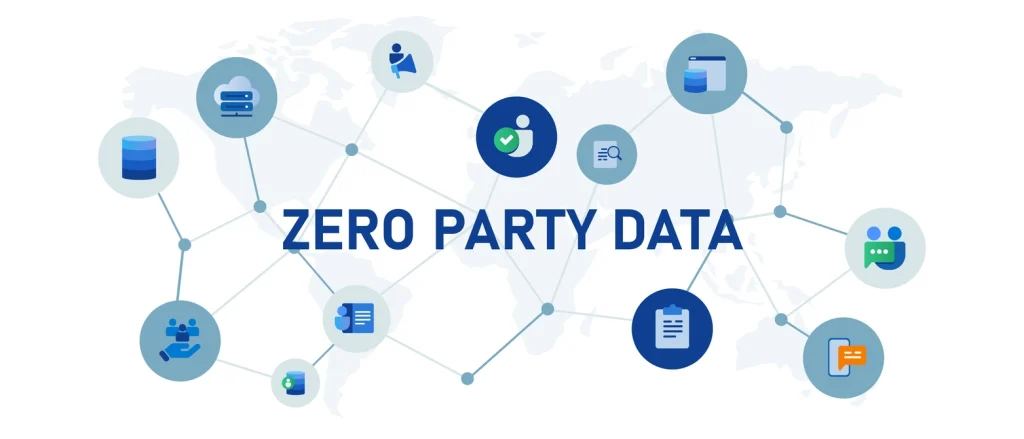
As privacy regulations tighten and consumers become more conscious of how their personal information is used, marketers are being forced to rethink traditional data collection strategies. Enter zero-party data — information that customers intentionally and proactively share with brands in exchange for more relevant and personalized experiences. Unlike third-party tracking methods that often feel intrusive, zero-party data is built on transparency, trust, and direct communication. For B2C brands, this shift represents more than just a compliance solution; it signals a new era of customer-centric marketing where meaningful engagement starts with consent and genuine consumer relationships.
Understanding Zero-Party Data: Definition and Characteristics
Let’s get one thing straight: zero-party data is not just another buzzword floating around the marketing ether. In fact, according to recent studies, brands that leverage zero-party data can achieve a staggering 40% increase in customer engagement. This isn’t just a statistic; it’s a call to action for marketers looking to elevate their game.
So, what exactly is zero-party data? Unlike first-party data—which you gather from your users’ interactions with your brand—zero-party data is the information that customers willingly share with you. Think of it as a love letter from your consumers, detailing their preferences, interests, and desires. They’re opening up to you because they trust you to use this information wisely.
Characteristics of Zero-Party Data
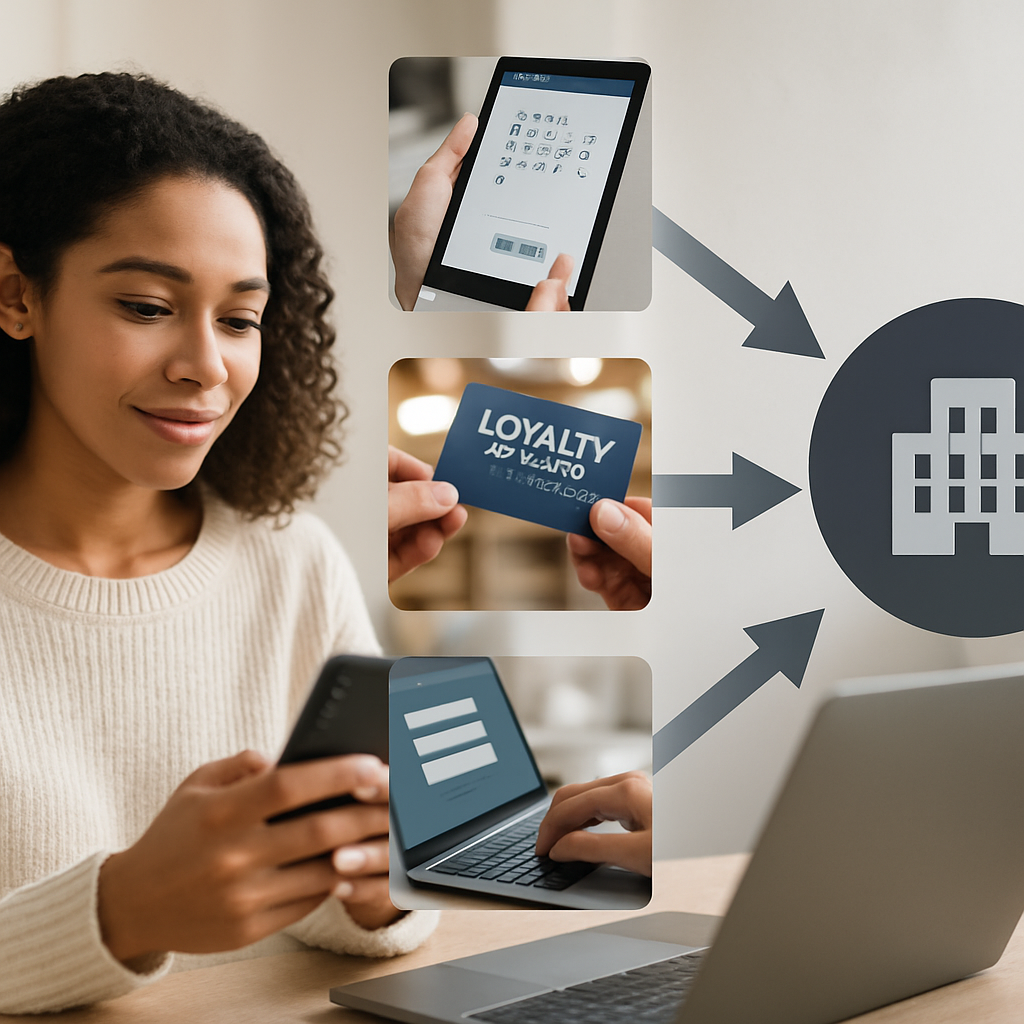
The defining trait of zero-party data is its origin: it comes directly from the consumer. This means that it’s collected through explicit interactions such as surveys, preference centers, or loyalty programs where users opt-in to share their insights. This contrasts sharply with third-party data, which often involves questionable tracking practices and raises serious concerns about data privacy.
- User Consent: Customers give explicit permission for their information to be used.
- Transparency: Brands communicate how this data will enhance the customer experience.
- Personalization: The end goal is to tailor marketing efforts based on individual preferences.
- Engagement: Increases customer loyalty and trust by fostering direct relationships.
Zero-party data isn’t just a nice-to-have; it’s becoming essential in today’s privacy-focused landscape. With regulations like GDPR tightening the screws on how consumer data can be utilized, marketers are finding refuge in this ethical approach to data collection. It aligns perfectly with growing consumer expectations for transparency and respect regarding their personal information.
Zero-party data is the cornerstone of user-centric marketing strategies that prioritize consumer trust and engagement.
Why It Matters
Data-driven marketing has been all the rage for years now, but without consent-driven insights like those provided by zero-party data, marketers are essentially flying blind. Imagine trying to hit a target without knowing where it is—you’d probably miss more than you hit! By leveraging zero-party data effectively, brands can not only improve targeting but also create campaigns that resonate more deeply with their audience.
Brands using zero-party data report higher customer satisfaction rates—upwards of 60%.
The Role of Consumer Trust in Zero-Party Data Collection
Consumer trust isn’t just a nice-to-have; it’s the bedrock upon which successful zero-party data strategies are built. Think of it as the secret sauce that makes your marketing dish palatable. Without it, even the most sophisticated data collection efforts can fall flat.
A recent survey found that 81% of consumers feel they have little control over their personal information, leading to a growing skepticism towards brands. If your business is perceived as untrustworthy, good luck getting anyone to share their preferences with you! This is where zero-party data shines—when customers willingly hand over their insights, it’s a clear sign they trust you.
Building Trust through Transparency
Transparency is the magic word in this equation. When brands openly communicate how they will use consumer data—be it for personalized marketing or enhanced customer experiences—they pave the way for stronger relationships. Imagine a fitness studio that asks members about their workout preferences and then follows up with tailored class recommendations. If members see that their feedback is valued and acted upon, trust builds naturally.
- Clear Communication: Explain how zero-party data will improve user experience.
- Respect Privacy: Adhere to privacy regulations like GDPR to show you care.
- Engage Regularly: Use surveys and feedback loops to keep communication channels open.
The Impact of Trust on Data Collection
Hey, I’ll share my secrets if you promise not to spill them! That’s essentially what consumers are thinking when they consider sharing zero-party data. When they trust a brand, they’re more likely to provide valuable insights that can refine marketing strategies and enhance customer engagement.
But what if I share my info and get spammed? This common fear can be alleviated by implementing robust consent management platforms that ensure users know exactly what they’re opting into. For example, a health food brand could use a simple checkbox during account creation that clearly states how often users will receive personalized offers based on their preferences.
Brands that prioritize consumer trust see up to a 20% increase in customer loyalty programs participation.
Zero-Party Data vs First-Party Data
What’s the difference? It’s simple: first-party data is collected from user interactions while zero-party data comes directly from consumer input. The latter requires an emotional investment from consumers—a leap of faith rooted in trust.

In conclusion, prioritizing consumer trust in zero-party data collection isn’t just smart—it’s essential for creating meaningful connections with your audience. As privacy regulations tighten and skepticism rises, brands must adopt a privacy-first approach that champions transparency and ethical practices. So next time you’re crafting your marketing strategy, remember: without trust, even the best-laid plans can go awry.
Regulatory Landscape Affecting Zero-Party Data Usage
Navigating the regulatory landscape surrounding zero-party data is like walking a tightrope—one misstep, and you risk losing consumer trust or facing hefty fines. With privacy regulations becoming more stringent, brands need to be acutely aware of how they collect, store, and utilize consumer data.
Consider this: a recent report found that nearly 65% of consumers are concerned about how their data is being used. This anxiety isn’t unfounded; laws like GDPR and CCPA have emerged as powerful forces in the realm of data privacy, fundamentally shifting how businesses approach their marketing strategies.
Understanding Key Regulations
GDPR (General Data Protection Regulation) and CCPA (California Consumer Privacy Act) are at the forefront of this regulatory shift. These laws mandate that businesses must obtain explicit consent from consumers before collecting their data—enter zero-party data, which thrives on user consent.
- GDPR requires clear communication on how consumer data will be used.
- CCPA grants consumers the right to know what personal information is being collected and shared.
- Both regulations emphasize the importance of transparency in data practices.
Zero-party data collection aligns seamlessly with privacy regulations by prioritizing user consent and transparency.
The Benefits of Compliance
But wait, you might say. What’s in it for me? Well, complying with these regulations not only helps avoid fines but also builds consumer trust. When brands demonstrate respect for privacy through transparent practices, they foster loyalty and engagement—essential ingredients for effective personalized marketing.
Imagine a fitness studio that encourages members to share their workout preferences through an easy-to-understand survey. By clearly stating how this information will enhance their experience—like personalized class recommendations—they create a win-win situation: compliance with regulations while gaining valuable insights into customer preferences.
Brands that prioritize compliance with privacy regulations report up to a 30% increase in customer engagement due to enhanced trust.
Future Trends in Zero-Party Data Regulation
As we look ahead, expect even more robust regulations to emerge globally. Countries are increasingly adopting stricter privacy laws similar to GDPR. This means brands must stay agile and proactive in adapting their zero-party data strategies to align with these evolving standards.

In summary, understanding the regulatory landscape surrounding zero-party data is crucial for any brand aiming to build solid consumer relationships while staying compliant. As these laws continue to evolve, marketers should focus on incorporating ethical practices into their strategies—after all, a commitment to transparency not only protects your business but also empowers your customers.
Zero-Party Data vs. First-Party Data: A Comparative Analysis
Picture this: you walk into a café where the barista knows your name, your favorite drink, and even remembers that you like it extra hot. That’s the magic of zero-party data in action—direct insights from consumers who feel valued. Now, contrast that with a fast-food joint that only knows you ordered a burger last time. That’s first-party data—useful, but lacking the personal touch.
Defining the Core Differences
At its core, zero-party data is all about direct consumer input. It’s like having a heart-to-heart conversation where customers openly share their preferences and desires. First-party data, on the other hand, is more observational—it’s gathered from interactions like website visits or purchase history without the emotional investment. Both types are valuable, but they serve different purposes in your marketing strategy.
The Emotional Connection
Zero-party data thrives on trust and transparency; it requires consumers to willingly share insights based on their experiences and feelings towards a brand. For instance, a fitness studio might ask members what types of classes they enjoy most through an engaging survey. This not only gathers valuable information but also fosters a sense of community and belonging—critical elements for building customer loyalty.
Conversely, first-party data often feels transactional. While it provides essential metrics about user behavior (like session duration or cart abandonment), it lacks the depth that comes from knowing why customers prefer certain products or services. Think of it like reading someone’s diary versus having a casual chat over coffee.
Data Privacy Implications
In today’s privacy-conscious world, zero-party data shines as a beacon of ethical marketing practices. With GDPR compliance and consumer trust at stake, brands that prioritize user consent can cultivate stronger relationships with their audience. When consumers share their preferences willingly, they’re entering into an agreement built on mutual respect—a refreshing change from the often murky waters of third-party data collection.
[First-party data] isn’t without its challenges either; while it can be collected legally through user interactions, brands must still navigate privacy regulations to ensure they’re not crossing any lines. The key difference? Zero-party data is inherently compliant because it relies on explicit user consent.
[Zero-party data enables brands to build deeper connections with consumers through transparency and trust.]
[The Practical Applications]
Implementing Effective Zero-Party Data Strategies
Think of zero-party data strategies as the secret ingredient in your marketing recipe. When done right, they can elevate your brand’s engagement to new heights. But how do you get started? Here’s a roadmap to help you navigate this exciting territory.
Step 1: Prioritize User Consent
First things first, you need to ensure that users are on board with sharing their information. This isn’t just about asking for data; it’s about creating a culture of consent. Use opt-in forms that clearly explain what data you’re collecting and how it will enhance their experience. For instance, a local gym could prompt members to share their fitness goals through an engaging survey during sign-up, ensuring they know their input will lead to personalized workout recommendations.
Step 2: Create Value-Driven Interactions
Next up, make sure the interactions that gather zero-party data are genuinely valuable to the consumer. This means going beyond generic surveys and crafting experiences that resonate with them. A coffee shop might invite customers to share their favorite drink preferences in exchange for a free beverage on their next visit. This not only collects valuable insights but also fosters goodwill and loyalty.
Step 3: Leverage Technology for Data Collection
Now let’s talk tech! Implementing zero-party data strategies often requires the right tools. Consider using consent management platforms that streamline the process of collecting and managing user preferences while ensuring GDPR compliance. These tools can help automate follow-ups based on user feedback—like sending tailored class schedules based on preferences gathered in previous surveys.
Step 4: Analyze and Act on Insights
Data is only as good as what you do with it. Once you’ve gathered zero-party data, analyze it for actionable insights. For example, if a fitness studio discovers that many members prefer yoga over high-intensity workouts, they should adjust class schedules accordingly or promote yoga-related events more heavily. The goal is to use these insights not just for marketing but also for enhancing overall customer experience.
Step 5: Communicate Changes Transparently
‘Finally, keep your communication lines open! Let consumers know how their feedback is being used. If changes are made based on user input—like introducing new classes or modifying existing ones—send out newsletters or social media updates thanking them for their contributions and highlighting these improvements.
Zero-Party Data Analytics Tools: Enhancing User Experience Optimization
Imagine walking into a store where every product seems tailored just for you. The sales associates know your preferences, your size, and even what you might like next. That’s the magic of zero-party data analytics tools at work—transforming raw consumer insights into a personalized shopping experience that feels almost psychic.
In fact, a recent study revealed that businesses leveraging zero-party data analytics see up to a 50% increase in user satisfaction. This isn’t just fluff; it’s a clear signal that when brands tap into the actual desires of their customers, they hit the sweet spot of engagement and loyalty.
The Power of Zero-Party Data Analytics Tools
So, what makes these tools indispensable in today’s digital marketing landscape? First off, they allow brands to collect and analyze data directly from consumers—information that is freely shared with intent. Think surveys, quizzes, and preference centers where consumers willingly disclose their likes and dislikes. This user-centric approach not only builds trust but also fosters deeper relationships.
- Enhanced Personalization: Tailor marketing strategies based on specific consumer insights.
- Increased Engagement: Create targeted campaigns that resonate with individual preferences.
- Improved Customer Loyalty: Foster long-term relationships through meaningful interactions.
Take a local fitness studio as an example. By using zero-party data analytics tools to gather insights about member preferences—like preferred workout types or class times—they can create tailored schedules that keep members coming back for more. It’s not just about filling classes; it’s about creating experiences that make members feel valued.
Navigating Privacy Concerns with Zero-Party Data
But what about privacy? you might ask. Here’s where zero-party data shines brighter than its first-party counterpart. Since this data is provided with explicit consent from users, it aligns seamlessly with privacy regulations like GDPR and CCPA. Brands can confidently collect and utilize insights without the looming fear of backlash over data misuse.
[Zero-party data analytics tools are not just compliant; they’re built on trust.]
[Moreover], brands can leverage consent management platforms to ensure transparency in how this data will be used. This means consumers know exactly what they’re opting into—no more surprises! For instance, if a skincare brand collects information about skin types through an engaging quiz, it can then offer personalized product recommendations based on those insights while clearly communicating how their input will enhance their experience.
[Key takeaway: Brands using zero-party data analytics tools see significant boosts in customer satisfaction and engagement.]
[Finally], as we step into an era increasingly focused on ethical marketing practices, zero-party data analytics tools represent a future-proof strategy for businesses looking to build direct consumer relationships grounded in transparency and trust.
Future Trends in Digital Marketing Driven by Zero-Party Data Insights
Imagine a world where every marketing message feels like it was crafted just for you. That’s not a fantasy; it’s the future of digital marketing powered by zero-party data. As consumers demand more personalized experiences, brands leveraging insights from zero-party data are set to lead the charge.
According to a recent report, 72% of consumers expect businesses to understand their needs and expectations. This isn’t just wishful thinking—it’s a clear signal that marketers need to adapt or risk being left behind. The shift towards zero-party data is more than just a trend; it’s a fundamental change in how brands engage with their audiences.
The Rise of Personalization
Personalized marketing is no longer optional; it’s essential. Brands that harness zero-party data can create hyper-targeted campaigns that resonate deeply with individual consumers. For instance, a fitness studio might use insights from member surveys to tailor class schedules based on preferences for yoga, spin, or personal training sessions. This level of personalization not only boosts engagement but also enhances customer loyalty.
- Enhanced customer experience through tailored communications.
- Higher conversion rates due to targeted offers.
- Increased customer retention as members feel valued.
Data Privacy as a Competitive Advantage
I want my data back! is becoming the rallying cry of consumers today. With privacy regulations tightening globally, brands that prioritize ethical data use will stand out in the crowded marketplace. Zero-party data allows companies to collect insights while respecting user consent, thus building trust and loyalty.
Privacy-first marketing solutions will become the norm as businesses showcase their commitment to transparency. Imagine a health food brand that clearly communicates how it uses consumer preferences gathered through quizzes and surveys—this not only complies with regulations but also fosters deeper connections with customers.
[Brands prioritizing transparency in data practices can see up to a 30% increase in consumer trust.]
[Innovative Use Cases of Zero-Party Data]
[Think about loyalty programs.] Brands can leverage zero-party data to craft unique rewards based on individual preferences rather than generic offers. For example, a coffee shop could send personalized discounts on customers’ favorite beverages instead of blanket promotions for all menu items.
As we look ahead, embracing these trends will be crucial for businesses aiming to thrive in an increasingly competitive landscape. The future isn’t just about collecting data; it’s about making your customers feel heard and valued through meaningful interactions.
The rise of zero-party data is reshaping the future of digital marketing by placing consumer trust and personalization at the center of every strategy. Brands that embrace transparent data practices and use customer insights responsibly will be better positioned to create deeper relationships, improve engagement, and stay ahead in an increasingly privacy-focused world. As third-party cookies fade and regulations continue to evolve, zero-party data offers businesses a sustainable path toward ethical, data-driven marketing. Ultimately, the companies that succeed will be those that treat customer data not as a commodity, but as the foundation of long-term trust and loyalty.


Ready to Run Successful Marketing Campaigns and Grow Your Business?
Gleantap helps you unify customer data, track behavior patterns, and automate personalized campaigns, so you can increase repeat purchases and grow your business.
Ready to Run Successful Marketing Campaigns and Grow Your Business?
Gleantap helps you unify customer data, track behavior patterns, and automate personalized campaigns, so you can increase repeat purchases and grow your business.