
Route the right dancers to competition team — automatically.
Competition team is the highest-LTV product at most dance studios — 3–5x recreational tuition, plus costume, travel, and choreography fees. This recipe watches for dancers showing competition-ready signals (technique jumps, consistent attendance, solo interest) and routes them to a warm consult with their teacher.
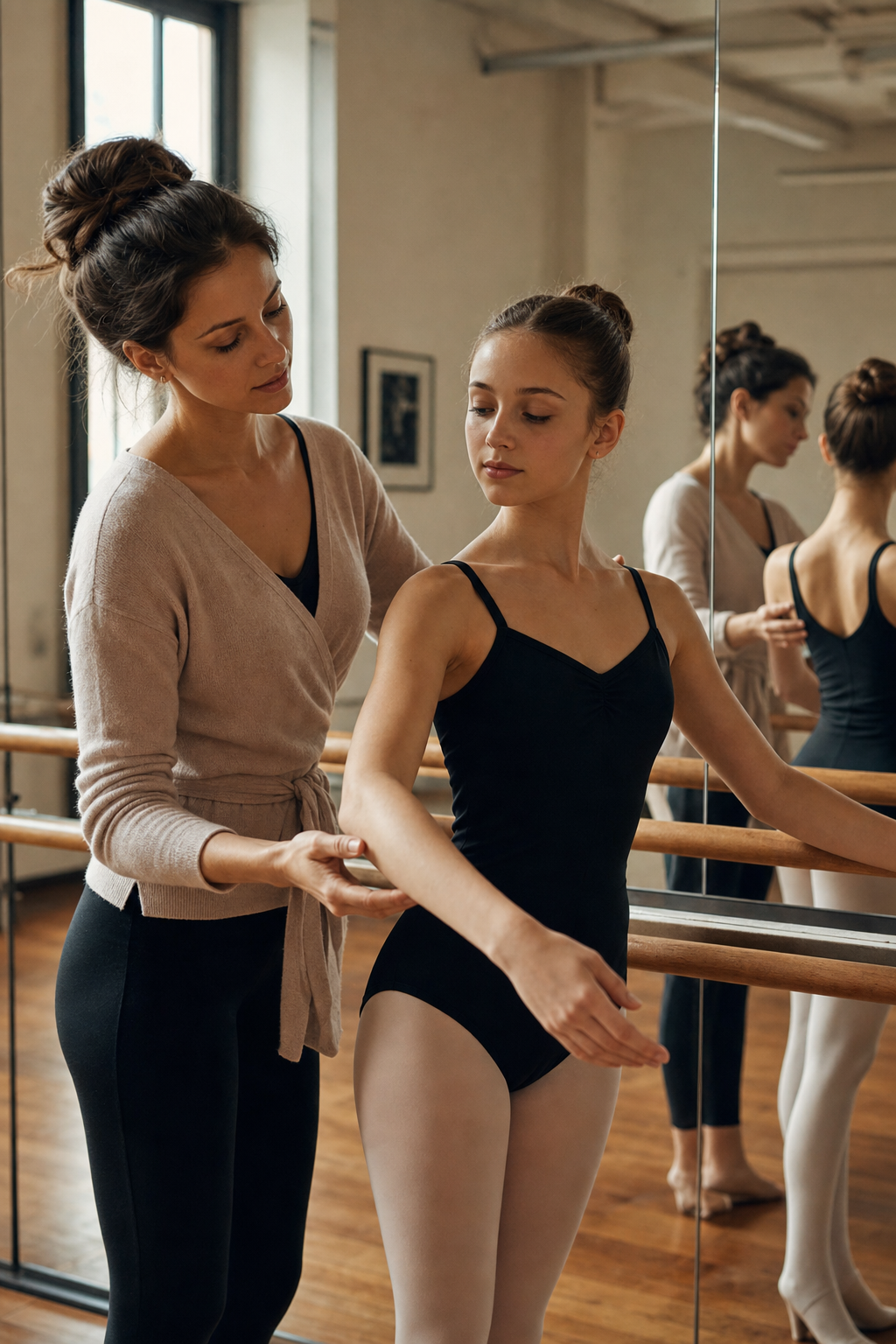
The average recreational dance student generates $2,000-$3,000/year in tuition. A competition-team dancer generates $8,000-$15,000/year — team fees, choreography fees, costumes, competition entries, travel packages. Higher engagement, higher retention, higher lifetime value.
Most studios convert 5-8% of rec dancers to competition team. At studios that identify signals and route to a family consult at the right moment, that climbs to 15-25%. This recipe watches for the moments — technique jumps, consistent attendance, solo interest, parent inquiries — and puts a teacher in front of the family when they're ready to hear it.
What this recipe does
Four moving parts. All watching dancer behavior.
Detects team-ready signals
Watches for technique milestones (first pointe class, level advancement), consistent attendance, and teacher-noted "ready" moments.
Alerts the teacher
When a signal fires, the dancer's teacher gets an inbox alert with context and a suggested outreach template.
Warm family consult invites
Teacher sends a personal SMS to the parent: 'Emma's technique has jumped — want to talk about team?' Not a sales pitch.
End-to-end attribution
Signal → consult → team enrollment, with revenue attributed back to the trigger and teacher.
How the competition team upsell works
Six steps. From behavioral signal to competition team enrollment.
-
1Trigger · Live
Detect a team-ready signal
Gleantap watches for four signal types: technique milestones (first pointe class, level advancement), consistent attendance (90%+ over 8 weeks), teacher-noted ‘ready’ moments, and parent-initiated inquiries about team.
-
2Heads-up · Live
Alert the dancer's teacher
When a signal fires, the primary teacher gets an inbox alert with the dancer’s full context: attendance, level, recent progression notes.
-
3Invite · SMS
Warm consult invite to parent
Teacher sends a personal SMS to the parent referencing the specific signal — ‘Emma’s technique has jumped this season, have you two ever thought about team? Free 20-min consult if you’re curious.’ No pitch.
-
4Book · One-tap
Auto-schedule if parent replies
If the parent replies yes, the teacher’s calendar drops into the thread. Family picks a time, consult is booked — typically 20-30 min at the studio.
-
5Prep · Pre-consult
Give the teacher a briefing
Before the consult, teacher gets a briefing: dancer’s progression, technique strengths, best-fit team level, and pricing/schedule for that team level.
-
6Close · Post-consult
Follow up with the team package
24 hours after the consult, teacher sends a follow-up with the team commitment structure, schedule, and enrollment link. Family talks it over; studio waits.
Team sells when a teacher identifies a dancer as ready — not when the studio pushes a promo.
The recipe doesn't sell team. It surfaces the moment. Then the teacher — who's watched the dancer grow all season — has the conversation. Consults triple, close rates double, and no ask ever feels like an upsell to the family.
What your families actually see
Copy that reads like a teacher noticed something and wants to talk — because that's exactly what happened.
What competition team upsells look like at dance studios
Ranges from dance studios running this recipe. Numbers depend on signal quality, teacher warmth, and how well team pricing/commitment fits your local market.
Families who accept a consult invite after a signal fires.
Families who enroll their dancer on team after the consult.
Average annual revenue lift per rec dancer converted to competition team (tuition + choreography + costumes + travel).
Ranges assume a studio with an established competition team program. Studios launching team for the first time see lower absolute numbers in year one, higher in year two once program credibility builds.
-
Attendance + progression dataAt least a full season of attendance and level history per dancer for signal detection.
-
Teacher consult slots20-30 min consult slots on primary teachers' calendars for family conversations.
-
Auto-schedule integrationJackrabbit, Studio Director, or Calendly for family self-scheduling.
-
Team info kitA brief info sheet with schedule, tuition, commitment expectations — the recipe fills it into the follow-up automatically.
-
Attribution trackingSignal → consult → team enrollment → season revenue, per-teacher visibility.
More recipes for dance studios
Automations we see paired with competition team upsell.
Win-Back Lapsed Dancers for Dance Studios
Dance is a practice, and every dancer's practice has seasons. This recipe catches dancers who've drifted for 3–4…
Class No-Show Recovery for Dance Studios
In dance, choreography advances every class — when a dancer misses one, they feel behind and awkward returning.…
New-Dancer Onboarding for Dance Studios
The first 60 days of a dance season decide whether a new dancer makes it to the June…
Family Referral Program for Dance Studios
Dance parents talk to other dance parents. After a great recital, when Emma's mom is telling everyone at…
This recipe also works for
The same signal-and-consult approach powers upsell across verticals.
Frequently asked questions
What studio owners ask before running this recipe.
What signals actually predict competition-team fit?
Should we offer a discount on team tuition to convert?
What if the family says the dancer isn't ready?
How is this different from a studio-wide team-tryouts announcement?
What if we're expanding team for the first time?
How do we handle families with multiple dance kids?
Does this cannibalize recreational class attendance?
See this recipe running in your studio.
A 20-minute walkthrough of the signal detection and family-consult flow on your dancer data. We'll show which of your current rec dancers are showing team-ready signals right now.
- No slide deck
- Live product, your data
- A list of dancers showing team-ready signals right now
Schedule a Demo
See how Gleantap can help your studio grow.