
Introduction
Welcome to the future of fitness marketing, where data-driven decisions reign supreme and sending the right message at the right time can make or break your gym’s success! In a world where consumers are bombarded with marketing messages, standing out is more crucial than ever. Enter predictive analytics, the secret sauce that can elevate your marketing game from mediocre to magnificent.
Imagine this: you’re a fitness studio owner, and you have a crystal ball that tells you exactly when your clients are most likely to sign up for a new workout program or need a gentle nudge to return after a hiatus. Sounds dreamy, right? Well, with predictive analytics, that dream can become reality. By harnessing the power of data and marketing automation, you can create personalized experiences that resonate with your audience.
The fitness industry is booming, with the global fitness app market valued at USD 4.4 billion in 2020 and expected to grow at a staggering CAGR of 23.5% from 2021 to 2028. This growth presents an incredible opportunity for fitness businesses to leverage automated marketing campaigns and enhance customer engagement.
In this blog post, we’ll dive deep into how you can use predictive analytics to trigger timely messages that not only capture attention but also drive conversions. Whether you’re using a robust CRM system or exploring new marketing automation tools, understanding predictive analytics will give you an edge in today’s competitive landscape.
So buckle up! We’re about to explore the intersection of data science and fitness marketing strategies, uncovering insights that will help you optimize your outreach efforts and ensure you’re always one step ahead of your clients’ needs.

Understanding Predictive Analytics
Definition and Key Concepts
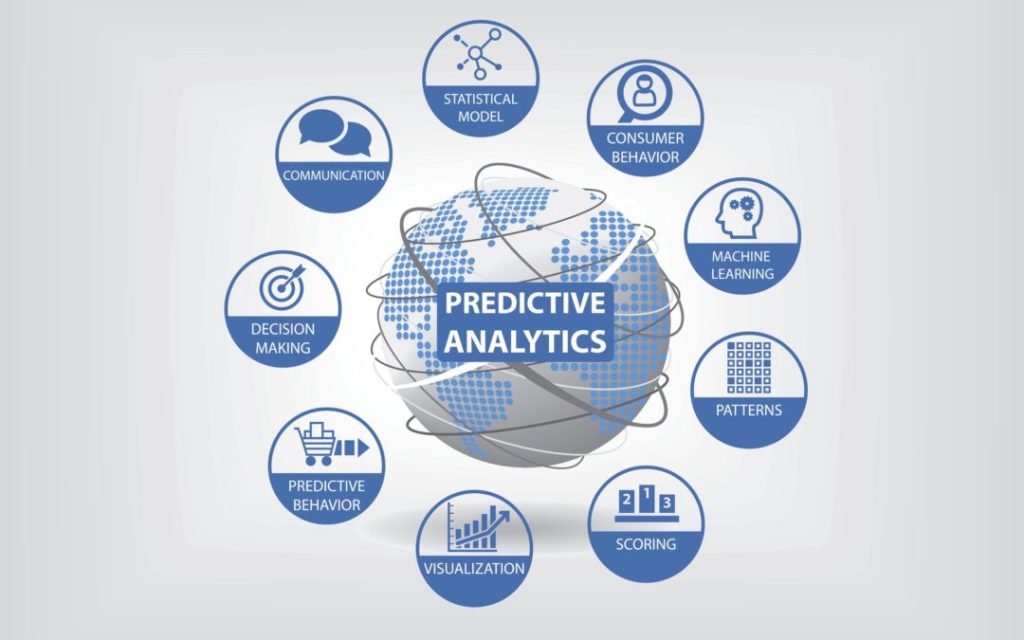
At its core, predictive analytics is like having a superpower that allows you to foresee future trends based on historical data. In the realm of fitness marketing, it involves analyzing client behaviors, preferences, and interactions to predict their future actions. By leveraging this data, fitness businesses can tailor their marketing strategies to meet the specific needs and desires of their audience.
Think of predictive analytics as a crystal ball for your CRM software solutions. Instead of guessing what your clients want, you can rely on data-driven insights to make informed decisions. This not only enhances customer satisfaction but also boosts your bottom line.
How Predictive Analytics Works
The magic of predictive analytics lies in its methodology. It employs statistical algorithms and machine learning techniques to analyze vast amounts of data. Here’s a simplified breakdown:
- Data Collection: Gather data from various sources like client interactions, social media engagement, and workout preferences.
- Data Processing: Cleanse and organize the data to ensure accuracy and relevance.
- Model Building: Use statistical models to identify patterns and correlations within the data.
- Prediction: Generate forecasts about future behaviors or trends based on the identified patterns.
- Actionable Insights: Translate predictions into actionable marketing strategies that resonate with clients.
This process not only helps in understanding current trends but also in anticipating shifts in consumer behavior, which is crucial for fitness business growth.
Applications in Fitness Marketing
The applications of predictive analytics in fitness marketing are as diverse as they are impactful. Here are some key areas where it can make a difference:
- Email Marketing Automation: Craft personalized emails based on predicted interests-like sending workout program promotions online just when clients need a motivational boost.
- Client Management Systems: Improve client retention strategies by predicting when members are likely to drop off and engaging them with targeted offers.
- SOCIAL MEDIA Automation for Fitness: Tailor ads and content based on user engagement patterns, ensuring that your messages hit home at the right moment.
- B2C Marketing Strategies: Develop campaigns that resonate with specific demographics by analyzing past purchase behaviors and preferences.
- B2B Sales Techniques: For gyms partnering with corporate wellness programs, predictive analytics can help identify which companies might be interested based on their employee health trends.
A study found that marketing automation can lead to a 14.5% increase in sales productivity, making it an essential tool for any fitness business looking to thrive in today’s competitive landscape. Source
The key takeaway? Predictive analytics isn’t just a buzzword; it’s an essential component of modern fitness marketing strategies. By harnessing this powerful tool, you can ensure that your messages are not only timely but also relevant-leading to increased engagement and ultimately driving sales!
If you’re ready to dive deeper into how predictive analytics can supercharge your marketing efforts, stay tuned for our next section where we explore the role of data in this fascinating field!
The Role of Data in Predictive Analytics
Types of Data Used (Demographics, Behavior, etc.)
When it comes to predictive analytics, data is your best friend. But not all data is created equal! Here are the main types of data that can supercharge your insights:
- Demographic Data: Age, gender, location-this is the basic stuff that helps you understand who your clients are.
- Behavioral Data: How often do they visit? What classes do they prefer? This data reveals patterns that can inform your marketing strategies.
- Transactional Data: Purchase history provides insight into what services or products are popular and when clients are likely to buy again.
- Engagement Data: Social media interactions and email open rates help you gauge how well your messages resonate with your audience.
By combining these different types of data, fitness businesses can create a comprehensive picture of their clientele, allowing for more targeted and effective fitness marketing automation.
Peter Visser, Co-founder of The Trading Cafe, added, “In my experience, leveraging predictive analytics in our trading strategies has given us a significant edge. By analyzing past behaviors, we were able to predict when traders would make key moves, helping us refine our approach and optimize our messaging. For example, using predictive data, we saw a 25% increase in engagement from users who received personalized, timely content. The power of anticipating actions, rather than reacting, can revolutionize marketing efforts.”
Data Collection Methods for Fitness Studios
The next step in harnessing the power of predictive analytics is collecting the right data. Here are some tried-and-true methods to gather valuable insights:
- Surveys and Feedback Forms: Ask clients about their preferences and experiences-it’s like having a direct line to their thoughts!
- User Activity Tracking: Use gym management software to track attendance patterns, class sign-ups, and purchases.
- Email Marketing Analytics: Monitor open rates and click-throughs to see what content engages your audience most effectively.
- Social Media Monitoring: Keep an eye on engagement metrics across platforms to understand which posts drive interest and interaction.
These methods not only help in gathering essential data but also empower fitness studios to refine their marketing funnels for gyms, ensuring that every interaction counts!
Data Privacy and Compliance Considerations
No one wants to be the villain in a data breach story. When dealing with client information, it’s crucial to prioritize data privacy. Here are some key considerations:
- Compliance with Regulations: Ensure that you’re following regulations like GDPR or CCPA if you’re collecting personal information from clients.
- Anonymization of Data: Where possible, anonymize client information so that individual identities remain protected while still providing valuable insights.
- User Consent: Always obtain consent before collecting or using client data-transparency builds trust!
- Secure Storage Solutions: Invest in robust customer data management tools, ensuring that sensitive information is stored securely.
A study found that over 60% of consumers are concerned about how their personal information is used by businesses. Prioritizing privacy not only keeps you compliant but also fosters customer loyalty. Source
The takeaway here? By being diligent about data collection methods while respecting privacy concerns, fitness studios can leverage predictive analytics without fear-making informed decisions while maintaining trust with clients!
If you’re excited about how this treasure trove of data can enhance your marketing efforts, stay tuned as we explore integrating predictive analytics with marketing automation in our next section!
Integrating Predictive Analytics with Marketing Automation
Overview of Marketing Automation Tools
Marketing automation tools are like the Swiss Army knives of fitness marketing. They streamline your efforts, allowing you to manage campaigns, track customer interactions, and analyze data-all in one place! Here are some popular tools that can supercharge your marketing:
- HubSpot: Ideal for inbound marketing, it offers CRM integration and automated workflows.
- Mailchimp: A classic for email marketing automation that also provides analytics to gauge campaign performance.
- ActiveCampaign: Combines email marketing with powerful CRM features, perfect for personalized outreach.
- GetResponse: Offers a comprehensive suite, including landing pages and webinar tools tailored for fitness businesses.
The right tool can help fitness studios automate repetitive tasks, allowing them to focus on what they do best-helping clients achieve their fitness goals!
Choosing the Right Automation Platform for Fitness Studios
Selecting the right marketing automation platform is akin to picking the perfect gym equipment: it needs to fit your specific needs! Here’s what to consider when making your choice:
- User-Friendliness: Look for an intuitive interface that doesn’t require a PhD in tech to navigate.
- Integration Capabilities: Ensure it seamlessly connects with your existing CRM software solutions, such as B2C CRM or B2B CRM.
- Customization Options: The ability to tailor workflows and campaigns according to your unique audience is crucial.
- Customer Support: Reliable support can make or break your experience-choose a platform known for excellent service!
A common mistake? Rushing into a decision without considering long-term needs. Take the time to evaluate each option carefully; after all, you wouldn’t buy a treadmill without trying it out first!
Connecting CRM Systems with Predictive Analytics Tools
The magic happens when you connect your CRM systems with predictive analytics tools. This integration allows you to transform raw data into actionable insights. Here’s how you can make this connection seamless:
- Select Compatible Tools: Ensure that both your CRM and predictive analytics platforms can communicate effectively. Look for vendors that offer integrations or APIs.
- Create Data Pipelines: Establish clear pathways for data flow between systems so that insights from predictive analytics can inform client interactions in real-time.
- A/B Testing Integration: Use insights from predictive models to run A/B tests on campaigns directly through your CRM-this helps refine strategies based on actual performance metrics.
- User Training: Equip your team with the knowledge needed to utilize both systems effectively. Regular training ensures everyone is on the same page!
The integration of predictive analytics with marketing automation has been shown to increase conversion rates by up to 30%, making it an essential strategy in today’s competitive fitness landscape.
The takeaway? By integrating these powerful technologies, fitness studios can create highly personalized experiences that not only engage clients but also drive retention and growth. Ready to take things up a notch? Stay tuned as we explore how triggering the right message at the right time can transform your outreach efforts!
Triggering the Right Message at the Right Time
Identifying Key Customer Segments for Targeting
To truly harness the power of predictive analytics, you need to know who you’re talking to. Think of your customer base as a diverse group of fitness enthusiasts, each with their own unique preferences and behaviors. Here are some key segments you might consider:
- The Newbies: These are your fresh sign-ups, eager to dive into the fitness world but needing guidance.
- The Regulars: Loyal clients who attend classes consistently but may need a nudge to try new workouts.
- The Hiatus Heroes: Those who have dropped off the radar-possibly due to life getting in the way. They could benefit from targeted re-engagement strategies.
- The Goal-Getters: Clients with specific fitness goals, like training for a marathon or prepping for a bodybuilding competition, who may appreciate tailored advice and programs.
By segmenting your audience effectively, you can tailor your messages for maximum impact, ensuring that each communication feels personal and relevant. This targeted approach not only enhances customer satisfaction but also drives higher engagement rates in your automated marketing campaigns.
Tactics for Timing Messages Effectively
Timing is everything in fitness marketing automation. Here are some tactics to ensure your messages hit just right:
- Behavior Triggers: Set up automated messages based on specific actions-like sending a welcome email immediately after someone signs up or offering discounts when clients haven’t visited in a while.
- Anomaly Detection: Use predictive analytics to identify unusual patterns (like a sudden drop in attendance) and trigger timely outreach to re-engage those clients.
- Biorhythm-Based Messaging: Consider when your clients are most active-if they prefer early morning workouts, schedule emails or notifications accordingly.
- Seasonal Promotions: Leverage data on past purchasing behaviors during specific times of year (like New Year’s resolutions) to launch targeted campaigns that resonate with clients’ goals.
The key is to be proactive rather than reactive. By anticipating client needs based on their behavior patterns, you can create an experience that feels seamless and intuitive, resulting in better retention rates and higher conversion through your sales pipeline management tools for fitness businesses.
Examples of Successful Campaigns in Fitness Marketing
If you’re looking for inspiration, here are some stellar examples of how predictive analytics has transformed fitness marketing campaigns:
- A Gym’s Reactivation Campaign: A local gym analyzed data showing that 30% of their members hadn’t visited in over three months. They launched an email campaign offering personalized workout plans and incentives like free trial classes. The result? A 20% reactivation rate!
- A Fitness App’s Personalized Notifications: A popular fitness app used predictive analytics to send personalized reminders based on user activity levels. Users received motivational nudges when they were likely to skip workouts-leading to increased engagement by 15%!
- A Studio’s Seasonal Promotions: A boutique studio analyzed historical data and found that attendance spiked every January. They created targeted marketing funnels around this insight, promoting exclusive offers leading into the New Year that resulted in record sign-ups!
The takeaway? Real-world applications of predictive analytics show how timely messaging not only captures attention but also drives action-making it an invaluable strategy for any fitness business looking to grow!
If you’re ready to take your marketing efforts up a notch, consider how these tactics can be applied within your own strategies. The next step? Measuring success and optimizing your campaigns based on what the data tells you!
Measuring Success and Optimizing Strategies
KPI Metrics to Track Performance of Campaigns
In the world of fitness marketing automation, measuring success is crucial to ensure your campaigns are hitting the mark. Here are some key performance indicators (KPIs) you should keep an eye on:
- Conversion Rate: This tells you what percentage of your audience takes the desired action, like signing up for a class or downloading an app.
- Email Open and Click-Through Rates: These metrics reveal how engaging your emails are. If people aren’t opening your messages, it’s time to rethink your subject lines!
- Customer Retention Rate: Keeping clients is just as important as acquiring new ones. Monitor how many clients stick around after their first purchase.
- Return on Investment (ROI): Calculate the revenue generated from your campaigns against the costs incurred to determine profitability.
- Lead Generation Metrics: Track how many leads are generated through your marketing efforts and how they progress through your sales pipeline management tools for fitness businesses.
By analyzing these KPIs, you can gain valuable insights into what’s working and what needs tweaking in your automated marketing campaigns.
A/B Testing Approaches for Continuous Improvement
A/B testing is like a fitness regimen for your marketing strategies-it helps you identify what works best! Here’s how to implement A/B testing effectively in your fitness marketing automation:
- Select Your Variables: Choose one element to test at a time, such as subject lines, call-to-action buttons, or email layouts.
- Create Two Versions: Develop two versions of the same campaign (A and B) with minor differences based on what you’re testing.
- Segment Your Audience: Divide your audience randomly so that each group receives one version of the campaign.
- Analyze Results: After running the test for a sufficient time, compare performance metrics like open rates and conversion rates to see which version performed better.
- Iterate and Optimize: Use insights gained from A/B tests to refine future campaigns continuously.
This approach allows fitness studios to make data-driven decisions that enhance client engagement and drive conversions!
Adjusting Strategies Based on Data Insights
The beauty of using predictive analytics in fitness marketing? It enables you to pivot quickly based on real-time data insights. Here’s how you can adjust strategies effectively:
- Tweak Messaging Based on Engagement Data: If certain messages aren’t resonating with clients, don’t be afraid to change them up! Tailor content based on feedback and engagement metrics.
- Pursue New Segments Identified by Data: If analytics reveal untapped demographics or behaviors within your audience, create targeted campaigns that cater specifically to those segments.
- Refine Offers Based on Purchase Patterns: Analyze transactional data to understand when clients are most likely to buy. Adjust promotional offers accordingly!
- Acknowledge Seasonal Trends: Utilize historical data insights to prepare for seasonal fluctuations in demand. If January is peak season due to New Year resolutions, plan ahead with enticing offers!
The takeaway? By continuously measuring success through KPIs, employing A/B testing strategies, and adjusting tactics based on data insights, fitness studios can ensure their marketing efforts remain relevant and effective in driving growth!
If you’re ready to elevate your fitness marketing game further, consider implementing these strategies today! The next step? Dive into challenges and considerations when implementing predictive analytics in the next section!
Challenges and Considerations in Implementing Predictive Analytics
Pitfalls to Avoid When Using Predictive Models
Implementing predictive analytics can feel like navigating a minefield, especially if you’re not aware of the common pitfalls. Here are some traps to avoid:
- Over-Reliance on Data: While data is powerful, it’s not infallible. Relying solely on predictive models without considering external factors can lead to misguided strategies.
- Ignoring Data Quality: Garbage in, garbage out! If your data is inaccurate or outdated, your predictions will be too. Regularly audit and cleanse your data for optimal results.
- Neglecting User Behavior Changes: Consumer behavior is as fickle as a cat with a new toy. What worked last month might not work today. Stay agile and ready to adapt your strategies based on real-time insights.
- Lack of Proper Training: Your team needs to understand how to use predictive tools effectively. Failing to provide adequate training can lead to underutilization of these powerful systems.
A study revealed that 70% of organizations fail to leverage their analytics due to inadequate skills and resources. Investing in training and resources is crucial for success!
The key takeaway? Avoiding these pitfalls can significantly enhance the effectiveness of your fitness marketing automation. By focusing on data quality, training, and adaptability, you’re setting the stage for success!
The Importance of Human Oversight in Automated Systems
While predictive analytics can automate many processes, human oversight remains essential. Here’s why you shouldn’t let machines run the show completely:
- Contextual Understanding: Algorithms may miss nuances that a human touch can catch. For example, understanding seasonal trends or cultural shifts in fitness preferences requires human insight.
- Ethical Considerations: Automated systems can inadvertently perpetuate biases present in historical data. Human oversight ensures that marketing efforts are fair and inclusive.
- Crisis Management: In times of crisis (like a global pandemic), automated systems may not adapt quickly enough without human intervention. Having a team ready to pivot strategies is crucial for maintaining client relationships.
- Quality Control: Regularly reviewing automated campaigns helps ensure they align with brand values and messaging consistency.
A recent survey found that companies with strong oversight mechanisms saw a 30% improvement in campaign effectiveness. This shows that combining machine efficiency with human intuition leads to better outcomes!
The takeaway? Balancing automation with human oversight creates a robust system that leverages both data-driven insights and empathetic communication-essential for successful CRM software solutions.
If you’re ready to tackle these challenges head-on, consider how integrating both predictive analytics and human expertise can elevate your fitness marketing strategies. Stay tuned as we explore the future of predictive analytics in fitness marketing!

The Future of Predictive Analytics in Fitness Marketing
As we peer into the crystal ball of fitness marketing, it’s clear that predictive analytics is not just a fleeting trend; it’s the cornerstone of future marketing strategies. With advancements in technology and data science, the potential for fitness businesses to leverage predictive analytics is expanding faster than a treadmill on high speed!
Emerging Trends to Watch
The landscape of marketing automation is evolving, with several key trends shaping the future:
- AI-Driven Insights: Artificial intelligence will increasingly power predictive models, allowing for more accurate predictions and personalized experiences. Imagine a world where your CRM can anticipate client needs before they even know them!
- Real-Time Data Utilization: The ability to analyze data as it comes in will enable fitness studios to adjust their marketing strategies on-the-fly, ensuring that messages are timely and relevant.
- Integration Across Platforms: Seamless connectivity between various CRM software solutions, social media platforms, and email marketing tools will make it easier than ever to implement comprehensive marketing strategies.
- Focus on Customer Experience: Predictive analytics will shift from merely driving sales to enhancing overall customer experience. This means crafting tailored journeys that keep clients engaged and motivated.
Case Studies of Success
If you’re wondering just how powerful predictive analytics can be, look no further than these real-world examples:
- A Boutique Fitness Studio: A small studio used predictive analytics to identify which classes were most popular at different times of the year. By adjusting their schedule accordingly, they saw a 25% increase in attendance during off-peak months!
- A National Gym Chain: By implementing predictive models to analyze member behavior, they launched targeted re-engagement campaigns that resulted in a 30% increase in retention rates among members who were at risk of dropping out.
- A Fitness App Launch: A new fitness app utilized user data to tailor onboarding experiences based on predicted fitness levels, leading to a 40% higher user engagement rate within the first month!
The takeaway? These success stories illustrate how harnessing the power of predictive analytics can lead to significant business growth and enhanced client satisfaction. The future is bright for those willing to embrace these innovative approaches!
The Role of Personalization in Future Strategies
The future of fitness marketing automation lies heavily in personalization. As consumers become more accustomed to tailored experiences, businesses must adapt or risk losing engagement. Here’s how personalization will shape future strategies:
- Email Marketing Automation: Expect hyper-personalized emails based on individual behavior patterns rather than generic newsletters. Think workout reminders that align with personal goals!
- SOCIAL MEDIA Automation for Fitness: Ads will become increasingly targeted based on user activity and preferences, ensuring that your gym promotions reach the right eyes at the right time.
- Cohort Analysis: By grouping clients into cohorts based on behaviors or demographics, fitness businesses can craft specific messages that resonate deeply with each segment.
This level of personalization not only enhances customer experience but also drives loyalty-clients are more likely to stick around when they feel understood and valued.
If you’re ready to embrace this exciting future, consider investing in advanced sales automation software, robust lead generation software, and effective client management systems. The tools are out there; it’s time for you to use them!
The bottom line? The integration of predictive analytics into your marketing strategy isn’t just an option; it’s becoming essential for survival in an increasingly competitive market. So gear up and get ready-your clients are waiting for you to deliver those perfectly timed messages!
Ready to take your fitness marketing to the next level? Start using predictive analytics today to send smarter, data-driven messages that truly resonate with your audience. Don’t just react to customer behavior—anticipate it. With the right insights, you can engage clients at the perfect moment, boost retention, and grow your business effortlessly. Whether it’s reactivating inactive members or converting leads into loyal clients, predictive analytics helps you make every message count. It’s time to turn data into action and automation into lasting relationships. Let predictive intelligence guide your next move—because timing is everything in fitness marketing!

Written by
Marcus Webb
Marcus is a B2C marketing strategist with over 8 years of experience in lifecycle marketing, SMS campaigns, and customer retention. He specialises in helping multi-location businesses reduce churn and build long-term customer loyalty.
Recent blog posts
Back to blog

Ready to Run Successful Marketing Campaigns and Grow Your Business?
Gleantap helps you unify customer data, track behavior patterns, and automate personalized campaigns, so you can increase repeat purchases and grow your business.
Ready to Run Successful Marketing Campaigns and Grow Your Business?
Gleantap helps you unify customer data, track behavior patterns, and automate personalized campaigns, so you can increase repeat purchases and grow your business.