
B2C Customer Data Platform for Deeper Personalization
Gleantap unifies customer data from every touchpoint into comprehensive profiles, so you can deliver personalized experiences at scale.

Gleantap Delivers Real Business Outcomes
60 Million+
Consumers Engagement
400 Million
Data Points Processed
1 Billion
Messages Sent
Trusted by Leading B2C Businesses












See Every Customer Interaction From A Single Source of Truth
Gleantap turns scattered customer data from different sources into single-view individual profiles, so your team has data-driven context.
Unified Profiles
See every customer’s history, including visits, purchases, and conversations under individual profiles.
Cross-Location Tracking
Recognize the same customer across all your locations. No duplicate records, no blind spots between branches.
Unified Inbox
Store every SMS, email, phone call, and chat conversation under a single profile.
Know Your Customers At a Deeper Level
Gleantap helps you monitor and segment customer profiles based on shared attributes, events, and actions. This helps you personalize every stage of your customer lifecycle.
Event-Based Segmentation
Segment customers by visit frequency, purchase history, service usage, and any behavioral pattern across a specific timeline.
Attribute-Based Filters
Target customers by membership type, location, lead source, birthday, expiration dates, tags, and custom attributes.
Segment Analysis
Analyze any segment by demographics, lifespan, visit frequency, purchase behavior, and campaign performance.
Run Targeted Campaigns to Convert More Customers
Gleantap lets you use customer data and segmentation to trigger personalized campaigns across multiple channels, so you convert and retain more customers.
Automated Journeys
Build multi-step workflows with conditional logic that trigger based on customer behavior.
Omnichannel Campaigns
Send email and SMS campaigns with the right message at the right time.
Real-Time Triggers
Automatically launch campaigns based on customer actions for engagement.
Enrich Your Customer Data to Understand Behavior Patterns
Gleantap analyzes your customer data to help you understand behavior across visits, purchases, and engagement. Identify your highest-value segments, catch early churn signals, and make data-driven decisions.
AI-Powered Reports
Build ready-made reports, such as ideal customer profiles, customer segmentation, growth drivers, and source attribution.
Behavior Pattern Analysis
Track visit frequency, purchase patterns, and engagement trends to identify which customers are most likely to churn or become high-value repeat buyers.
Custom Scorecards
Track key business metrics, like new members vs. total, contact growth, and custom KPIs broken down by location or workroom.
Give Teams Complete Access to the Right Data
Gleantap gives corporate teams full data visibility and controls across all locations, while allowing franchisees to manage their own customer data to maintain independence.
Workroom Access Control
Assign each franchise or location its own workroom with complete customer profiles.
Role-Based Permissions
Control what each franchisee can access with built-in roles and permission levels.
Campaign Approval Workflows
Let local teams build campaigns and flows that require corporate approval before going live.
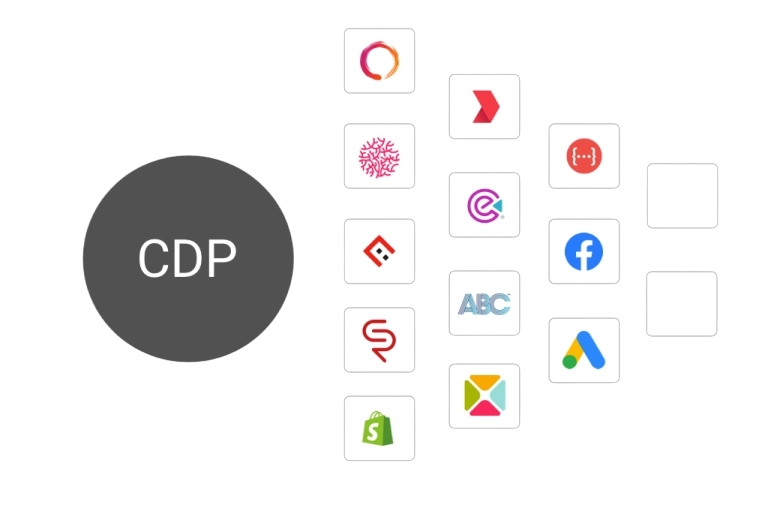
Dozens of seamless integrations
The best software products play well with others. From data and metrics to marketing system and sales, we help you unify all your data to get a full overview of each and every customer.

Frequently Asked Questions
Read the Latest From Our Blog
Manage Your Customer Data and Engagement From a Single System
Gleantap gives you tools to manage customers, track behaviors, run targeted campaigns, personalize interactions, and see the complete customer journey from first visit to repeat purchase.
Omnichannel Inbox with AI Agents
Omnichannel Inbox lets you manage patient conversations from SMS, email, Facebook, Instagram, WhatsApp, and web chat in a single inbox. AI Agents handle routine questions and appointment bookings.
Learn MoreMarketing Automation
Marketing Automation helps you create campaigns for new inquiries, recall reminders, and reactivation messages to lapsed patients.
Learn MoreSales CRM
Sales CRM provides unified customer profiles, pipeline visibility, and task assignment to increase conversion.
Learn MoreLoyalty & Gamification
Loyalty and Gamification let you create a reward system with points, badges, challenges, and tiered levels.
Learn MoreMost customers are leaving positive reviews across channels. Your brand reputation is strong and well-maintained.
Reputation Management
Reputation and Review Management centralizes reviews from Facebook and Google in one dashboard.
Learn MoreTurn Customer Data Into Recurring Revenue
Gleantap helps you unify customer data to build automated journeys, targeted campaigns, and personalized experiences, so you can engage customers and grow your business.
Turn Customer Data Into Recurring Revenue
Gleantap helps you unify customer data to build automated journeys, targeted campaigns, and personalized experiences, so you can engage customers and grow your business.